

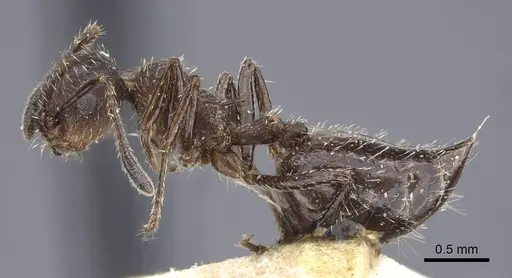
Crematogaster scapamaris
- Scientific Name
- Crematogaster scapamaris
- Subgenus
- Orthocrema
- Tribe
- Crematogastrini
- Subfamily
- Myrmicinae
- Author
- Santschi, 1922
- Distribution
- Found in 1 countries
Crematogaster scapamaris Overview
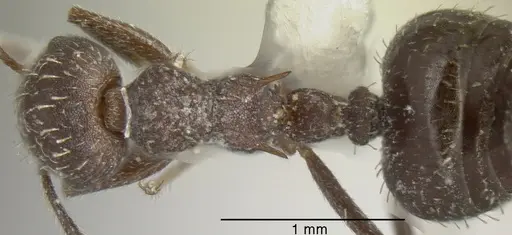
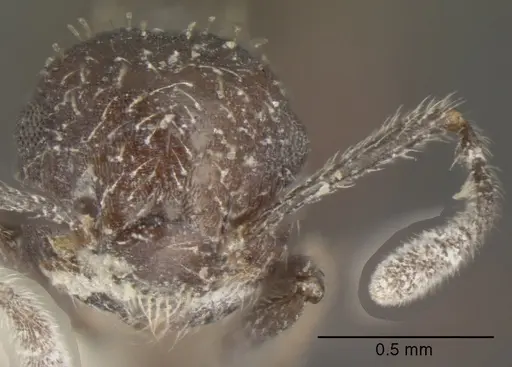
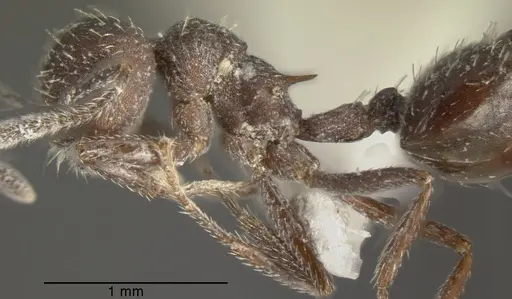
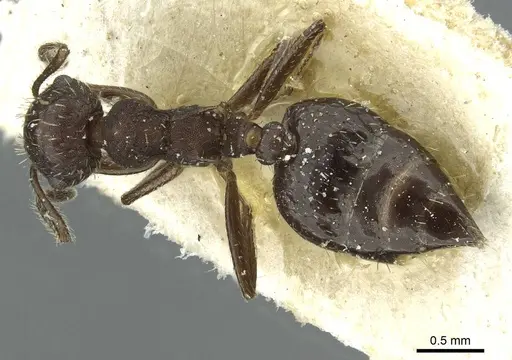
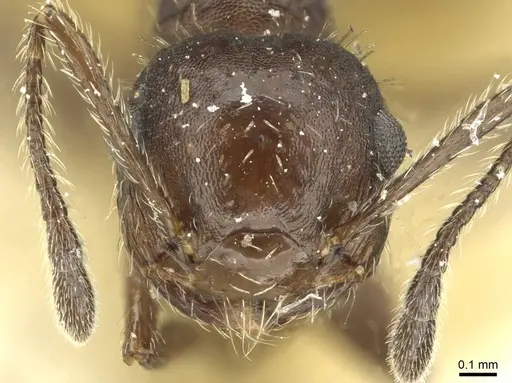
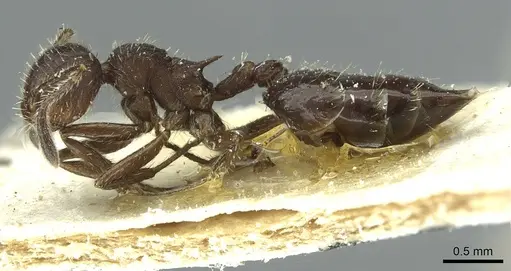
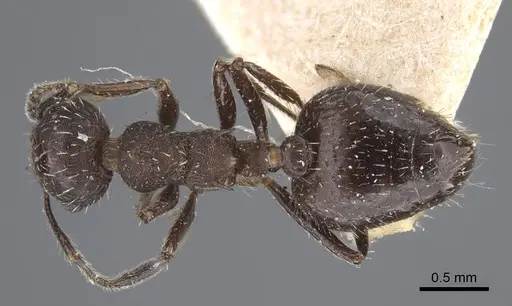
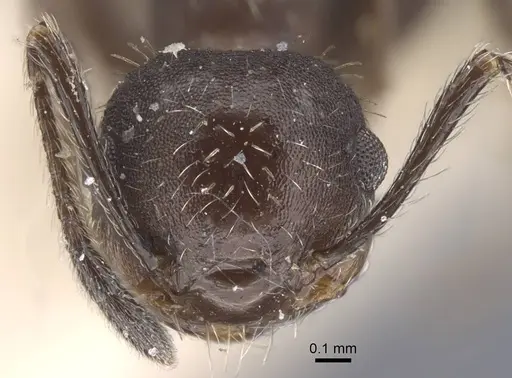
Crematogaster scapamaris is an ant species of the genus Crematogaster. It is primarily documented in 1 countries , including Argentina. Detailed taxonomic data and occurrence records can be further explored via authoritative databases such as AntWeb or the Global Biodiversity Information Facility (GBIF).
Crematogaster scapamaris
Crematogaster scapamaris is a small ant species native to Argentina, specifically found in the Yungas region and surrounding provinces including Córdoba and Santa Fe [1][2]. Workers are typical of the genus, small ants with a distinctive heart-shaped gaster that they can raise over their head like an acrobat, which is how they got their common name 'acrobat ants'. The species is endemic to the Yungas of Argentina, a subtropical montane forest ecosystem [1]. As a member of the tribe Crematogastrini and functional group Generalized Myrmicinae, these ants are adaptable foragers found in forest environments [3]. This is a rarely kept species in captivity with limited documented care information.
Quick Summary
- Difficulty: Medium
- Origin & Habitat: Yungas region of Argentina, subtropical montane forest ecosystem. Found in provinces including Córdoba and Santa Fe [1][2].
- Colony Type: Colony structure is unconfirmed for this species. The genus Crematogaster is typically polygynous (multiple queens), but specific data for C. scapamaris is not available.
- Size & Growth:
- Queen: Estimated 6-8mm based on genus patterns, no species-specific measurement found
- Worker: Estimated 2-4mm based on genus patterns, no species-specific measurement found
- Colony: Unknown, no colony size data documented for this species
- Growth: Moderate, estimated based on typical Crematogaster development patterns
- Development: Estimated 6-8 weeks at optimal temperature based on genus-level data for tropical Crematogaster species (Direct development data unavailable for this species, estimate based on related species patterns)
- Antkeeping:
- Temperature: Keep around 22-26°C. The Yungas is subtropical montane, so moderate warmth with some humidity is appropriate. A gentle gradient allows ants to self-regulate.
- Humidity: Moderate to high, subtropical montane forest conditions. Keep nest substrate moist but not waterlogged, with some drier areas available.
- Diapause: Unknown, no documented hibernation requirement. The Yungas region has mild winters, so they may have reduced activity periods rather than true diapause.
- Nesting: In nature they likely nest in rotting wood, under bark, or in soil in forest environments. In captivity, a Y-tong (AAC) nest or plaster nest with moderate humidity works well. They may accept test tube setups if given proper space.
- Behavior: Crematogaster ants are active foragers with a curious temperament. They are not particularly aggressive toward keepers but will defend their nest vigorously. Workers are quick-moving and will explore their outworld thoroughly. They have a distinctive defensive behavior, raising their abdomen like an acrobat, which serves as a warning display. Escape risk is moderate due to their small size, use standard barriers. They are generalized foragers and will collect various food sources.
- Common Issues: limited availability, this is a rarely kept species in the antkeeping hobby, no species-specific care documentation means keepers must rely on genus-level guidance, small colony sizes may make them vulnerable to stress, humidity control is important, too dry causes desiccation, too wet causes mold, subtropical origin means they may not tolerate cold temperatures
Natural History and Distribution
Crematogaster scapamaris is endemic to the Yungas region of Argentina, a biodiversity hotspot known for its subtropical montane forests [1]. The Yungas spans the eastern slopes of the Andes Mountains, creating a unique ecosystem with high humidity and moderate temperatures year-round. This species has been recorded in multiple Argentine provinces including Córdoba (type locality at Alta Gracia) and Santa Fe [2]. The Yungas environment is characterized by dense vegetation, frequent cloud cover, and relatively stable temperatures compared to surrounding areas. As a member of the Generalized Myrmicinae functional group, C. scapamaris occupies a flexible ecological niche as a generalist forager in forest understories [3]. The species was originally described by Santschi in 1922 based on specimens collected in Córdoba province.
Nest Preferences and Housing
In their natural habitat within the Yungas forest, Crematogaster scapamaris likely nests in rotting wood, under loose bark, or in soil cavities, typical locations for forest-dwelling Myrmicinae. The montane forest environment provides consistent moisture and moderate temperatures year-round. For captive care, a Y-tong (AAC) nest or plaster formicarium works well for this species, as these materials hold humidity steadily while providing dark, secure chambers. Test tube setups can work if the colony grows large enough, but the small worker size means you should monitor for escape attempts. Provide a moisture gradient within the nest so ants can choose their preferred humidity zone. The outworld should include some vertical surfaces as Crematogaster species often explore upward rather than staying on flat surfaces.
Feeding and Diet
Crematogaster ants are generalist foragers that will accept a variety of foods. In captivity, offer protein sources such as small insects (fruit flies, pinhead crickets, mealworms), and provide sugar sources like honey water or sugar water regularly. They are not specialized predators, so their diet can include both protein and carbohydrates. Feed small amounts every 2-3 days, removing uneaten food to prevent mold. The small worker size means prey items should be appropriately sized, fruit flies and other tiny insects are ideal. Unlike some Crematogaster species that tend aphids, there's no specific documentation of honeydew collection for C. scapamaris, but they likely opportunistically exploit honeydew sources like related species do.
Temperature and Seasonal Care
Based on their origin in the subtropical Yungas region, maintain temperatures around 22-26°C. The Yungas experiences mild temperatures year-round with no extreme cold, so avoid temperatures below 18°C or above 30°C. Room temperature within this range is typically suitable. If your environment is cooler, a heating cable on one side of the nest can create a gentle gradient, always place heating on top of the nest to avoid drying out the substrate. Humidity should be moderate to high, reflecting the cloud forest conditions of their native habitat. There is no documented diapause requirement for this species, but they may show reduced activity during cooler months. Monitor colony behavior, if workers become less active, slightly reduce feeding and avoid disturbing the nest.
Behavior and Temperament
Crematogaster ants are known for their distinctive defensive display, workers can raise their heart-shaped gaster over their head like an acrobat, which serves as a warning to potential threats. They are not among the most aggressive ant species but will readily defend their colony if threatened. Workers are active foragers and will explore their environment thoroughly, making them entertaining to watch. The small worker size (estimated 2-4mm) means they can squeeze through small gaps, use appropriate escape prevention with fine mesh and tight-fitting lids. They are diurnal foragers, actively searching for food during daylight hours. Colonies are likely polygynous (multiple queens) based on typical Crematogaster patterns, though this specific species has not been studied in detail.
Frequently Asked Questions
How long does it take for Crematogaster scapamaris to produce first workers?
The exact development time is unconfirmed for this species. Based on typical Crematogaster genus patterns, expect approximately 6-8 weeks from egg to worker at optimal temperatures (22-26°C). Growth rate is moderate, colonies will slowly build numbers over several months.
What do Crematogaster scapamaris ants eat?
They are generalist foragers. Offer small protein sources like fruit flies, pinhead crickets, or small mealworms 2-3 times per week. Provide a constant sugar source like honey water or sugar water. Remove uneaten food promptly to prevent mold.
Do Crematogaster scapamaris ants sting?
Crematogaster ants have a stinger but rarely use it against humans due to their small size. Their primary defense is the distinctive acrobat display, raising the abdomen as a warning. They are not considered dangerous to keepers.
What temperature and humidity do they need?
Keep temperatures around 22-26°C. Humidity should be moderate to high, think damp forest conditions. Use a moisture gradient in the nest so ants can self-regulate. Avoid temperatures below 18°C or above 30°C.
Are Crematogaster scapamaris good for beginners?
This species is rated as Medium difficulty. While Crematogaster genus ants are generally hardy, this specific species has limited documented care information. Beginners may want to start with more common species like Crematogaster lineolata or other well-documented ants before trying C. scapamaris.
How big do colonies of Crematogaster scapamaris get?
Colony size is not documented for this specific species. Based on genus patterns, expect moderate colony sizes, likely several hundred workers at maturity rather than massive supercolonies.
Can I keep multiple queens together?
The colony structure for this species is unconfirmed. The genus Crematogaster is typically polygynous (multiple queens), but combining unrelated foundress queens is not recommended unless you have specific documentation for this species. Start with a single queen to be safe.
What type of nest should I use?
A Y-tong (AAC) nest or plaster formicarium works well. These hold humidity steadily and provide the dark, secure chambers this species prefers. Test tubes can work for founding colonies but monitor for escape due to their small size.
Do they need hibernation or diapause?
Diapause requirements are unconfirmed for this species. The Yungas region has mild winters, so they likely do not require a true hibernation period. They may show reduced activity in cooler months but no special winter care is documented.
Where is Crematogaster scapamaris found in the wild?
This species is endemic to the Yungas region of Argentina, a subtropical montane forest ecosystem. It has been recorded in Córdoba and Santa Fe provinces. The Yungas is a unique cloud forest environment along the eastern Andes.
References

This caresheet is licensed under CC BY-SA 4.0 .
Literature
Loading...Loading products...