

Crematogaster santschii
- Scientific Name
- Crematogaster santschii
- Tribe
- Crematogastrini
- Subfamily
- Myrmicinae
- Author
- Forel, 1913
- Distribution
- Found in 2 countries
Crematogaster santschii Overview
Crematogaster santschii is an ant species of the genus Crematogaster. It is primarily documented in 2 countries , including Congo, Democratic Republic of the, South Africa. Detailed taxonomic data and occurrence records can be further explored via authoritative databases such as AntWeb or the Global Biodiversity Information Facility (GBIF).
Crematogaster santschii
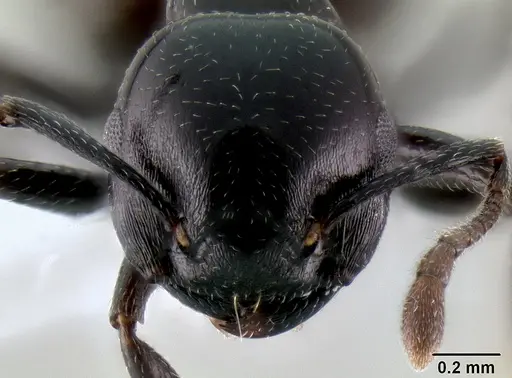
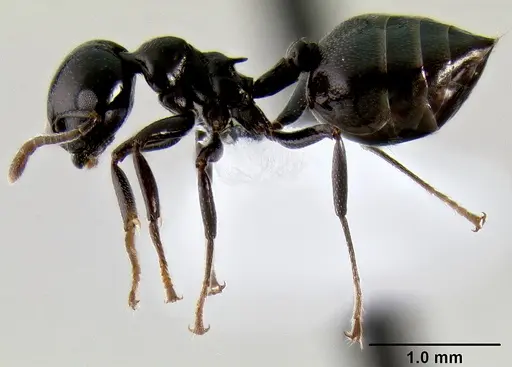
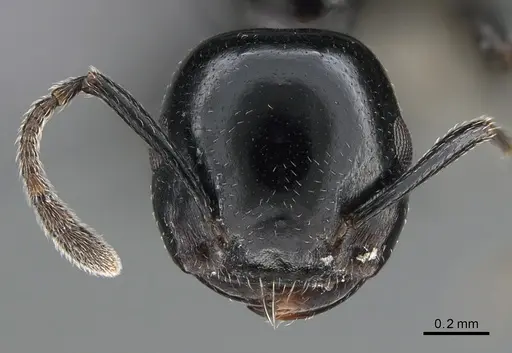
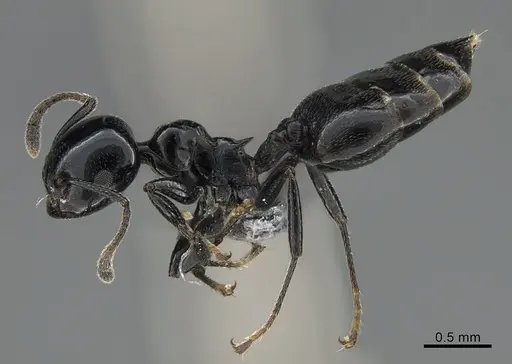
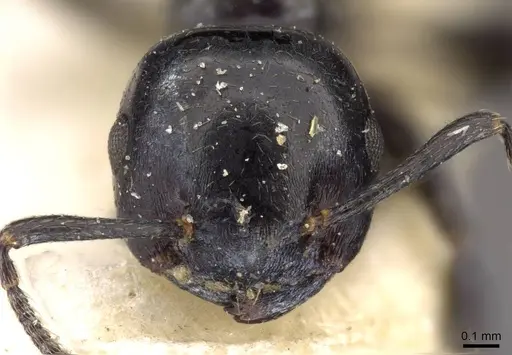
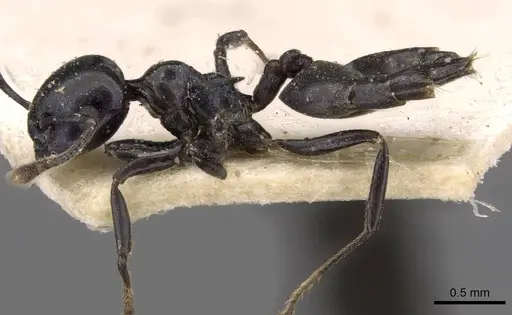
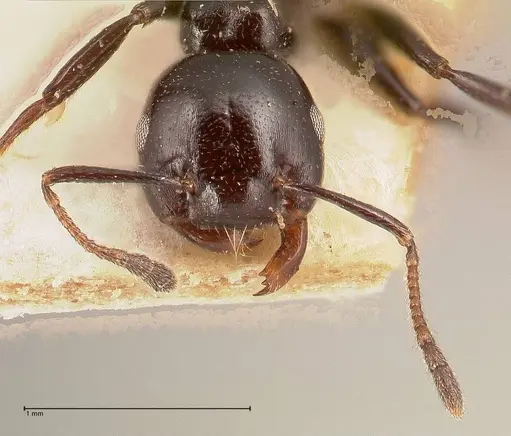
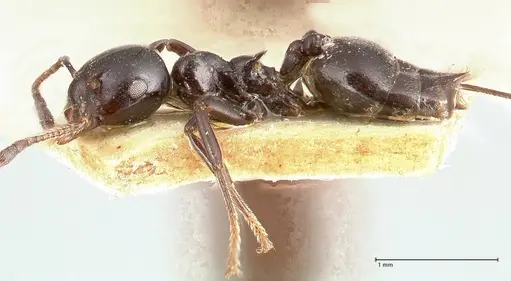
Crematogaster santschii is a small myrmicine ant belonging to the Crematogaster ranavalonae group. Workers are tiny ants, typically measuring 2-4mm, with the characteristic Crematogaster feature of being able to raise their abdomen over their head like an acrobat, hence the common name 'acrobat ants'. They have a smooth, rounded mesosoma and a distinctive heart-shaped abdomen that they can tilt forward when threatened. This species is native to the Afrotropical region, specifically documented from the Democratic Republic of Congo [1]. The species was originally described by Forel in 1913 from specimens collected in the Kasai region of DRC [2].
This species is part of a complex group that has confused taxonomists due to subtle morphological variations. Interestingly, phylogenetic analysis places C. santschii as sister to both Asian species C. aberrans and the Malagasy Oxygyne clade, suggesting an interesting evolutionary history across continents [3]. The genus Crematogaster is known for its arboreal and semi-arboreal nesting preferences, and this species likely follows similar patterns to others in the group.
Quick Summary
- Difficulty: Medium
- Origin & Habitat: Democratic Republic of Congo (Afrotropical region). Specific habitat preferences are not documented in available literature, but related Crematogaster species typically nest in rotting wood, under bark, or in hollow stems in forested areas [2].
- Colony Type: Colony structure is unconfirmed. Many Crematogaster species are polydomous, meaning they maintain multiple nest sites connected by trails. Some species in the genus can have multiple queens (polygyne), but this varies significantly by species.
- Size & Growth:
- Queen: Estimated 5-7mm based on genus patterns, no specific measurements available for this species
- Worker: Estimated 2-4mm based on genus patterns, no specific measurements available for this species
- Colony: Unknown, no colony size data available for this species
- Growth: Moderate, estimated based on typical Crematogaster development patterns
- Development: Estimated 6-8 weeks at optimal temperature based on related Crematogaster species (Development time is estimated from genus-level data since species-specific studies are not available)
- Antkeeping:
- Temperature: Keep at 22-26°C. Adjust based on colony activity, if workers seem sluggish, increase slightly, if they avoid heated areas, reduce temperature. Related Crematogaster species prefer warm, stable conditions.
- Humidity: Moderate humidity around 50-70%. Provide a water source but avoid waterlogging the nest. Many Crematogaster species do well with a moisture gradient allowing ants to choose their preferred zone.
- Diapause: Unknown for this specific species. Many African Crematogaster species may reduce activity during cooler seasons but true hibernation is not well-documented.
- Nesting: Based on genus patterns, provide nesting options that mimic their natural arboreal habitat. Y-tong (AAC) nests, plaster nests, or naturalistic setups with rotting wood pieces work well. They often prefer enclosed spaces with narrow chambers.
- Behavior: Crematogaster santschii will likely show typical Crematogaster behavior, they are active foragers that can be aggressive when defending their nest. They have the characteristic ability to raise their abdomen over their head as a defensive display. Workers are likely to be smaller (2-4mm) so escape prevention should be good, they can squeeze through small gaps. They probably maintain pheromone trails and may be polydomous. They likely feed on honeydew, small insects, and sugar sources.
- Common Issues: limited data makes specific care requirements uncertain, use genus-level guidance, escape prevention is important for small ants, use fine mesh barriers, humidity control is critical, too wet causes mold, too dry causes desiccation, wild-caught colonies may have parasites that affect survival in captivity, slow founding phase is common, new colonies often fail before first workers arrive
Nest Preferences
Crematogaster santschii likely prefers nesting in rotting wood, under bark, or in hollow stems, typical of the genus. In captivity, Y-tong (AAC) nests work well because they provide dark, enclosed chambers that mimic tree hollows. Plaster nests with moisture reservoirs also work, as they allow you to maintain appropriate humidity. Naturalistic setups with pieces of rotting wood or cork bark can simulate their natural arboreal habitat. Since many Crematogaster species are polydomous, you might consider providing multiple connected chambers or even multiple nest boxes connected by tubing. The chambers should be appropriately sized for their small worker size, tight spaces feel more secure to them. [3][2]
Feeding and Diet
Like most Crematogaster species, C. santschii likely has an omnivorous diet. They probably feed on honeydew from aphids and scale insects in the wild, along with small insects and other protein sources. In captivity, offer sugar water or honey water as a constant energy source. For protein, provide small insects like fruit flies, pinhead crickets, or mealworms. Since workers are small, prey items should be appropriately sized. Some Crematogaster species will accept protein jelly or other prepared foods, but live prey is generally better for encouraging natural foraging behavior. Feed protein 2-3 times per week and keep sugar water available at all times. [2]
Temperature and Care
Maintain temperatures between 22-26°C for optimal colony health and development. Crematogaster species generally prefer warm, stable conditions. You can use a heating cable or mat on one side of the nest to create a temperature gradient, allowing ants to choose their preferred zone. Place the heating element on top of the nest rather than underneath to avoid drying out the substrate. Room temperature within this range is usually sufficient for most colonies. Monitor colony activity, if workers become sluggish, increase temperature slightly, if they cluster away from heated areas, reduce it. Avoid temperature fluctuations and drafts.
Behavior and Temperament
Crematogaster ants are known for their distinctive defensive behavior, they can raise their abdomen over their head like an acrobat, which gives them their common name. When threatened, they may also release defensive chemicals from their abdomen or bite. Workers are small (estimated 2-4mm) but can be aggressive when defending the nest. They are active foragers and likely maintain pheromone trails to food sources. Many species in the genus are polydomous, maintaining multiple nest sites, so don't be alarmed if you see workers traveling between different areas. Their small size means escape prevention should be a priority, use fine mesh and tight-fitting lids. [2]
Growth and Development
Specific development data for C. santschii is not available, but based on related Crematogaster species, expect the egg-to-worker timeline to take approximately 6-8 weeks at optimal temperature. The founding phase can be slow, queens seal themselves in and may take several weeks before laying eggs, then several more weeks before the first workers (nanitics) emerge. Nanitics are typically smaller than normal workers. Colony growth is initially slow but accelerates once the first workers are established. Be patient during the founding phase, disturbing the queen or moving the nest during this time often leads to colony failure.
Frequently Asked Questions
How long does it take for Crematogaster santschii to have first workers?
The egg-to-worker timeline is estimated at 6-8 weeks based on related Crematogaster species, but this has not been specifically studied for C. santschii. The founding phase can be slow, so be patient, some colonies take 2-3 months before the first nanitic workers appear.
What do Crematogaster santschii ants eat?
They likely have an omnivorous diet similar to other Crematogaster species. Offer sugar water or honey water constantly, and provide small insects like fruit flies or pinhead crickets 2-3 times per week as protein.
What temperature do Crematogaster santschii ants need?
Keep them at 22-26°C. This is based on genus-level guidance since species-specific data is not available. A gentle temperature gradient allows ants to regulate their own conditions.
Are Crematogaster santschii ants good for beginners?
This species is rated as Medium difficulty. While the genus is generally manageable, limited specific care data means you may need to adjust care based on colony behavior. Beginners should be prepared for a potentially slow founding phase.
Do Crematogaster santschii ants sting?
Crematogaster ants can deliver a mild bite and may release defensive chemicals, but they are not considered dangerous to humans. Their small size means any bite is likely to be very minor.
Can I keep multiple Crematogaster santschii queens together?
Colony structure is unconfirmed for this species. Many Crematogaster species can be polygynous (multiple queens), but combining unrelated foundress queens has not been documented for C. santschii. It is not recommended to attempt combining queens.
What size nest do Crematogaster santschii ants need?
Use a nest with small, tight chambers appropriate for their tiny worker size (estimated 2-4mm). Y-tong (AAC) nests or plaster nests work well. They prefer dark, enclosed spaces that mimic tree hollows.
Do Crematogaster santschii ants need hibernation?
Diapause requirements are unknown for this species. As a tropical African species, they likely do not require true hibernation, but may reduce activity during cooler seasons.
Why are my Crematogaster santschii dying?
Common causes include: improper humidity (too wet causes mold, too dry causes desiccation), temperature stress, disturbance during founding phase, or parasites from wild-caught colonies. Review your husbandry and ensure the queen was healthy when collected.
How big do Crematogaster santschii colonies get?
Colony size is unknown for this specific species. Many Crematogaster species form moderate colonies, but without specific data, we cannot provide accurate estimates.
References

This caresheet is licensed under CC BY-SA 4.0 .
CASENT0193640
View on AntWeb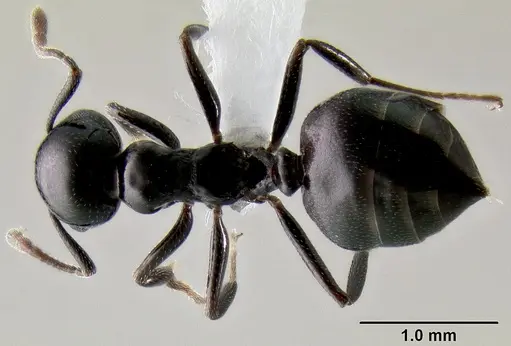
CASENT0887966
View on AntWeb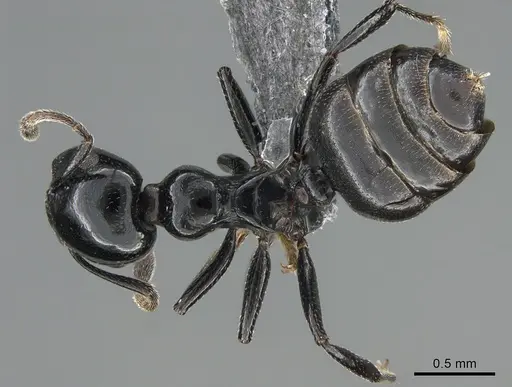
CASENT0902096
View on AntWeb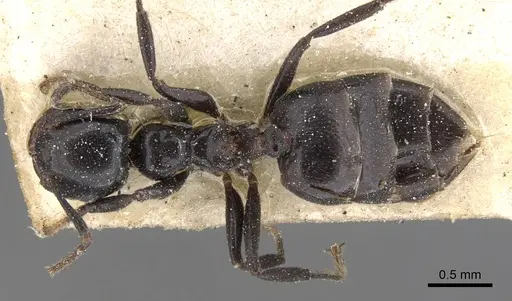
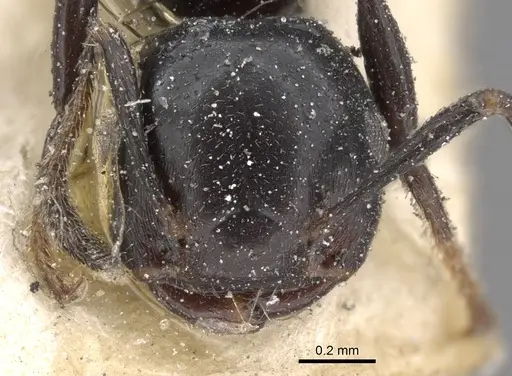
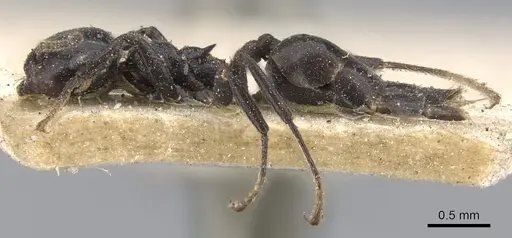
CASENT0908555
View on AntWeb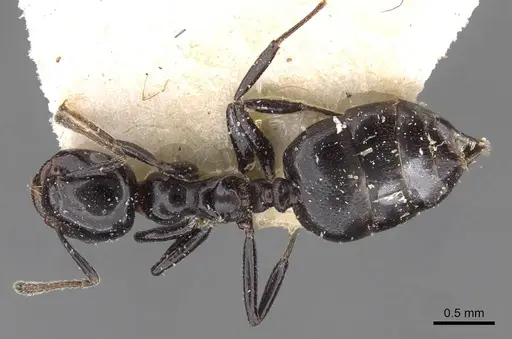
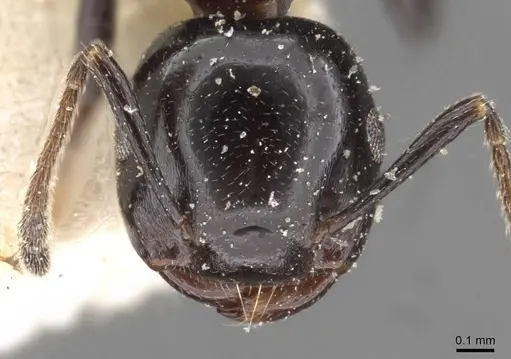
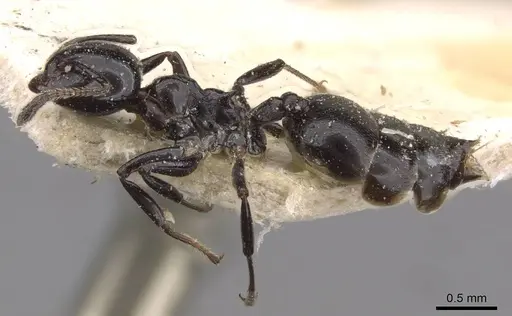
CASENT0908557
View on AntWeb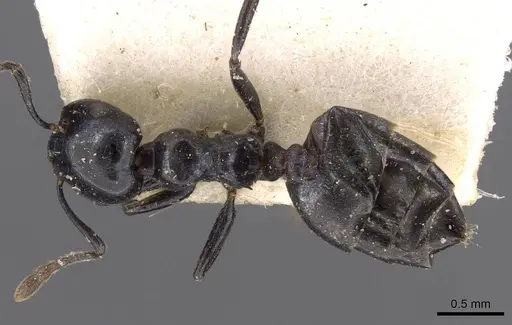
FOCOL0701
View on AntWeb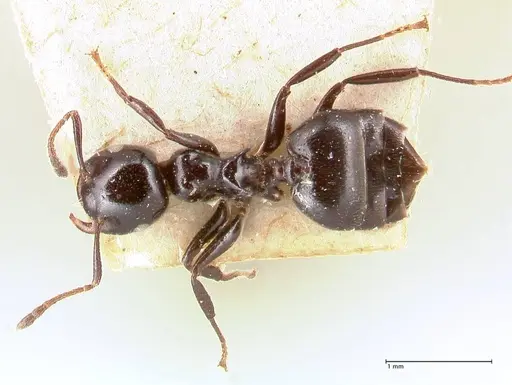
Literature
Loading...Loading products...