

Crematogaster ranavalonae
- Scientific Name
- Crematogaster ranavalonae
- Tribe
- Crematogastrini
- Subfamily
- Myrmicinae
- Author
- Forel, 1887
- Distribution
- Found in 1 countries
Crematogaster ranavalonae Overview
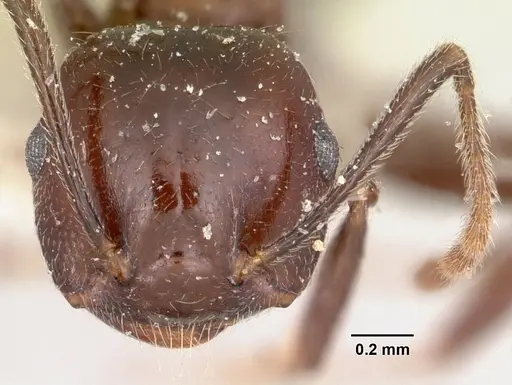
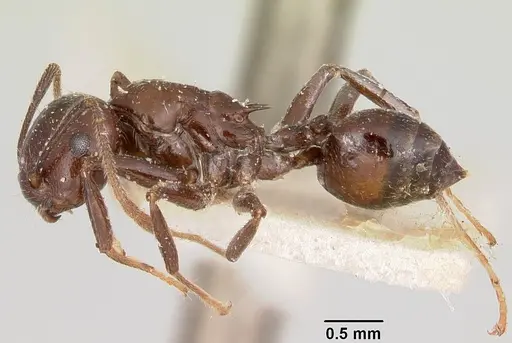
Crematogaster ranavalonae is an ant species of the genus Crematogaster. It is primarily documented in 1 countries , including Madagascar. Detailed taxonomic data and occurrence records can be further explored via authoritative databases such as AntWeb or the Global Biodiversity Information Facility (GBIF).
Crematogaster ranavalonae
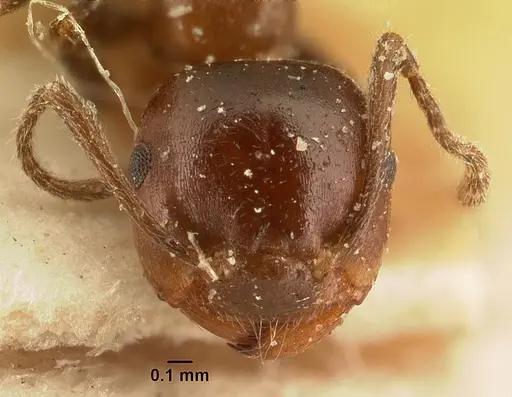
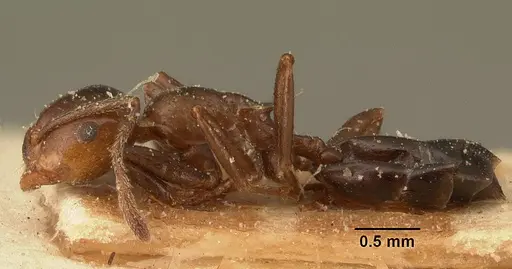
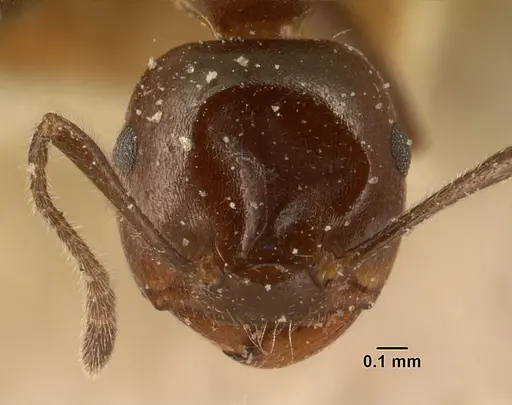
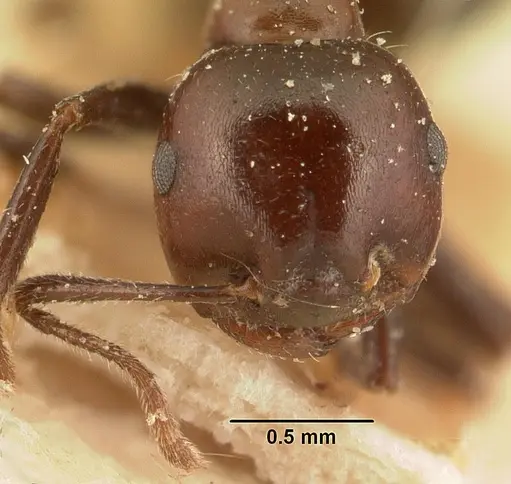
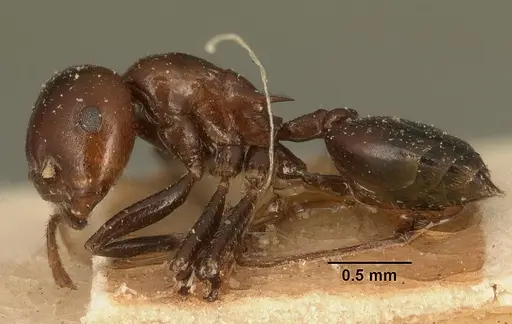
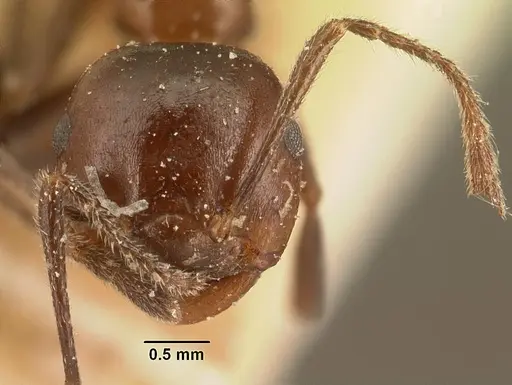
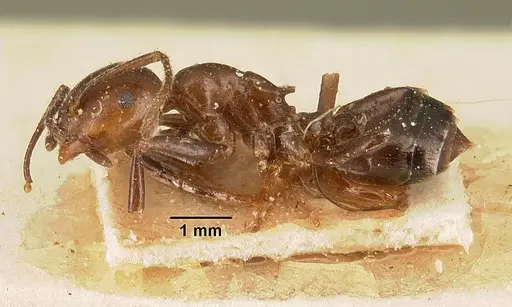
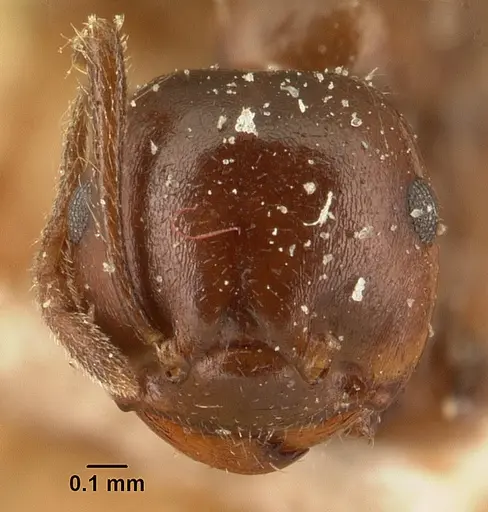
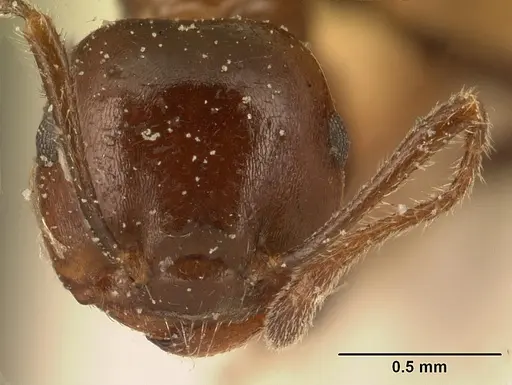
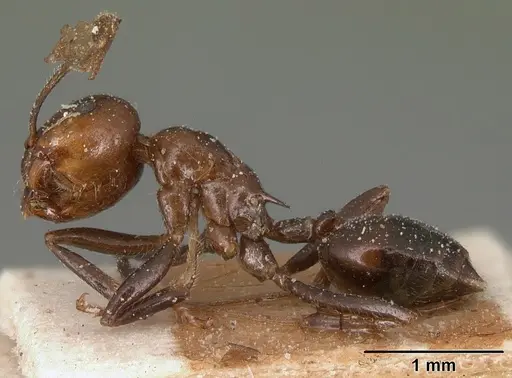
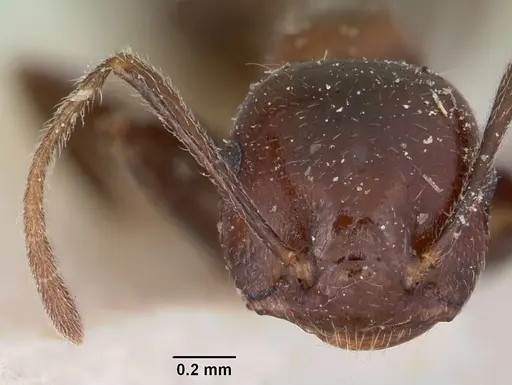
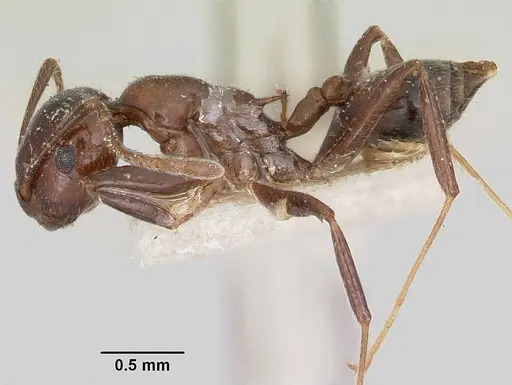
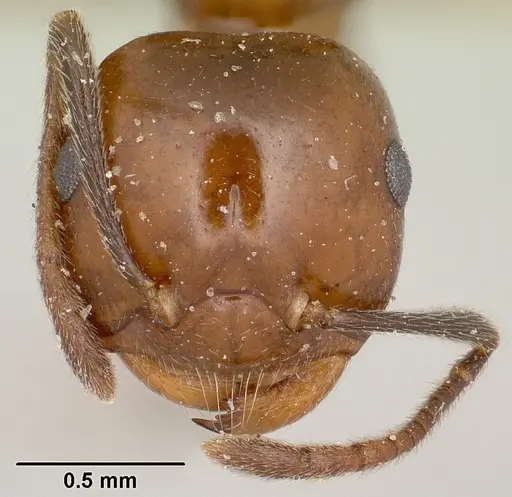
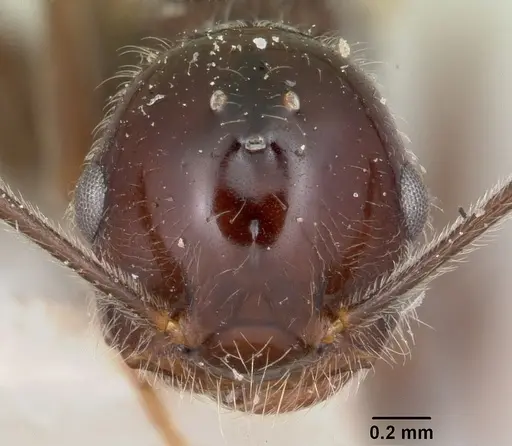
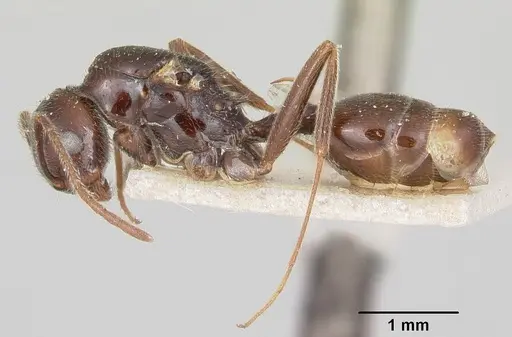
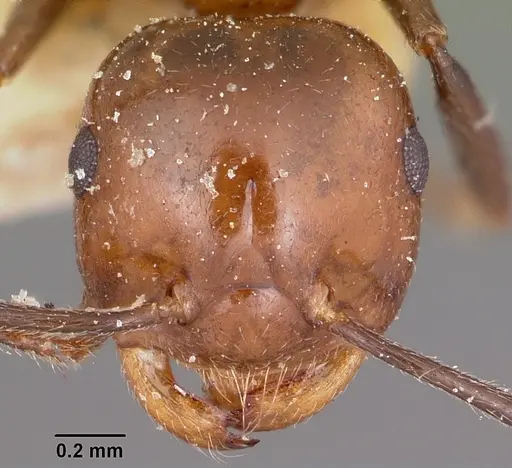
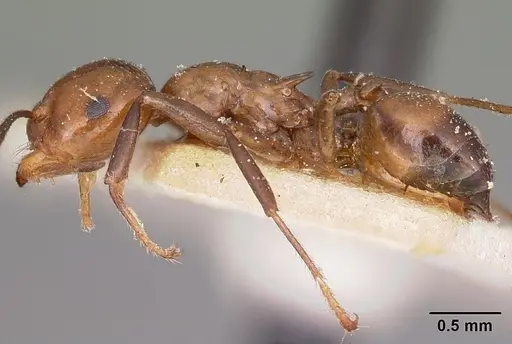
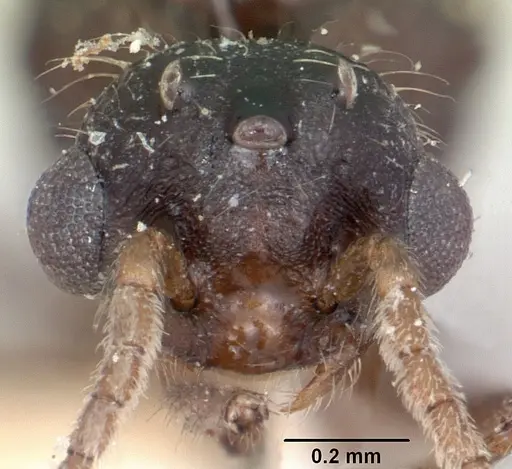
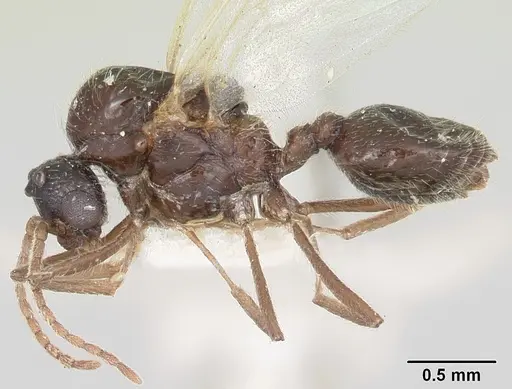
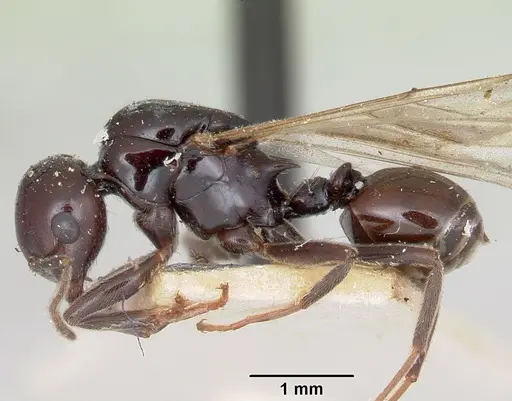
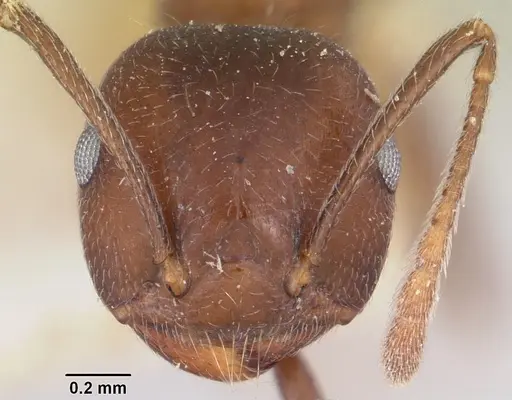
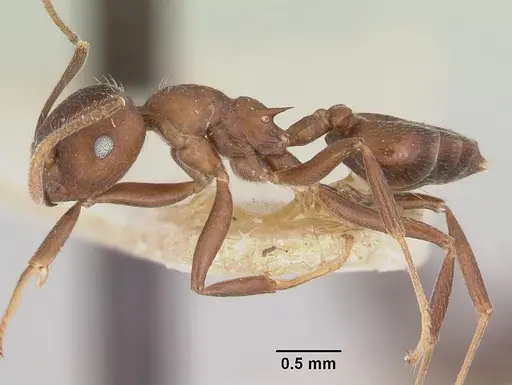
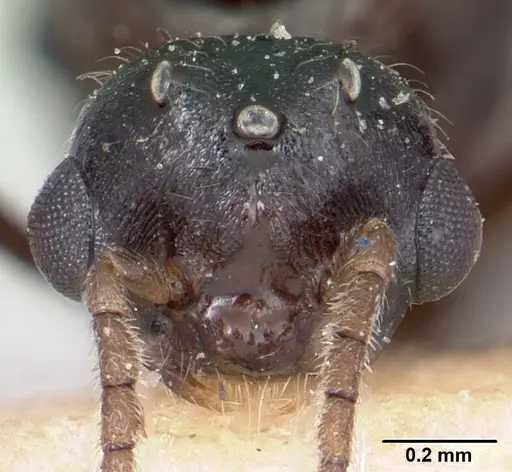
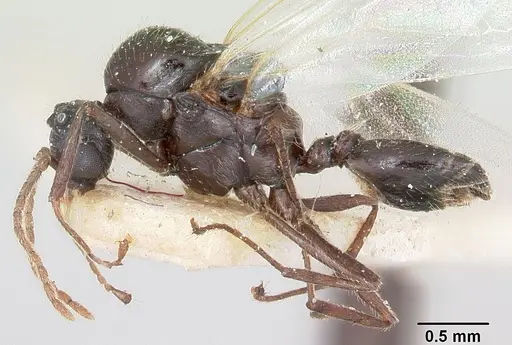
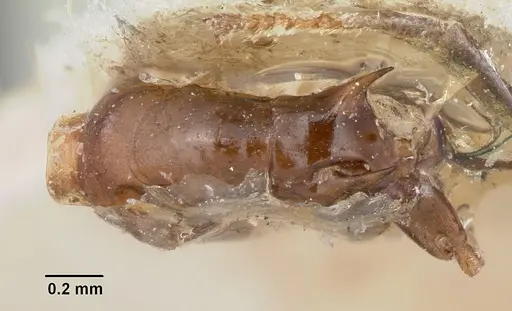
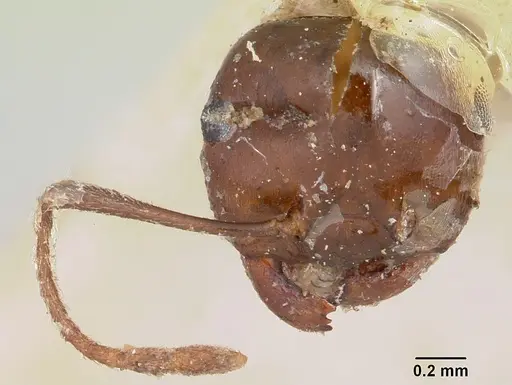
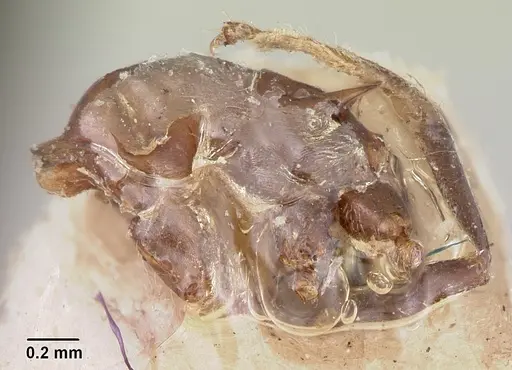
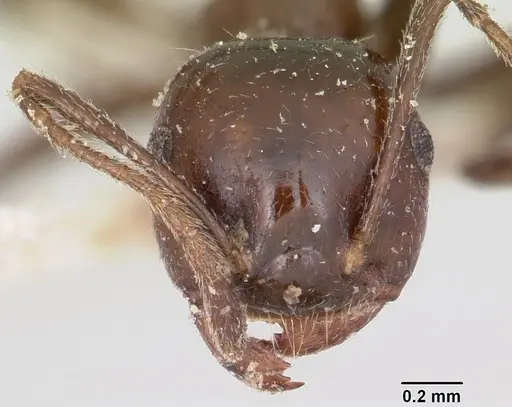
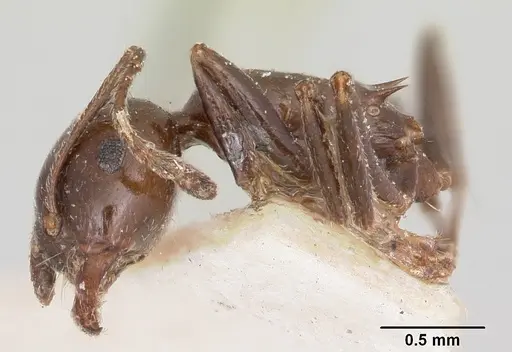
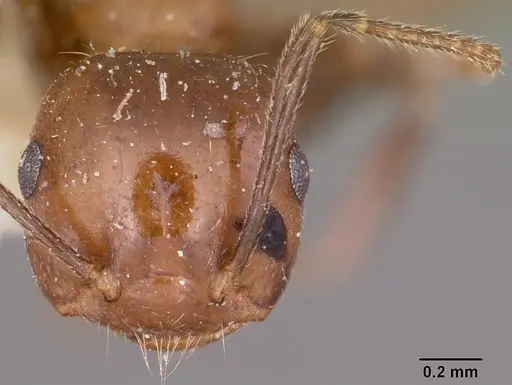
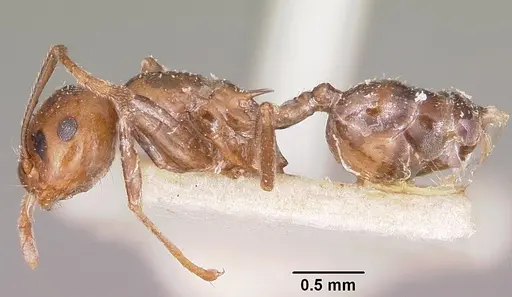
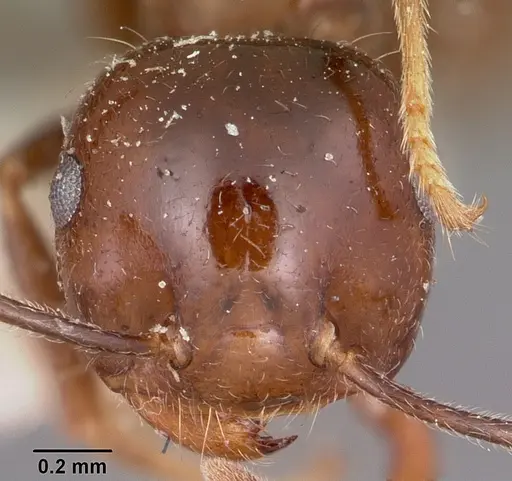
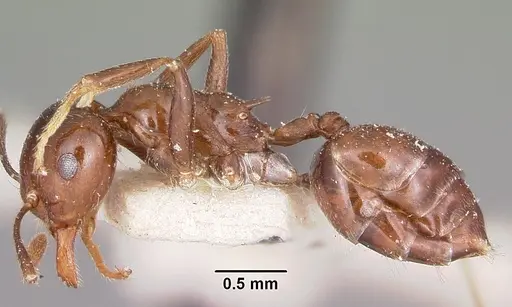
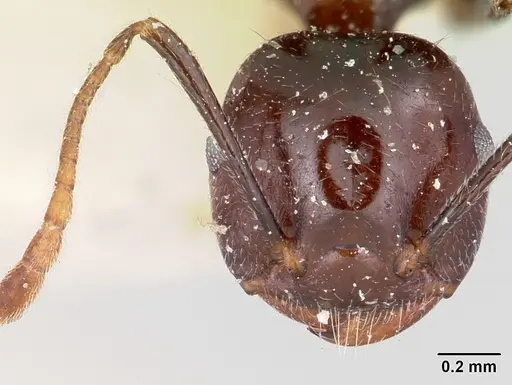
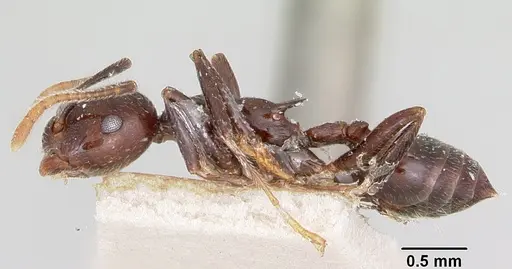
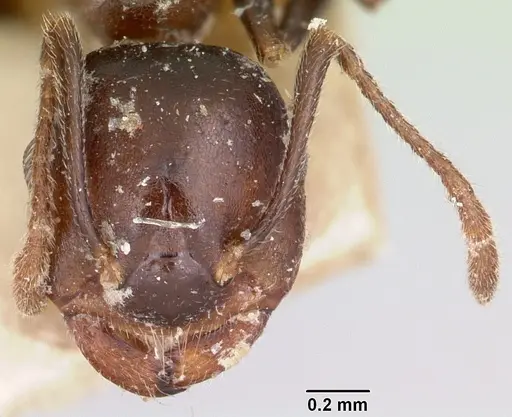
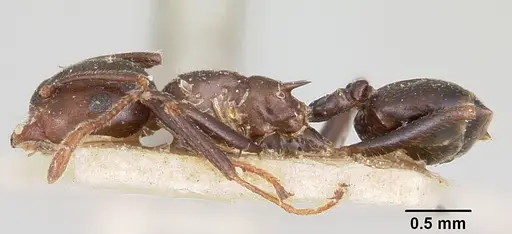
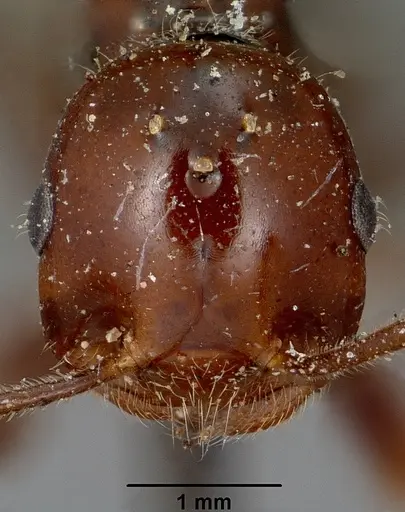
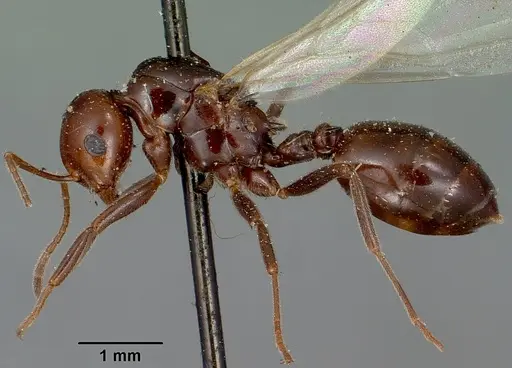
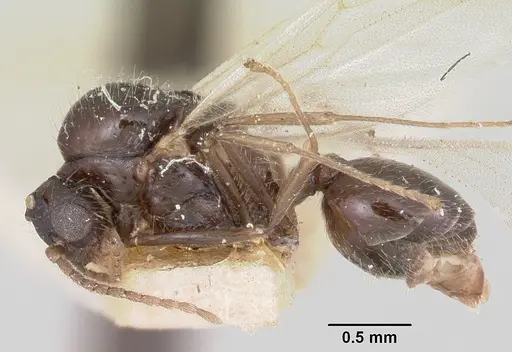
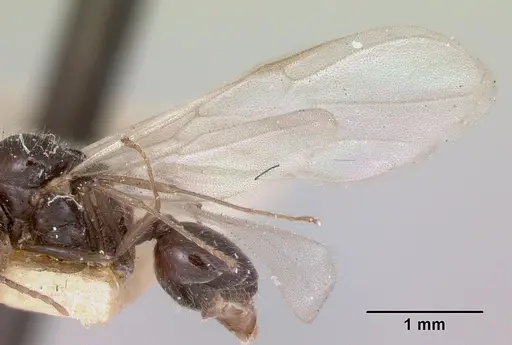
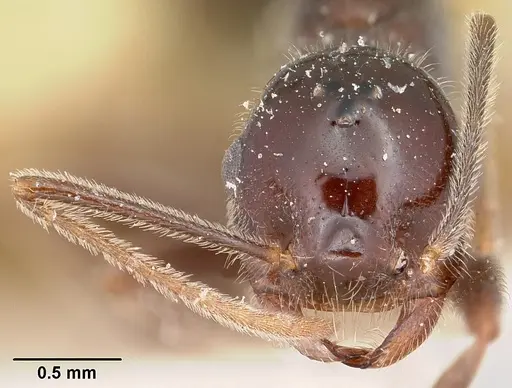
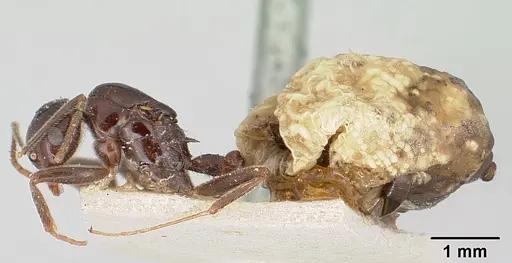
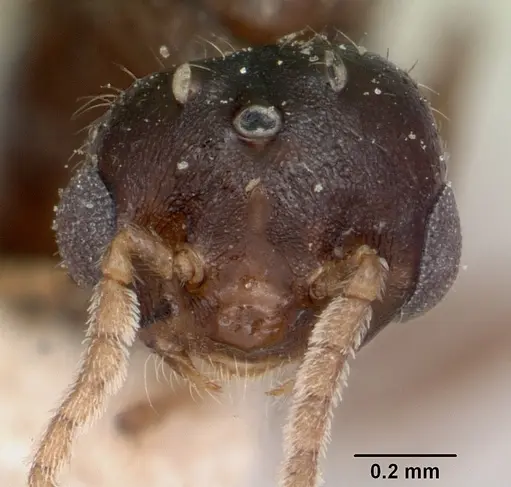
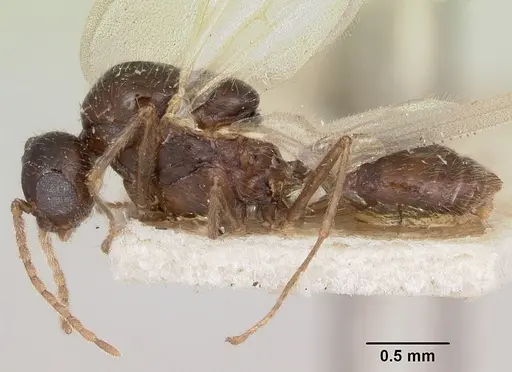
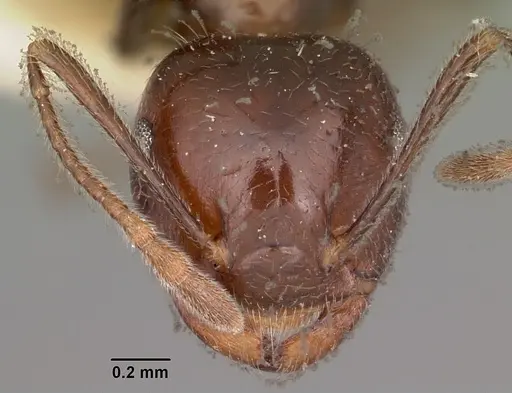
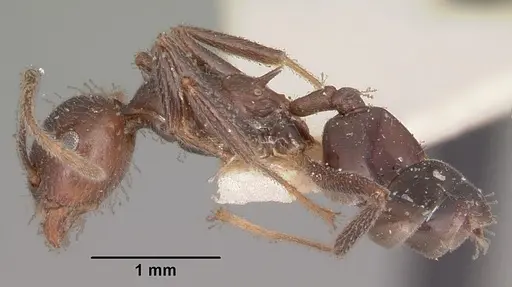
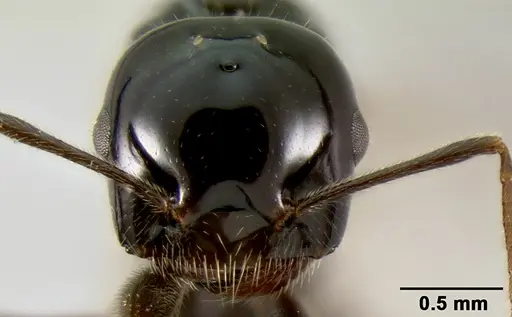
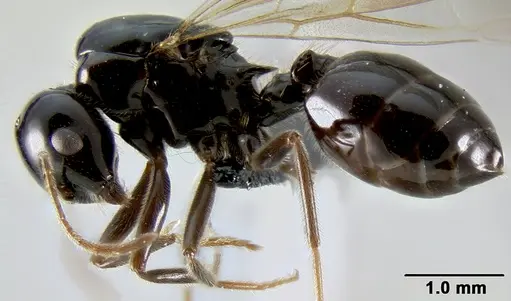
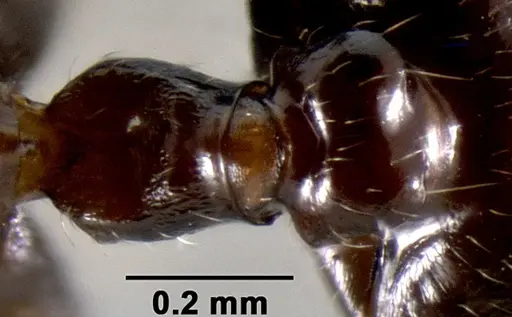
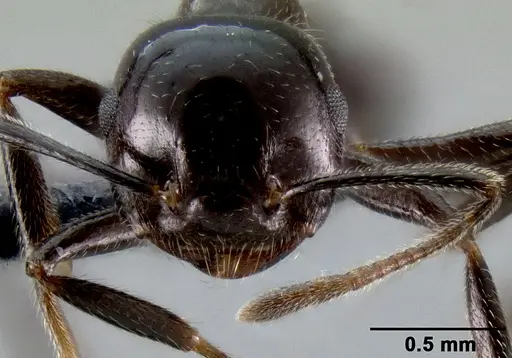
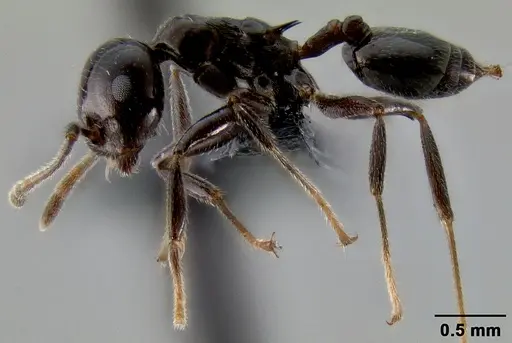
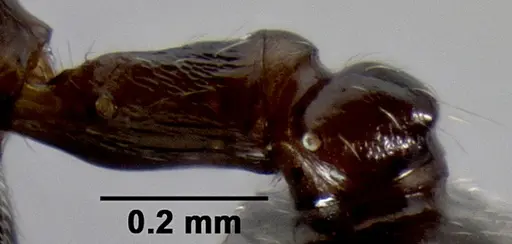
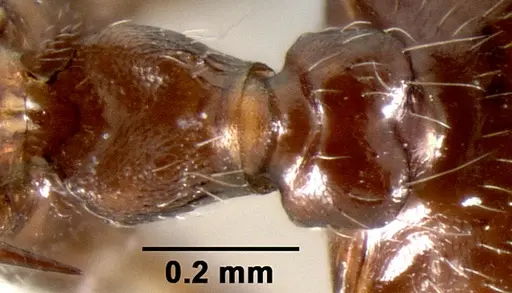
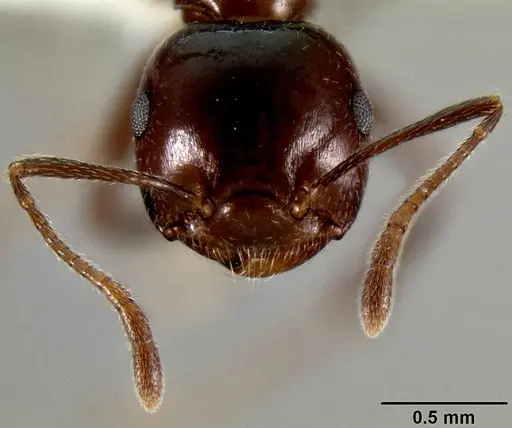
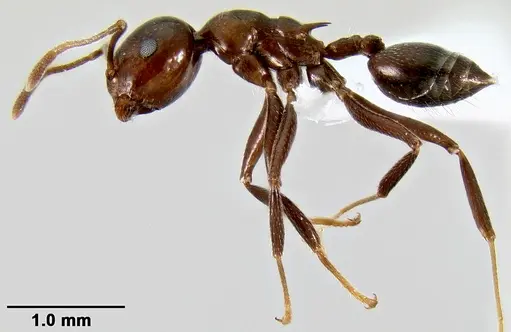
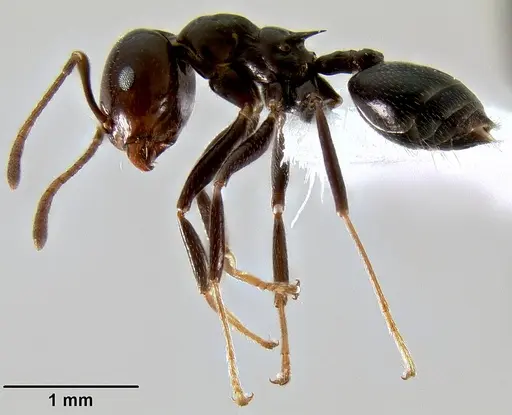
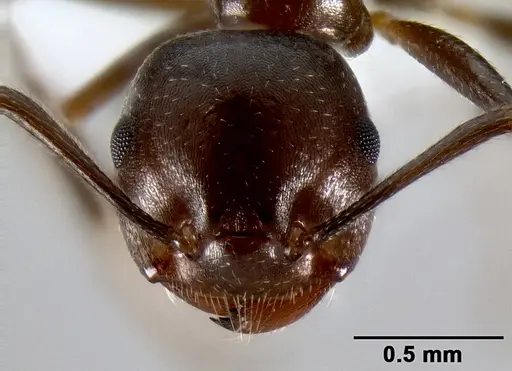
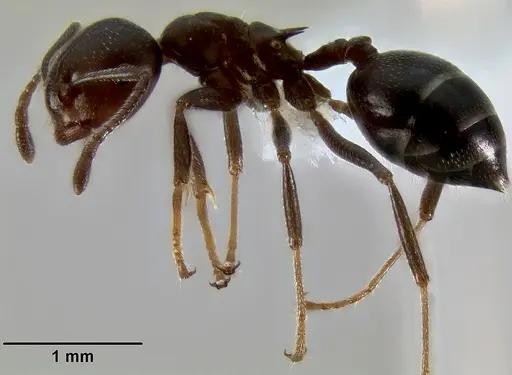
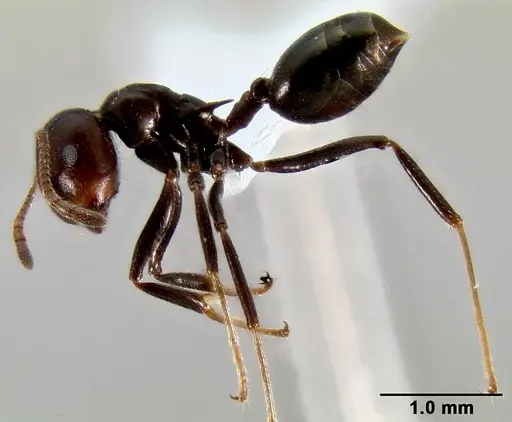
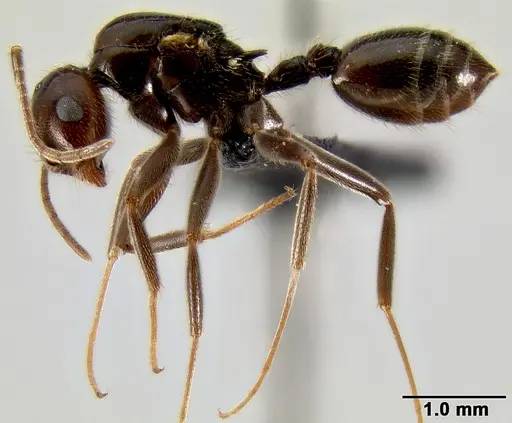
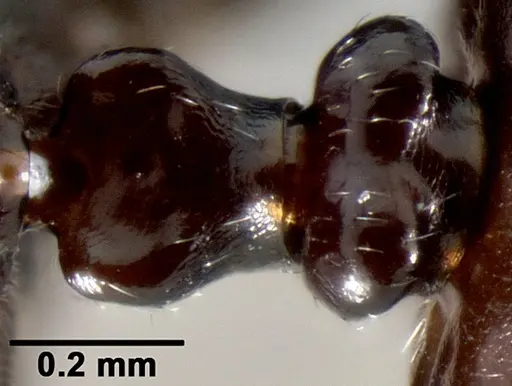
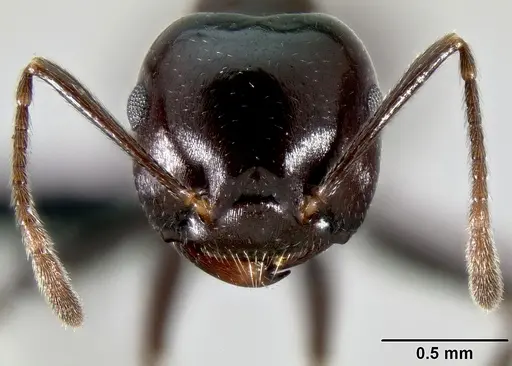
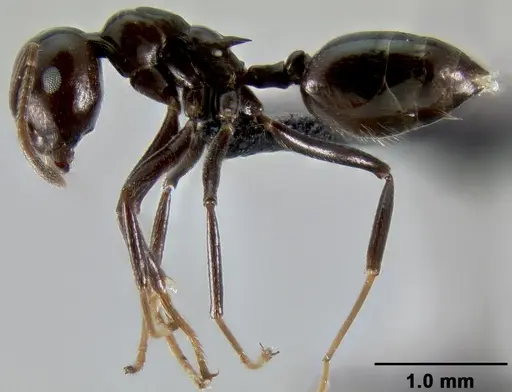
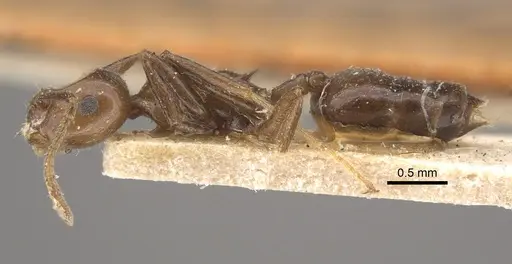
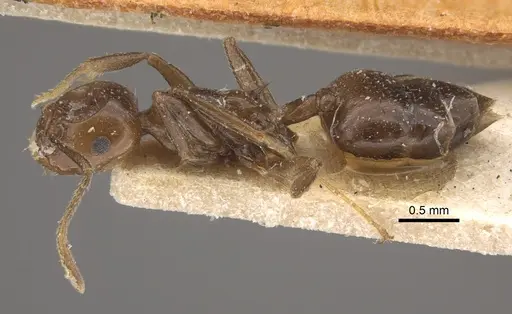
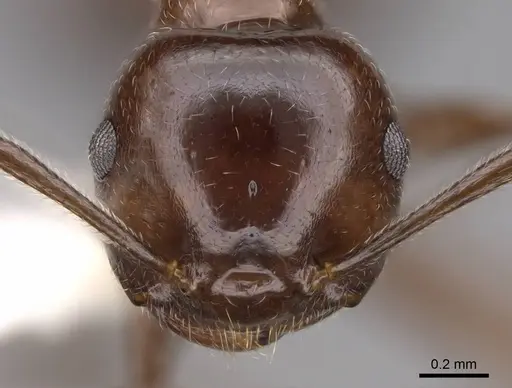
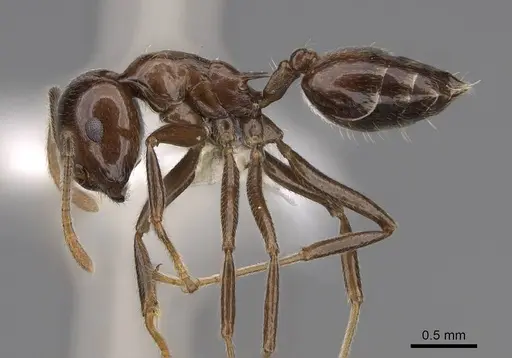
Crematogaster ranavalonae is a small, highly variable acrobat ant native to Madagascar and Mayotte. Workers measure 0.77-1.08mm with a distinctively heart-shaped abdomen (the 'acrobat' ant trait, they can raise their gaster over their head when threatened). Queens are considerably larger at 1.03-1.40mm and exist in three distinct morphological forms, likely an adaptation related to their suspected temporary social parasitic behavior. This species builds distinctive arboreal carton nests, papery, papilla-like structures made from chewed plant fibers that they construct in trees. Colonies can become massive, with carton nests reaching 40x30cm and polydomous structures spanning multiple trees connected by trails [1].
Quick Summary
- Difficulty: Medium
- Origin & Habitat: Madagascar and Mayotte, found throughout Madagascar in both rainforest and dry forest habitats [1]. Type locality is Andrangoloaka Forest, with additional records from the central region and Fort Dauphin [2].
- Colony Type: Polydomous colonies, nests spread over several trees and are interconnected by trails. Colony structure is likely polygyne (multiple queens) based on polydomous nesting patterns, though this is inferred. Queens show three distinct morphological forms (A, B, C) suggesting potential temporary social parasitism adaptation [1].
- Colony: Polygyne
- Size & Growth:
- Queen: 1.03-1.40 mm [1]
- Worker: 0.77-1.08 mm [1]
- Colony: Very large, carton nests up to 40x30 cm observed with thousands of workers [1]
- Growth: Moderate
- Development: Unknown, no direct development data available for this species. Based on typical Crematogaster patterns, expect 6-10 weeks at tropical temperatures. (Development timeline unconfirmed. Related Crematogaster species typically take 6-10 weeks from egg to first worker at warm temperatures.)
- Antkeeping:
- Temperature: Tropical species, keep at 24-28°C. They naturally occur in rainforest and dry forest habitats in Madagascar where temperatures are consistently warm year-round [1].
- Humidity: Moderate to high, arboreal nesters prefer humid conditions. Provide moisture via water tube and occasional misting, but ensure ventilation to prevent mold in carton-style nesting areas.
- Diapause: No, as a tropical species from Madagascar, they do not require hibernation. Maintain consistent warm temperatures year-round.
- Nesting: Arboreal carton-nest builders, in captivity they do well with elevated nests that allow them to build carton structures. Y-tong (AAC) nests work well, or provide materials (paper, cardboard) they can manipulate to create natural carton nests. They prefer nesting elevated off the ground.
- Behavior: Highly aggressive and territorial. This is one of the dominant ant species in Madagascar's coastal rainforests, showing strong intraspecific aggression between workers from different colonies (polydomous groups). Workers from the same colony area show no aggression toward each other but will immediately attack workers from different areas [3]. They are polydomous, colonies spread across multiple trees with interconnected trails. When threatened, they raise their abdomen over their head in the classic acrobat ant defensive posture. Escape prevention is important given their small size (workers under 1.1mm), use fine mesh barriers.
- Common Issues: escape prevention is critical due to very small worker size (under 1.1mm), they can squeeze through standard gaps, colonies are aggressive and territorial, avoid housing multiple colonies in close proximity, polydomous nature means they may try to expand beyond provided nesting areas, secure all connections, tropical species requires consistent warmth, cold temperatures can slow or stop brood development, large colony size eventually requires significant space, plan for expansion
Nest Preferences and Housing
Crematogaster ranavalonae is an arboreal species that naturally builds carton nests in trees, papery structures made from chewed plant fibers and wax. In captivity, they adapt well to various nest types but do best with elevated setups that mimic their natural arboreal nesting. Y-tong (AAC) nests work well, or you can provide them with materials like shredded paper, cardboard, or cotton wool they can manipulate to create their characteristic carton structures. Because they are polydomous in the wild (spreading across multiple trees), they may benefit from having multiple connected chambers or the ability to expand. Keep the nest elevated and ensure good ventilation while maintaining humidity. The small worker size (under 1.1mm) means escape prevention must be excellent, use fine mesh and seal all gaps thoroughly. [1][3]
Feeding and Diet
Crematogaster ranavalonae is a generalist forager with typical Crematogaster diet preferences. They are omnivorous, feeding on honeydew from aphids and scale insects, extrafloral nectaries, and small insects. In captivity, offer sugar water or honey as a constant energy source, along with protein sources like small crickets, mealworms, or other small insects. They are arboreal and often forage in trees, so placing food on elevated platforms near their nest encourages natural foraging behavior. Feed protein 2-3 times per week and provide sugar sources continuously. Remove uneaten prey after 24-48 hours to prevent mold. [1]
Temperature and Seasonal Care
As a tropical species from Madagascar, Crematogaster ranavalonae requires warm temperatures year-round. Maintain the nest area at 24-28°C for optimal brood development. They naturally occur in both rainforest and dry forest habitats, so they can tolerate some variation, but consistent warmth is important. No hibernation or diapause is required, this is not a temperate species. If your room temperature falls below 24°C, use a heating cable or mat on one side of the nest to create a warm gradient. Avoid temperature drops below 20°C as this can slow or stop brood development. Room temperature within their range is usually sufficient. [1]
Behavior and Colony Structure
This species is notably aggressive and territorial, one of the dominant ant species in Madagascar's coastal rainforests with 20-21% relative frequency in some areas [3]. Their colonies are polydomous, meaning they spread across multiple nest sites (in the wild, multiple trees) connected by trails. Workers from the same colony area are not aggressive toward each other, but workers from different areas will immediately attack, this has been documented in scientific studies showing aggression scores of 3.2-3.7 (out of 4) between different colony areas versus 1.0-1.1 within the same area [3]. When threatened, they raise their abdomen over their head in the classic acrobat ant defensive posture. Queens exist in three distinct morphological forms (A, B, C), which researchers hypothesize may be related to temporary social parasitism adaptation, the queen may temporarily invade another colony before establishing her own [1].
Growth and Development
Colonies can reach very large sizes in the wild, with carton nests measuring up to 40x30cm [1]. Workers are polymorphic (varying in size from 0.77-1.08mm) which is typical for established Crematogaster colonies. The development timeline from egg to worker is not directly documented for this species, but based on related Crematogaster species, expect approximately 6-10 weeks at optimal tropical temperatures (24-28°C). Queens are significantly larger than workers (1.03-1.40mm vs 0.77-1.08mm) and show exceptional polymorphism with three distinct morphological forms, this is unusual among ants and makes this species particularly interesting for antkeepers who want to observe queen variation.
Frequently Asked Questions
Can I keep Crematogaster ranavalonae in a test tube?
Test tubes can work for founding colonies, but this species is arboreal and prefers elevated nests. For long-term housing, a Y-tong (AAC) nest or naturalistic setup with elevated chambers is more appropriate. They may also benefit from having materials to build carton structures.
How long does it take for first workers to emerge?
The exact timeline is unconfirmed for this species, but based on related Crematogaster species, expect first workers (nanitics) approximately 6-10 weeks after the queen lays eggs, at optimal temperatures of 24-28°C.
Do Crematogaster ranavalonae ants sting?
Crematogaster ants have a stinger but it is small and primarily used against other insects. They may bite and spray formic acid as a defense. Their main defensive behavior is raising their abdomen over their head in an 'acrobat' pose, they are not considered dangerous to humans.
Are Crematogaster ranavalonae good for beginners?
This is a medium-difficulty species. They are more challenging than common temperate ants because they require warm temperatures year-round (no hibernation) and have specific arboreal nesting preferences. They are also very aggressive, which can be interesting but requires careful handling. The small worker size also demands excellent escape prevention.
Can I keep multiple queens together?
This species appears to be naturally polygynous (multiple queens) based on its polydomous colony structure. However, combining unrelated foundress queens has not been documented and is not recommended. In the wild, colonies spread across multiple trees with multiple queens working together, but this develops naturally as the colony grows, not from combining separate queens.
How big do Crematogaster ranavalonae colonies get?
Very large. In the wild, colonies can produce carton nests up to 40x30cm with thousands of workers spanning multiple trees [1]. In captivity, with proper care, colonies can grow to several thousand workers.
Do Crematogaster ranavalonae need hibernation?
No. As a tropical species from Madagascar, they do not require hibernation or winter cooling. Maintain consistent warm temperatures of 24-28°C year-round.
What do Crematogaster ranavalonae eat?
They are omnivorous generalists. Offer sugar water or honey continuously, and protein sources like small crickets, mealworms, or other small insects 2-3 times per week. They naturally forage in trees and will accept extrafloral nectar sources if available.
Why are my Crematogaster ranavalonae dying?
Common causes include: temperatures below 20°C (tropical species needs warmth), poor escape prevention (very small workers under 1.1mm can escape through tiny gaps), colony aggression if housed near another colony of the same species, or insufficient protein in their diet. Check temperature first, then review your escape prevention setup.
When should I move my colony to a formicarium?
Move from a founding setup (test tube) to a larger nest when the colony reaches 30-50 workers or the test tube becomes cramped. This species is arboreal, so provide an elevated nest with good ventilation. They may also benefit from having materials to construct carton-like structures.
References

This caresheet is licensed under CC BY-SA 4.0 .
CASENT0066769
View on AntWeb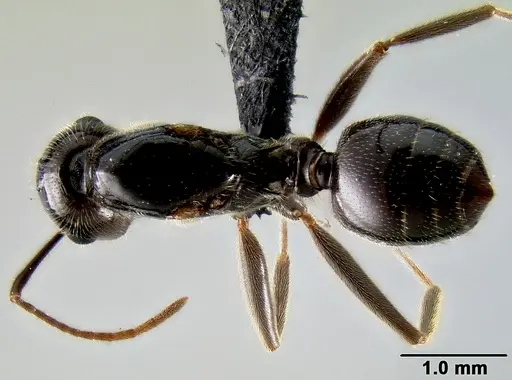
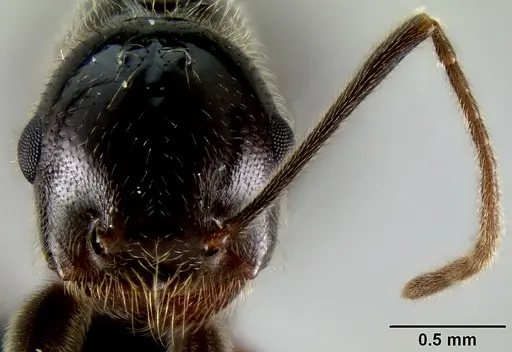
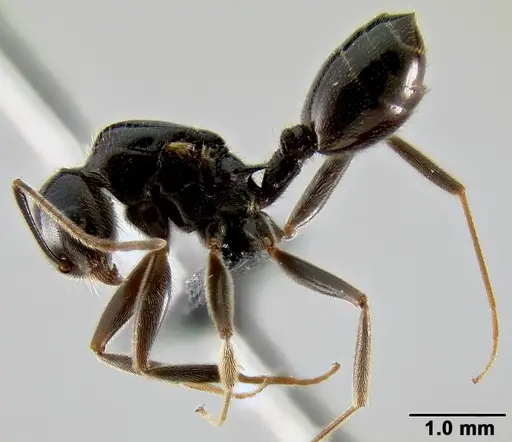
CASENT0101162
View on AntWeb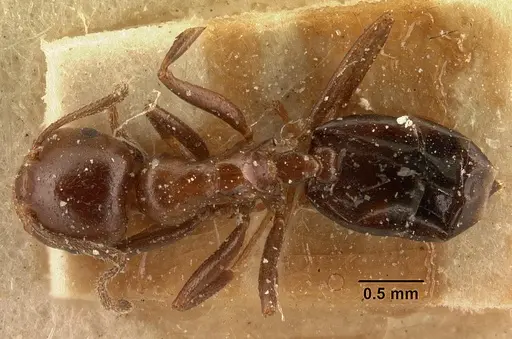
CASENT0101163
View on AntWeb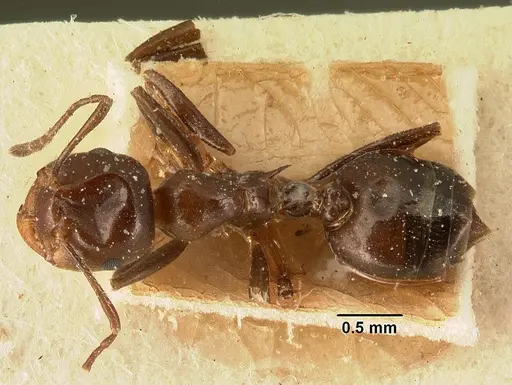
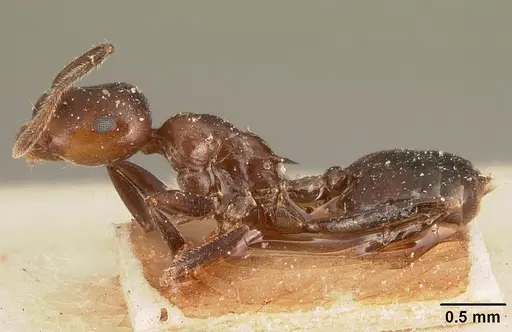
CASENT0101164
View on AntWeb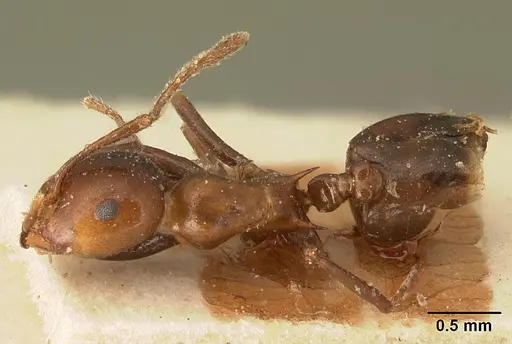
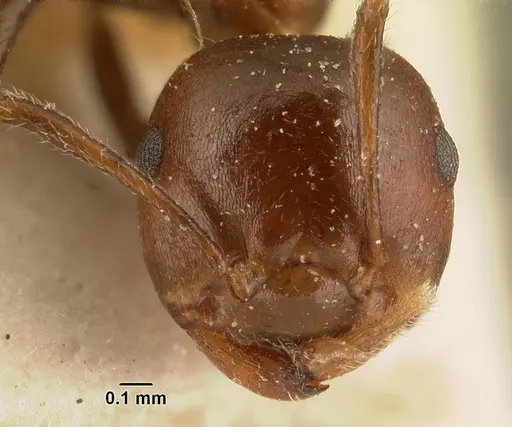
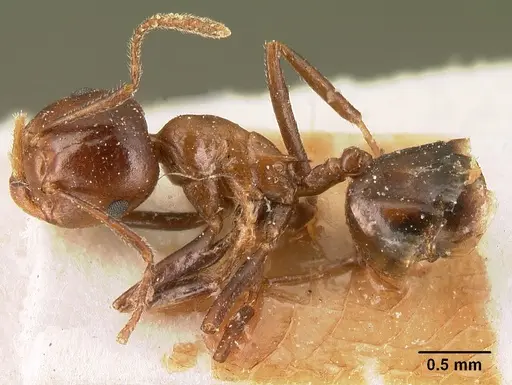
CASENT0101165
View on AntWeb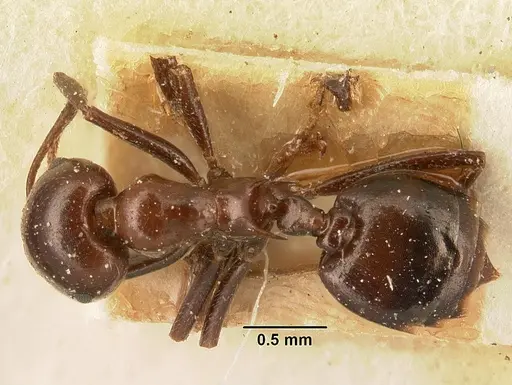
CASENT0101166
View on AntWeb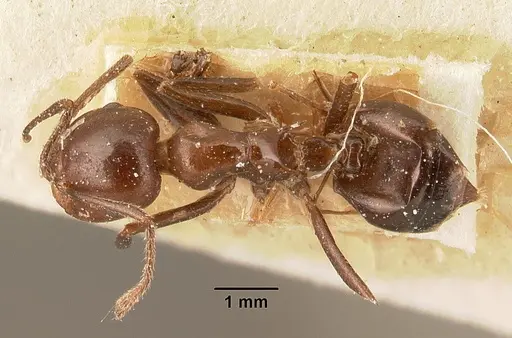
CASENT0101167
View on AntWeb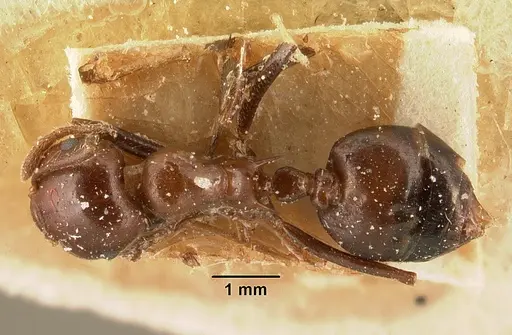
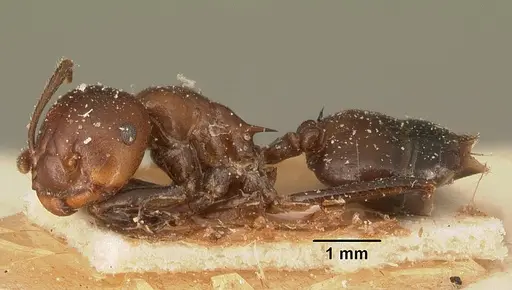
CASENT0101168
View on AntWeb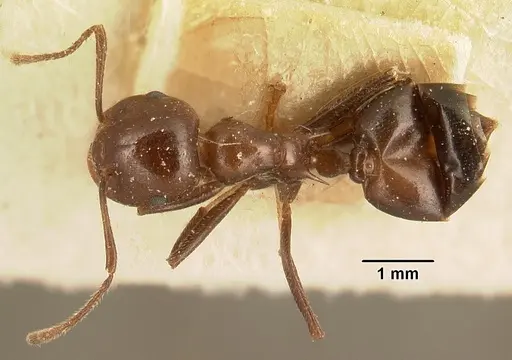
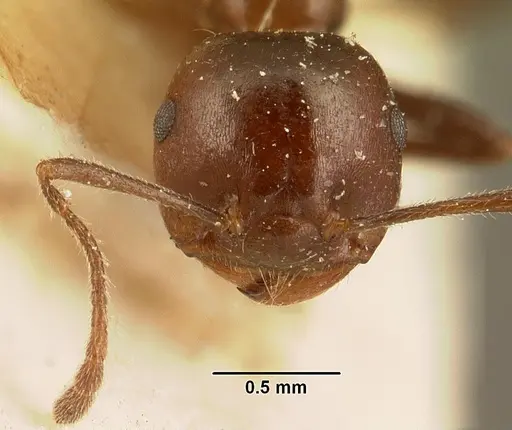
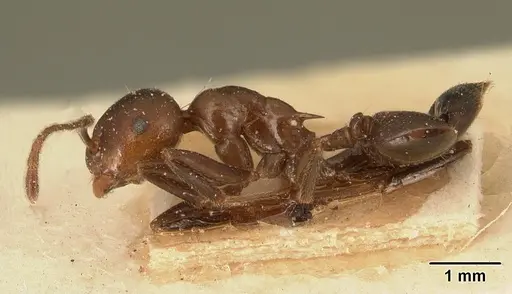
CASENT0101169
View on AntWeb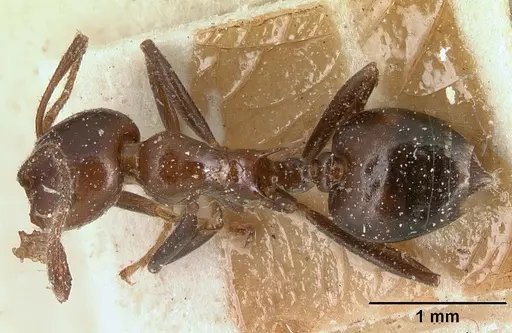
CASENT0101562
View on AntWeb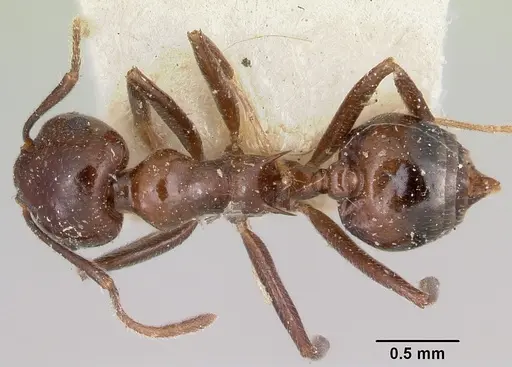
CASENT0101639
View on AntWeb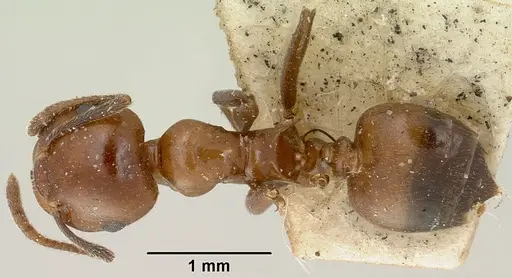
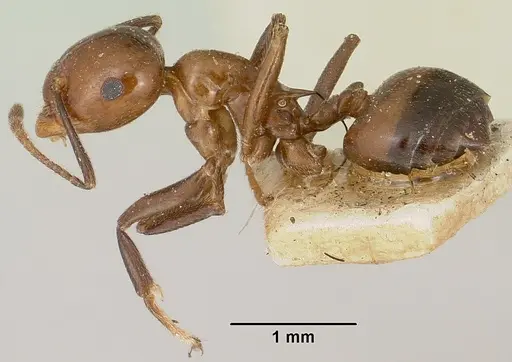
CASENT0101664
View on AntWeb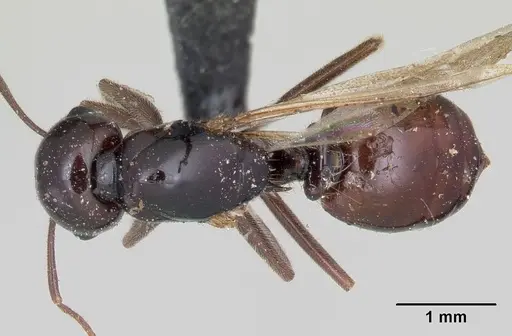
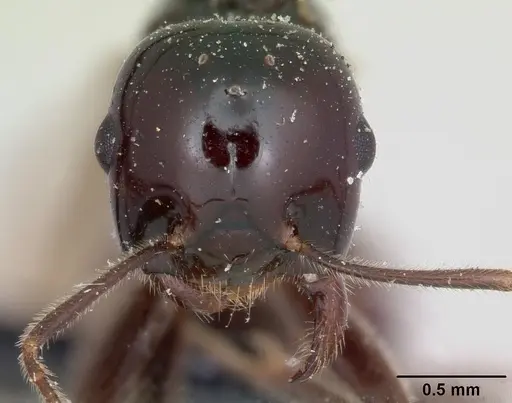
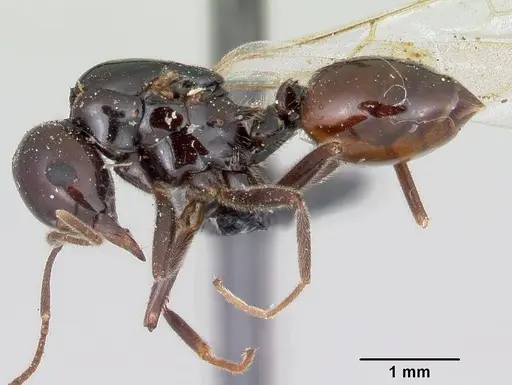
CASENT0101734
View on AntWeb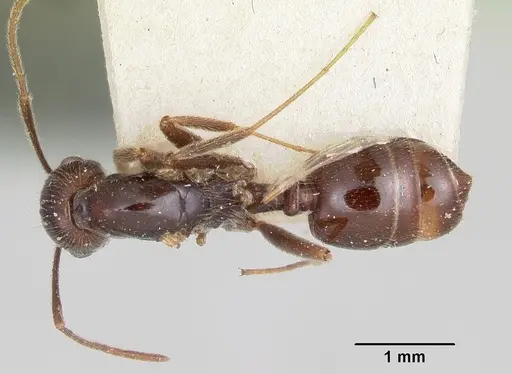
CASENT0101742
View on AntWeb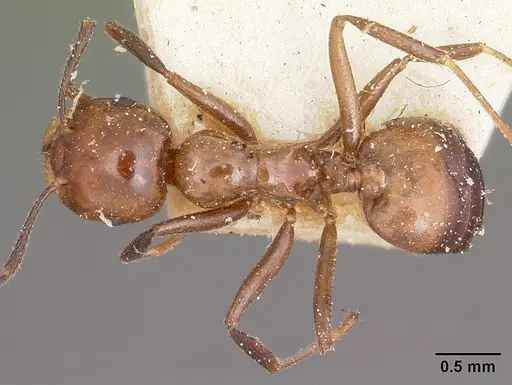
CASENT0101753
View on AntWeb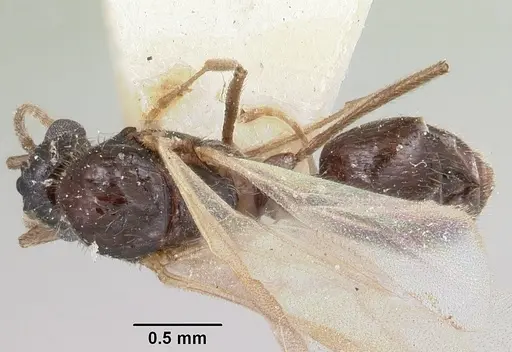
CASENT0101754
View on AntWeb
CASENT0101762
View on AntWeb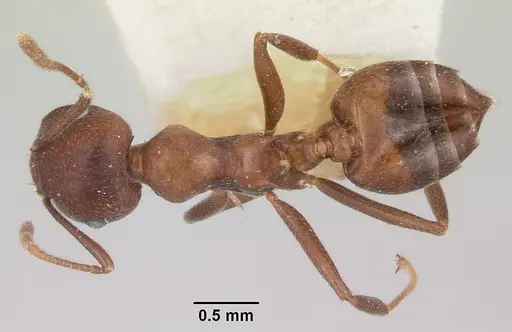
CASENT0101764
View on AntWeb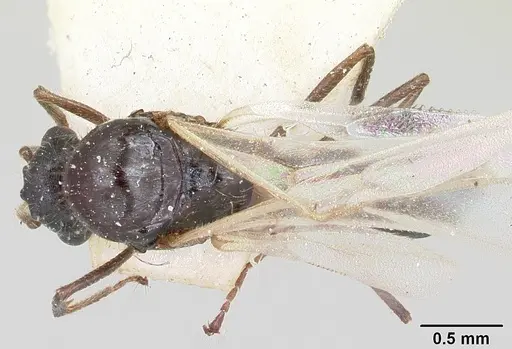
CASENT0101771
View on AntWeb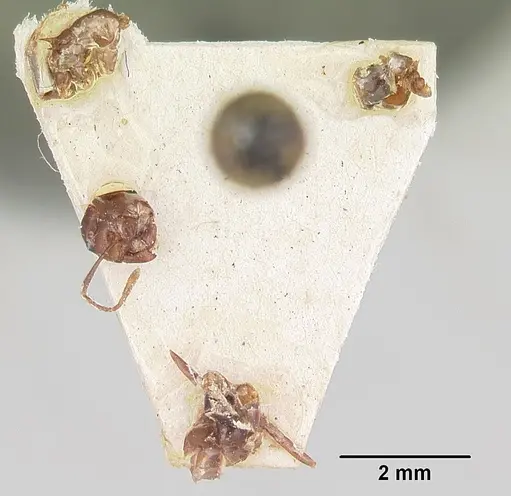
CASENT0101824
View on AntWeb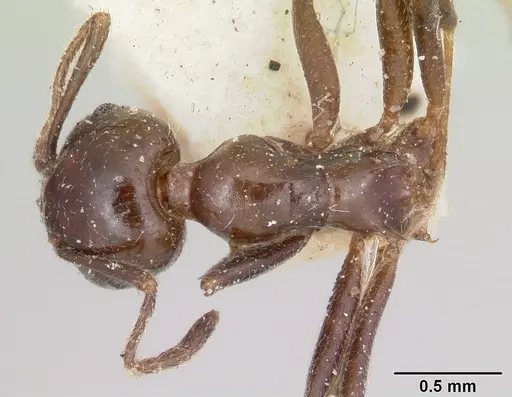
CASENT0101830
View on AntWeb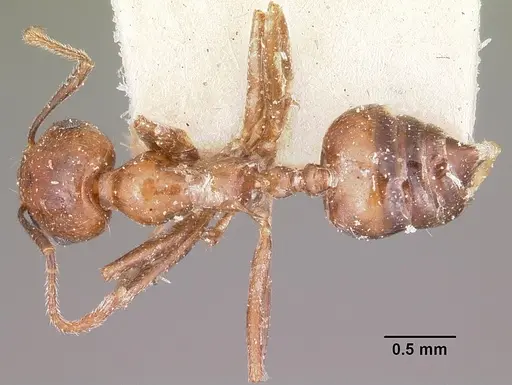
CASENT0101840
View on AntWeb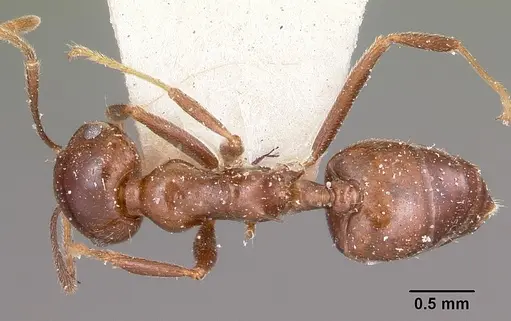
CASENT0101847
View on AntWeb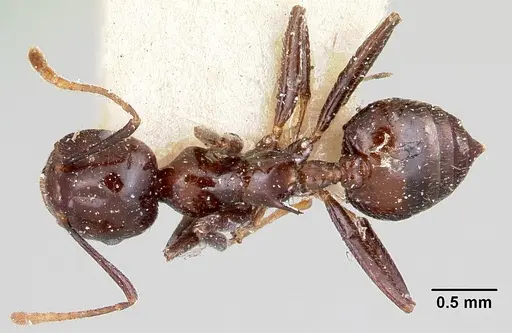
CASENT0101877
View on AntWeb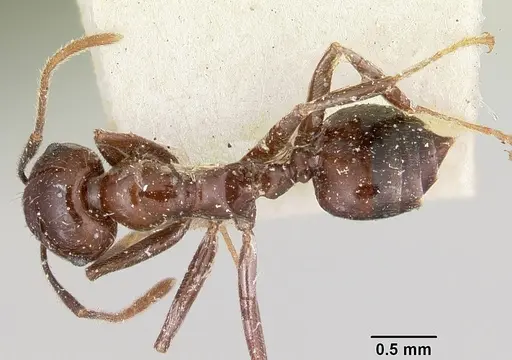
CASENT0101878
View on AntWeb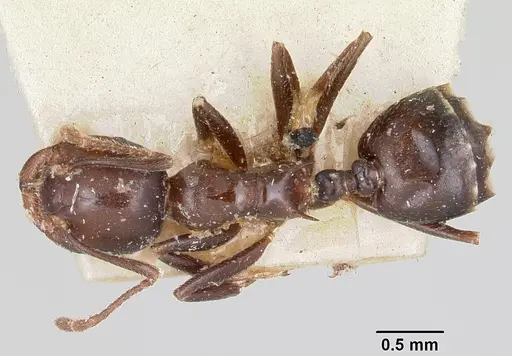
CASENT0101902
View on AntWeb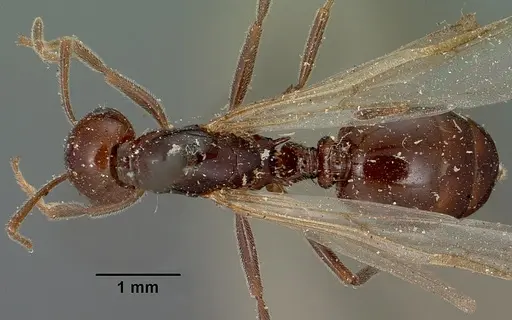
CASENT0101909
View on AntWeb
CASENT0101934
View on AntWeb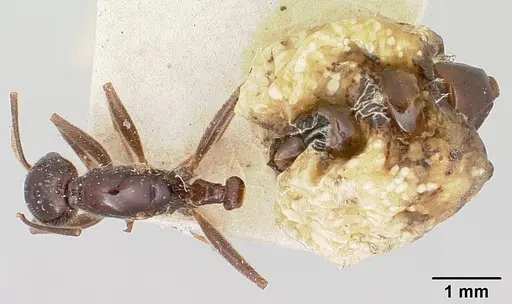
CASENT0101939
View on AntWeb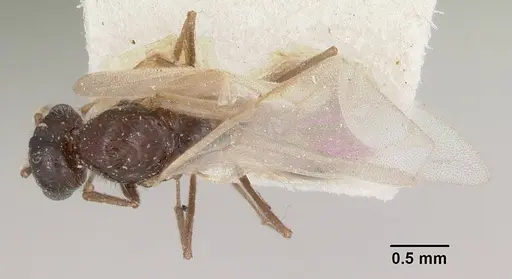
CASENT0102957
View on AntWeb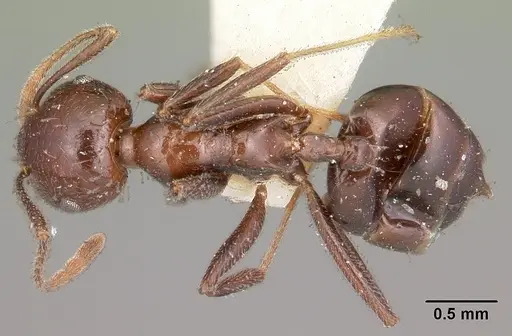
CASENT0114271
View on AntWeb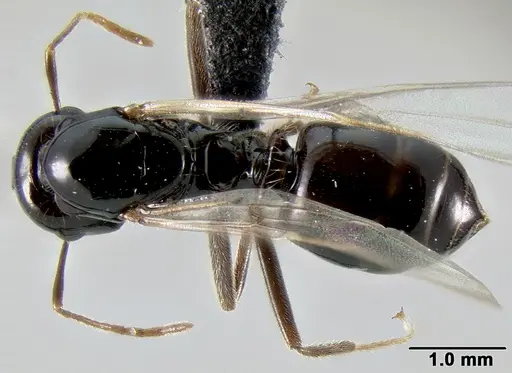
CASENT0141548
View on AntWeb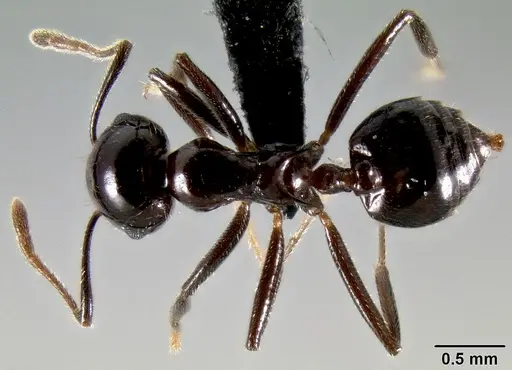
CASENT0193205
View on AntWeb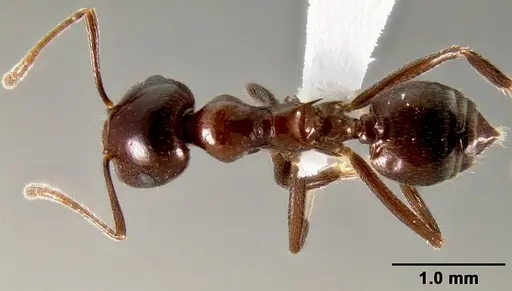
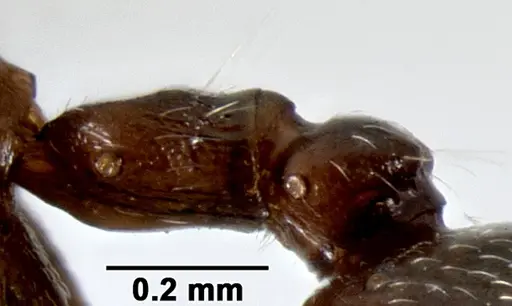
CASENT0193239
View on AntWeb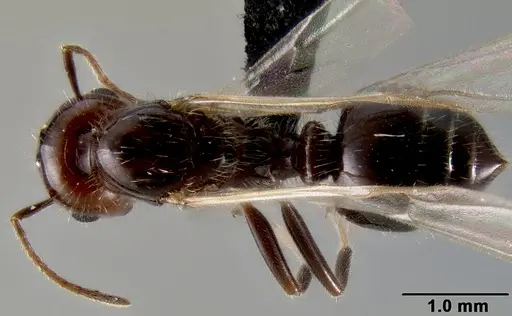
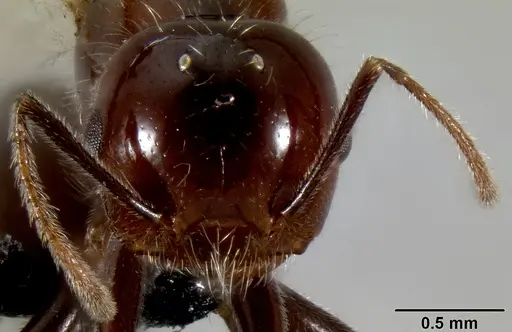
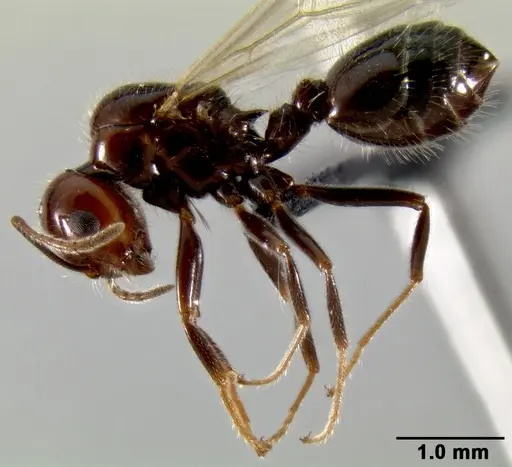
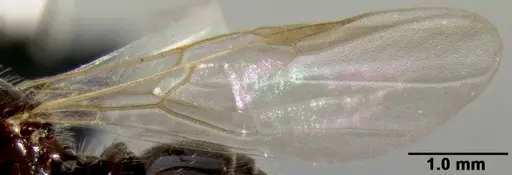
CASENT0193263
View on AntWeb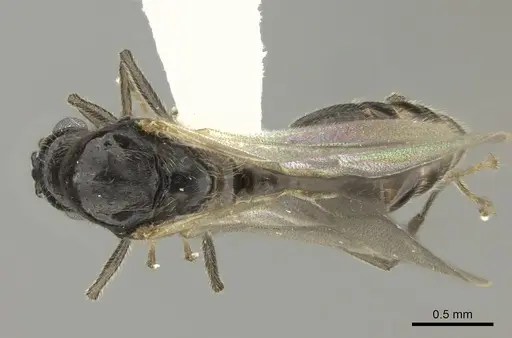
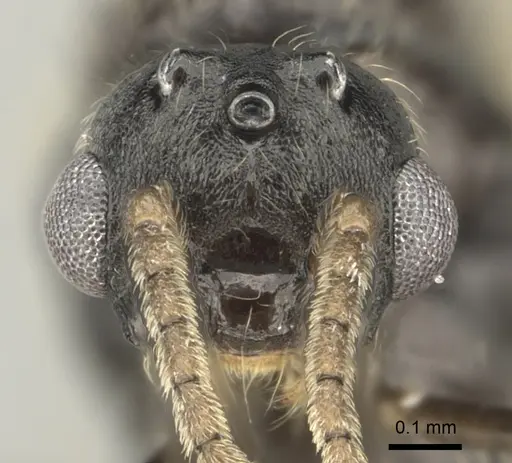
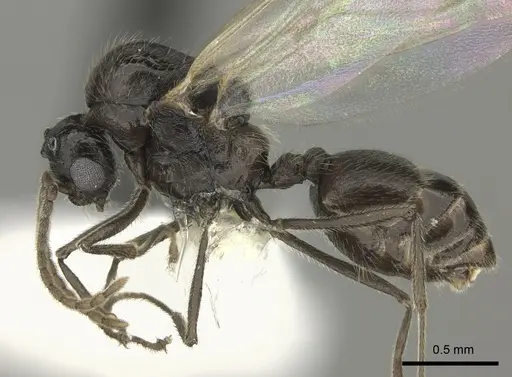
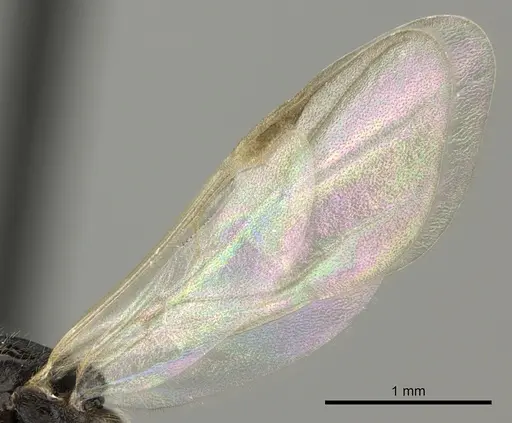
CASENT0193277
View on AntWeb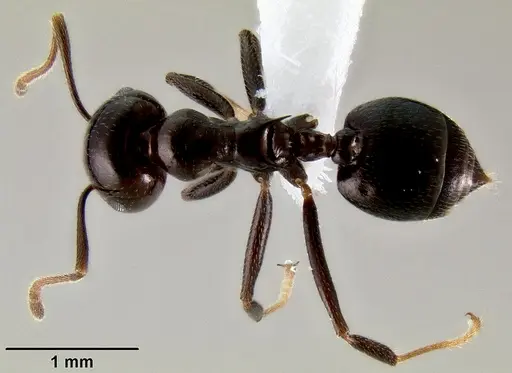
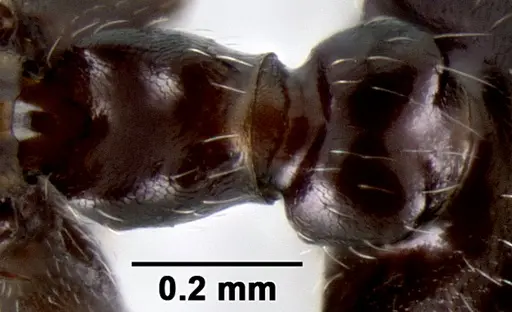
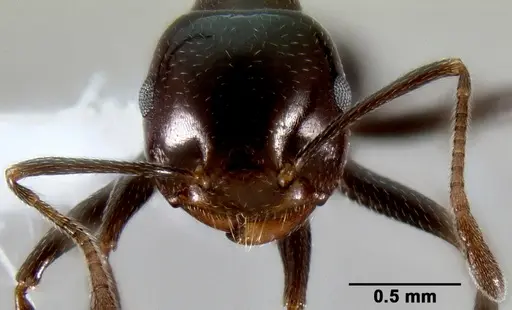
CASENT0193425
View on AntWeb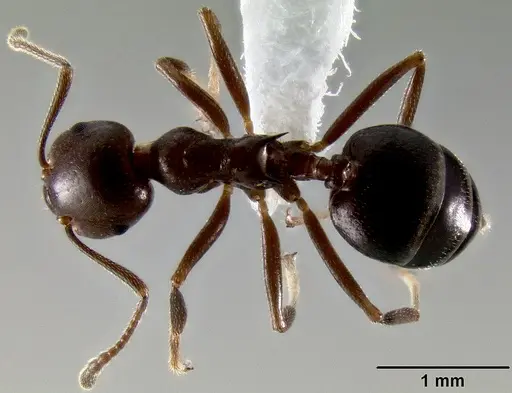
CASENT0193642
View on AntWeb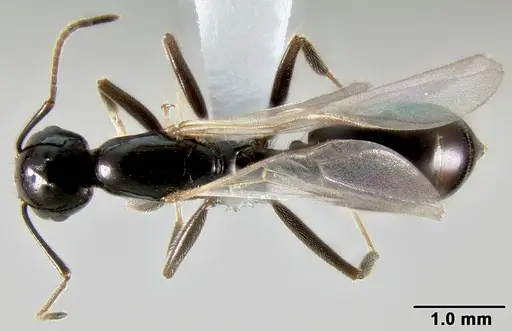
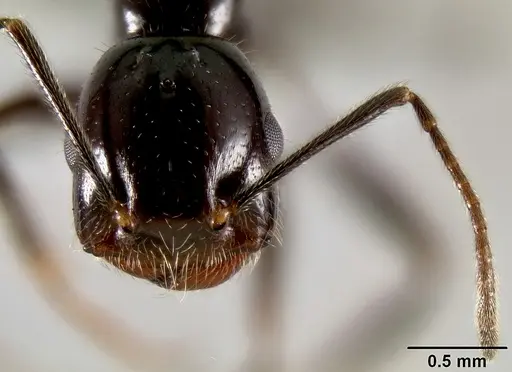
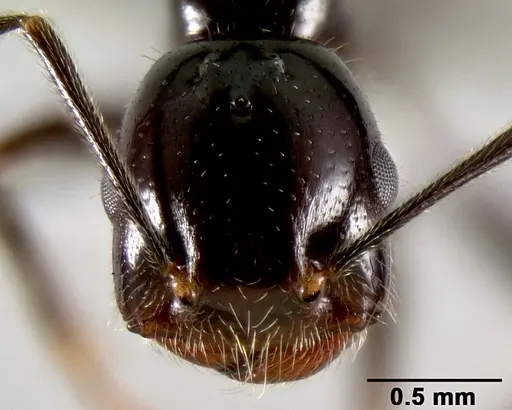
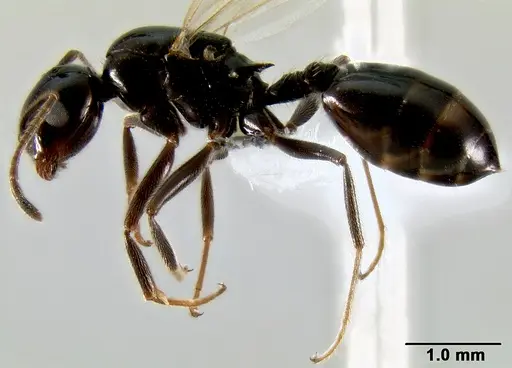
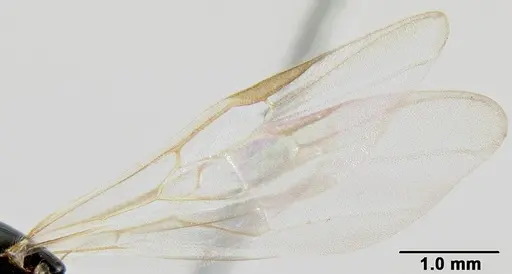
CASENT0433703
View on AntWeb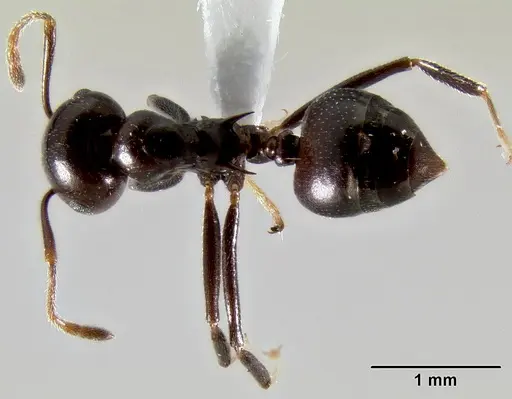
CASENT0485160
View on AntWeb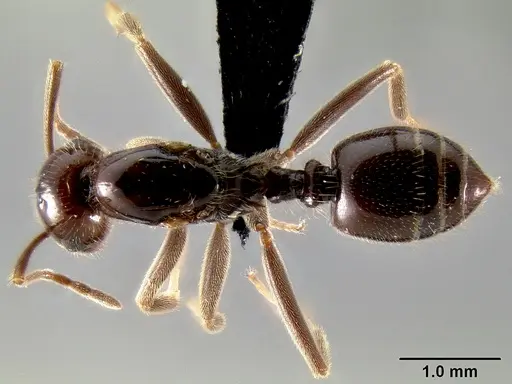
CASENT0485162
View on AntWeb
CASENT0491513
View on AntWeb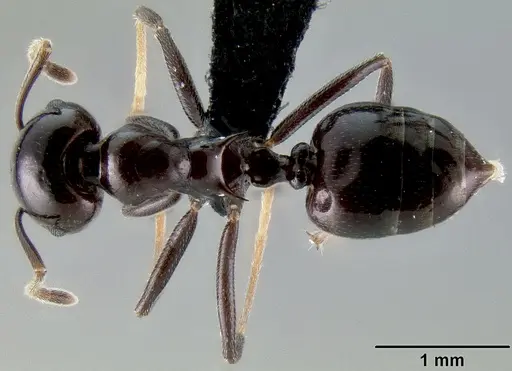
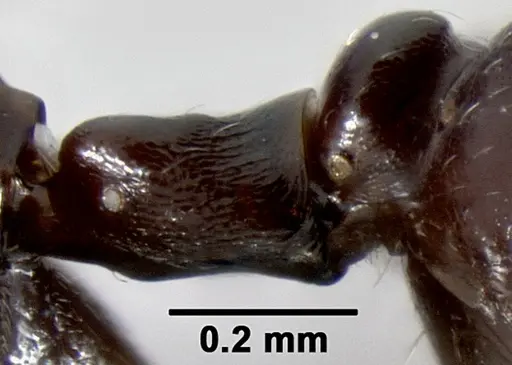
CASENT0496495
View on AntWeb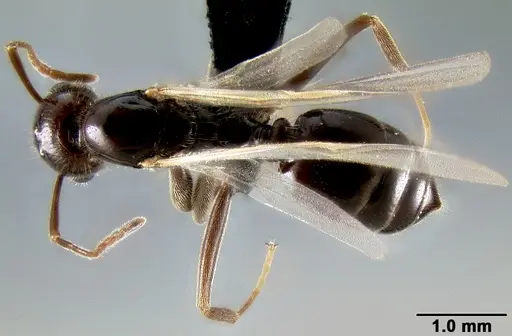
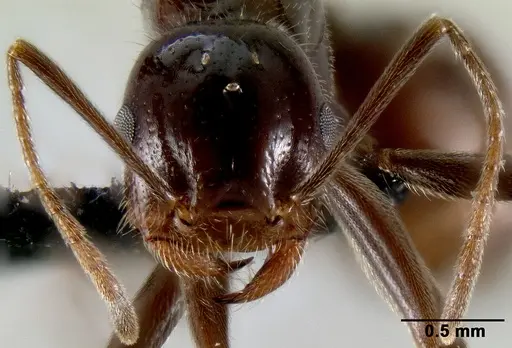
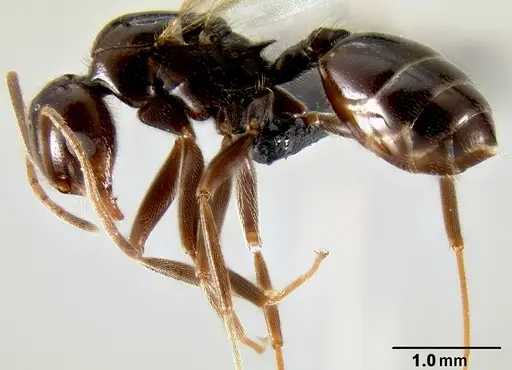
CASENT0917807
View on AntWeb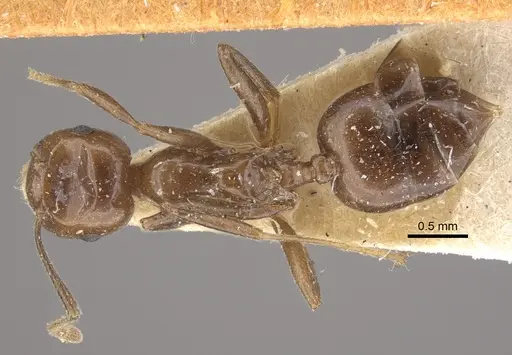
CASENT0922634
View on AntWeb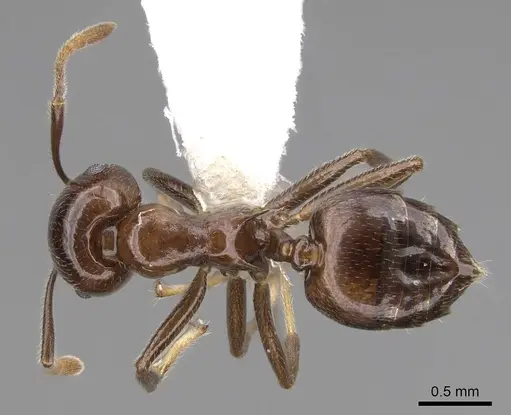
Literature
Loading...Loading products...