

Crematogaster razana
- Scientific Name
- Crematogaster razana
- Subgenus
- Orthocrema
- Tribe
- Crematogastrini
- Subfamily
- Myrmicinae
- Author
- Blaimer, 2012
- Distribution
- Found in 1 countries
Crematogaster razana Overview
Crematogaster razana is an ant species of the genus Crematogaster. It is primarily documented in 1 countries , including Madagascar. Detailed taxonomic data and occurrence records can be further explored via authoritative databases such as AntWeb or the Global Biodiversity Information Facility (GBIF).
Crematogaster razana
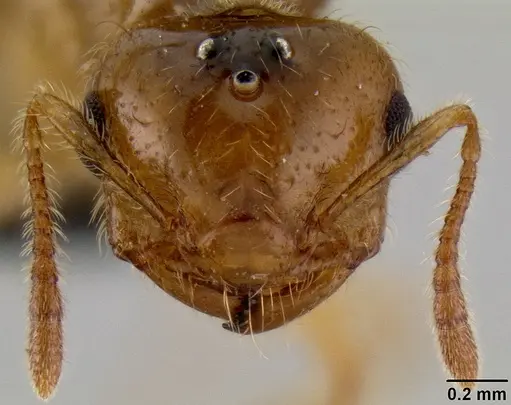
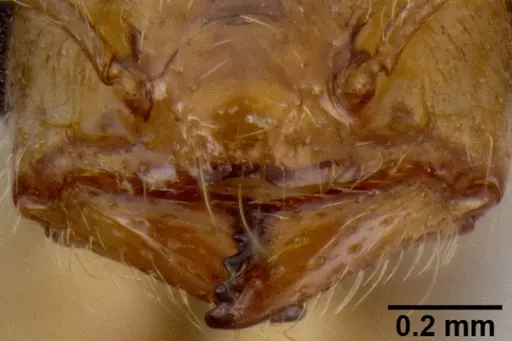
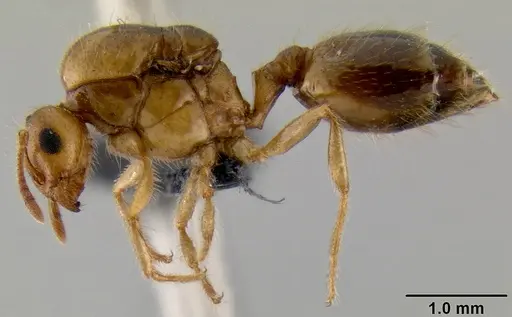
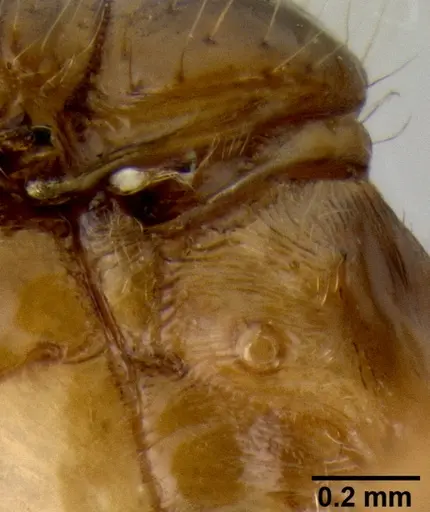
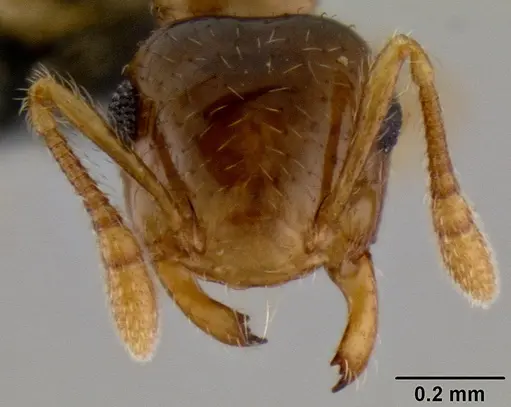
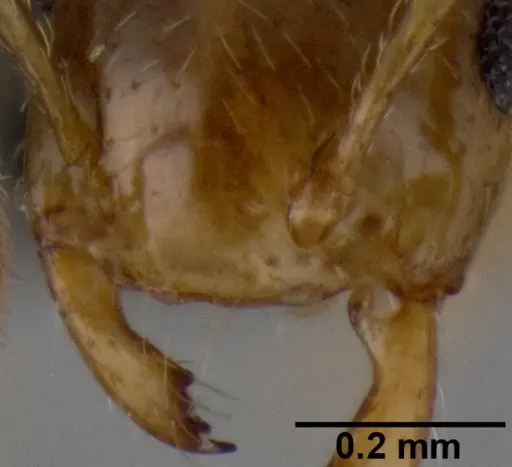
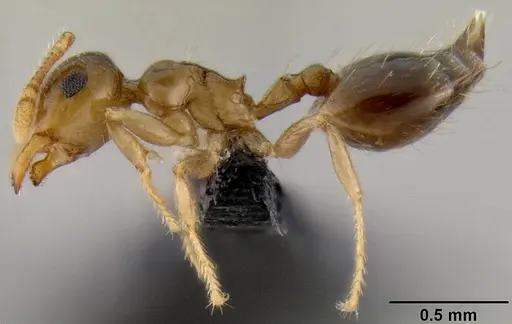
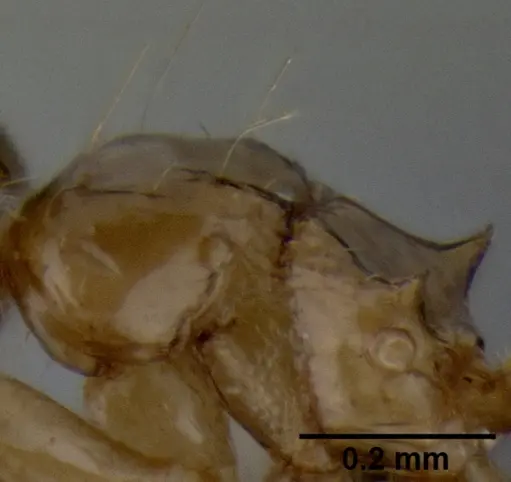
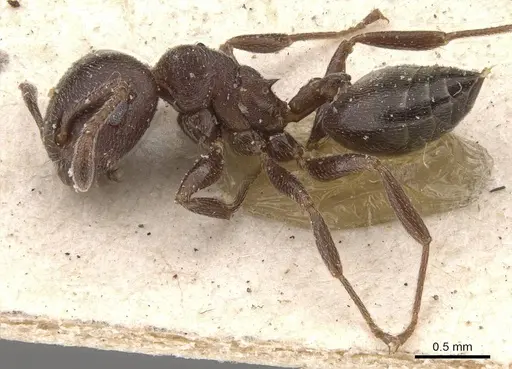
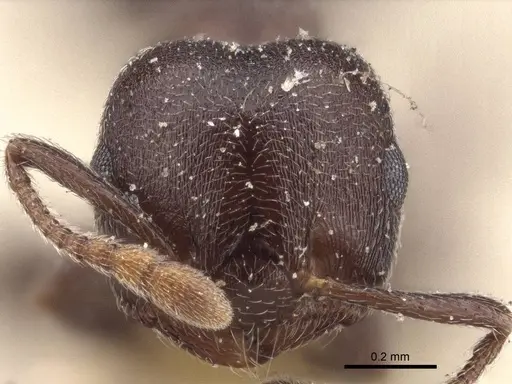
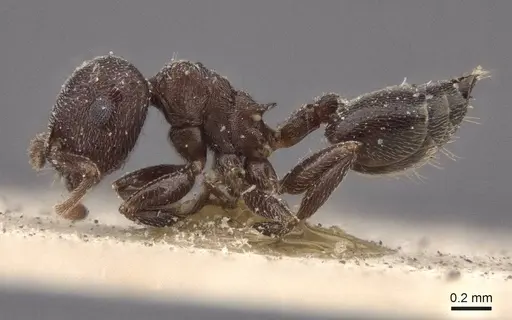
Crematogaster razana is an exceptionally rare acrobat ant species endemic to southern Madagascar. Workers are tiny at just 0.49-0.56mm in head width, with a distinctive yellow to yellowish-brown coloration. They belong to the Orthocrema subgenus and the Crematogaster madecassa species group, characterized by their relatively large protruding eyes and short propodeal spines that appear as acute triangular points. Queens are also small at only 1.10mm head width, making this one of the smallest Crematogaster species in Madagascar. The species name 'razana' means 'ancestor' in Malagasy, reflecting its isolated distribution and phylogenetic position within its group [1].
This species has only been documented from two locations: a dry forest on the western slopes of Andohahela National Park and a montane grassland habitat at Kalambatritra Reserve at approximately 1365m elevation. The limited distribution and specialized habitat requirements make this a challenging species to keep, suitable only for experienced antkeepers interested in rare Malagasy species [1].
Quick Summary
- Difficulty: Expert
- Origin & Habitat: Southern Madagascar, specifically dry forest (western slopes of P.N. Andohahela) and montane grassland (R.S. Kalambatritra at 1365m elevation). Collections made under stones, in pitfall traps, and on low vegetation indicate ground-nesting behavior [1].
- Colony Type: Colony structure is unconfirmed, no published data on queen number or colony organization exists for this species. Based on related Crematogaster species in the madecassa group, expect single-queen colonies, but this requires confirmation through captive observation.
- Size & Growth:
- Queen: 1.10mm head width,1.74mm Weber's length [1]
- Worker: 0.49-0.56mm head width,0.45-0.54mm Weber's length [1]
- Colony: Unknown, no colony size data has been published. Related species in the madecassa-group typically form small to moderate colonies.
- Growth: Unknown, no development data exists for this species. Growth is likely moderate based on genus patterns.
- Development: 6-10 weeks (estimated based on typical Crematogaster development at optimal temperature) (No specific development data exists for this species. Estimates based on genus-level data for small Crematogaster species. Queens are very small, which may affect founding success and development time.)
- Antkeeping:
- Temperature: Keep at 22-26°C based on montane grassland habitat at 1365m elevation. This is cooler than typical tropical ants but warmer than cool-temperate species. A gentle thermal gradient allows workers to regulate temperature.
- Humidity: Moderate humidity around 60-70%. The montane grassland habitat receives seasonal rainfall, while the dry forest site is more arid. Provide a moisture gradient with a damp section and drier areas available.
- Diapause: Unknown, no published data on overwintering requirements. The montane grassland location suggests some tolerance for cooler conditions, but specific diapause behavior is unconfirmed.
- Nesting: Ground-nesting species that naturally nests under stones and in soil. In captivity, a naturalistic setup with a soil layer and flat stones or a Y-tong/plaster nest with chambers scaled to their tiny size works well. Their very small size requires tight chambers and excellent escape prevention.
- Behavior: Workers are active foragers that likely exploit small prey and honeydew. As with other Crematogaster species, they can raise their gaster in a defensive display when threatened. Their tiny size (under 1mm) makes escape prevention critical, they can squeeze through remarkably small gaps. Activity level appears moderate based on collection data from multiple methods (pitfall traps, vegetation, under stones). The species is not well-documented in captivity, so specific behavioral traits require observation.
- Common Issues: very small size makes escape prevention extremely difficult, use fine mesh and tight-fitting barriers, limited distribution means wild-caught colonies are rarely available, no captive breeding data exists, establishing a breeding population may be challenging, specific humidity and temperature requirements are poorly understood and must be inferred, the species may be sensitive to disturbance given its limited range and specialized habitat
Housing and Nest Setup
Crematogaster razana requires careful housing due to its extremely small size. Workers measure only 0.49-0.56mm, making them among the smallest ants an antkeeper might work with. Use nests with chambers scaled appropriately, standard formicarium chambers may be too large, causing stress. A Y-tong (AAC) nest with narrow chambers or a custom plaster nest with small chambers works well. Alternatively, a naturalistic setup with a soil substrate layer and flat stones on top allows natural digging behavior. Regardless of nest type, escape prevention must be excellent, these tiny ants can squeeze through gaps that seem impossibly small. Apply fluon or use fine mesh (at least 0.5mm or smaller) on all openings. Test tube setups work for founding colonies but may need modification for the very small queen. [1]
Feeding and Diet
Like other Crematogaster species, C. razana likely has an omnivorous diet typical of the genus. In the wild, they probably forage for small insects, honeydew from aphids and scale insects, and plant secretions. In captivity, offer small protein sources such as fruit flies, pinhead crickets, and small mealworms. Sugar water or honey should be provided regularly, especially for established colonies. Given their tiny size, prey items should be appropriately scaled, flightless fruit flies and small springtails make ideal protein sources. Feed every 2-3 days and remove uneaten prey to prevent mold. Monitor acceptance carefully, as this species has not been documented in captivity and may have specific dietary preferences.
Temperature and Seasonal Care
This species comes from montane grassland at 1365m elevation, suggesting it prefers cooler temperatures than typical tropical ants. Aim for 22-26°C as a starting point, with a thermal gradient allowing workers to choose their preferred temperature. The two known collection sites represent different climates, the dry forest is warmer and more arid, while the montane grassland is cooler with more moisture. A moderate temperature range within the 22-26°C band is likely appropriate. No specific data exists on diapause requirements. If the colony shows reduced activity during winter months, provide a cool period around 15-18°C for 2-3 months, but this is speculative based on the habitat elevation. Observe colony behavior and adjust accordingly. [1]
Acquiring This Species
Crematogaster razana is exceptionally rare in both the wild and in antkeeping collections. This species has only been collected at two localities in southern Madagascar, and no males have ever been documented. Wild-caught colonies are unlikely to be available through commercial sources. The primary challenge for interested antkeepers is obtaining a founding queen or colony. If available, expect to pay a premium for this rare species. Legal considerations apply, ensure any acquisition complies with Madagascar's export regulations. Given the difficulty of establishing this species in captivity and the lack of any captive breeding history, this is truly an expert-level species best suited to experienced antkeepers with the resources to provide specialized care and potentially conduct pioneering breeding work. [1]
Related Species and Context
Crematogaster razana belongs to the C. madecassa species group within the Orthocrema subgenus. It is sympatric with Crematogaster rasoherinae and parapatric or narrowly sympatric with Crematogaster madecassa and Crematogaster telolafy in the Andohahela massif. Understanding these relationships helps contextualize its ecological niche. The Orthocrema clade represents an ancient lineage within Crematogaster, with Madagascar being a center of diversity for this group. Related species in the madecassa-group may share similar care requirements, so keepers might reference care information for other Malagasy Crematogaster species as a starting point. However, each species has unique requirements, and C. razana's specific needs remain to be documented through captive experience. [1]
Frequently Asked Questions
How long does it take for Crematogaster razana to produce first workers?
The egg-to-worker timeline is unconfirmed for this species. Based on typical Crematogaster development patterns for small species, expect approximately 6-10 weeks from egg to first worker at optimal temperature (around 24°C). The queen's small size (1.10mm) may influence development time.
What do Crematogaster razana ants eat?
While not directly documented for this species, Crematogaster ants are omnivorous. Feed small protein sources like fruit flies, pinhead crickets, or small mealworms. Provide sugar water or honey regularly. Their tiny size means prey should be appropriately scaled, flightless fruit flies work well.
Can I keep Crematogaster razana in a test tube?
Test tubes can work for founding colonies, but standard test tube water reservoirs may be too large for such tiny ants. Consider using smaller tubes or modifying setup. Regardless, excellent escape prevention is critical, their small size allows them to squeeze through tiny gaps that larger ants cannot.
What temperature do Crematogaster razana ants need?
Based on their montane grassland habitat at 1365m elevation, keep them at 22-26°C. This is cooler than typical tropical ants. A thermal gradient allows workers to regulate their temperature by moving between warmer and cooler areas of the nest.
Are Crematogaster razana ants good for beginners?
No. This is an expert-level species due to several factors: extremely rare in the wild with limited availability, very small size requiring specialized housing and excellent escape prevention, unconfirmed colony structure and founding behavior, and no captive breeding data exists. This species is best suited for experienced antkeepers interested in rare species.
Do Crematogaster razana ants sting?
Crematogaster ants have a stinger but are too small to penetrate human skin effectively. Like other small Crematogaster species, they may exhibit defensive behavior by raising their gaster, but significant stinging danger to humans is unlikely.
How big do Crematogaster razana colonies get?
Colony size is unknown, no published data exists on maximum colony size for this species. Based on related species in the madecassa-group, colonies are likely small to moderate, possibly reaching a few hundred workers at most. Their tiny workers suggest smaller colony sizes than many Crematogaster species.
Do Crematogaster razana ants need hibernation?
Diapause requirements are unconfirmed. The montane grassland habitat at 1365m elevation suggests some tolerance for cooler conditions, but specific overwintering behavior has not been documented. If the colony shows reduced activity in winter, a cool period around 15-18°C for 2-3 months may be appropriate, but this is speculative.
Why are my Crematogaster razana ants dying?
Without captive data, we can only speculate on common issues. Likely problems include: escape through tiny gaps, temperature too high or too low, humidity outside preferred range, stress from disturbance, or inadequate nutrition. This species has not been documented in captivity, so establishing stable care protocols is pioneering work.
Can I keep multiple Crematogaster razana queens together?
Colony structure is unconfirmed, no published data exists on whether this species is monogyne (single queen) or polygyne (multiple queens). Combining unrelated queens is not recommended given the lack of data and the species' rarity.
References

This caresheet is licensed under CC BY-SA 4.0 .
CASENT0148782
View on AntWeb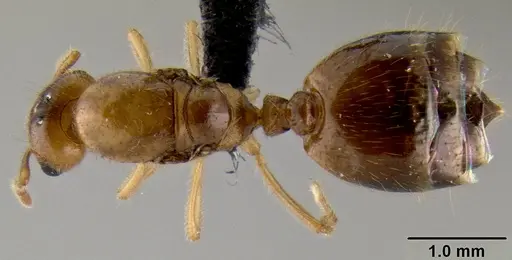
CASENT0149655
View on AntWeb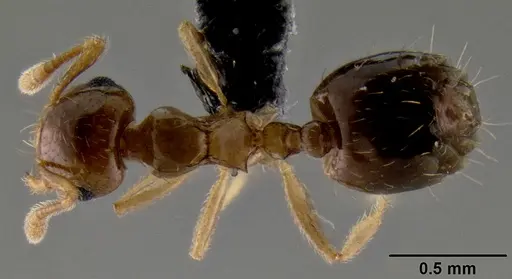
CASENT0908528
View on AntWeb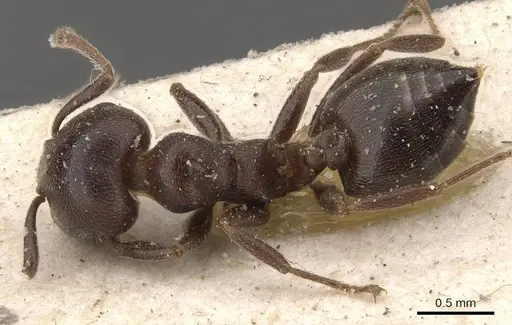
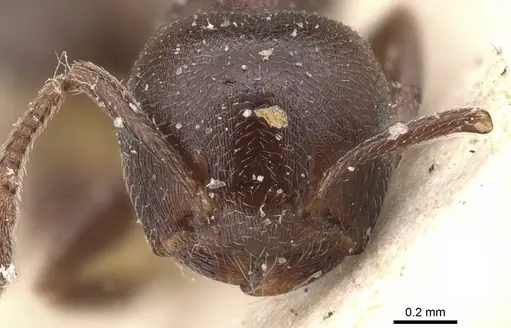
CASENT0916607
View on AntWeb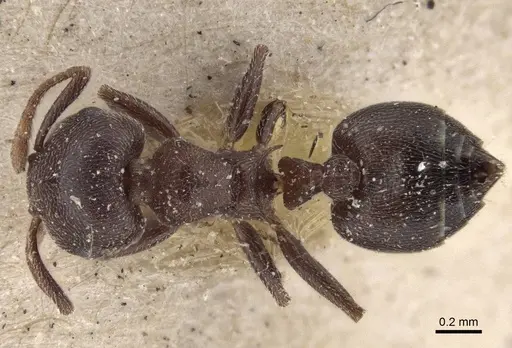
Literature
Loading...Loading products...