

Crematogaster madecassa
- Scientific Name
- Crematogaster madecassa
- Subgenus
- Orthocrema
- Tribe
- Crematogastrini
- Subfamily
- Myrmicinae
- Author
- Emery, 1895
- Distribution
- Found in 1 countries
Crematogaster madecassa Overview
Crematogaster madecassa is an ant species of the genus Crematogaster. It is primarily documented in 1 countries , including Madagascar. Detailed taxonomic data and occurrence records can be further explored via authoritative databases such as AntWeb or the Global Biodiversity Information Facility (GBIF).
Crematogaster madecassa
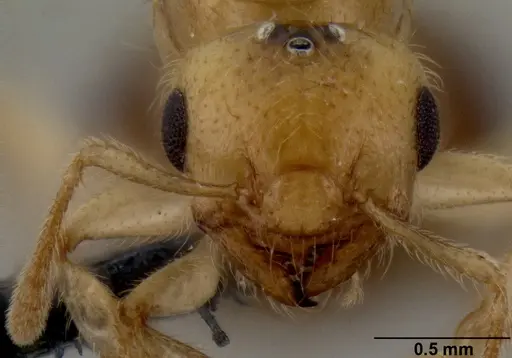
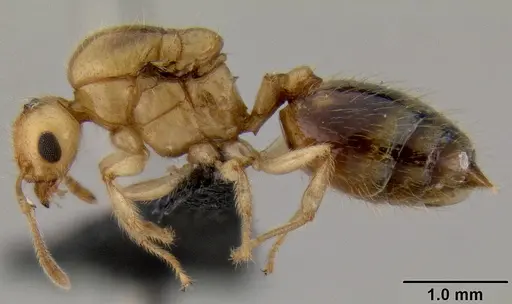
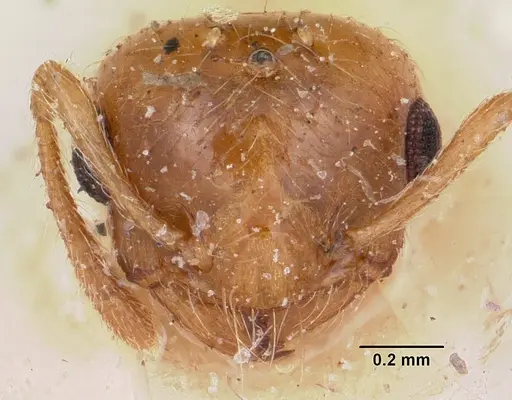
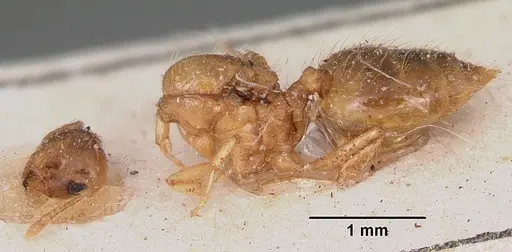
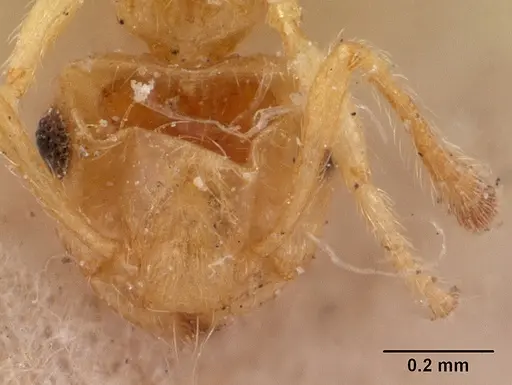
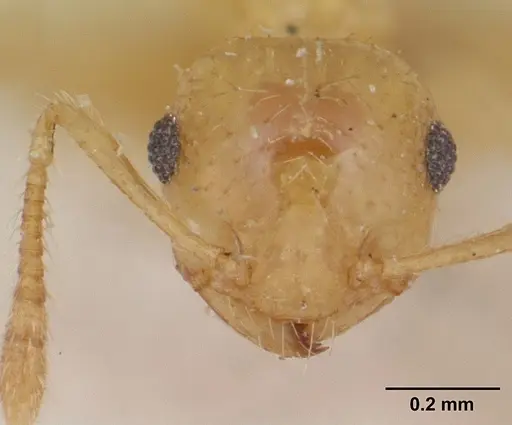
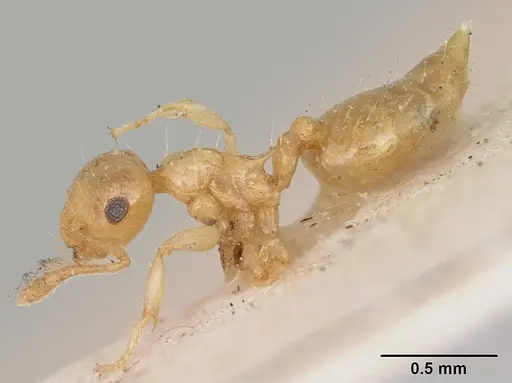
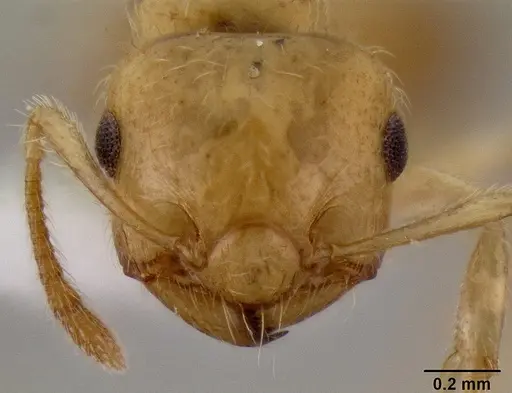
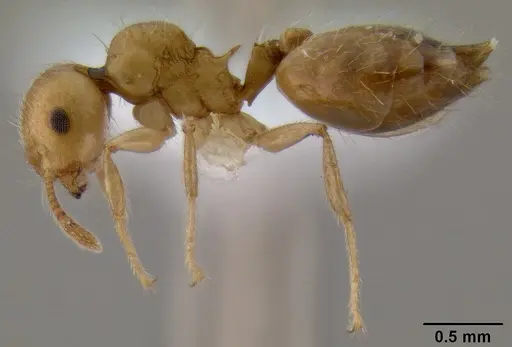
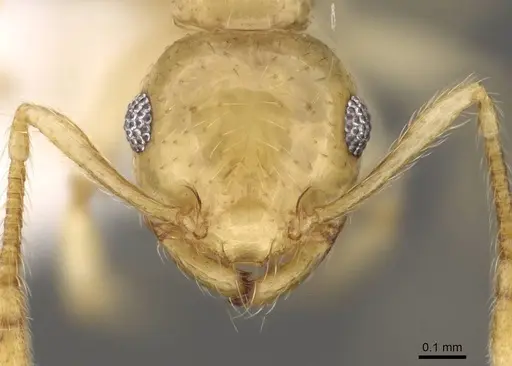
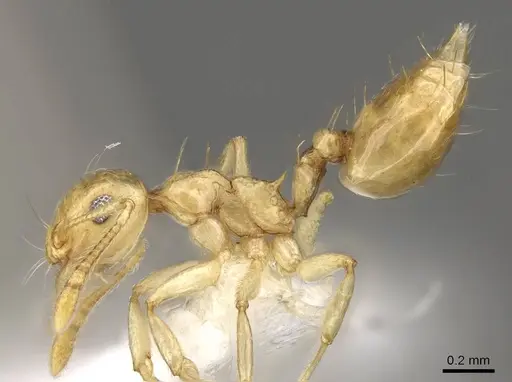
Crematogaster madecassa is a tiny yellow ant native to Madagascar, belonging to the Orthocrema subgenus. Workers measure just 0.48-0.60mm, making them one of the smaller ant species you'll encounter. Queens are slightly larger at 0.87-1.03mm and have distinct propodeal spines. This species has two characteristic vertical ridges (carinae) on its face and pale to medium yellow coloring. They nest both in rotten logs on the ground and in dead twigs high above the forest floor, showing flexible nesting habits. The genus gets its common name 'acrobat ant' from their ability to raise their heart-shaped gaster over their head like an acrobat, ready to use their stinger [1].
This species lives in Madagascar's rainforests and littoral forests across the northern, eastern, and southeastern regions, found up to about 1175m elevation. They often share their habitat with other Crematogaster species like C. rasoherinae. A unique feature is the presence of intermediate workers, these are larger than normal workers but smaller than queens, with some queen-like features including ocelli and wing attachment sutures [1].
Quick Summary
- Difficulty: Medium
- Origin & Habitat: Madagascar rainforests and littoral forests, found across northern, eastern, and southeastern regions up to 1175m elevation [1]
- Colony Type: Colony structure is unconfirmed, the species has been found nesting both on the ground and arboreally, suggesting flexible nesting habits [1]. Intermediate workers are present, which is unusual and may indicate complex social organization.
- Size & Growth:
- Queen: 0.87-1.03mm [1]
- Worker: 0.48-0.60mm [1]
- Colony: Unknown, no colony size data available
- Growth: Unknown, no development timing data available
- Development: Unknown, no direct measurements. Based on typical Crematogaster patterns and their small size, expect 4-8 weeks at optimal temperature. (This is an estimate based on genus-level data since no species-specific development times have been documented.)
- Antkeeping:
- Temperature: Keep at 22-26°C. As a tropical rainforest species from Madagascar, they prefer warm, stable conditions. A gentle gradient allowing workers to self-regulate is ideal.
- Humidity: High humidity required, aim for 70-80%. Their natural habitat in rainforests and littoral forests is consistently moist. Keep the nest substrate damp but not waterlogged, with some drier areas available.
- Diapause: No, this is a tropical species from Madagascar and does not require hibernation. Maintain warm conditions year-round.
- Nesting: They nest both in rotten logs on the ground and in dead twigs above ground. In captivity, a naturalistic setup with moist substrate (like a terrarium-style formicarium) works well. They may also accept Y-tong or acrylic nests with appropriate humidity. Provide materials they can tunnel through.
- Behavior: These are small, active ants with typical Crematogaster behavior, they will raise their gaster in defense when threatened. They are likely generalists in their foraging, collecting honeydew from aphids and hunting small insects. Their tiny size means they can escape through very small gaps, excellent escape prevention is essential. They are probably more skittish than aggressive, quickly retreating if disturbed. Workers use chemical trails to recruit nestmates to food sources, like many Crematogaster species.
- Common Issues: escape prevention is critical, their tiny 0.5mm workers squeeze through gaps that seem impossible, high humidity needs can lead to mold problems if ventilation is poor, their small size makes them vulnerable to drowning in water reservoirs, use shallow water sources, wild-caught colonies may carry parasites that can devastate captive colonies, slow growth if fed improperly, they need small, appropriate-sized prey
Housing and Nest Setup
Crematogaster madecassa is a small species requiring appropriately scaled housing. For founding colonies, a test tube setup works well, but monitor humidity closely as their tiny size makes them prone to drowning in water reservoirs. For established colonies, a naturalistic terrarium-style formicarium with moist soil or substrate allows them to create their own tunnels, mimicking their natural nesting in rotten logs and dead twigs. You can also use Y-tong nests or acrylic nests with chambers sized appropriately for their 0.5mm workers. Regardless of nest type, maintain high humidity (70-80%) and ensure the nest material stays consistently moist but never waterlogged. Provide an outworld area for foraging with a barrier system to prevent escapes, their tiny size means standard barriers may not work. [1]
Feeding and Diet
Like most Crematogaster species, C. madecassa is likely a generalist feeder. In nature, they probably collect honeydew from aphids and scale insects, and hunt small insects and arthropods. In captivity, offer sugar water or honey as a constant energy source. For protein, provide small live prey appropriate to their tiny size, fruit flies, pinhead crickets, small mealworms, or other micro-arthropods work well. They may also accept commercial ant foods, but live prey encourages natural foraging behavior. Feed protein 2-3 times per week, and keep sugar sources available at all times. Remove uneaten prey after 24-48 hours to prevent mold issues.
Temperature and Humidity Management
As a tropical rainforest species from Madagascar, C. madecassa requires warm and humid conditions. Keep temperatures in the range of 22-26°C, with a gentle gradient if possible so workers can self-regulate. Avoid temperatures below 20°C or above 30°C for extended periods. Humidity should be maintained at 70-80%, use a moisture reservoir in your nest setup and mist regularly, but ensure adequate ventilation to prevent mold growth. A hygrometer helps monitor conditions. If you use heating, place heating cables or mats on the TOP of the nest rather than underneath to avoid evaporating moisture too quickly. These ants do not require any diapause or winter cooling, maintain tropical conditions year-round. [1]
Behavior and Defense
Crematogaster ants are known for their 'acrobat' behavior, when threatened, they raise their heart-shaped gaster over their head, pointing their stinger forward like a scorpion. While their sting is likely too small to penetrate human skin effectively, they can still deliver defensive chemicals. Workers are active and forage in trails, using chemical pheromones to recruit nestmates to food sources. They are probably not particularly aggressive toward humans but will defend their nest vigorously. Their small size makes them quick-moving and they can be skittish. The presence of intermediate workers (larger than normal workers but with some queen-like features) is notable, this is an unusual trait in ants that may indicate complex social organization in this species. [1]
Handling and Colony Maintenance
Due to their tiny size, handle C. madecassa with extra care. When moving colonies or setting up new nests, work slowly and avoid sudden movements. Their small size means they can climb smooth surfaces easily but may have difficulty on rough textures, use this to your advantage for containment. When transferring to new setups, allow the colony to walk into the new setup rather than dumping them. Watch for escape attempts, they will find the smallest gaps. For colony health, maintain consistent conditions without major fluctuations in temperature or humidity. Monitor for mold, especially in high-humidity setups, and remove uneaten food promptly. If your colony seems sluggish, check that temperatures are adequate, they need warmth to remain active.
Frequently Asked Questions
How long does it take for Crematogaster madecassa to produce first workers?
The exact egg-to-worker timeline is unknown for this species since it hasn't been directly studied. Based on typical Crematogaster patterns and their very small worker size (0.48-0.60mm), expect approximately 4-8 weeks at optimal temperature (around 24-26°C). The first workers (nanitics) will likely be smaller than mature workers.
What size nest do I need for Crematogaster madecassa?
Start with a test tube setup for founding colonies. Once the colony reaches 20-30 workers, you can move to a small formicarium. Because they nest in rotting wood and twigs in the wild, a naturalistic setup with moist substrate works well. Their tiny 0.5mm workers need appropriately scaled chambers, avoid large, open spaces.
Do Crematogaster madecassa ants sting?
Yes, they have a stinger, but due to their very small size (workers are only 0.48-0.60mm), the sting is unlikely to penetrate human skin effectively. They may still attempt to sting or deliver defensive chemicals. Their more common defense is the characteristic Crematogaster behavior of raising their gaster and attempting to smear irritant chemicals on intruders.
Are Crematogaster madecassa good for beginners?
This species is rated as Medium difficulty. While they are fascinating ants, their tiny size and high humidity requirements make them more challenging than larger, hardier species. Beginners should have experience with at least one other small ant species before attempting C. madecassa. Their escape prevention needs are particularly demanding.
What do Crematogaster madecassa eat?
They are generalist feeders. Offer sugar water or honey constantly as an energy source. For protein, provide small live prey like fruit flies, small crickets, or micro-arthropods. They likely also collect honeydew in the wild, so occasional offerings of aphid-scale insect farms may be accepted.
Do Crematogaster madecassa need hibernation?
No. As a tropical species from Madagascar's rainforests, they do not require any diapause or winter cooling. Maintain warm, humid conditions year-round with temperatures between 22-26°C.
How big do Crematogaster madecassa colonies get?
The maximum colony size is unknown, no scientific data exists on colony size for this species. Based on their small worker size and the presence of intermediate workers, colonies are likely moderate (probably hundreds of workers) rather than extremely large. Related Crematogaster species typically reach several hundred to a few thousand workers.
Can I keep multiple Crematogaster madecassa queens together?
The colony structure (monogyne vs polygyne) is unconfirmed for this species. Combining unrelated queens has not been documented and is not recommended. If you acquire a queen, set her up alone in a test tube until workers emerge.
Why are my Crematogaster madecassa escaping?
Their tiny 0.5mm workers can squeeze through gaps that seem impossible. Use excellent escape prevention: apply fluon or similar barriers to all edges, use fine mesh for ventilation, and ensure all connections between nest and outworld are tight-fitting. Check for any tiny gaps even smaller than a millimeter.
What temperature is best for Crematogaster madecassa?
Keep them at 22-26°C, ideally around 24°C. As a tropical rainforest species from Madagascar, they need warm, stable conditions. A slight gradient allowing workers to choose their preferred temperature is beneficial. Avoid temperatures below 20°C or above 30°C.
References

This caresheet is licensed under CC BY-SA 4.0 .
CASENT0040391
View on AntWeb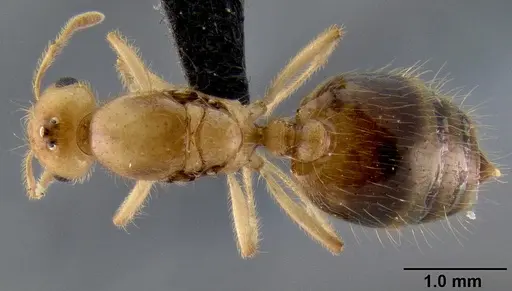
CASENT0101933
View on AntWeb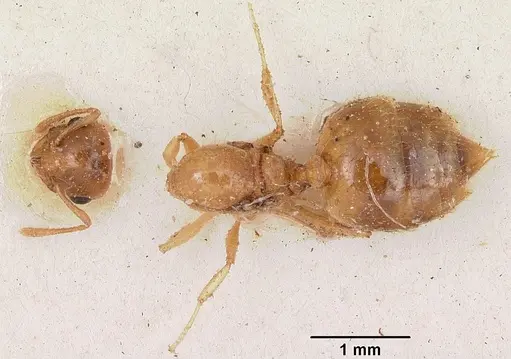
CASENT0102053
View on AntWeb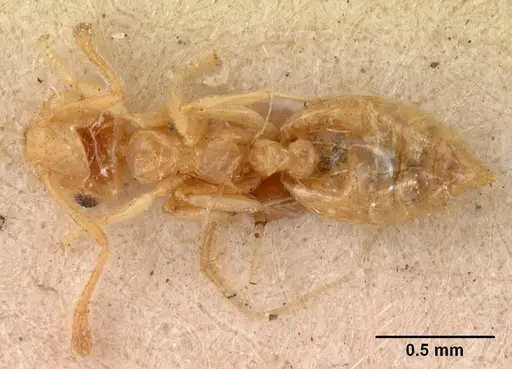
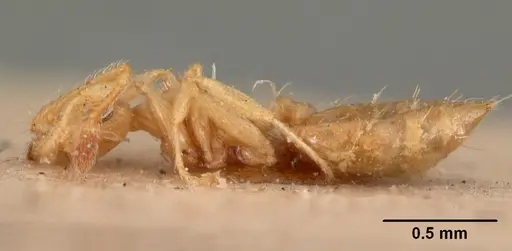
CASENT0102054
View on AntWeb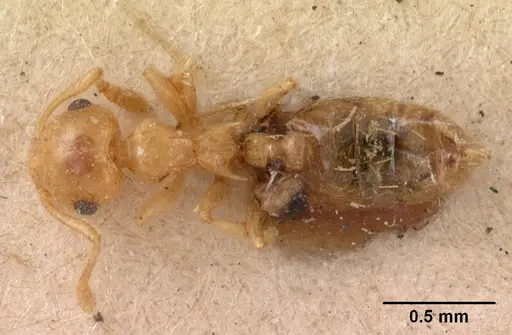
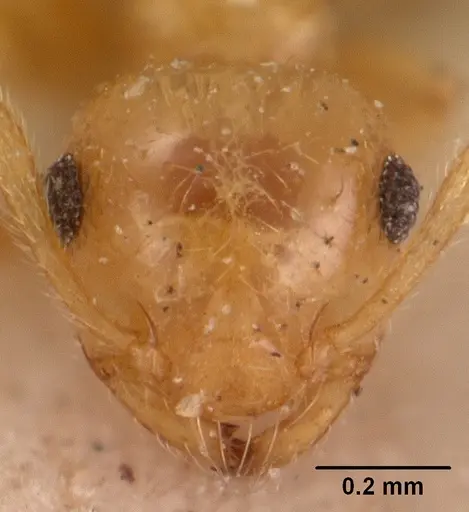
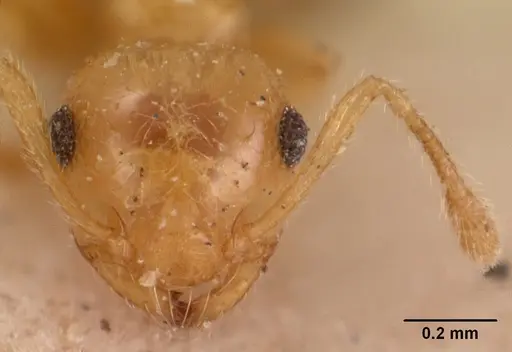
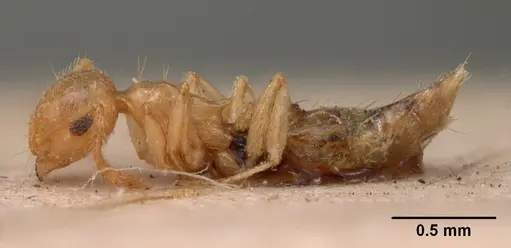
CASENT0102137
View on AntWeb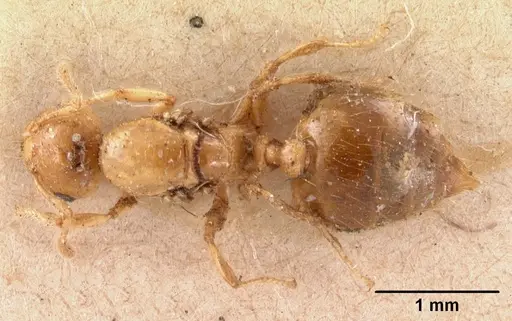
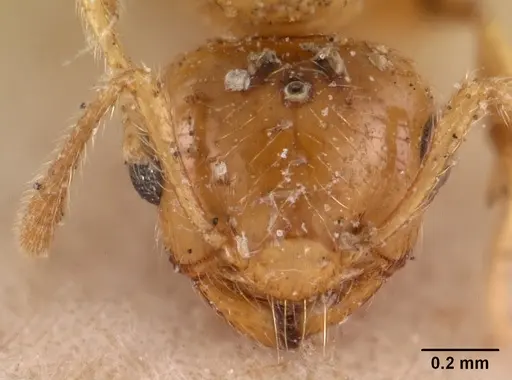
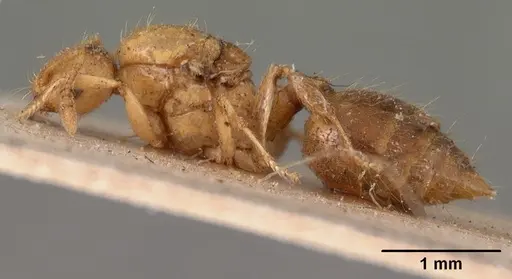
CASENT0173211
View on AntWeb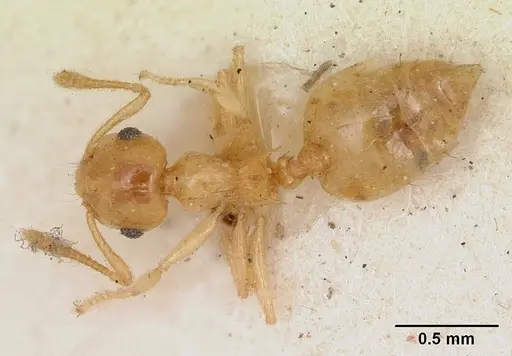
CASENT0436247
View on AntWeb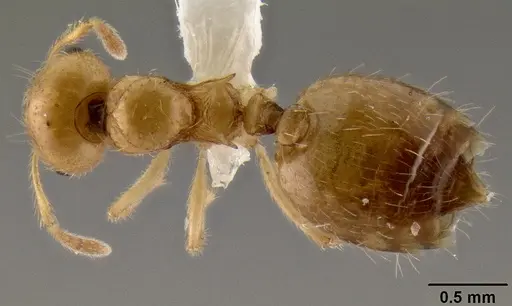
CASENT0436253
View on AntWeb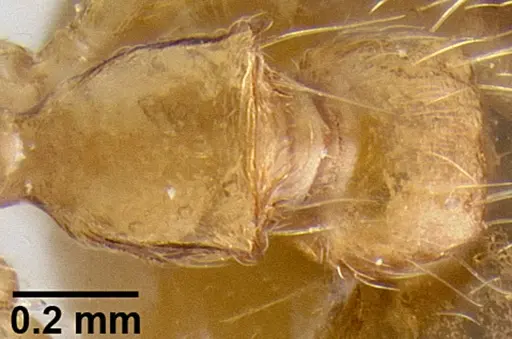
CASENT0914538
View on AntWeb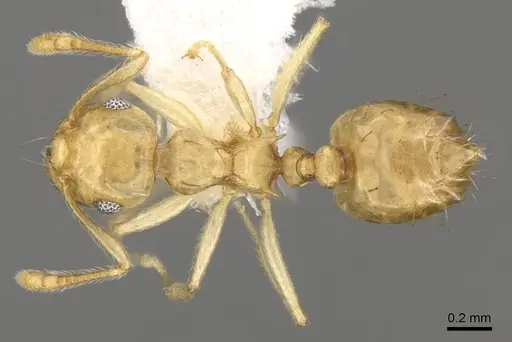
Literature
Loading...Loading products...