

Crematogaster punctulata
- Scientific Name
- Crematogaster punctulata
- Tribe
- Crematogastrini
- Subfamily
- Myrmicinae
- Author
- Emery, 1895
- Distribution
- Found in 1 countries
Crematogaster punctulata Overview
Crematogaster punctulata is an ant species of the genus Crematogaster. It is primarily documented in 1 countries , including United States of America. Detailed taxonomic data and occurrence records can be further explored via authoritative databases such as AntWeb or the Global Biodiversity Information Facility (GBIF).
Crematogaster punctulata
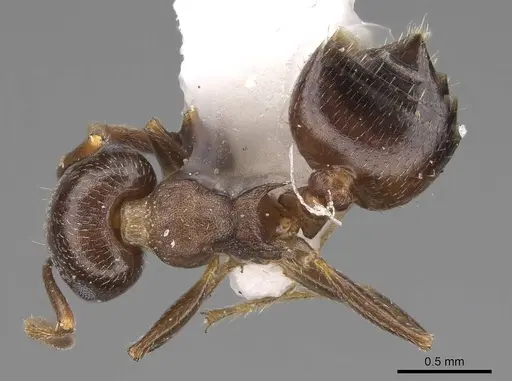
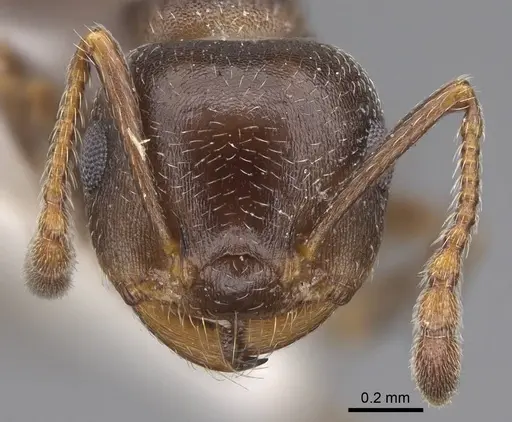
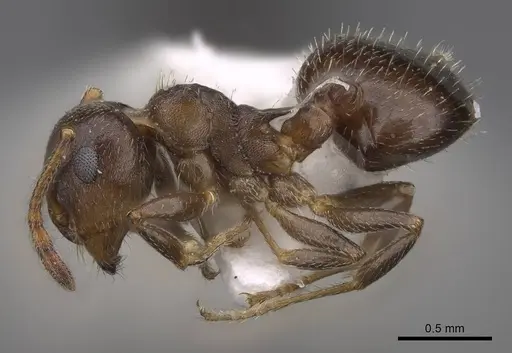
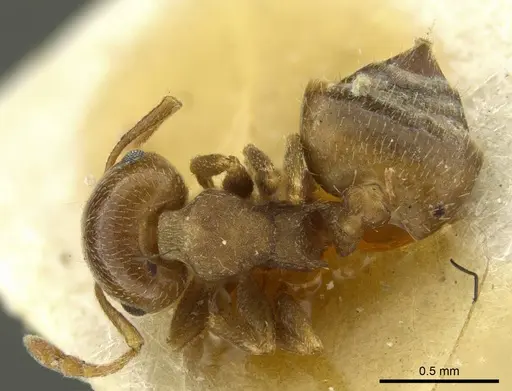
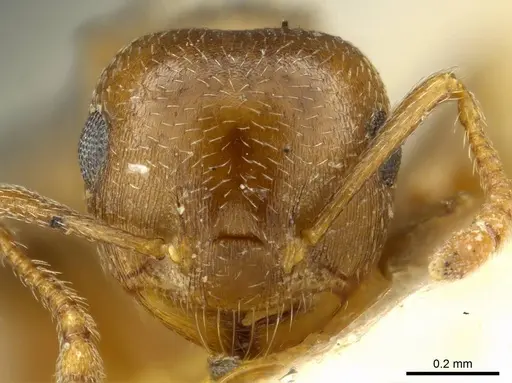
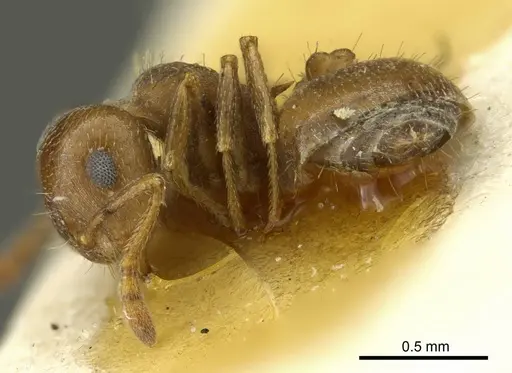
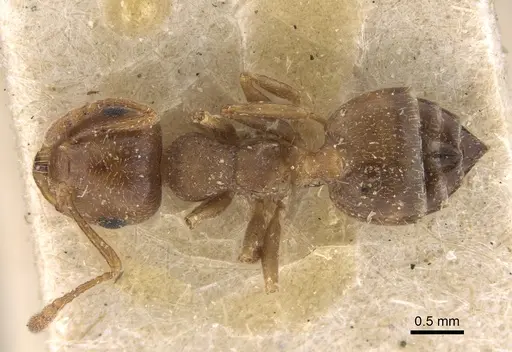
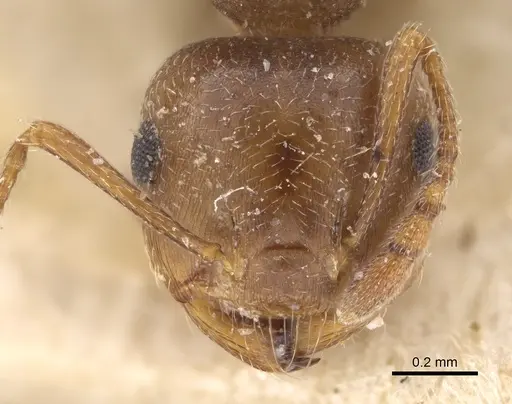
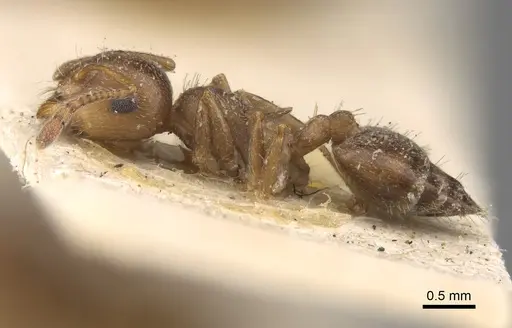
Crematogaster punctulata is a small, active ant native to the southern half of the United States and central Mexico. These ants get their nickname 'acrobat ants' from their ability to raise their abdomen over their head and thorax when disturbed, almost like a gymnast. Workers measure 2.5-4mm and have a distinctive heart-shaped abdomen that they can curl upward. They have relatively short propodeal spines and abundant short hairs covering their body [1].
What makes these ants interesting is their preference for drier, warmer habitats compared to their close relatives. They are ground-nesting ants that thrive in open woodlands, grasslands, and desert edge habitats across the American Southwest and Great Plains. They are active foragers that tend to sap-sucking insects like aphids and membracids for honeydew, and they commonly forage on cactus like cholla [2]. This species was once considered the same as Crematogaster lineolata but has been recognized as a separate species since the 1980s [3].
Quick Summary
- Difficulty: Easy
- Origin & Habitat: Native to the southern United States and central Mexico, ranging from the Great Plains east to Virginia and Florida, and west to Arizona [4][3]. They prefer drier, more xerophilous habitats than related species like C. cerasi or C. lineolata, nesting in soil or under stones and logs in mesquite forest, pinyon-juniper woodlands, shinnery oak forest, cottonwood forests, and grasslands [2][1].
- Colony Type: Likely monogyne (single queen) based on typical genus patterns. Crematogaster colonies typically have one founding queen that establishes the colony alone.
- Colony: Monogyne
- Founding: Claustral
- Size & Growth:
- Queen: Estimated 5-7mm based on genus patterns and worker size
- Worker: 2.5-4mm (HW 0.71-0.99mm) [1]
- Colony: Likely several thousand workers at maturity based on related species
- Growth: Moderate, estimated 6-10 weeks from egg to first worker at optimal temperature
- Development: 6-10 weeks (estimated based on genus patterns for Myrmicinae) (Development time is estimated as no specific study exists for this species. Temperature affects development significantly, warmer conditions speed growth.)
- Antkeeping:
- Temperature: Keep at 22-28°C. They are warmth-loving and their activity is positively correlated with ambient temperature [5]. A heating cable on one side of the nest creates a useful gradient.
- Humidity: Keep relatively dry, these ants are more xerophilous than related species [4]. Aim for 40-60% humidity in the nest area, with slightly moister areas in the outworld for foraging.
- Diapause: Yes, they are adapted to temperate climates with cold winters. Provide a winter rest period of 2-3 months at 10-15°C.
- Nesting: Ground-nesting species. Test tubes, Y-tong nests, or plaster nests work well. Provide a soil or sand chamber for nesting as they naturally nest in soil [4]. They do well with moderate nesting space that isn't too humid.
- Behavior: These ants are active foragers and can be aggressive when defending their nest. They are known for their acrobat-like defense display where they raise the abdomen over the body. Workers are fast-moving and will readily explore their outworld. They tend sap-sucking insects (aphids, membracids, coccids) for honeydew and will also hunt small insects. Escape risk is moderate, they are small but not as tiny as some Myrmicinae. Use standard barrier methods like fluon on test tube rims. They are not particularly aggressive toward keepers but will defend if threatened.
- Common Issues: colonies may fail if kept too humid, these ants prefer drier conditions than many Myrmicinae, slow founding phase can lead to beginner impatience, queens seal themselves in for weeks, winter die-offs occur if hibernation conditions are too wet or temperatures fluctuate, escape prevention should still be used despite moderate size, they can squeeze through small gaps, wild-caught colonies may carry parasites that cause colony collapse in captivity
Nest Preferences
Crematogaster punctulata naturally nests in soil, often under stones, logs, or in open ground [4][2]. In captivity, they do well in test tubes with a cotton water reservoir, Y-tong acrylic nests, or plaster nests with a soil chamber. They prefer nesting conditions that are drier than many Myrmicinae, avoid overly damp substrates. A small chamber of damp sand or soil works well for the nest chamber while keeping overall humidity moderate. They don't need elaborate tunnel systems, a simple chamber connected to an outworld is sufficient. The post petiole attachment to the anterior dorsal surface of the first gastral segment is a key identification feature that also affects how they move and navigate in narrow tunnels [6].
Feeding and Diet
In the wild, these ants are opportunistic foragers that primarily tend honeydew-producing insects. They actively tend membracids on sunflowers, as well as coccids and aphids [2]. They also forage on cactus like cholla (Opuntia sp.) likely seeking nectar or honeydew [2]. In captivity, offer sugar water or honey as a constant energy source. For protein, provide small insects like fruit flies, small crickets, or mealworms. They will readily accept most standard ant foods. A varied diet of sugars and protein works best. Feed protein 2-3 times per week and keep sugar water available at all times. Remove uneaten prey after 24 hours to prevent mold.
Temperature and Seasonal Care
These ants are warmth-loving and their foraging activity is strongly correlated with temperature [5]. Keep the nest area at 22-28°C for optimal colony development. A heating cable placed on part of the nest creates a temperature gradient that allows ants to self-regulate. During the warm months (June, July, August), they are most active and their occurrence patterns are uncorrelated with daily temperature fluctuations, suggesting they maintain activity even in heat [5]. For winter, provide a diapause period of 2-3 months at 10-15°C. This mimics their natural seasonal cycle in temperate regions. Keep the colony slightly moist during hibernation but not wet, excessive moisture during winter dormancy can kill colonies.
Behavior and Temperament
Crematogaster ants are named for their distinctive defensive behavior, when threatened, workers raise their abdomen over their head and thorax, like an acrobat doing a handstand. This display, combined with their ability to release formic acid from their abdomen, serves as an effective deterrent. They are not typically aggressive toward keepers but will defend their nest vigorously if provoked. Workers are fast-moving and excellent foragers, actively exploring their environment. They communicate through chemical trails and will quickly recruit nestmates to good food sources. Their small size (2.5-4mm) means they can escape through small gaps, so use proper barrier methods like fluon on test tube rims or fine mesh on outworlds. [1]
Frequently Asked Questions
How long does it take for Crematogaster punctulata to produce first workers?
Expect 6-10 weeks from egg to first worker at optimal temperature (around 24-26°C). This is an estimate based on genus patterns since specific development data for this species isn't available. The queen will seal herself in a chamber and not emerge until her first workers hatch.
Do Crematogaster punctulata ants sting?
They don't have a stinger like some ants, but they can release formic acid from their abdomen as a defensive chemical. This is generally harmless to humans but can be irritating. Their main defense is the acrobat display, raising the abdomen over their body to appear larger and threatening.
What temperature range is best for Crematogaster punctulata?
Keep them at 22-28°C, with around 24-26°C being ideal. They are warmth-loving and their activity correlates with temperature [5]. A heating cable on part of the nest creates a gradient they can use to regulate their temperature.
Are Crematogaster punctulata good for beginners?
Yes, they are considered easy to keep. They are hardy, adaptable, and don't have extreme humidity requirements. They are more xerophilous than many ants, so you don't need to worry as much about keeping them too dry. Just provide proper hibernation in winter and standard escape prevention.
How big do Crematogaster punctulata colonies get?
Based on related species, colonies likely reach several thousand workers at maturity. They are a moderately sized Crematogaster species. Growth is moderate, not the fastest but steady with proper feeding and temperature.
Do they need hibernation?
Yes, they require a winter diapause period of 2-3 months at 10-15°C. They are adapted to temperate climates with cold winters across their range in the southern US [4]. Without proper hibernation, colony health may decline over time.
What do Crematogaster punctulata eat?
They are opportunistic omnivores. In captivity, provide sugar water or honey constantly, plus protein sources like small insects (fruit flies, pinhead crickets, mealworms). They will also eat seeds or other ant foods. Their natural diet includes honeydew from aphids and membracids, plus small prey [2].
Can I keep multiple queens together?
This species is likely monogyne (single queen) based on typical Crematogaster patterns. It's not recommended to combine unrelated foundresses as they would likely fight. Once a colony is established, only one queen should be present.
When should I move them to a formicarium?
Wait until the colony has at least 20-30 workers before moving from a test tube setup. Crematogaster punctulata naturally nests in soil, so a naturalistic setup with a soil chamber or a Y-tong nest works well. Make sure the formicarium isn't too large, they prefer cozy spaces.
Why are my ants dying during hibernation?
This is a common issue. Make sure hibernation isn't too wet, excessive moisture during winter dormancy kills colonies. Keep them at a stable 10-15°C, not room temperature. Also ensure they were healthy and well-fed before entering hibernation. Weak colonies often don't survive winter.
References

This caresheet is licensed under CC BY-SA 4.0 .
Literature
Loading...Loading products...