

Crematogaster pinicola
- Scientific Name
- Crematogaster pinicola
- Tribe
- Crematogastrini
- Subfamily
- Myrmicinae
- Author
- Deyrup & Cover, 2007
- Common Name
- Pine Tree Acrobat Ant
- Distribution
- Found in 1 countries
Crematogaster pinicola Overview
Crematogaster pinicola (commonly known as the Pine Tree Acrobat Ant) is an ant species of the genus Crematogaster. It is primarily documented in 1 countries , including United States of America. Detailed taxonomic data and occurrence records can be further explored via authoritative databases such as AntWeb or the Global Biodiversity Information Facility (GBIF).
Crematogaster pinicola - "Pine Tree Acrobat Ant"
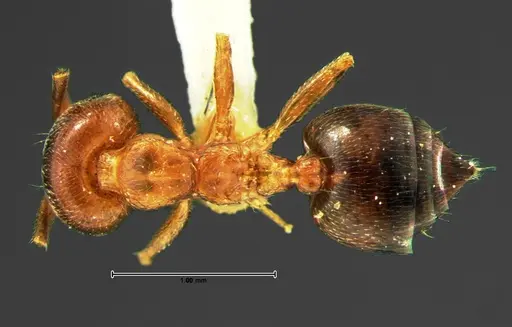
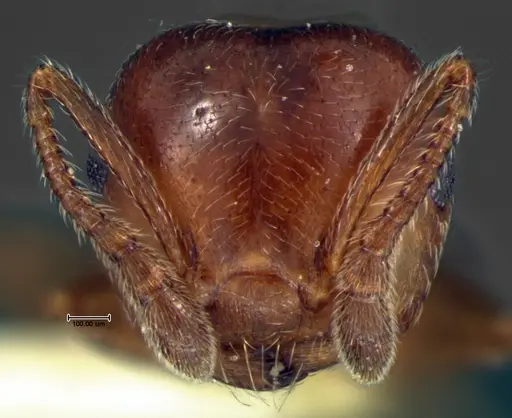
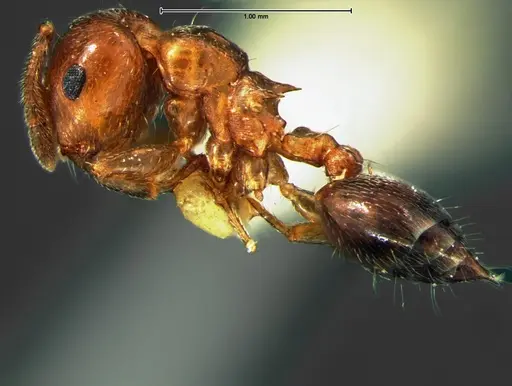
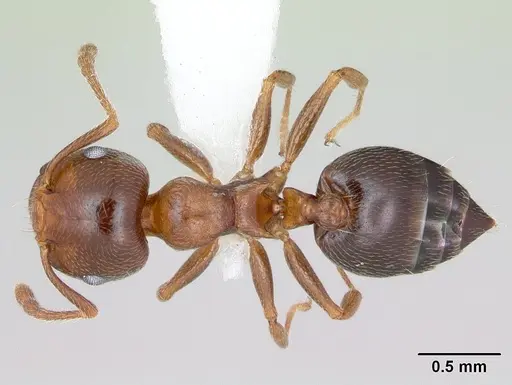
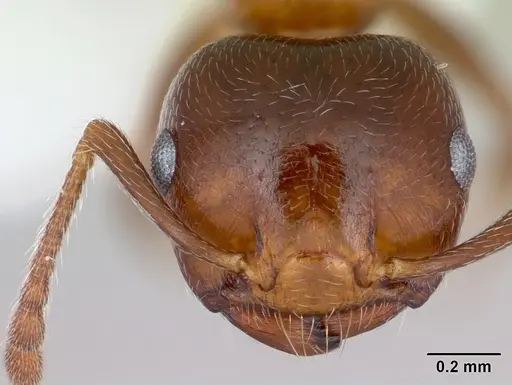
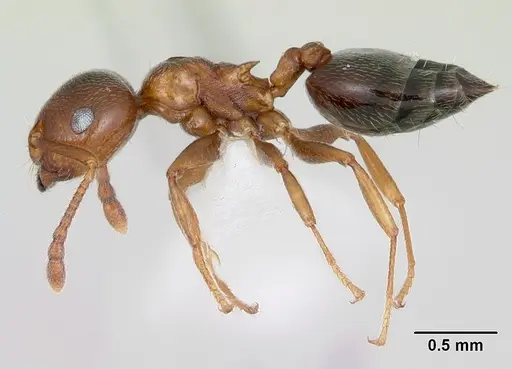
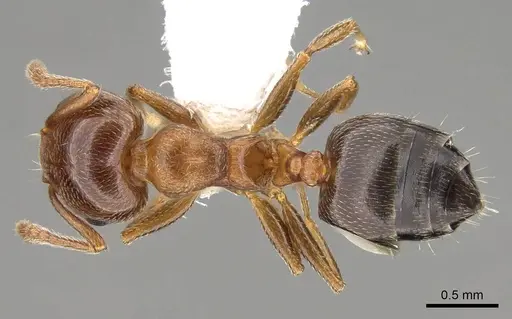
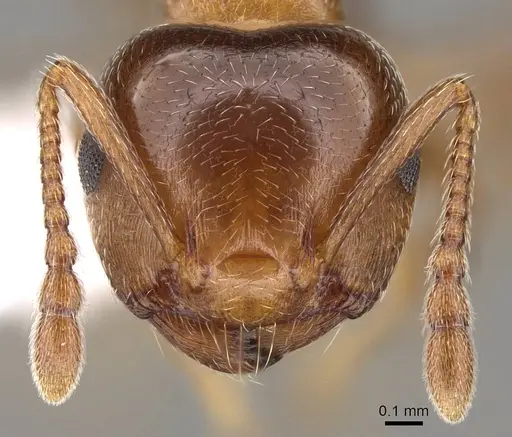
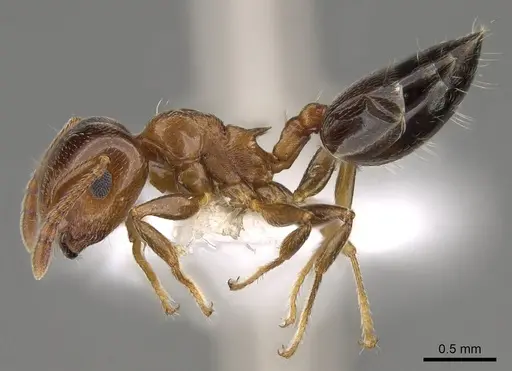
Crematogaster pinicola is a distinctive bicolored acrobat ant native to the southeastern United States. Workers measure 2.3-3.6mm and feature a striking red head, mesosoma, legs, and antennae contrasting with a jet-black abdomen (gaster) [1]. This coloration easily separates them from their close relative Crematogaster ashmeadi, which is uniformly dark brown to black. The species name 'pinicola' means 'pine dweller' in Latin, perfectly describing their unique specialization, they nest exclusively inside pine trees, particularly slash pine and longleaf pine [1][2]. Colonies can grow quite large, reaching several tens of thousands of workers [1].
What makes C. pinicola fascinating is their intimate relationship with fire-maintained pine ecosystems. They colonize abandoned beetle galleries in dead pine twigs and branches, gradually moving up trees as lower branches die. Their colonies are aggressively territorial, only one colony occupies each tree, and workers readily attack intruders from other colonies [1]. This species may have declined alongside the destruction of longleaf pine habitats, though it remains widespread in suitable areas.
Quick Summary
- Difficulty: Medium
- Origin & Habitat: Southeastern United States (Florida, Georgia, South Carolina, Alabama) in fire-maintained pine forests, both dry sandhill and wet flatwoods habitats [1][2]. They inhabit open-grown pines surrounded by low brush or grasses, typically in areas with frequent fires that maintain the pine ecosystem.
- Colony Type: Single-queen colonies (monogyne). Each tree hosts only one colony, and colonies rarely span multiple trees [1].
- Colony: Monogyne
- Founding: Claustral
- Size & Growth:
- Queen: 7.48-7.90 mm [1]
- Worker: 2.31-3.64 mm [1]
- Colony: Several tens of thousands of workers [1]
- Growth: Moderate, based on typical Crematogaster development patterns
- Development: Estimated 6-8 weeks at optimal temperature based on genus patterns (Development time is inferred from related Crematogaster species, specific data for C. pinicola is not available)
- Antkeeping:
- Temperature: Keep at 22-26°C. These are warm-climate ants from the southeastern US, so they prefer temperatures in the mid-to-high 70s°F range. A gentle heat gradient allows them to regulate their preferred temperature [1].
- Humidity: Moderate humidity around 50-60%. As arboreal nesters in pine trees, they tolerate drier conditions than ground-nesting ants. Provide a water tube but avoid overly damp conditions that could cause mold in the nest.
- Diapause: Yes, provide a winter rest period. Since they originate from Florida and neighboring states with mild winters, a cool period around 10-15°C for 2-3 months simulates their natural seasonal cycle. Reduce feeding during this time.
- Nesting: Arboreal setup works best, they naturally nest in dead pine branches and under bark. A Y-tong (AAC) nest or wooden formicarium with narrow chambers mimics their natural pine cavity nesting. You can also provide pine twigs/branches in a naturalistic setup.
- Behavior: Acrobat ants get their name from their ability to raise their gaster over their head when threatened, like a scorpion. Workers are moderately aggressive and will defend their nest vigorously, they readily bite and may release formic acid. They are fast-moving and good climbers, often foraging up and down tree trunks. Colonies are territorial and will attack workers from other colonies. Escape prevention is important since they are small (under 4mm) and can squeeze through small gaps. They are primarily arboreal, foraging on pine bark and branches.
- Common Issues: small size means escapes are likely without fine mesh barriers, colonies can become very large, ensure your setup can accommodate tens of thousands of workers, arboreal nesting means they need vertical space and climbing structures, queen founding can be difficult, they need specific pine twig habitats, territorial aggression means introducing foreign workers will trigger fighting
Nest Preferences and Housing
Crematogaster pinicola is an obligate pine dweller, meaning they only nest in pine trees in the wild. In captivity, you should replicate this arboreal lifestyle. The best options are Y-tong (AAC) nests, wooden formicaria, or naturalistic setups with pine branches/twigs. They prefer tight, narrow chambers that mimic the beetle galleries they naturally colonize. Avoid plastic nests as these arboreal ants don't do well in overly humid, enclosed spaces. A test tube setup can work for founding colonies, but transfer to a more appropriate arboreal nest once the colony reaches 20-30 workers. The key is providing vertical space and surfaces they can climb on, they naturally forage up and down, not across flat surfaces. Some keepers successfull provide small pieces of pine bark or twigs within the formicarium to mimic their natural environment [1][2].
Feeding and Diet
Like other Crematogaster species, C. pinicola is an omnivore that accepts both sugar and protein sources. Offer sugar water, honey, or diluted maple syrup as a constant carbohydrate source. For protein, provide small insects like fruit flies, small crickets, mealworms, or other appropriately-sized prey. In the wild, they scavenge and tend aphids for honeydew, so they may also accept aphid honeydew if you have a live plant setup. Feed protein 2-3 times per week, and keep sugar water available at all times. Remove uneaten prey after 24-48 hours to prevent mold. Since they are arboreal foragers, place food on elevated surfaces or near climbing routes rather than on the nest floor. They are not known seed removers, so don't expect them to clear seeds from your setup [1][4].
Temperature and Seasonal Care
These are warm-climate ants requiring temperatures in the 22-26°C range. The southeastern US has mild winters, so they do experience a seasonal slowdown but not true hibernation. During winter (roughly November through February in the Northern Hemisphere), reduce temperatures to around 10-15°C to provide a rest period. Reduce feeding frequency during this cool period, once weekly or even less is sufficient. Do not feed heavily during diapause as their metabolism slows significantly. In summer, ensure they have access to warmth but avoid overheating, temperatures above 30°C can be harmful. A small heat cable on one side of the nest creates a gradient they can regulate themselves. Room temperature (around 22-24°C) is typically suitable for most of the year [1].
Behavior and Defense
Crematogaster pinicola exhibits classic acrobat ant behavior, when threatened, workers raise their abdomen over their head, ready to spray formic acid at attackers. They are moderately aggressive and will vigorously defend their nest. This is important to remember during colony transfers or maintenance. Workers are fast-moving and excellent climbers, often traveling in trails along surfaces. They are also territorial, if you introduce workers from another colony, expect immediate aggressive interactions. In the wild, this territoriality ensures only one colony per tree. For keepers, this means being cautious about combining colonies or introducing new queens to an established nest. Their small size (under 4mm) means they can escape through tiny gaps, use fluon on edges and ensure all connections are tight [1].
Colony Growth and Development
Colonies start when a newly mated queen finds an abandoned beetle gallery in a dead pine twig or branch. She seals herself inside and lays eggs, surviving on stored fat reserves until her first workers emerge (claustral founding). Initial colonies prefer small trees under 7 meters tall with at least 2-3 dead branches [1]. As the colony grows, they gradually move up the tree as lower branches die. Mature colonies can reach several tens of thousands of workers, this is a large species by antkeeping standards. Growth rate is moderate, expect 6-12 months from founding to a established colony of 50+ workers. Colonies are long-lived and can persist for many years in a single tree. For keepers, this means planning for a long-term setup that can accommodate substantial colony growth [1].
Frequently Asked Questions
How long does it take for Crematogaster pinicola to produce first workers?
From egg to first worker takes approximately 6-8 weeks at optimal temperature (around 24-26°C). This is based on typical Crematogaster genus development patterns, as specific development timing for C. pinicola has not been directly studied.
Can I keep multiple Crematogaster pinicola queens together?
No. This species is monogyne, only one queen per colony. In the wild, each tree hosts exactly one colony, and queens found colonies singly in beetle galleries. Combining unrelated queens will likely result in fighting and colony failure.
What do Crematogaster pinicola ants eat?
They are omnivores. Offer a constant sugar source (sugar water, honey, or maple syrup) and protein 2-3 times weekly (small insects like fruit flies, crickets, or mealworms). They may also accept honeydew from aphids if you have a live plant setup.
Do Crematogaster pinicola ants sting?
They don't have a stinger, but they can bite and spray formic acid as a defense. The spray can irritate skin and eyes. Their characteristic behavior of raising their gaster like a scorpion is a warning that they are ready to defend.
What temperature do Crematogaster pinicola need?
Keep them warm at 22-26°C. These are warm-climate ants from the southeastern US. A slight temperature gradient allows them to regulate their own preferred spot. Room temperature is typically suitable.
Are Crematogaster pinicola good for beginners?
They are intermediate difficulty. They require specific arboreal-style housing and can grow very large, but their care requirements are straightforward once you have the right setup. Not the best choice for a first ant, but manageable for someone with some experience.
Do Crematogaster pinicola need hibernation?
Yes, provide a mild winter rest period. Reduce temperatures to around 10-15°C for 2-3 months during winter. Reduce feeding during this time. This mimics their natural seasonal cycle in the mild Florida climate.
Why are my Crematogaster pinicola dying?
Common causes include: escape (they are small and can slip through tiny gaps), mold from overly damp conditions, temperatures too cold or too hot, or stress from disturbance. Check your escape prevention, ensure proper humidity, and verify temperatures are in the 22-26°C range.
When should I move my colony to a formicarium?
Move them once they reach 20-30 workers and the test tube setup becomes cramped. An arboreal-style nest (Y-tong or wooden formicarium) works best. They need vertical climbing space and surfaces to walk on.
How big do Crematogaster pinicola colonies get?
Very large, they can reach several tens of thousands of workers in the wild. Be prepared for a substantial colony that will need a large formicarium or naturalistic setup. This is a long-term commitment.
References

This caresheet is licensed under CC BY-SA 4.0 .
Literature
Loading...Loading products...