
Crematogaster ashmeadi shows a February to December flight window. Peak activity occurs in November, with nuptial flights distributed across 5 months.
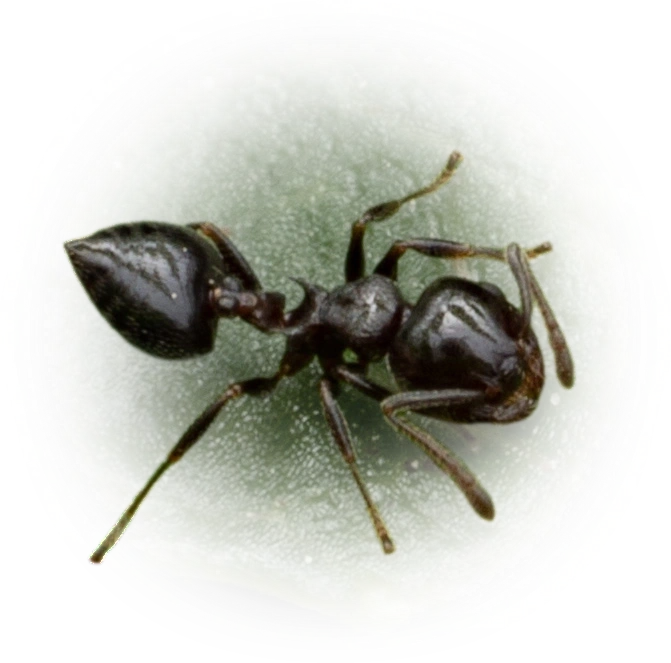
Crematogaster ashmeadi
- Scientific Name
- Crematogaster ashmeadi
- Tribe
- Crematogastrini
- Subfamily
- Myrmicinae
- Author
- Mayr, 1886
- Common Name
- Ashmead's Acrobat Ant
- Distribution
- Found in 2 countries
- Nuptial Flight
- from February to December, peaking in November
AI Identifiable
try →
Crematogaster ashmeadi Overview
Crematogaster ashmeadi (commonly known as the Ashmead's Acrobat Ant) is an ant species of the genus Crematogaster. It is primarily documented in 2 countries , including United States of America, South Africa. Detailed taxonomic data and occurrence records can be further explored via authoritative databases such as AntWeb or the Global Biodiversity Information Facility (GBIF).
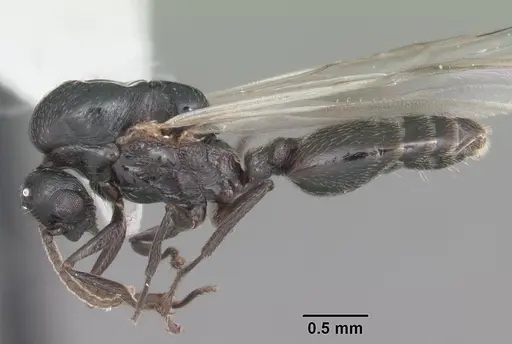
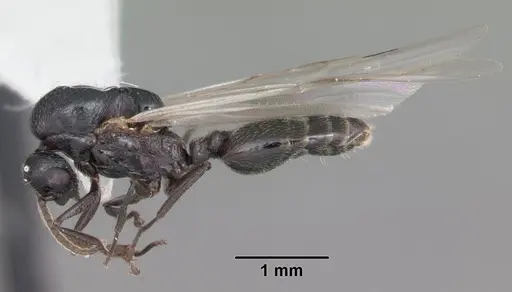
The nuptial flight of Crematogaster ashmeadi is a significant biological event, typically occurring from February to December, peaking in November. During this time, winged queens and males leave the nest to mate and establish new colonies.
Crematogaster ashmeadi - "Ashmead's Acrobat Ant"
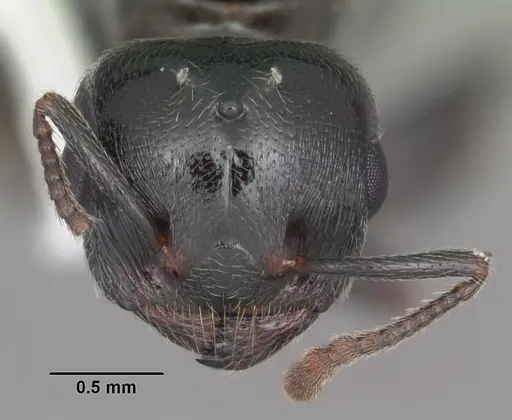
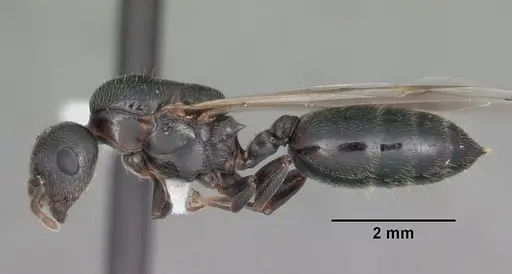
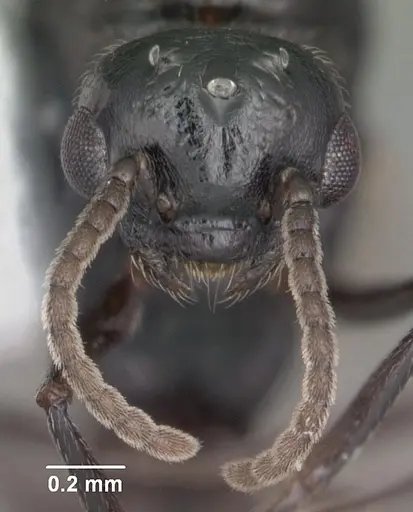
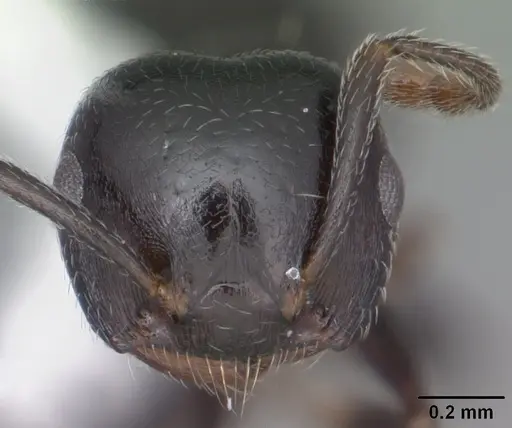
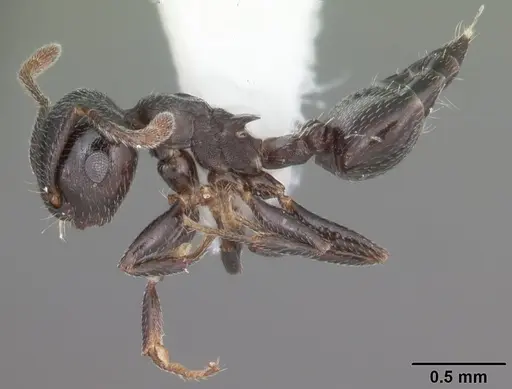
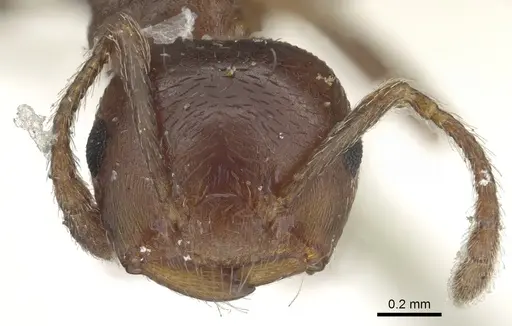
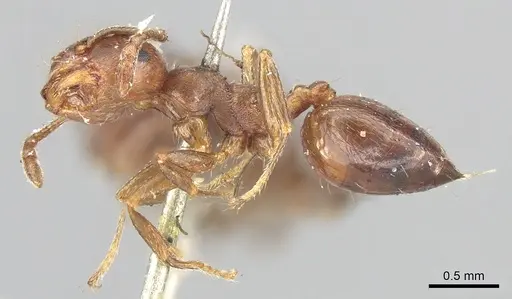
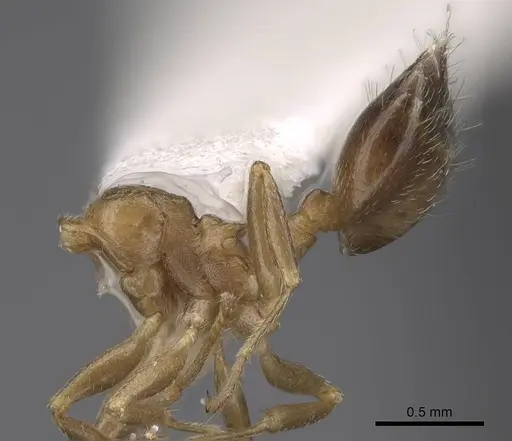
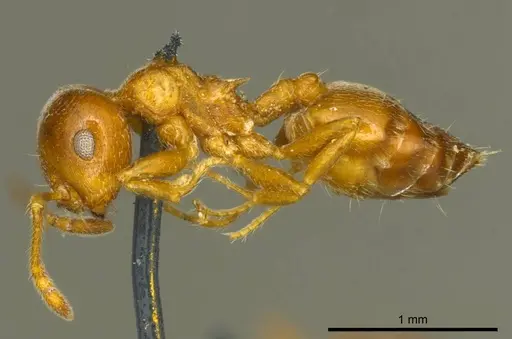
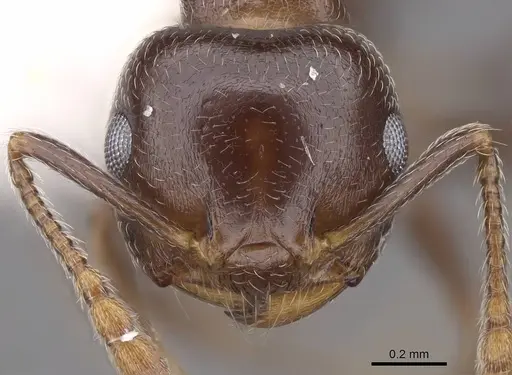
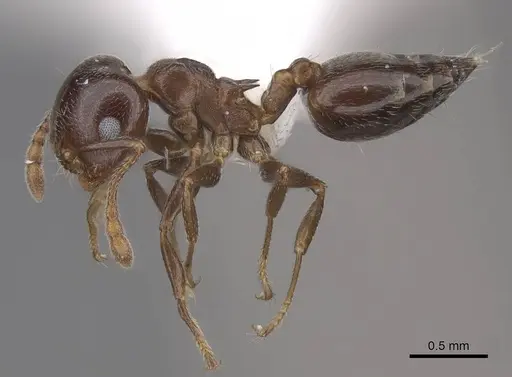
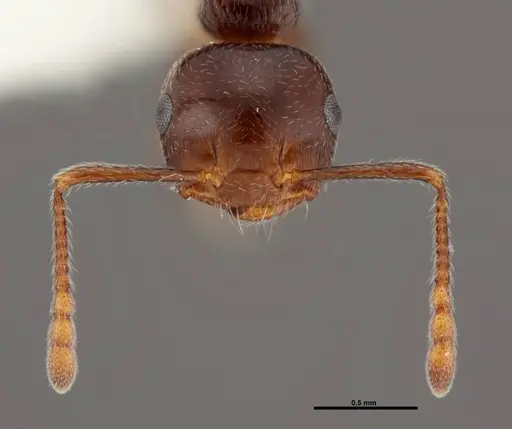
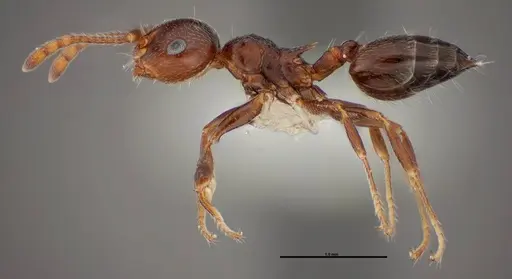
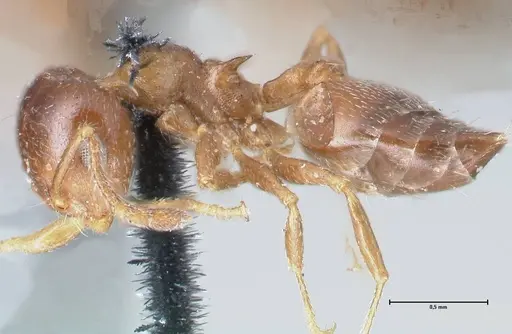
Crematogaster ashmeadi is a small, dark brown to black arboreal ant native to the southeastern United States. Workers measure 2-4mm and are easily recognized by their distinctive heart-shaped abdomen that they raise like an acrobat when threatened, giving them their common name. These ants nest exclusively in plant cavities, dead branches, and abandoned beetle galleries in trees, never in soil or pine trees. They are a dominant species in southeastern pine forests, occupying roughly 50% of all pine trees in areas like the Apalachicola National Forest [1][2]. Queens are single-queen (monogyne) and colonies can grow quite large, reaching up to 80,000 workers with a lifespan of 10-15 years [2]. This species is known for its aggressive territorial behavior and will actively defend its tree territories against other ant species.
Quick Summary
- Difficulty: Medium
- Origin & Habitat: Native to the southeastern United States, from Maryland to southern Florida and west to Texas, also found in Mexico. Inhabits pine and hardwood forests, typically nesting in dead branches, hollow stems, and abandoned beetle galleries in various trees and shrubs including oaks, hickories, and winged sumac [2][3].
- Colony Type: Monogyne (single-queen colonies). Queens are haplometrotic, only one queen per colony, and they seal themselves inside the nest chamber to found new colonies [4][5].
- Colony: Monogyne
- Founding: Claustral
- Size & Growth:
- Queen: Queens approximately 5-6mm [2].
- Worker: Workers 2-4mm (HW 0.74-0.90mm) [2].
- Colony: Up to 80,000 workers in mature colonies [2].
- Growth: Moderate, eggs develop into workers in approximately 50 days [6].
- Development: Approximately 7 weeks (50 days) from egg to first worker at optimal temperature [6]. (Brood production begins in late April or early May. Brood overwinters as larvae [2].)
- Antkeeping:
- Temperature: Keep at room temperature (20-26°C). This is a warm-climate species adapted to the southeastern US, so they prefer temperatures in the low-to-mid 20s°C range. A gentle heat gradient is beneficial but not required if room temperature is within range.
- Humidity: Moderate humidity (50-70%). As an arboreal species nesting in dead plant material, they prefer slightly drier conditions than ground-nesting ants. Allow the nest to dry out partially between waterings.
- Diapause: Yes, requires a winter rest period. Brood overwinters as larvae, and colonies become less active during winter months in temperate regions. Reduce temperature to 10-15°C for 2-3 months during winter [2].
- Nesting: Arboreal setup required. Use a formicarium with wooden, cork, or plant-based nesting chambers (like a Y-tong or wood formicarium). They will not nest in soil or typical test tube setups. Provide dead branches, cork bark, or similar arboreal nesting material. The nest should have narrow chambers and passages scaled to their small size.
- Behavior: Crematogaster ashmeadi is an aggressive, territorial species that dominates its habitat. Workers are highly active and will readily attack threats, raising their abdomen in a defensive display. They use scent trails to recruit nestmates to food sources, their trail pheromone comes from glands in their hind legs [7][8]. They are generalist feeders attracted to sugar (honeydew, nectar) and protein sources. Colonies are monodomous (one nest per colony) and each occupied tree functions as a habitat island, they rarely leave their tree to forage on the ground [5]. Escape prevention is important due to their small size.
- Common Issues: small size means escapes are likely without fine mesh barriers, arboreal nesting requirements make them unsuitable for standard test tube or soil nests, aggressive behavior means they may attack and kill other ant species if housed nearby, colonies can become very large (up to 80,000 workers) requiring significant space, poor survival of founding queens, only about 7.6% of queens successfully establish colonies in the wild [4]
Nuptial Flight Activity Analysis 54 observations
Flight Activity by Hour 54 observations
Crematogaster ashmeadi nuptial flight activity peaks around 17:00 during the afternoon. Activity is spread across a 23-hour window (00:00–22:00). A secondary activity peak occurs around 13:00. Times may be influenced by human observation patterns.
Nest Preferences and Housing
Crematogaster ashmeadi is strictly an arboreal species, they will not nest in soil or ground-level setups. In the wild, they colonize abandoned beetle galleries in dead branches, hollow stems of shrubs and vines, and cavities in various hardwoods including oaks, hickories, and winged sumac. They never nest in pine trees [2]. For captive care, you need an arboreal-style formicarium. Y-tong nests, wooden formicaria, or setups with cork bark chambers work well. The nesting chambers should be narrow and scaled to their small worker size (2-4mm). Provide multiple connected chambers rather than one large open space. Outworld space should include vertical structures (branches, cork bark pieces) for foraging exploration. Because they are small, use fine mesh on any ventilation to prevent escapes.
Feeding and Diet
This is a generalist species with a broad diet. Workers are attracted to sugar sources (honeydew from aphids, nectar, sugar water, honey) and protein (insects, meat baits). In studies, they readily accepted sugar baits, meat baits, Vienna sausage baits, and fire ant baits [2]. They also tend aphids and scale insects for honeydew, and will visit extrafloral nectaries on plants. For captive colonies, offer a constant sugar source (honey water or sugar water) and protein prey 2-3 times per week. Small insects like fruit flies, small crickets, and mealworms are appropriate prey items. They are not specialized predators, so a varied diet works well. Remove uneaten prey after 24-48 hours to prevent mold.
Temperature and Seasonal Care
As a southeastern US species, Crematogaster ashmeadi prefers warm conditions. Keep the nest area at 20-26°C, room temperature is typically suitable. They can tolerate higher temperatures but avoid extremes. During winter in temperate climates, they require a diapause period. Brood overwinters as larvae, and colony activity decreases significantly in winter [2]. Reduce temperatures to 10-15°C for 2-3 months during winter to simulate natural conditions. This rest period is important for colony health and may trigger spring breeding behavior. In warmer climates or heated rooms, you may skip formal hibernation, but a slight temperature reduction in winter months is still beneficial.
Behavior and Defense
This is one of the most aggressive and territorial ant species in its range. Colonies dominate their host tree and will aggressively intercept and attack other ant species that enter their territory. When threatened, workers raise their abdomen (the 'acrobat' behavior) and may spray formic acid or sting. They are capable of killing much larger insects and will readily engage in combat with other ants [1]. They use scent trails to recruit workers to food sources, the trail pheromone is produced by glands in their hind legs and released through their tarsi as they walk [7][8]. Each colony occupies a single tree as a self-contained habitat island and rarely forages on the ground [5]. When keeping multiple colonies, ensure complete separation as they will fight.
Colony Founding
Colony founding is challenging in this species. Queens are strictly haplometrotic, only one queen per colony, and they do not tolerate other queens [5]. In the wild, newly mated queens search for dead branches containing abandoned beetle galleries and seal themselves inside to raise their first brood [4]. The queen uses stored fat reserves to survive and feed her first brood (claustral founding). It takes approximately one month to produce minim (first) workers, and about 50 days total from egg to worker [5][6]. Wild queen survival is very low, only about 7.6% of queens successfully establish colonies [4]. For keepers, this means founding your own colony from a queen is difficult and requires providing appropriate dead branch material in a protected environment.
Growth and Development
Mature colonies can reach impressive sizes of up to 80,000 workers and live 10-15 years [2]. Growth is moderate, eggs develop into workers in approximately 50 days under optimal conditions [6]. Brood production follows a seasonal pattern: brood overwinters as larvae, production begins in late April or early May, and sexuals (alates) are present in nests from late May through October [2]. Nuptial flights occur in April, June-August, October, and December, multiple flight periods per year. Colonies become increasingly dominant as they grow, eventually occupying most of their host tree and aggressively excluding other ant species [1].
Frequently Asked Questions
Can I keep Crematogaster ashmeadi in a test tube setup?
No, this is an arboreal species that will not nest in test tubes or soil. They need an arboreal formicarium with wooden, cork, or plant-based nesting chambers that mimic their natural dead branch habitat.
How long does it take for first workers to appear?
Approximately 7 weeks (50 days) from egg to first worker at optimal temperature. Queens take about one month to produce minim workers after founding [6][5].
Do Crematogaster ashmeadi ants sting?
Yes, they possess a functional sting and will use it defensively. They can also spray formic acid. While their sting is not dangerous to humans, it can be irritating, and the ants are quite aggressive when defending their nest [9].
How big do colonies get?
Mature colonies can reach up to 80,000 workers with a lifespan of 10-15 years [2]. This is one of the largest colony sizes among North American Crematogaster species.
Can I keep multiple queens together?
No, this species is strictly haplometrotic (single queen per colony). Queens never share chambers and will fight if placed together. Each colony has exactly one queen [5].
Do they need hibernation?
Yes, they require a winter rest period. Brood overwinters as larvae, and colony activity decreases significantly in winter. Reduce temperature to 10-15°C for 2-3 months during winter [2].
Are Crematogaster ashmeadi good for beginners?
No, they are considered a medium difficulty species. Their arboreal nesting requirements, aggressive behavior, and need for specific dead branch habitats make them more challenging than ground-nesting species. They are best suited for keepers with some antkeeping experience.
What do Crematogaster ashmeadi eat?
They are generalist feeders. Offer a constant sugar source (honey water or sugar water) and protein prey 2-3 times per week. They readily accept small insects, honey, nectar, and will tend aphids for honeydew [2].
Why are my ants dying during founding?
This is normal, wild queen survival is extremely low at only about 7.6%. Founding queens face high mortality from predators, environmental conditions, and competition. Provide a quiet, dark location and avoid disturbing the founding chamber [4].
References

This caresheet is licensed under CC BY-SA 4.0 .
ANTWEB1041650
View on AntWeb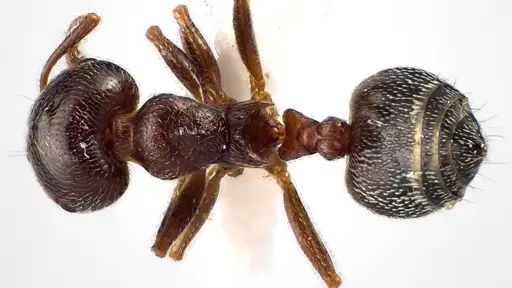
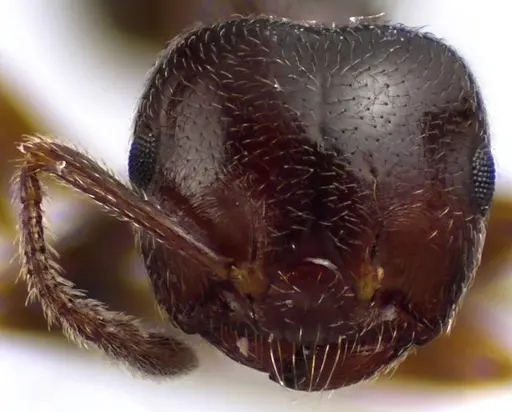
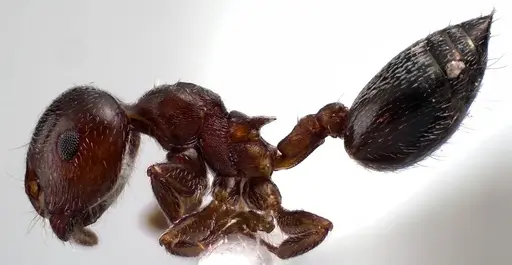
CASENT0103761
View on AntWeb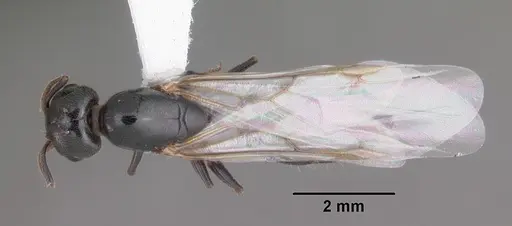
CASENT0103762
View on AntWeb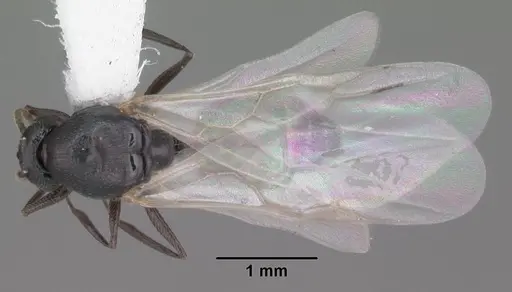
CASENT0103765
View on AntWeb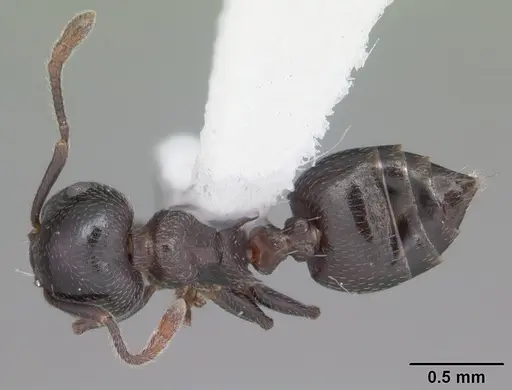
CASENT0902144
View on AntWeb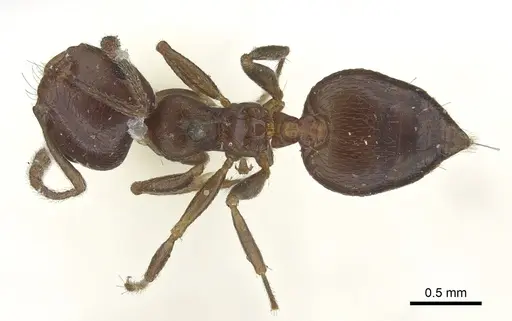
CASENT0914494
View on AntWeb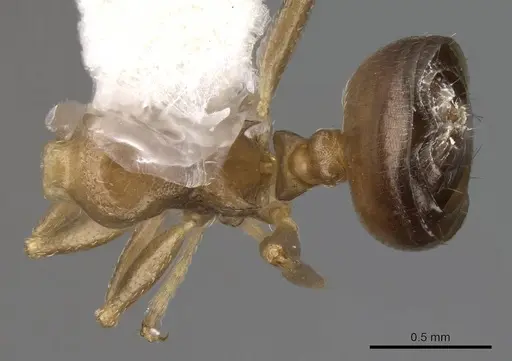
CASENT0919694
View on AntWeb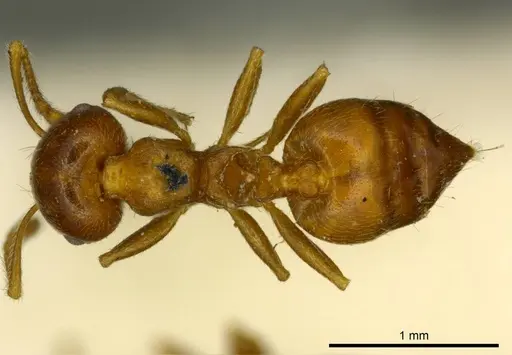
CASENT0922720
View on AntWeb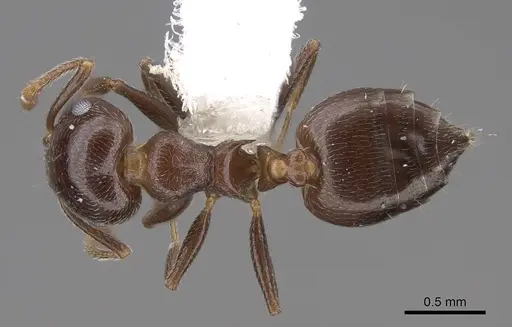
FMNHINS0000062860
View on AntWeb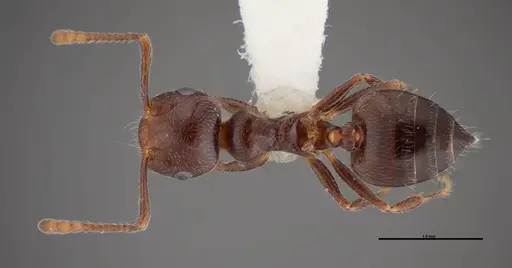
FOCOL1506-1
View on AntWeb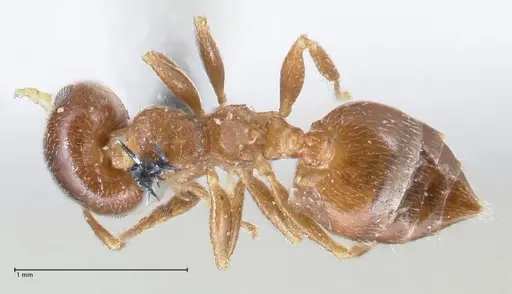
FOCOL1506-2
View on AntWeb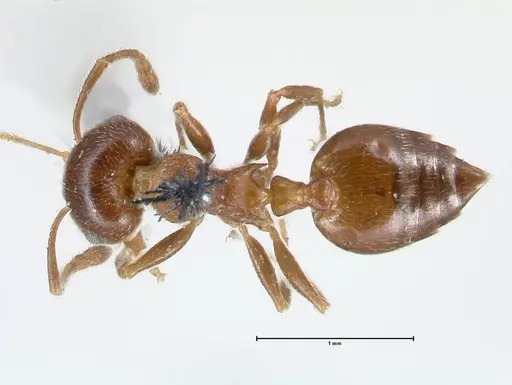
Literature
Loading...Loading products...