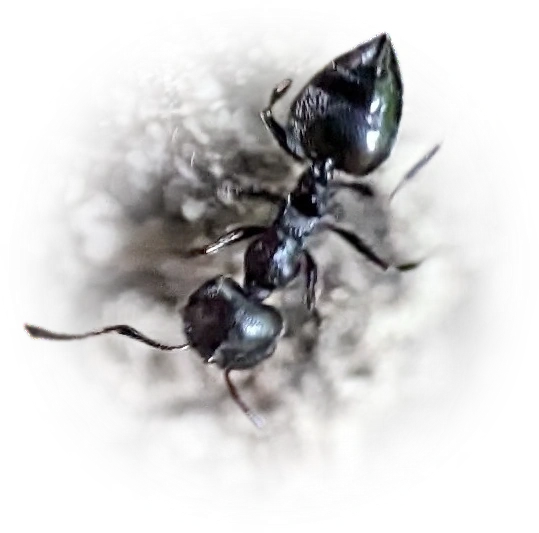

Crematogaster peringueyi
- Scientific Name
- Crematogaster peringueyi
- Tribe
- Crematogastrini
- Subfamily
- Myrmicinae
- Author
- Emery, 1895
- Common Name
- Black Cocktail Ant
- Distribution
- Found in 1 countries
Crematogaster peringueyi Overview
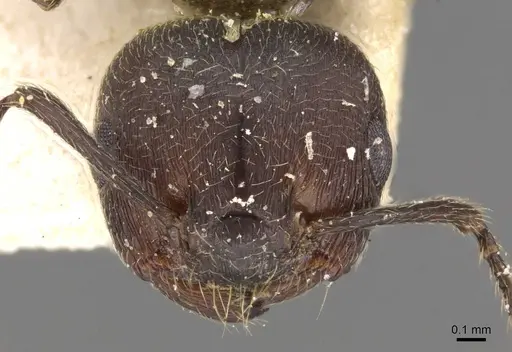
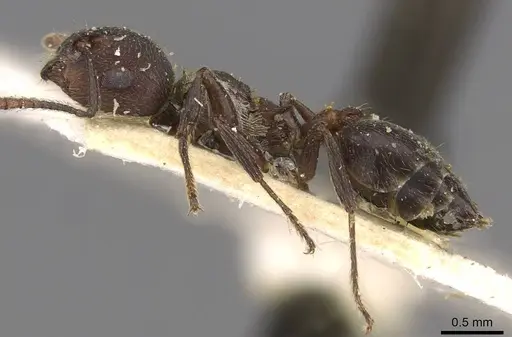
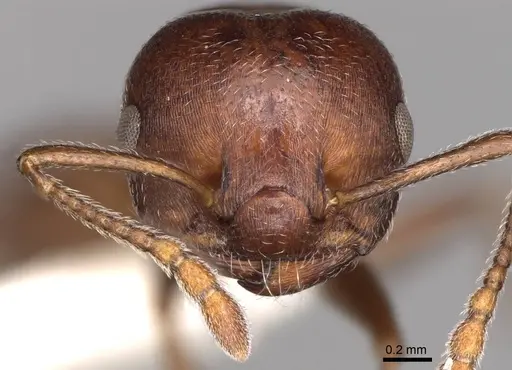
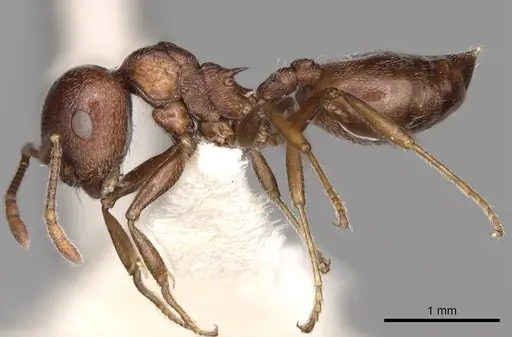
Crematogaster peringueyi (commonly known as the Black Cocktail Ant) is an ant species of the genus Crematogaster. It is primarily documented in 1 countries , including South Africa. Detailed taxonomic data and occurrence records can be further explored via authoritative databases such as AntWeb or the Global Biodiversity Information Facility (GBIF).
Crematogaster peringueyi - "Black Cocktail Ant"
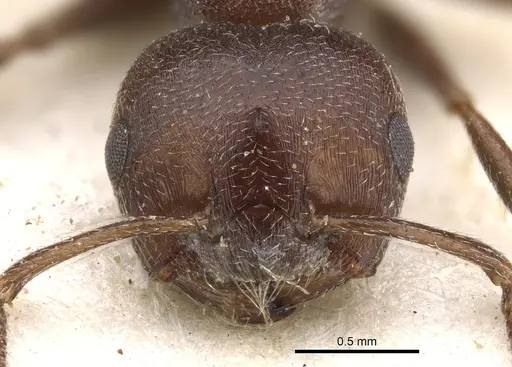
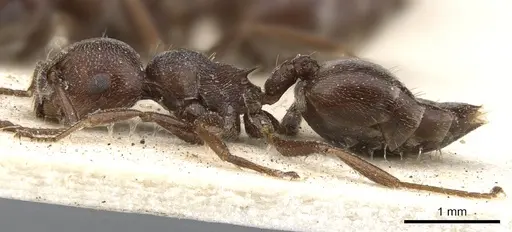
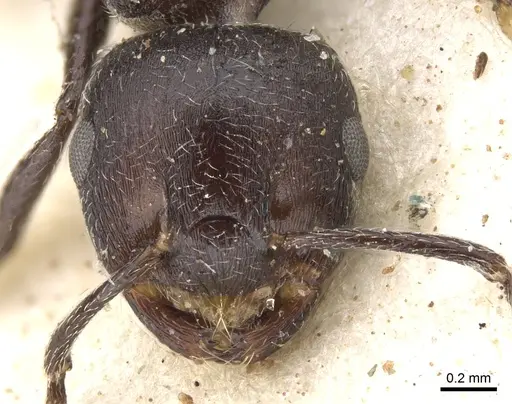
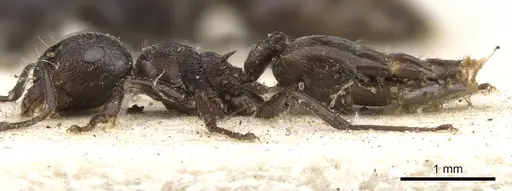
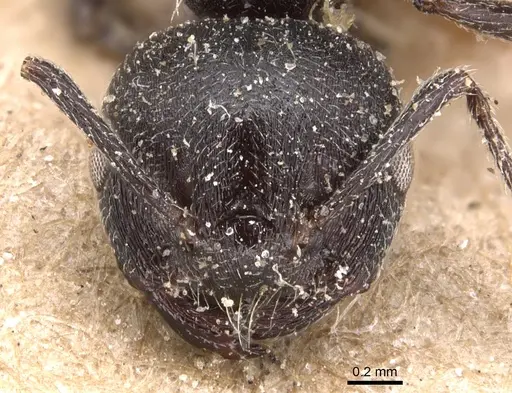
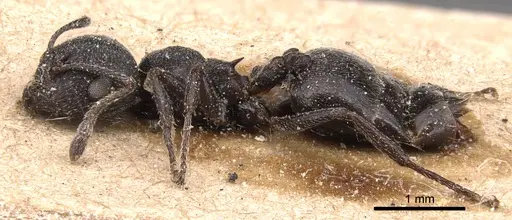
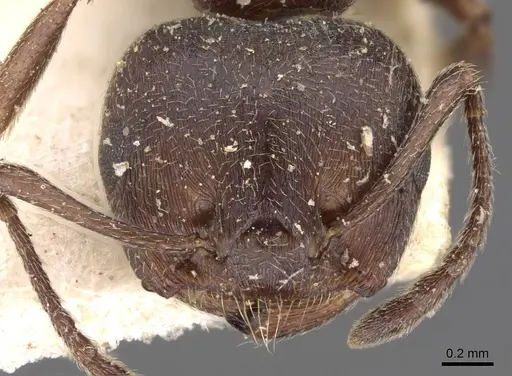
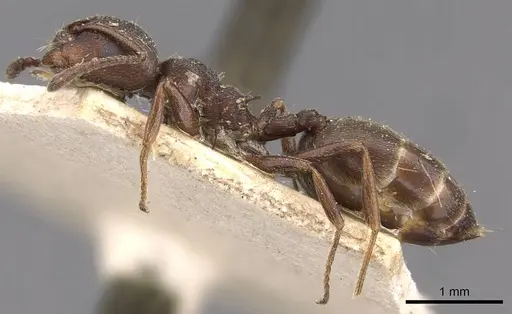
Crematogaster peringueyi is a small myrmicine ant native to Namibia and South Africa's Western Cape Province [1]. Workers are typical Crematogaster-sized at 2-5mm, with the genus known for their distinctive heart-shaped gaster that they can raise over their head like an acrobat. This species constructs remarkable carton nests from fibrous plant material, these can be arboreal, built on the ground, or extend underground, and in the wild often reach impressive sizes of 20-40cm [2]. What makes C. peringueyi particularly special is its role as the primary host ant for at least 20 species of endangered Chrysoritis butterflies, these butterflies complete their entire larval development inside the ant's carton nest, forming one of the most intimate ant-butterfly symbioses in Africa [3][4].
Quick Summary
- Difficulty: Medium
- Origin & Habitat: Native to Namibia and South Africa, particularly the Western Cape Province fynbos biome. Found in both invaded and non-invaded sites in South Africa [5]. Inhabits fynbos and forest ecosystems in the Southern Cape [1]. Nests in cavities in dead wood on the ground or in standing vegetation, and constructs carton nests from leaves, grass and twigs [2][1].
- Colony Type: Colony structure is unconfirmed. Based on typical Crematogaster patterns, likely monogyne (single queen) colonies, though multiple queens have been observed in some Crematogaster species. This species is known to associate with scale insects and tends multiple Chrysoritis butterfly species within their nests [3][2].
- Colony: Monogyne
- Founding: Claustral
- Size & Growth:
- Queen: Estimated 5-7mm based on typical Crematogaster genus patterns
- Worker: Estimated 2-5mm based on genus morphology [1]
- Colony: Colony size is unconfirmed, but related Crematogaster species typically reach several hundred to a few thousand workers
- Growth: Moderate, estimated based on typical Myrmicinae development
- Development: Estimated 6-10 weeks at optimal temperature based on typical Myrmicinae development patterns (Development time is estimated, no specific studies found for this species. Expect similar timeline to other Crematogaster species in the 6-10 week range.)
- Antkeeping:
- Temperature: Keep at room temperature around 20-24°C. This species is from the temperate Western Cape, so they prefer cooler conditions than tropical ants. Avoid overheating, they naturally occur in a Mediterranean climate with mild temperatures [1].
- Humidity: Moderate humidity is acceptable. In the wild they nest in wood cavities and construct carton nests that can be arboreal or ground-level, suggesting they can tolerate varying humidity but prefer some moisture. Provide a water tube and occasional misting if the nest dries out.
- Diapause: Yes, based on their temperate origin in South Africa's Western Cape, they likely require a winter rest period. The fynbos region experiences cool, wet winters. Reduce temperature to around 15°C for 2-3 months during winter [1].
- Nesting: This species naturally nests in wood cavities and builds distinctive carton nests. In captivity, they do well in acrylic nests, Y-tong nests, or wooden setups with cavities. They may attempt to construct carton material if given appropriate substrates. Provide narrow chambers and multiple connected spaces, they like complex nest structures [2].
- Behavior: Crematogaster peringueyi is an arboreal and ground-foraging species. They are known to be dominant in tuna bait traps (95.4% average) showing strong competitive behavior [6]. Workers are active foragers and will tend scale insects for honeydew. They have a defensive behavior, when threatened, they can raise their heart-shaped gaster and secrete defensive chemicals from the anal gland. They are not aggressive toward humans but will defend their nest. Trail pheromones are located in their hind legs [7]. Escape risk is moderate, use standard mesh barriers as workers are small but not extremely tiny.
- Common Issues: colonies may decline if scale insects or mealybugs are not available, they rely heavily on honeydew from these insects in the wild [2][8], carton nest construction may clog formicarium setups if too much fibrous material is provided, winter diapause is important for this temperate species, skipping hibernation may cause colony decline, Argentine ants (Linepithema humile) displace this native species in invaded areas, keep away from other ant colonies [5], they are highly competitive foragers, may dominate food sources in multi-species setups
Nest Preferences and Housing
Crematogaster peringueyi naturally nests in cavities in dead wood, either on the ground or in standing vegetation, and constructs distinctive carton nests from a combination of leaves, grass and twigs [2]. These carton nests can be quite large, some measured up to 40x25x20cm, with about two-thirds built at ground level (potentially extending underground) and one-third entirely aerial, supported in branches of host plants [2]. In captivity, provide an acrylic or Y-tong nest with multiple connected chambers. They appreciate having some fibrous material (like small pieces of paper or cotton) that they can manipulate into nest structures. A formicarium with a foraging area allows them to forage and tend any scale insects you might provide. Keep the nest relatively humid but not wet, these ants do well with a standard water tube and occasional misting.
Feeding and Diet
In the wild, Crematogaster peringueyi has a strong mutualistic relationship with scale insects (Coccoidea) and mealybugs. They collect honeydew secretions from these insects and feed it to their larvae and colony [2][8]. They also attend Chrysoritis butterfly larvae, accepting honeydew from the butterfly's dorsal nectar organ (DNO) through trophallaxis [9]. For captive feeding, offer sugar water or honey as a carbohydrate source. For protein, provide small insects like fruit flies, pinhead crickets, or mealworms. The key to keeping this species healthy is providing consistent access to sugar, they prefer honeydew sources. If possible, providing a small scale insect colony on a plant in their outworld can simulate their natural conditions and may encourage more natural behavior. They are competitive foragers and will quickly dominate food sources [6].
Temperature and Seasonal Care
As a species from South Africa's Western Cape Province, Crematogaster peringueyi prefers cooler temperatures than many tropical ant species. Keep them at room temperature, ideally around 20-24°C. They naturally occur in the fynbos biome which has a Mediterranean climate, mild temperatures with cool, wet winters. During winter, they benefit from a diapause period where temperatures are reduced to around 15°C for 2-3 months. This winter rest aligns with their natural seasonal cycle in the Southern Cape. Avoid overheating, temperatures above 28°C may stress this species. A simple way to provide this is to place the colony in an unheated room during winter months, or use a small thermostat to reduce temperature if your room stays warm year-round. [1]
Behavior and Defense
Crematogaster peringueyi is an active forager with a distinctive defensive behavior, when threatened, workers can raise their heart-shaped gaster over their head (giving the genus its 'acrobat ant' common name) and secrete defensive chemicals from their anal gland. They are known to be highly competitive, dominating tuna bait traps with 95.4% average in vineyard studies [6]. This species is not aggressive toward humans but will vigorously defend their nest. Trail pheromones are located in their hind legs [7], which they use for recruitment to food sources. They are arboreal and will forage both on the ground and in vegetation. Workers are small but not extremely tiny, so standard escape prevention with fine mesh works well. They are known to displace other native ant species in areas invaded by Argentine ants (Linepithema humile) [5].
Unique Relationship with Butterflies
One of the most fascinating aspects of Crematogaster peringueyi is its role as host ant for at least 20 species of endangered Chrysoritis butterflies [3][4]. This is one of the most intimate ant-butterfly symbioses in Africa, butterfly larvae live and pupate directly within the ant's carton nest. Species like Chrysoritis dicksoni complete their entire larval development inside these nests, and the ants do not harm them [10][9]. The butterflies provide honeydew from their dorsal nectar organ (DNO) to the ants, and in return, the ants protect them and may even provide trophallaxis feedings [9]. Adult butterflies are stimulated to oviposit in the presence of ants from their nursery nest or nearby, but not when encountering the same ant species from distant localities [9]. While you won't be keeping butterflies with your ants, this relationship demonstrates the complex, interconnected ecology of this ant species.
Frequently Asked Questions
Can I keep Crematogaster peringueyi in a test tube setup?
Test tubes can work for founding colonies, but this species prefers more complex nest structures. Once the colony reaches 20-30 workers, transfer to an acrylic or Y-tong formicarium with multiple chambers. They may attempt to construct carton material, so providing some fibrous material in the outworld can encourage natural behavior.
How long does it take for Crematogaster peringueyi to produce first workers?
Exact development time is unconfirmed for this species, but based on typical Crematogaster and Myrmicinae development, expect first workers (nanitics) around 6-10 weeks after the queen lays eggs. The founding period may take longer than established colonies.
What do Crematogaster peringueyi ants eat?
They need a consistent sugar source (honey water or sugar water) and protein (small insects like fruit flies, pinhead crickets, or mealworms). In the wild they primarily feed on honeydew from scale insects and mealybugs, so providing sugar is essential for their health.
Do Crematogaster peringueyi ants sting?
Crematogaster ants have a stinger but rarely use it against humans. Their primary defense is raising their gaster and secreting defensive chemicals. They are not considered dangerous to humans.
Are Crematogaster peringueyi good for beginners?
This species is rated Medium difficulty. They are more challenging than common species like Lasius because they have specific dietary needs (reliance on honeydew sources) and require cooler temperatures. They are also less commonly available in the antkeeping hobby.
Do Crematogaster peringueyi need hibernation?
Yes, based on their temperate origin in South Africa's Western Cape, they benefit from a winter rest period. Reduce temperatures to around 15°C for 2-3 months during winter. This aligns with their natural seasonal cycle in the fynbos biome.
How big do Crematogaster peringueyi colonies get?
Colony size is unconfirmed for this specific species, but related Crematogaster species typically reach several hundred to a few thousand workers. They are known to be highly competitive and dominant in their native habitat.
Can I keep multiple Crematogaster peringueyi queens together?
Colony structure is unconfirmed for this species. Based on typical Crematogaster patterns, they likely form single-queen colonies. Combining unrelated queens is not recommended without evidence they can found pleometrotically (together).
Why are my Crematogaster peringueyi dying?
Common issues include: lack of consistent sugar (they need honeydew/sugar water regularly), temperatures too warm (keep below 28°C), skipping winter diapause, or stress from disturbance. They also may decline if scale insects are unavailable, consider providing a small mealybug colony as a permanent food source.
What is the best nest type for Crematogaster peringueyi?
Acrylic or Y-tong nests work well. They naturally nest in wood cavities and build carton nests, so providing some fibrous material they can manipulate is beneficial. Multiple connected chambers allow them to organize their colony naturally.
References

This caresheet is licensed under CC BY-SA 4.0 .
CASENT0902099
View on AntWeb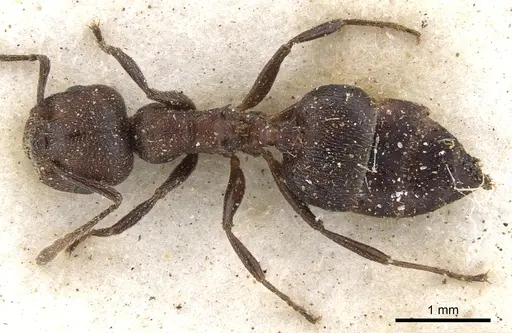
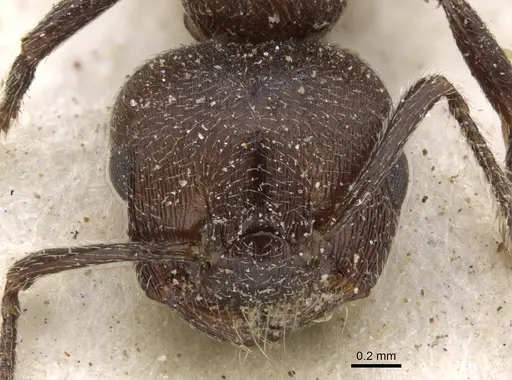
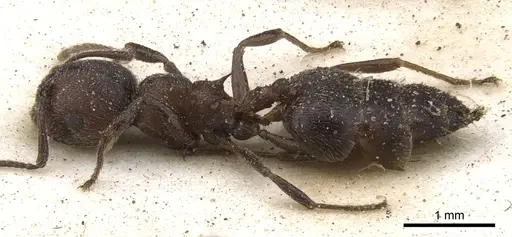
CASENT0902100
View on AntWeb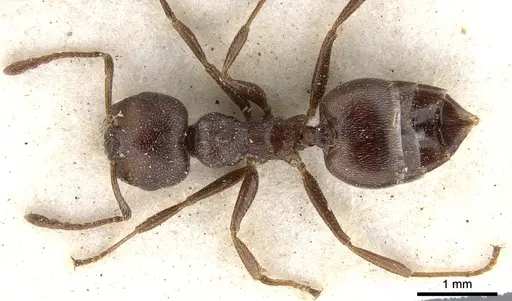
CASENT0902101
View on AntWeb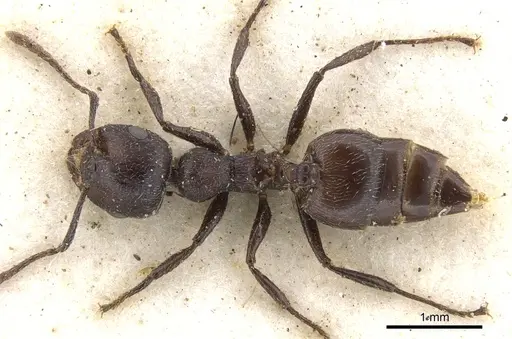
CASENT0904505
View on AntWeb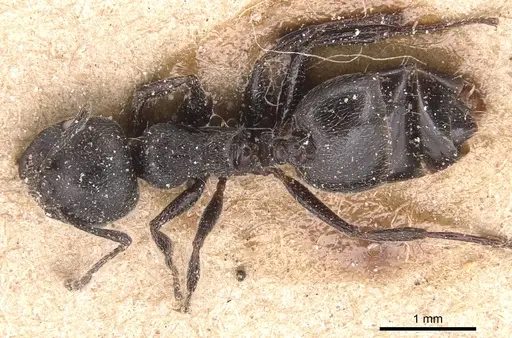
CASENT0908548
View on AntWeb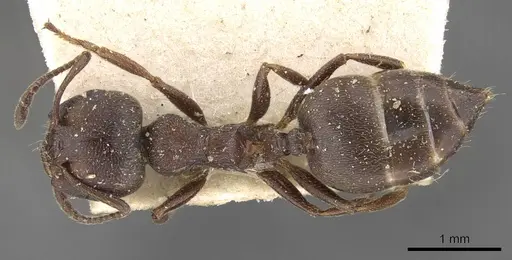
CASENT0908550
View on AntWeb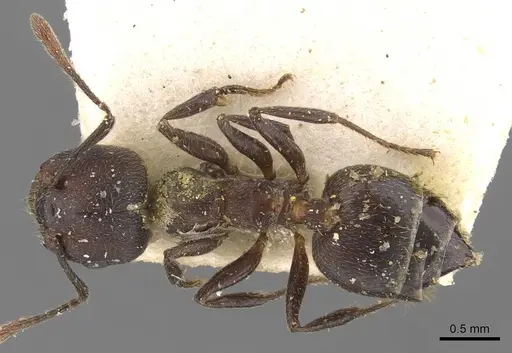
CASENT0914293
View on AntWeb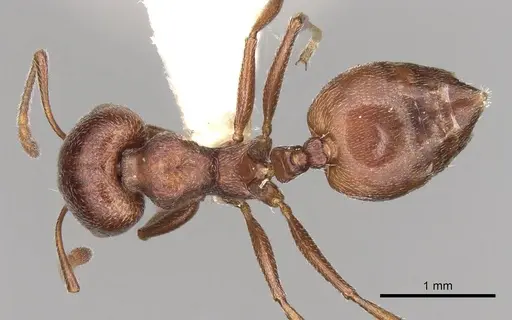
Literature
Loading...Loading products...