

Crematogaster opaca
- Scientific Name
- Crematogaster opaca
- Tribe
- Crematogastrini
- Subfamily
- Myrmicinae
- Author
- Mayr, 1870
- Distribution
- Found in 3 countries
Crematogaster opaca Overview
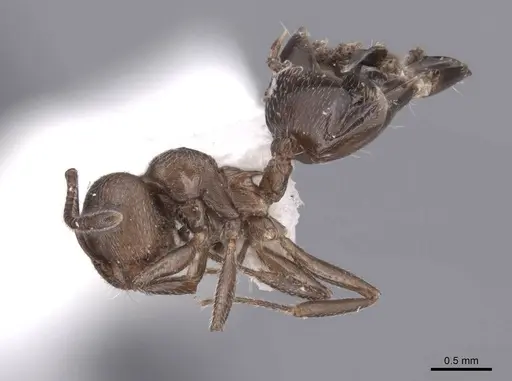
Crematogaster opaca is an ant species of the genus Crematogaster. It is primarily documented in 3 countries , including Honduras, Mexico, United States of America. Detailed taxonomic data and occurrence records can be further explored via authoritative databases such as AntWeb or the Global Biodiversity Information Facility (GBIF).
Crematogaster opaca
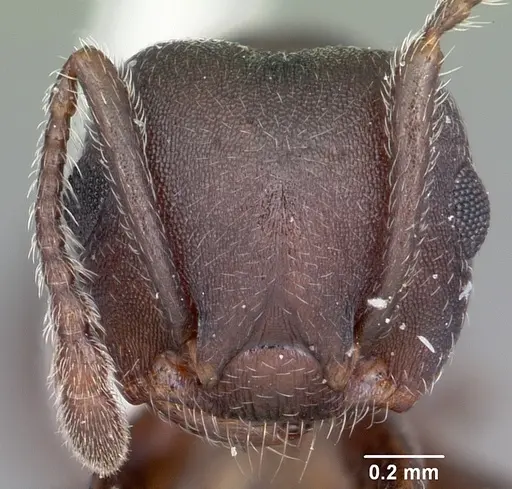
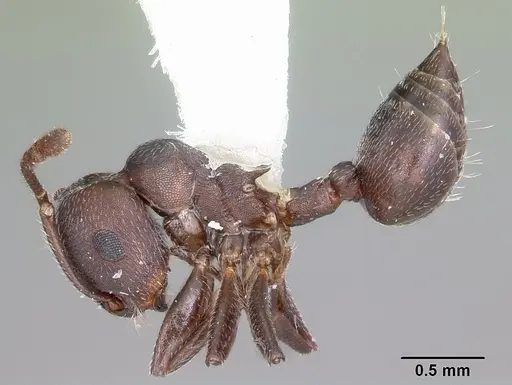
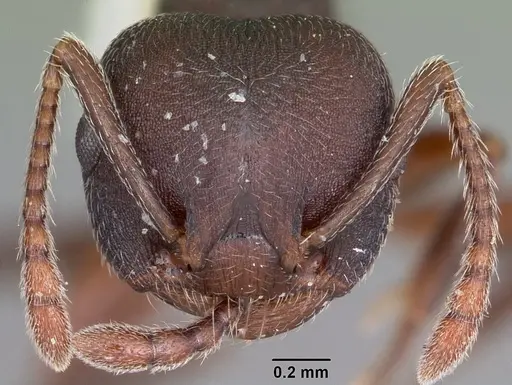
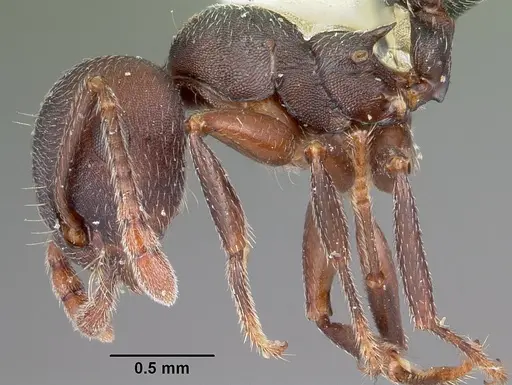
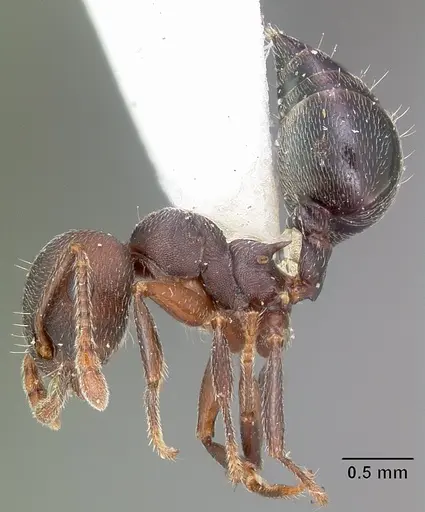
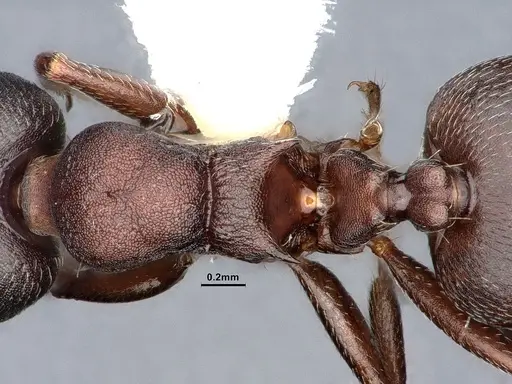
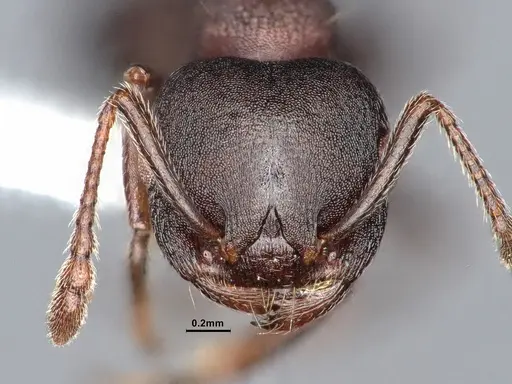
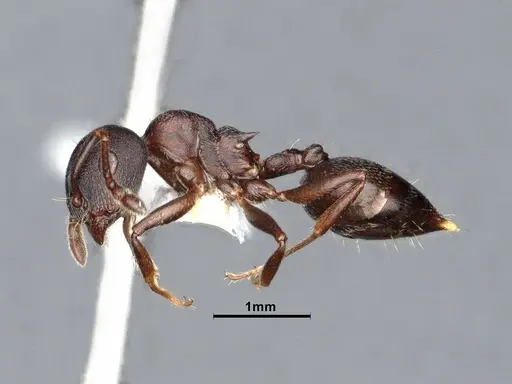
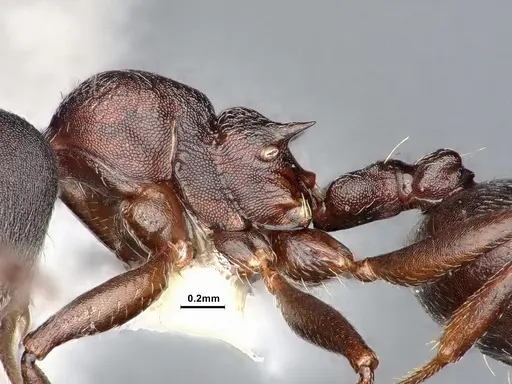
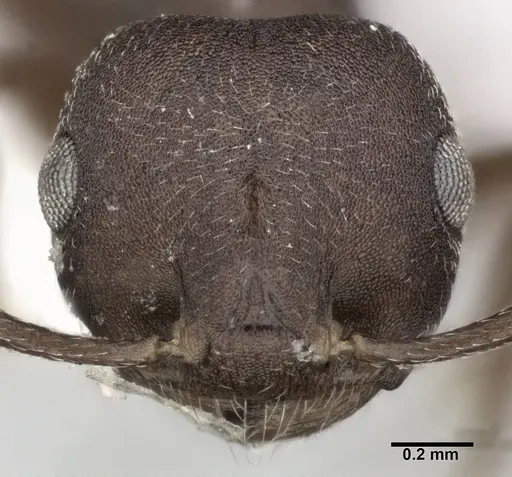
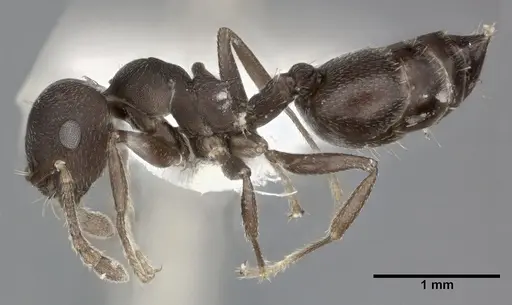
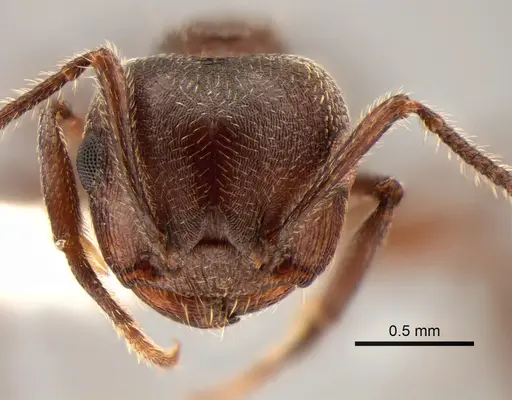
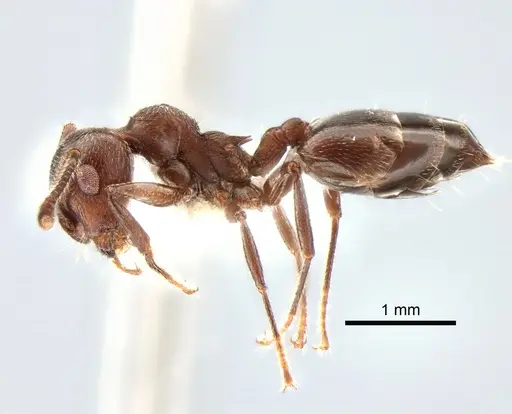
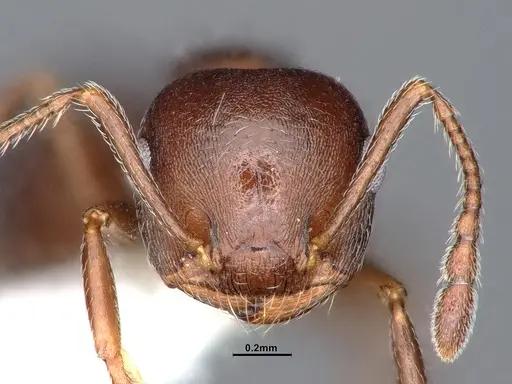
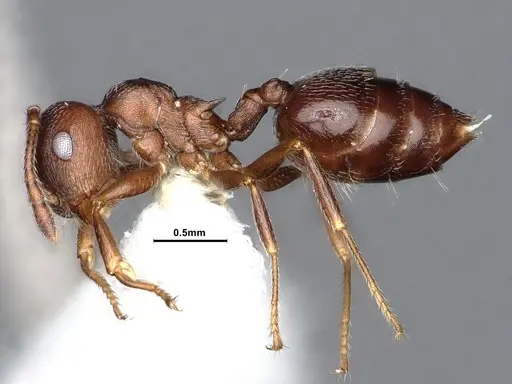
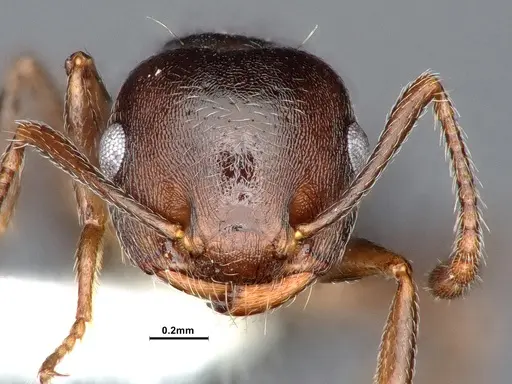
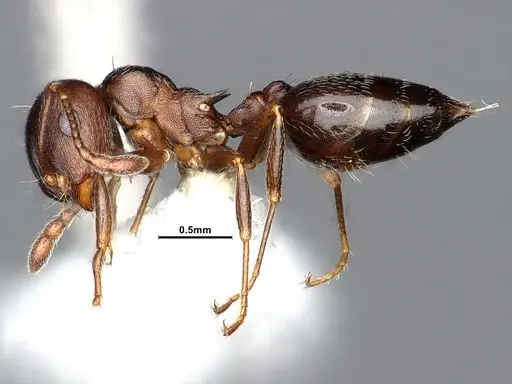
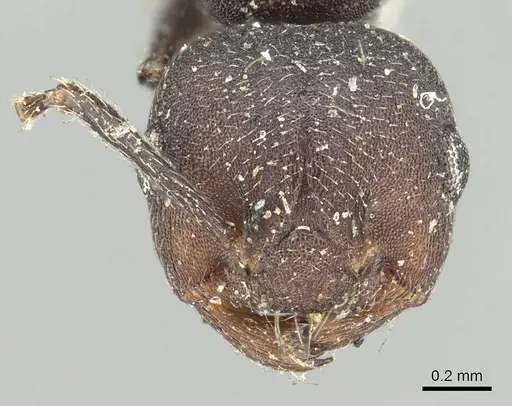
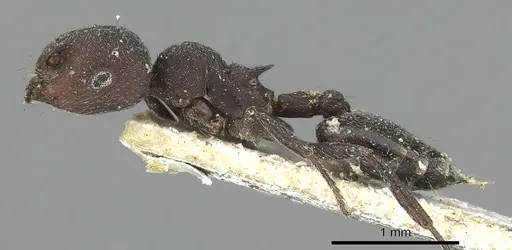
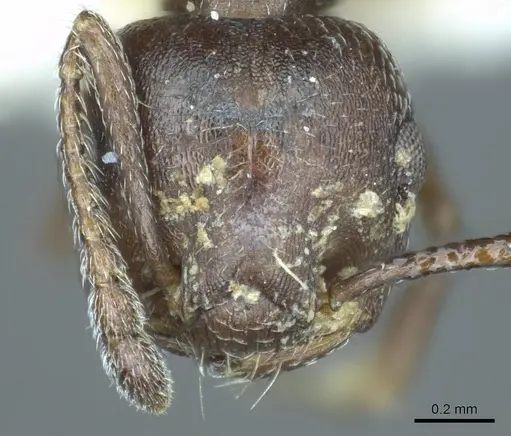
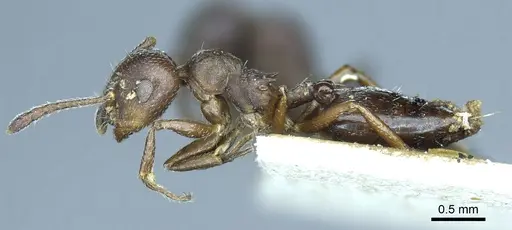
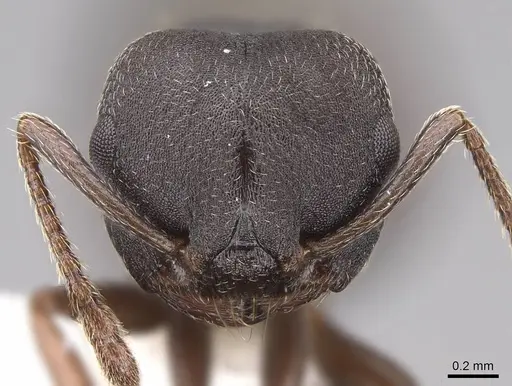
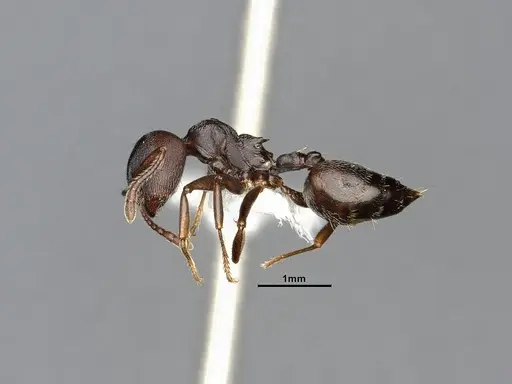
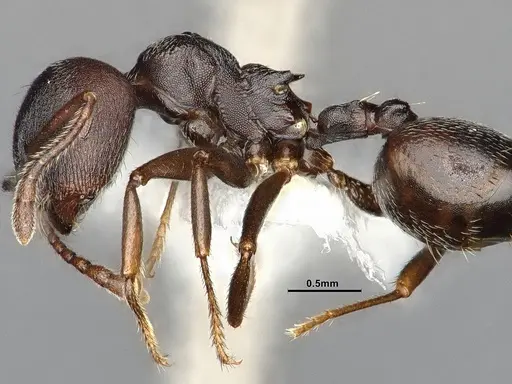
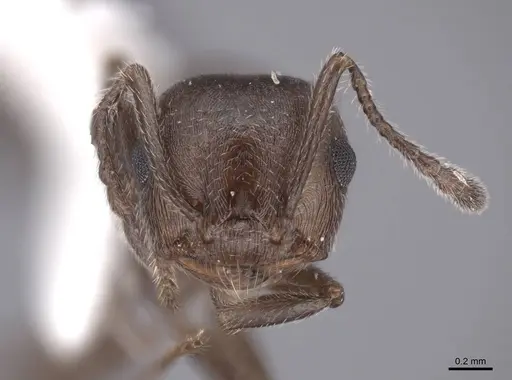
Crematogaster opaca is a medium-sized ant belonging to the Crematogaster scutellaris group. Workers are characterized by their completely or nearly completely punctate (dotted) dorsum of head and densely punctate mesosoma. The genus name Crematogaster comes from Greek and means 'split belly', these ants are famous for their heart-shaped abdomen that they raise like an acrobat when threatened, which is how they got their common name 'acrobat ants'. The species is found from southern Arizona through Mexico to Honduras, typically nesting under stones in oak woodland habitats at elevations around 3,900 feet [1][2]. This is a generalized Myrmicinae species, meaning it adapts to various conditions and is not particularly specialized in its ecology [3].
Quick Summary
- Difficulty: Medium
- Origin & Habitat: Native to the southwestern United States (Arizona, New Mexico, Texas) and Mexico, extending south to Honduras. Found in oak woodland habitats, nesting under stones at mid elevations (around 3,900 ft in Arizona). Also recorded from Baja California and the Tres Marias Islands of Mexico [1][2][4][5].
- Colony Type: Monogyne (single queen colonies), typical for most Crematogaster species. Queens found nests independently (claustral founding).
- Colony: Monogyne
- Founding: Claustral
- Size & Growth:
- Queen: Estimated 7-9mm based on genus typical sizes
- Worker: 3-5mm based on genus typical sizes [1]
- Colony: Likely several hundred workers based on genus patterns
- Growth: Moderate
- Development: 6-8 weeks estimated based on genus patterns (Development time is typical for temperate/subtropical Crematogaster species, faster in warmer conditions)
- Antkeeping:
- Temperature: Keep at 22-26°C. Being from Arizona and Mexico, they prefer warm conditions. A heating cable on one side of the nest creates a temperature gradient they can choose between [1].
- Humidity: Low to moderate, they come from relatively dry oak woodland habitats. Keep nest substrate moderately dry, with a small water tube for drinking. Avoid excessive moisture which can kill them.
- Diapause: Yes, being from temperate Arizona and higher elevations in Mexico, they need a winter rest period. Reduce temperature to 15-18°C for 2-3 months during winter.
- Nesting: In nature they nest under stones in dry to moderately moist soil. In captivity, a Y-tong (AAC) nest or plaster nest works well. Provide a small outworld for foraging. They do well in relatively dry conditions compared to many Myrmicinae.
- Behavior: Crematogaster opaca has the typical acrobat ant defensive behavior, when threatened, they raise their heart-shaped gaster (abdomen) and can spray formic acid or bite. They are moderately aggressive and will defend their nest vigorously. Workers are active foragers, searching for protein and sugar sources. They are good climbers and may attempt escapes, so use barrier tape or fluon on the rim of the outworld. Their small size (3-5mm) means they can squeeze through small gaps, fine mesh is essential [1].
- Common Issues: escape prevention is critical, tiny size means they squeeze through standard gaps, overheating kills them quickly, never use heating mats directly on the nest, too much humidity causes fungal growth and colony death, keep them dry, wild-caught colonies may have parasites that devastate captive colonies, they are defensive and will spray formic acid, handle gently and avoid disturbing the nest
Nest Preferences
In the wild, Crematogaster opaca nests under stones in oak woodland habitats. The Arizona record describes them found 'under stone among oaks' at 3,900 feet elevation [2]. This suggests they prefer sheltered, relatively dry nesting sites. In captivity, a Y-tong (acrylic) nest or plaster nest works well. These provide the dark, stable environment they need while allowing you to observe colony activity. A small outworld (foraging area) attached to the nest lets workers search for food. Keep the nest in moderate humidity, these ants are from drier habitats than many Myrmicinae and will do poorly in constantly wet conditions. A water tube connected to the nest provides drinking water without creating excess moisture.
Feeding and Diet
Crematogaster opaca is a generalized feeder, like most Crematogaster species. They accept both protein and sugar sources. Offer sugar water, honey, or diluted maple syrup as a constant sugar source. For protein, provide small insects like fruit flies, small crickets, or mealworms. In the wild, they likely forage for honeydew from aphids and small arthropods [3]. Feed protein 2-3 times per week, removing any uneaten prey after 24 hours. The species has been documented as prey in lizard diets (Sceloporus gadoviae and S. jalapae), showing they are part of the desert/semiarid ecosystem food web [6]. Remove uneaten food promptly to prevent mold, which can be deadly to ant colonies.
Temperature and Seasonal Care
Being found from Arizona to Mexico, Crematogaster opaca prefers warm conditions. Keep the nest area at 22-26°C. A heating cable placed on top of the nest (never directly on it, use a buffer like cardboard) creates a gentle warmth that mimics their natural habitat. They experience seasonal changes in their native range and will benefit from a winter diapause. Reduce temperature to 15-18°C for 2-3 months during winter (roughly November-February in the Northern Hemisphere). During this time, reduce feeding to once weekly or less. Do not feed during deep hibernation. After winter, gradually warm the colony back to room temperature over 1-2 weeks. This seasonal cycle helps maintain colony health and may trigger spring breeding activity. [1][2]
Behavior and Defense
All Crematogaster species have a distinctive defensive behavior, they raise their heart-shaped gaster (abdomen) when threatened, like an acrobat balancing on their head. This position allows them to spray formic acid at attackers or simply appear more threatening. Workers are moderately aggressive and will bite if the nest is disturbed. When keeping this species, avoid tapping or vibrating the nest, and minimize disturbances during the founding stage. They are active foragers and workers will quickly discover food in the outworld. Their small size (3-5mm) makes them excellent climbers, and they can scale smooth surfaces easily. Always use escape prevention like fluon or barrier tape on the rim of the outworld to prevent escapes. [1]
Colony Growth and Development
Colony growth follows typical Crematogaster patterns. A newly mated queen will seal herself in a small chamber (claustral founding) and lay eggs. She feeds the first larvae from her stored fat reserves and salivary secretions. The first workers (nanitics) are smaller than normal workers and emerge after 6-8 weeks at optimal temperature. Once nanitics eclose (hatch), the queen stops foraging and the workers take over all colony tasks. Growth rate is moderate, expect the colony to reach 50-100 workers within the first year under good conditions. Larger colonies of several hundred workers develop over 2-3 years. The queen has a relatively long lifespan for an ant, potentially living 10-15 years with good care.
Handling and Observation
Crematogaster opaca is best observed through the clear walls of an acrylic (Y-tong) nest. They are not a hands-on species, their defensive spray behavior means handling is stressful for both keeper and ants. If you must move them (for cleaning or transport), gently coax them into a test tube rather than picking them up with tweezers. When observing, watch for workers discovering food and performing the characteristic 'acrobat' pose when the nest is disturbed. The species is part of the generalized Myrmicinae functional group, meaning they are adaptable and not overly specialized in their ecology [3]. This adaptability makes them reasonably forgiving of minor care mistakes, though they still have specific temperature and humidity needs.
Frequently Asked Questions
How long does it take for Crematogaster opaca to produce first workers?
Expect first workers (nanitics) to emerge in 6-8 weeks at optimal temperature (22-26°C). This is typical for Crematogaster species. The exact timing depends on temperature, warmer conditions speed development slightly, while cooler temperatures slow it down.
Do Crematogaster opaca ants sting?
They do not sting like some ants, but they can bite and spray formic acid as a defensive mechanism. The spray is irritating but not dangerous to humans. Their famous 'acrobat' pose (raising the heart-shaped abdomen) is a warning display.
What size colony does Crematogaster opaca reach?
Based on genus patterns, colonies likely reach several hundred workers over 2-3 years. They are not among the largest Crematogaster species but can still form substantial colonies.
Can I keep multiple Crematogaster opaca queens together?
No. This species is monogyne (single queen), meaning only one queen per colony. Combining unrelated queens typically results in fighting. If you catch multiple founding queens, house them separately.
Do Crematogaster opaca need hibernation?
Yes. Being from Arizona and higher elevations in Mexico, they experience seasonal temperature changes and need a winter rest. Reduce temperature to 15-18°C for 2-3 months during winter. This helps maintain colony health and may trigger spring breeding.
What do Crematogaster opaca eat?
They are generalized feeders. Offer a constant sugar source (sugar water, honey, or maple syrup) and protein sources like small insects (fruit flies, small crickets, mealworms) 2-3 times per week. Remove uneaten food within 24 hours to prevent mold.
Are Crematogaster opaca good for beginners?
They are intermediate in difficulty. They are more forgiving than some species but require attention to escape prevention (they are tiny), temperature (they need warmth), and humidity (they prefer dry conditions). They are not the easiest species but manageable for someone with basic antkeeping experience.
What is the best nest type for Crematogaster opaca?
A Y-tong (acrylic) nest or plaster nest works well. They prefer relatively dry conditions, so avoid nests that retain too much moisture. Provide a small outworld for foraging. The nest should be dark with clear observation walls.
Why are my Crematogaster opaca dying?
Common causes include: too much humidity (keep them dry), overheating (never put heating directly on nest), poor escape prevention (they are tiny and escape easily), or parasites from wild-caught colonies. Check your temperature, humidity, and escape prevention first.
Where is Crematogaster opaca found in the wild?
From southern Arizona through Mexico to Honduras. They nest under stones in oak woodland habitats at elevations around 3,900 feet. Also found in Baja California and the Tres Marias Islands [1][2][5].
References

This caresheet is licensed under CC BY-SA 4.0 .
CASENT0104692
View on AntWeb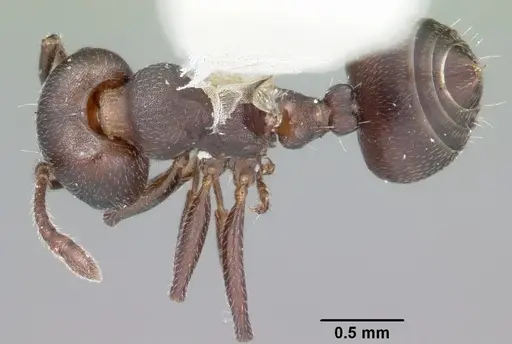
CASENT0104693
View on AntWeb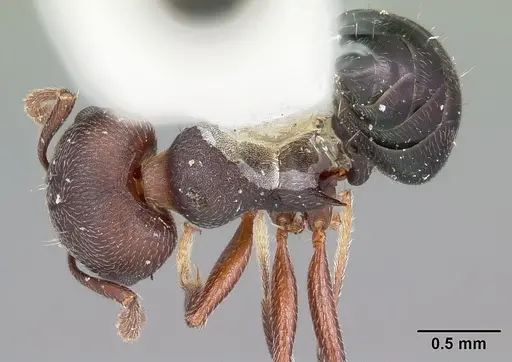
CASENT0106613
View on AntWeb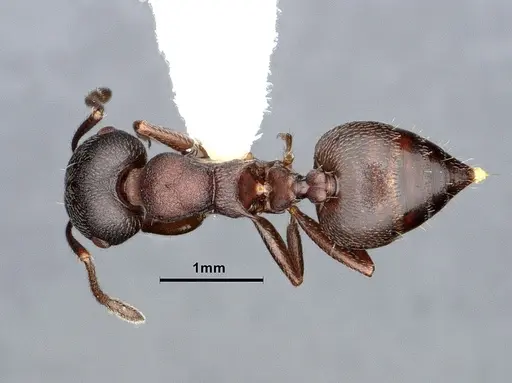
CASENT0246024
View on AntWeb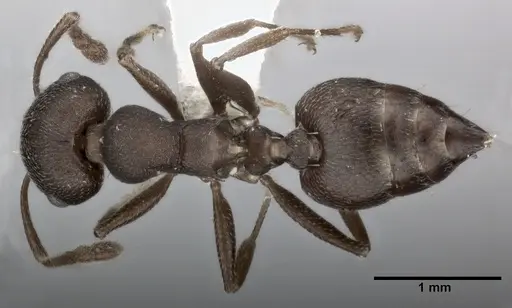
CASENT0882181
View on AntWeb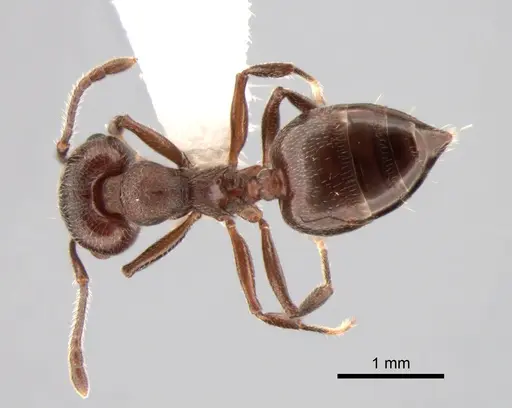
CASENT0884414
View on AntWeb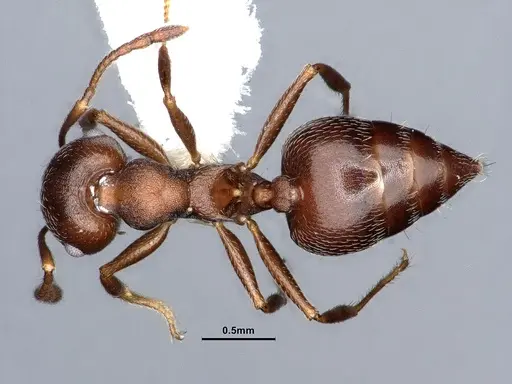
CASENT0884415
View on AntWeb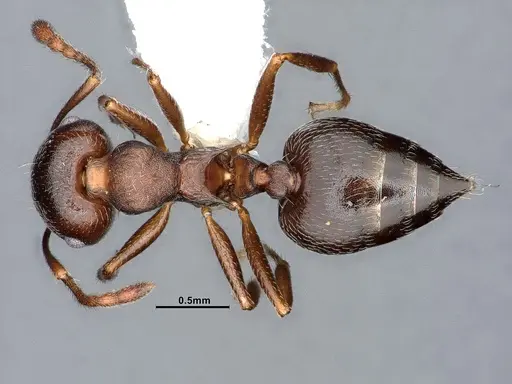
CASENT0902152
View on AntWeb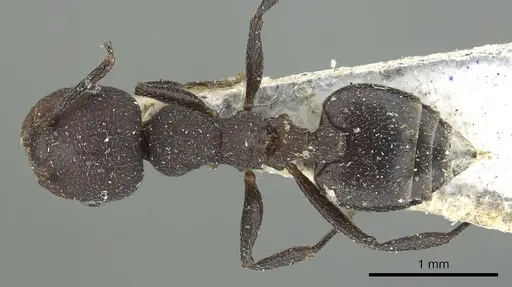
CASENT0919705
View on AntWeb
CASENT0922737
View on AntWeb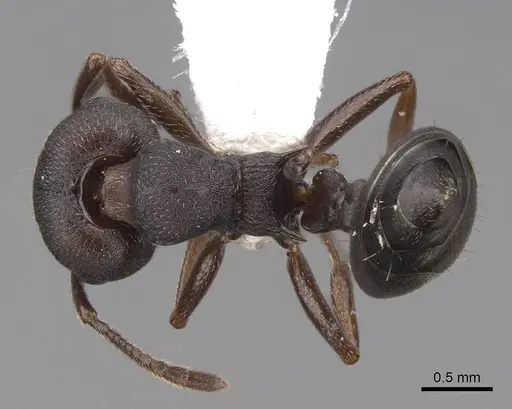
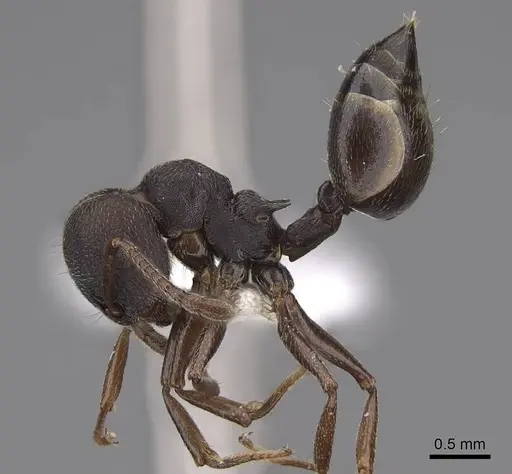
CASENT4031431
View on AntWeb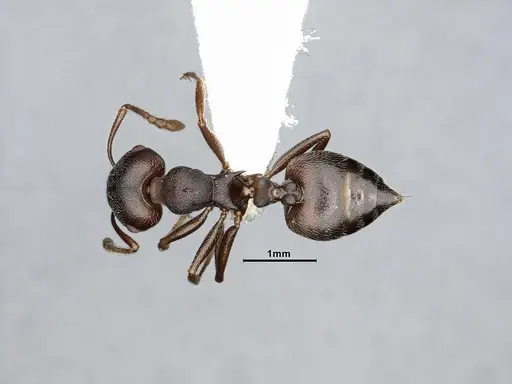
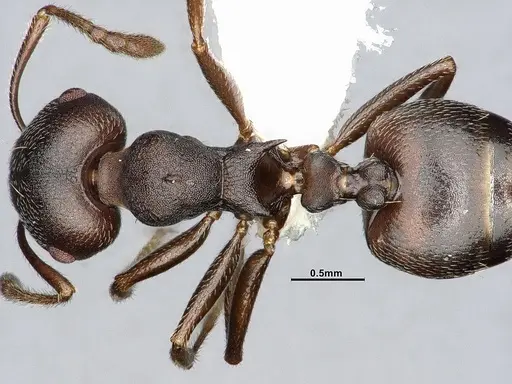
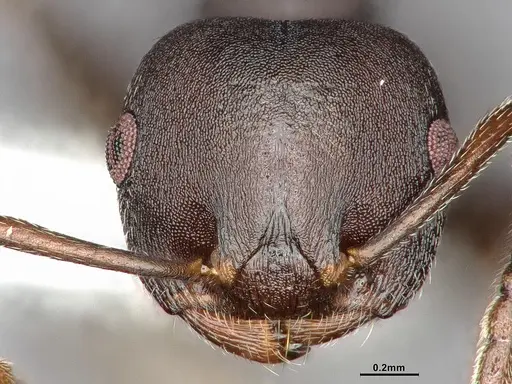
FMNHINS0000047251
View on AntWeb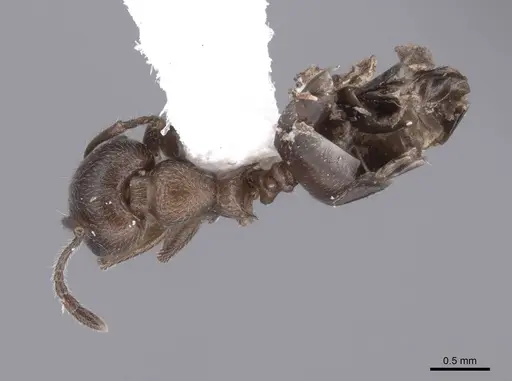
Literature
Loading...Loading products...