

Crematogaster navajoa
- Scientific Name
- Crematogaster navajoa
- Tribe
- Crematogastrini
- Subfamily
- Myrmicinae
- Author
- Buren, 1968
- Distribution
- Found in 1 countries
Crematogaster navajoa Overview
Crematogaster navajoa is an ant species of the genus Crematogaster. It is primarily documented in 1 countries , including United States of America. Detailed taxonomic data and occurrence records can be further explored via authoritative databases such as AntWeb or the Global Biodiversity Information Facility (GBIF).
Crematogaster navajoa
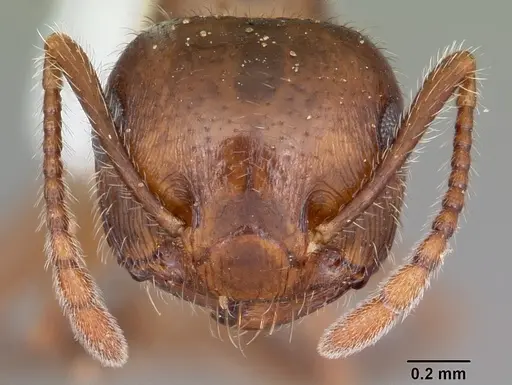
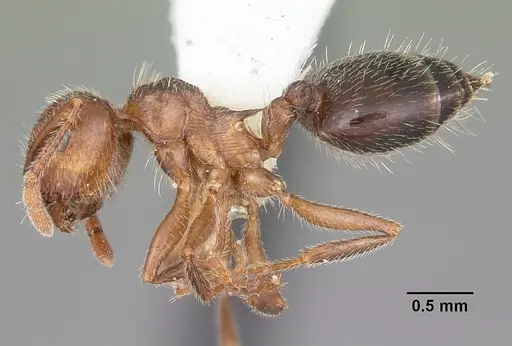
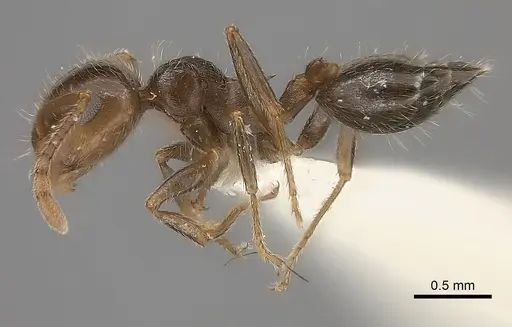
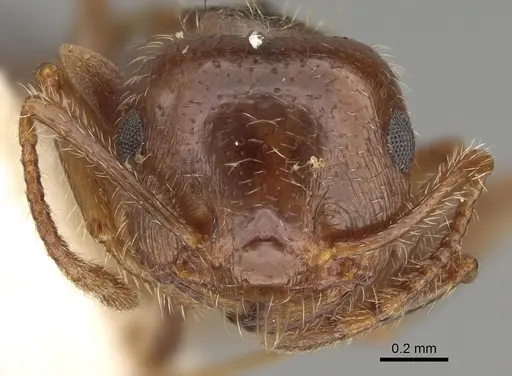
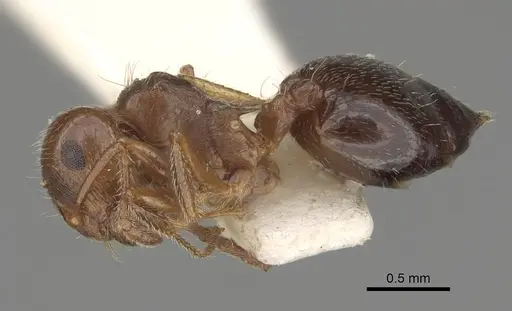
Crematogaster navajoa is a small to medium-sized ant native to the American Southwest desert regions. Workers measure 3.5-4.5mm and are dark brown to black with a distinctive shiny appearance. They get their common name 'acrobat ant' from their defensive behavior, when threatened, they raise their abdomen high over their head like an acrobat. Queens are robust at 9-10mm with large gasters. This species is part of the Crematogaster scutellaris group and is found exclusively in the Colorado Plateau region of northern Arizona, New Mexico, and surrounding states [1][2].
What makes C. navajoa interesting is its preference for wild desert habitats, research shows they are 409% more common in wildlands than in urban areas, making them sensitive to habitat disturbance [3]. They nest at the base of desert plants like sagebrush or under logs, with colonies containing multiple queens. They form foraging trails between nests and tend aphids in trees, showing both ground-dwelling and arboreal tendencies.
Quick Summary
- Difficulty: Medium
- Origin & Habitat: Arizona, New Mexico, Nevada, Colorado, and southern Utah, desert habitats in the Colorado Plateau region. They nest at the base of desert plants or under logs in juniper-grassland areas with rocky soil [1][2].
- Colony Type: Polygyne, colonies have multiple queens. Field observations show colonies with multiple reproductive queens and interconnected nests forming trails between them.
- Colony: Polygyne
- Founding: Claustral
- Size & Growth:
- Queen: 9-10mm [4]
- Worker: 3.5-4.5mm [4]
- Colony: Unknown, likely moderate size typical of desert Crematogaster
- Growth: Moderate, based on genus patterns
- Development: Unknown, estimate 6-8 weeks based on related Crematogaster species (Development time not directly studied for this species. Related Crematogaster species typically develop in 6-8 weeks at warm temperatures.)
- Antkeeping:
- Temperature: Keep at 24-28°C. As a desert species, they prefer warmer conditions with a gentle temperature gradient [1].
- Humidity: Low to moderate, desert species prefers drier conditions. Keep nest substrate relatively dry with some moisture available.
- Diapause: Likely yes, as a species from the southwestern US with cold winters, they probably need a winter rest period. However, specifics are unconfirmed.
- Nesting: Y-tong (AAC) nests or plaster nests work well. They naturally nest at base of plants or under logs in soil. Provide a naturalistic setup with some soil area or use a standard formicarium with moderate humidity.
- Behavior: These ants are defensive and will raise their gasters when threatened. They have a stinger but it's small, pain level is minimal for humans. Workers are active foragers and will form trails to food sources. They are good climbers and may escape if given the chance. They tend aphids and are omnivorous. Escape prevention should be moderate, they are not tiny but are agile climbers.
- Common Issues: desert species may be sensitive to overwatering, keep conditions relatively dry, colonies may be stressed by captivity if wild-caught, they are sensitive to habitat disturbance, multiple queens mean colony integration may require care, winter dormancy requirements are unclear but likely needed, slow to establish after collection from the wild
Housing and Nest Setup
Crematogaster navajoa does well in Y-tong (acrylic) nests or plaster formicariums. As a desert species, they prefer drier conditions than many other ants, keep the nest substrate relatively dry with only a small water reservoir or moisture chamber. In the wild, they nest at the base of desert plants or under logs in juniper-grassland with very rocky soil. A naturalistic setup with a soil area works well, or you can use a standard formicarium with appropriate ventilation. Because they are polygyne (multiple queens), provide enough space for a larger colony. They are good climbers, so ensure escape prevention is in place, a barrier like fluon on the rim of the outworld works well. [4][1]
Feeding and Diet
Like other Crematogaster species, C. navajoa is omnivorous. They will readily accept sugar sources (honey water, sugar water) and protein foods. In the wild, they tend aphids for honeydew and forage for small insects. Feed them a mix of sugar water or honey (offered on a cotton ball or small dish) and protein sources like small crickets, mealworms, or other small insects. They are active foragers, so place food in the outworld where they can find it easily. Remove uneaten protein after 24-48 hours to prevent mold. [4]
Temperature and Seasonal Care
As a desert species from the American Southwest, C. navajoa prefers warmer temperatures. Keep the nest area at 24-28°C during the active season. A heating cable on one side of the nest can create a temperature gradient they can choose from. During winter, they likely need a cooler period, the northern Arizona/New Mexico habitat experiences cold winters with temperatures regularly below freezing. Provide a hibernation period around 10-15°C for 2-3 months during winter, similar to other temperate ant species. Reduce feeding during this time. [1][2]
Colony Structure and Multi-Queen Care
This species is naturally polygyne, meaning colonies have multiple queens. In the wild, colonies have been observed with multiple reproductive queens and interconnected nests forming trail systems. This means you don't need to worry about isolating a single queen, multiple queens can coexist in captivity. However, when combining colonies or introducing new queens, observe for aggression initially. The presence of multiple queens can help the colony survive if one queen dies and may contribute to faster colony growth. [4]
Behavior and Defense
Crematogaster navajoa gets its common name 'acrobat ant' from its distinctive defensive behavior. When threatened, workers raise their abdomen over their head in an 'acrobat' pose, ready to deliver a sting. Their stinger is small, so pain is minimal for humans, more of a sharp prick than real pain. They are active foragers and will form trails to food sources. Workers are agile climbers and may escape if given the opportunity, so use proper barriers. They are not particularly aggressive but will defend the nest vigorously. [4]
Frequently Asked Questions
How long does it take for Crematogaster navajoa to produce first workers?
The exact development time is unknown for this species. Based on related Crematogaster species, expect first workers (nanitics) in about 6-8 weeks after the queen lays eggs, assuming temperatures around 24-28°C. Be patient, founding colonies can take time to establish.
Can I keep multiple Crematogaster navajoa queens together?
Yes, this is natural for the species. C. navajoa is polygyne, meaning colonies naturally have multiple queens. You can keep multiple queens together in a founding setup, they will coexist and work together to build the colony.
Do Crematogaster navajoa ants sting?
Yes, they can sting, but the pain is minimal. Their stinger is small and designed for their tiny size. The more noticeable behavior is their 'acrobat' pose where they raise their abdomen over their head as a warning. Most keepers report only a mild sharp sensation if stung.
What temperature do Crematogaster navajoa need?
Keep them warm at 24-28°C during the active season. As a desert species from Arizona and New Mexico, they prefer warmer conditions. A heating cable on part of the nest can provide a gradient. During winter, they need a cooler period around 10-15°C.
Are Crematogaster navajoa good for beginners?
They are moderate difficulty. They are more sensitive to habitat disturbance than some common species, research shows they are much less common in urban areas. They have specific humidity needs (drier desert conditions) and may be harder to find as colonies don't adapt as easily to captivity. Some experience with ant keeping is helpful.
How big do Crematogaster navajoa colonies get?
The exact maximum colony size is unknown. Based on related species and the fact they are polygyne, colonies likely reach several hundred to a few thousand workers. They form interconnected nests in the wild with trails between them.
Do Crematogaster navajoa need hibernation?
Likely yes. As a species from the southwestern US with cold winters (northern Arizona and New Mexico experience freezing temperatures), they probably need a winter rest period. Provide 2-3 months at 10-15°C during winter.
What do Crematogaster navajoa eat?
They are omnivorous. Offer sugar sources like honey water or sugar water, and protein like small insects (crickets, mealworms, fruit flies). They also tend aphids in the wild for honeydew, so they will likely accept sweet liquids readily.
When should I move my colony to a formicarium?
Wait until the colony has a established population of at least 20-30 workers. For this desert species, a Y-tong or plaster nest works well. Make sure the outworld is escape-proof as they are good climbers.
Why are my Crematogaster navajoa dying?
This species is sensitive to habitat disturbance and may struggle in captivity if wild-caught. They also prefer drier desert conditions, overwatering can kill them. Make sure humidity is low to moderate, not wet. Also ensure temperatures are warm (24-28°C) and they have proper nutrition.
References

This caresheet is licensed under CC BY-SA 4.0 .
CASENT0064826
View on AntWeb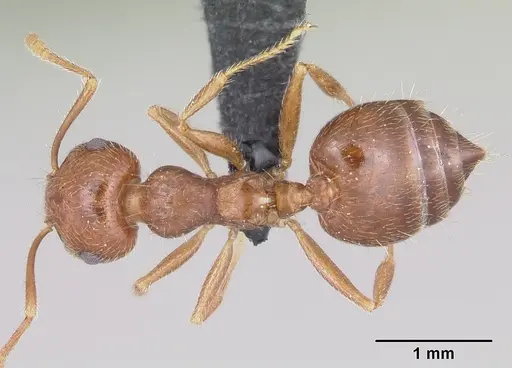
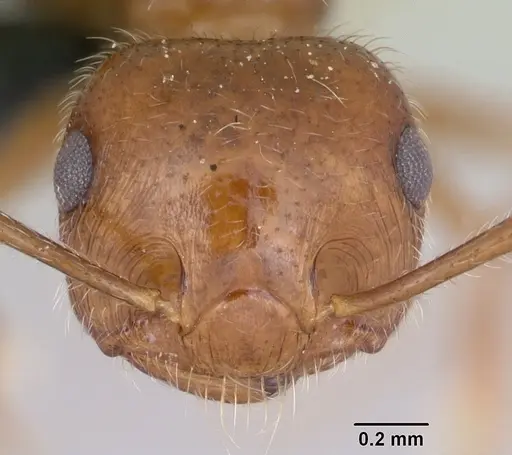
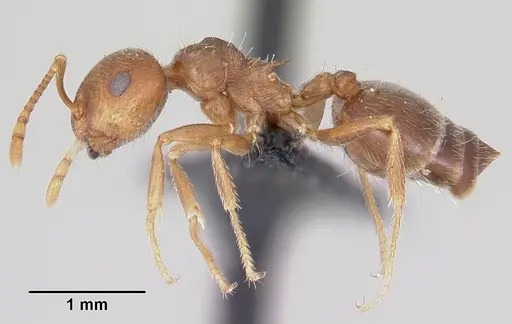
CASENT0104691
View on AntWeb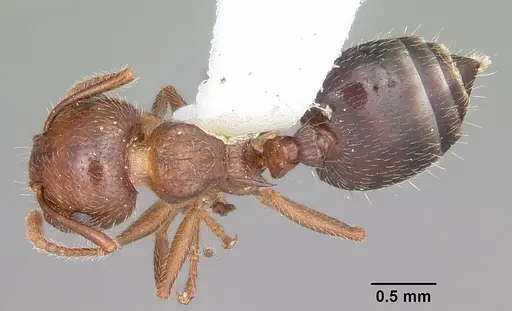
CASENT0217852
View on AntWeb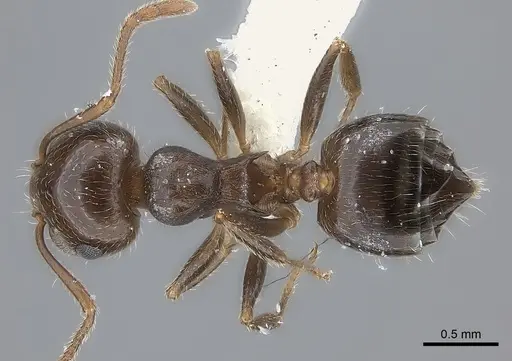
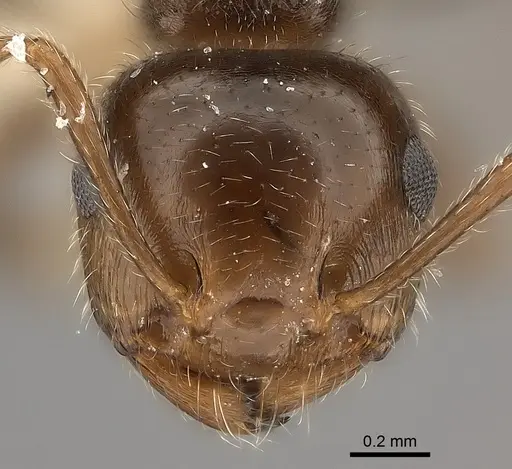
CASENT0923585
View on AntWeb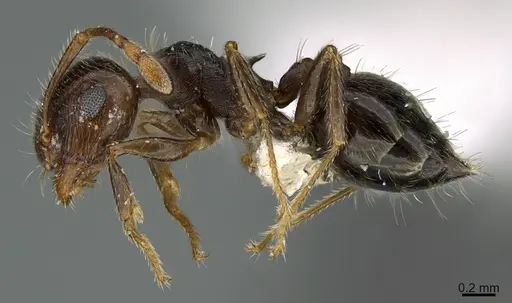
LACMENT164488
View on AntWeb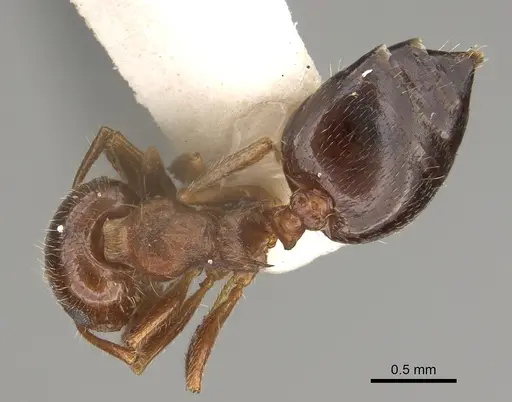
Literature
Loading...Loading products...