

Crematogaster mutans
- Scientific Name
- Crematogaster mutans
- Tribe
- Crematogastrini
- Subfamily
- Myrmicinae
- Author
- Buren, 1968
- Distribution
- Found in 1 countries
Crematogaster mutans Overview
Crematogaster mutans is an ant species of the genus Crematogaster. It is primarily documented in 1 countries , including United States of America. Detailed taxonomic data and occurrence records can be further explored via authoritative databases such as AntWeb or the Global Biodiversity Information Facility (GBIF).
Crematogaster mutans
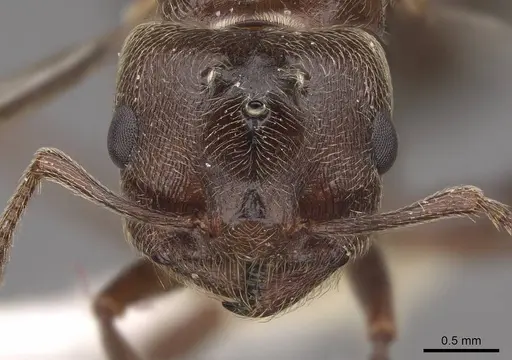
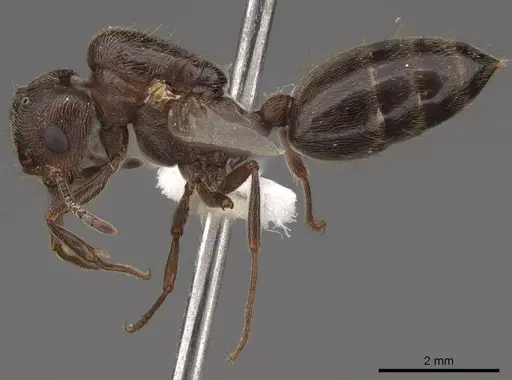
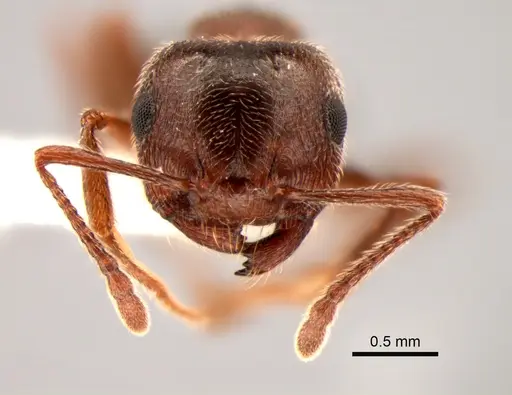
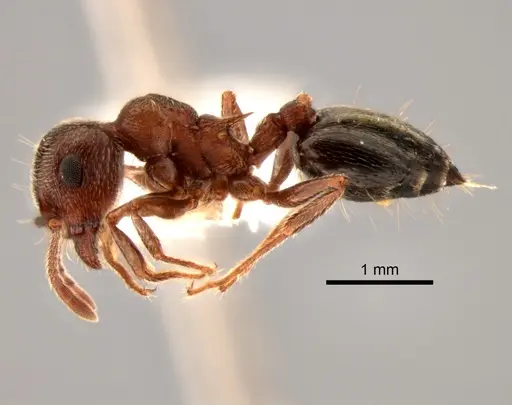
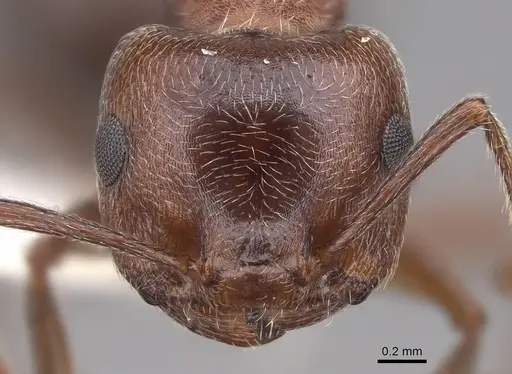
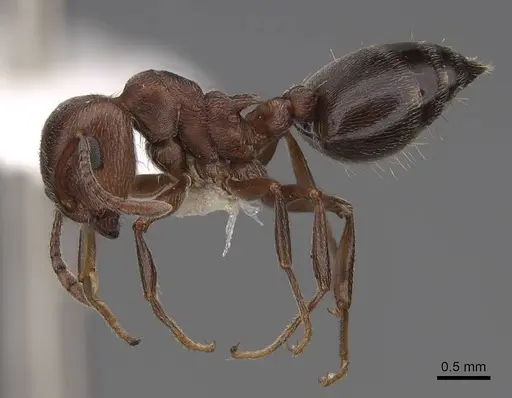
Crematogaster mutans is a small but striking acrobat ant found in the mountainous regions of California, Nevada, and Utah. Workers measure 3.5-4.5mm with a dark reddish-brown to dark brown coloration, while queens are notably larger at around 8mm with an exceptionally broad head that is wider than their slender thorax, a unique proportion among North American Crematogaster species. The gaster appears flattened dorsoventrally, and the body is covered in long, appressed yellowish pubescence that gives a silky sheen [1].
This species remains poorly understood and is rarely collected in the wild. Researchers suspect it may be a temporary social parasite of other Crematogaster species, particularly Crematogaster coarctata, which would explain why mixed incipient colonies have never been found. In nature, workers have been observed tending scale insects (Eriococcus sp.) at ground level on plants [1]. The species nests under stones in pinyon-juniper habitat at elevations between 5,800-7,400 feet.
Quick Summary
- Difficulty: Medium
- Origin & Habitat: Mountainous regions of California, Nevada, and Utah, ranging from Utah west to southern California and south to southern Mexico. Found in the Pinyon-Juniper Biome at 5,800-7,400 ft elevation, nesting under stones [1][2].
- Colony Type: Likely single-queen colonies (monogyne), typical of most Crematogaster species. May have ergatoid replacement reproductives given the genus patterns, though this is unconfirmed for this specific species.
- Colony: Monogyne
- Queen: Temporary parasitic
- Size & Growth:
- Queen: ~8mm [1]
- Worker: 3.5-4.5mm [1]
- Colony: Unknown, this is a rarely collected species with limited colony data [2]
- Growth: Unknown, likely moderate based on typical Crematogaster patterns
- Development: 6-10 weeks (estimated based on genus-level data for Crematogaster) (Direct development data unavailable for this species. Estimates based on typical Crematogaster development at room temperature.)
- Antkeeping:
- Temperature: Aim for 20-24°C, with some cooler periods reflecting their high-elevation habitat. They can likely tolerate temperatures into the mid-teens given their mountain distribution. Avoid overheating.
- Humidity: Moderate, they nest under stones in areas with semi-arid conditions. Keep nest substrate lightly moist but allow some drying between waterings. The desert-edge habitat suggests they tolerate drier conditions than many ants.
- Diapause: Likely yes, given their high-elevation, temperate distribution, expect a winter rest period of 2-3 months at 10-15°C. This is inferred from similar Crematogaster species in similar habitats.
- Nesting: Test tubes work well for founding colonies. For established colonies, provide a naturalistic setup with stones or a Y-tong/plaster nest with chambers scaled to their small size. They naturally nest under stones in compact soil.
- Behavior: Workers are active foragers and will tend honeydew-producing insects. They have the characteristic Crematogaster gaster-raising behavior when threatened, though this species is not particularly aggressive. Their small size (under 5mm) means escape prevention should be taken seriously, use fine mesh and tight-fitting barriers. They are fast-moving and may be more nervous than larger species.
- Common Issues: colonies are rarely found and wild-caught colonies may have parasites or damage from collection, their suspected parasitic nature means founding may be difficult if they require a host, small size makes escape prevention critical, they can squeeze through tiny gaps, limited natural history data means care is largely based on genus-level inference, high-elevation origin means they may not tolerate prolonged heat
Nest Preferences
In the wild, Crematogaster mutans nests under stones in the Pinyon-Juniper Biome, typically at elevations between 5,800-7,400 feet. The original type specimens were collected from under rocks at the edge of desert areas. For captive care, test tubes work well for founding colonies, use a standard test tube setup with a water reservoir and cotton plug. For established colonies, a Y-tong (acrylic) nest or plaster nest with small chambers scaled to their tiny worker size works well. They do not require high humidity like tropical species, aim for moderately damp substrate that dries partially between waterings. A layer of compact soil or sand in the outworld gives them digging opportunities if desired. [1]
Feeding and Diet
In their natural habitat, workers have been observed tending scale insects (Eriococcus sp.) at ground-surface level on plants. This indicates they likely feed on honeydew and sugar sources in addition to protein. In captivity, offer a standard ant diet: sugar water or honey water as a constant energy source, and protein sources like fruit flies, small mealworms, or other tiny insects. Given their small size, prey items should be appropriately sized. They are likely generalist omnivores like most Crematogaster species. Feed protein 2-3 times per week and keep sugar water available at all times. [1]
Temperature and Seasonal Care
This species comes from high-elevation, temperate regions, so they prefer cooler conditions than many ants. Aim for 20-24°C as a baseline, this is cooler than typical room temperature but within range. They can likely tolerate brief periods cooler than this. Given their mountain distribution, expect them to need a winter rest period. Provide 2-3 months of hibernation at 10-15°C during winter months (roughly November-February in the Northern Hemisphere). Reduce feeding during this period and allow the colony to slow down naturally. Avoid prolonged exposure to temperatures above 28°C, as this may stress them. [1]
Behavior and Temperament
Crematogaster mutans displays the typical acrobat ant behavior, when threatened, workers raise their gaster upward as a defensive display, though they are not particularly aggressive. They are active foragers and will readily search for food in the outworld. Workers are small (3.5-4.5mm) and fast-moving. Because of their small size, escape prevention is critical, use fine mesh barriers and ensure all connections are tight. They are not known to be major stingers and pose no danger to humans. Their suspected status as a temporary social parasite means founding queens may need to invade colonies of related species, this is a theoretical concern for breeding but does not affect standard colony maintenance. [1]
Colony Establishment
Establishing this species in captivity may present challenges. Since it is suspected to be a temporary social parasite, founding queens may normally invade colonies of host species (likely Crematogaster coarctata). In captivity without a host, claustral founding should still work, the queen seals herself in and raises first workers from stored fat reserves. However, success rates are unknown. Start with a claustrum setup in a test tube, provide minimal disturbance, and wait 4-8 weeks for eggs to develop into workers. Once the first workers (nanitics) emerge, you can begin offering food. Growth is likely slow given the limited data on this species. [1]
Frequently Asked Questions
How long does it take for Crematogaster mutans to produce first workers?
Direct data is unavailable for this species, but based on typical Crematogaster development, expect 6-10 weeks from egg to first worker at room temperature (around 20-24°C). The founding queen will seal herself in and raise the first brood alone, so be patient and avoid disturbing the nest during this period.
What do Crematogaster mutans ants eat?
They are omnivores that likely favor honeydew and sugar sources in addition to small insects. Offer sugar water or honey water constantly, and provide small protein sources like fruit flies, pinhead crickets, or tiny mealworms 2-3 times per week. In the wild, they tend scale insects, so they may accept sweet secretions.
Do Crematogaster mutans ants sting?
They have the typical Crematogaster defensive behavior of raising the gaster, but they are not significant stingers and pose no danger to humans. Their small size means any sting would be barely noticeable even if they did sting.
What temperature is best for Crematogaster mutans?
Keep them at 20-24°C, which is cooler than many ant species. This reflects their high-elevation mountain habitat. They can tolerate brief periods cooler than this and should be given a winter rest period of 2-3 months at 10-15°C.
Are Crematogaster mutans good for beginners?
This species is rated as medium difficulty. While their care requirements are relatively straightforward, they are a rarely collected species with limited available information, and their suspected parasitic nature may affect breeding success. They are best suited for keepers with some experience who can adapt care based on colony response.
How big do Crematogaster mutans colonies get?
Colony size data is unavailable, this is one of the rarest North American Crematogaster species and has rarely been collected. Based on typical genus patterns, colonies likely reach several hundred workers at most, but this is an estimate.
Do Crematogaster mutans need hibernation?
Yes, likely. Given their distribution in high-elevation temperate regions (5,800-7,400 feet in the Pinyon-Juniper Biome), they almost certainly require a winter rest period. Provide 2-3 months at 10-15°C during winter, reducing feeding and allowing the colony to slow naturally.
Can I keep multiple Crematogaster mutans queens together?
This is not recommended. While colony structure is not fully confirmed, they are likely monogyne (single-queen) like most Crematogaster species. There is no evidence supporting multiple-queen colonies, and combining unrelated queens risks fighting.
When should I move Crematogaster mutans to a formicarium?
Keep them in a test tube setup for the founding stage and until the colony reaches 20-30 workers. Once the colony outgrows the test tube or you see workers frequently leaving the tube in search of space, transfer to a Y-tong or plaster nest. They naturally nest under stones in compact soil, so a naturalistic setup also works well.
Why is Crematogaster mutans so rarely collected?
This species is known from very few specimens and localities. It appears to have a limited distribution in the mountainous regions of California and Nevada, and its suspected parasitic lifestyle may make wild colonies inherently difficult to locate. The original description notes it as 'rarely collected' and researchers have noted difficulty finding established colonies.
References

This caresheet is licensed under CC BY-SA 4.0 .
CASENT0005672
View on AntWeb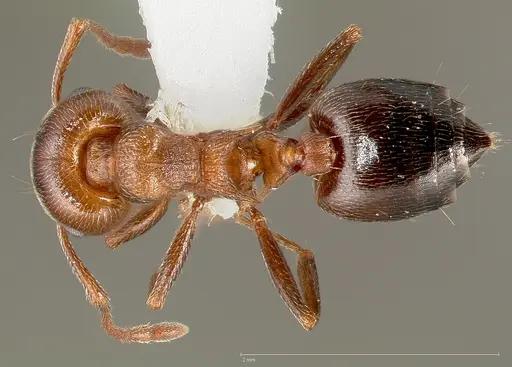
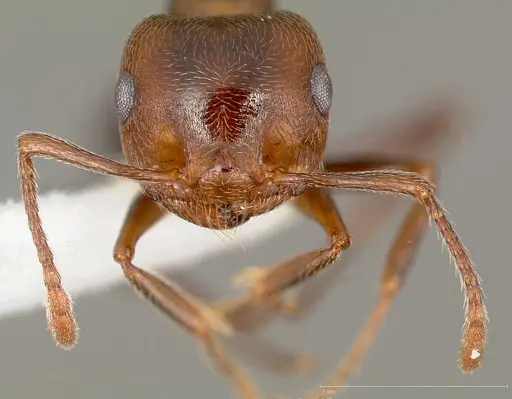

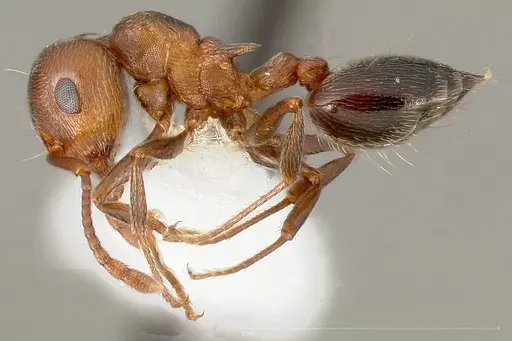
CASENT0761198
View on AntWeb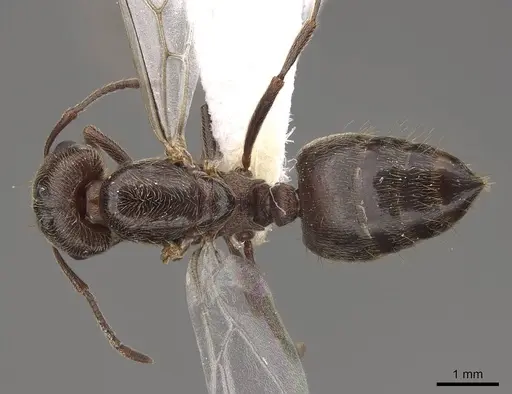
CASENT0882265
View on AntWeb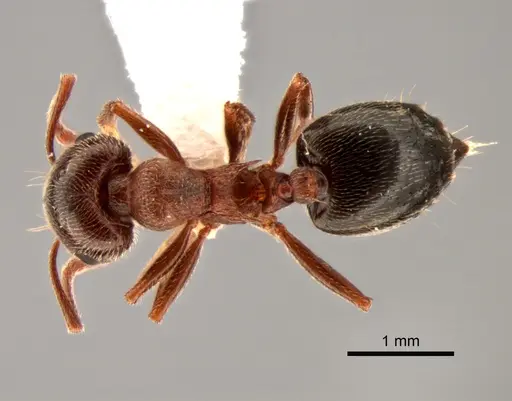
CASENT0922736
View on AntWeb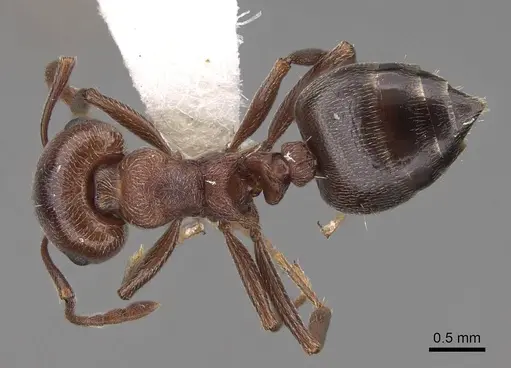
Literature
Loading...Loading products...