

Crematogaster coarctata
- Scientific Name
- Crematogaster coarctata
- Tribe
- Crematogastrini
- Subfamily
- Myrmicinae
- Author
- Mayr, 1870
- Distribution
- Found in 2 countries
Crematogaster coarctata Overview
Crematogaster coarctata is an ant species of the genus Crematogaster. It is primarily documented in 2 countries , including Mexico, United States of America. Detailed taxonomic data and occurrence records can be further explored via authoritative databases such as AntWeb or the Global Biodiversity Information Facility (GBIF).
Crematogaster coarctata
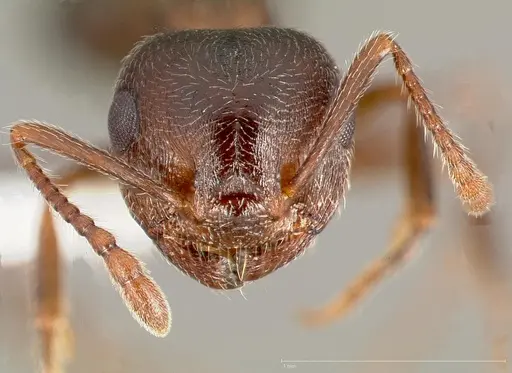
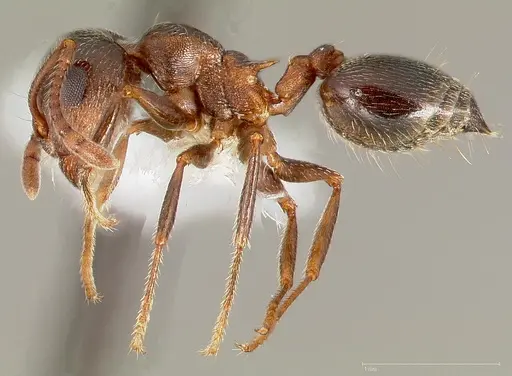
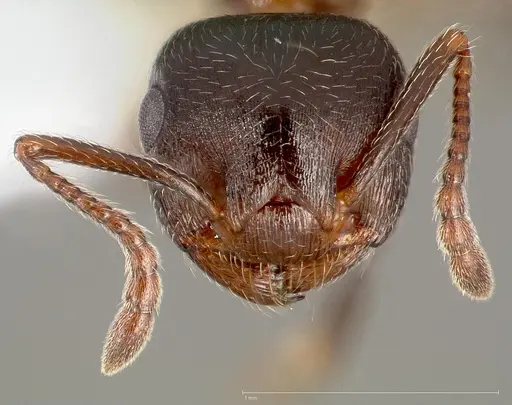
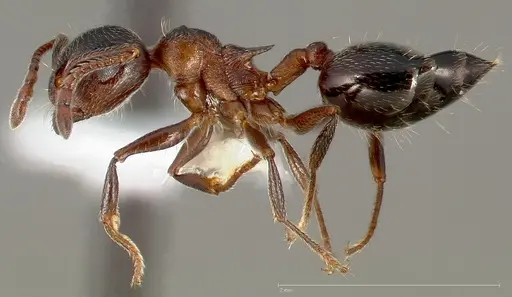
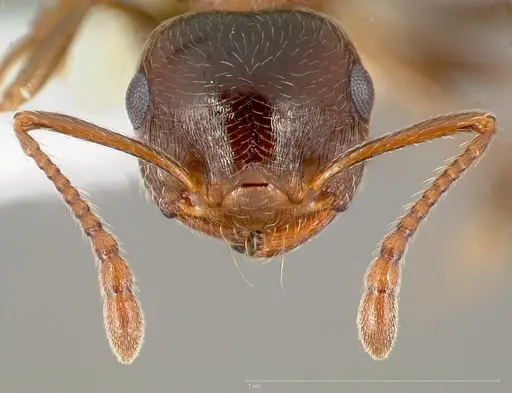
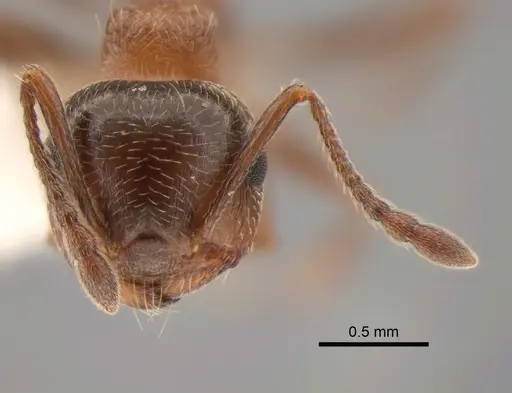
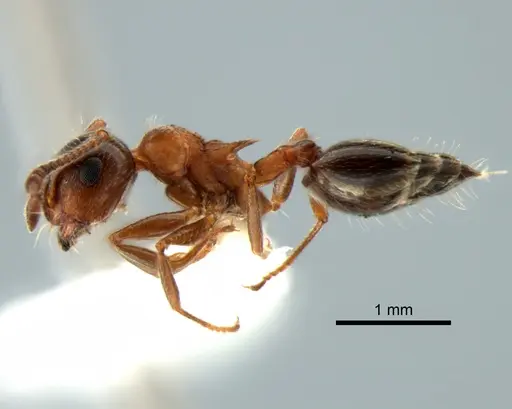
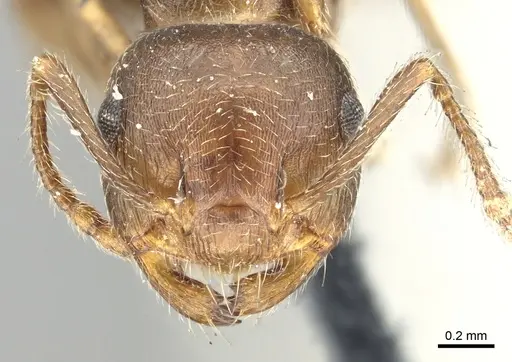
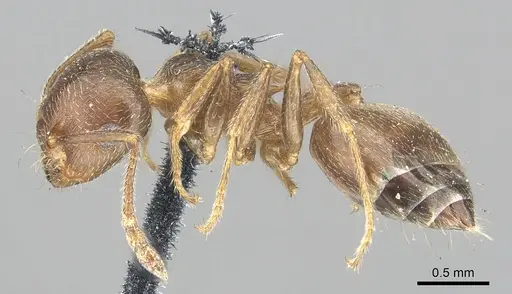
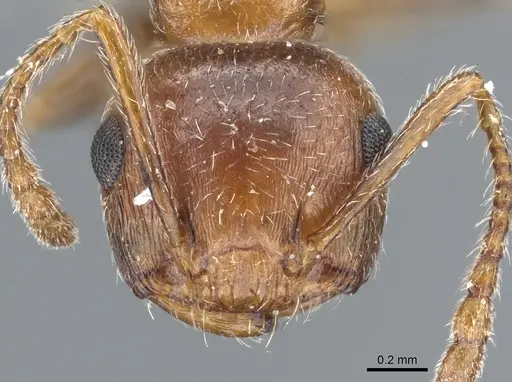
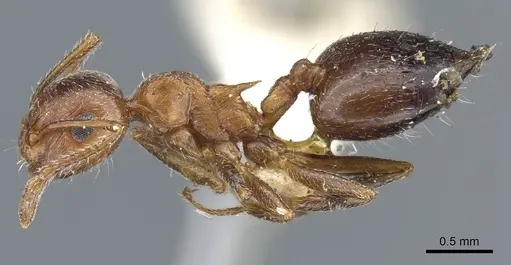
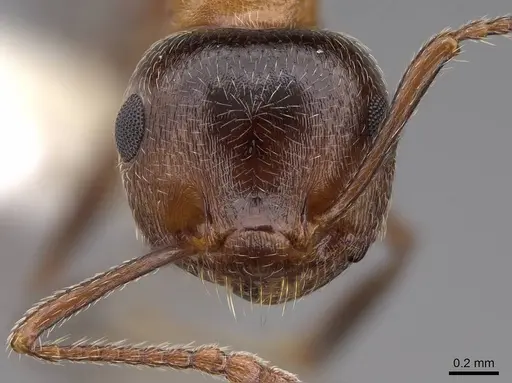
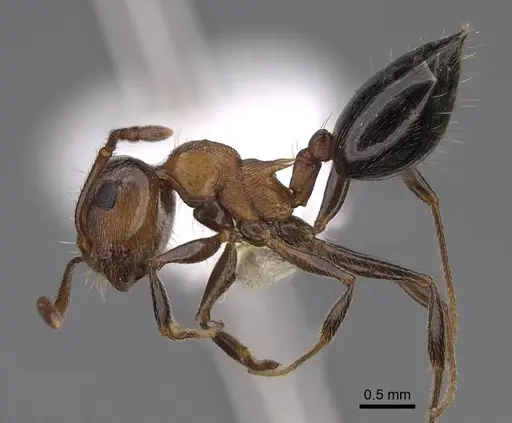
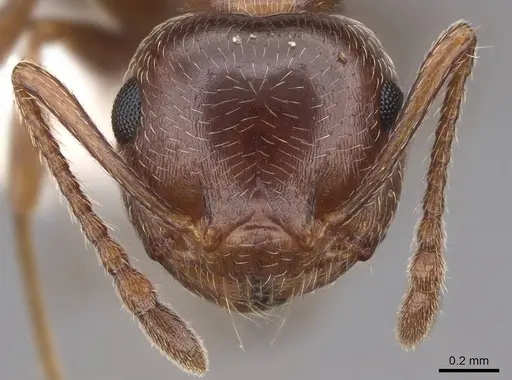
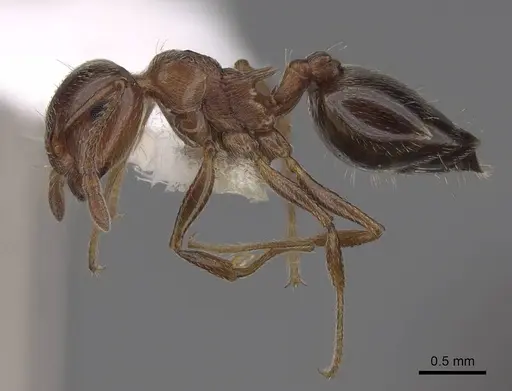
Crematogaster coarctata is a small to medium-sized acrobat ant native to the western United States and northern Mexico. Workers measure 2-3mm with a distinctive heart-shaped abdomen that they raise when disturbed, giving them their 'acrobat' name. They have dark brown to black coloration with striate-punctate sculpturing on the head and pronotum. Queens are significantly larger at 4-8mm. This species gets its common name from their behavior of raising their gasters when threatened, making them appear to do a handstand [1].
What makes C. coarctata stand out is its incredible habitat flexibility, it's found from arid desert scrublands to pine forests, making it one of the most adaptable ants in western North America. They nest underground, often under stones or in downed logs, and are known for their mass-recruitment foraging where many workers rapidly discover and dominate food sources. They also tend aphids and visit extrafloral nectaries, making them important players in their ecosystems [1].
Quick Summary
- Difficulty: Easy
- Origin & Habitat: Western United States (west Texas north to Montana, west to southwestern Oregon) and northern Mexico (Baja California, Sonora, Chihuahua, Veracruz). Found in diverse habitats including desert shrubland, chaparral, pinyon-juniper forests, oak woodland, and ponderosa pine/Douglas fir forests [1].
- Colony Type: Single-queen colonies (monogyne). Colonies are polygynous under certain conditions, with multiple queens possible in established nests [1].
- Colony: Optionally polygyne
- Founding: Claustral
- Size & Growth:
- Queen: 4-8 mm [1]
- Worker: 2-3 mm [1]
- Colony: Unknown maximum, estimated several thousand workers based on related species
- Growth: Moderate
- Development: 6-8 weeks (estimated based on genus patterns) (Development time is estimated from related Crematogaster species, specific data for C. coarctata is not available)
- Antkeeping:
- Temperature: Room temperature (20-24°C) is suitable. This is a adaptable species from temperate to warm regions. A slight gradient is beneficial but not required [1].
- Humidity: Moderate humidity (50-60%). They nest underground so appreciate some moisture, but can handle drier conditions than many Myrmicinae. Keep nest substrate slightly moist.
- Diapause: Yes, they are native to regions with cold winters. Provide a winter rest period at 10-15°C for 2-3 months [1].
- Nesting: Use a test tube setup for founding colonies. Once established (50+ workers), they do well in Y-tong nests, plaster nests, or naturalistic setups. They prefer tight, dark chambers and will often nest under stones in the wild, provide dark nesting areas [1].
- Behavior: Generally docile but defensive. When threatened, workers raise their abdomen in a characteristic 'handstand' display and may release a foul-smelling chemical from their glands. They are aggressive foragers and will dominate food sources through mass recruitment, sending many small workers that stay on baits for hours [2]. They are active day and night and forage on soil surfaces. Escape risk is moderate, use standard barriers [1].
- Common Issues: colonies often fail during hibernation if kept too wet, ensure dry winter conditions, wild-caught colonies may have parasites that kill them in captivity, slow growth in founding phase means beginners may lose patience, they are displaced by Argentine ants in their native range, keep away from invasive species, test tubes can flood if water reservoirs are too large
Housing and Nest Setup
Crematogaster coarctata does well in standard test tube setups for founding colonies. Use a standard test tube with a cotton ball creating a water reservoir, fill about 1/3 with water and leave the rest as dry space for the colony. For founding, place the queen in complete darkness and avoid disturbing her until workers emerge (usually 4-6 weeks). Once you have 30-50 workers, you can transition to a formicarium. Y-tong (acrylic) nests work well, as do plaster nests with narrow chambers. They prefer tight spaces, avoid large open chambers. A naturalistic setup with a layer of soil and flat stones for cover also works, though escape prevention must be excellent. They will use multiple chambers for different functions (brood chambers, food storage, waste areas). Keep the nest area dark by covering three sides of the formicarium. [1]
Feeding and Diet
Crematogaster coarctata is an omnivorous forager with a preference for protein. In captivity, they readily accept small insects like fruit flies, pinhead crickets, and mealworms. They are attracted to tuna and other fish in bait studies, this makes an excellent protein source [3]. They will also accept sugar water, honey, or maple syrup. Unlike some Crematogaster, they do show some interest in seeds and may collect them, though this is more about the elaiosome (the fatty attachment) than the seed itself, they were observed removing elaiosomes from Cytisus scoparius seeds before discarding the rest [1]. Feed protein 2-3 times per week and keep a constant sugar source available. Remove uneaten prey after 24 hours to prevent mold.
Temperature and Seasonal Care
This species tolerates a wide temperature range (18-28°C) thanks to its adaptability in the wild. Room temperature (20-24°C) is ideal for year-round keeping. They are found from arid deserts to forested mountains, so they handle both warmth and cooler conditions. In winter, provide a diapause period, reduce temperature to 10-15°C for 2-3 months (November-February in the Northern Hemisphere). During diapause, reduce feeding to once every 2-3 weeks and keep the nest slightly drier. Do not feed heavily during hibernation as the colony will be less active. Return to normal temperatures gradually in spring. Some keepers skip diapause with mixed results, it's likely beneficial for long-term colony health and reproduction. [1]
Behavior and Defense
The most distinctive behavior of C. coarctata is their 'acrobat' defense, when threatened, workers raise their abdomen over their head in a handstand position, making them appear to be doing a cartwheel. This is where their common name comes from. They also have a metaplural gland that produces defensive chemicals, while not as painful as a sting, the chemical secretion can be irritating. They are not particularly aggressive toward humans but will defend their nest vigorously. Foraging workers are bold and will investigate food sources quickly through mass recruitment, once a worker finds food, it returns to the nest and recruits many nestmates, creating a swarm on attractive foods [2]. They are active both day and night (diurnal and nocturnal foraging has been observed).
Colony Growth and Development
A newly mated queen will seal herself into a small chamber and lay eggs without foraging. She feeds the first brood from her own body reserves, this is called claustral founding. First workers (nanitics) are smaller than normal workers but will immediately begin caring for subsequent brood and foraging for food. Growth is moderate, expect 6-12 months from founding to a colony of 100 workers under good conditions. Colonies reach sexual maturity (produce alates/males) after 1-2 years. In the wild, sexuals are produced in March and July [1]. Brood development (egg to worker) takes approximately 6-8 weeks at room temperature based on genus patterns. The colony will continue growing for several years, with queens potentially living 10-15 years.
Common Problems and Solutions
The biggest issues for C. coarctata in captivity are related to their small size and wild-caught origins. Escape prevention is important, while not the tiniest ants, they can squeeze through small gaps. Use fluon on rim edges and ensure any connections between outworld and nest are secure. Wild-caught colonies often contain parasites ( mites, phorid flies, or nematodes) that can decimate the colony. Quarantine and observe any wild-caught colony for several weeks before introducing to your collection. During hibernation, too much moisture leads to fungal growth and colony death, keep hibernation setup dry. Finally, these ants are vulnerable to Argentine ants (Linepithema humile) which displace them in their native range, never keep them near Argentine ant colonies or allow any contact [4][5].
Frequently Asked Questions
How long does it take for Crematogaster coarctata to get first workers?
Expect first workers (nanitics) to emerge 4-6 weeks after the queen lays eggs, assuming room temperature (20-24°C). The exact timing depends on temperature, warmer conditions speed development slightly, while cooler temperatures slow it down.
Do Crematogaster coarctata ants sting?
They do not have a painful sting like some ants, but they can release irritating chemicals from their metaplural gland when threatened. Their main defense is the characteristic 'handstand' display where they raise their abdomen. They are not considered dangerous to humans.
What do Crematogaster coarctata eat?
They are omnivores with a preference for protein. Feed them small insects (fruit flies, pinhead crickets, mealworms) 2-3 times per week. They also readily accept sugar water, honey, or maple syrup. Tuna is particularly attractive to them in bait studies.
Can I keep multiple Crematogaster coarctata queens together?
This species can form polygynous (multiple queen) colonies in the wild, but combining unrelated foundress queens in captivity is risky and not well documented. It's generally safer to start with a single queen per colony. If you want to try multi-queen colonies, introduce them before any workers hatch and provide plenty of space.
Do Crematogaster coarctata need hibernation?
Yes, they benefit from a winter rest period. Reduce temperature to 10-15°C for 2-3 months during winter. Keep them slightly drier during this period and reduce feeding. This helps trigger natural reproductive cycles and promotes colony health long-term.
Are Crematogaster coarctata good for beginners?
Yes, they are considered a good beginner species. They are adaptable, relatively docile, and tolerate a range of conditions. Their main requirements are straightforward: moderate temperature, basic protein feeding, and annual hibernation. The main challenges are escape prevention and sourcing healthy colonies.
How big do Crematogaster coarctata colonies get?
Colony size is not well documented in scientific literature, but based on related species, established colonies likely reach several thousand workers. They can live for many years with queens potentially surviving 10-15 years.
When should I move my colony to a formicarium?
Move from the test tube setup once you have 30-50 workers and the test tube is becoming crowded. Signs include workers spending more time in the outworld, the water reservoir being depleted quickly, or the queen moving brood to different areas. Make the transition gradual by connecting the test tube to the formicarium and allowing workers to explore on their own.
Why are my Crematogaster coarctata dying?
Common causes include: too much moisture (especially during hibernation, keep them dry), parasites from wild-caught colonies, temperature extremes, or stress from disturbance during founding. Check that the queen is still alive and laying eggs. If workers are dying but the queen is fine, review feeding amounts and humidity levels.
References

This caresheet is licensed under CC BY-SA 4.0 .
CASENT0005666
View on AntWeb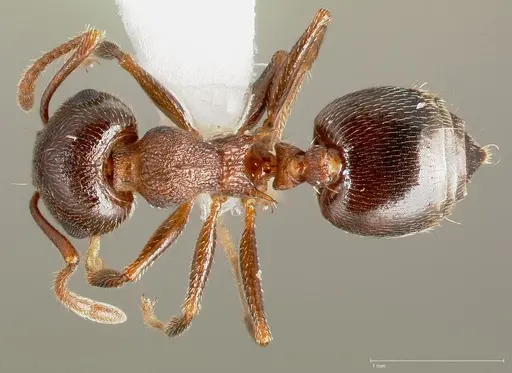
CASENT0005667
View on AntWeb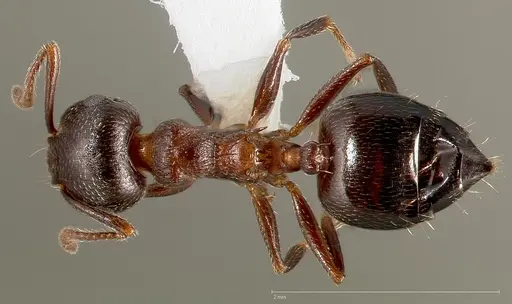
CASENT0005671
View on AntWeb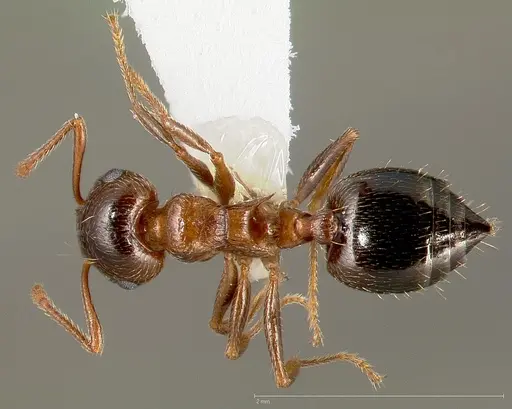
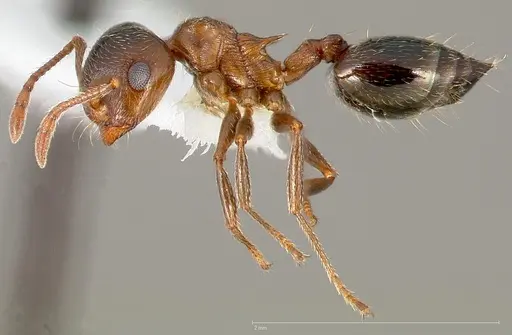
CASENT0193116
View on AntWeb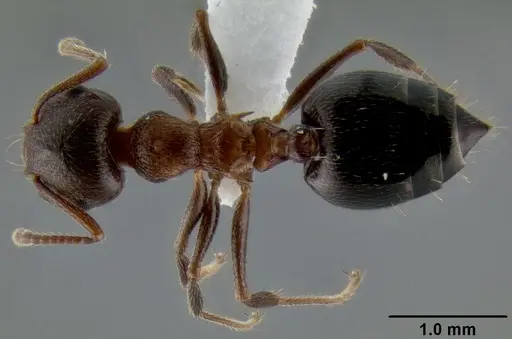
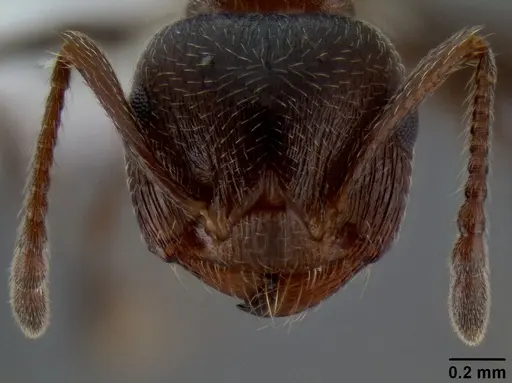
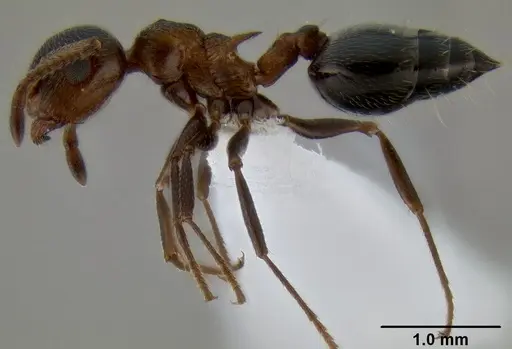
CASENT0882272
View on AntWeb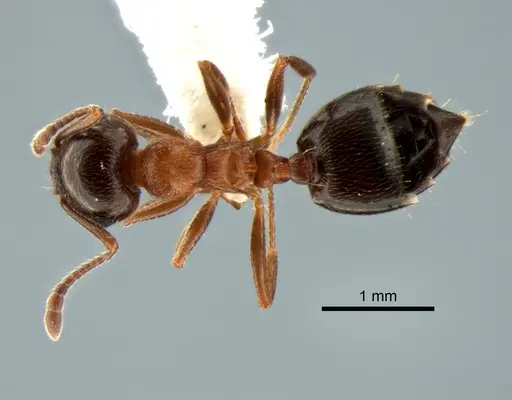
CASENT0902143
View on AntWeb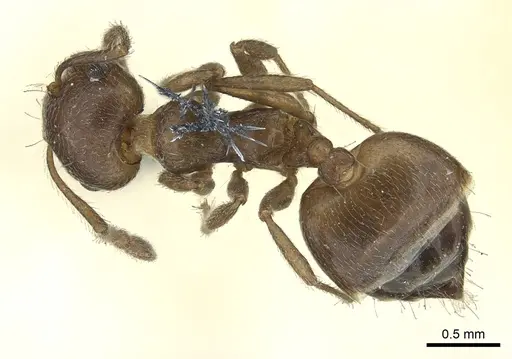
CASENT0904538
View on AntWeb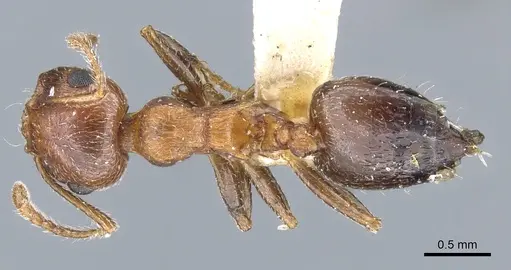
CASENT0922727
View on AntWeb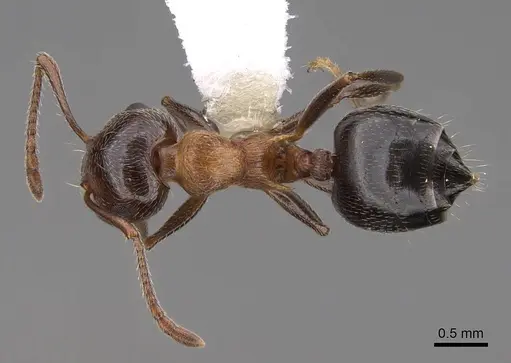
CASENT0922735
View on AntWeb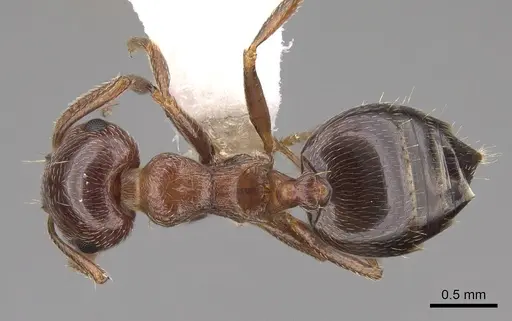
Literature
Loading...Loading products...