

Crematogaster montana
- Scientific Name
- Crematogaster montana
- Subgenus
- Orthocrema
- Tribe
- Crematogastrini
- Subfamily
- Myrmicinae
- Author
- Borgmeier, 1939
- Common Name
- Mountain Cocktail Ant
- Distribution
- Found in 1 countries
Crematogaster montana Overview
Crematogaster montana (commonly known as the Mountain Cocktail Ant) is an ant species of the genus Crematogaster. It is primarily documented in 1 countries , including Brazil. Detailed taxonomic data and occurrence records can be further explored via authoritative databases such as AntWeb or the Global Biodiversity Information Facility (GBIF).
Crematogaster montana - "Mountain Cocktail Ant"
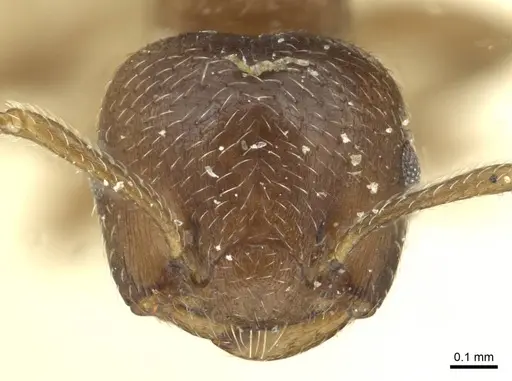
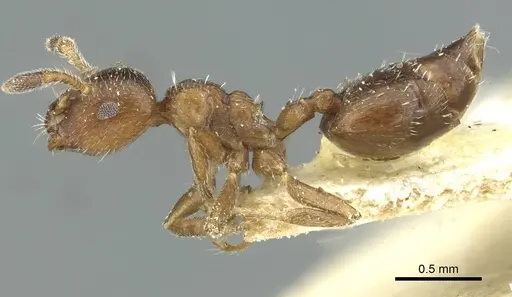
Crematogaster montana is a small myrmicine ant species native to the Atlantic Forest region of Brazil, specifically known from the Rio de Janeiro area around Petropolis [1]. Workers are typical of the genus, small ants with a distinctive heart-shaped abdomen that they raise like a stinger when disturbed, giving them the common name 'acrobatic ants' or 'cocktail ants'. This species belongs to the Crematogaster crinosa complex, a group of closely related species that require further taxonomic study to clarify their boundaries [1]. The genus Crematogaster is known for their arboreal and semi-arboreal nesting habits, and their ability to formtrails and exploit multiple food sources. This particular species remains poorly studied in the wild, with limited published information about its specific biology, colony structure, or captive care requirements.
Quick Summary
- Difficulty: Medium
- Origin & Habitat: Native to the Neotropical region of Brazil, specifically the Atlantic Forest zone around Rio de Janeiro and Petropolis [2]. This is a humid, tropical to subtropical forest environment with consistent year-round warmth.
- Colony Type: Colony structure is unconfirmed. Many Crematogaster species are monogyne (single queen) but some form multi-queen colonies. The crinosa complex species often show flexible colony structures.
- Founding: Claustral
- Size & Growth:
- Queen: Estimated 5-7mm based on genus patterns for similar species in the crinosa complex
- Worker: Estimated 2-4mm based on genus patterns
- Colony: Unknown, likely several hundred workers based on typical Crematogaster colony sizes
- Growth: Moderate, estimated based on genus patterns
- Development: Estimated 6-8 weeks at optimal temperature based on related Crematogaster species (This is an estimate based on genus patterns, no specific development data exists for this species)
- Antkeeping:
- Temperature: Keep at 22-26°C. These are tropical ants from southeastern Brazil where temperatures remain warm year-round. A gentle heat gradient allows them to regulate their preferred temperature.
- Humidity: Maintain moderate to high humidity (60-80%). The Atlantic Forest environment is humid, so keep the nest substrate slightly moist but not waterlogged. Provide a water source.
- Diapause: No, as a tropical species from Brazil, they do not require hibernation. Keep them at stable warm temperatures year-round.
- Nesting: In the wild, Crematogaster often nest in rotting wood, under bark, or in hollow twigs, typical arboreal nesting. In captivity, a Y-tong (AAC) nest, plaster nest, or naturalistic setup with rotting wood works well. They prefer tight, humid chambers.
- Behavior: Crematogaster montana will likely show typical genus behaviors: raising their abdomen when threatened (the 'cocktail' posture), moderate foraging activity, and likely acceptance of both sugar and protein foods. They are not aggressive toward keepers but may sting if handled roughly. Escape risk is moderate, use standard barrier methods.
- Common Issues: tropical species requires warm temperatures year-round, cold kills colonies, arboreal nature means they need tight, appropriately-sized chambers, limited species-specific information means care is based on genus patterns, wild-caught colonies may have parasites or diseases
Nest Preferences
Crematogaster montana is expected to follow typical Crematogaster laeviusculal nesting behavior. In the wild, these ants typically nest in rotting wood, under loose bark, or in hollow twigs and branches. They often create networks of chambers within wood substrate. For captive care, a Y-tong (AAC) nest with appropriately sized chambers works well, as does a plaster nest or a naturalistic setup with pieces of rotting wood. The chambers should be tight and snug, these are small ants that prefer cozy, humid spaces. Avoid large, open chambers where they may feel exposed. Provide some form of moisture reservoir or water tube to maintain humidity. Since this species comes from the humid Atlantic Forest, the nest should stay consistently moist but never waterlogged. [2]
Feeding and Diet
Like most Crematogaster species, C. montana is likely omnivorous with a preference for sugar sources and protein. Offer sugar water, honey, or diluted maple syrup as a constant carbohydrate source. For protein, offer small insects like fruit flies, small mealworms, or cricket pieces. Crematogaster are known to tend aphids for honeydew in the wild, so they may accept sugar sources readily. Feed protein 2-3 times per week, and keep sugar water available at all times. Remove any uneaten prey after 24-48 hours to prevent mold. Since this species is poorly studied, observe your colony's preferences and adjust accordingly. Start with standard Crematogaster foods and note what they accept best.
Temperature and Care
As a tropical species from southeastern Brazil, Crematogaster montana requires warm temperatures year-round. Keep the nest area between 22-26°C. Room temperature in most homes should work, but you may need a small heating cable or heating mat on one side of the nest during cooler months. Use a digital thermometer to monitor temperatures. Avoid temperatures below 20°C for extended periods, cold can weaken and eventually kill the colony. Unlike temperate species, these ants do not need a winter diapause period. Maintain stable temperatures rather than allowing large fluctuations. A gentle temperature gradient (warmer on one side, cooler on the other) allows the ants to self-regulate by moving to their preferred area. [2]
Behavior and Temperament
Crematogaster ants are named for their distinctive defensive behavior, when threatened, they raise their abdomen high above their head, ready to deliver a sting. This 'cocktail' or 'acrobatic' posture gives them their common names. Workers are moderately active foragers and will likely establish foraging trails. They are not particularly aggressive toward humans but will defend their nest if threatened. Handle gently and avoid provoking them. They are not strong escape artists for their size, but use standard barrier methods (Fluon on test tube rims, fine mesh on outworlds) to prevent escapes. Their small size means they can slip through small gaps, so check all connections regularly.
Colony Founding
The founding behavior of Crematogaster montana has not been directly documented. Based on typical Crematogaster genus patterns, the queen likely seals herself in a small chamber (claustral founding) and raises her first workers alone using stored fat reserves. The founding chamber is typically dug in rotting wood or soil. Expect a claustral founding type unless specific research shows otherwise. During founding, keep the queen in a dark, humid location at around 24°C and do not disturb her. She should not need to forage, claustral queens survive entirely on their stored reserves until the first nanitic workers emerge.
Acquiring This Species
Crematogaster montana is not commonly available in the antkeeping hobby. This species is rarely collected or sold, and most hobbyists working with Brazilian Crematogaster will encounter other, more common species. If you do obtain a colony, it will likely be from a wild-caught queen during nuptial flight season or from a specialized breeder. Wild-caught colonies may carry parasites or diseases that can affect captive success. Quarantine and observe new colonies carefully before introducing them to established setups. Given the limited availability and the taxonomic uncertainty within the crinosa complex, ensure you have correctly identified your ants or work with a reputable source that can verify the species. [1]
Frequently Asked Questions
How long does it take for Crematogaster montana to produce first workers?
The exact timeline is unknown for this species, but based on related Crematogaster species, expect 6-8 weeks from egg to worker at optimal temperature (around 24-26°C). The first workers (nanitics) will be smaller than mature workers. Be patient during founding, queens sealed in their chambers may not show activity for weeks.
What temperature do Crematogaster montana ants need?
Keep them at 22-26°C. As tropical ants from Brazil, they need warm conditions year-round. Room temperature is often sufficient, but you may need supplemental heating in cooler climates or winter months.
Do Crematogaster montana ants sting?
Yes, like all Crematogaster species, they can sting. However, their sting is mild and rarely penetrates human skin due to their small size. The more notable behavior is their defensive 'cocktail' posture where they raise their abdomen to threaten perceived threats.
Can I keep Crematogaster montana in a test tube?
Yes, test tubes work well for founding colonies and small colonies. Use a water tube for humidity and keep it in a warm, dark location. As the colony grows to several dozen workers, consider moving them to a proper nest (Y-tong or plaster) with appropriately sized chambers.
What do Crematogaster montana ants eat?
They are omnivorous. Offer a constant sugar source (sugar water, honey, or maple syrup) and regular protein feedings (small insects like fruit flies, mealworms, or cricket pieces). They will likely accept both readily based on typical Crematogaster feeding patterns.
Do Crematogaster montana need hibernation?
No. As a tropical species from Brazil, they do not require hibernation or winter cooling. Keep them at warm temperatures year-round (22-26°C). Cold temperatures can harm or kill the colony.
How big do Crematogaster montana colonies get?
The maximum colony size is not documented for this species. Based on typical Crematogaster patterns, colonies likely reach several hundred workers. They are not among the largest Crematogaster species.
Is Crematogaster montana good for beginners?
This species is not commonly available, making it difficult for beginners to obtain. Additionally, the lack of species-specific care information means you will need to rely on general Crematogaster care guidelines. If you are interested in Brazilian Crematogaster, more common species like C. crinosa or C. lineolata may be better choices while you learn the genus.
Why is my Crematogaster montana colony dying?
The most common causes are: temperatures too cold (below 20°C), incorrect humidity (too dry or too wet), or stress from disturbance during founding. Ensure the queen has been left in a dark, humid, warm location for at least 4-6 weeks without being disturbed. Wild-caught colonies may also carry parasites.
When should I move my colony to a formicarium?
Move from test tube to a proper nest when the colony reaches 30-50 workers and the test tube setup becomes crowded. Choose a nest with small, tight chambers appropriate for their size. A Y-tong (AAC) or plaster nest works well.
References

This caresheet is licensed under CC BY-SA 4.0 .
CASENT0912757
View on AntWeb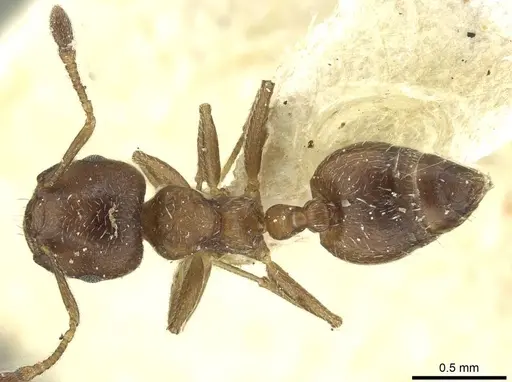
Literature
Loading...Loading products...