

Crematogaster modiglianii
- Scientific Name
- Crematogaster modiglianii
- Tribe
- Crematogastrini
- Subfamily
- Myrmicinae
- Author
- Emery, 1900
- Distribution
- Found in 4 countries
Crematogaster modiglianii Overview
Crematogaster modiglianii is an ant species of the genus Crematogaster. It is primarily documented in 4 countries , including Brunei Darussalam, Indonesia, Malaysia. Detailed taxonomic data and occurrence records can be further explored via authoritative databases such as AntWeb or the Global Biodiversity Information Facility (GBIF).
Crematogaster modiglianii
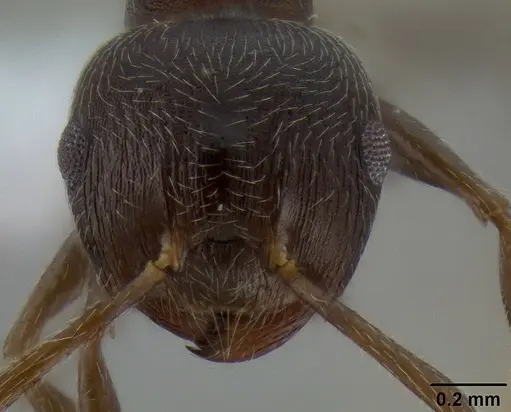
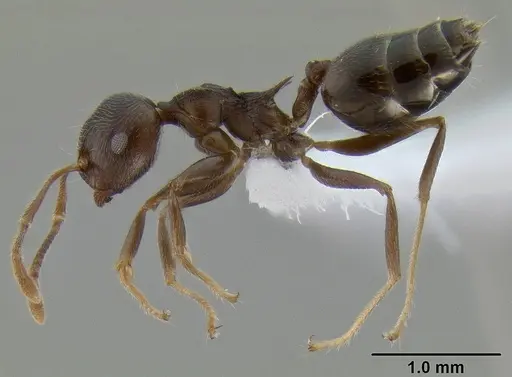
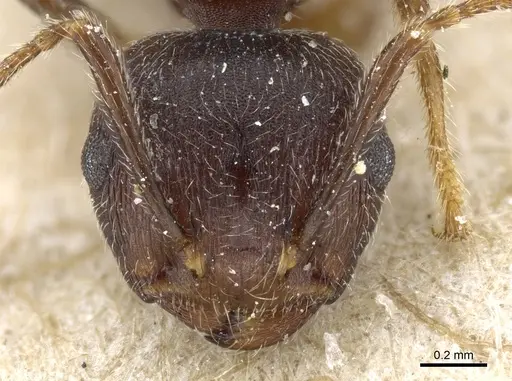
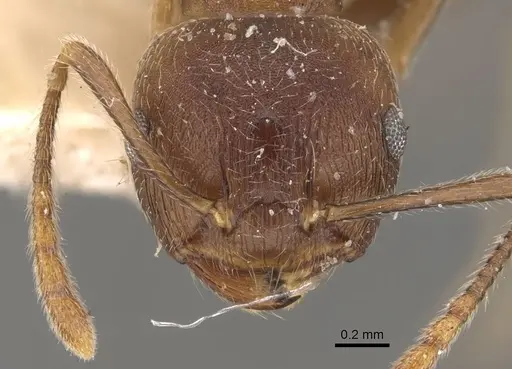
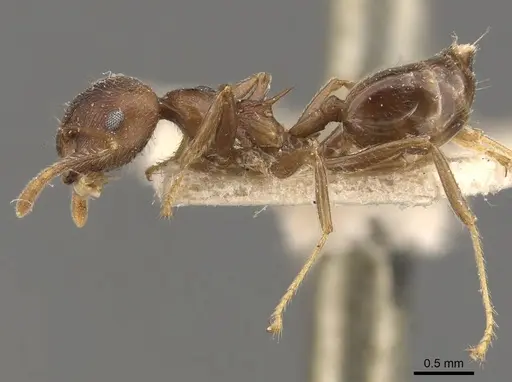
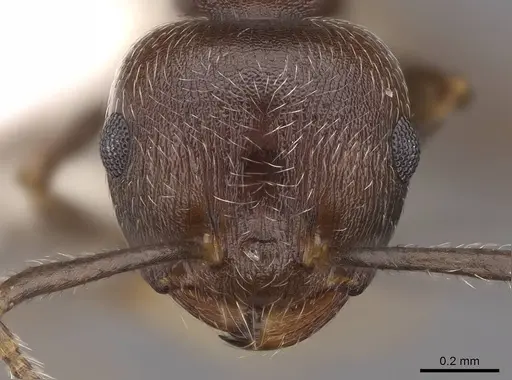
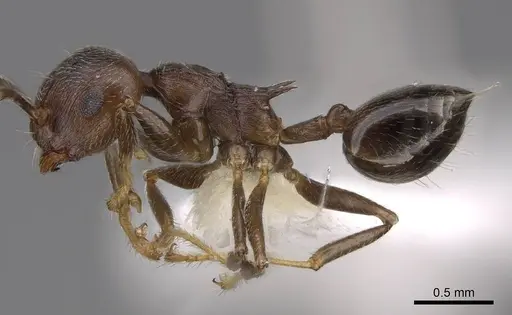
Crematogaster modiglianii is a small tropical ant species native to Southeast Asia, measuring 2-3mm in length. These ants are easily recognized by their heart-shaped gaster (abdomen) that they can raise like an acrobat when threatened, giving them their common name. They belong to the Crematogaster inflata group and are found across the Indomalaya region including Borneo, Indonesia, Laos, Malaysia, Myanmar, Philippines, Singapore, Thailand, and Vietnam [1][2].
What makes this species truly fascinating is its parabiotic relationship with Camponotus rufifemur, they often share nests and forage together peacefully. C. modiglianii produces unique compounds called crematoenones that function as appeasement signals, reducing aggression from their larger nestmates [3]. This species is also unusual because it can live both in these shared parabiotic nests and in independent colonies in dead branches and small trees [4].
Quick Summary
- Difficulty: Medium
- Origin & Habitat: Tropical Southeast Asia, found in Borneo, Indonesia, Laos, Malaysia, Myanmar, Philippines, Singapore, Thailand, and Vietnam. They inhabit lowland rainforests and are notably associated with rubber plantations rather than primary or secondary forest [5]. In the wild, they nest in ant gardens, dead branches, and tree hollows, often sharing nests with Camponotus rufifemur [1][4].
- Colony Type: Colonies can be either independent or parabiotic (sharing nests with Camponotus rufifemur). They are monomorphic, all workers are the same size. Colony size averages around 1,336 workers with a range of 35 to 5,667 workers [6]. The species can form both single-queen and multi-queen colonies in the wild.
- Colony: Optionally polygyne
- Founding: Claustral
- Size & Growth:
- Queen: Estimated 5-7mm based on genus typical sizes
- Worker: 2-3mm [4]
- Colony: Up to approximately 5,700 workers based on colony data [6]
- Growth: Moderate, tropical species with year-round activity
- Development: Estimated 4-6 weeks at tropical temperatures (25-28°C) (Development times are inferred from typical Crematogaster patterns since specific data for this species is not available. Warmer temperatures within the tropical range will speed up development.)
- Antkeeping:
- Temperature: Keep at 24-28°C (tropical room temperature). This is a strict tropical species that does not tolerate cool conditions. A small heating cable on one side of the nest can help maintain optimal temperatures if your room is cooler [4].
- Humidity: Moderate to high humidity (60-80%). These ants come from tropical rainforests, so they appreciate moisture. Keep the nest substrate slightly damp but not waterlogged. Provide a water tube for drinking access.
- Diapause: No, this is a tropical species that remains active year-round. Do not attempt to hibernate this species as it can be fatal [4].
- Nesting: This species does well in Y-tong (AAC) nests or naturalistic setups with dead wood/branches. They prefer nesting in pre-existing cavities rather than excavating soil. A setup with small chambers scaled to their tiny 2-3mm size works well. They will readily accept test tube setups but may benefit from having access to small dead wood or cork bark.
- Behavior: These ants are generally peaceful and non-aggressive toward humans. They are active both day and night, foraging for honeydew, nectar, and small prey [4]. Workers are excellent foragers and will quickly discover food sources, often arriving at baits before their Camponotus partners. When threatened, they raise their gaster in a defensive display, this is where their 'acrobat ant' name comes from. They have good escape prevention needs due to their small size, use fine mesh barriers. They show interesting 'mounting behavior' where workers climb onto the bodies of their Camponotus nestmates [4].
- Common Issues: tropical temperature requirements mean cold rooms will cause colony decline, always keep above 24°C, small size means escapes are likely without fine mesh barriers on all openings, wild-caught colonies may be already established with Camponotus partners and may struggle in isolation, overheating is a risk, direct sunlight or heating mats set too high can quickly kill colonies, rubber plantation specialists may not thrive in setups that mimic primary forest conditions
The Parabiotic Relationship with Camponotus rufifemur
One of the most fascinating aspects of Crematogaster modiglianii is its close relationship with Camponotus rufifemur. These two species often share nests in tree trunks and branches, forming what's called a parabiotic association, they live together peacefully but keep their brood separate [3]. This relationship benefits both species: C. modiglianii benefits from the protection and stronger foraging abilities of the larger Camponotus, while Camponotus rufifemur benefits from the pheromone trails and nest construction capabilities of the Crematogaster [7].
In captivity, you can keep C. modiglianii alone without their Camponotus partner, they do perfectly well as independent colonies. However, if you want to replicate their natural setup, you could potentially house them alongside C. rufifemur in a larger setup with separate nest areas. The two species will establish their own territories and generally ignore each other thanks to the unique chemical signals C. modiglianii produces [3].
Unique Chemistry: Crematoenones
Crematogaster modiglianii produces an extraordinary array of unique chemical compounds called crematoenones, 24 different steroid-like substances that cover their cuticle [3]. These compounds are produced in the Dufour's gland and spread onto the cuticle, and their overall abundance actually exceeds their hydrocarbon abundance by nearly six times [3].
What's remarkable is that the crematoenone composition is highly colony-specific but shows similarities between the two ant species within a parabiotic nest [3]. These compounds function as appeasement signals, they reduce aggression from Camponotus rufifemur nestmates, allowing the two species to live together peacefully [3]. The hydrocarbons on their cuticle have unusually high chain lengths (C33 to C40) compared to non-parabiotic ant species [3].
For antkeepers, this means these ants have very specific chemical recognition cues. When keeping them in captivity, avoid excessive handling as this can damage their cuticular compounds. Also, if you ever need to introduce them to a Camponotus species, the chemical compatibility would be crucial.
Feeding and Diet
In the wild, Crematogaster modiglianii is an opportunistic forager that feeds on honeydew from hemipterans (aphids, scale insects, mealybugs), extrafloral nectaries, and small insects [4]. They are known to build protective shelters around some trophobioses (aphid colonies) using soil or plant substrate [8].
For captive care, offer a varied diet: sugar water or honey as a constant energy source, small live prey like fruit flies or pinhead crickets for protein, and occasional treats like small pieces of fruit. They are active foragers and will quickly discover and recruit to food sources [4]. Feed them small prey items 2-3 times per week, and keep sugar water available at all times. Their small size means prey should be appropriately sized, very small insects or pre-killed pieces work well.
Temperature and Tropical Care
This is a strict tropical species that requires warm, stable temperatures year-round. Keep the nest area at 24-28°C, this matches their natural habitat in Southeast Asian rainforests [4]. Unlike temperate species, they do not enter dormancy and remain active throughout the year.
Room temperature is often sufficient if you live in a warm climate, but in cooler environments you'll need supplemental heating. A small heating cable placed on one side of the nest creates a temperature gradient that allows the ants to choose their preferred temperature. Never place the nest in direct sunlight or use heating mats without a thermostat, as overheating can quickly kill colonies.
Because they come from humid tropical environments, maintain moderate to high humidity (60-80%). A water tube attached to the nest provides drinking access, which is especially important for maintaining proper humidity through evaporation.
Behavior and Defense
Crematogaster modiglianii workers are small but active and efficient foragers. They are active both day and night, which is unusual among ants [4]. They have excellent recruitment abilities and will quickly bring many workers to food sources, studies show they can recruit an average of 22.8 workers to baits within just 15 minutes [4].
Their most distinctive defensive behavior is the 'acrobat' display, when threatened, they raise their heart-shaped gaster upward, ready to spray formic acid or other defensive chemicals from their venom gland. This is a visual warning to predators. They also show interesting 'mounting behavior' where workers climb onto the bodies of their Camponotus nestmates and walk on them [4].
At nest entrances, they defend aggressively against intruders using 'spreadeagling' behavior, multiple workers quickly seize and immobilize any intruder, with an average of 7.5 workers engaging an intruder within 3 minutes [4].
Colony Growth and Development
Colony sizes in the wild average around 1,336 workers but can reach up to 5,667 workers in established colonies [6]. This is a moderately fast-growing species for a tropical ant. Development from egg to worker likely takes 4-6 weeks at optimal tropical temperatures (25-28°C), based on typical Crematogaster development patterns.
Queens are claustral, they seal themselves in a chamber and raise the first brood alone using stored fat reserves. The first workers (nanitics) will be smaller than mature workers but will quickly be replaced by normally-sized workers as the colony grows. Because this is a tropical species without a winter dormancy period, colonies can grow continuously throughout the year if kept warm and fed well.
Frequently Asked Questions
Can I keep Crematogaster modiglianii in a test tube?
Yes, test tubes work well for founding colonies and small to medium-sized colonies. Make sure the cotton is packed tightly and use a water tube for humidity. Because they are tiny (2-3mm), ensure the test tube has no gaps where workers could escape.
Do Crematogaster modiglianii need a hibernation period?
No, this is a strict tropical species that does not hibernate. Attempting to cool them down for hibernation can be fatal. Keep them at warm tropical temperatures (24-28°C) year-round [4].
How long does it take for the first workers to emerge?
Based on typical Crematogaster development, expect first workers (nanitics) approximately 4-6 weeks after the queen lays eggs, provided temperatures are kept at 25-28°C. Warmer temperatures within the safe range will speed up development.
Can I keep multiple queens together?
This species can form both single-queen and multi-queen colonies in the wild. However, introducing unrelated queens is risky, they may fight. If you want to try, introduce them in a large setup with plenty of space and multiple founding chambers. Monitor closely for aggression.
Do Crematogaster modiglianii ants sting?
They are too small to effectively sting humans. Their primary defense is raising their gaster as a warning display and potentially spraying formic acid. They are not considered dangerous to humans.
What do Crematogaster modiglianii eat?
They are omnivores that accept sugar sources (honey water, sugar water) and protein (small live or dead insects like fruit flies, pinhead crickets, mealworms). They also forage for honeydew in the wild, so sugar water should be available at all times [4].
Are Crematogaster modiglianii good for beginners?
They are moderate difficulty, not the easiest but not challenging either. The main requirements are maintaining tropical temperatures (24-28°C) year-round and providing good escape prevention due to their tiny size. If you can keep them consistently warm, they are rewarding to keep.
Why are my Crematogaster modiglianii dying?
The most common causes are temperatures below 24°C (tropical species die in cool conditions), escape through tiny gaps due to their small size, or poor nutrition. Check your temperature first, if the room is cool, add supplemental heating. Also inspect all enclosures for tiny gaps and ensure you are offering varied food.
When should I move them to a formicarium?
Move to a larger setup (Y-tong or naturalistic) when the colony reaches several hundred workers and the test tube becomes crowded. They prefer pre-existing cavities, so a setup with narrow chambers scaled to their tiny size works well.
References

This caresheet is licensed under CC BY-SA 4.0 .
CASENT0106281
View on AntWeb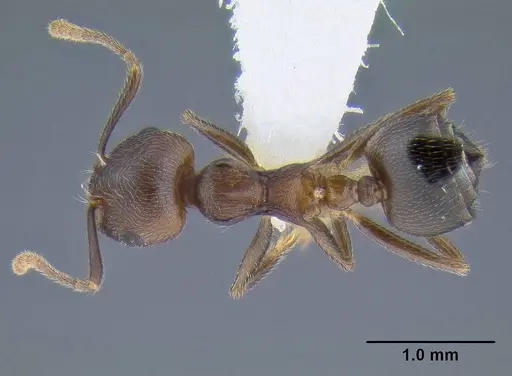
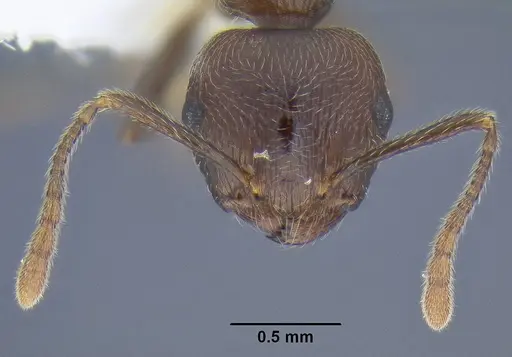
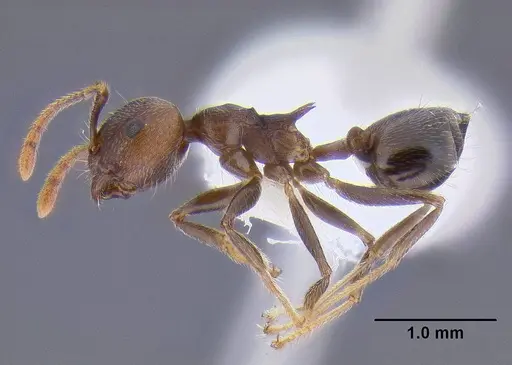
CASENT0193575
View on AntWeb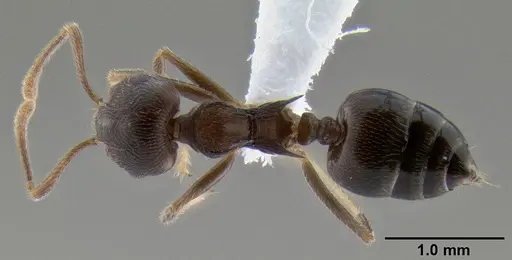
CASENT0904531
View on AntWeb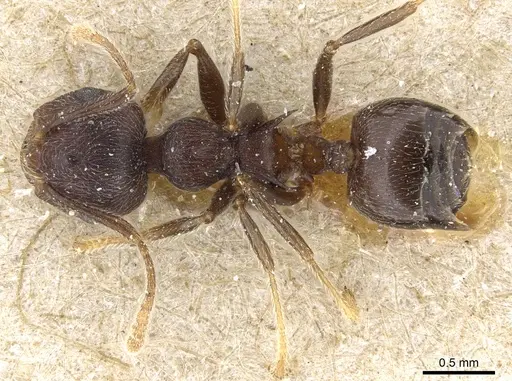
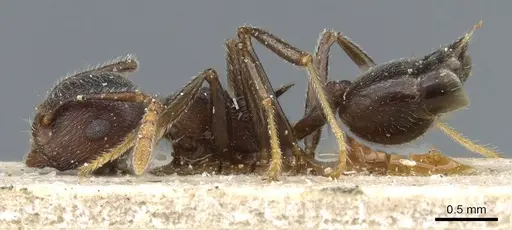
CASENT0908635
View on AntWeb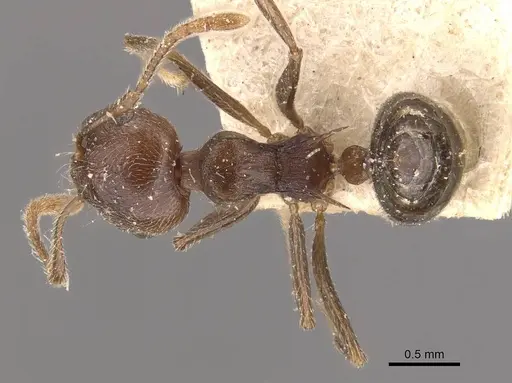
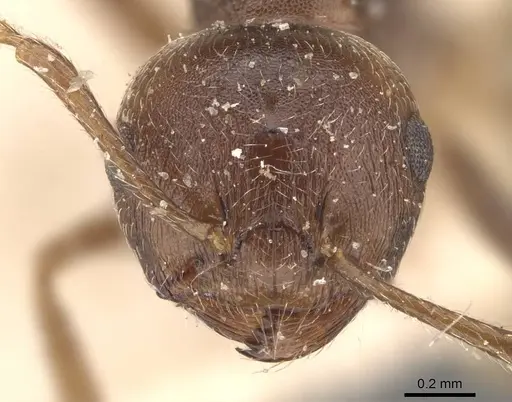
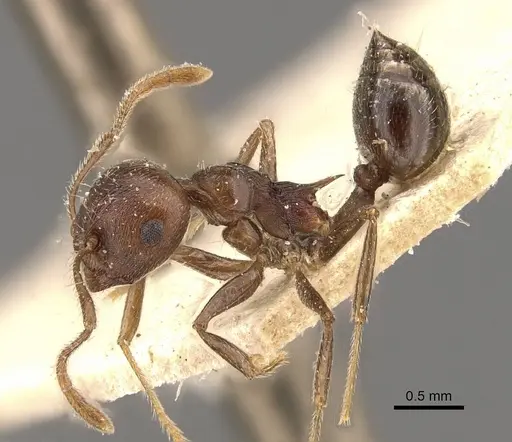
CASENT0908636
View on AntWeb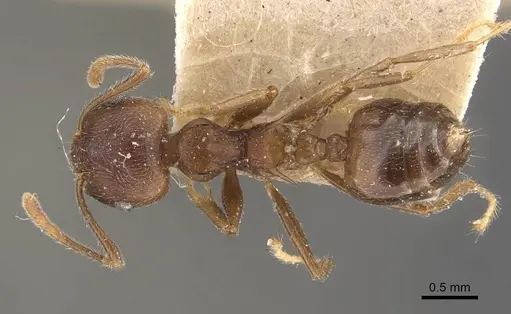
CASENT0912787
View on AntWeb
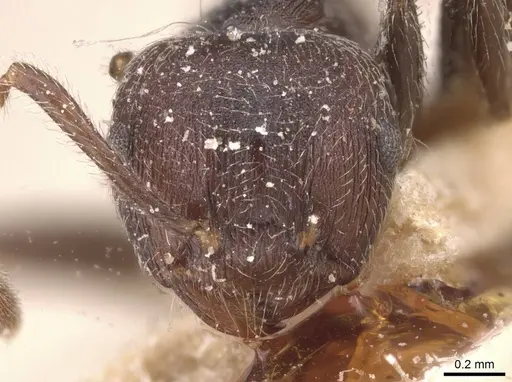
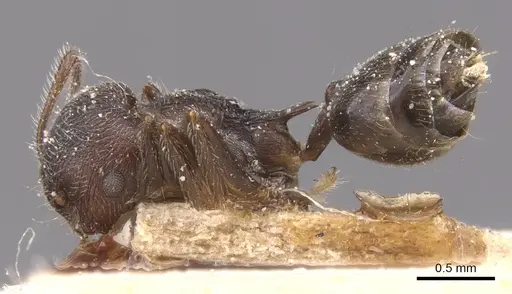
CASENT0912788
View on AntWeb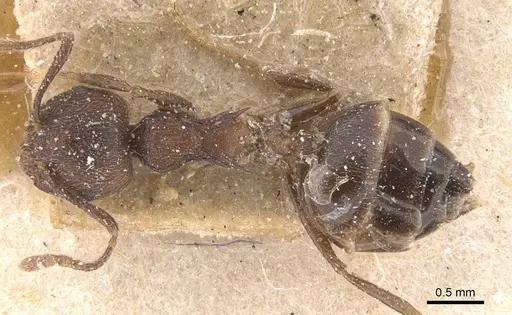
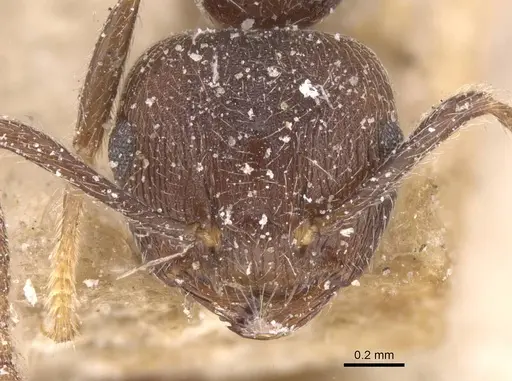
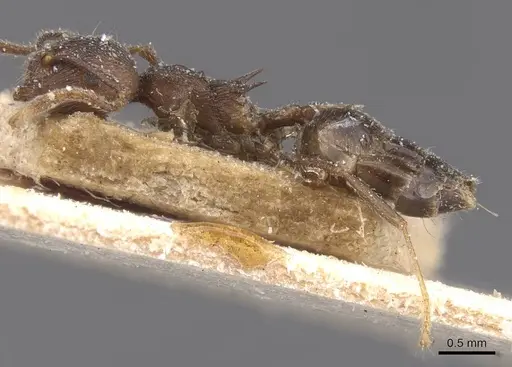
CASENT0912789
View on AntWeb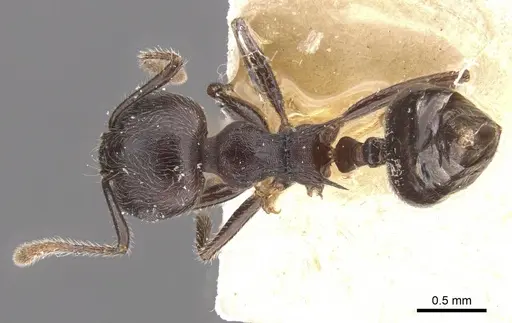
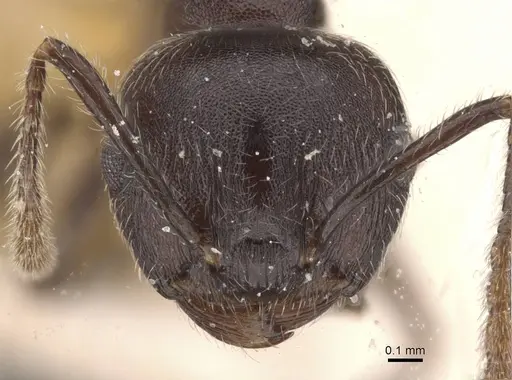
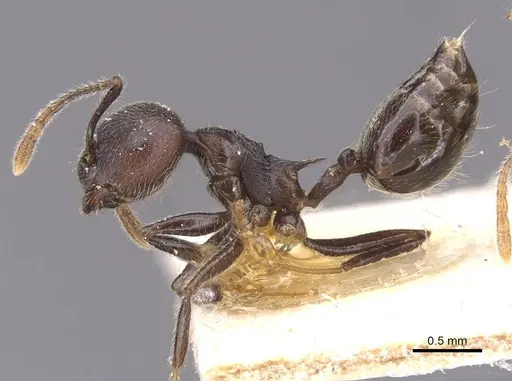
CASENT0922671
View on AntWeb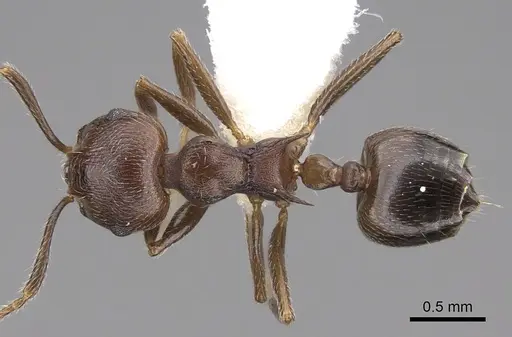
Literature
Loading...Loading products...