

Crematogaster meijerei
- Scientific Name
- Crematogaster meijerei
- Tribe
- Crematogastrini
- Subfamily
- Myrmicinae
- Author
- Emery, 1911
- Distribution
- Found in 2 countries
Crematogaster meijerei Overview
Crematogaster meijerei is an ant species of the genus Crematogaster. It is primarily documented in 2 countries , including Indonesia, Papua New Guinea. Detailed taxonomic data and occurrence records can be further explored via authoritative databases such as AntWeb or the Global Biodiversity Information Facility (GBIF).
Crematogaster meijerei
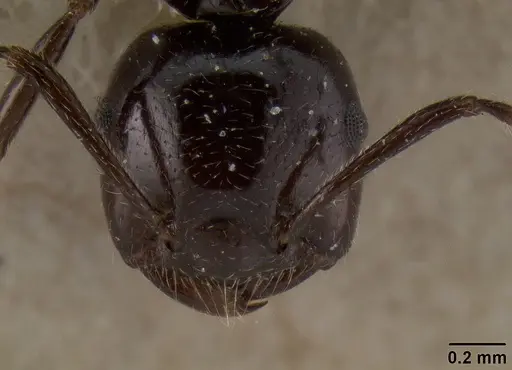
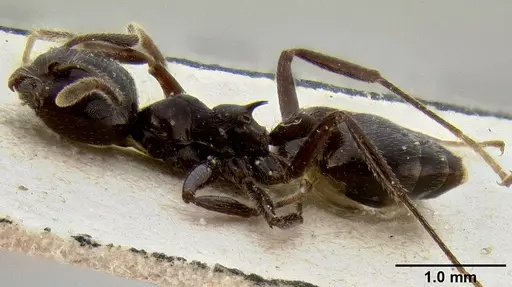
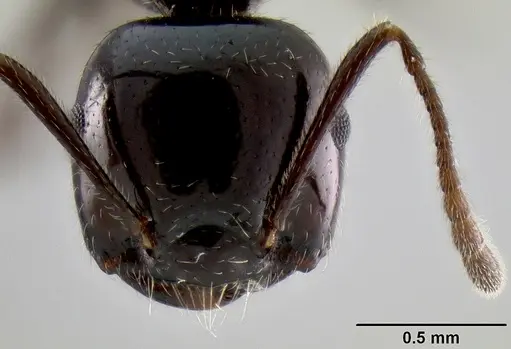
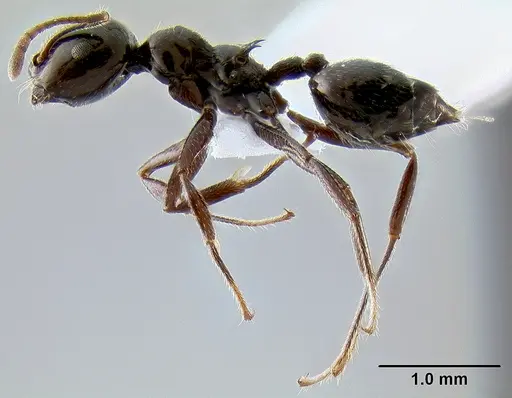
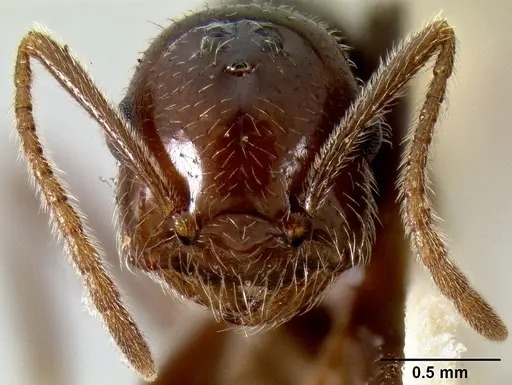
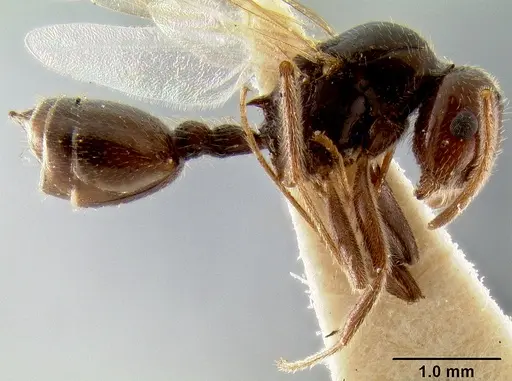
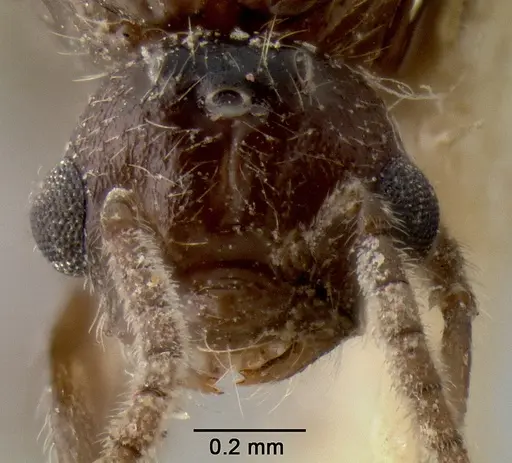
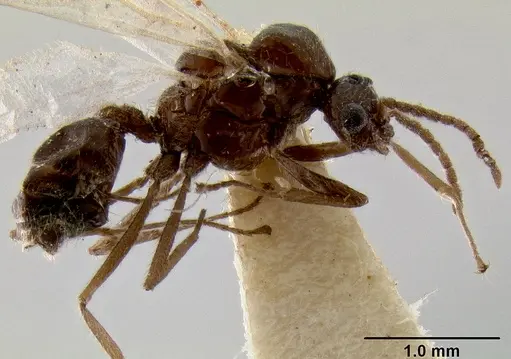
Crematogaster meijerei is a small, smooth-shining ant native to New Guinea, part of the Crematogaster ranavalonae group. Workers measure 3-3.5mm and have a distinctive maroon-brown body with a darker, almost black head. Their most notable feature is the postpetiole, which is wider than the petiole and has a deep longitudinal groove, this allows them to raise their gaster over their head like an acrobat, giving the genus its common name. The species has very short pubescence and minimal erect hairs, with only the legs and scapes showing slightly longer obliquely erect hairs [1]. This ant is found in the Australasian region, specifically in New Guinea (Irian Jaya, Indonesia) and Papua New Guinea [1][2].
As a tropical Crematogaster species from New Guinea, these ants likely inhabit humid forest environments. The genus is known for being arboreal or nesting in dead wood, and this species has been studied as part of the Oxygyne subgenus group [2]. They are relatively small ants with 11-segmented antennae and distinctive downward-curving spines at the base of their abdomen [1].
Quick Summary
- Difficulty: Medium
- Origin & Habitat: Native to New Guinea (Indonesia and Papua New Guinea). Found in tropical forest environments in the Australasian region [1][2].
- Colony Type: Colony structure is not well documented for this specific species. Most Crematogaster species are polygynous (multiple queens), though some can be monogyne. Further research needed to confirm C. meijerei's exact colony structure.
- Size & Growth:
- Queen: Not documented in available sources, estimated based on genus patterns (likely 6-9mm)
- Worker: 3-3.5mm [1]
- Colony: Not documented, likely moderate colonies based on genus patterns
- Growth: Unknown, estimated as moderate based on tropical Crematogaster patterns
- Development: Unknown, estimated 6-8 weeks based on related tropical Crematogaster species (No direct development data available for this species. Estimates based on genus-level patterns for tropical Myrmicinae.)
- Antkeeping:
- Temperature: Keep at 24-28°C. As a tropical species from New Guinea, they need warm conditions. A heating cable on one side of the nest can create a temperature gradient.
- Humidity: High humidity required, aim for 70-85%. New Guinea is a humid tropical environment. Keep the nest substrate consistently moist but not waterlogged. Provide a water tube for drinking access.
- Diapause: No, as a tropical species, they do not require hibernation. Keep temperatures stable year-round.
- Nesting: In captivity, they do well in Y-tong (AAC) nests, plaster nests, or naturalistic setups with dead wood. They are arboreal-nesting in nature so prefer nests with some vertical space. Tight chambers work well for their small size.
- Behavior: Crematogaster ants are known for their acrobat behavior, they can raise their gaster over their head when threatened, allowing them to spray formic acid or simply appear larger. Workers are active foragers and will search for honeydew, small insects, and sugar sources. They are generally not aggressive toward keepers but will defend the nest. Their small size (3-3.5mm) means escape prevention is important, they can squeeze through small gaps. They are fast-moving and alert.
- Common Issues: escape prevention is critical due to their tiny 3mm size, use fine mesh and tight-fitting lids, tropical species requires stable warm temperatures below 24°C can slow growth significantly, high humidity needs can lead to mold if ventilation is poor, balance humidity with airflow, wild-caught colonies may harbor parasites that can decimate the colony in captivity, slow initial colony growth can lead to overfeeding which causes mold problems
Nest Preferences
Crematogaster meijerei is a tropical species from New Guinea that in nature likely nests in dead wood, under bark, or in arboreal locations. For captive care, Y-tong (AAC) nests work well because they provide dark, secure chambers that mimic tree hollows. Plaster nests are also suitable as they can maintain humidity. Naturalistic setups with cork or wood pieces can simulate their natural arboreal habitat. Because workers are only 3-3.5mm, ensure chambers are appropriately sized, tight passages help them feel secure. Avoid overly large, open spaces that might cause stress. A water tube should always be available for drinking access. [1]
Feeding and Diet
Like other Crematogaster species, C. meijerei likely accepts a varied diet including honeydew, sugar water, and small insects. Offer sugar water or honey regularly as an energy source. For protein, provide small live prey like fruit flies, pinhead crickets, or mealworms cut into tiny pieces. They are foragers and will search out food actively. Feed every 2-3 days, removing uneaten prey after 24 hours to prevent mold. A varied diet helps promote healthy colony growth. Some Crematogaster species also accept seeds or plant matter, but protein from insects should form the primary food source.
Temperature and Care
As a tropical species from New Guinea, C. meijerei requires warm temperatures between 24-28°C for optimal activity and brood development. Room temperature may be sufficient if your home stays in this range, otherwise use a heating cable on one side of the nest to create a gentle gradient. Place the heating on top of the nest, not underneath, to prevent excessive drying. Monitor colony behavior, if workers cluster near the heat source, increase temperature slightly, if they avoid it, reduce heat. Stable temperatures are important, avoid drafts and sudden temperature changes. Unlike temperate species, they do not require any diapause or winter cooling period.
Behavior and Temperament
Crematogaster ants get their common name "acrobat ants" from their ability to raise their gaster over their head, pointing it forward like a scorpion. This defensive posture allows them to spray formic acid from a distance. Workers are active foragers and will explore their outworld searching for food. They are generally not aggressive toward humans but will defend their nest vigorously. Their small size of 3-3.5mm makes them quick and agile. Watch for escape attempts, they can squeeze through remarkably small gaps. Provide an outworld with smooth walls (like Fluon) to prevent escapes. They are diurnal and will show peak activity during daylight hours. [1]
Humidity Requirements
New Guinea has a humid tropical climate, so C. meijerei requires higher humidity than typical temperate ants. Aim for 70-85% humidity in the nest area. Keep the nest substrate consistently moist but not waterlogged, the substrate should feel damp but not have standing water. A water tube provides drinking access and helps maintain humidity through evaporation. However, balance humidity with adequate ventilation to prevent mold growth. If you notice condensation constantly pooling or mold appearing, improve ventilation slightly. A hygrometer can help you monitor levels accurately.
Colony Development
Specific development timeline for C. meijerei has not been documented. Based on related tropical Crematogaster species, expect approximately 6-8 weeks from egg to first worker (nanitic) at optimal temperatures. Initial colony growth is typically slow, the queen will lay a small batch of eggs, and the first workers (nanitics) will be smaller than normal workers. After the first workers emerge, the colony should begin growing more steadily as the queen's egg production increases. Patience is key during the founding stage, do not disturb the queen or move the nest during this critical period. Colonies may take several months to reach 50+ workers.
Frequently Asked Questions
How long does it take for Crematogaster meijerei to have first workers?
The exact timeline is unknown for this species, but based on related tropical Crematogaster species, expect 6-8 weeks from egg to first worker at optimal temperatures (24-28°C). The first workers (nanitics) will be smaller than normal workers.
What do Crematogaster meijerei ants eat?
They likely accept a varied diet similar to other Crematogaster species: sugar water or honey for energy, and small insects like fruit flies, pinhead crickets, or mealworms for protein. Offer sugar sources constantly and protein prey 2-3 times per week.
Do Crematogaster meijerei ants sting?
Crematogaster ants can spray formic acid as a defense rather than sting. They may squirt formic acid if threatened, which can irritate skin but is not dangerous. Their small size means the spray has limited range.
Can I keep Crematogaster meijerei in a test tube?
Test tubes can work for founding colonies, but due to their small size and humidity needs, a small Y-tong or plaster nest is often better long-term. If using test tubes, ensure the water reservoir is properly sized and provide a humid outworld.
What temperature do Crematogaster meijerei ants need?
Keep them warm at 24-28°C. As a tropical species from New Guinea, they need consistently warm conditions. A heating cable on one side of the nest can help maintain optimal temperatures.
Are Crematogaster meijerei good for beginners?
This species is rated as Medium difficulty. While not the hardest species, the lack of specific care documentation and their tropical humidity requirements make them better suited for keepers with some antkeeping experience. Their small size also requires attention to escape prevention.
How big do Crematogaster meijerei colonies get?
The maximum colony size is not documented for this species. Based on genus patterns, expect moderate colonies of several hundred workers. They are not among the largest Crematogaster species.
Do Crematogaster meijerei need hibernation?
No. As a tropical species from New Guinea, they do not require hibernation or diapause. Keep temperatures stable year-round in the 24-28°C range.
Why are my Crematogaster meijerei dying?
Common causes include: temperatures below 24°C (tropical species need warmth), low humidity (they need 70-85%), escape through small gaps (they're only 3mm), mold from overfeeding or poor ventilation, or parasites from wild-caught colonies. Check temperature and humidity first.
When should I move my colony to a formicarium?
Move to a larger nest when the test tube becomes crowded or the colony shows signs of outgrowing its space, typically when you see 30+ workers. For small colonies, a Y-tong or small plaster nest works well. Ensure the new nest maintains proper humidity.
Can I keep multiple Crematogaster meijerei queens together?
The colony structure (monogyne vs polygyne) is not documented for this specific species. Most Crematogaster are polygynous, but combining unrelated queens is not recommended unless the species is confirmed to be polygynous. Err on the side of starting with a single queen.
References

This caresheet is licensed under CC BY-SA 4.0 .
CASENT0171218
View on AntWeb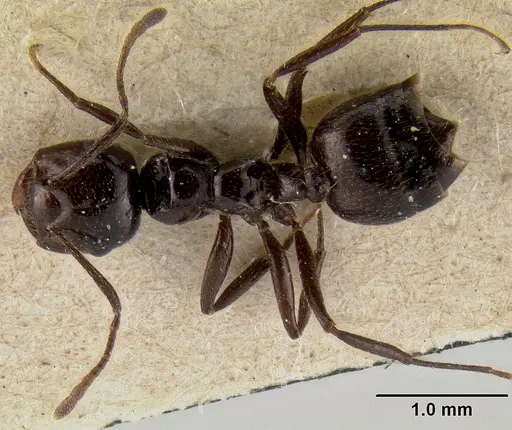
CASENT0193685
View on AntWeb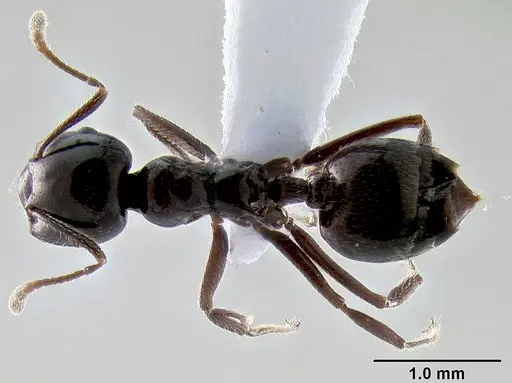
CASENT0193793
View on AntWeb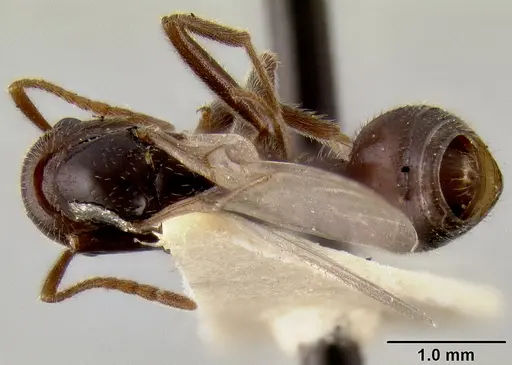
CASENT0193794
View on AntWeb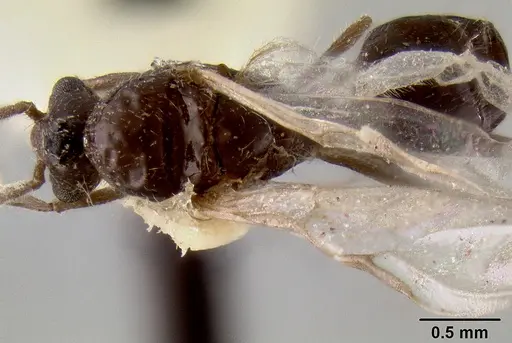
Literature
Loading...Loading products...