

Crematogaster margaritae
- Scientific Name
- Crematogaster margaritae
- Tribe
- Crematogastrini
- Subfamily
- Myrmicinae
- Author
- Emery, 1895
- Distribution
- Found in 1 countries
Crematogaster margaritae Overview
Crematogaster margaritae is an ant species of the genus Crematogaster. It is primarily documented in 1 countries , including Congo, Democratic Republic of the. Detailed taxonomic data and occurrence records can be further explored via authoritative databases such as AntWeb or the Global Biodiversity Information Facility (GBIF).
Crematogaster margaritae
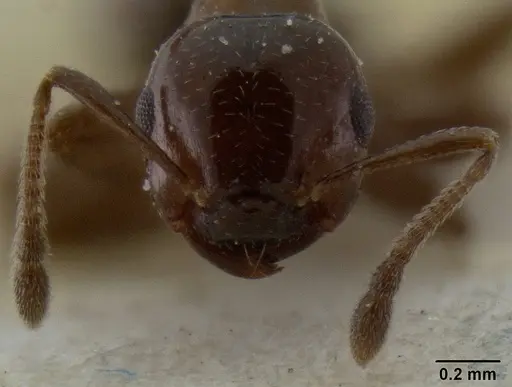
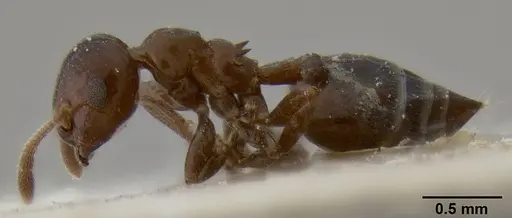
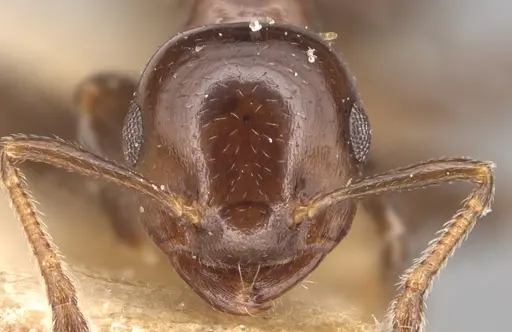
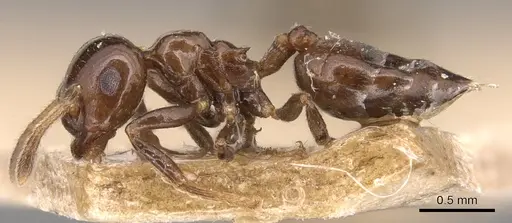
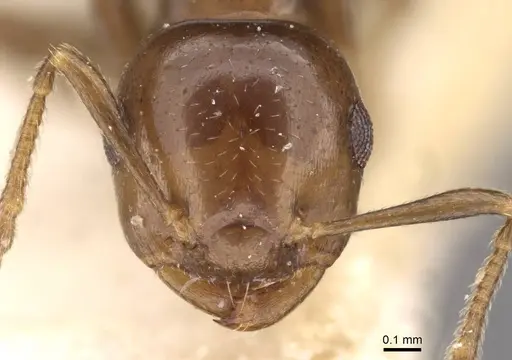
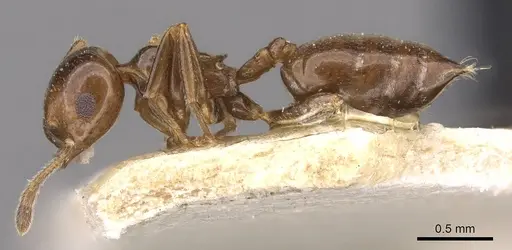
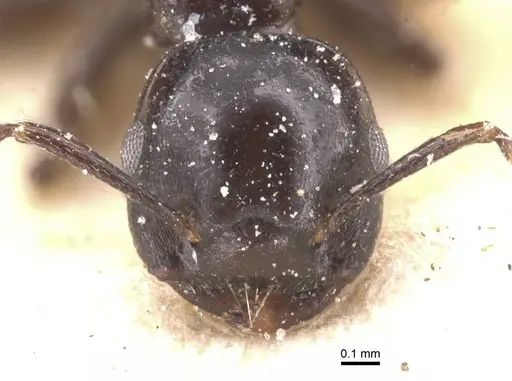
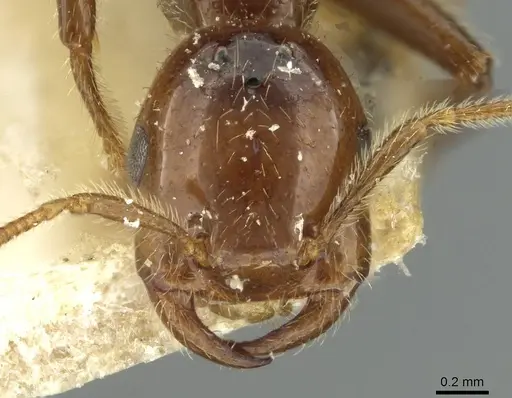
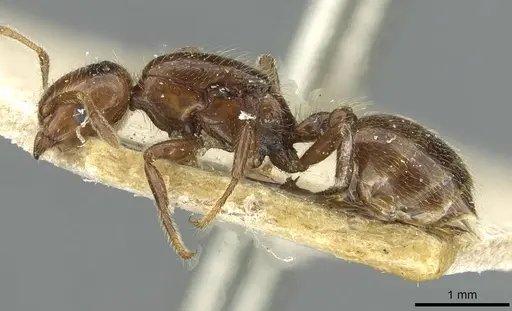
Crematogaster margaritae is a small to medium-sized ant species native to the Afrotropical region, specifically the Democratic Republic of Congo and surrounding areas. Workers are typically 3-5mm with the characteristic heart-shaped abdomen that Crematogaster ants are known for, they can raise their abdomen over their head like an acrobat, which is how they got their common name. The species is a member of the Crematogaster ranavalonae group and has several recognized subspecies including brevarmata, cupida, and lujae [1].
This species has a fascinating arboreal lifestyle, it nests exclusively in the domatia (hollow chambers) of specific ant-plants, particularly Keetia hispida, making it highly specialized in its nesting preferences [2]. The ants benefit their plant hosts by protecting them from herbivores while receiving shelter, and research has shown they also harbor beneficial bacteria and fungi in their nests that may help with nutrition and nest sanitation [3].
Quick Summary
- Difficulty: Medium
- Origin & Habitat: Native to the Afrotropical region, specifically the Democratic Republic of Congo (Mongala and Sankuru provinces) and Gambia. This species is endemic to central Africa. In the wild, they live exclusively in arboreal ant-plants, specifically the domatia (hollow chambers) of Keetia hispida and related plants in the Rubiaceae family [2][1].
- Colony Type: Colony structure is not fully documented in scientific literature. Based on typical Crematogaster patterns, they are likely polygynous (multiple queens) given their arboreal, plant-dwelling lifestyle, but this requires confirmation. They form mutualistic relationships with specific plants and likely have moderate colony sizes.
- Size & Growth:
- Queen: Estimated 6-8mm based on genus patterns, specific measurements not documented in available literature
- Worker: 3-5mm based on genus descriptions [1]
- Colony: Likely several hundred workers based on typical Crematogaster laeviusculal species, exact colony size unconfirmed
- Growth: Moderate, based on typical Crematogaster development patterns
- Development: Estimated 6-8 weeks at optimal temperature based on genus patterns (Development time is inferred from related Crematogaster species, specific data for this species is unavailable)
- Antkeeping:
- Temperature: Aim for 22-26°C. As a tropical African species, they prefer warm conditions. A gentle temperature gradient allows workers to regulate their exposure [2].
- Humidity: Keep humidity moderate to high, they naturally live in plant structures that maintain stable moisture. Aim for 60-80% relative humidity with good ventilation to prevent mold while maintaining moisture [2].
- Diapause: No, this is a tropical species that does not require hibernation. Keep them warm year-round.
- Nesting: This species is highly specialized for arboreal life. In captivity, they do best in setups that mimic their natural plant-dwelling habitat. Y-tong (acrylic) nests with narrow chambers work well, or naturalistic setups with artificial plant hollows. They prefer tight, enclosed spaces similar to plant domatia. Avoid large, open foraging areas, they feel safest in compact nesting spaces.
- Behavior: Crematogaster margaritae is generally calm and non-aggressive compared to many ant species. They are arboreal and spend most of their time in their nest structure, emerging to forage for honeydew and small prey. They have the characteristic acrobat behavior, raising their abdomen when disturbed, which is a defensive display. Workers are active foragers and will search for sugar sources and small insects. They are not particularly aggressive toward keepers but will defend their colony if threatened. Escape risk is moderate, they are small but not as prone to escaping as some tiny species, though good containment practices are still recommended.
- Common Issues: specialized nesting requirements, they need enclosed spaces mimicking plant domatia and may reject large open nests, humidity management is critical, too dry and brood dies, too wet and mold becomes a problem, tropical species cannot tolerate cold, temperatures below 18°C can be harmful, wild-caught colonies may carry parasites or be stressed from collection, quarantine and monitor closely, small colony sizes at acquisition mean slow growth and higher mortality risk during founding
Natural History and Distribution
Crematogaster margaritae is endemic to the Democratic Republic of Congo and surrounding areas in central Africa. The species was first described by Emery in 1895 and is known from the Mongala and Sankuru provinces of the DRC [1]. It belongs to the Crematogaster ranavalonae group and has several described subspecies including brevarmata, cupida, and lujae. This is a highly specialized species with a strong mutualistic relationship with specific ant-plants, particularly Keetia hispida, a member of the Rubiaceae family. The ants nest in the plant's domatia, specialized hollow chambers that the plant produces as shelter. This relationship is specific and beneficial to both parties: the ants protect the plant from herbivores while gaining a secure home [2]. Recent research has also discovered that these ants harbor beneficial bacteria (Streptomyces) in their nests, which may help break down plant material or fix nitrogen [3].
Housing and Nest Preferences
This species has very specific housing requirements due to its specialized arboreal lifestyle. In the wild, they live exclusively inside plant domatia, enclosed hollow chambers with stable humidity. In captivity, you need to replicate these conditions. Y-tong (acrylic) nests with tight, narrow chambers work well. You can also create naturalistic setups using artificial plant hollows or small cork bark pieces with hollow centers. The key is providing an enclosed, cozy space, these ants do not do well in large, open formicariums where they feel exposed. The nest should have small entrance holes and compact chambers. Outworld space can be simple since they are not heavy foragers. Use a test tube setup for founding colonies, then transition to a small acrylic nest once the colony reaches 20-30 workers. Ensure excellent escape prevention, while not the smallest ants, they can still squeeze through small gaps. [2]
Feeding and Diet
Based on typical Crematogaster behavior and their mutualistic relationship with plants, these ants likely feed on honeydew from aphids and scale insects, plus small insects for protein. Offer sugar water or honey as a constant energy source. For protein, provide small insects like fruit flies, pinhead crickets, or mealworm pieces. They are not large prey hunters, so keep prey items appropriately sized. In their natural plant habitat, they would have access to honeydew-producing insects on the plant. You can simulate this by placing aphid-infested plants near their nest or providing sugar water regularly. Feed protein 2-3 times per week for established colonies, and keep a sugar source available at all times. Remove uneaten prey after 24 hours to prevent mold.
Temperature and Seasonal Care
As a tropical African species, Crematogaster margaritae requires warm conditions year-round. Keep the nest area at 22-26°C, with a slight gradient if possible so workers can choose their preferred temperature. Room temperature in most homes should work if kept in the low-to-mid 20s°C range. They do not require hibernation or cooling periods, this is a non-diapausing species. Avoid any temperatures below 18°C as this can stress or kill the colony. If your room is cooler, use a heating cable on one side of the nest (placed on top of the nest, not underneath, to avoid drying out the substrate). Monitor colony activity, if workers are sluggish and cluster together, they may be too cold. Stable, warm temperatures year-round will support consistent brood development. [2]
Behavior and Colony Dynamics
Crematogaster margaritae exhibits the characteristic acrobat ant behavior, when disturbed, workers raise their abdomen over their head in a defensive display. This is their primary defense mechanism and serves to deter predators and threats. They are generally calm-tempered and not aggressive toward keepers, but they will defend their nest vigorously if the colony is threatened. The colony likely has multiple queens given typical Crematogaster laeviusculal patterns, though this specific species hasn't been studied in detail. Workers are active foragers that will venture out to collect sugar sources and small prey. They are not nocturnal, expect most activity during daylight hours. The colony will establish a clear territory between their nest chamber and foraging areas. They communicate using chemical signals and may use tandem-running (leading each other) to food sources, though this specific behavior hasn't been documented for this species.
Frequently Asked Questions
Is Crematogaster margaritae good for beginners?
This species is rated as medium difficulty and is not ideal for complete beginners. Their specialized arboreal nesting requirements and need for stable warm humidity make them more challenging than hardy species like Lasius or Messor. However, if you have experience with at least one other ant species and can provide the right conditions (enclosed nest spaces, tropical temperatures, moderate humidity), they can be rewarding.
What nest type is best for Crematogaster margaritae?
Y-tong (acrylic) nests with small, tight chambers work best. They need enclosed spaces that mimic the plant domatia they use in the wild. Avoid large, open formicariums, these ants feel exposed in spacious nests and may not thrive. A naturalistic setup with cork bark or artificial plant hollows can also work well.
How long does it take for first workers to appear?
Based on typical Crematogaster development, expect first workers (nanitics) approximately 6-8 weeks after the queen lays her first eggs, at optimal temperature (22-26°C). This is an estimate since specific development data for this species is not available. Patience is key, the first few months are the slowest.
Do Crematogaster margaritae ants sting?
Crematogaster ants have a stinger but rarely use it against humans. Their primary defense is the acrobat display, raising the abdomen to appear larger and more threatening. They are not considered dangerous to keepers and their sting, if it occurs, would be very mild.
What do Crematogaster margaritae eat?
They need a balanced diet of sugar and protein. Provide sugar water or honey constantly as an energy source. For protein, offer small insects like fruit flies, pinhead crickets, or small mealworm pieces 2-3 times per week. They are not large predators, so keep prey appropriately sized.
Do they need hibernation?
No. This is a tropical African species that does not require hibernation. Keep them warm year-round at 22-26°C. Cooling them down can stress or kill the colony.
How big do colonies get?
Exact colony size is unconfirmed for this species, but based on typical Crematogaster laeviusculal species, colonies likely reach several hundred workers. They are not among the largest ant species but can form substantial colonies over time.
Can I keep multiple queens together?
This has not been documented for this specific species. Based on typical Crematogaster patterns, they may be polygynous (multiple queens), but combining unrelated queens in captivity is risky and not recommended without specific evidence. If you acquire a wild colony, observe queen behavior before attempting to house multiple foundresses together.
Why are my ants not using the nest I provided?
Crematogaster margaritae needs enclosed, cozy spaces that mimic plant domatia. If your nest is too large or open, they may refuse it. Try a smaller Y-tong nest with tighter chambers, or use cork bark with a natural hollow. They prefer darkness and security, ensure the nest is not in direct light.
What temperature range is ideal?
Keep them at 22-26°C. This tropical species needs warmth year-round. Avoid temperatures below 18°C. A slight gradient allows workers to regulate their temperature by moving between warmer and cooler areas of the nest.
References

This caresheet is licensed under CC BY-SA 4.0 .
CASENT0193627
View on AntWeb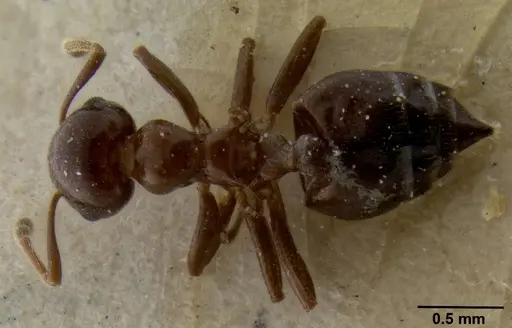
CASENT0193629
View on AntWeb
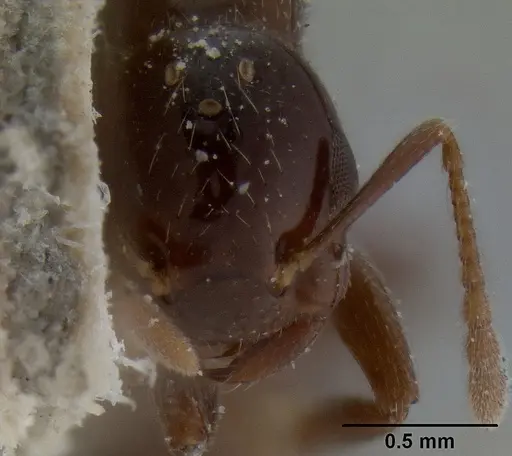
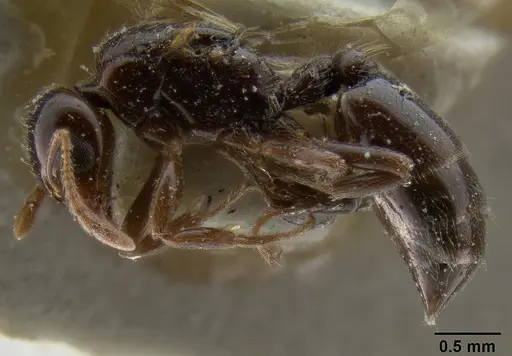
CASENT0193638
View on AntWeb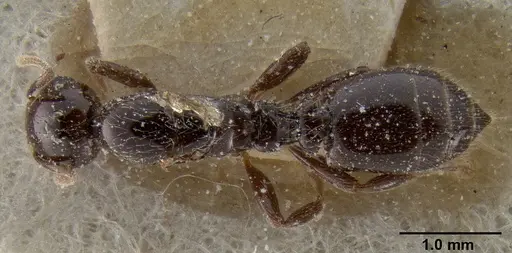
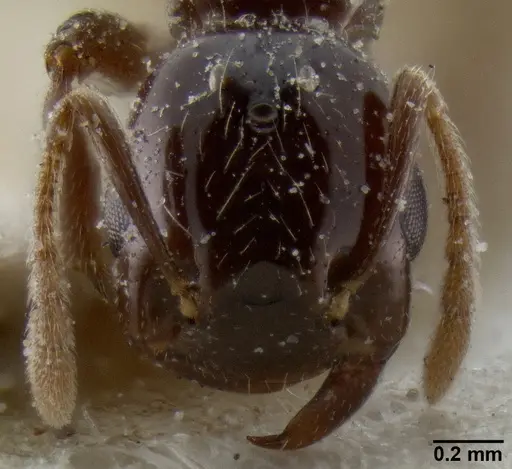
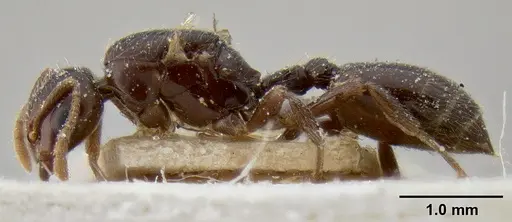
CASENT0904486
View on AntWeb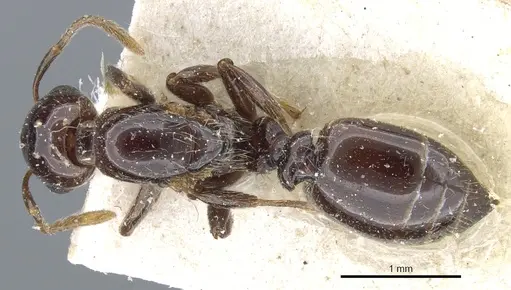
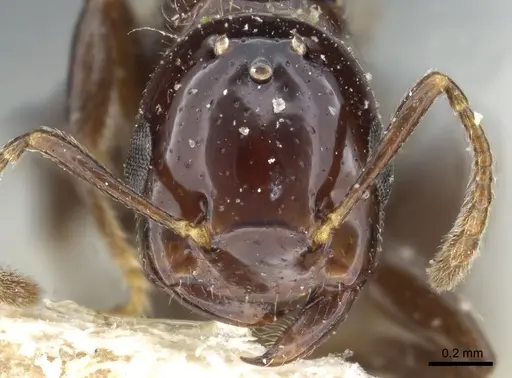
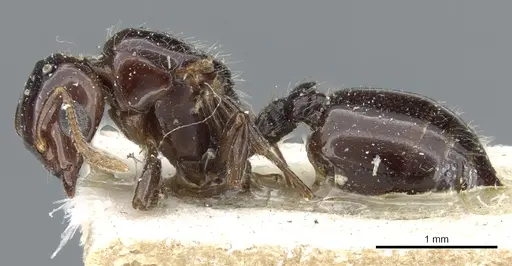
CASENT0904506
View on AntWeb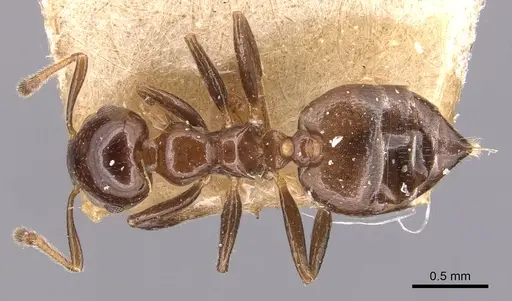
CASENT0908556
View on AntWeb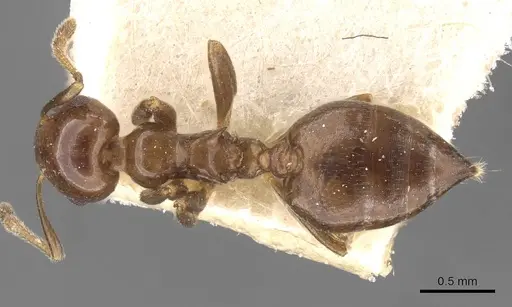
CASENT0912786
View on AntWeb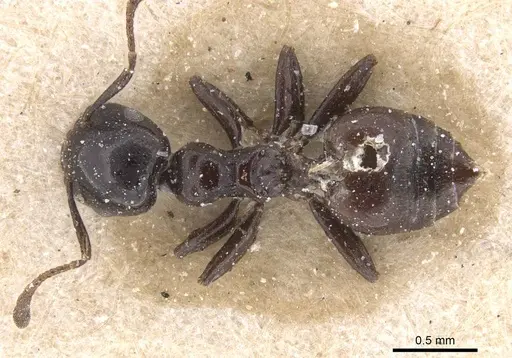
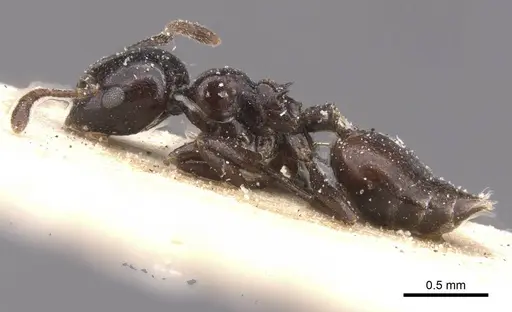
FOCOL0702
View on AntWeb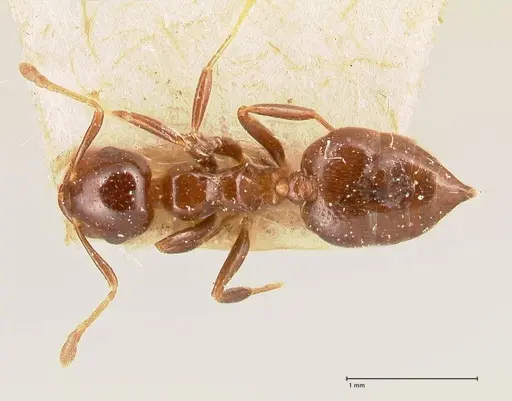
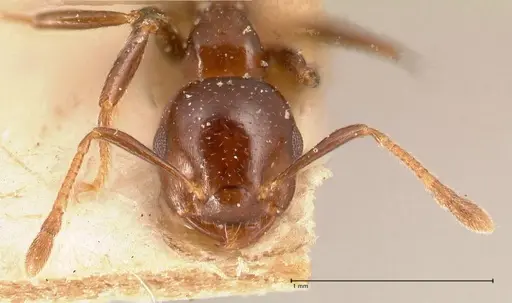
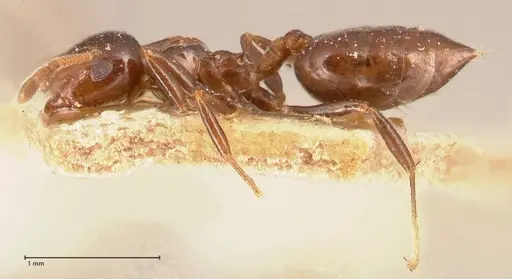
RMCAENT000017764
View on AntWeb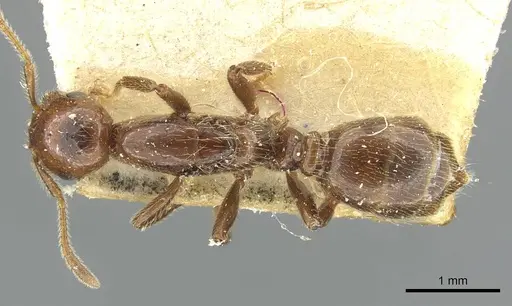
Literature
Loading...Loading products...