

Crematogaster mafybe
- Scientific Name
- Crematogaster mafybe
- Tribe
- Crematogastrini
- Subfamily
- Myrmicinae
- Author
- Blaimer, 2013
- Distribution
- Found in 1 countries
Crematogaster mafybe Overview
Crematogaster mafybe is an ant species of the genus Crematogaster. It is primarily documented in 1 countries , including Madagascar. Detailed taxonomic data and occurrence records can be further explored via authoritative databases such as AntWeb or the Global Biodiversity Information Facility (GBIF).
Crematogaster mafybe
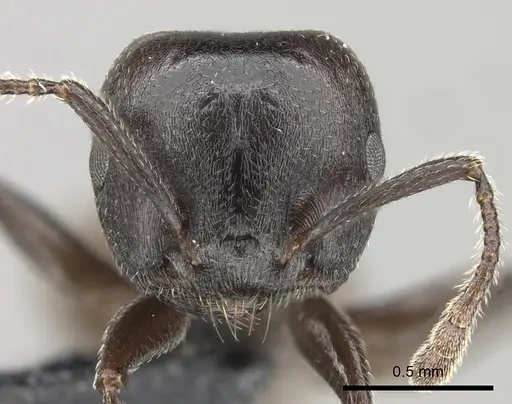
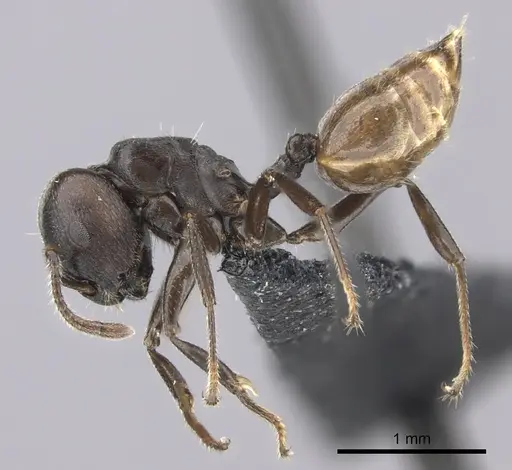
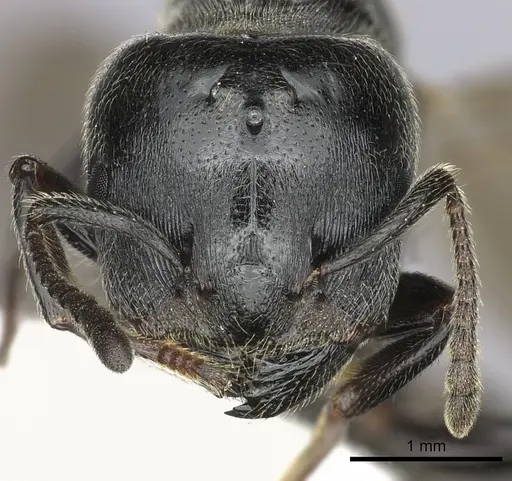
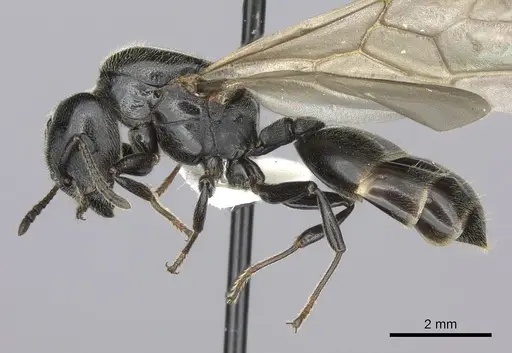
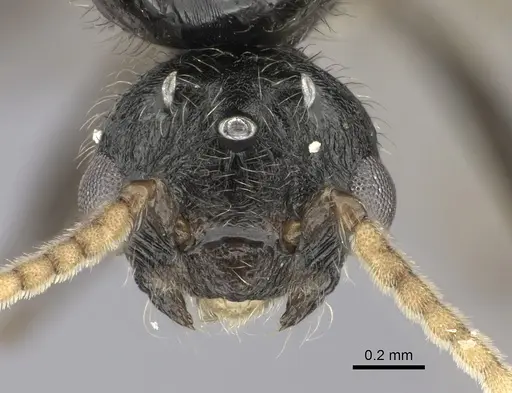
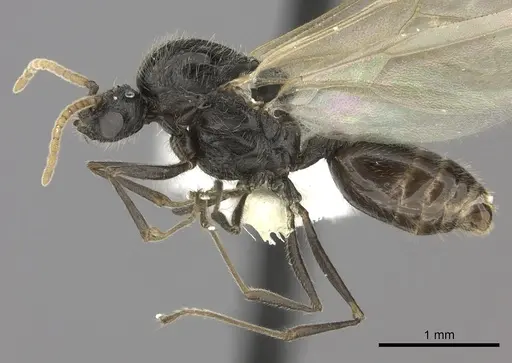
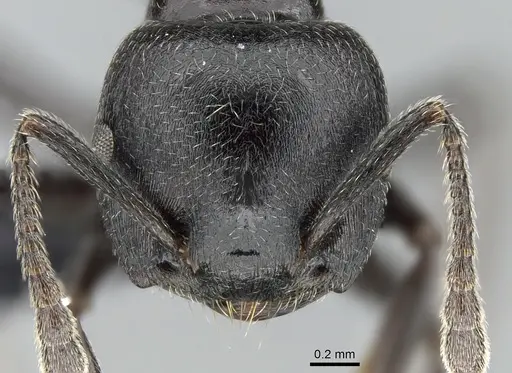
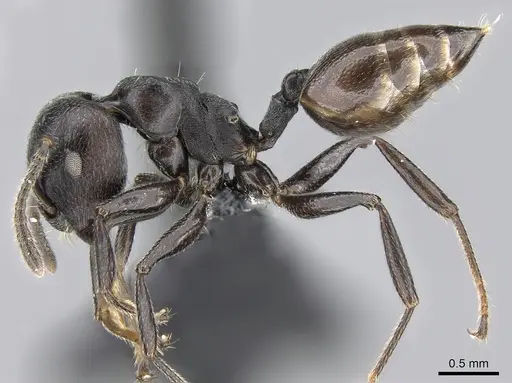
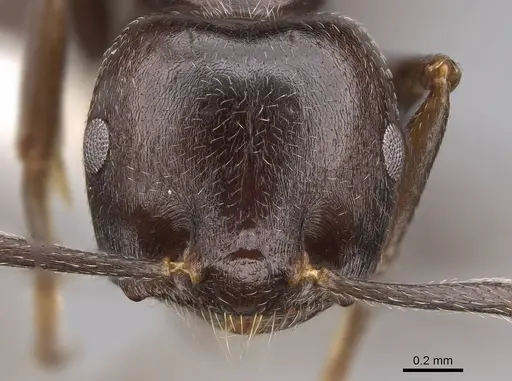
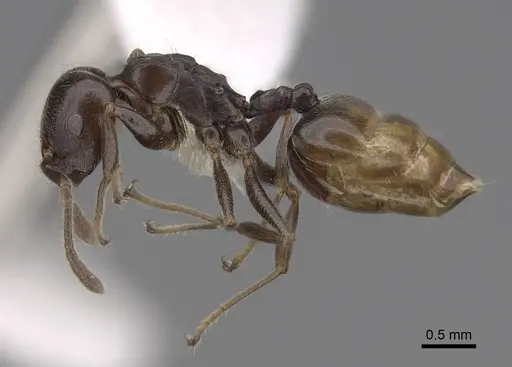
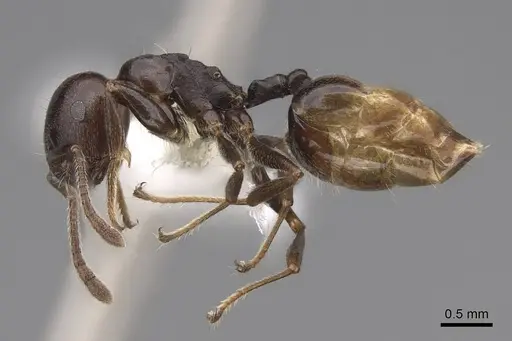
Crematogaster mafybe is a medium to large ant (workers 0.98-1.43mm) native to Madagascar's high-elevation rainforests and montane forests. They range from 700m to 2150m elevation across the central and south-central highlands, with some populations in northern coastal areas. Workers are black or brown with distinctive yellowish abdominal segments 4-7,and can be identified by their small eyes and the lack of pronotal spines, a unique feature shared only with Crematogaster lobata, from which they differ by having a distinct median groove on the pronotum [1][2]. This species is an arboreal nester in nature, typically colonizing dead branches and twigs above ground, though in montane habitats they also nest in rotten logs or under stones on the ground [1][2].
Quick Summary
- Difficulty: Medium
- Origin & Habitat: Madagascar high-elevation rainforests and montane forests (700-2150m elevation) in the central and south-central highlands, with disjunct populations in western Madagascar montane forests [1][2][3]
- Colony Type: Colony structure is unconfirmed, no data available on whether they are single-queen (monogyne) or multi-queen (polygyne)
- Size & Growth:
- Queen: Unconfirmed, no queen measurements documented in available literature
- Worker: 0.98-1.43mm head width,0.98-1.48mm Weber's length [1]
- Colony: Unknown, no colony size data available
- Growth: Unknown, growth rate has not been studied
- Development: Unconfirmed, no development data available. Based on typical Crematogaster patterns, expect 6-10 weeks at optimal temperature (Timeline is estimated from genus-level data since species-specific development has not been documented)
- Antkeeping:
- Temperature: Based on their high-elevation montane habitat (700-2150m), they likely prefer cooler conditions than typical tropical ants. Start around 20-24°C and observe colony activity. Avoid overheating, they come from cool mountain forests [1][2]
- Humidity: Moderate to high humidity preferred, montane rainforest conditions. Keep nest substrate moist but not waterlogged, with some drier areas available for the ants to regulate their own moisture levels
- Diapause: Unknown, no data on overwintering requirements. Their high-elevation habitat suggests they may tolerate or require cooler seasonal conditions
- Nesting: Arboreal in nature (dead branches, twigs) but also ground-nesting in montane areas (rotten logs, under stones). A Y-tong or acrylic nest with narrow chambers works well. Provide both vertical climbing structures and ground-level nesting options [1][2]
- Behavior: Typical Crematogaster behavior, they have a raised gaster as a defensive display when threatened. Workers are active foragers that likely tend honeydew-producing insects and hunt small prey. Their small size (under 1.5mm) means escape prevention should be taken seriously, use fine mesh and tight-fitting barriers. They are not aggressive but will defend their colony vigorously [1]
- Common Issues: high-elevation origin means they may be sensitive to overheating, keep away from direct heat sources, small size makes escape likely without proper barriers, use fine mesh and check connections regularly, lack of development data means you may need to experiment with temperature and feeding to find optimal conditions, arboreal nesting preference suggests they need climbing structures and may not thrive in purely horizontal nests, no colony size data makes it hard to predict maximum colony potential, plan for long-term setup
Nest Preferences and Housing
In the wild, Crematogaster mafybe nests in dead branches and twigs above ground (arboreal nesting), but in montane habitats they also use rotten logs on the ground and spaces under stones [1]. This flexibility suggests they can adapt to various nest types in captivity. A Y-tong (acrylic) nest or plaster nest works well, these provide the dark, enclosed spaces they prefer while allowing you to observe the colony. Since they naturally nest in elevated locations, consider adding some vertical elements or climbing structures within the outworld. Test tubes can work for founding colonies, but you may need to transition them to a more elaborate setup as the colony grows. The key is providing a nest area that stays consistently moist but not saturated, with the outworld having normal room humidity.
Feeding and Diet
Crematogaster species are generalist feeders that typically consume honeydew from aphids and scale insects, nectar from flowers, and small insects for protein. In captivity, you should offer a varied diet: sugar water or honey as a constant energy source, and protein-rich foods like fruit flies, small crickets, or mealworms. Since this is a relatively small ant (workers under 1.5mm), prey items should be appropriately sized, tiny insects are better accepted than large ones. Feed protein 2-3 times per week, and keep sugar water available at all times. Observe your colony's preferences and adjust accordingly, some colonies are more enthusiastic about certain foods than others.
Temperature and Environmental Conditions
This is one of the most important care considerations for C. mafybe. As a high-elevation specialist from Madagascar's montane forests (700-2150m elevation), they likely prefer cooler temperatures than typical tropical ants [1][2]. Start with a range of 20-24°C and monitor colony behavior, if workers are very lethargic or clustered together, they may need it slightly warmer, if they avoid the heated side of the nest, they may be too warm. Avoid placing the nest in direct sunlight or near heat sources that could cause overheating. Room temperature (around 20-22°C) is likely close to ideal. Unlike many tropical ants, they probably do not need heated setups, their natural habitat is cool mountain forest.
Behavior and Colony Dynamics
Crematogaster ants are known for their distinctive defensive behavior, when threatened, they raise their gaster (abdomen) forward over their head, ready to spray formic acid or bite. This species is not particularly aggressive toward keepers but will defend the nest vigorously if provoked. Workers are active foragers that likely search for honeydew, nectar, and small prey in the wild. The colony structure (single queen vs multiple queens) is unknown, so you should assume single-queen (monogyne) unless you observe otherwise. Their small size means they can squeeze through tiny gaps, excellent escape prevention is essential. Use tight-fitting lids, fine mesh on any ventilation, and check connections regularly. [1]
Acclimation and Long-Term Care
Since this species has not been commonly kept in captivity and limited biological data exists, be prepared for some experimentation to find optimal conditions. Start with moderate temperature (around 20-24°C), moderate to high humidity, and a varied diet. Observe how your colony responds over time, active workers, brood development, and colony growth indicate good conditions. If the colony struggles, try small adjustments: slightly warmer or cooler temperatures, more or less humidity, different food items. Keep detailed notes so you can learn what works for your specific colony. This is a rewarding species for experienced keepers who enjoy fine-tuning their ant care.
Frequently Asked Questions
How long does it take for Crematogaster mafybe to produce first workers?
The specific development timeline has not been documented for this species. Based on typical Crematogaster genus patterns, expect 6-10 weeks from egg to worker at optimal temperature. The exact timing depends on temperature and colony health, so monitor your colony and adjust conditions as needed.
What temperature do Crematogaster mafybe ants need?
As a high-elevation species from Madagascar's montane forests (700-2150m), they prefer cooler conditions than typical tropical ants. Aim for 20-24°C and avoid overheating. Room temperature is likely close to ideal, they do not need heated setups.
Can I keep Crematogaster mafybe in a test tube?
Test tubes can work for founding colonies, but this species naturally nests in arboreal locations (dead branches and twigs) and may prefer a more elaborate setup with climbing structures. Consider transitioning to a Y-tong or plaster nest as the colony grows.
Do Crematogaster mafybe ants sting?
Crematogaster ants can bite and spray formic acid as a defense, but they are not considered dangerous to humans. Their small size means any bite would be minimal. They raise their gaster as a warning display before using chemical defenses.
Are Crematogaster mafybe good for beginners?
This species is rated as Medium difficulty. While not the most challenging ant, the lack of species-specific care data means you may need to experiment to find optimal conditions. Experienced antkeepers who enjoy fine-tuning setups will have the best success.
What do Crematogaster mafybe eat?
Like other Crematogaster species, they are generalists. Offer sugar water or honey as a constant energy source, and protein-rich foods like small insects (fruit flies, pinhead crickets, mealworms) 2-3 times per week.
How big do Crematogaster mafybe colonies get?
Colony size data is not available for this species. Based on worker size and typical Crematogaster patterns, expect moderate-sized colonies. Plan for a setup that can accommodate growth over several years.
Do Crematogaster mafybe need hibernation?
Diapause requirements are unknown. Their high-elevation habitat suggests they may tolerate cooler seasonal conditions, but whether they require a true hibernation period has not been studied. Monitor your colony's seasonal behavior and adjust accordingly.
Why are my Crematogaster mafybe dying?
Common causes include: overheating (keep below 24°C), escape due to small size (use fine mesh barriers), improper humidity (too dry or too wet), or stress from transport if wild-caught. Review your setup against the recommended conditions and make incremental adjustments.
References

This caresheet is licensed under CC BY-SA 4.0 .
CASENT0141219
View on AntWeb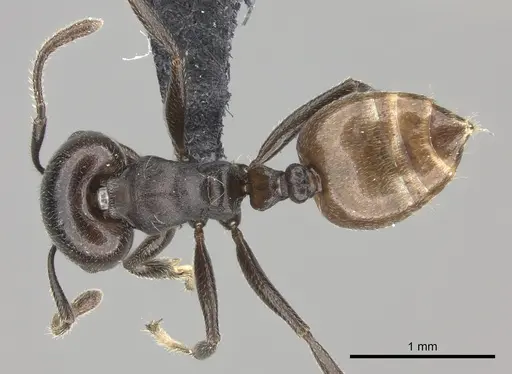
CASENT0193464
View on AntWeb
CASENT0193465
View on AntWeb
CASENT0317762
View on AntWeb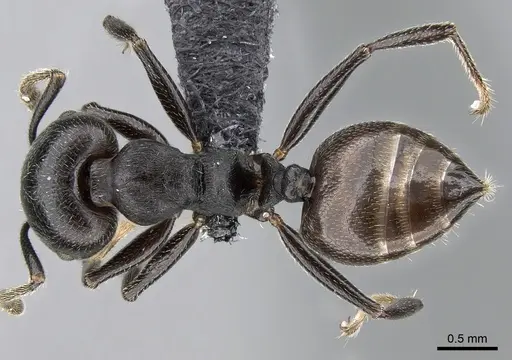
CASENT0922643
View on AntWeb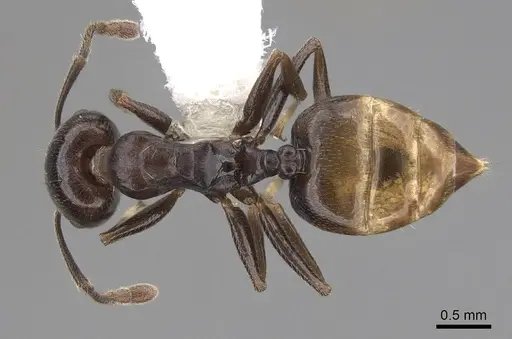
Literature
Loading...Loading products...