
Crematogaster limata
- Scientific Name
- Crematogaster limata
- Subgenus
- Orthocrema
- Tribe
- Crematogastrini
- Subfamily
- Myrmicinae
- Author
- Smith, 1858
- Distribution
- Found in 12 countries
Crematogaster limata Overview
Crematogaster limata is an ant species of the genus Crematogaster. It is primarily documented in 12 countries , including Brazil, Colombia, Costa Rica. Detailed taxonomic data and occurrence records can be further explored via authoritative databases such as AntWeb or the Global Biodiversity Information Facility (GBIF).
Crematogaster limata
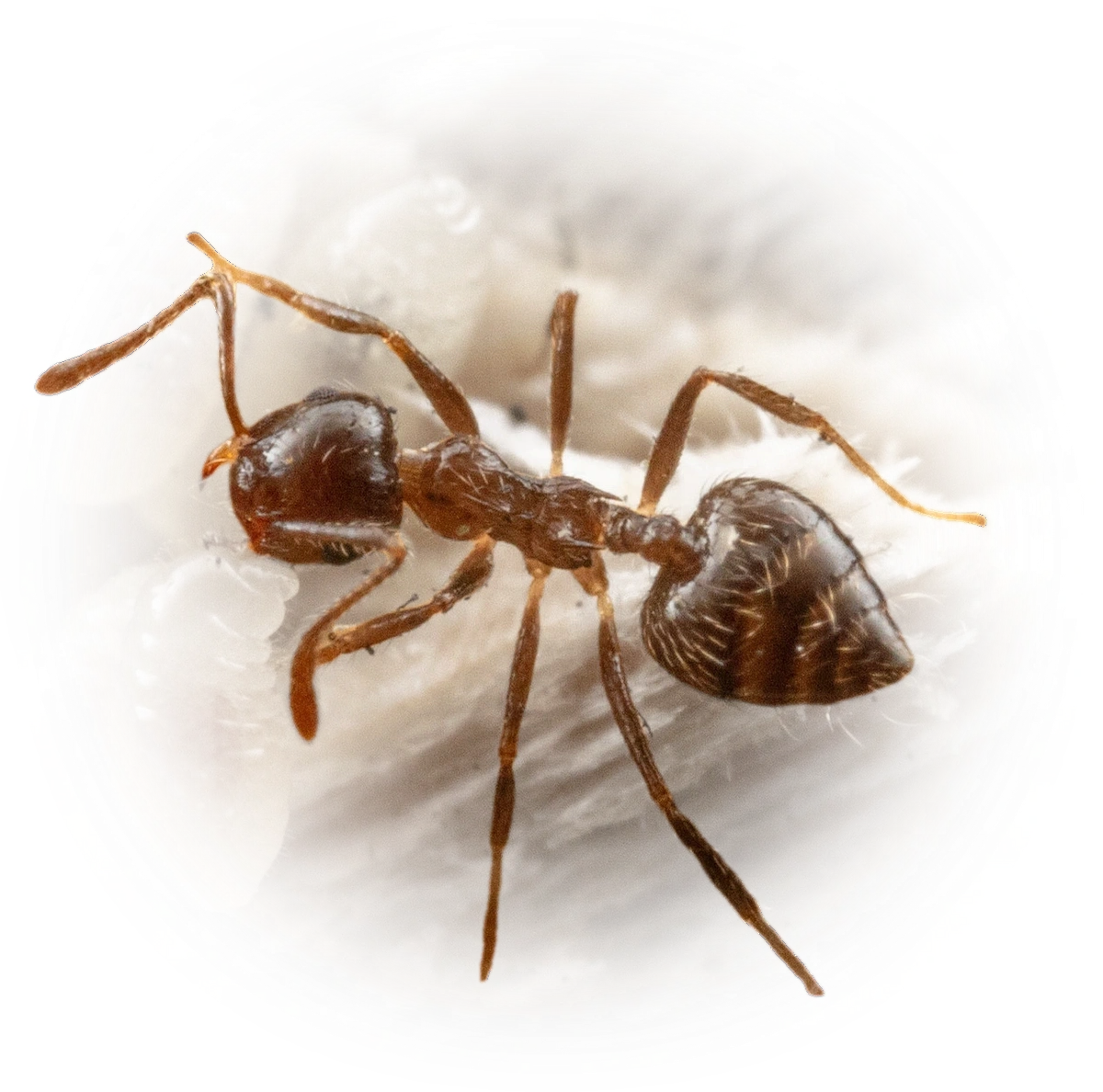
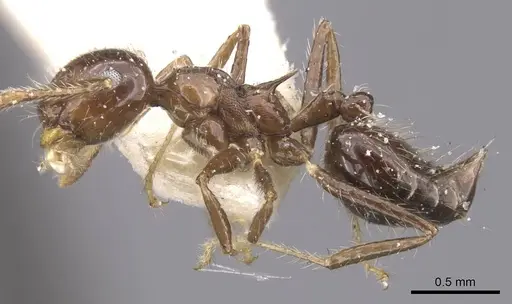
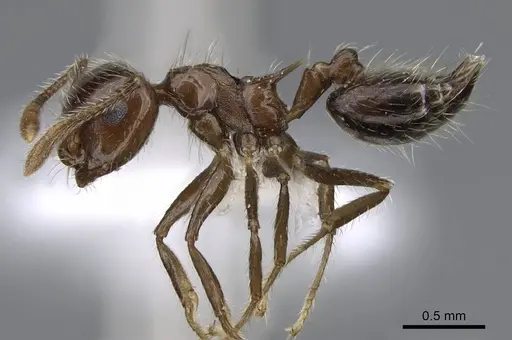
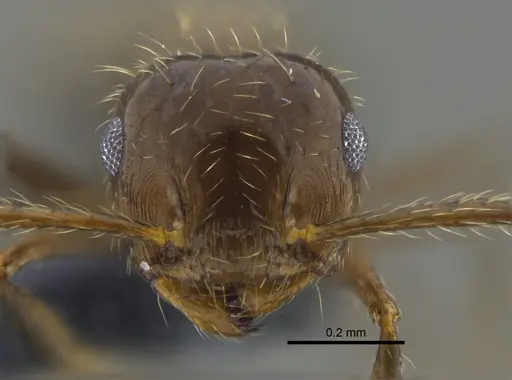
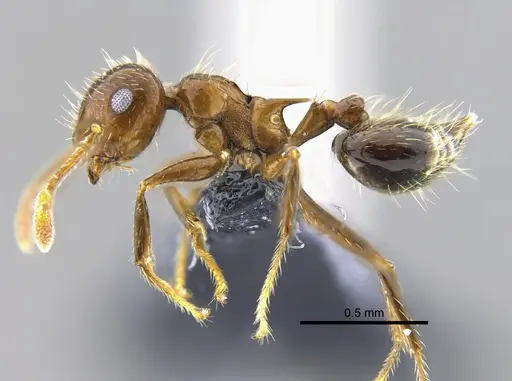
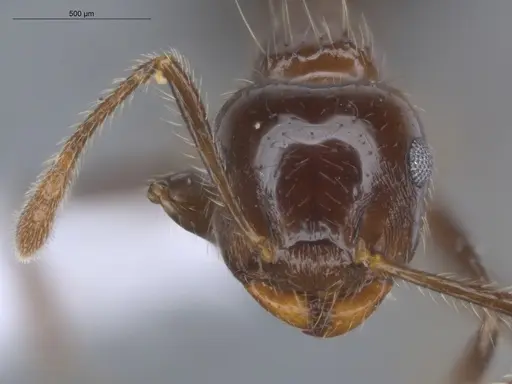
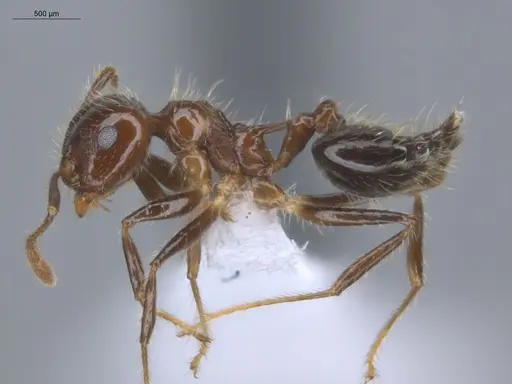
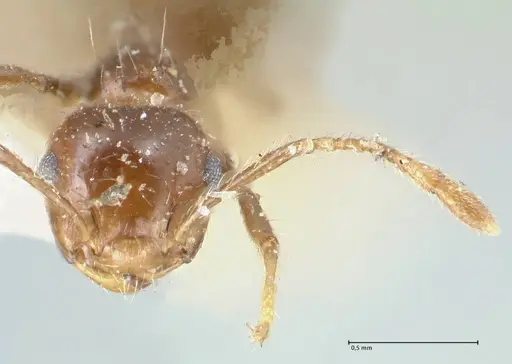
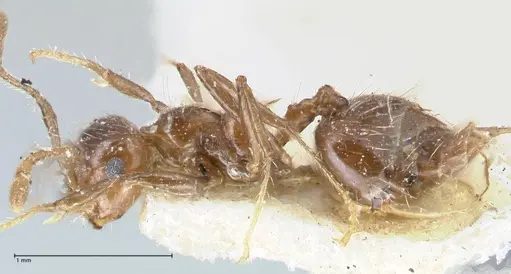
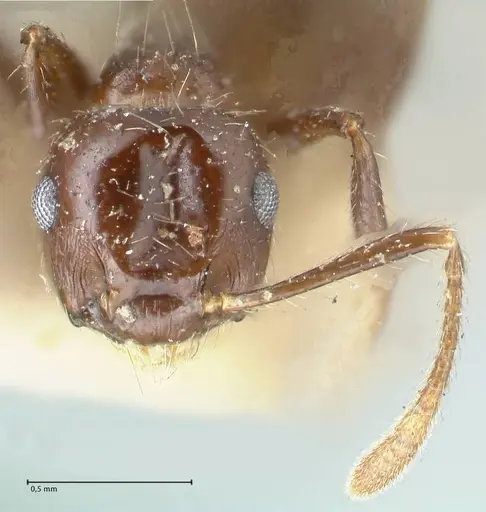
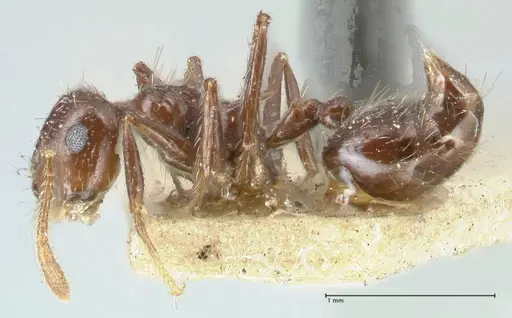
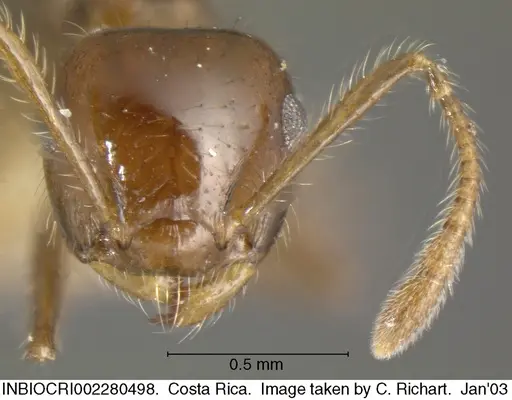
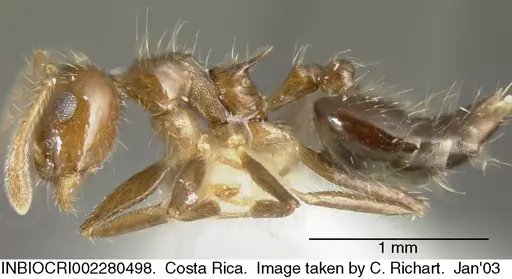
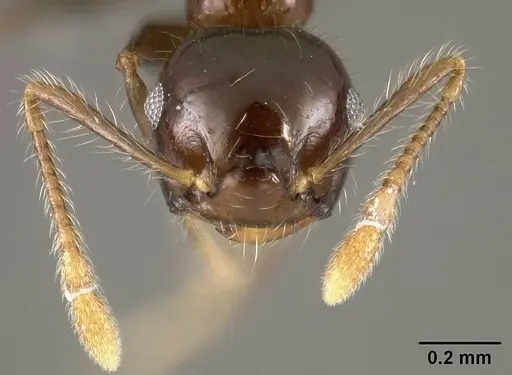
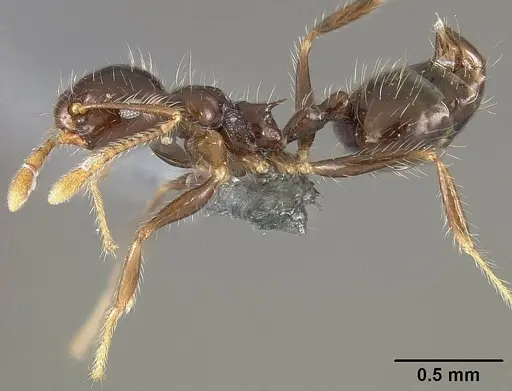
Crematogaster limata is a small, reddish-brown ant known for its distinctive heart-shaped gaster that it raises like an acrobat when threatened, hence the common name 'acrobat ant.' Workers measure around 2.7mm and have long propodeal spines and abundant white setae covering their body. This species ranges from Mexico down to Bolivia and southern Brazil, living in wet forests from sea level to 1000m elevation [1][2].
What makes C. limata fascinating is its incredibly flexible lifestyle, it can form colonies with a single queen or pack in dozens of queens, nesting in everything from dead sticks and plant stems to abandoned wasp nests and even Cecropia tree hollows. They form remarkable associations with larger ant species, notably conducting periodic 'raids' on Ectatomma tuberculatum nests where they climb onto the bigger ants and lick their bodies for sugary secretions. They also live in parabiotic harmony with Camponotus femoratus in ant gardens [1][3].
Quick Summary
- Difficulty: Easy
- Origin & Habitat: Wet forests from Mexico to Bolivia and southern Brazil, most abundant in disturbed areas from sea level to 1000m elevation [1][4]
- Colony Type: Flexible colony structure, can be monogyne (single queen) or polygynous (multiple queens). One documented colony had 21 physogastric queens. Colonies are polydomous, spreading across multiple nest sites over a cubic meter or more [1].
- Colony: Optionally polygyne
- Founding: Claustral, Pleometrosis
- Size & Growth:
- Queen: Approximately 6-7mm (estimated from genus patterns)
- Worker: 2.7mm [5]
- Colony: Large polydomous colonies can fill many cavities over 30m or more [6]
- Growth: Moderate, tropical species with relatively fast development
- Development: 4-8 weeks (estimated based on similar tropical Myrmicinae) (Direct development timeline not documented, estimate based on genus patterns for tropical species)
- Antkeeping:
- Temperature: Keep at 24-28°C, they are a tropical species that thrives in warm, humid conditions [1]
- Humidity: Requires high humidity, keep substrate consistently moist. These ants naturally live in wet forest environments and need damp conditions [1]
- Diapause: No, as a tropical species, they do not require hibernation or winter dormancy [4]
- Nesting: Cavity nester by nature, in the wild they nest in dead sticks, plant stems, and small cavities. In captivity, test tubes, acrylic nests, or wooden setups with narrow chambers work well. Provide multiple connected chambers to accommodate their polydomous tendency [1][7]
- Behavior: Workers are aggressive defenders of food resources, when threatened, they raise their heart-shaped gasters and may exude venom droplets. They recruit strongly to protein baits and are dominant at food sources, often monopolizing baits. Forage both day and night. They are skilled climbers and may escape if given the chance, use barrier gel or fluon on smooth surfaces. Generally peaceful toward conspecifics from the same colony but aggressive toward other ant species [6][1].
- Common Issues: colonies can become polydomous and spread across multiple nest chambers, ensure all connections are secure, strong recruitment to food means they can quickly overwhelm and monopolize baits, aggressive defense behavior includes venom deposition, handle gently, tropical humidity requirements mean mold can be an issue if ventilation is poor, may be confused with other Crematogaster species in the limata complex, identification can be tricky
Housing and Nest Setup
Crematogaster limata is a cavity-nesting species that naturally inhabits small spaces like dead sticks, plant stems, and abandoned insect nests. In captivity, provide test tubes for founding colonies and acrylic or wooden formicaria with narrow chambers once the colony grows. The key is matching chamber size to their small 2.7mm workers, tight passages help them feel secure. Since they naturally form polydomous colonies (multiple connected nests), you can provide several chambers connected by tubing. Use a water tube for humidity but avoid flooding, these ants prefer moist substrate without being waterlogged. A layer of substrate that stays damp but not soggy works best. [1][7]
Feeding and Diet
These ants are omnivorous foragers that recruit strongly to protein sources. In the wild, they attend extrafloral nectaries and tend Homoptera (aphids, scale insects) for honeydew, and they actively hunt small prey. In captivity, offer sugar water or honey as a constant energy source, and provide protein foods like small crickets, mealworms, or other insects 2-3 times per week. They are aggressive recruiters, when you add protein, expect dozens of workers to arrive within minutes. Remove uneaten prey after 24 hours to prevent mold. Their strong recruitment to baits makes them excellent for observing ant behavior, but be prepared for them to dominate any food you provide [1][5].
Temperature and Humidity
As a tropical species from Central and South American wet forests, C. limata needs warm, humid conditions. Keep temperatures in the 24-28°C range, room temperature often works well, but you may need a heating cable on cold days. They tolerate brief temperature drops but grow best in consistently warm conditions. Humidity should be moderate to high, the substrate should feel damp to the touch. Use a water tube connected to the nest area and mist occasionally, but ensure good ventilation to prevent mold buildup. These ants do not require any diapause or hibernation period [1][4].
Colony Structure and Growth
One of the most interesting aspects of C. limata is its flexible social structure. Colonies can be monogynous (single queen) or polygynous (multiple queens), and one documented wild colony had 21 physogastric egg-laying queens. Additionally, they are polydomous, the colony spreads across multiple nest sites, with a central nest containing the queen and brood, and peripheral nests with workers only. In captivity, you may eventually need to provide additional chambers as the colony expands. Growth is moderate, expect the first workers (nanitics) within 4-8 weeks after founding, then steady growth over months and years. Large colonies can become quite impressive [1].
Behavior and Defense
When threatened, C. limata workers display their characteristic acrobat defense, they raise their heart-shaped gaster upward, potentially exuding venom droplets as a repellent. This is why they're called acrobat ants. In confrontations with other ant species, they are aggressive and often dominant, capable of monopolizing food baits. They forage both day and night and recruit heavily to discovered food sources. In the wild, they have fascinating interactions with the larger ant Ectatomma tuberculatum, periodically 'raiding' those nests to lick the bigger ants and steal honeydew. They are also known to live in parabiotic association with Camponotus femoratus in ant gardens [1][6][8].
Unique Ecological Associations
Crematogaster limata has some remarkable relationships with other species in the wild. They are frequently found in parabiotic associations with Camponotus femoratus, sharing nests and trail systems while using different food resources. They also conduct unusual 'raids' on Ectatomma tuberculatum nests, workers stream into the larger ants' nests, climb onto their bodies, and lick honeydew from their mouths. The E. tuberculatum workers tolerate this behavior. Additionally, while they have been reported in ant gardens, confirmation is lacking, other species like C. carinata and C. levior are the primary ant garden formers. These associations make C. limata particularly interesting for observing complex ant interactions [1][3][8].
Frequently Asked Questions
Is Crematogaster limata a good beginner ant?
Yes, this species is beginner-friendly. They are relatively hardy, don't require hibernation, and are not particularly aggressive toward their keepers. Their small size and simple humidity needs make them manageable. The main challenges are providing proper humidity and containing their strong foraging activity.
How long does it take for Crematogaster limata to produce first workers?
Expect first workers (nanitics) within 4-8 weeks after the queen lays eggs, based on typical tropical Myrmicinae development. The exact timeline depends on temperature, warmer conditions speed development. Be patient during founding as the queen needs time to raise her first brood alone.
Can I keep multiple queens together?
Yes, C. limata is facultatively polygynous, colonies can have either single or multiple queens. In the wild, polygynous colonies with many queens are common. However, when combining unrelated foundress queens, introduce them carefully and monitor for aggression. Pleometrosis (multiple queens founding together) has been observed in the wild but is not guaranteed to work in captivity.
Do Crematogaster limata ants sting?
They have a stinger but rarely use it on humans. Their main defense is raising their gaster and exuding venom droplets as a chemical repellent, this is where their 'acrobat ant' name comes from. They are not considered dangerous to humans.
What do Crematogaster limata eat?
They are omnivorous. Offer sugar water or honey as a constant energy source, and provide protein like small insects (crickets, mealworms, fruit flies) 2-3 times per week. They will also attend artificial honey baits and can be attracted to protein baits for observation.
Do they need hibernation?
No. As a tropical species from Central and South America, they do not require diapause or hibernation. Keep them at warm room temperature (24-28°C) year-round.
What size colony do they reach?
Colonies can become very large. In the wild, polydomous colonies can spread across 30 meters or more. In captivity, healthy colonies can reach several thousand workers over several years. They are considered dominant ant species in their range.
How do I identify Crematogaster limata?
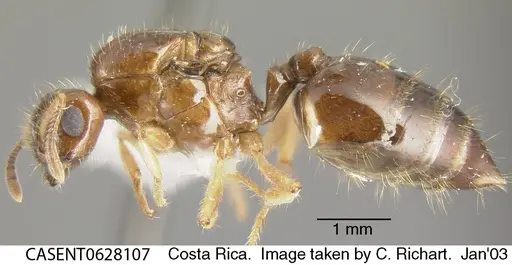
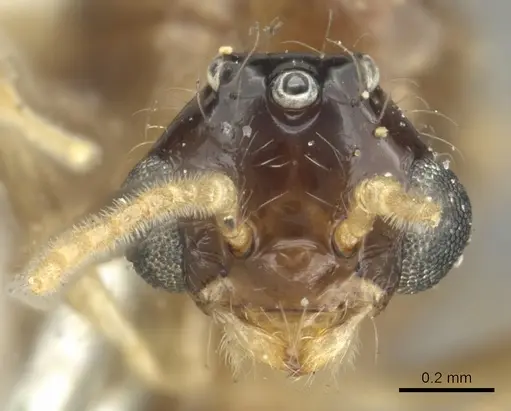
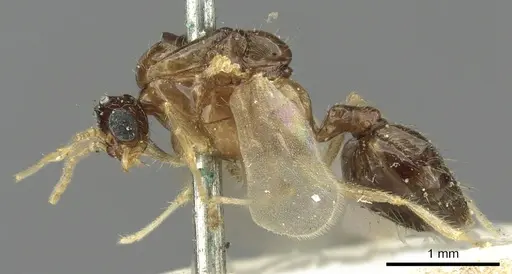
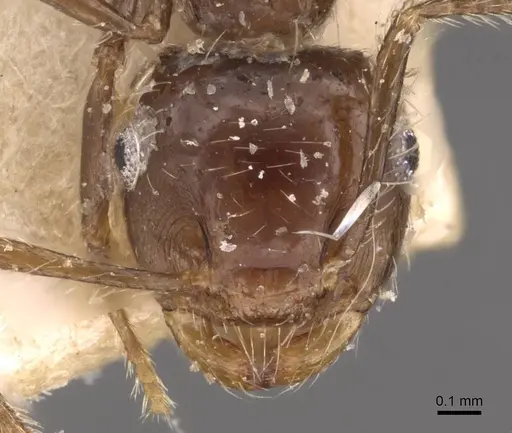
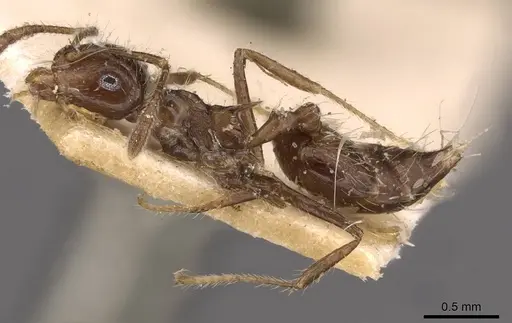
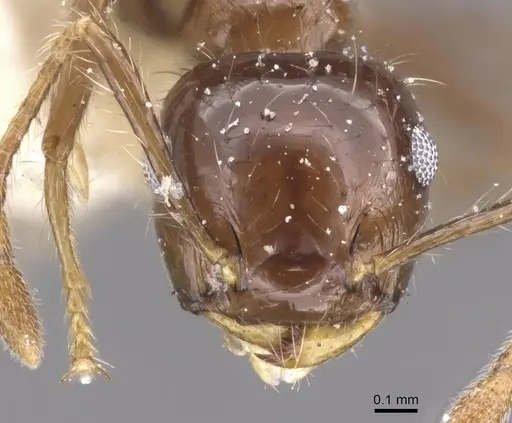
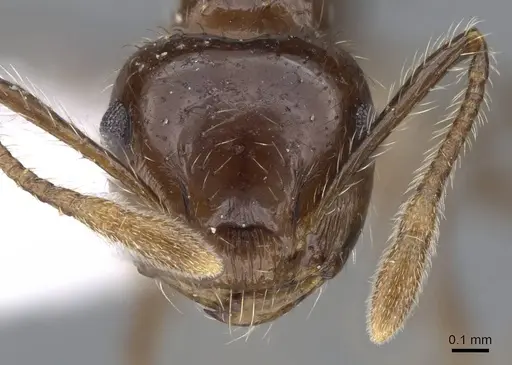
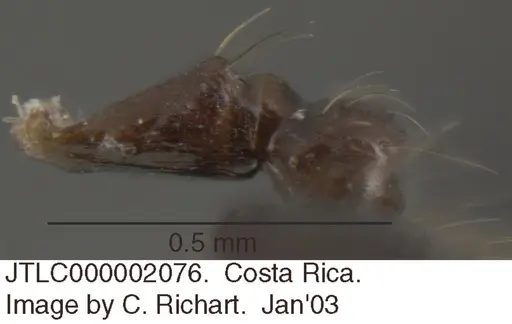
C. limata workers are small (2.7mm), reddish-brown, with a distinctive heart-shaped gaster. They have long propodeal spines and abundant white setae on their face and body. The key identification feature within the limata complex is the absence of ventral teeth on both the petiole and postpetiole. They can be confused with C. carinata, C. brasiliensis, and C. tenuicula.
Why are they called acrobat ants?
When threatened, they raise their heart-shaped gaster upward in a distinctive 'handstand' pose, like an acrobat balancing on their head and hands. This display is accompanied by potential venom release, serving as a warning to predators and threats.
References

This caresheet is licensed under CC BY-SA 4.0 .
CASENT0628107
View on AntWeb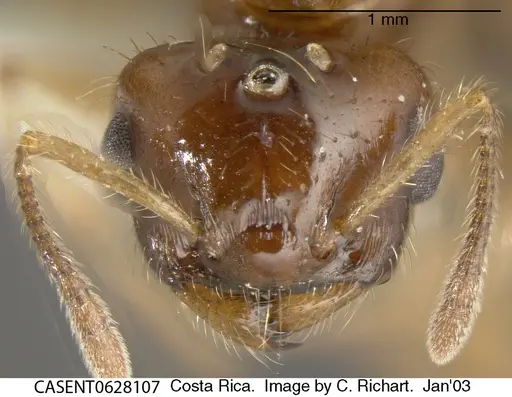
CASENT0902158
View on AntWeb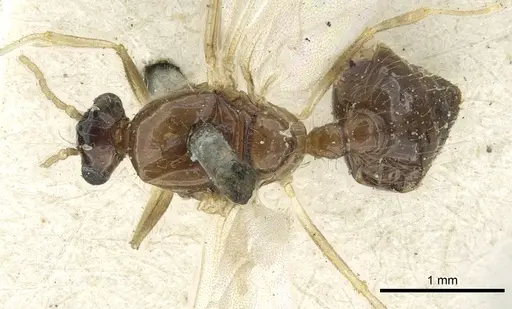
CASENT0908434
View on AntWeb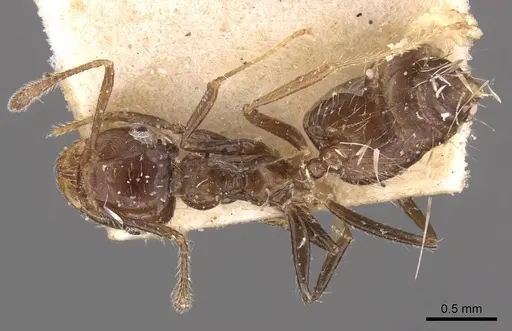
CASENT0912774
View on AntWeb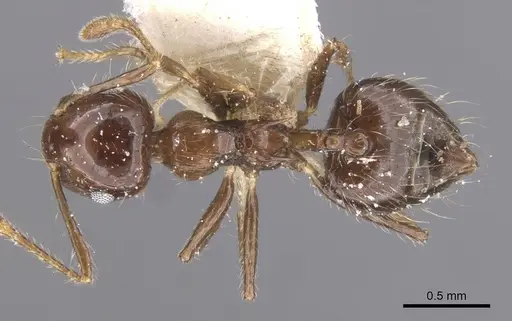
CASENT0914571
View on AntWeb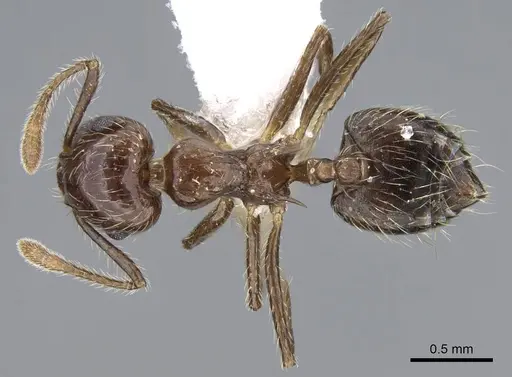
CBUMAGENT41952
View on AntWeb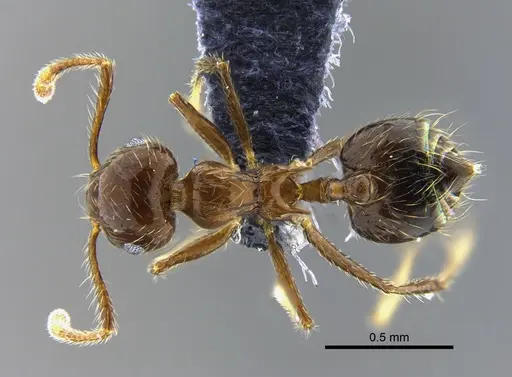
ECOFOG-IT14-1001-10
View on AntWeb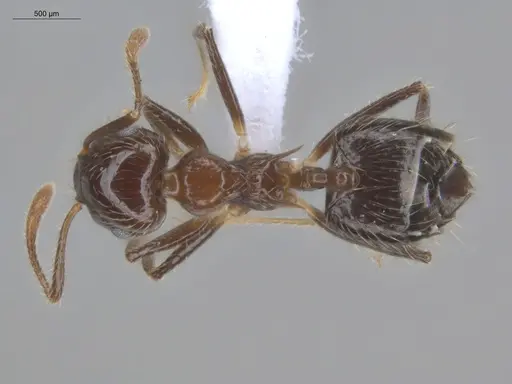
FOCOL1627
View on AntWeb
FOCOL1628
View on AntWeb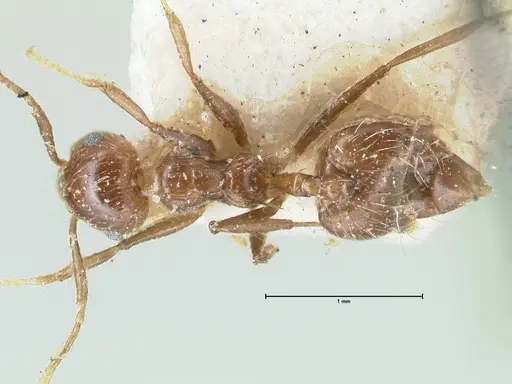
FOCOL1629
View on AntWeb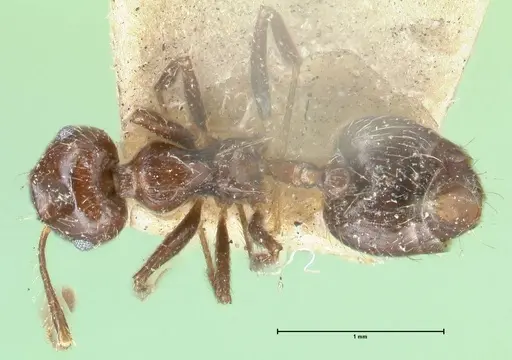
INBIOCRI002280498
View on AntWeb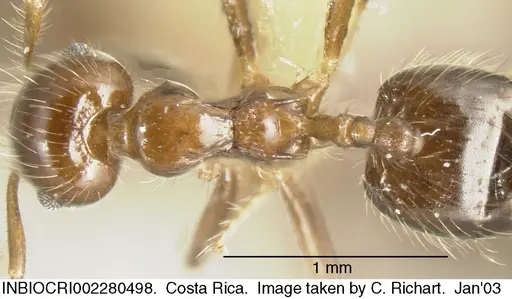
JTLC000002076
View on AntWeb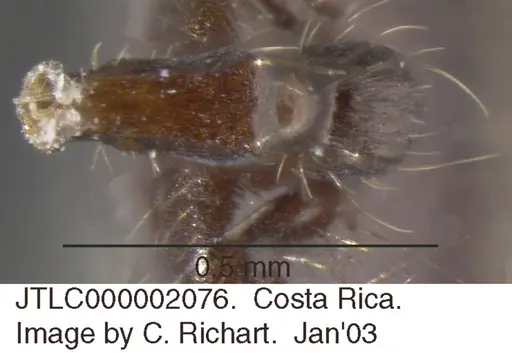
USNMENT01124278
View on AntWeb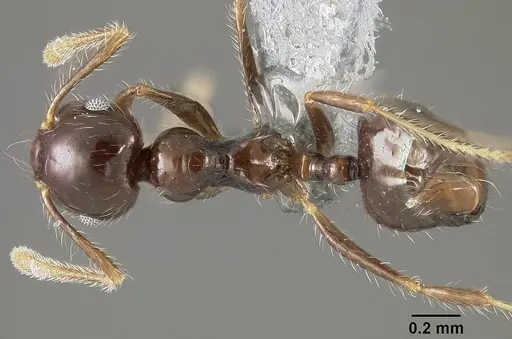
Literature
Loading...Loading products...