

Crematogaster laevis
- Scientific Name
- Crematogaster laevis
- Subgenus
- Orthocrema
- Tribe
- Crematogastrini
- Subfamily
- Myrmicinae
- Author
- Mayr, 1878
- Distribution
- Found in 5 countries
Crematogaster laevis Overview
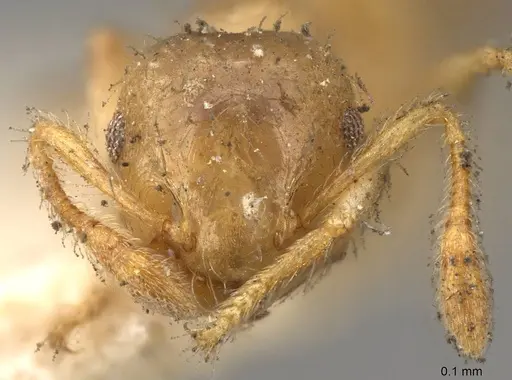
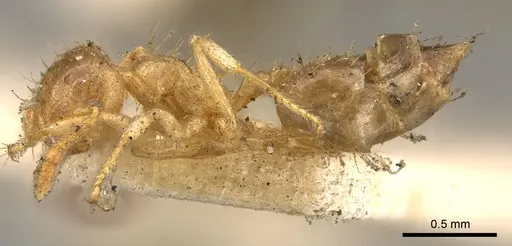
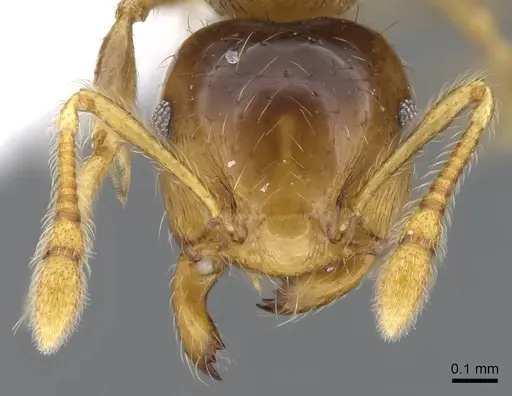
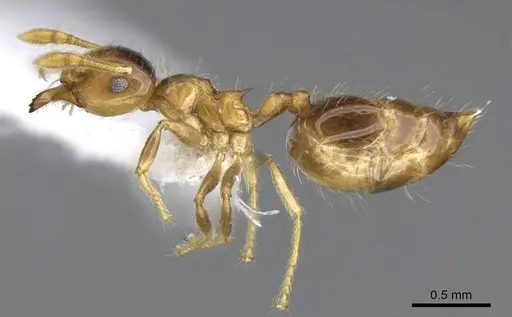
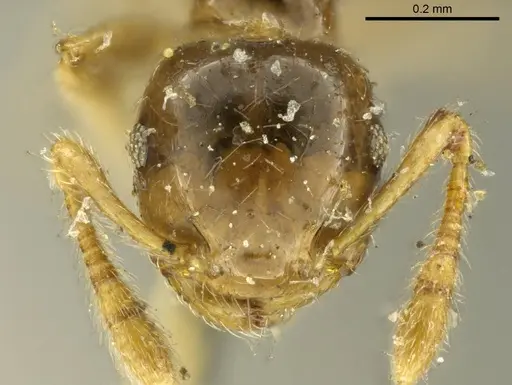
Crematogaster laevis is an ant species of the genus Crematogaster. It is primarily documented in 5 countries , including Brazil, Ecuador, Grenada. Detailed taxonomic data and occurrence records can be further explored via authoritative databases such as AntWeb or the Global Biodiversity Information Facility (GBIF).
Crematogaster laevis
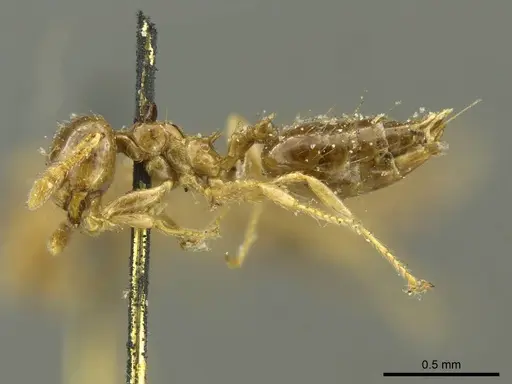
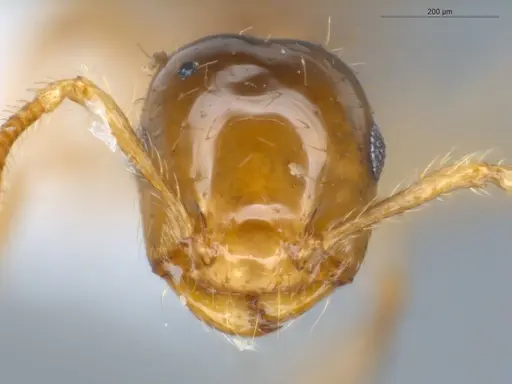
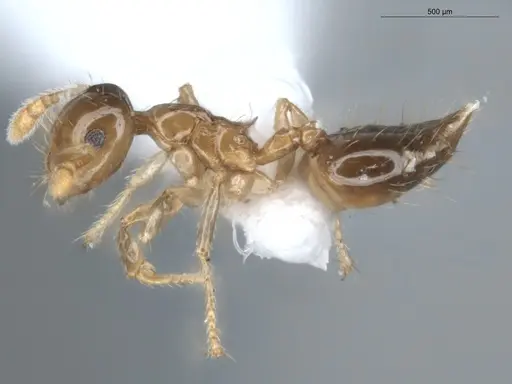
Crematogaster laevis is a small tropical ant species native to the Amazonian region of South America. Workers are tiny, measuring just 2-3mm, with the characteristic Crematogaster heart-shaped gaster that they raise when threatened. They have a reddish-brown to dark brown coloration typical of many Crematogaster species. This species is a specialized plant-ant (myrmecophyte) that lives inside hollow structures called domatia found in certain Amazonian plants [1][2].
What makes C. laevis particularly interesting is its role as a plant-ant mutualist. Unlike some aggressive plant-ants that fiercely defend their host plants, these ants provide relatively poor defense against herbivores. They compete with other plant-ant species like Azteca and Pheidole minutula for access to host-plant seedlings, with queens dispersing roughly 40 meters to find new plants, eight times farther than Azteca but half the distance of Pheidole minutula [1][3]. This species demonstrates the trade-off between dispersal ability and competitive ability in ant-plant symbioses.
Quick Summary
- Difficulty: Medium
- Origin & Habitat: Native to the Amazonian Neotropics, found in Brazil, Peru, French Guiana, and Bolivia. Inhabits tropical rainforest environments where it lives inside domatia (hollow structures) of myrmecophyte plants like Maieta guianensis and Tococa bullifera [4][1][5].
- Colony Type: Colony structure is not well documented in scientific literature. Based on typical Crematogaster patterns, likely monogyne (single queen per colony) but facultatively polygyne in some situations. Queens found new colonies by colonizing empty domatia in host plant seedlings [1].
- Colony: Monogyne
- Founding: Semi-claustral
- Size & Growth:
- Queen: Estimated 4-5mm based on genus patterns, direct measurements not available
- Worker: Estimated 2-3mm based on genus patterns, direct measurements not available
- Colony: Likely several hundred workers based on typical Crematogaster colony sizes
- Growth: Moderate, tropical species with year-round development potential
- Development: Estimated 6-8 weeks based on typical Crematogaster development at tropical temperatures (Development timeline not directly studied for this species, estimate based on genus patterns)
- Antkeeping:
- Temperature: Keep at 24-28°C, these are tropical ants requiring warm, stable temperatures typical of the Amazon rainforest. A small heating cable on one side of the nest can help maintain warmth [1].
- Humidity: High humidity is essential, aim for 70-85% relative humidity. These ants live inside plant structures in the humid understory of tropical forests, so the nest should remain consistently moist but not waterlogged [1][2].
- Diapause: No, this is a tropical species that does not undergo hibernation. Keep temperatures stable year-round [1].
- Nesting: This is a specialized plant-ant. In captivity, they do best in setups that mimic their natural domatia nesting. A small test tube setup works for founding colonies, but established colonies need access to small chambers that simulate plant hollows. Y-tong nests with small chambers or small acrylic nests work well. The key is providing tight, enclosed spaces rather than open areas [1].
- Behavior: Crematogaster laevis is relatively non-aggressive compared to some Crematogaster species. They are arboreal (tree-dwelling) by nature and spend most of their time inside plant structures. Workers are active foragers that search for honeydew and small prey on vegetation. When threatened, they raise their heart-shaped gaster and may emit a defensive secretion, typical Crematogaster behavior. They are not strong defenders of their host plants, which is unusual among plant-ants. Escape risk is moderate due to their small size, use standard barrier methods but no special escape prevention is required beyond normal husbandry [1][6].
- Common Issues: tropical humidity requirements can be difficult to maintain consistently, leading to desiccation, lack of host plant access may stress colonies, they prefer enclosed nesting spaces, poor competitive ability means they may struggle if housed with more aggressive ant species, wild-caught colonies may have parasites or may not adapt well to captive conditions, temperature drops below 22°C can slow or stop colony development
Natural History and Host Plant Relationships
Crematogaster laevis is a specialized myrmecophyte (plant-ant) that lives in mutualistic association with several Amazonian plant species. Their primary host plants include Maieta guianensis and Tococa bullifera, both Melastomataceae plants that have evolved hollow structures called domatia in their leaves and stems where ants can live [1][2]. Unlike some plant-ants that aggressively defend their hosts, C. laevis provides relatively poor defense against herbivores, this is actually a documented trait of the species [1].
The ants benefit from housing in the domatia while the plants receive some (limited) benefits from their presence. Research shows these ants are attracted to leaf damage but not to leaf extracts alone, suggesting they respond to actual herbivore activity rather than chemical signals from the plant [2]. This is unusual compared to other plant-ant species like Pheidole minutula which respond differently to plant cues.
In the wild, colonies occupy domatia in mature plants, and reproductive colonies produce queens that must disperse to find new host plant seedlings. The colonization process is competitive, queens must compete with other ant species like Azteca sp. and Pheidole minutula for access to empty domatia [1][6].
Colony Founding and Dispersal
Queen dispersal in C. laevis has been specifically studied and reveals interesting patterns. Queens fly approximately 40 meters on average to find new host plants, with a maximum dispersal distance of about 80 meters [1][3]. This is eight times farther than Azteca plant-ants but only half the distance of competing Pheidole minutula queens.
When a queen lands on a seedling, she immediately sheds her wings and attempts to enter the domatia (hollow leaf structures). Research shows she enters domatia slower than competing Pheidole queens, averaging about 42 minutes compared to faster entry by competitors [6]. Sometimes she must enlarge the entrance to the leaf pouch to get inside. Queens that arrive at seedlings already occupied by other Crematogaster queens do not attempt to displace them, they avoid fighting their own species [6].
The colonization success rate is relatively low, about 15% of available seedlings get colonized, with only 5% of Maieta guianensis plants and roughly 33% of Tococa bullifera plants hosting this species [1]. This reflects both the competitive pressure from other ants and the ants' relatively poor competitive abilities.
Housing and Nest Setup
Keeping Crematogaster laevis successfully requires understanding their natural history as plant-ants. They prefer enclosed, tight spaces that mimic the domatia they inhabit in the wild. For founding colonies, a standard test tube setup works well, the small diameter simulates the narrow domatia channels in plant stems.
As colonies grow, transfer them to a small formicarium or Y-tong nest with chambers scaled to their tiny size. The chambers should be relatively small and enclosed, avoid large, open spaces. These ants are arboreal by nature and prefer to stay hidden inside structures rather than out in the open.
Because they are tropical, maintain warm temperatures (24-28°C) and high humidity (70-85%). A small water reservoir in the test tube or nest setup helps maintain humidity. Avoid letting the nest dry out completely. Room temperature may be adequate if your home stays in the low-mid 20s°C, but a small heating cable on part of the nest can help maintain optimal conditions.
These ants do not require special escape prevention beyond standard practices, but ensure lids fit tightly since small workers can slip through very small gaps. [1]
Feeding and Nutrition
In their natural habitat, C. laevis feeds on honeydew collected from the host plant and small insects they catch foraging on vegetation. They are generalist feeders that will accept both sugar sources and protein.
In captivity, offer a sugar water or honey water solution as a constant food source, this mimics the honeydew they would collect from their host plant. For protein, provide small prey items like fruit flies, pinhead crickets, or other tiny insects. They are small ants, so prey should be appropriately sized.
Feed protein 2-3 times per week, removing any uneaten prey after 24 hours. Keep sugar water available at all times, replacing every few days to prevent mold. Fresh fruit can also be offered occasionally as a sugar source. [1]
Competition and Interspecific Interactions
One of the most interesting aspects of C. laevis ecology is its competitive interactions with other plant-ant species. When competing for host plant domatia, Crematogaster queens always initiate antagonistic interactions, they are the aggressors in conflicts [6].
However, despite being the initiator, they are poor competitors. When facing multiple Pheidole minutula queens, their colonization success decreases sevenfold [6]. They enter domatia slower than Pheidole and sometimes must enlarge the entrance to get inside. In direct conflicts, while no Crematogaster queens died when competing with single Pheidole queens,7 of 16 were injured in fights [6].
This poor competitive ability appears to be offset by their superior dispersal ability, they fly eight times farther than Azteca and twice as far as Pheidole, allowing them to colonize new areas that competitors cannot reach [1]. This represents an interesting ecological trade-off between dispersal and fighting ability.
Frequently Asked Questions
How long does it take for Crematogaster laevis to produce first workers?
The exact timeline is not documented in scientific literature, but based on typical Crematogaster development patterns, expect first workers (nanitics) approximately 6-8 weeks after the queen lays eggs, assuming temperatures around 25°C. Tropical species like this develop relatively quickly when kept warm.
What do Crematogaster laevis ants eat?
They are generalist feeders. Offer sugar water or honey water constantly as their primary energy source. For protein, provide small live or frozen prey like fruit flies, springtails, or tiny crickets. They will also occasionally accept fresh fruit.
Do Crematogaster laevis ants need hibernation?
No. This is a tropical species from the Amazon basin that does not experience cold winters. Keep temperatures stable year-round at 24-28°C. Hibernation or diapause is not required and could harm the colony if temperatures drop too low.
What temperature is best for Crematogaster laevis?
Keep them warm at 24-28°C. These are tropical rainforest ants that need consistent warmth. A small heating cable on part of the nest can help maintain temperature, but ensure there is a gradient so ants can move to cooler areas if needed.
Are Crematogaster laevis good for beginners?
This species is rated as Medium difficulty. While not the hardest ant to keep, they do have specific requirements, high humidity, warm temperatures, and they prefer enclosed nesting spaces. They are also less commonly kept than other Crematogaster species. Experience with tropical ants is helpful.
How big do Crematogaster laevis colonies get?
Colony size is not specifically documented, but based on typical Crematogaster patterns, expect colonies to reach several hundred workers over time. They are not among the largest Crematogaster species.
Do Crematogaster laevis ants sting?
Crematogaster ants have a stinger but it is very small and typically not strong enough to penetrate human skin. They may emit defensive secretions when threatened rather than sting. They are not considered dangerous to humans.
Can I keep multiple Crematogaster laevis queens together?
The natural colony structure is not well documented. Based on typical Crematogaster patterns, single-queen colonies are most common. Combining unrelated foundress queens is not recommended as it may lead to aggression, unless you observe them peacefully cohabiting.
What humidity do Crematogaster laevis need?
High humidity, aim for 70-85% relative humidity. These ants live inside plant structures in the humid Amazonian understory. Keep the nest substrate consistently moist but not waterlogged. A water reservoir in the setup helps maintain humidity.
When should I move Crematogaster laevis to a formicarium?
Move them when the test tube becomes crowded or the water reservoir runs low. For founding colonies, a test tube is fine. Once you see 20+ workers and the tube is filling with debris, consider moving to a small Y-tong or acrylic nest with appropriately sized chambers.
Why are my Crematogaster laevis dying?
Common causes include: temperatures below 22°C (slows development and can kill), low humidity causing desiccation, mold from overfeeding or poor ventilation, or stress from wild-caught origins. Ensure warm, humid conditions and avoid disturbing the colony unnecessarily.
Do Crematogaster laevis need a host plant?
In captivity, they do fine without live host plants. However, they are adapted to living in enclosed spaces, so providing small, tight chambers in the nest setup satisfies their natural preference. A naturalistic setup with small plant material can enrich their environment but is not required.
References

This caresheet is licensed under CC BY-SA 4.0 .
CASENT0914152
View on AntWeb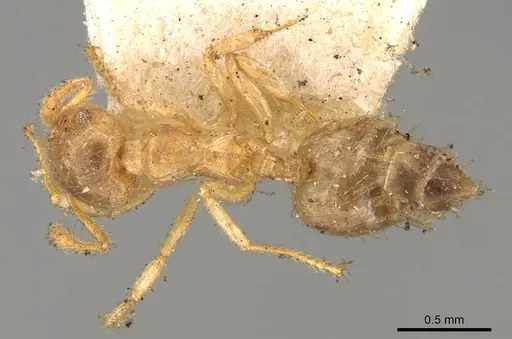
CASENT0914570
View on AntWeb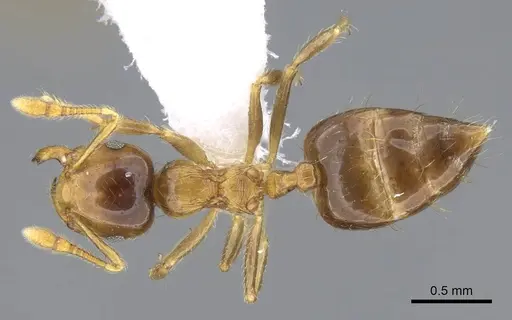
CASENT0919703
View on AntWeb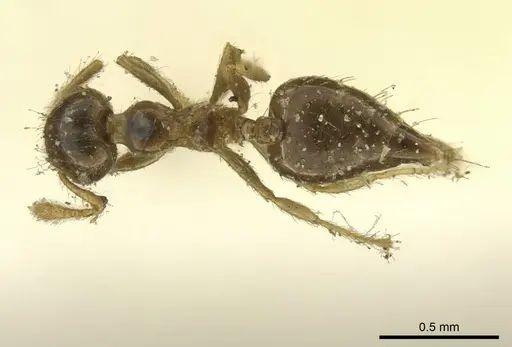
ECOFOG-CNI20-0072-01
View on AntWeb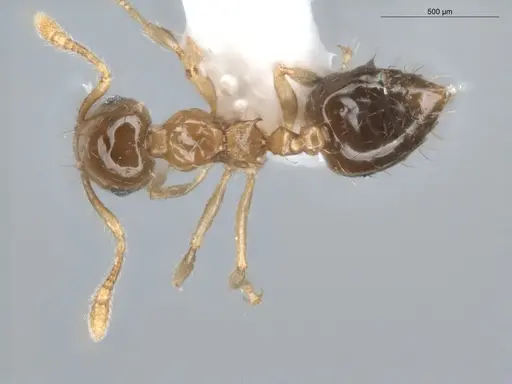
Literature
Loading...Loading products...