

Pheidole minutula
- Scientific Name
- Pheidole minutula
- Tribe
- Attini
- Subfamily
- Myrmicinae
- Author
- Mayr, 1878
- Distribution
- Found in 4 countries
Pheidole minutula Overview
Pheidole minutula is an ant species of the genus Pheidole. It is primarily documented in 4 countries , including Brazil, Ecuador, French Guiana. Detailed taxonomic data and occurrence records can be further explored via authoritative databases such as AntWeb or the Global Biodiversity Information Facility (GBIF).
Pheidole minutula
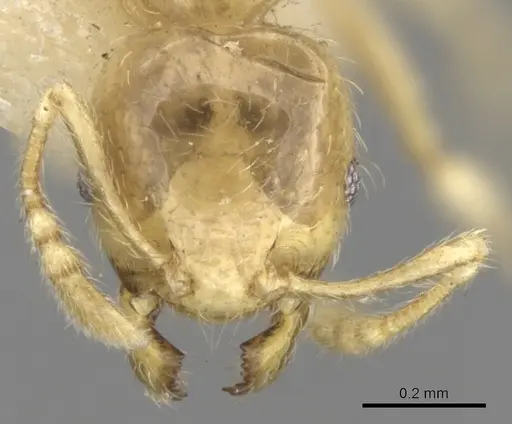
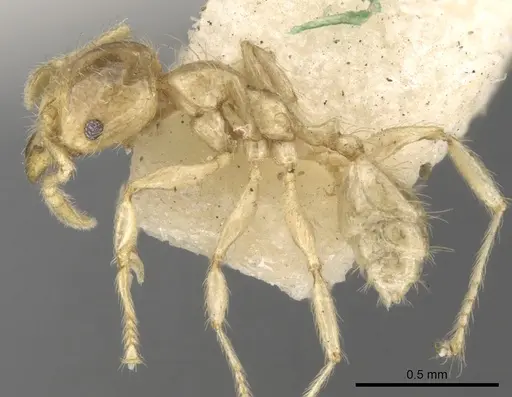
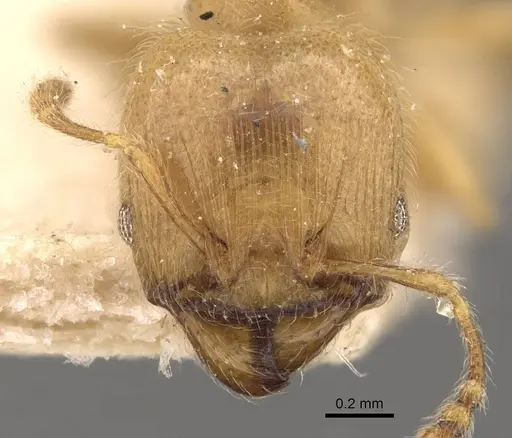
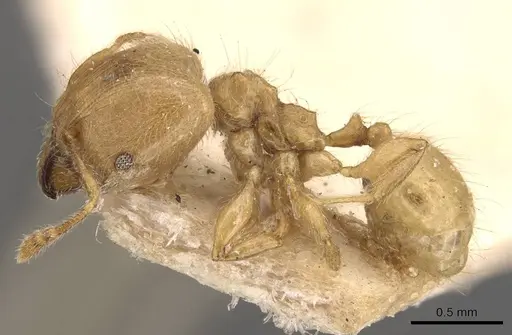
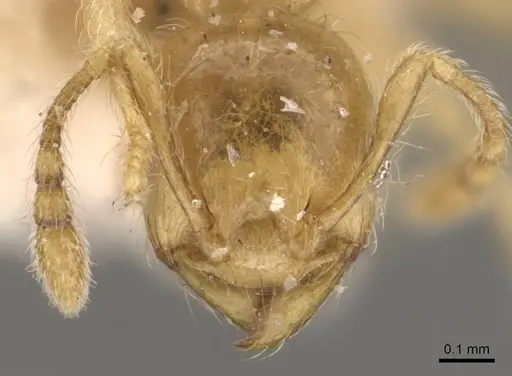
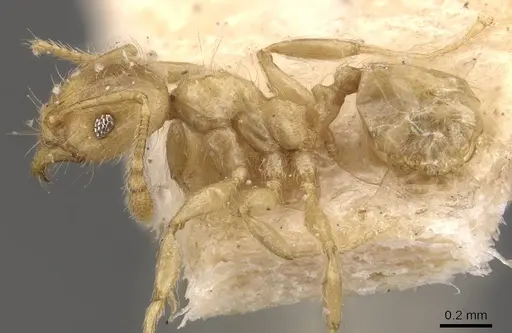
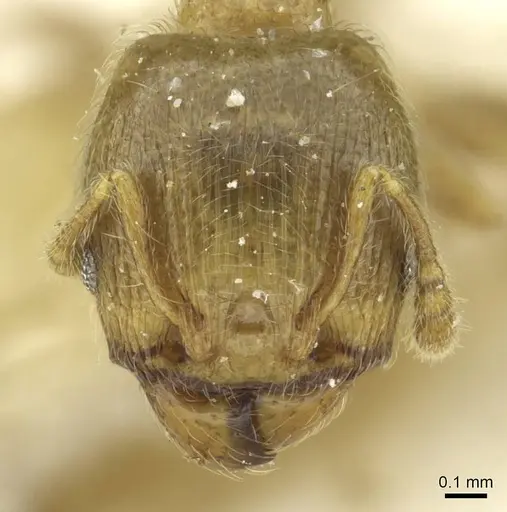
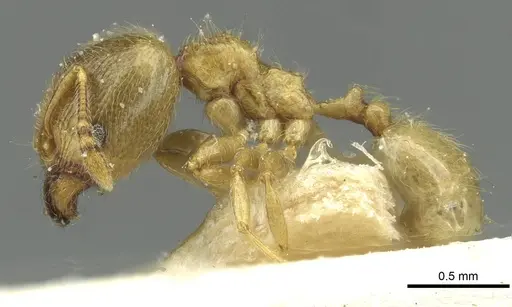
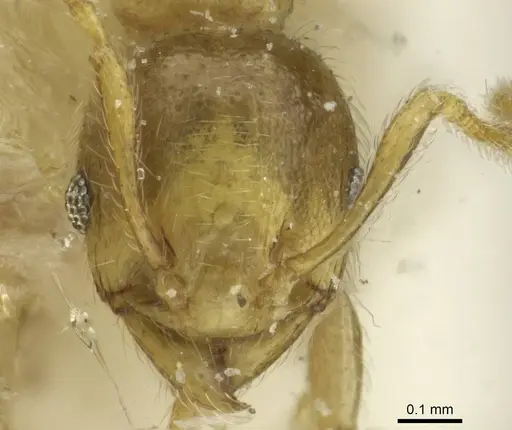
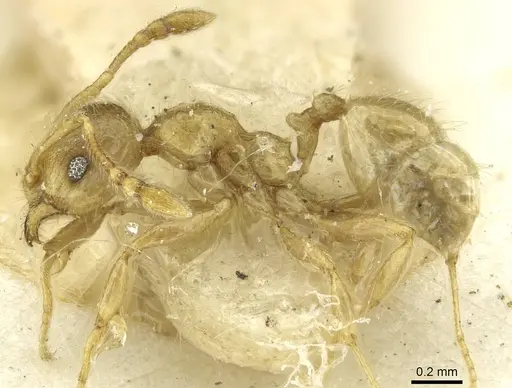
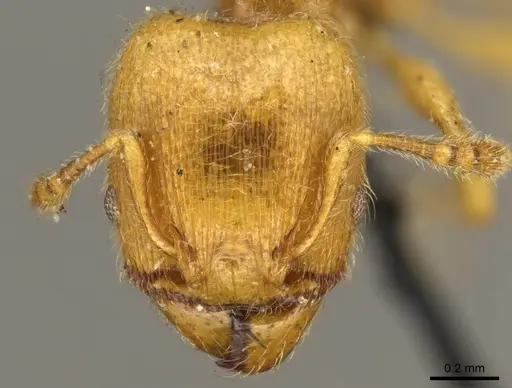
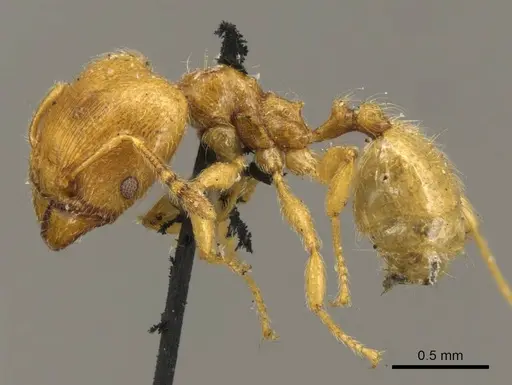
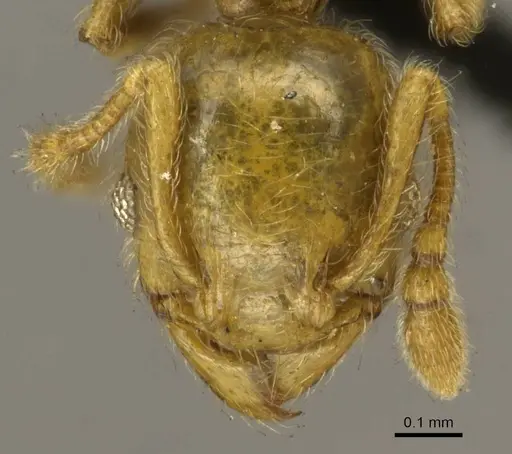
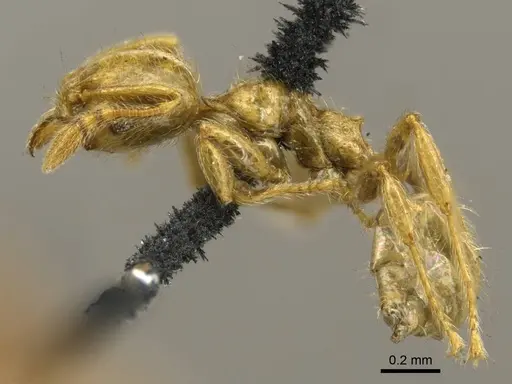
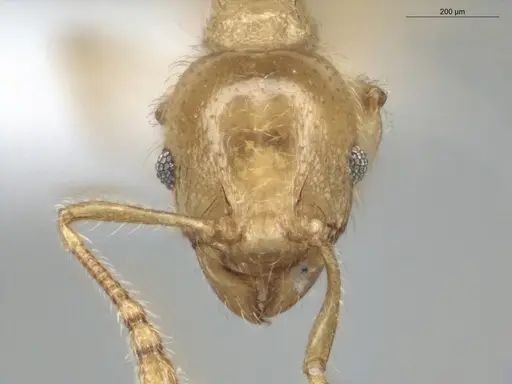
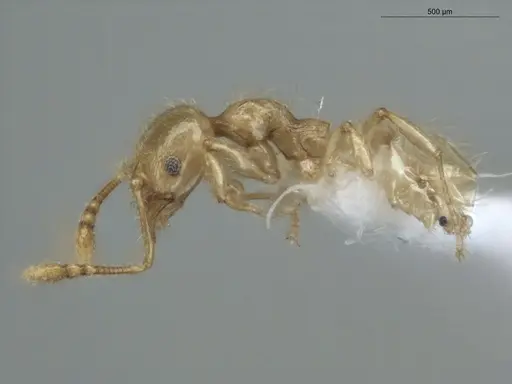
Pheidole minutula is a tiny yellow ant native to the Amazon basin, ranging from Panama through Guyana to Brazil, Peru, and Ecuador [1]. Workers are very small, with body length typically around 2-4 mm, inferred from Pheidole genus patterns [1]. The entire body is uniform yellow, with the gaster, antennae, and legs slightly lighter [1]. This species is an obligate mutualist with the understory shrub Maieta guianensis, living inside swollen leaf bases called domatia [2][3]. Over 90% of Maieta guianensis plants in continuous forest are colonized by this ant, making it the dominant partner in this relationship [4][3]. Queens use volatile cues to locate host plants and shed wings immediately upon arrival [5][3]. Colonies are polygynous, with multiple queens often cooperating to colonize the same plant, which improves their chances against competitors [6][7].
Quick Summary
- Difficulty: Medium
- Origin & Habitat: Amazonian rainforest understory, specifically associated with the myrmecophyte plant Maieta guianensis where they nest in swollen leaf bases (domatia) [2][3]. Found across Panama, Guyana, French Guiana, Venezuela, Colombia, Ecuador, Peru, and Brazil [1].
- Colony Type: Polygynous colonies with multiple queens [6]. Strongly polymorphic worker caste with distinct major and minor workers [6]. Multiple queens often colonize the same plant cooperatively [7].
- Size & Growth:
- Queen:{.size-link} ~4-5 mm (inferred from Pheidole genus)
- Worker:{.size-link} ~2-4 mm (inferred from Pheidole genus)
- Colony: Up to few hundred workers (estimated)
- Growth: Moderate
- Development: Unknown, no direct data. Based on typical Pheidole patterns in tropical conditions, estimate 6-8 weeks (Development may vary with temperature, warmer conditions within 24-28°C range may speed up growth.)
- Antkeeping:
- Temperature: Keep at 24-28°C, based on Amazonian habitat [1]. Use a heating cable on one side to create a gradient if needed.
- Humidity: Keep nest substrate consistently moist but not waterlogged, as they live in domatia that stay moist [2][3]. Mist occasionally and provide a water tube.
- Diapause: No, as an Amazonian species, they do not require hibernation. Maintain warm conditions year-round.
- Nesting: Use test tubes, Y-tong nests, plaster nests, or 3D-printed nests with small chambers appropriate for their size. Avoid large open spaces where they might get lost.
- Behavior: These ants are defensive and will guard their host plant aggressively. When damaged, workers respond within minutes [4]. They are more likely to counterattack than flee when confronted by competitors [7]. Major workers can destroy predator eggs [8]. Escape risk is moderate due to small size, use tight-fitting lids and barrier gel.
- Common Issues: Habitat fragmentation sensitivity, this species is absent from forest fragments and vulnerable to habitat loss [10], Very small size means escape prevention must be good, they can squeeze through tiny gaps, Specialist diet requirements, they primarily forage on their host plant and may not readily accept arbitrary foods, Competition vulnerability, queens often die when competing with Crematogaster for host plants [7], Poor growth when not on proper host plant, colonies struggle if established on non-host plants [3]
The Ant-Plant Relationship
Pheidole minutula is a specialized plant-ant mutualist in the Amazon. These ants are obligate dwellers of Maieta guianensis, a common understory shrub [2][3]. The plant provides housing in domatia, swollen leaf bases that form hollow chambers. In return, the ants defend the plant against herbivores. Over 90% of Maieta guianensis plants are colonized by this species [4][3]. Queens locate their host plant using volatile chemical cues, preferring Maieta volatiles over other plants [3]. Once they find a suitable plant, queens shed their wings and enter the domatia [5]. This specialization means P. minutula never forages off its host plant [4].
Colony Structure and Cooperative Founding
P. minutula forms polygynous colonies with multiple reproductive queens [6]. Research shows that multiple queens often colonize the same plant cooperatively [7]. When queens colonize together, they occupy the same or different leaf pouches on the same plant [7]. This cooperative founding improves chances against competitors like Crematogaster ants [7]. Workers are strongly polymorphic, with major workers (soldiers) and minor workers [6][1].
Defense and Behavior
These ants are aggressive defenders of their host plant. When Maieta guianensis is damaged, workers respond within minutes, with an average of 13 workers reacting versus 3 on control leaves [4]. They respond specifically to host-plant chemicals [4]. Major workers can destroy predator eggs or capture small nymphs [8]. When confronted by competing ants, P. minutula is more likely to counterattack than flee [7]. Their small size allows faster entry into domatia than larger competitors [7].
Feeding and Diet
In the wild, workers forage for insects on host plant leaves and tend scale insects for honeydew [3]. For captive colonies, offer small protein sources like fruit flies or pinhead crickets, and sugar water or honey as a substitute for honeydew. They may be picky eaters due to their specialized lifestyle [3]. Remove uneaten food after 24-48 hours to prevent mold.
Temperature and Humidity Needs
As an Amazonian species, P. minutula requires warm and humid conditions. Keep the nest at 24-28°C, based on their natural habitat [1]. Humidity is critical, keep the nest substrate consistently moist but not waterlogged, as they live in moist domatia [2][3]. A water tube in the setup helps maintain humidity.
Nesting in Captivity
P. minutula is a tiny ant that nests in small spaces. Test tube setups work well with a water reservoir for humidity. Alternatively, use Y-tong, plaster, or 3D-printed nests with narrow chambers. Avoid large open spaces where they might get lost. In the wild, they live in tight domatia, so provide enclosed nest areas.
Dispersal and Flight
P. minutula has a limited flight distance of about 30 meters, the smallest recorded for ants [9]. The modal colonization distance is about 18.9 meters [5]. This limited dispersal makes them vulnerable to habitat fragmentation, they are absent from forest fragments [10]. Queens shed wings immediately upon arriving at a seedling and attempt to enter domatia [5]. Nuptial flights occur from July to September [8].
Frequently Asked Questions
Is Pheidole minutula a good ant for beginners?
Pheidole minutula is of moderate difficulty and may not be the best first ant. They are extremely specialized, in the wild they only live on one specific plant species and may not thrive on arbitrary foods. Their small size also makes them more delicate to house properly.
What do Pheidole minutula ants eat?
In captivity, they accept small protein sources like fruit flies, small crickets, and mealworms. They also need sugar, offer honey water or sugar water as a substitute for honeydew [3]. They may be picky eaters due to their specialized lifestyle.
How long does it take for Pheidole minutula to produce first workers?
The exact development time is unconfirmed. Based on typical Pheidole development in tropical conditions, expect around 6-8 weeks from egg to first worker. The timeline may vary with temperature.
Do Pheidole minutula ants need hibernation?
No, they do not require hibernation. As an Amazonian species, they need warm conditions year-round. Maintain temperatures of 24-28°C.
How big do Pheidole minutula colonies get?
Colony size is not directly documented, but based on typical Pheidole patterns, expect colonies of up to few hundred workers. They are polygynous, which can support larger sizes [6].
Can I keep multiple Pheidole minutula queens together?
Yes, this species is naturally polygynous, meaning colonies typically have multiple queens. Research shows multiple queens often colonize plants cooperatively [7]. You can keep multiple founding queens together.
What temperature should I keep Pheidole minutula at?
Keep them at 24-28°C. This Amazonian species prefers warm, stable conditions. A heating cable can create a gradient if needed [1].
Why are my Pheidole minutula ants dying?
Check humidity, they need consistently moist conditions. Verify temperature is in the 24-28°C range. Ensure they are accepting food, they may be picky eaters [3]. This species is sensitive to habitat disturbance [10].
Are Pheidole minutula ants invasive?
No, Pheidole minutula is not invasive. It is native to the Amazon basin. Never release any ant colony into the wild outside its native range [8].
Report an Issue
The current care sheet is based fully on literature. See inconsistencies, or something that's incorrect? Please , it will be resolved after review from an admin. Contributing to the blogs tab also helps providing information, to make us be able to further improve the caresheets. Thank you for your support!
References

This caresheet is licensed under CC BY-SA 4.0 .
CASENT0281756
View on AntWeb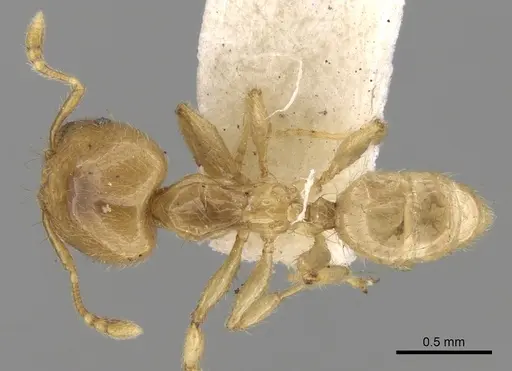
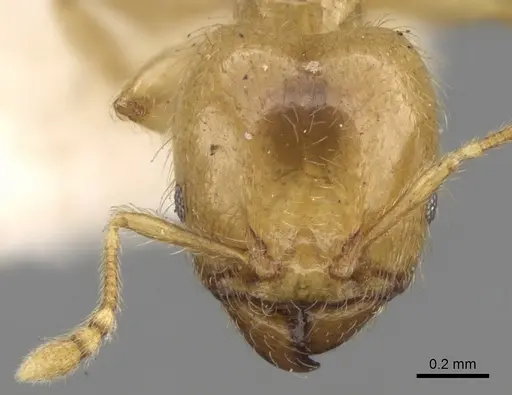
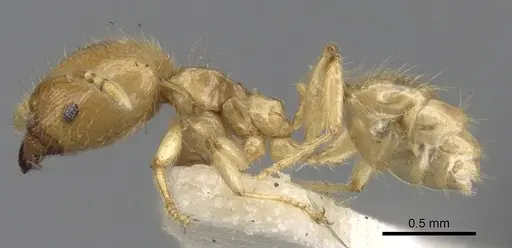
CASENT0281757
View on AntWeb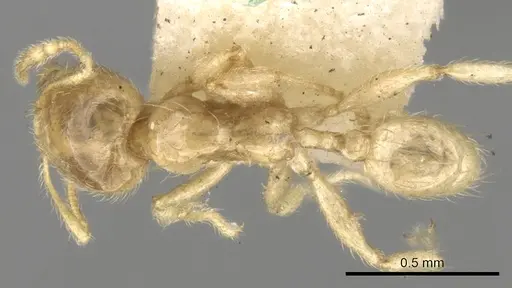
CASENT0908290
View on AntWeb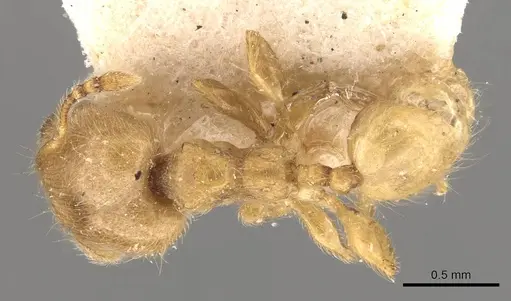
CASENT0908291
View on AntWeb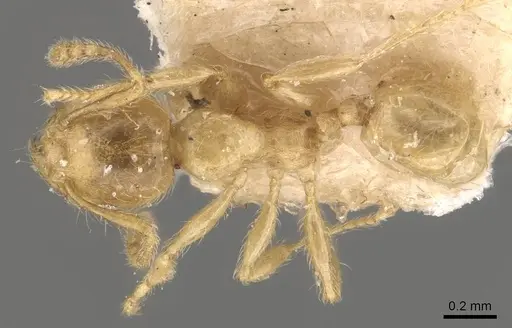
CASENT0913356
View on AntWeb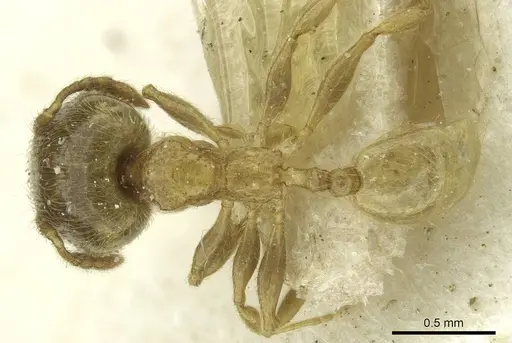
CASENT0913357
View on AntWeb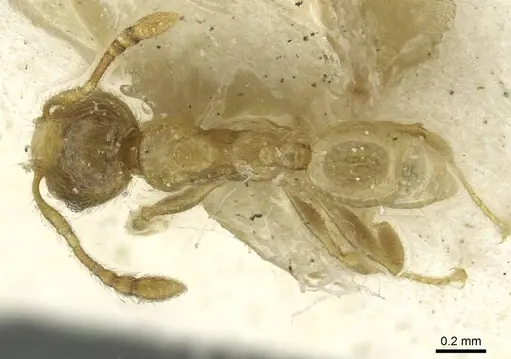
CASENT0916065
View on AntWeb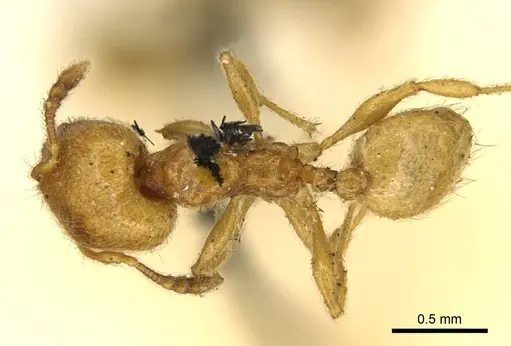
CASENT0916066
View on AntWeb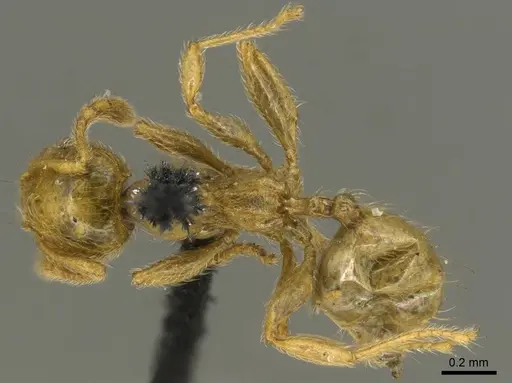
ECOFOG-PA14-0035-05
View on AntWeb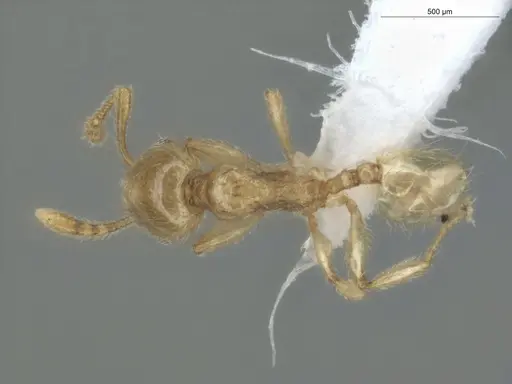
Literature
Loading...Loading products...