

Crematogaster isolata
- Scientific Name
- Crematogaster isolata
- Tribe
- Crematogastrini
- Subfamily
- Myrmicinae
- Author
- Buren, 1968
- Distribution
- Found in 2 countries
Crematogaster isolata Overview
Crematogaster isolata is an ant species of the genus Crematogaster. It is primarily documented in 2 countries , including Mexico, United States of America. Detailed taxonomic data and occurrence records can be further explored via authoritative databases such as AntWeb or the Global Biodiversity Information Facility (GBIF).
Crematogaster isolata
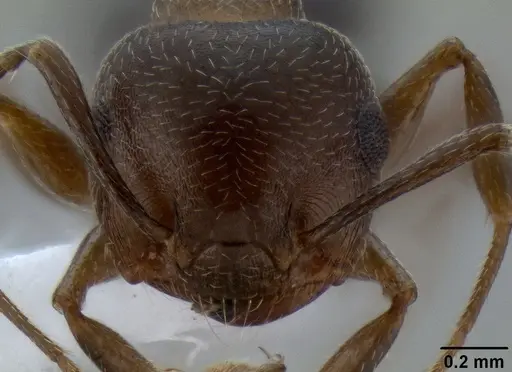
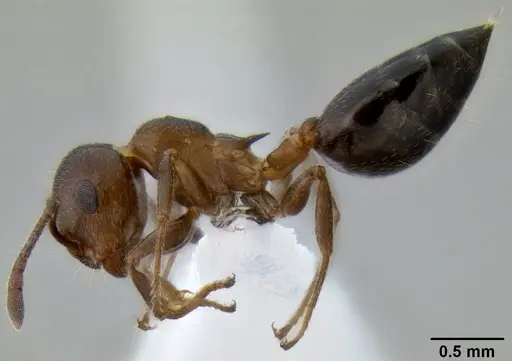
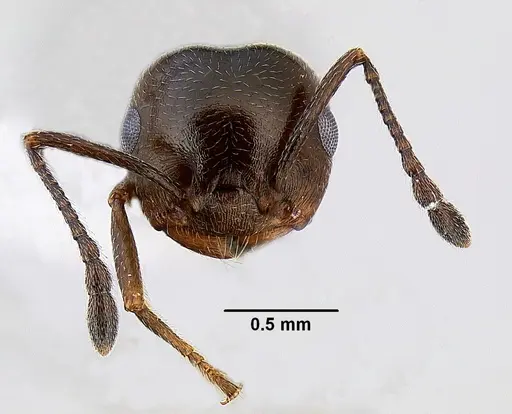
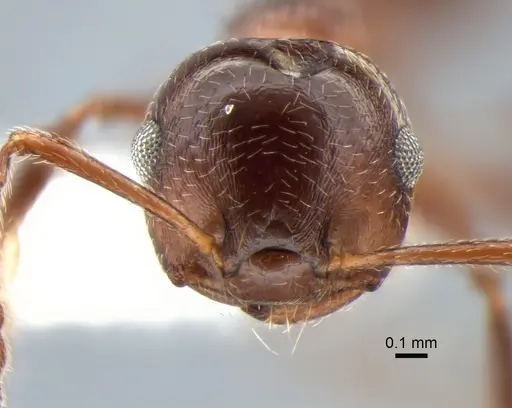
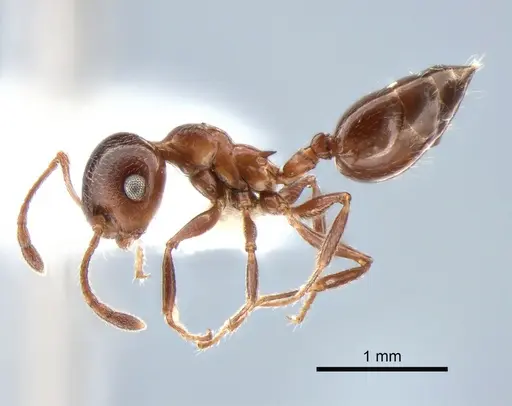
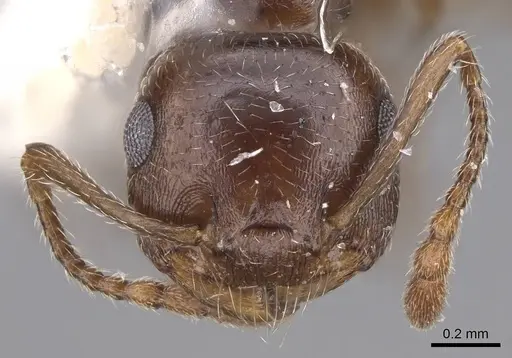
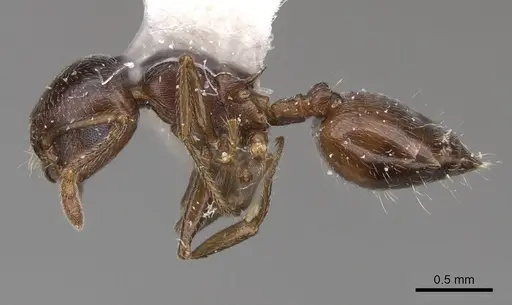
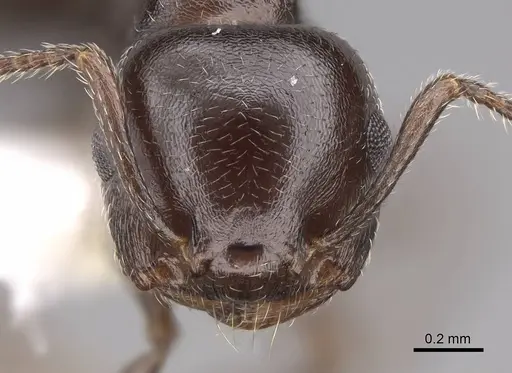
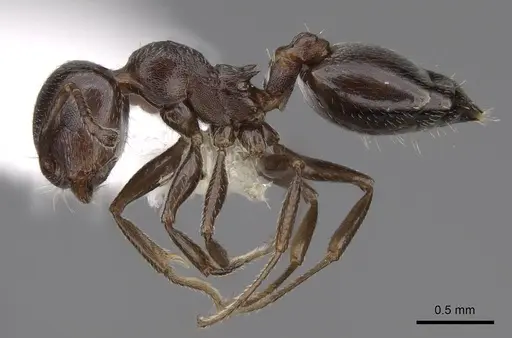
Crematogaster isolata is a small arboreal ant species native to the mountainous regions of the southwestern United States and northern Mexico. Workers are dark brown with a black gaster, measuring around 4-6mm. They belong to the Crematogaster scutellaris group, characterized by their distinctive short propodeal spines and sparse standing hairs. These ants get their common name from their ability to raise and twist their gaster over their head when disturbed, which serves as a defensive display. In the wild, they nest in dead branches of oak trees and manzanita bushes at elevations above 1500m, making them one of the few truly arboreal Crematogaster species in North America [1][2].
Quick Summary
- Difficulty: Medium
- Origin & Habitat: Mountainous areas of the southwestern United States (Arizona, Texas, New Mexico) and northern Mexico, at elevations over 1500m. They nest in dead branches of oak trees (Quercus arizonica, Quercus emoryi) and manzanita [3].
- Colony Type: Colony structure is unconfirmed. Based on typical Crematogaster patterns, likely monogyne (single queen) colonies, though some related species can form multi-queen colonies.
- Founding: Claustral
- Size & Growth:
- Queen: Estimated 6-8mm based on genus patterns
- Worker: 4-6mm [1]
- Colony: Likely moderate colonies of several hundred workers based on related species
- Growth: Moderate, estimated based on genus patterns
- Development: Estimated 6-8 weeks at optimal temperature based on typical Crematogaster development (Development time is inferred from genus patterns, specific data for this species is unavailable)
- Antkeeping:
- Temperature: Keep around 22-26°C. These ants come from high-elevation mountainous areas, so they prefer cooler conditions than tropical species. A gentle gradient allowing them to choose their preferred temperature works best.
- Humidity: Moderate humidity around 50-60%. As arboreal nesters, they prefer drier conditions than ground-nesting ants. Provide some moisture but ensure good ventilation to prevent mold.
- Diapause: Likely yes, given their mountainous habitat and northern range, they probably require a winter rest period. Keep at 10-15°C for 2-3 months during winter.
- Nesting: Arboreal species, they naturally nest in dead wood and branches. In captivity, they do well in wooden nests (Y-tong style), cork setups, or acrylic nests with wood inserts. Avoid fully enclosed plaster nests which may be too humid for them.
- Behavior: These ants are defensive but not particularly aggressive. When threatened, workers perform the characteristic acrobat ant behavior of raising their gaster over their head. They are active foragers and will search for food both in the nest area and outworld. Workers are small but agile, ensure your setup has good escape prevention despite their moderate size. They are arboreal by nature, so they will utilize vertical space if given the opportunity.
- Common Issues: high elevation origin means they need cooler temperatures, overheating can kill colonies quickly, arboreal nesting means they prefer drier conditions, too much humidity causes mold and colony decline, escape prevention is important, they can squeeze through small gaps despite their size, winter diapause is likely required, skipping hibernation may weaken or kill the colony over time, limited captive care information exists, this species is rarely kept, so some trial and error may be needed
Natural History and Distribution
Crematogaster isolata is found across the mountainous regions of the American Southwest, including the Davis Mountains of Texas, the Santa Rita and Huachuca Mountains in Arizona, the Animas Mountains of New Mexico, and extending south into northern Mexico [1][2]. They are one of the few truly arboreal Crematogaster species in North America, nesting exclusively in dead wood above ground level, typically in dead oak branches and occasionally manzanita bushes. Their elevational preference for sites above 1500m (5000 feet) sets them apart from most other North American Crematogaster which are ground-nesting species. The type specimens were collected from dead oak limbs at various southwestern mountain locations, with the holotype coming from the Davis Mountains of Texas [3].
Nest Preferences and Housing
In captivity, these arboreal ants do best in setups that mimic their natural dead-wood nesting preference. Y-tong (acrylic) nests with wooden inserts work well, as do cork-based naturalistic setups. Avoid overly humid environments, these ants prefer drier conditions than many Myrmicinae. A small water tube for humidity is sufficient, but ensure good ventilation to prevent condensation buildup. Since they naturally nest in elevated dead branches, they will utilize vertical space in their outworld, so consider providing some climbing structures. Test tube setups can work for founding colonies but monitor for mold, as the arboreal lifestyle suggests they prefer better airflow than typical ground-nesting species.
Feeding and Diet
Like other Crematogaster species, they are omnivorous with a preference for sweet liquids and protein. Offer sugar water or honey water as a constant energy source. For protein, provide small insects such as fruit flies, small crickets, or mealworms. In the wild, they likely forage for honeydew from aphids and scale insects, plus small arthropods. Feed protein 2-3 times per week and keep sugar water available at all times. Remove uneaten prey after 24-48 hours to prevent mold issues, which is especially important given their preference for drier nesting conditions.
Temperature and Seasonal Care
Given their high-elevation origin in mountainous areas, these ants prefer cooler temperatures than many ant species. Aim for 22-26°C during the active season, with room temperature being suitable in most homes. They likely require a winter diapause period, this matches their natural habitat where temperatures drop significantly at altitude. During winter, reduce temperature to 10-15°C for 2-3 months. Do not feed during hibernation and keep moisture minimal. Overheating is a greater risk than cold, avoid placing nests near heat sources or in direct sunlight. A slight temperature gradient in the setup allows workers to regulate their own temperature.
Behavior and Defense
Crematogaster isolata gets its common name 'acrobat ant' from its distinctive defensive behavior. When disturbed, workers raise their abdomen (gaster) over their head in an arc, ready to spray formic acid or bite. This display is more dramatic than most ants and serves as an effective deterrent. They are not particularly aggressive toward keepers but will defend their nest vigorously. Workers are active foragers and will readily explore their outworld in search of food. Their small size (4-6mm) means they can escape through surprisingly small gaps, use fine mesh on any ventilation holes and ensure all connections are tight. Despite being arboreal, they do well in typical formicarium setups with proper escape prevention. [1]
Frequently Asked Questions
How long does it take for Crematogaster isolata to produce first workers?
Based on typical Crematogaster development patterns, expect 6-8 weeks from egg to first worker at optimal temperature (around 24°C). The exact timeline for this species is unconfirmed as it has not been specifically studied, but genus-level data suggests this timeframe.
Do Crematogaster isolata ants need hibernation?
Yes, likely required. Given their high-elevation mountainous habitat in the southwestern US, they almost certainly need a winter rest period. Keep them at 10-15°C for 2-3 months during winter with minimal food and reduced moisture.
What do Crematogaster isolata ants eat?
They are omnivorous like other Crematogaster species. Offer sugar water or honey water constantly for energy, plus protein sources like small insects (fruit flies, small crickets, mealworms) 2-3 times per week.
Are Crematogaster isolata good for beginners?
This species is rated as medium difficulty. While not the hardest ant to keep, there is limited captive care information available since it is rarely kept in the hobby. Their specific temperature and humidity needs (cooler, drier conditions) differ from many common species, so some experience is helpful.
What type of nest is best for Crematogaster isolata?
Y-tong (acrylic) nests with wooden inserts or cork-based naturalistic setups work well. They are arboreal by nature and prefer drier conditions than ground-nesting ants. Avoid fully enclosed plaster nests which may be too humid.
Do Crematogaster isolata ants sting?
They do not have a painful sting like some ants, but they can spray formic acid as their primary defense. When disturbed, they perform their characteristic 'acrobat' display raising the gaster over their head. This is more of a deterrent than a serious threat to keepers.
How big do Crematogaster isolata colonies get?
Based on related species, colonies likely reach several hundred workers. Specific colony size data for this species is not available, but they are not considered to form supercolonies.
Can I keep multiple Crematogaster isolata queens together?
The colony structure for this species is unconfirmed. Based on typical Crematogaster patterns, they likely form single-queen colonies. Combining unrelated queens is not recommended as it has not been documented for this species.
Why is my Crematogaster isolata colony declining?
Common causes include: overheating (they prefer cooler temperatures), excessive humidity (they are arboreal and prefer drier conditions), or skipping winter diapause. Check that your setup matches their high-elevation preferences, they need cooler temperatures and better ventilation than many common ant species.
When should I move my colony to a formicarium?
Move them when the colony reaches around 30-50 workers and the test tube is becoming crowded. Since they prefer drier, well-ventilated nests, ensure the formicarium provides adequate airflow. They will utilize vertical space, so consider this when choosing a setup.
References

This caresheet is licensed under CC BY-SA 4.0 .
CASENT0102832
View on AntWeb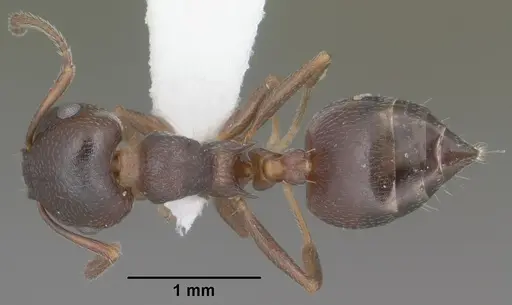
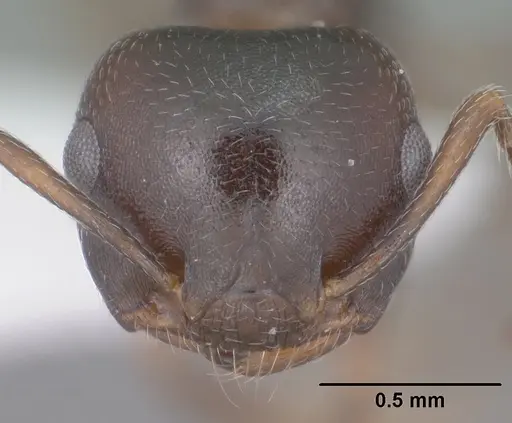
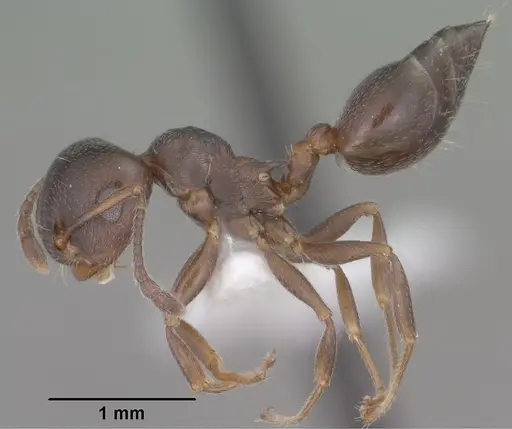
CASENT0193229
View on AntWeb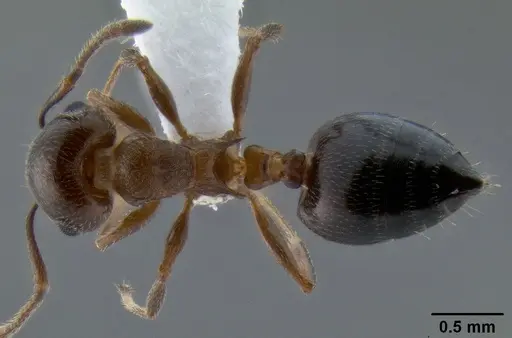
CASENT0863217
View on AntWeb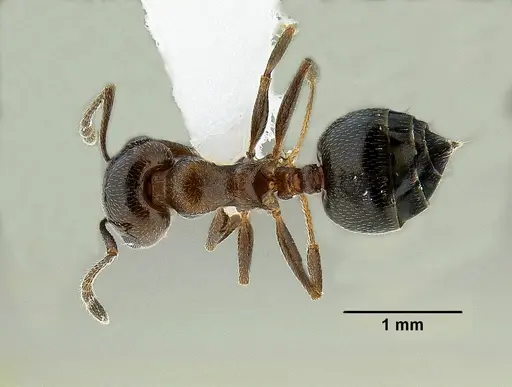
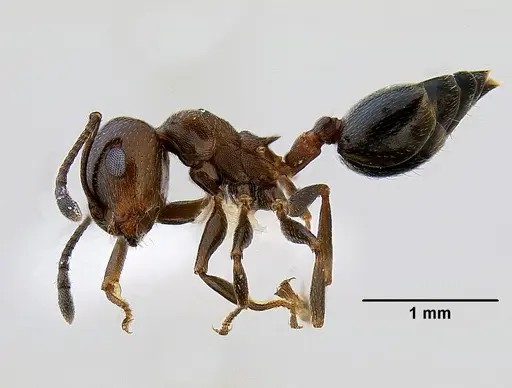
CASENT0882146
View on AntWeb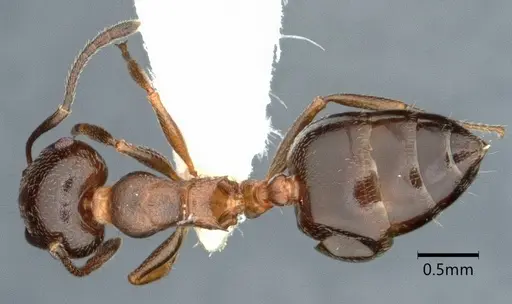
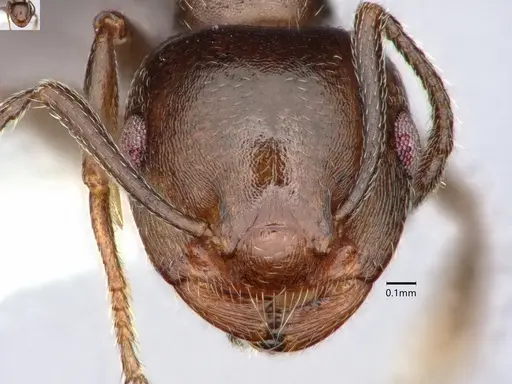
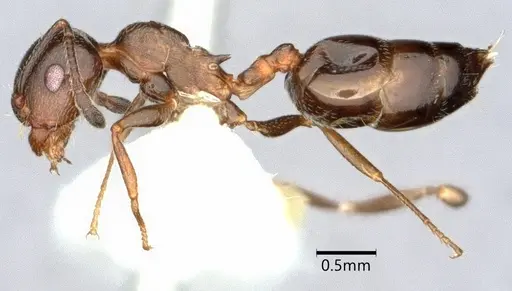
CASENT0882182
View on AntWeb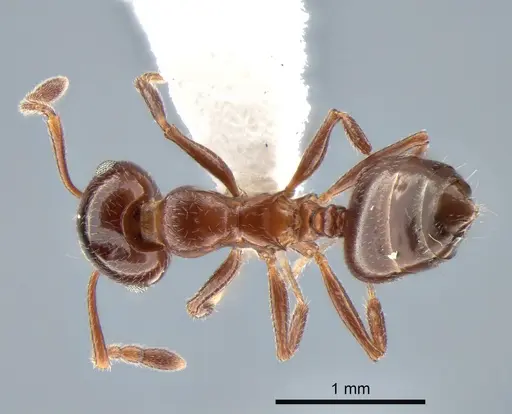
CASENT0914492
View on AntWeb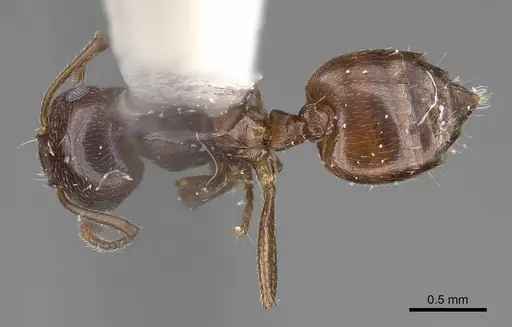
CASENT0922731
View on AntWeb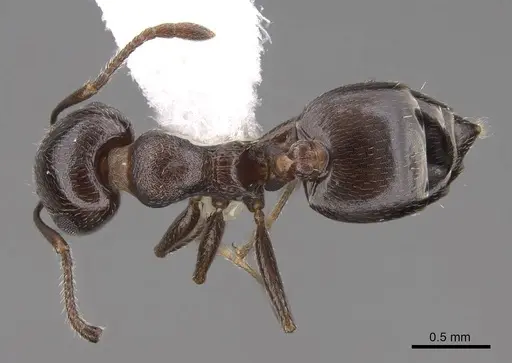
FMNHINS0000062949
View on AntWeb
Literature
Loading...Loading products...