

Crematogaster gerstaeckeri
- Scientific Name
- Crematogaster gerstaeckeri
- Tribe
- Crematogastrini
- Subfamily
- Myrmicinae
- Author
- Dalla Torre, 1892
- Common Name
- Gerstaecker's Cocktail ant
- Distribution
- Found in 3 countries
Crematogaster gerstaeckeri Overview
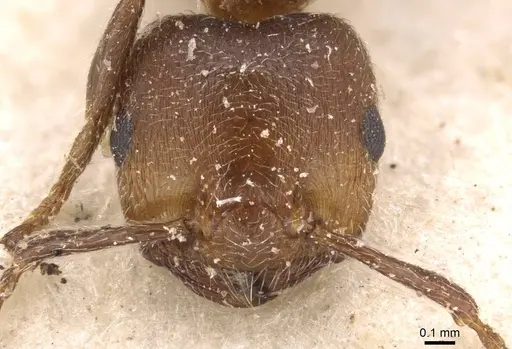
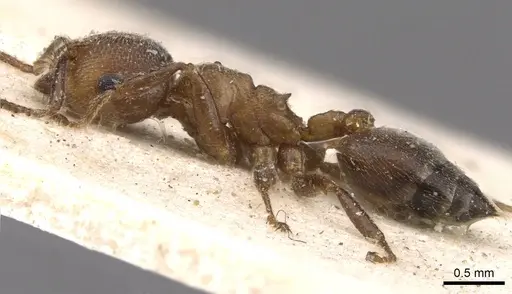
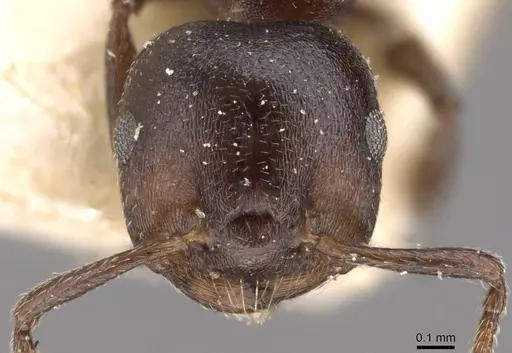
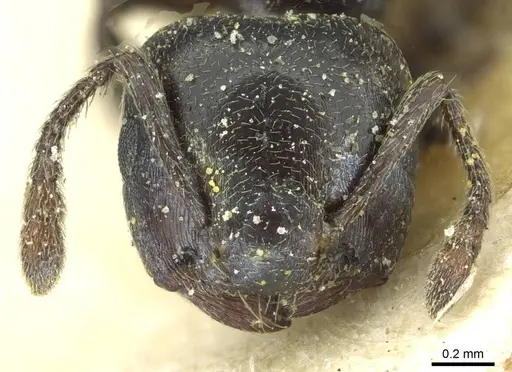
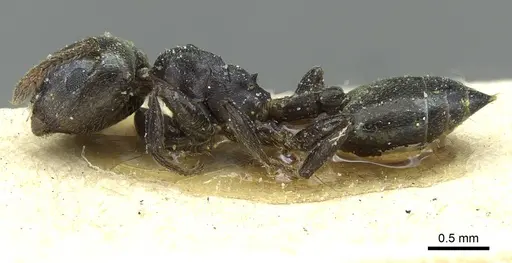
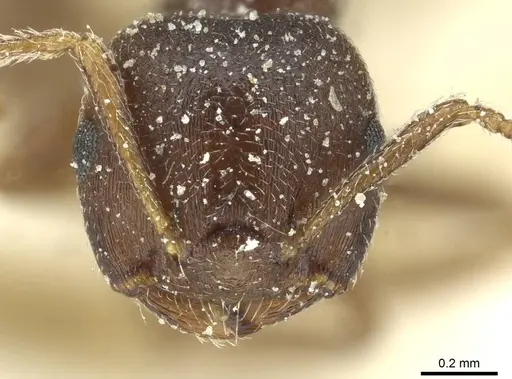
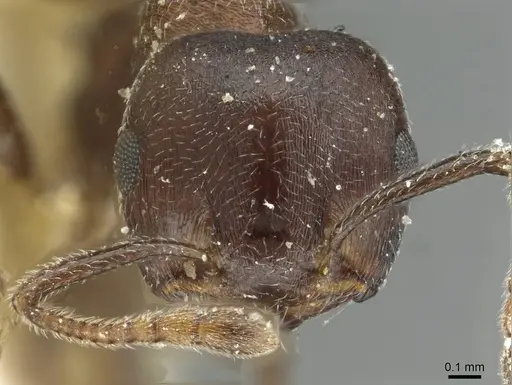
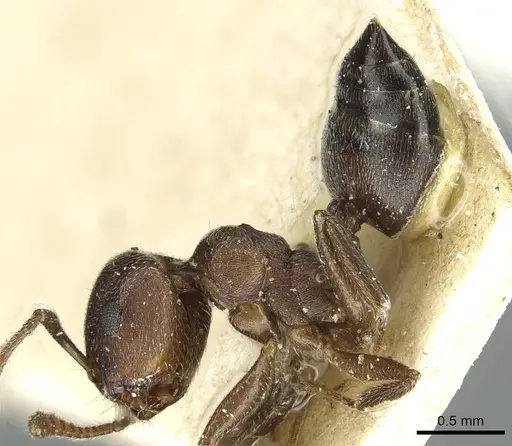
Crematogaster gerstaeckeri (commonly known as the Gerstaecker's Cocktail ant) is an ant species of the genus Crematogaster. It is primarily documented in 3 countries , including Kenya, South Africa, Zimbabwe. Detailed taxonomic data and occurrence records can be further explored via authoritative databases such as AntWeb or the Global Biodiversity Information Facility (GBIF).
Crematogaster gerstaeckeri - "Gerstaecker's Cocktail ant"
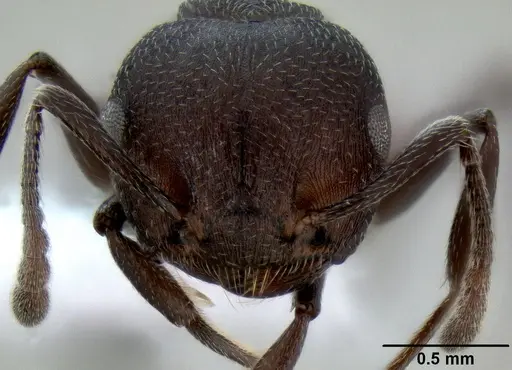
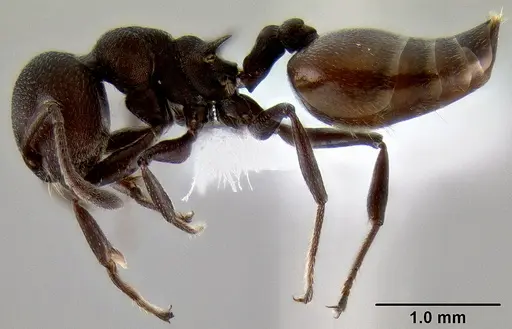
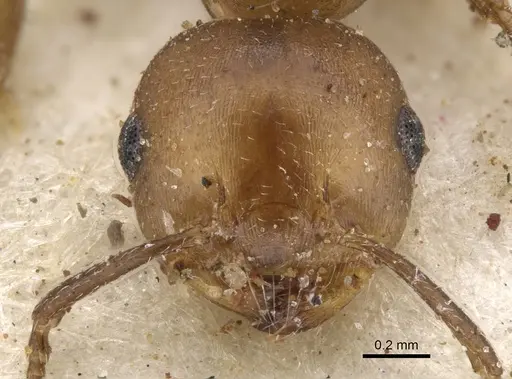
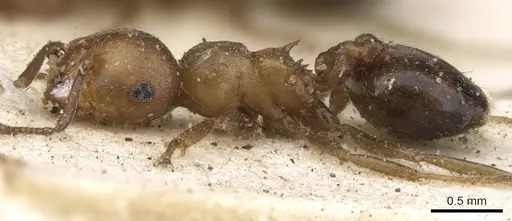
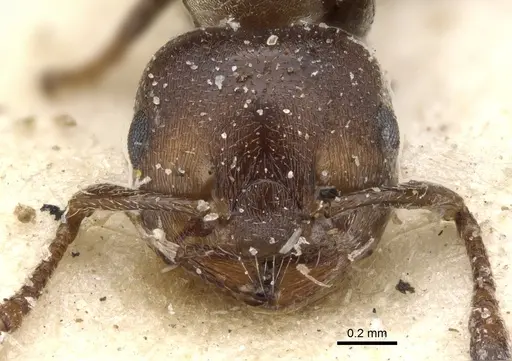
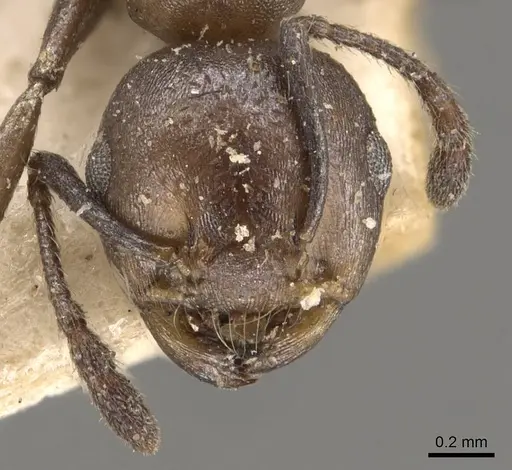
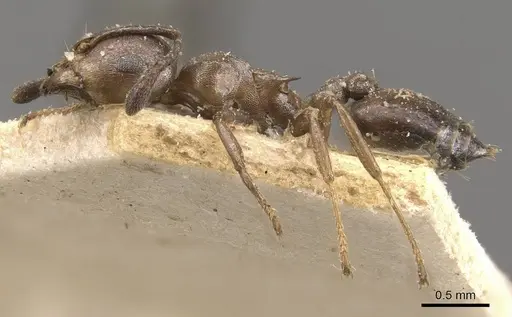
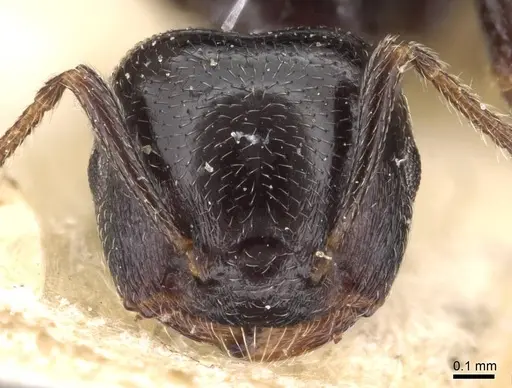
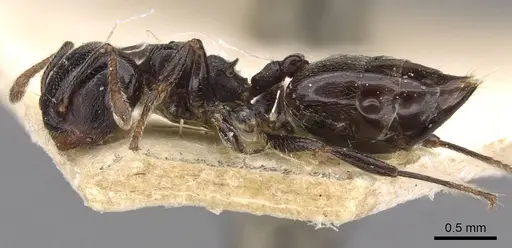
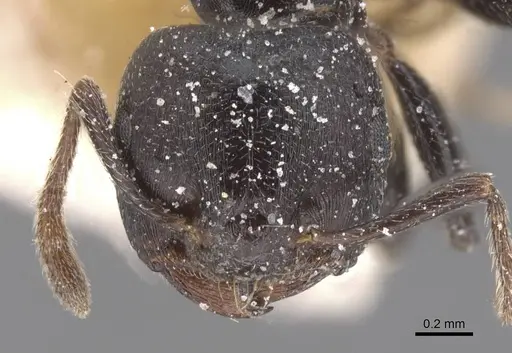
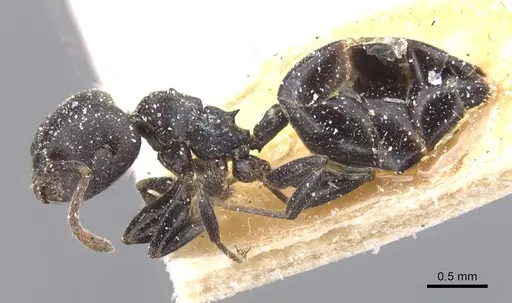
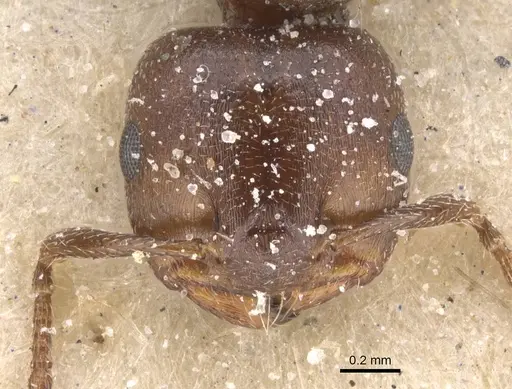
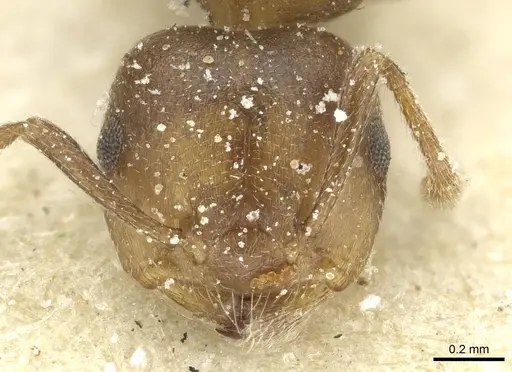
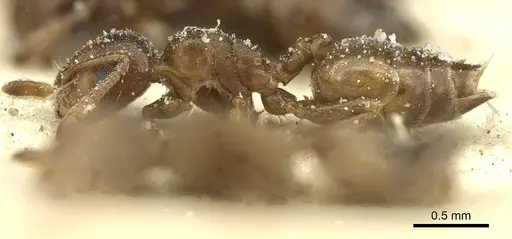
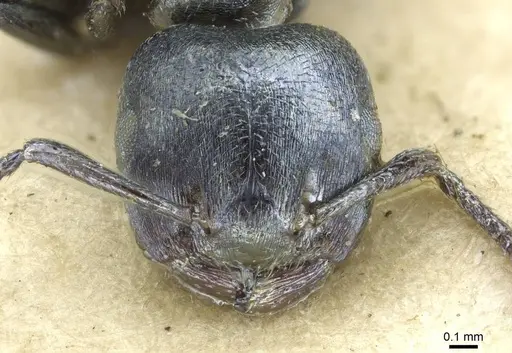
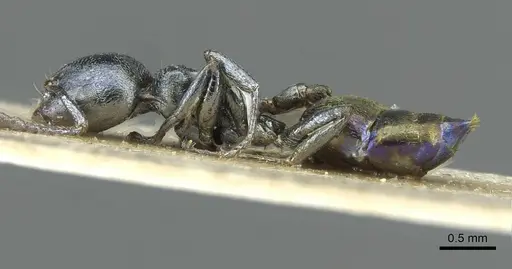
Crematogaster gerstaeckeri is a small Myrmicinae ant species native to the Afrotropical region, found across Kenya, Nigeria, Benin, Somalia, South Africa, and Uganda. Workers measure approximately 3.75-4mm and have the characteristic heart-shaped abdomen (gaster) that gives Crematogaster ants their common name 'cocktail ants' or 'acrobat ants', they can raise their abdomen over their head when threatened. This species belongs to the Crematogaster castanea group and nests in dead wood on trees, occasionally including cocoa trees, where they tend aphids for honeydew[1].
This species has a notable ecological relationship as an obligate ant-associate of the butterfly Chloroselas pseudozeritis, meaning these ants and the butterfly have evolved together in a mutualistic partnership [2]. With nine described subspecies, C. gerstaeckeri shows considerable variation across its range in eastern and western Africa.
Quick Summary
- Difficulty: Medium
- Origin & Habitat: Afrotropical region, Kenya, Nigeria, Benin, Somalia, South Africa, Uganda. Nests in dead wood on trees in tropical savannah and forest edge habitats.
- Colony Type: Colony structure is unconfirmed. Most Crematogaster species form single-queen colonies, but this has not been specifically documented for C. gerstaeckeri.
- Colony: Monogyne
- Founding: Claustral
- Size & Growth:
- Queen: Unconfirmed, likely 6-8mm based on genus patterns
- Worker: 3.75-4mm [1]
- Colony: Unconfirmed, likely several hundred workers based on typical Crematogaster colony sizes
- Growth: Moderate, inferred from tropical ant development patterns
- Development: Estimated 5-8 weeks at optimal tropical temperatures (25-28°C) (Development time is estimated based on typical Crematogaster genus patterns for tropical species. Warmer temperatures within the safe range will speed development.)
- Antkeeping:
- Temperature: Keep at 24-28°C. As a tropical species, they need warm conditions year-round. A heating cable on one side of the nest can create a gentle gradient if room temperature is below this range.
- Humidity: Moderate humidity around 50-70%. They nest in dead wood on trees, which provides a balance of moisture and ventilation. Keep the nest substrate slightly moist but allow some drying between waterings.
- Diapause: No, tropical species do not require hibernation. Keep them at warm temperatures year-round.
- Nesting: Prefers naturalistic or wooden nest setups that mimic their natural dead wood habitat. Y-tong (AAC) nests, plaster nests with wood inserts, or custom wooden formicaria work well. They do well with moderate humidity and good ventilation to prevent mold in wooden setups.
- Behavior: Crematogaster ants are known for their defensive behavior, when threatened, they raise their heart-shaped abdomen over their head and may release a defensive chemical (they have a functional stinger but it's small). They are generally more aggressive when defending their colony compared to many other Myrmicinae. Workers are active foragers that will scout for sugar sources and small prey. They tend aphids in nature and will readily accept sugar water and honey in captivity. Their small size (under 4mm) means escape prevention should be taken seriously, use fine mesh barriers and check for tiny gaps.
- Common Issues: tropical species requires year-round warmth, cold temperatures can slow or stop brood development, small size means they can escape through standard mesh, use fine mesh barriers, wood-nesting species need good ventilation to prevent mold in humid conditions, defensive behavior includes chemical spraying, handle gently and avoid disturbing the nest, slow founding phase, claustral queens may take weeks sealed in before first workers emerge
Nest Preferences and Housing
In the wild, Crematogaster gerstaeckeri nests in dead wood on trees, including occasionally cocoa trees. This tells us they prefer enclosed, slightly humid spaces with good ventilation. For captive care, naturalistic setups with wooden formicaria or Y-tong (AAC) nests work best. The nest should have chambers sized appropriately for their small 3.75-4mm workers, tight spaces help them feel secure. Avoid overly wet or waterlogged substrates, as this can cause wood to rot and mold. A small water reservoir or moisture gradient through the nest material provides the right humidity balance. The outworld should have space for foraging and a sugar station. [1]
Feeding and Diet
In nature, C. gerstaeckeri tends aphids for honeydew and likely supplements this with small insects and other protein sources. In captivity, offer sugar water or honey constantly as a primary energy source, they will readily accept these. For protein, offer small insects like fruit flies, pinhead crickets, or mealworm pieces. Feed protein 2-3 times per week, removing any uneaten prey after 24 hours. The key is balance: sugar for energy and occasional protein for brood development. Fresh water should always be available.
Temperature and Seasonal Care
As a tropical African species, C. gerstaeckeri requires warm temperatures year-round. Keep the nest area at 24-28°C for optimal brood development. Temperatures below 20°C can slow development significantly, and prolonged cold exposure may be harmful. Room temperature within this range is ideal, if your space is cooler, use a heating cable placed on top of the nest (not underneath, to avoid drying). Unlike temperate species, they do not require a diapause or hibernation period. Maintain consistent warmth throughout the year, including winter.
Behavior and Temperament
Crematogaster ants get their nickname 'acrobat ants' from their ability to raise their heart-shaped abdomen over their head when threatened, this is their primary defense display. They have a functional stinger and may also release defensive chemicals. Workers are active foragers that will search out sugar sources and small prey. They are generally more defensive than some other Myrmicinae, so avoid tapping or disturbing the nest. Colonies can be aggressive when their nest is threatened. Their small size (under 4mm) means they are capable of escaping through small gaps that larger ants cannot fit through, always use fine mesh and check for tiny openings.
Colony Founding
The founding behavior of C. gerstaeckeri has not been directly documented, but based on typical Crematogaster genus patterns, the queen likely seals herself in a small chamber (claustral founding) and raises her first workers alone using stored fat reserves. Expect the founding phase to take 4-8 weeks before the first nanitic workers emerge. During this time, the queen needs complete darkness and minimal disturbance. Do not check on the founding chamber unnecessarily, vibrations and light can stress the queen. Once workers emerge, they will begin foraging, and you can begin offering sugar water.
Frequently Asked Questions
How long does it take for Crematogaster gerstaeckeri to produce first workers?
Based on typical Crematogaster patterns for tropical species, expect 5-8 weeks from egg to first worker at optimal temperatures (24-28°C). The claustral queen seals herself in and raises the first brood alone, so patience is needed during the founding phase.
What do Crematogaster gerstaeckeri ants eat?
They are omnivorous with a preference for sugar. Offer sugar water or honey constantly as a primary food source. For protein, provide small insects like fruit flies, pinhead crickets, or mealworm pieces 2-3 times per week. In the wild, they tend aphids for honeydew.
Do Crematogaster gerstaeckeri ants sting?
Yes, they have a functional stinger and can deliver a mild sting. They are also known for their defensive behavior, they raise their heart-shaped abdomen over their head and may release defensive chemicals when threatened. They are more defensive than many ant species.
What temperature do Crematogaster gerstaeckeri ants need?
Keep them at 24-28°C year-round. This is a tropical species that needs warm conditions for optimal health and brood development. A heating cable can be used if room temperature is below this range.
Are Crematogaster gerstaeckeri good for beginners?
They are rated as medium difficulty. While not the hardest species, they do require consistent warm temperatures year-round (tropical species), and their small size and defensive behavior require some experience. Beginners should ensure they can maintain proper heating before attempting this species.
What size colony do Crematogaster gerstaeckeri reach?
Colony size is not well documented, but based on typical Crematogaster patterns, colonies likely reach several hundred workers. They are a smaller ant species with workers at 3.75-4mm.
Can I keep multiple Crematogaster gerstaeckeri queens together?
This has not been documented for this specific species. Most Crematogaster species are single-queen (monogyne), and combining unrelated queens is not recommended unless you have specific documentation for the species. Stick to one queen per colony.
What type of nest is best for Crematogaster gerstaeckeri?
They naturally nest in dead wood on trees, so naturalistic wooden nests, Y-tong (AAC) nests, or plaster nests with wood inserts work well. They need moderate humidity and good ventilation to prevent mold in wooden setups.
Do Crematogaster gerstaeckeri need hibernation?
No, they are a tropical African species and do not require hibernation or diapause. Keep them warm year-round at 24-28°C.
Why are my Crematogaster gerstaeckeri escaping?
At only 3.75-4mm, they are very small and can squeeze through tiny gaps. Use fine mesh barriers (standard mesh may be too large), check all connections and lid seals, and ensure there are no tiny cracks or gaps in your setup.
References

This caresheet is licensed under CC BY-SA 4.0 .
CASENT0193739
View on AntWeb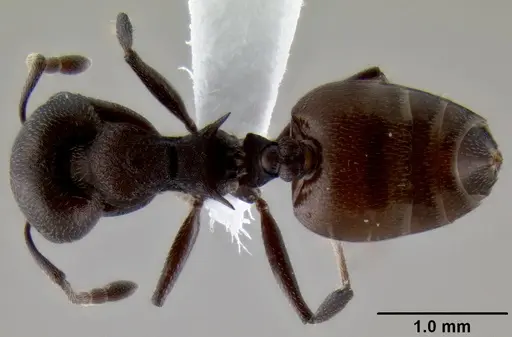
CASENT0902106
View on AntWeb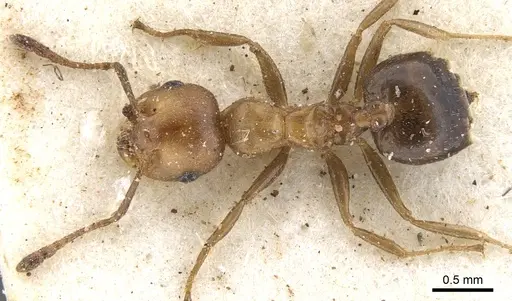
CASENT0902107
View on AntWeb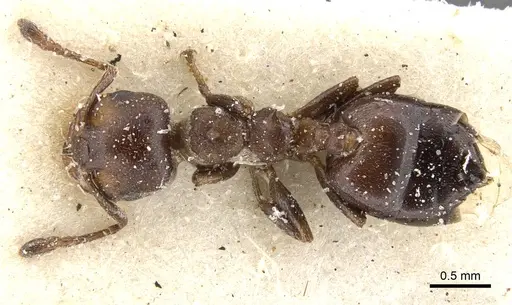
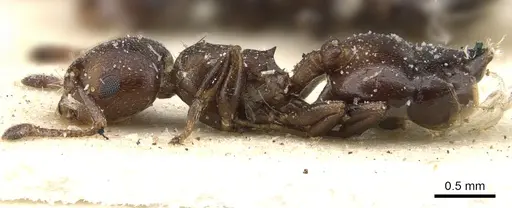
CASENT0904509
View on AntWeb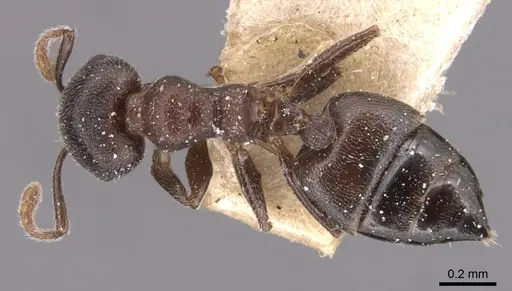
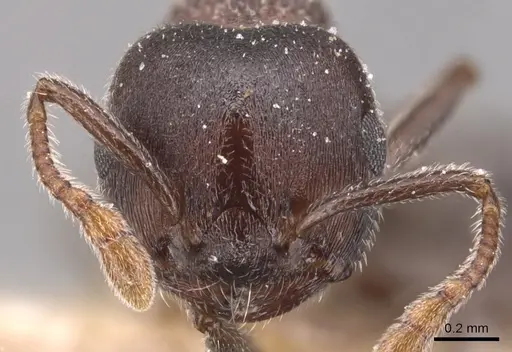
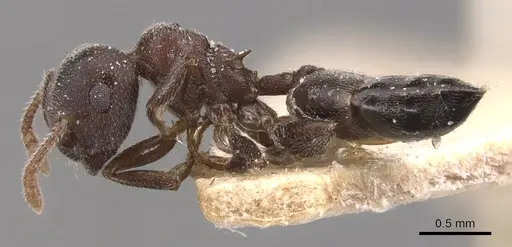
CASENT0908520
View on AntWeb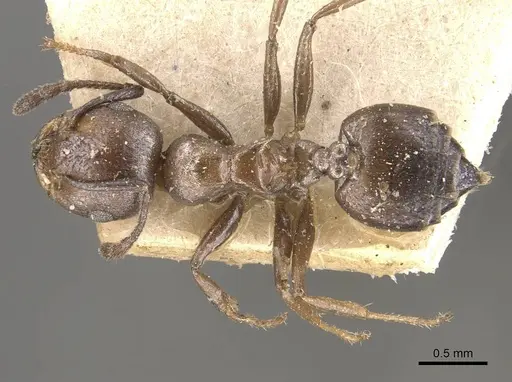
CASENT0908559
View on AntWeb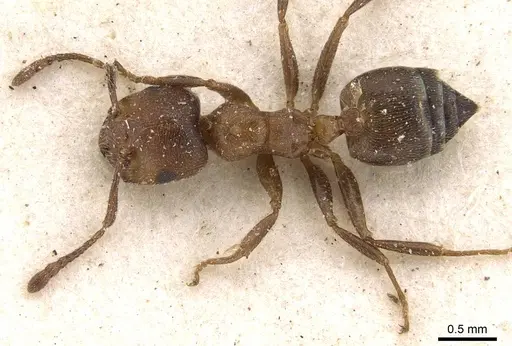
CASENT0908560
View on AntWeb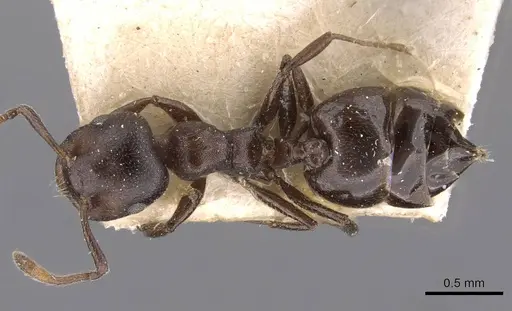
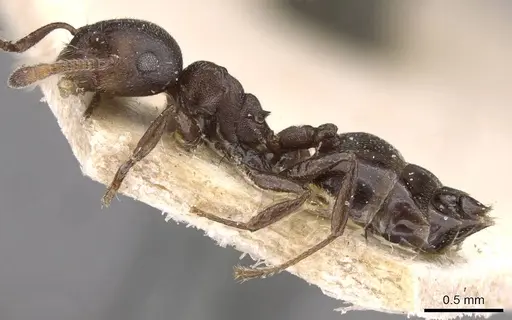
CASENT0908561
View on AntWeb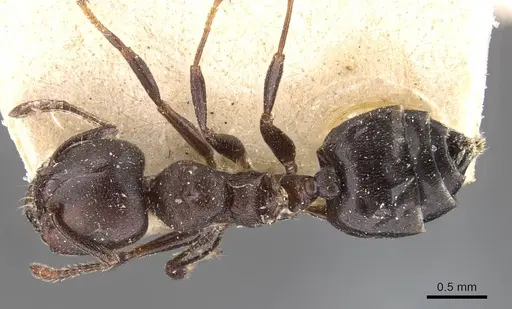
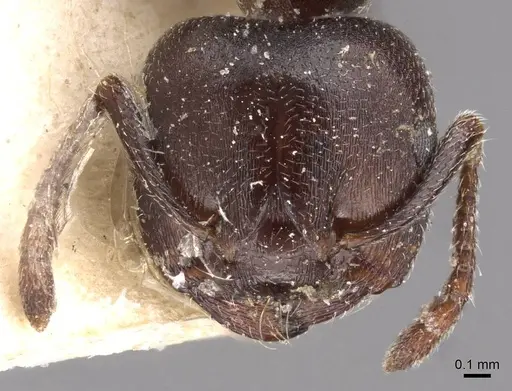
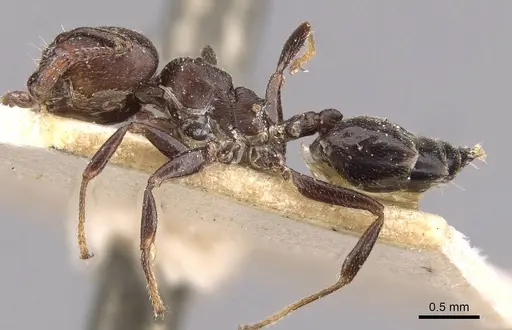
CASENT0908562
View on AntWeb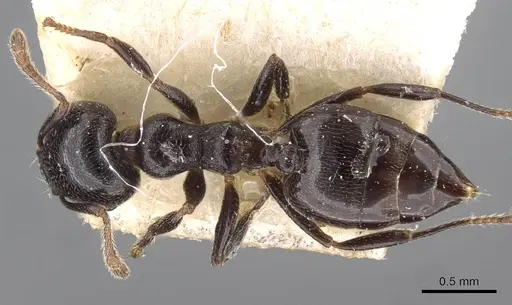
CASENT0912671
View on AntWeb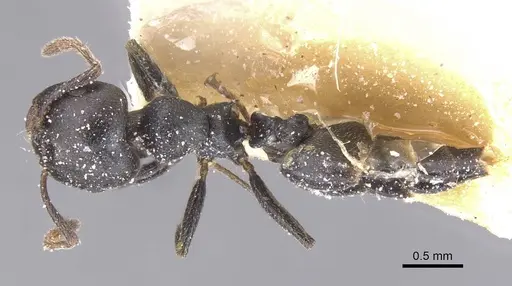
CASENT0912672
View on AntWeb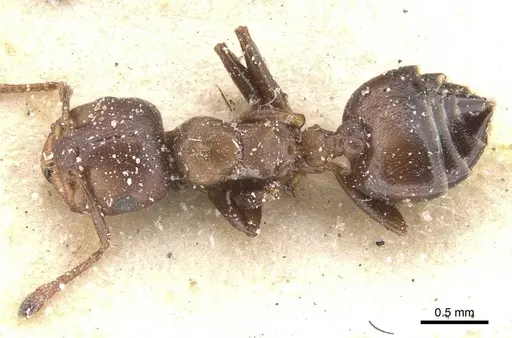
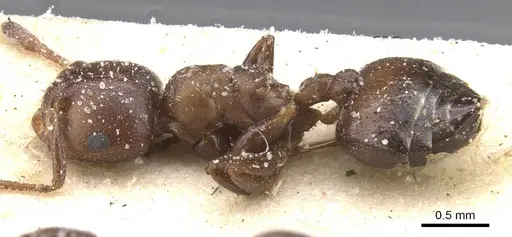
CASENT0912673
View on AntWeb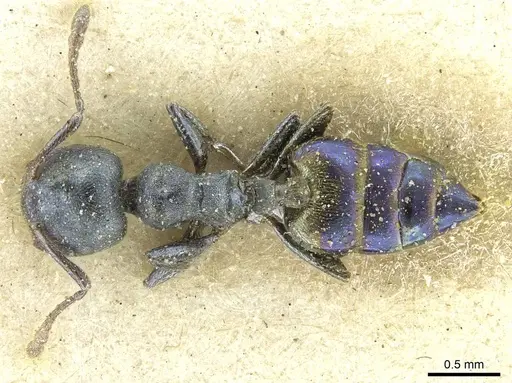
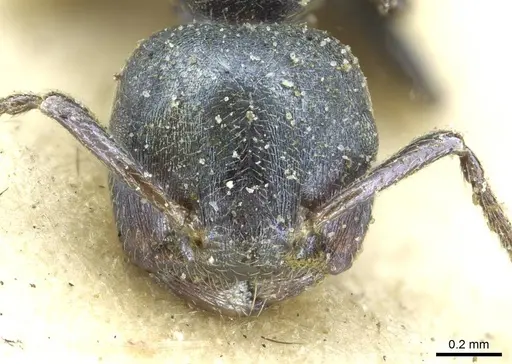
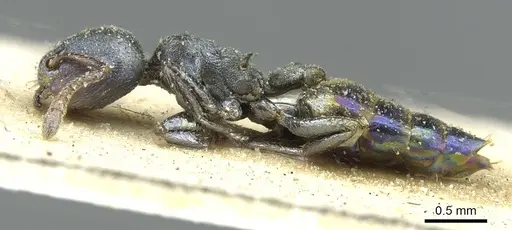
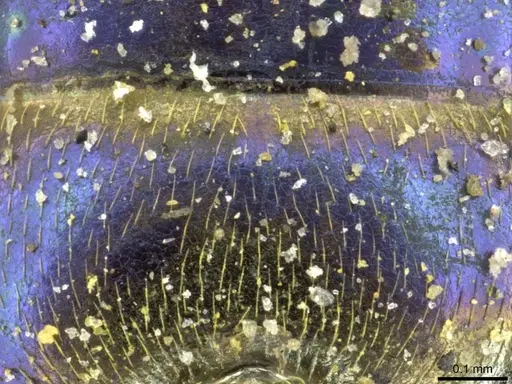
CASENT0912674
View on AntWeb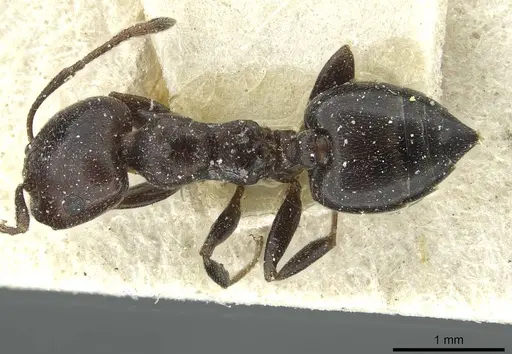
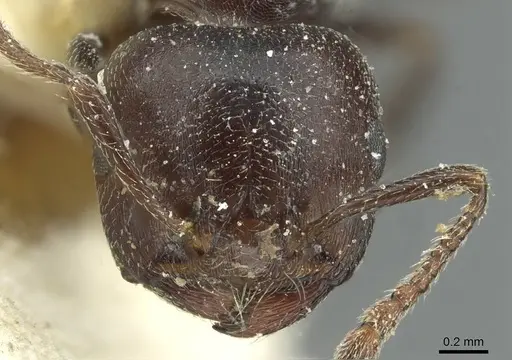
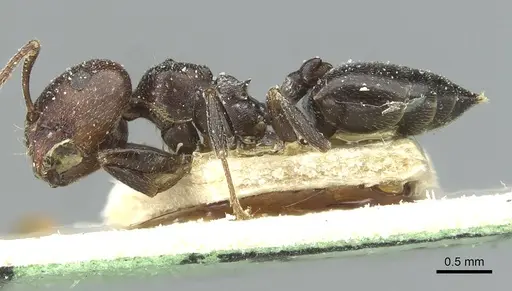
CASENT0912675
View on AntWeb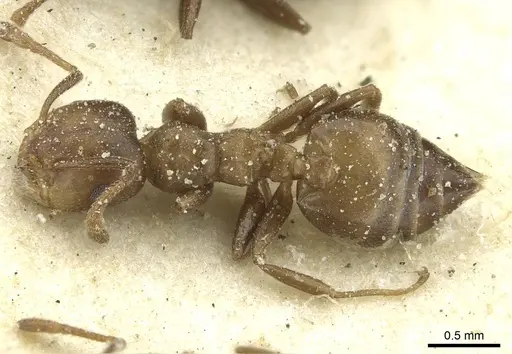
CASENT0912677
View on AntWeb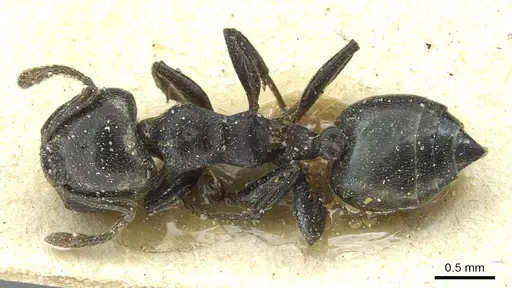
CASENT0912678
View on AntWeb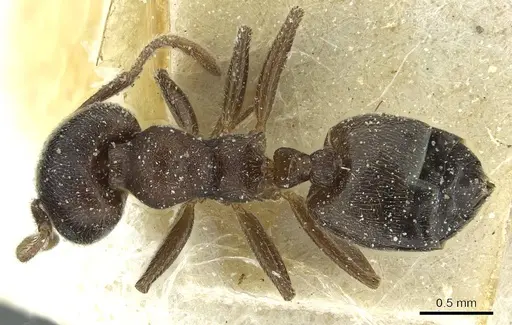
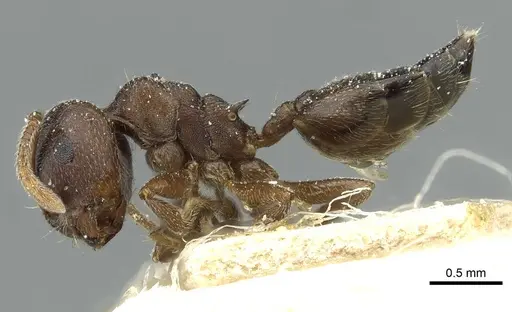
CASENT0914295
View on AntWeb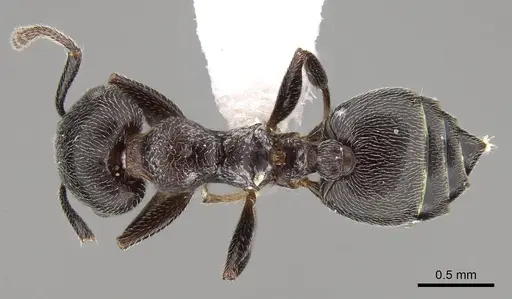
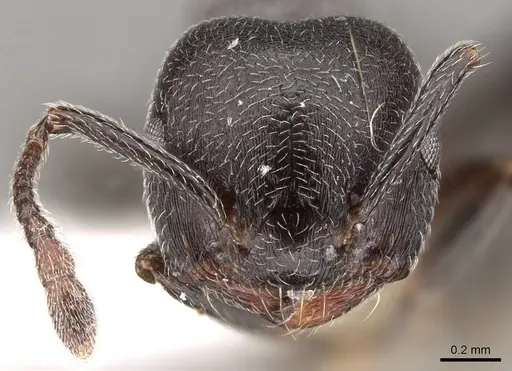
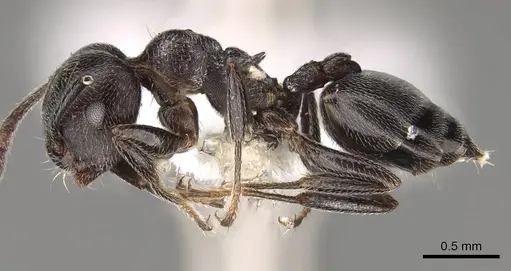
RMCAENT000017758
View on AntWeb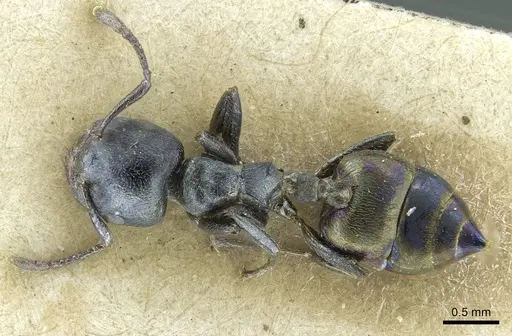
RMCAENT000017761
View on AntWeb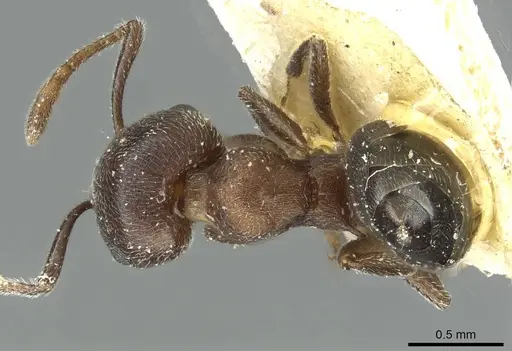
Literature
Loading...Loading products...