

Crematogaster flavitarsis
- Scientific Name
- Crematogaster flavitarsis
- Tribe
- Crematogastrini
- Subfamily
- Myrmicinae
- Author
- Emery, 1900
- Distribution
- Found in 1 countries
Crematogaster flavitarsis Overview
Crematogaster flavitarsis is an ant species of the genus Crematogaster. It is primarily documented in 1 countries , including Papua New Guinea. Detailed taxonomic data and occurrence records can be further explored via authoritative databases such as AntWeb or the Global Biodiversity Information Facility (GBIF).
Crematogaster flavitarsis
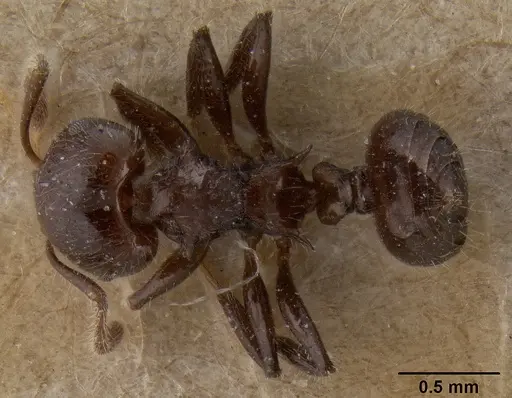
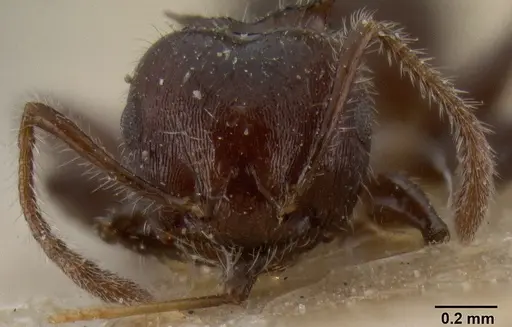
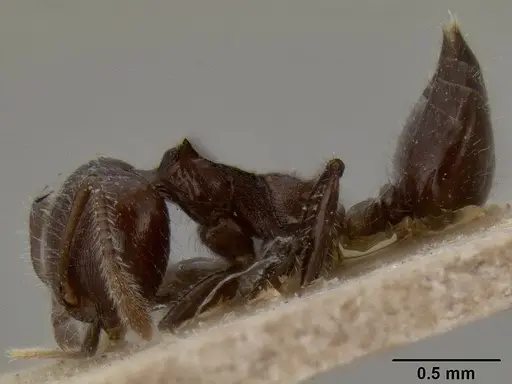
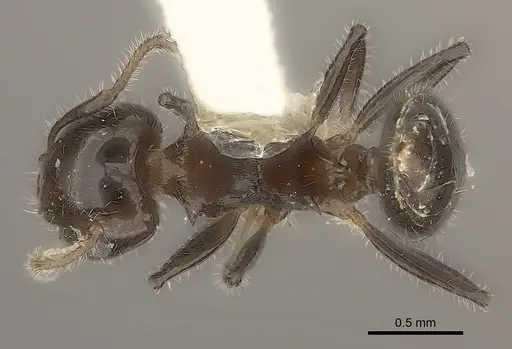
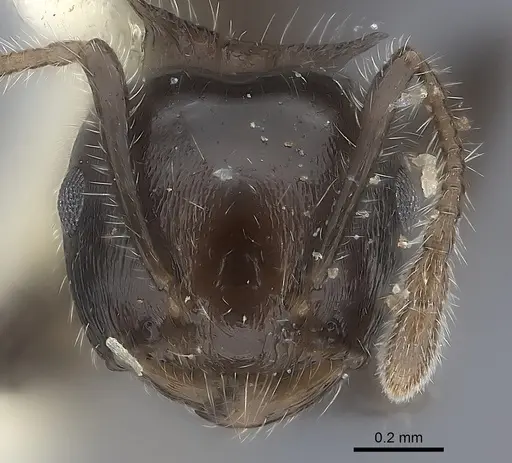
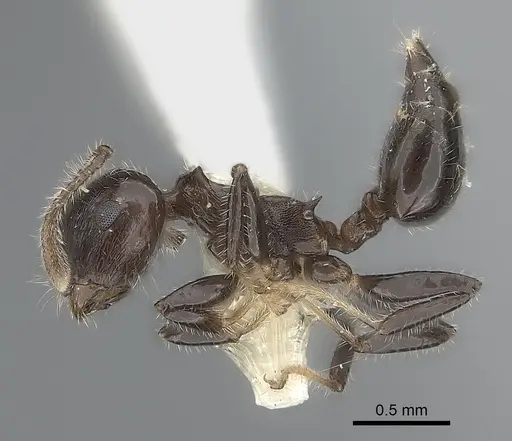
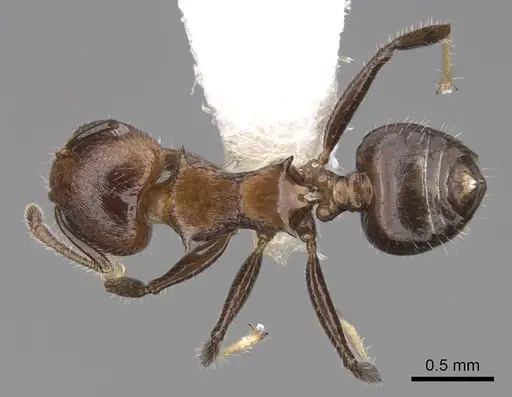
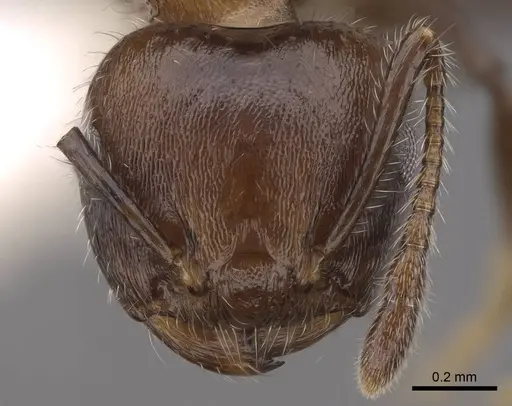
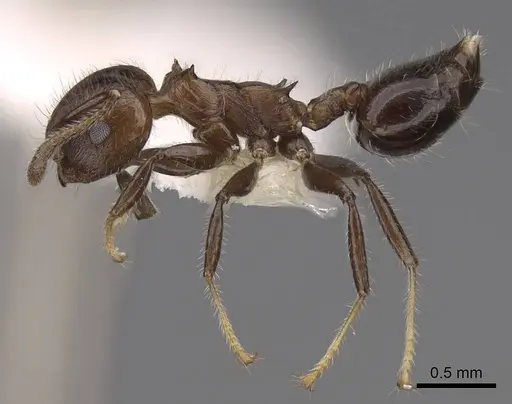
Crematogaster flavitarsis is a small arboreal ant species native to Papua New Guinea. Workers are part of the Crematogaster tetracantha group and have the characteristic heart-shaped gaster (the rear body segment) that gives these ants their common name 'cocktail ants' due to their habit of raising their gaster when alarmed. This species is distinctly yellow to yellowish-brown in color, as the name 'flavitarsis' suggests (flavus = yellow in Latin). They are among the most common ant species in secondary forest habitats in their range, with documented nesting in trees and foraging activity in the forest canopy [1]. This species was described by Emery in 1900 from specimens collected on Seleo Island and Tamara Island in Papua New Guinea.
Quick Summary
- Difficulty: Medium
- Origin & Habitat: Papua New Guinea, Australasian Region. This species is strongly associated with secondary forest habitats, it was the second most common native ant species recorded in secondary forest surveys with 130 occurrences, while being absent from primary forest plots [1]. They are arboreal nesters, nesting in trees and foraging in the forest canopy.
- Colony Type: Colony structure is unconfirmed for this specific species. The genus Crematogaster typically forms polygynous (multi-queen) colonies, though some species can be monogyne. The study found 49 nests in secondary forest with 1305 foragers recorded [1].
- Size & Growth:
- Queen: Unknown, no specific measurements available
- Worker: Unknown, no specific measurements available for this species. Typical Crematogaster workers are 2-5mm
- Colony: Colony size is unconfirmed, though the study recorded 1305 foragers from 49 nests in secondary forest [1]. Based on genus patterns, colonies likely reach several hundred workers.
- Growth: Moderate, estimated based on typical Crematogaster development
- Development: 6-8 weeks (estimated based on genus patterns for tropical species) (Development timeline is not directly studied for this species. Tropical Crematogaster species typically develop from egg to worker in 6-8 weeks at warm temperatures.)
- Antkeeping:
- Temperature: Keep at 24-28°C. As a tropical species from Papua New Guinea, they need warm conditions. A heating cable on one side of the nest creates a suitable gradient. Room temperature may suffice if your home stays in this range.
- Humidity: Keep humidity moderate to high (60-80%). As an arboreal species from tropical rainforest, they prefer damp conditions. Mist the outworld regularly and keep the nest substrate moist but not waterlogged.
- Diapause: No, this is a tropical species that does not require hibernation. They remain active year-round in consistent tropical conditions.
- Nesting: Arboreal nesters. In captivity, they do well in Y-tong (AAC) nests, plaster nests, or naturalistic setups with wood or cork pieces. They prefer tight chambers and will nest in pre-made tunnels. Avoid dry, open setups, they need humidity retention.
- Behavior: Crematogaster ants are known for their defensive behavior, when threatened, they raise their abdomen (gaster) in a warning posture and can emit a foul-smelling chemical from their anal gland. They are generally non-aggressive toward keepers but will defend their nest vigorously. Workers are active foragers that search for honeydew and small insects. Their small size (typical for genus) means escape prevention is important, use fine mesh and tight-fitting lids. They are arboreal by nature and will explore vertically in the outworld.
- Common Issues: escape prevention is critical, their small size means they can squeeze through tiny gaps, tropical humidity requirements can lead to mold if ventilation is poor, colonies may struggle if temperatures drop below 22°C, wild-caught colonies may have parasites that kill them in captivity, overfeeding can lead to mold in the outworld, remove uneaten prey promptly
Natural History and Distribution
Crematogaster flavitarsis is endemic to Papua New Guinea, where it is one of the most common ant species in secondary forest habitats. The species was originally described by Carlo Emery in 1900 from specimens collected on Seleo Island and Tamara Island. Research in 2015 found this species exclusively in secondary forest, with 130 recorded occurrences and 49 documented nests. Notably, it did not occur in primary forest plots, suggesting it benefits from forest disturbance and open canopy conditions [1]. This arboreal species nests in trees and forages in the forest canopy, making it well-adapted to secondary growth environments.
Housing and Nest Setup
As an arboreal species from tropical rainforest, Crematogaster flavitarsis needs a setup that provides humidity retention and climbing opportunities. Y-tong (acrylic) nests work well because they hold humidity while allowing you to observe the colony. Plaster nests are another good option, just keep them moist but not saturated. The outworld should include climbing structures like cork, twigs, or artificial plants since these ants naturally forage vertically. Use a test tube setup for the founding colony, then move to a formicarium once the colony reaches 30-50 workers. Escape prevention is essential, these are small ants that can slip through tiny gaps, so use fine mesh on all ventilation holes and ensure lids fit tightly.
Feeding and Diet
Like most Crematogaster species, these ants are omnivorous with a preference for sweet liquids. Offer sugar water, honey, or diluted maple syrup as a constant sugar source. For protein, provide small insects like fruit flies, pinhead crickets, or mealworm pieces. They will also collect honeydew if you haveaphids or scale insects in the outworld. Feed protein 2-3 times per week, removing any uneaten prey within 24 hours to prevent mold. Fresh fruit can also be accepted occasionally. Keep the sugar source available at all times.
Temperature and Seasonal Care
Crematogaster flavitarsis comes from tropical Papua New Guinea and needs warm conditions year-round. Keep the nest area at 24-28°C. A small heating cable or heat mat on one side of the nest creates a temperature gradient that lets the ants choose their preferred spot. Avoid temperatures below 22°C, prolonged cool conditions will slow brood development and can weaken the colony. Since this is a tropical species, they do not require hibernation or diapause. Maintain consistent warmth throughout the year, mimicking their stable tropical environment.
Behavior and Defense
Crematogaster ants have a distinctive defensive behavior, when threatened, workers raise their abdomen (gaster) upward in a warning posture, giving them the nickname 'cocktail ants.' They can emit a foul-smelling chemical from their anal gland as a deterrent. Despite this defensive display, they are not particularly aggressive toward keepers and can be handled gently. Workers are active foragers that search both the nest area and outworld for food. They communicate through chemical trails and will quickly recruit nestmates to good food sources. Their small size makes them quick movers, so keep escape prevention in mind during feeding and cleaning.
Frequently Asked Questions
How long does it take for Crematogaster flavitarsis to produce first workers?
The exact timeline is unconfirmed for this species, but based on typical tropical Crematogaster development, expect first workers (nanitics) in 6-8 weeks after the queen lays eggs. Keep the nest warm (24-28°C) to support proper development.
What do Crematogaster flavitarsis ants eat?
They are omnivorous. Offer a constant sugar source (sugar water, honey, or maple syrup) and protein foods like small insects (fruit flies, pinhead crickets, mealworm pieces) 2-3 times per week. They may also accept fresh fruit.
Do Crematogaster flavitarsis ants sting?
Crematogaster ants have a stinger but it is small and rarely penetrates human skin. They rely more on their chemical defense, raising their gaster and emitting a foul smell, than on stinging. They are not considered dangerous to humans.
Can I keep Crematogaster flavitarsis in a test tube setup?
Yes, test tubes work well for founding colonies. Use a standard test tube setup with a water reservoir and cotton plug. Once the colony reaches 30-50 workers, consider moving them to a formicarium like a Y-tong nest that can better hold humidity.
Do Crematogaster flavitarsis need hibernation?
No. This is a tropical species from Papua New Guinea and does not require hibernation. Keep them warm year-round at 24-28°C. They remain active throughout the year in consistent tropical conditions.
How big do Crematogaster flavitarsis colonies get?
Colony size is unconfirmed for this specific species, but based on genus patterns and the study showing 1305 foragers from 49 nests, colonies likely reach several hundred workers. They are not among the largest Crematogaster species.
What is the best nest type for Crematogaster flavitarsis?
Y-tong (acrylic) nests or plaster nests work best because they retain humidity well. These are arboreal ants that prefer humid conditions. Include climbing structures in the outworld since they naturally forage vertically.
Are Crematogaster flavitarsis good for beginners?
This species is rated Medium difficulty. They have specific humidity and temperature needs (tropical conditions), but their care requirements are straightforward once you provide the right setup. They are not as hardy as some common temperate species, so some antkeeping experience is helpful.
Why did my Crematogaster flavitarsis colony die?
Common causes include: temperatures below 22°C (tropical species need warmth), low humidity (they need damp conditions), poor escape prevention (they are small and can escape easily), or mold from overfeeding. Check that your setup maintains proper temperature and humidity before adding another colony.
References

This caresheet is licensed under CC BY-SA 4.0 .
Literature
Loading...Loading products...