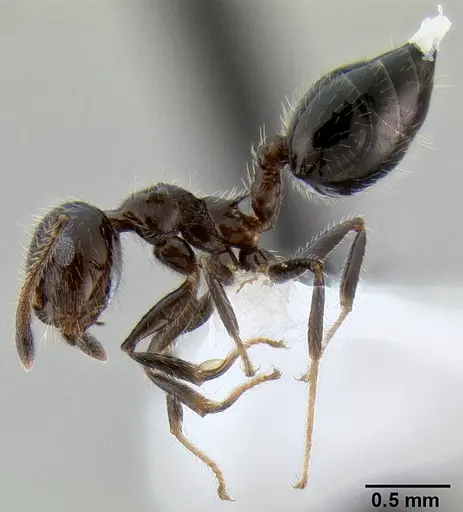
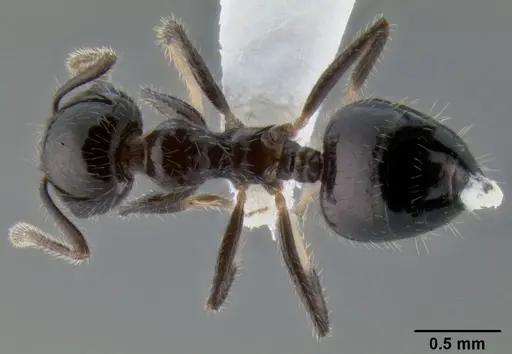
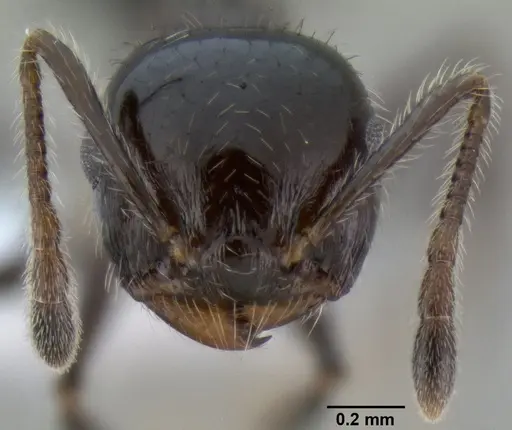
Crematogaster ferrarii - "Ferrari's Acrobat Ant"
Crematogaster ferrarii is a fascinating ant species recognized by its dark coloration and distinctive heart-shaped gaster, a characteristic common to all 'cocktail ants' or 'acrobat ants'. These ants are known for their unique behavior of raising their gaster over their mesosoma when alarmed, resembling an acrobat or a cocktail glass. Workers are generally monomorphic, meaning they are all roughly the same size, although some variation can occur. This species is omnivorous and arboreal, typically found nesting in trees and foraging for a variety of food sources.
- Difficulty: Medium
- Origin & Habitat: Native to tropical and subtropical regions of East Asia, with a widespread distribution across countries like China, Indonesia (Java, Krakatau, Sumatra), Laos, Malaysia, Myanmar, Singapore, Thailand, and Vietnam. in Primarily arboreal, found in forests and woodlands, often nesting in dead wood, hollowed stems, or even live stems. They are common in areas like Hong Kong forests..
- Colony Type: Polygynous (Facultative), claustral (though some crematogaster species can be temporarily parasitic, this is not confirmed for c. ferrarii). founding.
- Size & Growth:
- Queen: Not specified
- Worker: Not specified
- Colony: Large (15,000–40,000 individuals).. Fast, especially once established and provided with consistent food and suitable conditions. growth.
- Antkeeping:
- Temperature: Ideally, maintain temperatures between 21-27°C. While adaptable to room temperature, a warmer range promotes faster development and activity..
- Humidity: Prefer a humidity range of 50-70% for optimal colony health and brood development. They can tolerate slightly lower humidity (30-50%) in the nest, but an external water source is crucial..
- Diapause: Not required. Not specified at Not specified.
- Nesting: As an arboreal species, they thrive in nests that mimic their natural tree-dwelling habitats. This includes setups with naturalistic features, allowing for climbing and exploration. Nests made from natural wood, cork, or even acrylic formicaria with suitable inserts are preferred..
- Behavior: Medium (towards handler and other ants) aggressiveness.
- Common Issues: Mold in nest, Humidity fluctuations, Overfeeding leading to waste.
One of the most captivating aspects of keeping Crematogaster ferrarii is their unique defensive posture. When feeling threatened or alarmed, these ants will raise their heart-shaped gaster (abdomen) upwards and forwards over their bodies, giving them the nickname 'cocktail ants' or 'acrobat ants'. This behavior isn't just for show; it's how they aim their spatulate sting to apply venom topically, which is quite effective at repelling other ants. It's truly a spectacle to behold and a defining characteristic of the genus.
Crematogaster ferrarii colonies can grow quite large, potentially reaching tens of thousands of workers. This means they will require ample space as they mature. Consider a modular formicarium setup that allows for easy expansion as your colony flourishes, preventing overcrowding and stress. Providing enough foraging area, or 'outworld', is also key, as they are active foragers and will appreciate the space to explore and gather food. Keeping a large colony healthy and thriving means being proactive with their expanding needs.
These ants are omnivorous scavengers, meaning they'll eat a variety of things. In their natural habitat, they often tend Hemiptera (like aphids and scale insects) for their sweet honeydew, and they also scavenge for proteins from dead insects. To replicate this in captivity, offer a balanced diet of sugar sources such as sugar water or honey, alongside protein sources like small feeder insects (crickets, mealworms, fruit flies). Observe their preferences and adjust accordingly to ensure they receive all the necessary nutrients for growth and development.
As an arboreal species, providing a nest that encourages climbing and mimics their natural tree-dwelling environment is highly beneficial. Consider formicaria with intricate tunneling systems or designs that incorporate natural wood or cork. This not only makes them feel more at home but also allows for fascinating observation of their nesting behaviors, such as how they might expand their colony into new wooden galleries. Ensuring good ventilation within their habitat is also crucial, as these ants are known to be quite 'chemical', meaning they can produce strong chemical signals within their nests.
Frequently Asked Questions
What kind of nest is best for Crematogaster ferrarii?
Since Crematogaster ferrarii are arboreal ants, they do best in setups that mimic tree-dwelling environments. Think naturalistic formicaria with plenty of climbing opportunities, perhaps made of cork or wood. They appreciate nests with good ventilation too, as they are quite 'chemical' ants.
Do Crematogaster ferrarii sting or bite?
Yes, Crematogaster ants can sting. While they typically aren't aggressive towards humans unless threatened, they are known to use their unique spatulate sting to apply venom topically, primarily for defense against other ants or prey. This defensive action is part of their 'acrobatic' display.
What do Crematogaster ferrarii eat?
These ants are omnivorous scavengers. In the wild, they love honeydew from sap-feeding insects like aphids, and they'll also scavenge dead insects. For your colony, offer a mix of sugar water or honey for carbohydrates and feeder insects like crickets or mealworms for protein.
How large can a Crematogaster ferrarii colony get?
Crematogaster ferrarii colonies can grow quite large, reaching an estimated 15,000 to 40,000 workers. This is a substantial colony size, so be prepared for their growth over time!
Do Crematogaster ferrarii need to hibernate?
No, Crematogaster ferrarii typically do not require diapause (a hibernation-like period). They originate from tropical and subtropical regions where a cold winter period is not part of their natural life cycle.
How fast do Crematogaster ferrarii colonies grow?
Once established, Crematogaster ferrarii colonies generally exhibit a fast growth rate. With proper feeding and environmental conditions, you can expect to see their numbers increase steadily.
What's the ideal temperature for keeping Crematogaster ferrarii?
For optimal colony development and activity, aim for a temperature range of 21-27°C (70-81°F). While they can tolerate room temperature, a warmer environment often encourages faster growth.
What humidity levels do Crematogaster ferrarii prefer in their nest?
They thrive with a humidity range of 50-70%. While they can manage with slightly lower humidity, ensuring a constant water source in their outworld or via a hydration system in the nest is essential to prevent dehydration.
Are Crematogaster ferrarii known for any unique behaviors?
Absolutely! Besides their signature 'cocktail' pose, they are very active foragers. They also have a fascinating way of recruiting nestmates to food sources and can even tend to sap-feeding insects like aphids for honeydew in their natural environment.
How long does it take for an egg to become a worker in a Crematogaster ferrarii colony?
The development from egg to adult worker typically takes about 9 to 10 weeks, depending on temperature and food availability. Consistent warmth and a good protein supply will help keep this process efficient.