

Crematogaster evallans
- Scientific Name
- Crematogaster evallans
- Subgenus
- Orthocrema
- Tribe
- Crematogastrini
- Subfamily
- Myrmicinae
- Author
- Forel, 1907
- Distribution
- Found in 3 countries
Crematogaster evallans Overview
Crematogaster evallans is an ant species of the genus Crematogaster. It is primarily documented in 3 countries , including Brazil, Colombia, Costa Rica. Detailed taxonomic data and occurrence records can be further explored via authoritative databases such as AntWeb or the Global Biodiversity Information Facility (GBIF).
Crematogaster evallans
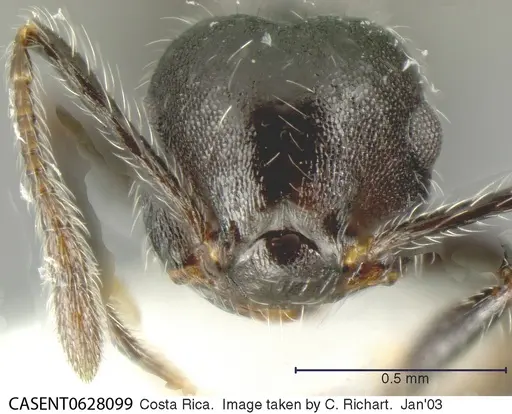
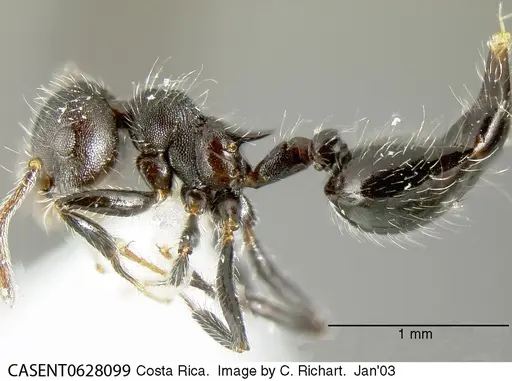
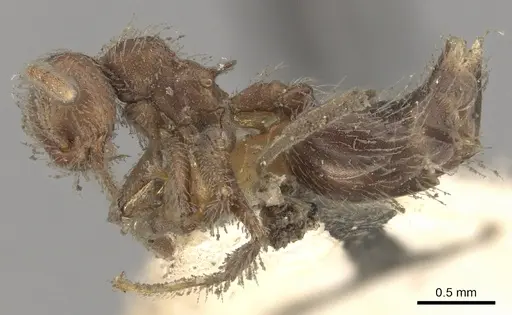
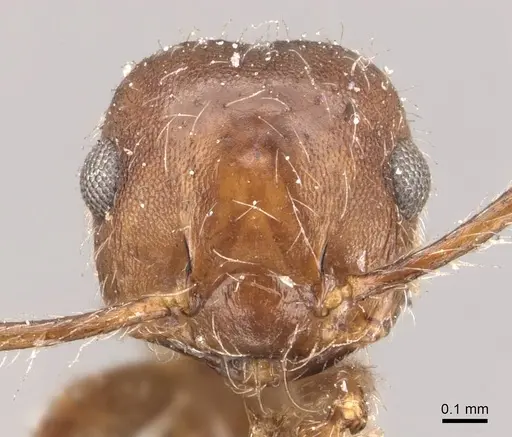
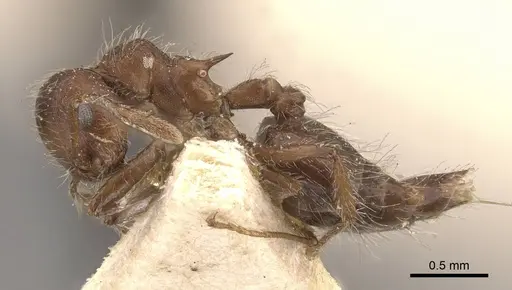
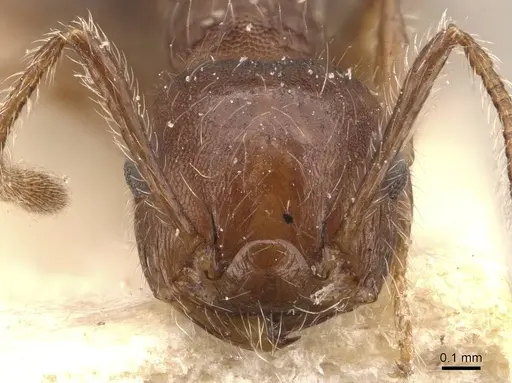
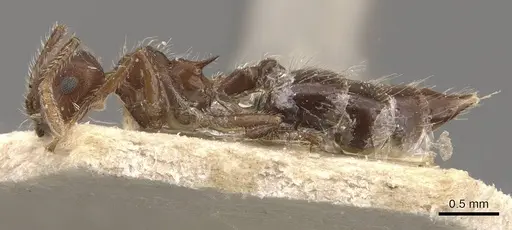
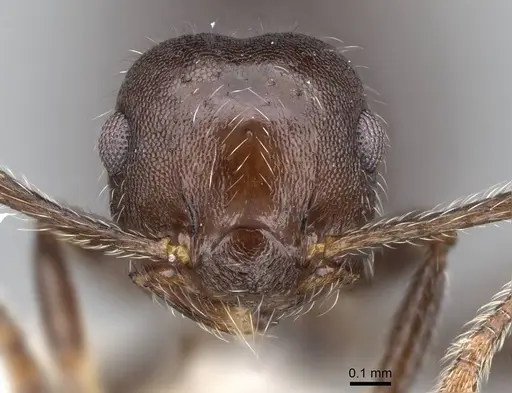
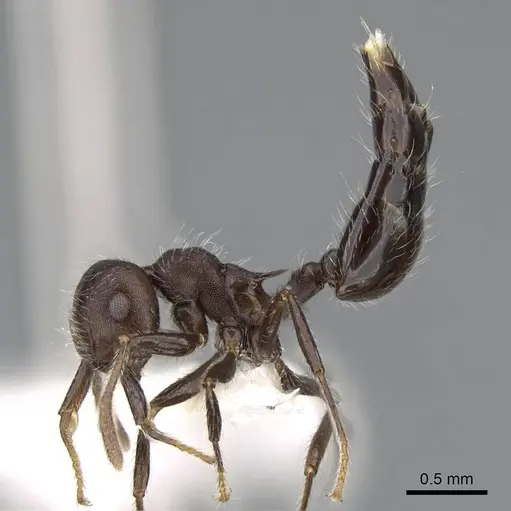
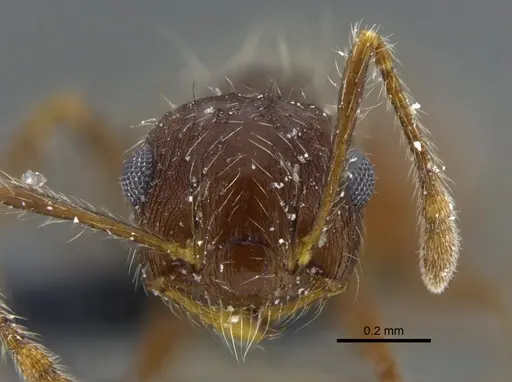
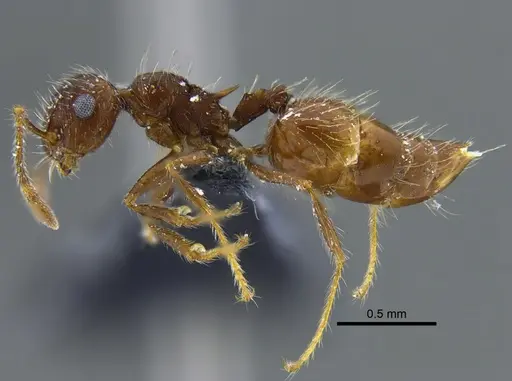
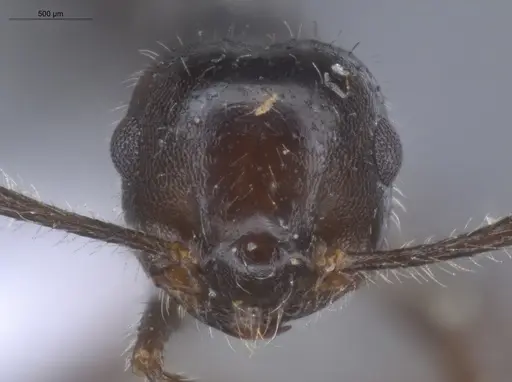
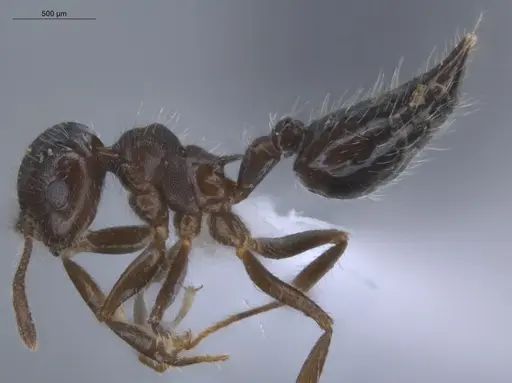
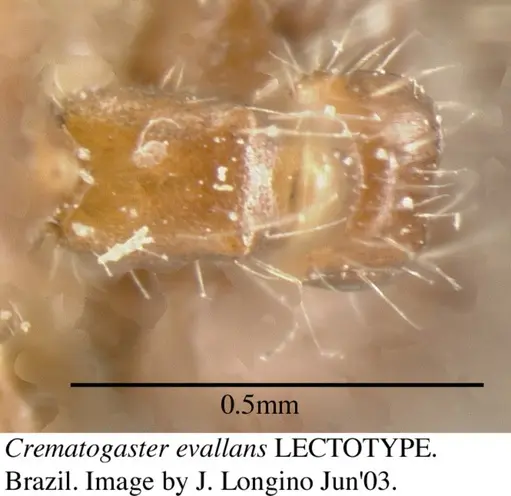
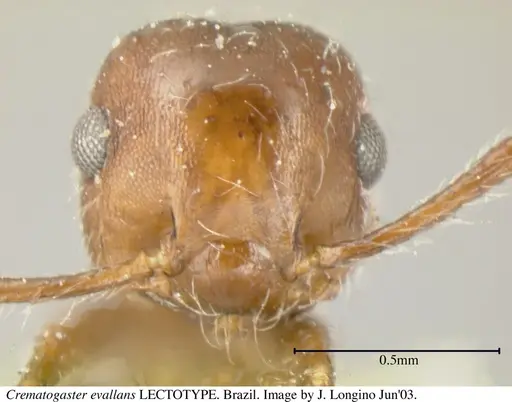
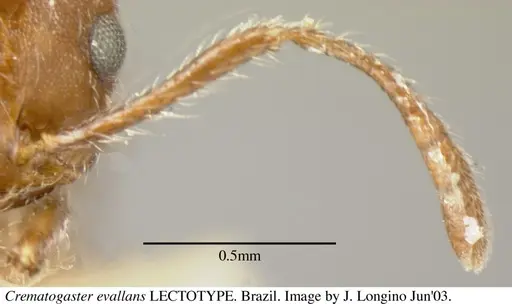
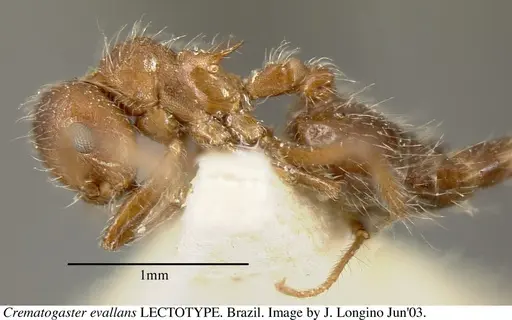
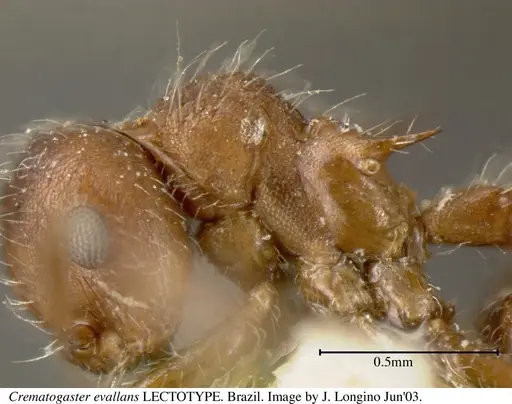
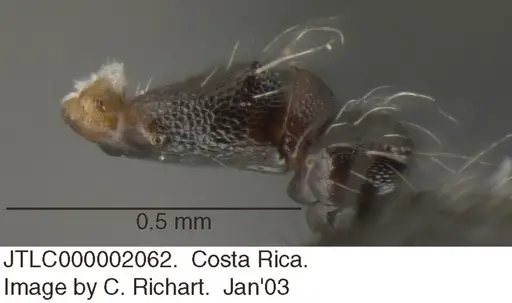
Crematogaster evallans is a medium-sized Myrmicinae ant found throughout the Neotropical region, from Costa Rica through Colombia to Brazil. Workers measure about 2.5-3mm and are dark red-brown to nearly black in color, with distinctive long whitish hairs covering their body. They have a subquadrate head with eyes that project beyond the lateral margins, and their propodeal spines are thin and relatively long. This species is strongly arboreal, living in wet forest habitats where it forms large but infrequently encountered colonies. In the wild, they create visible trunk trails on trees, with workers rapidly descending and fanning out across the ground or low vegetation in search of resources. Queens show morphological features that may indicate social parasitic behavior, though this remains unconfirmed.
Quick Summary
- Difficulty: Medium
- Origin & Habitat: Wet forest habitats throughout the Neotropical region, Brazil, Colombia, Costa Rica, and Guatemala. Found in both lowland rainforest and higher elevation forest fragments [1][2][3].
- Colony Type: Large colonies with unclear social structure. Observed colonies appear to be polydomous (spread across multiple nest sites), with workers and brood scattered across many dead branches in the canopy. Queens may exhibit social parasitic morphology, but colony founding behavior remains unconfirmed [1].
- Size & Growth:
- Queen: Unconfirmed, queen measurements not directly documented, but related species suggest 5-7mm
- Worker: Approximately 2.5-3mm based on HW 0.686-0.742mm [1]
- Colony: Large colonies, estimated hundreds to over 1000 workers based on field observations of extensive trunk trails [1]
- Growth: Moderate, likely slower than tropical specialists due to large colony size at maturity
- Development: Unknown, no direct development data for this species. Based on typical Crematogaster patterns in tropical regions, estimate 6-10 weeks at optimal temperature (Development timeline is unconfirmed. Related tropical Crematogaster species typically take 6-10 weeks from egg to worker.)
- Antkeeping:
- Temperature: Keep at 24-28°C. This species comes from wet tropical forests, so warmth and humidity are important. A gentle gradient allowing workers to self-regulate is recommended
- Humidity: High humidity, aim for 70-85%. These ants live in wet forest environments and need consistently moist conditions. Provide a water reservoir in the nest and mist occasionally, but ensure good ventilation to prevent mold
- Diapause: No, as a tropical species, they do not require hibernation. Maintain consistent warm conditions year-round
- Nesting: Arboreal setup recommended. In captivity, they do well in Y-tong nests, plaster nests with multiple chambers, or naturalistic setups with dead branches/twigs. They prefer enclosed spaces and will nest in pre-existing cavities. Avoid fully artificial test tube setups, they need more complex, multi-chambered housing [1]
- Behavior: Active and aggressive foragers. Workers move quickly in columns and will readily defend their territory. They are arboreal by nature and spend significant time on vegetation. They have a functional stinger but are too small to cause meaningful pain to humans. Escape prevention is important, they are small and can squeeze through small gaps. Provide foraging areas with access to vegetation or branches [1].
- Common Issues: tropical humidity requirements mean mold can quickly become a problem without proper ventilation, arboreal nature means they need more vertical space and climbing structures than ground-nesting ants, large colony size at maturity requires spacious formicarium setup, small nests will lead to stress and abandonment, colony founding is poorly understood, wild colonies may have social parasitic elements that are difficult to replicate in captivity, they are fast-moving and can escape through tiny gaps, use fine mesh and tight-fitting barriers
Natural History and Distribution
Crematogaster evallans is found throughout the Neotropical region, with confirmed populations in Brazil, Colombia, Costa Rica, and Guatemala [3][2]. In Colombia, they have been recorded in Chocó, Huila, Magdalena, Meta, Santander, and Valle departments [2]. This species strongly prefers wet forest habitats and is classified as an arboreal vegetation inhabitant [4]. They are considered a low-density species, large colonies exist but they are infrequently encountered in the wild [1]. Field observations in Costa Rica's Corcovado and Manuel Antonio national parks show workers moving in rapid columns down tree trunks, then fanning out across the ground or low vegetation below. In one notable observation, worn trails in moss on a tree trunk suggested a large colony with regularly used trunk trails [1]. They have also been found in both ground litter and vegetation layers [5].
Nesting Behavior
This species is strongly arboreal, nesting in dead branches and twigs high in trees. The only nest ever observed in the wild was located about 4 meters up in a small tree, lodged in a vine tangle. The dead branches had been hollowed out by termites, and abandoned termite carton material filled the interiors. Workers and alate queens were thinly scattered throughout the branches, with no obvious colony center, suggesting the branches contained only part of a much larger colony living higher in the tree canopy [1]. This polydomous (multi-site) nesting pattern means these ants spread their colony across several nest locations rather than having a single central nest. In captivity, they do best in setups that mimic this, Y-tong nests, plaster nests with multiple connected chambers, or naturalistic terrariums with dead branches/twigs they can colonize. They prefer enclosed spaces and will readily move into pre-existing cavities.
Feeding and Diet
Crematogaster evallans is classified as omnivorous-detritivorous in trophic studies [6]. In the wild, they likely forage for honeydew from aphids and scale insects, collect dead insects, and scavenge organic matter. They have been observed foraging in columns on tree trunks and ground vegetation, suggesting active resource collection. In captivity, offer a varied diet including sugar water or honey as a constant energy source, small insects (fruit flies, small crickets, mealworms) as protein, and occasional fruits or seeds. Their arboreal foraging behavior suggests they may prefer feeding stations placed at various heights rather than just on the ground. Feed protein sources 2-3 times per week and keep sugar water available at all times.
Temperature and Humidity Requirements
As a wet forest species from tropical regions, Crematogaster evallans requires warm and humid conditions. Keep the nest area at 24-28°C with a gentle gradient allowing workers to self-regulate their temperature preference. Humidity should be maintained at 70-85%, this is higher than many common ant species. Provide a water reservoir in the nest and mist occasionally, but ensure adequate ventilation to prevent mold buildup. Since they come from environments with consistent year-round temperatures, do not allow temperatures to drop significantly. Avoid placing the nest near air conditioning vents or in cool rooms. A small heating cable on one side of the nest can help maintain warmth, but monitor carefully to avoid overheating and excessive drying.
Colony Structure and Social Organization
The social structure of Crematogaster evallans remains poorly documented. Field observations show large colonies with workers and brood scattered across multiple nest sites in the canopy, suggesting a polydomous (multi-site) colony structure [1]. The queen exhibits morphological features often associated with social parasitism, specifically, the propodeum slopes obliquely from the postscutellum in a pattern similar to the acuta-group queens known for parasitic behavior [1]. However, colony founding behavior has never been observed, so whether they are actually socially parasitic remains unknown. The presence of numerous inquiline beetles and silverfish in their nests suggests they may host commensal organisms, similar to other arboreal Crematogaster species [1]. For antkeepers, this means their exact colony structure (monogyne vs polygyne) is unclear, and introducing multiple unrelated queens is not recommended without more information.
Handling and Temperament
Crematogaster evallans workers are active and quick-moving, with an aggressive foraging style. They will readily defend their nest and resources. They possess a stinger but are too small (around 2.5-3mm) to penetrate human skin in most cases, the sting would be negligible even if they managed to pierce. Their small size means escape prevention is critical, they can squeeze through remarkably small gaps. Use fine mesh on any ventilation holes and ensure all connections are tight-fitting. When disturbed, workers may raise their abdomen (the characteristic 'cocktail' posture of Crematogaster) and release alarm pheromones to recruit nestmates. They are not suitable for frequent handling but can be observed fascinatingly through the walls of a well-designed formicarium. [1]
Frequently Asked Questions
How long does it take for Crematogaster evallans to produce first workers?
The exact development timeline is unknown for this species. Based on typical tropical Crematogaster patterns, expect approximately 6-10 weeks from egg to first worker at optimal temperature (around 26°C). However, since colony founding behavior is unconfirmed and may involve social parasitism, wild-caught colonies may have different dynamics than newly founded ones.
What is the best nest type for Crematogaster evallans?
An arboreal-style setup works best. Y-tong (AAC) nests or plaster nests with multiple connected chambers are ideal. You can also create a naturalistic terrarium with dead branches or twigs for them to colonize. Avoid simple test tube setups, these ants are arboreal and prefer enclosed spaces with multiple chambers.
Do Crematogaster evallans ants sting?
They have a functional stinger but are too small to cause meaningful pain to humans. At 2.5-3mm, their sting cannot penetrate human skin effectively. However, they may still attempt to sting if handled roughly, and some individuals may experience mild irritation.
Are Crematogaster evallans good for beginners?
This species is rated as Medium difficulty. While not the most challenging ant species, they have specific requirements, high humidity, warm temperatures, and an arboreal setup, that make them better suited for keepers who already have some experience with tropical species. Their large colony size and unclear founding behavior also make them more challenging to establish.
How big do Crematogaster evallans colonies get?
Based on field observations, colonies are large, likely reaching several hundred to over 1000 workers at maturity. The observed nest was part of a much larger colony spread across multiple locations in the canopy, suggesting they need significant space as they grow.
Do Crematogaster evallans need hibernation?
No. As a tropical species from wet forests, they do not require hibernation or winter cooling. Maintain consistent warm temperatures (24-28°C) year-round. Significant temperature drops can stress or kill the colony.
What do Crematogaster evallans eat?
They are omnivorous-detritivorous. Offer sugar water or honey as a constant energy source, small insects (fruit flies, small crickets, mealworms) as protein 2-3 times per week, and occasional fruits or seeds. Their arboreal foraging behavior suggests they may prefer feeding stations at various heights.
Why are my Crematogaster evallans dying?
Common issues include: low humidity (they need 70-85%), temperatures that are too cool (keep at 24-28°C), inadequate nesting space for their large colony size, and escape through small gaps due to their tiny size. Also ensure good ventilation, stagnant air leads to mold in their humid setup.
Can I keep multiple Crematogaster evallans queens together?
The exact colony structure is unconfirmed, but field observations suggest large polydomous colonies. However, since queen morphology suggests possible social parasitism and founding behavior is unknown, combining unrelated queens is not recommended. It has not been documented whether multiple unrelated foundresses will cooperate or fight.
When should I move my colony to a formicarium?
Move them when the test tube or founding setup becomes crowded. Since they are arboreal and form large colonies, plan for a spacious formicarium early. A good indicator is when workers are frequently clustering outside the nest chamber or when brood piles become extensive.
References

This caresheet is licensed under CC BY-SA 4.0 .
CASENT0628099
View on AntWeb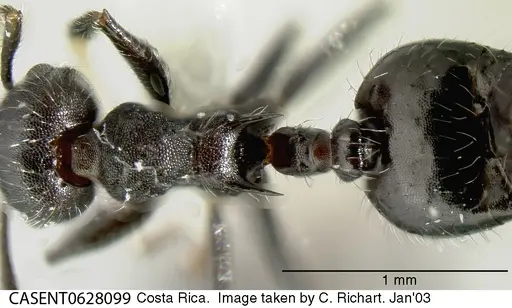
CASENT0628100
View on AntWeb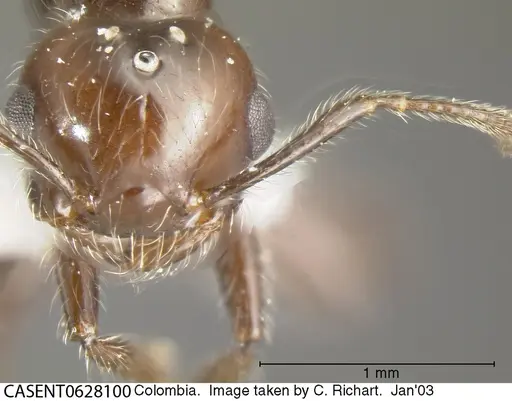
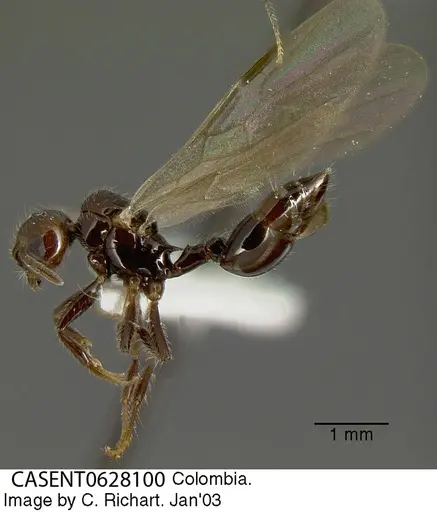
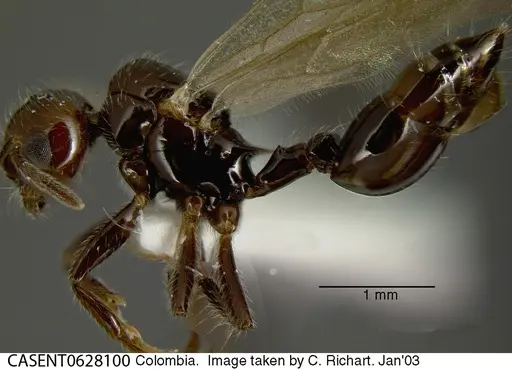
CASENT0902146
View on AntWeb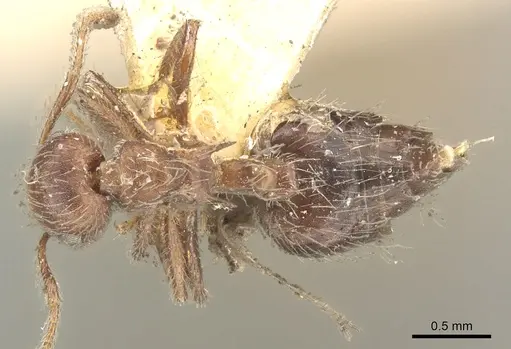
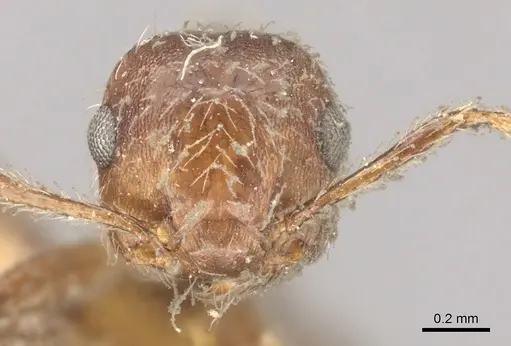
CASENT0908444
View on AntWeb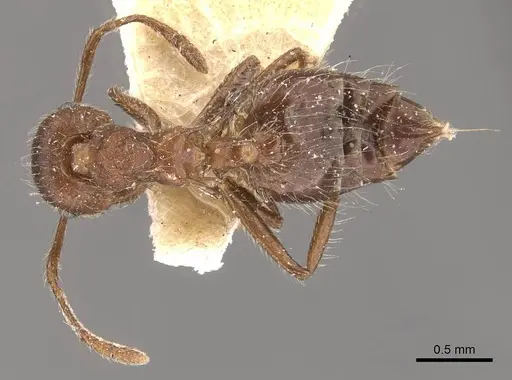
CASENT0908445
View on AntWeb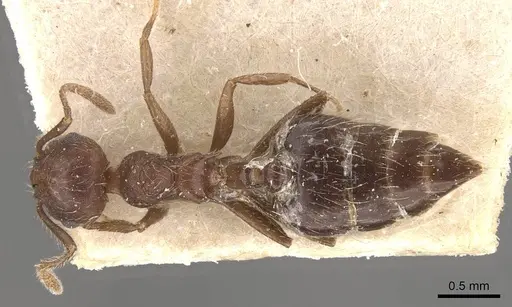
CASENT0914564
View on AntWeb
CBUMAGENT41937
View on AntWeb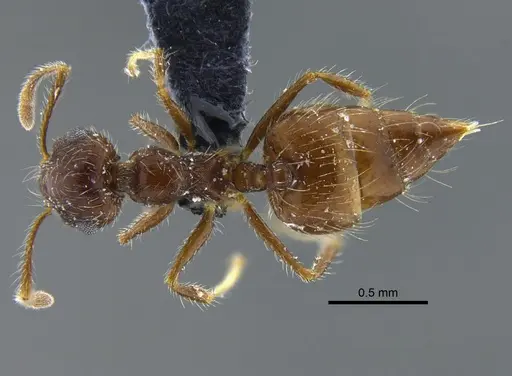
ECOFOG-KR23-0016-12
View on AntWeb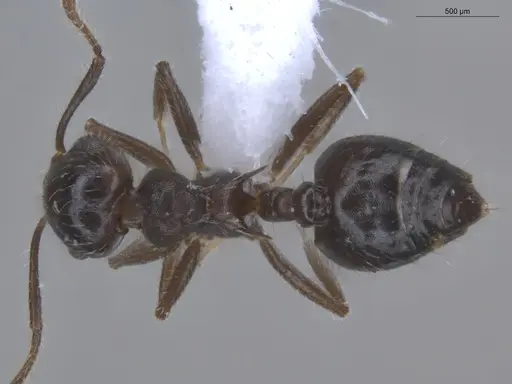
JTL055944
View on AntWeb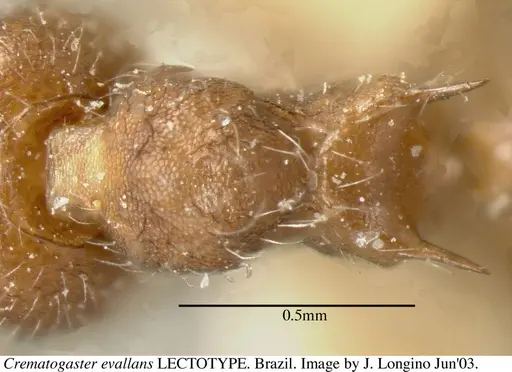
JTLC000002062
View on AntWeb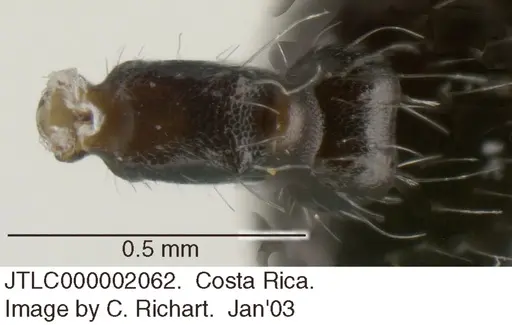
Literature
Loading...Loading products...