

Crematogaster emeryi
- Scientific Name
- Crematogaster emeryi
- Subgenus
- Orthocrema
- Tribe
- Crematogastrini
- Subfamily
- Myrmicinae
- Author
- Forel, 1907
- Distribution
- Found in 1 countries
Crematogaster emeryi Overview
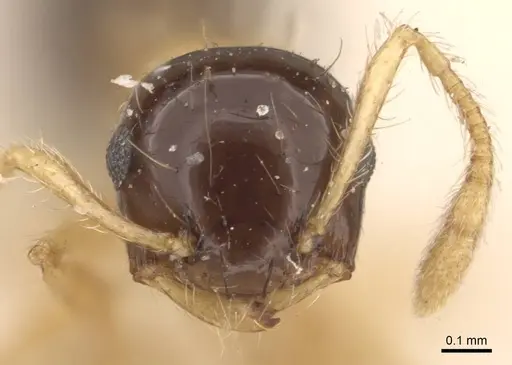
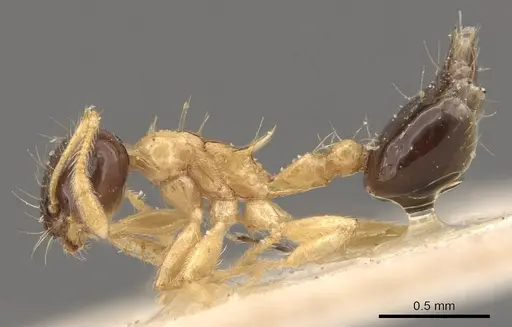
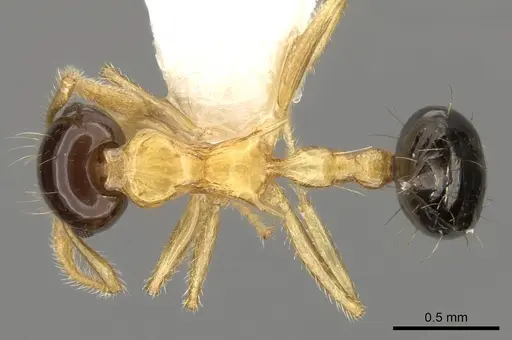
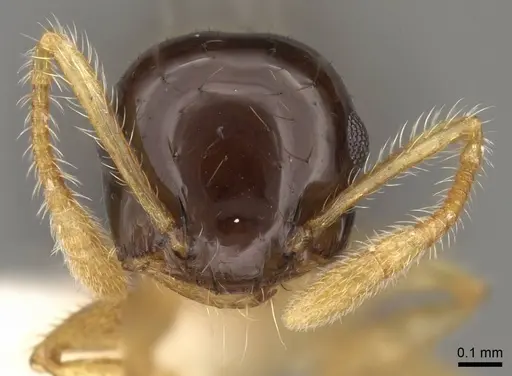
Crematogaster emeryi is an ant species of the genus Crematogaster. It is primarily documented in 1 countries , including Papua New Guinea. Detailed taxonomic data and occurrence records can be further explored via authoritative databases such as AntWeb or the Global Biodiversity Information Facility (GBIF).
Crematogaster emeryi
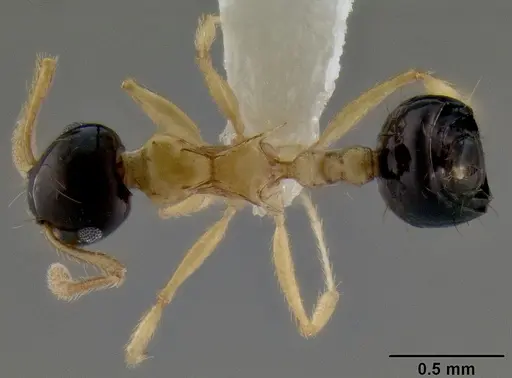
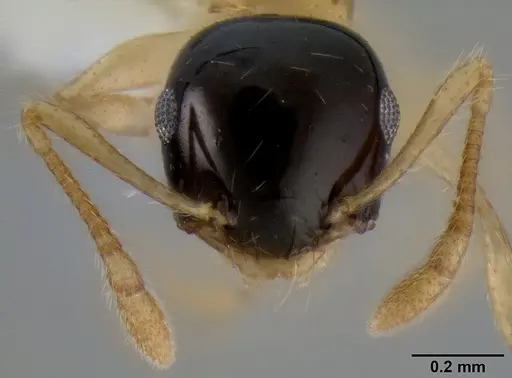
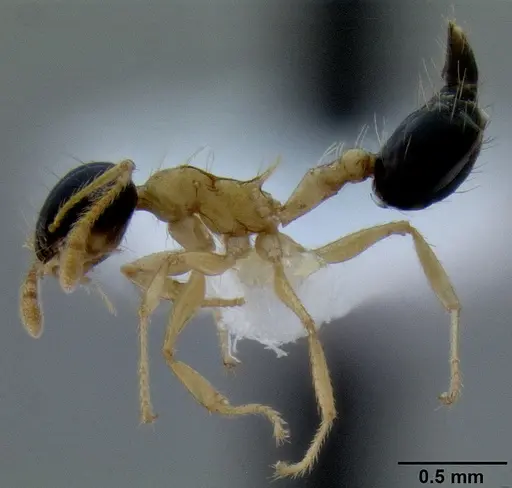
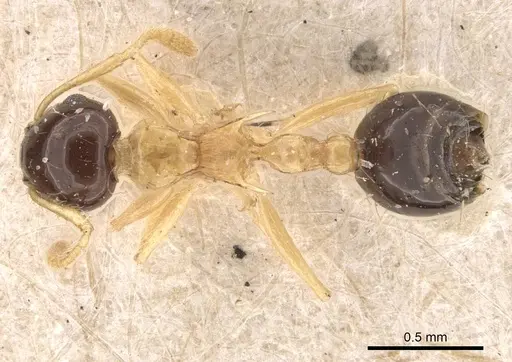
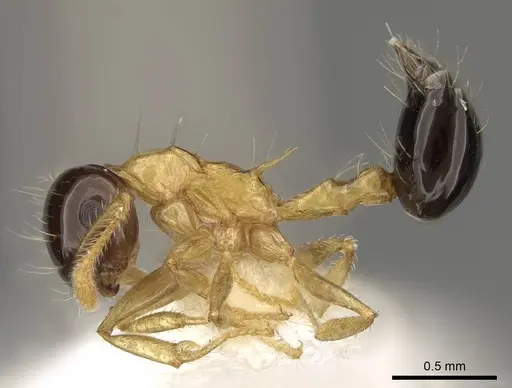
Crematogaster emeryi is a small to medium-sized ant species native to Papua New Guinea. Workers are typically 3-5mm in length with the characteristic Crematogaster feature of being able to raise their abdomen over their head like an acrobat when threatened, hence the common name 'acrobat ant'. The species was originally described as Crematogaster biroi in 1900 but was renamed to emeryi in 1907 since the name was already taken. This species belongs to the Orthocrema clade, a group of Crematogaster ants that are generally smaller and often found in tropical forest environments [1]. The distribution is limited to Papua New Guinea in the Australasian region [2].
Quick Summary
- Difficulty: Medium
- Origin & Habitat: Papua New Guinea, tropical forest environment. Based on Orthoclema clade placement and New Guinea location, these ants likely inhabit rainforest understory and canopy areas, potentially nesting in rotting wood, under bark, or in hollow plant stems [1][2].
- Colony Type: Colony structure is unconfirmed for this specific species. Most Crematogaster species are monogyne (single queen colonies), though some can be polygynous. Without specific research on C. emeryi, the typical Crematogaster pattern applies, single queen colonies are most likely [2].
- Colony: Monogyne
- Founding: Claustral
- Size & Growth:
- Queen: Estimated 5-7mm based on genus patterns for Orthocrema species
- Worker: Estimated 3-5mm based on genus patterns for Orthocrema species
- Colony: Likely several hundred workers based on typical Crematogaster colony sizes
- Growth: Moderate, inferred from genus patterns
- Development: Estimated 6-8 weeks at tropical temperatures (25-28°C) (Development time is estimated from related tropical Crematogaster species. No specific data exists for C. emeryi.)
- Antkeeping:
- Temperature: Keep at 24-28°C. As a tropical Papua New Guinea species, they need warm, stable temperatures. A heating cable on one side of the nest can create a gentle gradient. Avoid temperatures below 20°C for extended periods.
- Humidity: High humidity preferred, aim for 70-80%. These are forest ants from a humid tropical environment. Keep the nest substrate consistently moist but not waterlogged. Provide a water source like a test tube reservoir.
- Diapause: No, this is a tropical species that does not require hibernation. Maintain warm temperatures year-round.
- Nesting: Based on their likely natural habitat in rotting wood and forest understory, a Y-tong (AAC) nest or plaster/naturalistic setup works well. They prefer tight chambers and narrow passages. Avoid dry, airy setups.
- Behavior: Crematogaster ants are known for their defensive behavior, when threatened, workers raise their abdomen over their head in an 'acrobat' pose, ready to spray formic acid or bite. They are generally active foragers and can be aggressive when defending the nest. Escape prevention is important as they are small and can squeeze through small gaps. They are not typically aggressive toward humans but will defend their colony vigorously.
- Common Issues: tropical species may struggle in cool or dry environments, maintain heat and humidity, small size means escape prevention must be excellent, use fine mesh and tight-fitting lids, wild-caught colonies may carry parasites or diseases that can cause colony failure, overfeeding can lead to mold problems in the nest, lack of species-specific data means care is based on genus patterns, be prepared to experiment
Nest Preferences
In the wild, Crematogaster emeryi likely nests in rotting wood, under loose bark, or in hollow plant stems, typical of the Orthocrema clade in tropical forest environments. For captive care, a Y-tong (acrylic) nest or plaster nest works well. They prefer chambers that are appropriately scaled to their small size, tight spaces help them feel secure. A test tube setup can work for founding colonies, but monitor humidity carefully as test tubes can become too wet or dry. Provide some darkness and avoid placing the nest in direct sunlight. A naturalistic setup with rotting wood pieces can mimic their natural environment. [2]
Feeding and Diet
Crematogaster ants are omnivorous and typically feed on honeydew from aphids and scale insects, plus small insects and arthropods. In captivity, offer sugar water or honey as a constant energy source. For protein, provide small insects like fruit flies, pinhead crickets, or mealworms. Feed protein 2-3 times per week, and keep sugar water available at all times. Remove uneaten prey after 24-48 hours to prevent mold. Since this species is from Papua New Guinea, they likely have high protein needs typical of tropical forest ants.
Temperature and Care
As a tropical species from Papua New Guinea, Crematogaster emeryi needs warm temperatures between 24-28°C. Use a heating cable or heating mat on one side of the nest to create a temperature gradient. Place the heating on top of the nest to avoid evaporating water from the nest material. Room temperature may be too cool, monitor with a thermometer. They do not need hibernation or cooling periods. Maintain high humidity around 70-80% by keeping the nest substrate moist. A water tube attached to the outworld provides drinking water. Avoid temperature fluctuations and cold drafts.
Behavior and Temperament
Crematogaster emeryi has the characteristic defensive behavior of all acrobat ants, when threatened, workers raise their abdomen over their head like a scorpion and may spray formic acid or bite. They are active foragers and will readily explore their outworld for food. Colonies are typically not aggressive toward keepers but will defend vigorously against perceived threats. Workers are small (3-5mm) so escape prevention is important, use fine mesh on any ventilation and check for gaps in lids regularly. They are fast-moving and can be skittish, often fleeing rather than fighting when given the chance.
Colony Establishment
When acquiring a queen or founding colony, expect claustral founding, the queen will seal herself in a chamber and raise the first brood alone using stored fat reserves. Do not disturb her during this period. First workers (nanitics) will be smaller than normal workers. After the first workers emerge, the colony will begin foraging for food. Growth rate is moderate, expect several months to reach 20-30 workers, with larger colonies developing over 1-2 years. Patience is key with this species.
Frequently Asked Questions
How long does it take for Crematogaster emeryi to produce first workers?
Estimated 6-8 weeks from egg to first worker at optimal temperatures (25-28°C). This is based on typical tropical Crematogaster development, as no specific data exists for this species. The queen will be claustral and seal herself in during founding.
What do Crematogaster emeryi ants eat?
They are omnivorous. Offer sugar water or honey constantly for energy, plus small insects like fruit flies, pinhead crickets, or mealworms 2-3 times per week for protein. Remove uneaten prey after 24 hours.
Do Crematogaster emeryi ants sting?
They do not have a stinger like some ants, but they can bite and spray formic acid as a defensive mechanism. The acid spray can be irritating but is not dangerous to humans. Their main defense is the characteristic 'acrobat' pose where they raise their abdomen over their head.
What temperature do Crematogaster emeryi ants need?
Keep them warm at 24-28°C. This tropical species from Papua New Guinea does not tolerate cool temperatures. Use a heating cable or mat if your room temperature is below 24°C.
Are Crematogaster emeryi good for beginners?
This species is rated as Medium difficulty. While they are not the hardest species, they do require warm, humid tropical conditions that may need active management. Their small size also requires good escape prevention. Beginners should ensure they can maintain proper temperature and humidity before acquiring this species.
How big do Crematogaster emeryi colonies get?
Based on typical Crematogaster patterns, colonies likely reach several hundred workers over 1-2 years. No specific colony size data exists for this species.
Do Crematogaster emeryi need hibernation?
No, this is a tropical species from Papua New Guinea that does not require hibernation. Maintain warm temperatures year-round. Cooling the colony can stress or kill them.
What type of nest is best for Crematogaster emeryi?
A Y-tong (AAC) nest or plaster nest works well. They prefer tight chambers scaled to their small size. Avoid dry, airy setups. Keep the nest humid and provide a water source.
Where is Crematogaster emeryi found in the wild?
This species is native to Papua New Guinea in the Australasian region. They belong to the Orthocrema clade and likely inhabit tropical rainforest understory and canopy areas.
Can I keep multiple Crematogaster emeryi queens together?
Not recommended without specific data. Most Crematogaster species are monogyne (single queen). Combining unrelated queens of this species has not been documented and queens would likely fight.
References

This caresheet is licensed under CC BY-SA 4.0 .
Literature
Loading...Loading products...