

Crematogaster biroi
- Scientific Name
- Crematogaster biroi
- Subgenus
- Orthocrema
- Tribe
- Crematogastrini
- Subfamily
- Myrmicinae
- Author
- Mayr, 1897
- Distribution
- Found in 5 countries
Crematogaster biroi Overview
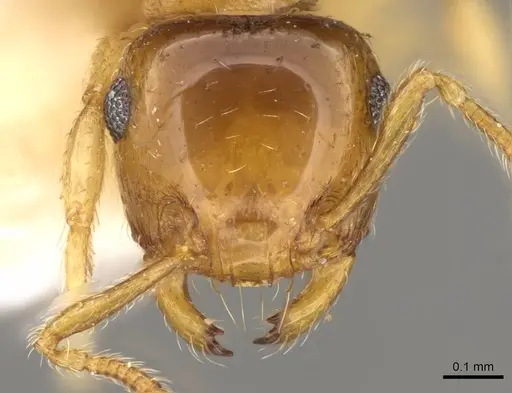
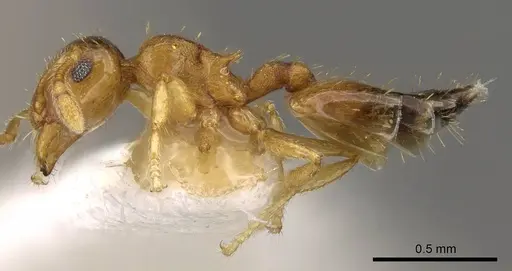
Crematogaster biroi is an ant species of the genus Crematogaster. It is primarily documented in 5 countries , including China, India, Sri Lanka. Detailed taxonomic data and occurrence records can be further explored via authoritative databases such as AntWeb or the Global Biodiversity Information Facility (GBIF).
Crematogaster biroi
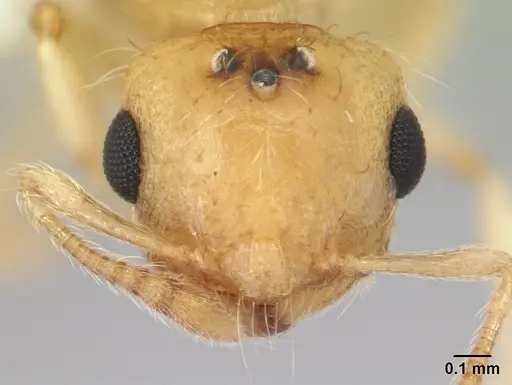
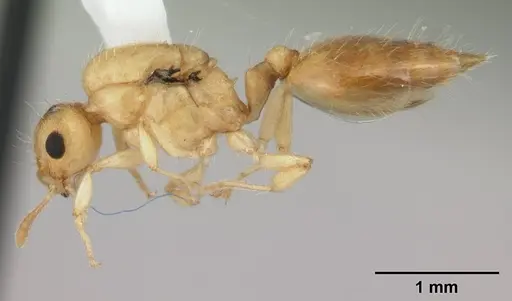
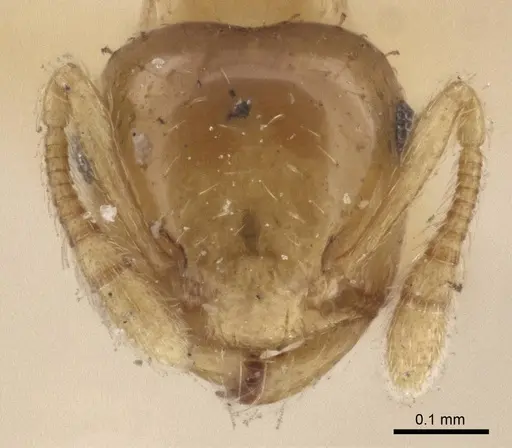
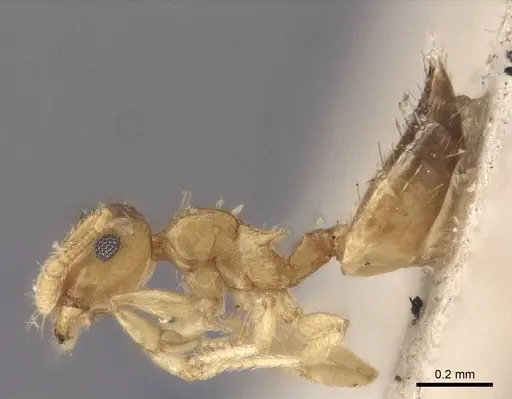
Crematogaster biroi is a small, bright yellow ant native to South and Southeast Asia, ranging from India and Sri Lanka through Pakistan to southern China and Taiwan. Workers measure 1.8-2.3mm with a distinctly shiny yellow body and relatively long antennae that reach past the back of the head [1][2]. This species belongs to the subgenus Orthocrema and is known for a truly unique feature: a third caste exists alongside normal workers and winged queens. These 'intermediates' are larger than workers but smaller than queens, with a specialized role in the colony, they have worker-like bodies but queen-like reproductive development, though they lack a sperm storage organ and their eggs are primarily eaten by larvae as a food source [3]. Colonies are monogyne (single queen) with 12-479 workers and typically 1-5 of these intermediate soldiers [3].
Quick Summary
- Difficulty: Medium
- Origin & Habitat: Native to the Indomalayan region, found across India, Sri Lanka, Pakistan, and southern China (Yunnan, Guangdong, Guangxi, Taiwan). In the wild, they nest in soil, rotting wood, and under stones in broad-leaved forests [3]. In Sri Lanka, they occur primarily in wet zone areas [4].
- Colony Type: Monogyne (single queen) colonies with a unique intermediate/soldier caste. Colonies contain 12-479 workers plus 1-5 intermediate individuals that serve a specialized trophic function [3]. The intermediate caste is a mosaic of queen-like and worker-like traits, they have developed ocelli and more ommatidia than workers, but lack a spermatheca and cannot mate. They lay unfertilized eggs that larvae consume.
- Colony: Monogyne
- Founding: Claustral
- Size & Growth:
- Queen: 4.83mm total length [3]
- Worker: 1.8-2.3mm [1][2]
- Colony: 12-479 workers per colony [3]
- Growth: Moderate
- Development: 6-10 weeks (estimated based on typical Crematogaster development) (Development timeline is not directly studied for this species. Based on related Crematogaster species and the tropical distribution, expect 6-10 weeks from egg to worker at warm temperatures. The unique intermediate caste adds complexity to colony development.)
- Antkeeping:
- Temperature: Keep at 24-28°C. As a tropical/subtropical species from warm regions (India, Sri Lanka, Taiwan, southern China), they need warm conditions. A heating cable on one side of the nest creates a gradient for them to regulate their temperature [3].
- Humidity: Moderate to high humidity. In nature they nest in rotting wood and soil in broad-leaved forests, keep the nest substrate moist but not waterlogged. Provide a water tube for drinking water.
- Diapause: No, foragers remain active throughout the year in their native range [3]. They do not require hibernation.
- Nesting: They accept various nest types, test tubes work well for founding colonies, while larger colonies do well in Y-tong (AAC) nests, plaster nests, or naturalistic setups. They naturally nest in soil, rotting wood, and under stones, so provide appropriate substrate. Because they're small, ensure escape prevention is adequate.
- Behavior: These are relatively calm, non-aggressive ants. As acrobat ants, they have a distinctive habit of raising their gaster when alarmed. They are active foragers that search for food throughout the year in their native climate. Workers are small (1.8-2.3mm) so escape prevention matters, they can slip through small gaps. The unique intermediate caste is not aggressive and serves a trophic (feeding) role rather than defense.
- Common Issues: small size means escapes are likely without fine mesh barriers, colonies can be slow to establish, patience is needed through the founding phase, the unique intermediate caste may cause confusion, these are normal, not a sign of colony problems, wild-caught colonies may have parasites that kill them in captivity, overfeeding can lead to mold issues in their nest
The Unique Intermediate Castes
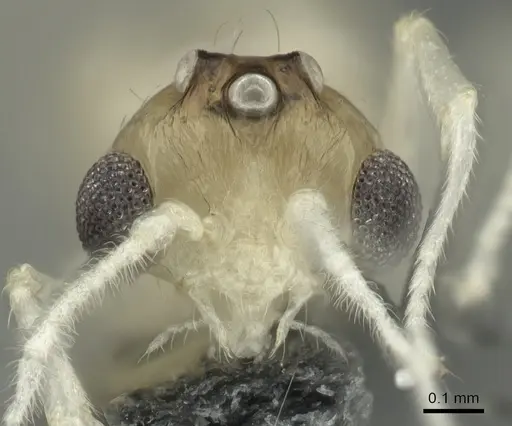
Crematogaster biroi has a fascinating social structure that sets it apart from most ants. In addition to normal workers and winged queens, colonies contain a third caste called 'intermediates' or soldiers. These individuals are larger than workers (4.42mm vs 2.15mm) but smaller than queens (4.83mm), and have a mix of queen-like and worker-like traits [3]. They have developed ocelli (simple eyes on top of the head) and more visual ommatidia than workers (84-86 vs 36-46), but they lack a spermatheca, the organ where queens store sperm [3]. This means they cannot mate and are not true replacement queens. Instead, these intermediates serve a specialized trophic function: they lay unfertilized eggs that are mostly eaten by developing larvae [3]. When researchers fed colored liquid food to colonies, young larvae had colored stomachs (indicating they received liquid food from workers), while older larvae had the colored eggs inside them, showing the intermediates' eggs serve as food for the colony [3]. Only 1-5 intermediates are found per colony, and they remain present year-round [3]. This is completely normal behavior for this species, seeing these intermediate-sized ants is not a sign of colony problems.
Nest Preferences and Housing
In the wild, Crematogaster biroi nests in soil, rotting wood, and under stones in broad-leaved forests [3]. They prefer humid, shaded microhabitats. For captive care, they accept various setups. Test tubes work well for founding colonies, keep the cotton moist but not flooded. As colonies grow, consider Y-tong (AAC) nests, plaster nests, or naturalistic setups with soil and rotting wood pieces. The key is maintaining humidity without the nest becoming waterlogged. They do well at room temperature in most homes but appreciate gentle warming (24-28°C). Because workers are small (1.8-2.3mm), use fine mesh on any outworld connections to prevent escapes.
Feeding and Diet
Crematogaster biroi is an omnivorous forager. They likely collect honeydew from aphids and scale insects in addition to hunting small insects. In captivity, offer a varied diet: sugar water or honey as a constant energy source, and protein sources like fruit flies, small crickets, or mealworms. The unique intermediate caste adds an interesting dimension, they lay eggs that larvae consume, so ensuring good protein intake supports this natural trophic function. Feed protein 2-3 times per week and keep sugar sources available constantly. Remove uneaten prey after 24-48 hours to prevent mold. [3]
Temperature and Seasonal Care
As a species from tropical and subtropical Asia (India, Sri Lanka, Taiwan, southern China), Crematogaster biroi prefers warm conditions. Keep nest temperatures around 24-28°C. A heating cable on one side of the nest creates a temperature gradient so ants can choose their preferred spot. Importantly, foragers remain active throughout the year in their native range [3], meaning they do not require a hibernation or diapause period. This makes them a good choice for keepers who don't want to manage winter cooling. Simply maintain stable warm temperatures year-round and they will continue developing.
Behavior and Temperament
These are relatively docile ants compared to many Myrmicinae. As acrobat ants, they have a characteristic behavior: when threatened, they raise their abdomen (gaster) over their head, ready to spray formic acid or alert nestmates. They are active foragers that search for food throughout their territory. Workers are small (1.8-2.3mm) but not extremely tiny, they're larger than some problematically small species like Pheidole. However, escape prevention is still important because they can squeeze through small gaps. The intermediate caste individuals are not aggressive defenders, they serve their trophic role quietly. Overall, this is a manageable species for intermediate keepers who appreciate their unique social structure. [1][2][3]
Frequently Asked Questions
What makes Crematogaster biroi different from other ants?
They have a unique 'intermediate' caste, ants that are between workers and queens in size. These intermediates can't mate but lay eggs that larvae eat. This third caste is rare in the ant world and makes C. biroi fascinating to observe.
How big do Crematogaster biroi colonies get?
Wild colonies reach 12-479 workers, with typically 1-5 of those being the intermediate soldiers [3]. In captivity, expect similar sizes, probably up to a few hundred workers.
Do Crematogaster biroi need hibernation?
No. In their native tropical and subtropical range (India, Sri Lanka, Taiwan), foragers stay active year-round [3]. Simply keep them warm (24-28°C) throughout the year.
What do Crematogaster biroi eat?
They eat sugar sources (honey, sugar water) and protein (small insects like fruit flies, crickets, mealworms). In the wild they also likely collect honeydew from aphids.
Are Crematogaster biroi good for beginners?
They are rated Medium difficulty. They're more challenging than simple species like Lasius because they need warmer temperatures and the unique intermediate caste can confuse new keepers who think something is wrong. However, they're not aggressive and don't require hibernation.
How long does it take for first workers to emerge?
Exact development time isn't documented, but based on related Crematogaster species and their tropical distribution, expect 6-10 weeks from egg to worker at warm temperatures (24-28°C).
Do Crematogaster biroi sting?
As acrobat ants, they can raise their gaster and spray formic acid as a defense. They're not dangerous to humans but may cause skin irritation. They're generally docile and prefer to flee rather than fight.
Can I keep multiple queens together?
No. This is a monogyne species, colonies have a single queen [3]. Combining unrelated queens is not recommended and would likely result in fighting.
Why do I see bigger ants in my colony that aren't queens?
Those are the intermediate soldiers, a normal third caste unique to this species group. They're larger than workers (4.42mm vs 2.15mm) but smaller than queens, and serve a special role laying eggs that larvae eat [3]. This is completely normal!
What temperature do they need?
Keep them at 24-28°C. As a tropical species from warm Asian regions, they need consistent warmth. A heating cable on part of the nest helps maintain optimal temperatures.
Where are Crematogaster biroi found in the wild?
They range across South and Southeast Asia: India, Sri Lanka, Pakistan, and southern China (Yunnan, Guangdong, Guangxi, Taiwan) [5][2]. They live in broad-leaved forests, nesting in soil, rotting wood, and under stones.
When do they have nuptial flights?
The exact timing of nuptial flights is not documented in the scientific literature for this species. As a tropical species, they likely fly during warm, humid seasons in their range.
References

This caresheet is licensed under CC BY-SA 4.0 .
CASENT0178364
View on AntWeb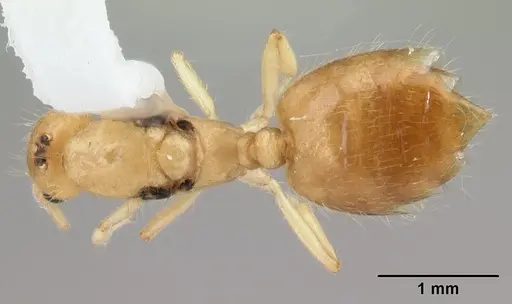
CASENT0178365
View on AntWeb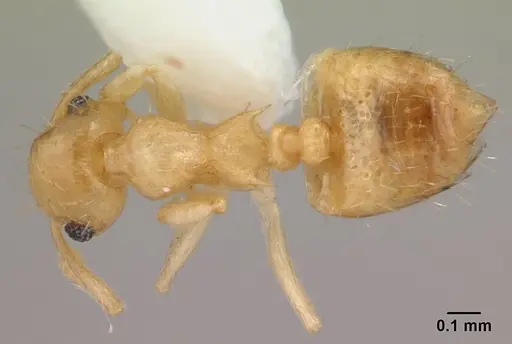
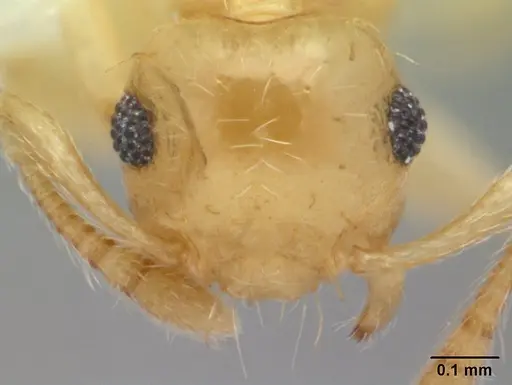
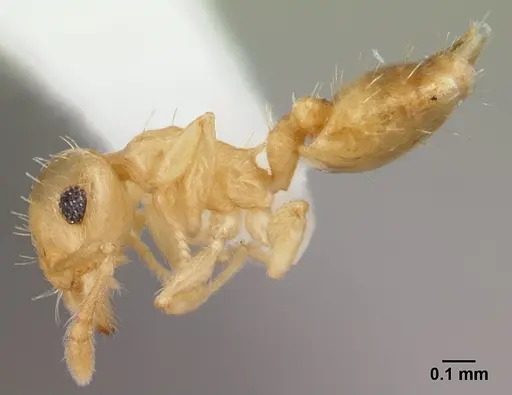
CASENT0906675
View on AntWeb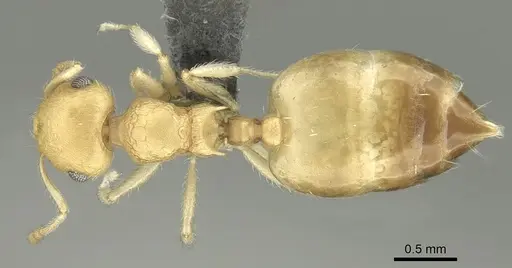
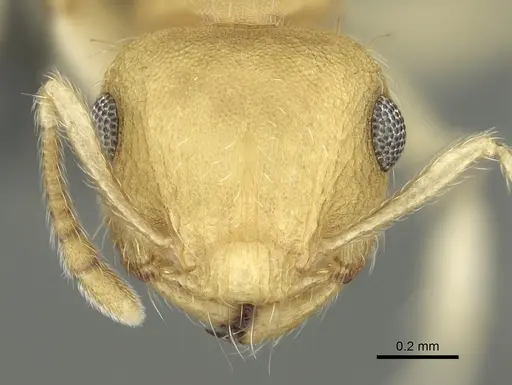
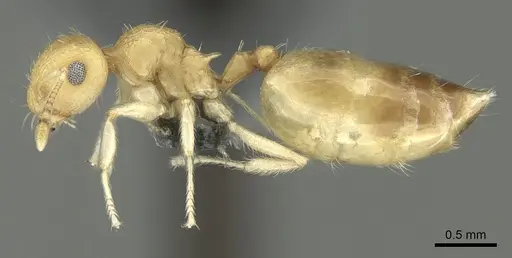
CASENT0906676
View on AntWeb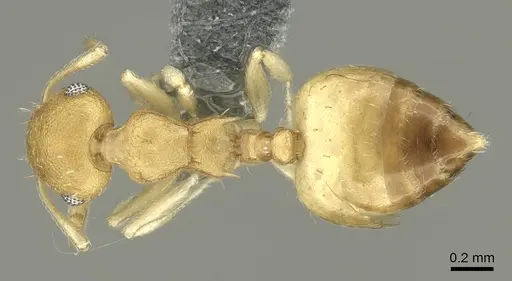
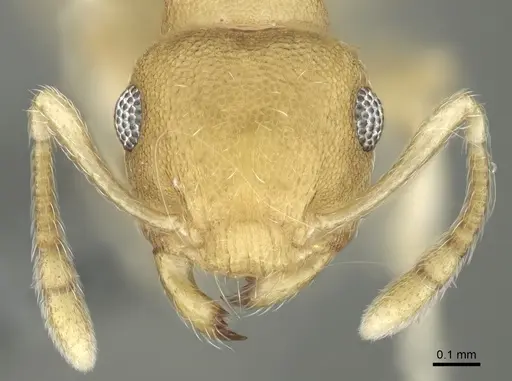
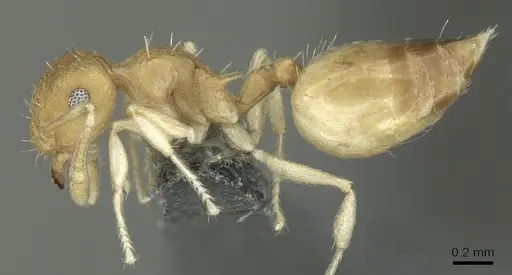
CASENT0906677
View on AntWeb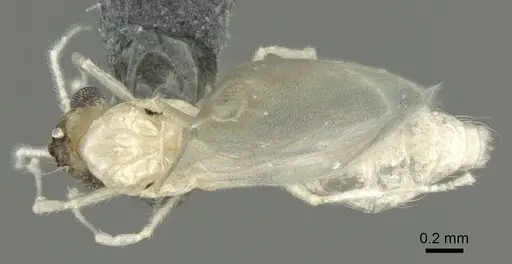
CASENT0914303
View on AntWeb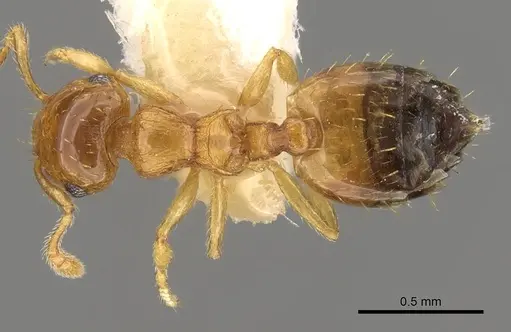
CASENT0916605
View on AntWeb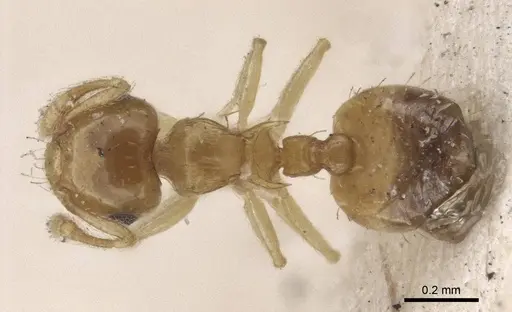
Literature
Loading...Loading products...