

Crematogaster egregior
- Scientific Name
- Crematogaster egregior
- Subgenus
- Orthocrema
- Tribe
- Crematogastrini
- Subfamily
- Myrmicinae
- Author
- Forel, 1912
- Distribution
- Found in 4 countries
Crematogaster egregior Overview
Crematogaster egregior is an ant species of the genus Crematogaster. It is primarily documented in 4 countries , including Brazil, Ecuador, French Guiana. Detailed taxonomic data and occurrence records can be further explored via authoritative databases such as AntWeb or the Global Biodiversity Information Facility (GBIF).
Crematogaster egregior
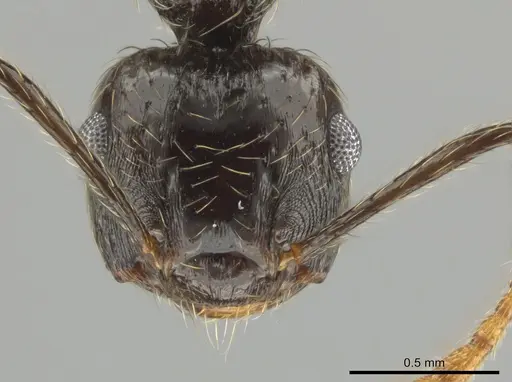
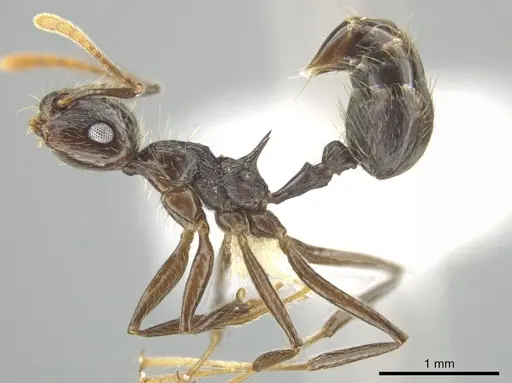
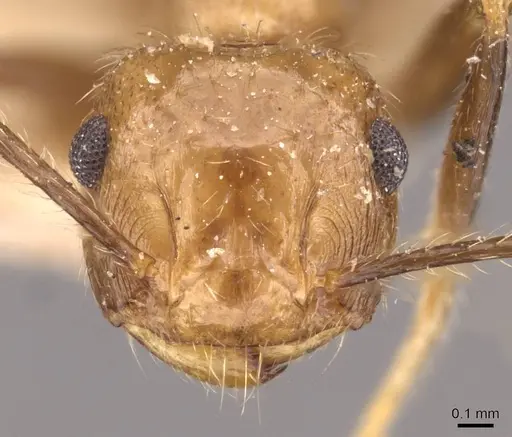
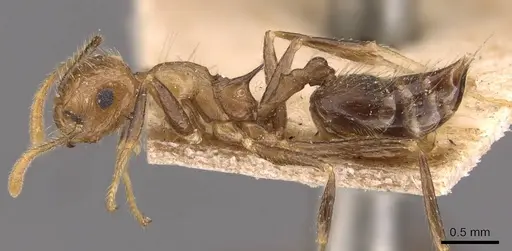
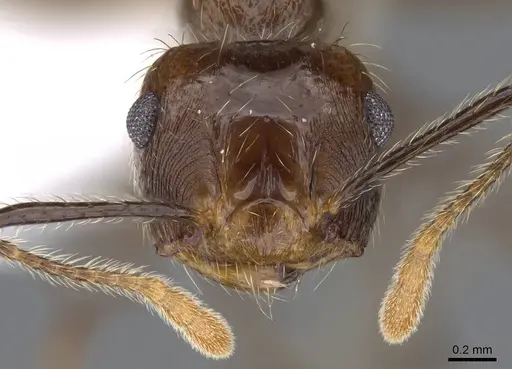
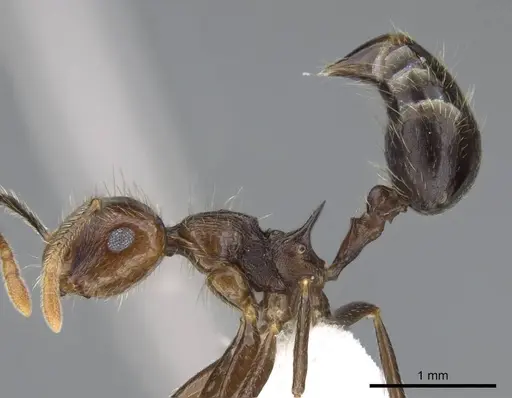
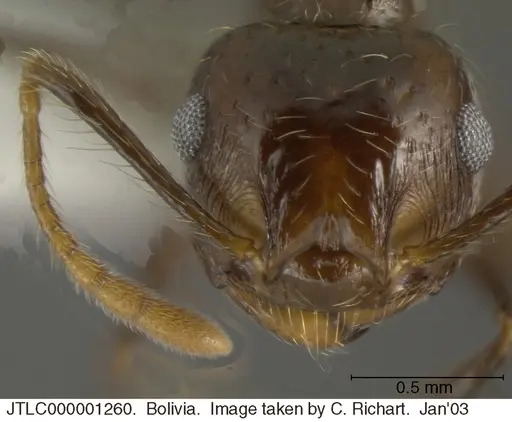
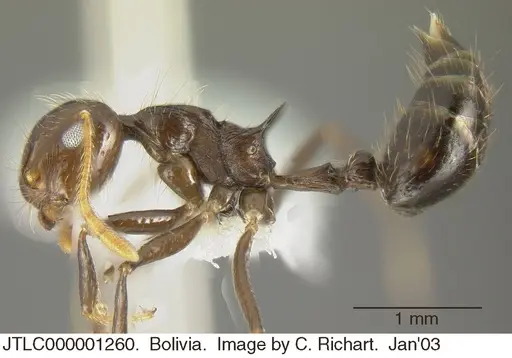
Crematogaster egregior is a small Myrmicinae ant native to the Amazon basin and surrounding Neotropical regions. Workers are tiny, typically measuring 2-4mm, with the characteristic Crematogaster heart-shaped abdomen that they can raise over their head like an acrobat, hence their common name 'acrobat ants'. They have a dark reddish-brown coloration typical of many Crematogaster species. This species was originally described as a subspecies of C. longispina in 1912 and was elevated to full species status in 1970. They are found across northern South America including Brazil, Peru, Ecuador, Bolivia, and French Guiana [1].
One fascinating aspect of this species is its documented ecological association with army ants, specifically, specimens have been found attached to the legs of Eciton hamatum army ants [2][3]. This suggests they may be specialized commensals or myrmecophilous ants that live alongside army ant colonies, though the exact nature of this relationship is not well studied.
Quick Summary
- Difficulty: Medium
- Origin & Habitat: Native to the Amazon basin and Neotropical rainforests of South America (Brazil, Peru, Ecuador, Bolivia, French Guiana). In nature, they are typically found in forested habitats, often associated with decaying wood or nesting in arboreal locations [1]. The type locality is Pará, Brazil, a region of tropical rainforest with high humidity and warm temperatures year-round.
- Colony Type: Colony structure is not well documented for this specific species. Based on typical Crematogaster patterns, they are likely monogyne (single queen colonies), though some Crematogaster species can be polygyne. The presence of ergatoid (wingless) replacement reproductives is possible but not confirmed for this species.
- Colony: Monogyne
- Founding: Claustral
- Size & Growth:
- Queen: Estimated 5-7mm based on genus patterns, not directly measured for this species
- Worker: 2-4mm [1]
- Colony: Likely several hundred workers based on typical Crematogaster colony sizes
- Growth: Moderate, estimated based on genus patterns
- Development: Estimated 6-8 weeks at optimal tropical temperatures (25-28°C), based on typical Crematogaster development (Development time is estimated from genus-level data since specific studies are not available for this species. Tropical species typically develop faster than temperate ones.)
- Antkeeping:
- Temperature: Keep at 24-28°C (warm tropical conditions). A slight gradient is beneficial, around 26°C in the nest area with cooler areas available. This species comes from warm, humid Amazon forests [1] so they need consistent warmth year-round.
- Humidity: High humidity is essential, aim for 70-85% relative humidity. Keep the nest substrate consistently moist but not waterlogged. These are forest ants that need damp conditions.
- Diapause: No true diapause, as an Amazon species, they do not experience cold winters. They remain active year-round at stable tropical temperatures.
- Nesting: Based on their natural habitat in decaying wood and arboreal settings, they do well in Y-tong (AAC) nests or plaster nests with good moisture retention. Provide a small outworld as they are active foragers. Tight escape prevention is important due to their small size.
- Behavior: Crematogaster egregior is an active forager with typical acrobat ant behavior, workers will raise their abdomen when disturbed or alarmed. They are not particularly aggressive toward keepers but can deliver a mild sting if threatened. They are arboreal and agile, so escape prevention must be excellent despite their small size. They likely forage for honeydew, nectar, and small insects. Their association with army ants suggests they may have some specialized behaviors worth observing in captivity.
- Common Issues: escape prevention is critical, their small size means they can squeeze through tiny gaps, high humidity requirements can lead to mold if ventilation is poor, as a tropical species, they are sensitive to temperature drops below 20°C, wild-caught colonies may arrive with parasites or pathogens from their native habitat, slow founding phase means colonies can stall if conditions aren't optimal
Housing and Nest Setup
For Crematogaster egregior, a Y-tong (AAC) nest or plaster formicarium works well because these setups hold moisture effectively while providing a dark, secure nest chamber. The nest should have chambers sized appropriately for their small 2-4mm workers, tight passages help them feel secure. Place a water reservoir or moisture source to maintain humidity. Since they are arboreal by nature, include some vertical space in the outworld for foraging. Use a test tube setup for founding colonies, a simple test tube with a water reservoir and cotton plug provides the dark, humid environment queens need to establish their colony. Once the colony reaches 20-30 workers, you can consider moving them to a more elaborate setup. Escape prevention is crucial, use fluon on container edges and ensure all openings are sealed, as these tiny ants can slip through remarkably small gaps. [1]
Feeding and Diet
In the wild, Crematogaster species primarily feed on honeydew from aphids and scale insects, plus nectar and small insects they can capture. In captivity, offer sugar water or honey as a constant energy source, they will readily accept sweet liquids. For protein, provide small insects like fruit flies, pinhead crickets, or mealworm pieces. Since they are small, prey items should be appropriately sized, anything too large will go uneaten. Feed protein 2-3 times per week, and keep a sugar source available at all times. Remove uneaten prey after 24 hours to prevent mold. Their association with army ants in the wild suggests they may be opportunistic feeders that can handle a variety of food sources. [2][3]
Temperature and Seasonal Care
As an Amazon basin species, Crematogaster egregior needs warm, stable temperatures year-round. Keep the nest area at 24-28°C, this is warmer than most temperate ant species require. A small heating cable on one side of the nest can help maintain these temperatures, but avoid direct heat that could dry out the nest. Room temperature in heated homes (around 22°C) may be acceptable, but monitor colony activity, if workers seem sluggish, provide gentle heating. Unlike temperate species, they do not need a winter dormancy period. Their native habitat in Pará, Brazil stays warm and humid year-round, so maintain consistent conditions throughout the year. Avoid any temperature drops below 20°C as this could stress or kill the colony. [1]
Humidity Management
High humidity is essential for this Amazon species. Aim for 70-85% relative humidity in the nest area. Keep the nest substrate consistently moist, the substrate should feel damp to the touch but not have standing water. A water reservoir connected to the nest or regular light misting can maintain moisture levels. However, balance humidity with adequate ventilation to prevent mold growth, which can quickly kill ant colonies. If you see condensation constantly pooling on nest walls, increase ventilation. If the nest appears to be drying out too quickly between waterings, add more moisture sources. The key is consistency, these ants come from a stable, humid rainforest environment. [1]
Behavior and Observation
Crematogaster egregior displays the characteristic acrobat ant behavior, when threatened, workers raise their abdomen over their thorax and head, similar to a scorpion pose. This is a defensive display and serves to aim their stinger if needed. They are active foragers that will send workers out to explore the outworld in search of food. Their small size makes them agile climbers, so ensure your formicarium has secure barriers. The interesting ecological association with army ants (Eciton hamatum) observed in the wild suggests these ants may have specialized behaviors related to predator avoidance or myrmecophily. Observing how your colony interacts with other insects or forages can be fascinating. They are not particularly aggressive toward humans but will defend their nest if disturbed. [2][3]
Frequently Asked Questions
How long does it take for Crematogaster egregior to raise their first workers?
Based on typical Crematogaster development patterns, expect first workers (nanitics) around 6-8 weeks after the queen lays her first eggs, provided temperatures are kept at optimal 25-28°C. The founding phase can be slow, so patience is key, do not disturb the queen during this time.
Do Crematogaster egregior ants sting?
Yes, they can sting, though the sting is mild due to their small size. Most keepers report only a minor sensation if stung. Their primary defense is the acrobat display where they raise their abdomen, the sting is a secondary response when further provoked.
What temperature do Crematogaster egregior need?
Keep them warm at 24-28°C. This Amazon species needs tropical conditions year-round. Avoid temperatures below 20°C as they are sensitive to cold.
Can I keep multiple Crematogaster egregior queens together?
This is not recommended. While some Crematogaster species can be polygyne, there is no data on this behavior for C. egregior specifically. Starting with a single mated queen is the safest approach for establishing a colony.
How big do Crematogaster egregior colonies get?
Based on typical Crematogaster colony sizes, expect colonies to reach several hundred workers over time. The exact maximum is not documented for this species.
What do Crematogaster egregior eat?
They accept sugar sources (honey, sugar water) and protein (small insects like fruit flies, pinhead crickets, mealworms). Feed protein 2-3 times per week and keep sugar water available constantly.
Are Crematogaster egregior good for beginners?
This species is rated as Medium difficulty. While not the hardest species, they do have specific humidity and temperature requirements that differ from easier temperate species. They are best suited for keepers who have some experience with tropical ant species.
Do Crematogaster egregior need hibernation?
No, they do not need hibernation. As an Amazon species, they are active year-round at warm tropical temperatures. Do not expose them to cold temperatures or attempt to cool them down in winter.
Why are my Crematogaster egregior escaping?
Their small 2-4mm size means they can escape through tiny gaps. Ensure all barriers are secure, apply fluon to edges, use fine mesh, and check for any cracks or gaps in your setup. Escape prevention must be excellent with this species.
When should I move my colony to a formicarium?
Move from a test tube setup to a proper nest (Y-tong or plaster formicarium) once the colony reaches 20-30 workers and the test tube is showing signs of degradation or the water reservoir is running low.
References

This caresheet is licensed under CC BY-SA 4.0 .
CASENT0646106
View on AntWeb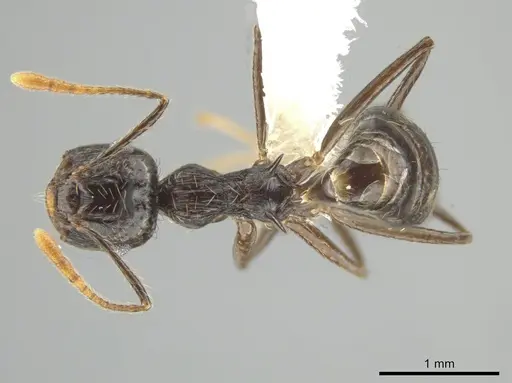
CASENT0908437
View on AntWeb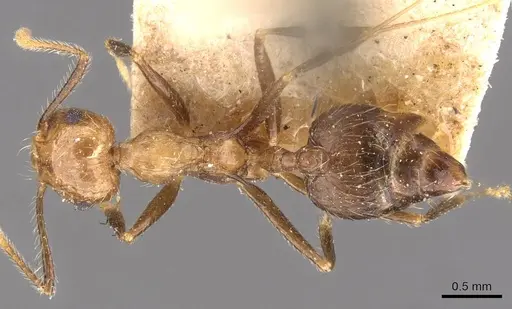
CASENT0914562
View on AntWeb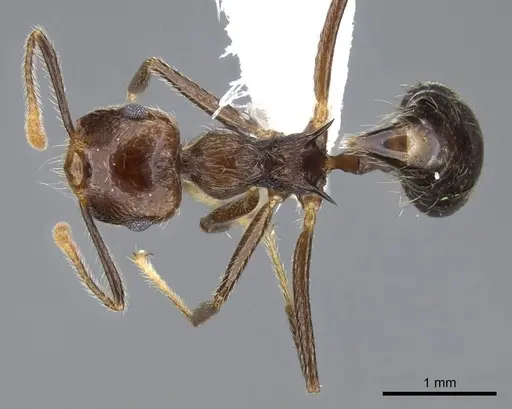
JTLC000001260
View on AntWeb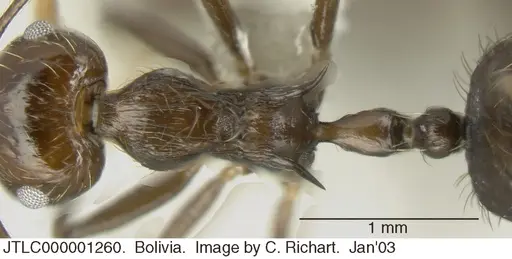
Literature
Loading...Loading products...