Crematogaster dohrni - "Acrobat Ant"
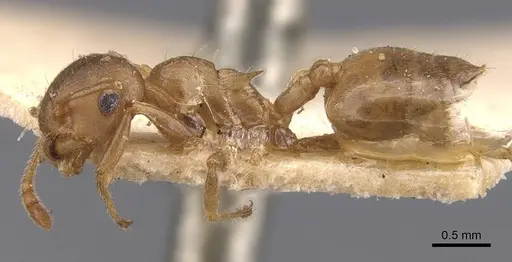
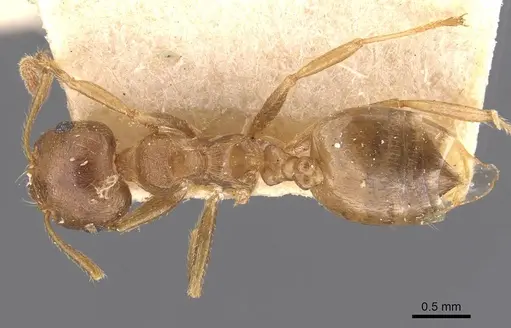
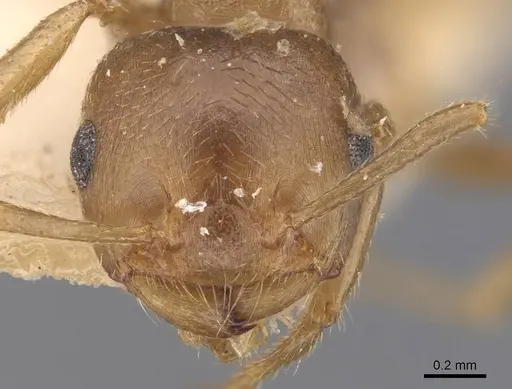
Crematogaster dohrni is a widespread ant species found throughout Asia, known for its distinctive heart-shaped gaster (abdomen) which it can raise over its head when alarmed, hence the common name 'Acrobat Ant' or 'Cocktail Ant'. Workers are typically monomorphic, though there can be variations in size. They are often found in arboreal habitats, forming colonies in dead wood or within living plants (myrmecophytes), and are known for their mutualistic relationships with scale insects, which they tend for honeydew. While they do consume honeydew, a significant part of their diet also comes from preying on other insects. These ants are generally active foragers and can be quite aggressive and territorial, especially in their natural environment.
- Difficulty: Medium
- Origin & Habitat: Sri Lanka, India, Indonesia, Thailand, China, Myanmar, Taiwan, Singapore in Forests, woodlands, shrublands, arboreal (in dead wood or living plants), sometimes terrestrial (under rocks or in leaf litter).
- Colony Type: Monogyne, though some Crematogaster species can be polygynous., claustral founding.
- Size & Growth:
- Queen: Not specified
- Worker: Not specified
- Colony: Large (tens of thousands). Medium to Fast growth.
- Antkeeping:
- Temperature: Maintain a temperature range of 24-28°C. A heating mat or cable can be used to provide a warm side to the nest, allowing the ants to regulate their preferred temperature. Consistent temperatures are important for brood development..
- Humidity: Provide a humidity gradient, aiming for 50-70% in the nest. Ensure a drier outworld (30-50%) for foraging. This can be achieved with a water source in the nest and regular misting of the foraging area if needed, though proper nest hydration is key..
- Diapause: Not required. Not specified at Not specified.
- Nesting: These ants prefer arboreal setups, often nesting in dead wood. For an artificial setup, consider naturalistic acrylic or Ytong nests with good ventilation, designed to mimic tree cavities. They can also adapt to test tube setups for founding..
- Behavior: Medium (towards handler, food or other ants) aggressiveness.
- Common Issues: Humidity fluctuations, Mold in nest, Overfeeding leading to waste.
Crematogaster dohrni are often called 'Acrobat Ants' or 'Cocktail Ants' because of their unique defensive posture, where they raise their gaster over their head. This behavior is linked to their well-developed sting, which, rather than piercing, is used to topically apply venom onto aggressors. This fascinating display is a highlight for many antkeepers and demonstrates their active defensive strategies.
These ants are known for their mutualistic relationships in the wild, often tending to scale insects for their sugary honeydew. While they appreciate sugar sources in captivity, it's crucial to offer a diverse diet including a good variety of protein, such as small insects. They are active foragers, readily recruiting nestmates to new food sources, which makes observing their foraging behavior quite engaging in an outworld.
Crematogaster dohrni can be quite territorial and aggressive towards other ant species. When housing them, ensure their setup is secure to prevent escapes, as they are capable of rapid recruitment and coordinated attacks. Their strong defense mechanisms, including the release of alarm pheromones, mean that handling them directly should be minimized to avoid provoking a defensive response from the colony.
While many Crematogaster species are arboreal, some can also be found nesting terrestrially. This adaptability suggests that while a wooden or acrylic nest mimicking arboreal conditions is ideal, they might also adapt to other nest types if provided with appropriate humidity and space. Ensuring a suitable nesting material and structure that caters to their natural preferences will contribute to a thriving colony.
Frequently Asked Questions
What is the best type of nest for Crematogaster dohrni colonies?
For Crematogaster dohrni, an arboreal setup is often preferred, replicating their natural nesting in wood. Acrylic nests with wood inserts or Ytong nests with well-designed chambers can work great. Ensure there's adequate ventilation to prevent mold and a good hydration system to maintain a suitable humidity gradient within the formicarium.
Do Crematogaster dohrni sting?
Yes, Crematogaster dohrni workers do have a sting. However, it's not typically used for piercing but rather to apply venom topically by wiping it on perceived threats. This defensive mechanism, along with their 'acrobat' posture of raising their gaster, is a key characteristic of the species. While not severely painful to humans, it's best to avoid direct contact.
What do Acrobat Ants eat?
Acrobat Ants, including Crematogaster dohrni, are omnivorous. In the wild, they consume a lot of honeydew from tending scale insects, but they also prey on a variety of insects. In captivity, offer them a varied diet of sugary foods (like sugar water or honey-water) and protein sources (small feeder insects like fruit flies, mealworms, or crickets).
How large can Crematogaster dohrni colonies get?
Crematogaster dohrni colonies can grow quite large, often reaching tens of thousands of workers. This large colony size means they'll need ample space in their formicarium as they mature, so plan for expansion if you start with a founding queen or a small colony.
Is diapause required for Crematogaster dohrni?
No, Crematogaster dohrni generally does not require diapause. As a tropical and subtropical species, they thrive with consistent warmth and activity year-round, unlike many temperate ant species that need a cooling period.
Are Crematogaster dohrni aggressive?
Yes, Crematogaster species, including dohrni, can be quite aggressive, especially when defending their nest or food sources. They are known for their territorial behavior and will readily recruit nestmates to confront perceived threats, making them a formidable species in their natural habitat.
How fast do Crematogaster dohrni colonies grow?
Crematogaster dohrni colonies typically exhibit a medium to fast growth rate. With proper feeding, hydration, and temperature, you can expect a steady increase in worker numbers, allowing the colony to develop into a substantial force over time. This makes them a rewarding species for antkeepers who enjoy watching colony progression.
What is the heart-shaped gaster for?
The heart-shaped gaster, or abdomen, is a defining characteristic of the Crematogaster genus. Its unique shape and dorsal attachment to the postpetiole allow the ants to flex their gaster forward over their heads. This posture is primarily used for defense, enabling them to precisely apply venom from their sting onto enemies, earning them the 'acrobat ant' nickname.
Can Crematogaster dohrni live with other ant species?
It's not recommended to keep Crematogaster dohrni with other ant species in the same setup. Most Crematogaster species are highly aggressive and territorial, and attempting to house them with other ants would likely result in intense fighting and the demise of one or both colonies.
What kind of outworld setup do they need?
For Crematogaster dohrni, an outworld with good ventilation is important. Providing some climbing structures, like small branches or artificial plants, can mimic their arboreal foraging habits. A secure lid is essential, as these ants are excellent climbers and can be escape artists.