

Crematogaster agnetis
- Scientific Name
- Crematogaster agnetis
- Tribe
- Crematogastrini
- Subfamily
- Myrmicinae
- Author
- Forel, 1892
- Distribution
- Found in 1 countries
Crematogaster agnetis Overview
Crematogaster agnetis is an ant species of the genus Crematogaster. It is primarily documented in 1 countries , including Madagascar. Detailed taxonomic data and occurrence records can be further explored via authoritative databases such as AntWeb or the Global Biodiversity Information Facility (GBIF).
Crematogaster agnetis
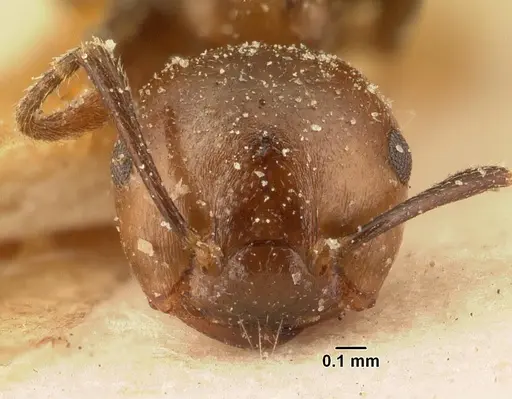
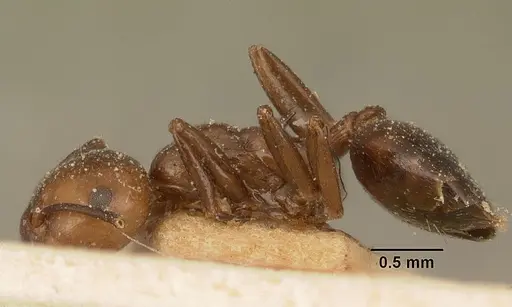
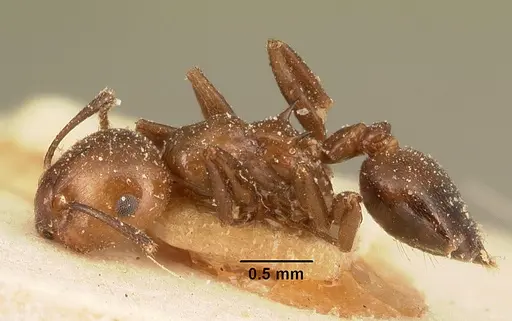
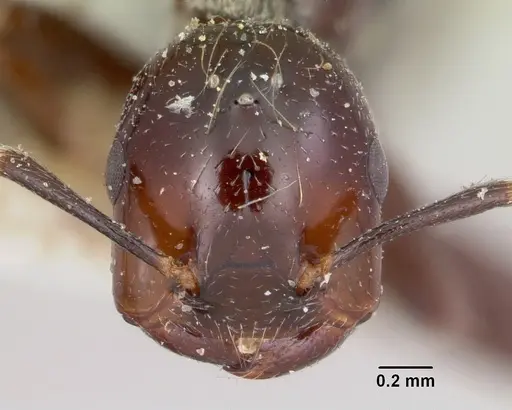
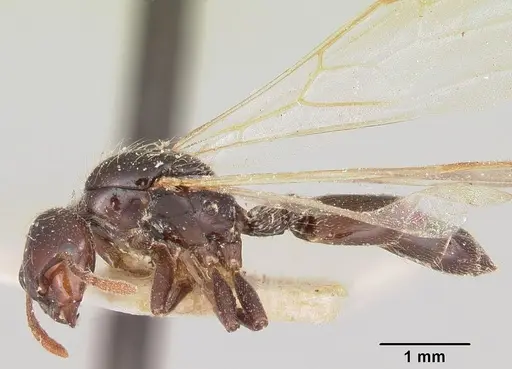
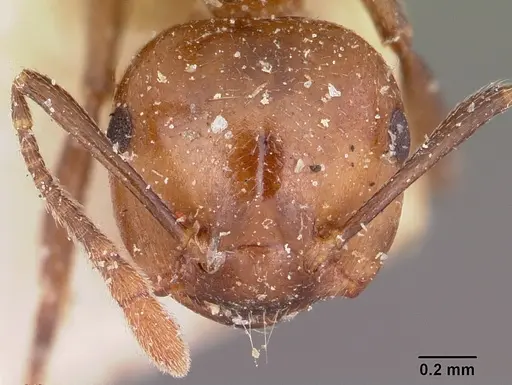
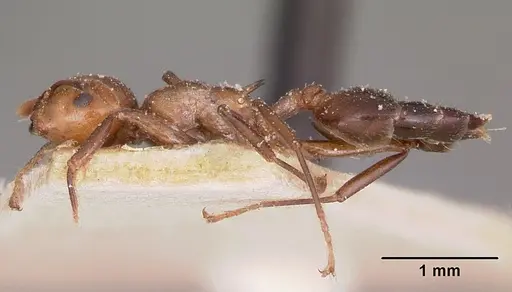
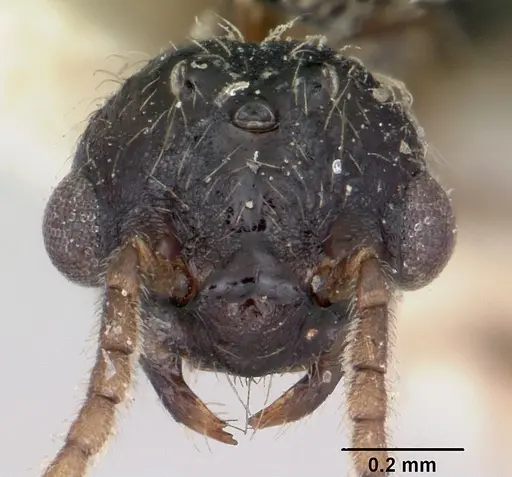
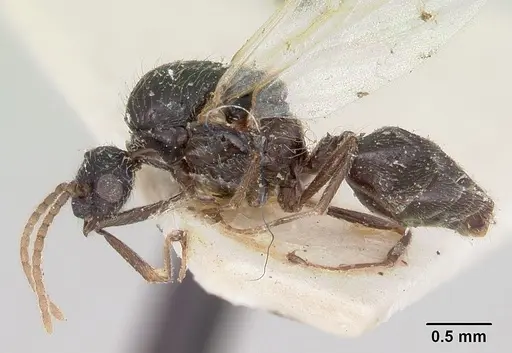
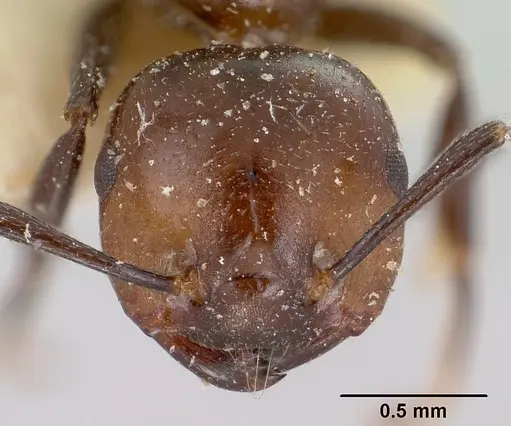
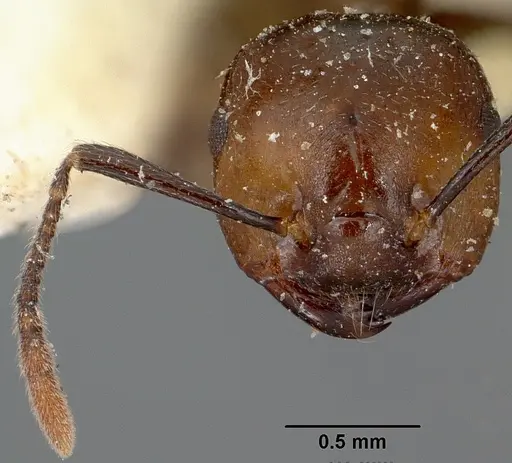
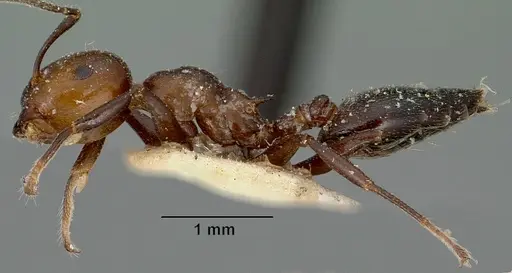
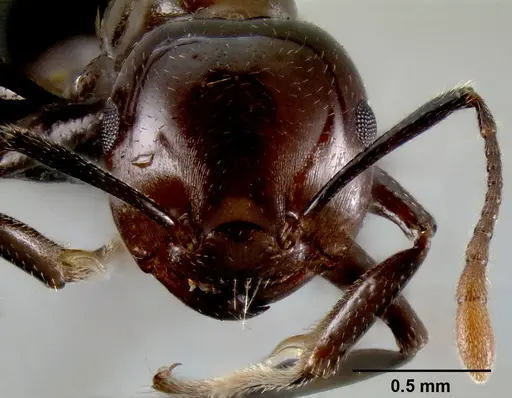
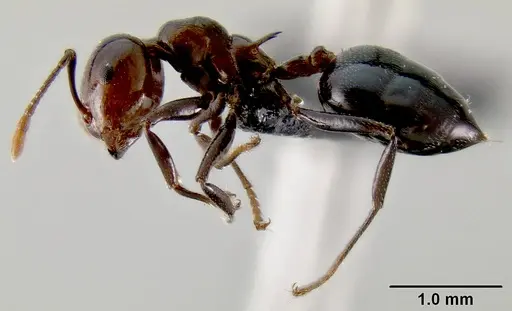
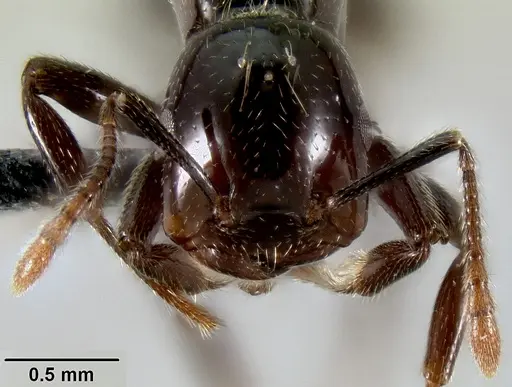
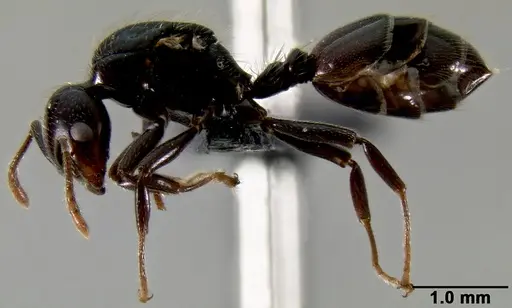
Crematogaster agnetis is a tiny arboreal ant species endemic to Madagascar, belonging to the Crematogaster ranavalonae group. Workers measure just 0.94-1.10mm with a distinctive heart-shaped gaster that they raise like an acrobat when threatened, giving these ants their common name. Queens are slightly larger at 0.94-1.11mm head width but similar in body length to workers, with distinctive falcate mandibles and no propodeal spines. This species nests in dead twigs and small arboreal cavities in low- and mid-elevation rainforests across northern and northwestern Madagascar, with an isolated population in southern littoral rainforest [1].
What makes C. agnetis particularly interesting is its arboreal carton-building behavior, these ants construct protective structures in trees similar to their relatives. They are genetically distinct from the closely related C. ranavalonae clade, having diverged in mitochondrial DNA analysis [1]. As a tropical Malagasy species, they represent a unique challenge for keepers seeking to replicate their specific arboreal rainforest habitat.
Quick Summary
- Difficulty: Medium
- Origin & Habitat: Low- and mid-elevation rainforest in northern and northwestern Madagascar, with isolated record from littoral rainforest at Forêt de Petriky in the south [1]. Endemic to Madagascar.
- Colony Type: Colony structure is unconfirmed, likely single queen based on typical Crematogaster patterns, but polygyny has not been documented for this specific species.
- Size & Growth:
- Queen: 0.94-1.11mm head width,1.60-1.90mm mesosoma length [1], queen is not significantly larger than workers
- Worker: 0.94-1.10mm head length,1.01-1.21mm mesosoma length [1]
- Colony: Unknown, likely small to moderate colony size typical of arboreal Crematogaster species
- Growth: Moderate, estimated based on tropical arboreal ant patterns
- Development: 6-8 weeks, estimated based on typical Crematogaster development at tropical temperatures (Development timeline is estimated from genus-level data, not directly studied for this species)
- Antkeeping:
- Temperature: Keep at 24-28°C, these are tropical rainforest ants that need warm, stable conditions. A gentle gradient allowing cooler areas around 24°C and warmer spots near 28°C works well. Avoid temperatures below 22°C for extended periods.
- Humidity: High humidity is essential, aim for 70-85% relative humidity. Their natural arboreal habitat in rainforest Madagascar is consistently humid. Use moist substrate in the nest area and provide a water source.
- Diapause: No, as a tropical species from Madagascar, they do not require hibernation. Keep them at stable temperatures year-round.
- Nesting: Arboreal nesters that prefer small cavities in dead twigs or wood. In captivity, they do well in small acrylic or Y-tong nests with narrow chambers scaled to their tiny size. Provide dead twigs or cork bark as nesting material. They may build carton structures, so include soft materials they can manipulate.
- Behavior: Crematogaster agnetis is an arboreal species that forages in the canopy layer. Workers are small but active, and they will raise their heart-shaped gaster when threatened, this is a defensive display where they can secrete formic acid or other chemicals. They are not particularly aggressive but will defend their nest vigorously. Escape prevention is critical due to their very small size, they can squeeze through tiny gaps. They are quick-moving and excellent climbers.
- Common Issues: escape prevention is critical due to their very small size, use fine mesh and tight-fitting lids, tropical humidity requirements can lead to mold issues if ventilation is poor, small colony size means they are vulnerable to disturbance, handle gently, arboreal nesting means they need vertical space and climbing structures, not just horizontal nest areas, wild-caught colonies from Madagascar may carry parasites or diseases unfamiliar to captive ant populations
Housing and Nest Setup
Crematogaster agnetis requires an arboreal-style setup that mimics their natural habitat in Madagascar rainforests. These tiny ants measure only about 1mm, so their nest chambers must be correspondingly small. Acrylic nests or Y-tong nests with narrow passages work well, avoid large, open chambers that make them feel exposed. Include small dead twigs, cork bark, or similar materials in their outworld to satisfy their arboreal instincts. They may attempt to build small carton structures, so providing soft materials they can work with is beneficial. Place the nest in a vertical orientation rather than horizontal to reflect their tree-dwelling lifestyle. A small water tube should always be available, and the nest substrate should be kept consistently moist but not waterlogged. [1]
Feeding and Diet
Like other Crematogaster species, C. agnetis likely has an omnivorous diet typical of arboreal ants. They probably feed on honeydew from aphids and scale insects in their natural habitat, along with small insects and nectar. In captivity, offer a constant sugar source such as honey water or sugar water (change every 2-3 days). For protein, provide small prey items like fruit flies, pinhead crickets, or small mealworms. Given their tiny size, prey items should be appropriately scaled, springtails or very small insects work well. Feed protein 2-3 times per week, removing uneaten prey after 24 hours. Observe your colony's preferences, as individual colonies can vary in their acceptance of different foods.
Temperature and Humidity Management
As a tropical species from Madagascar, C. agnetis requires warm and humid conditions. Maintain temperatures between 24-28°C with a gentle gradient so ants can choose their preferred zone. A heating cable on one side of the nest can create this gradient, place it on top of the nest to avoid drying out the substrate. Humidity should stay high at 70-85%. Use a moisture reservoir in the nest and monitor condensation levels, some condensation is normal and desirable, but excessive pooling can drown colonies. Good ventilation is essential to prevent mold while maintaining humidity. Avoid placing the setup near air conditioning or drafts that could cause temperature fluctuations. [1]
Behavior and Defense
Crematogaster agnetis gets its common name 'acrobat ant' from its distinctive defensive behavior, when threatened, workers raise their heart-shaped gaster high above their body, resembling an acrobat balancing. This posture allows them to direct defensive secretions toward predators. They are not aggressive toward keepers but will defend their nest vigorously if disturbed. Workers are quick-moving and excellent climbers, which makes escape prevention particularly important. Their small size (around 1mm) means they can squeeze through gaps that would hold larger ants. Always use fine mesh on any openings and check for tiny gaps regularly. They are diurnal foragers, most active during daylight hours. [1]
Colony Development
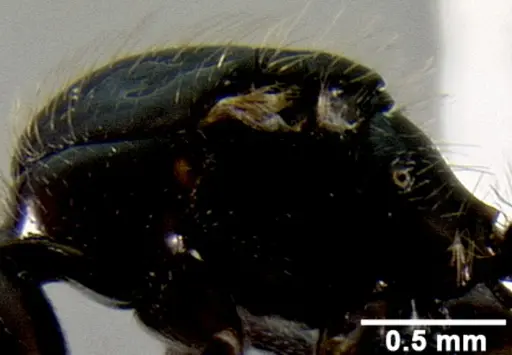
Queen size is unusual for this species, queens measure only 0.94-1.11mm in head width, which is barely larger than workers (0.94-1.10mm). This suggests the colony may remain relatively small compared to some other Crematogaster species. The queen has distinctive falcate (sickle-shaped) mandibles with an enlarged apical tooth, and lacks propodeal spines, these are identifying features of the species [1]. Development from egg to worker likely takes 6-8 weeks at optimal tropical temperatures, but this is estimated from genus-level data rather than specifically documented for C. agnetis. Colonies probably grow slowly at first, then accelerate once the first workers (nanitics) are established. Expect the first workers to be smaller than subsequent generations.
Seasonal Care
Unlike temperate ant species, C. agnetis does not require a diapause or hibernation period. They come from Madagascar's tropical climate where temperatures remain warm year-round. Maintain consistent temperatures throughout the year, avoid any cooling for winter. Room temperature in most homes (around 22-24°C) may be acceptable, but providing a slight warm zone (up to 28°C) is better for colony growth. Monitor humidity more carefully in winter when heating systems can dry out the air. There is no specific breeding season to account for, these ants can reproduce year-round in stable captive conditions. [1]
Frequently Asked Questions
How long does it take for Crematogaster agnetis to produce first workers?
Based on typical Crematogaster development, expect 6-8 weeks from egg to first worker at optimal temperatures (24-28°C). This is an estimate from genus-level data, as the specific development timeline has not been documented for this species.
What size colony does Crematogaster agnetis reach?
Colony size is not well documented, but based on their small worker size (around 1mm) and arboreal lifestyle, colonies likely reach several hundred workers at most. The queen is unusually small, which may limit colony growth compared to other Crematogaster species.
Do Crematogaster agnetis ants sting?
Crematogaster ants can secrete formic acid and other defensive chemicals from their gaster when threatened. They are not known for painful stings like some other ants, but their defensive secretions can be irritating. Their small size means they rarely penetrate human skin.
Can I keep Crematogaster agnetis in a test tube?
Test tubes can work for founding colonies, but due to their arboreal nature, they will do better in a small acrylic or Y-tong nest with narrow chambers. If using test tubes, provide a vertical orientation and include small twigs or cork in the outworld for climbing. Ensure the cotton is packed tightly, their tiny size makes test tube escapes more likely.
What temperature do Crematogaster agnetis need?
Keep them at 24-28°C. These are tropical rainforest ants from Madagascar that need warm, stable conditions. A gentle temperature gradient allowing them to choose between cooler (around 24°C) and warmer (up to 28°C) areas is ideal.
Do Crematogaster agnetis need hibernation?
No. As a tropical species from Madagascar, they do not require hibernation or cooling periods. Keep them at stable warm temperatures year-round. Temperatures below 22°C for extended periods should be avoided.
What do Crematogaster agnetis eat?
They are omnivorous. Offer a constant sugar source (honey water or sugar water) and protein prey like small fruit flies, pinhead crickets, or springtails. Feed protein 2-3 times per week. Remove uneaten prey after 24 hours to prevent mold.
Are Crematogaster agnetis good for beginners?
This species is rated as medium difficulty. While not the hardest ant to keep, their small size, specific humidity requirements, and arboreal nature make them better suited for keepers with some experience. Their escape risk is high due to their tiny size, and maintaining proper tropical conditions requires attention.
Why are my Crematogaster agnetis escaping?
Their small size (around 1mm) makes them excellent escape artists. Use fine mesh (at least 0.5mm or smaller) on all openings, check for tiny gaps regularly, and ensure lid seals are tight. Even small gaps that wouldn't hold larger ants will not contain this species.
When should I move Crematogaster agnetis to a formicarium?
Move them when the colony reaches around 20-30 workers and the test tube setup becomes cramped. For arboreal species like this, ensure the formicarium has vertical orientation options and small chambers scaled to their tiny size. They do well with added climbing structures.
References

This caresheet is licensed under CC BY-SA 4.0 .
CASENT0101161
View on AntWeb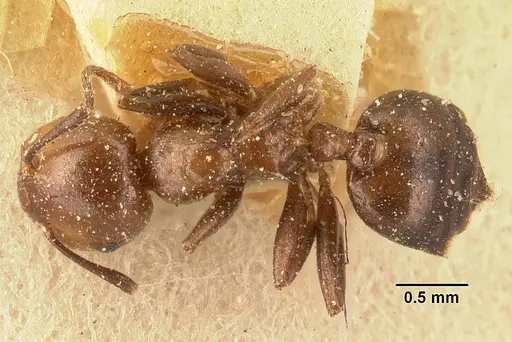
CASENT0101581
View on AntWeb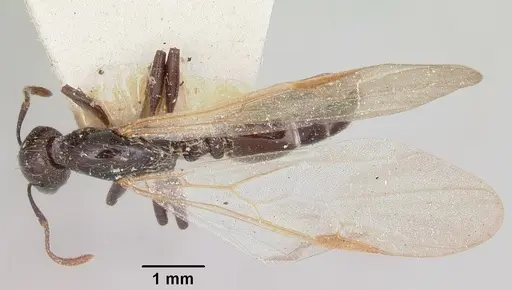
CASENT0101731
View on AntWeb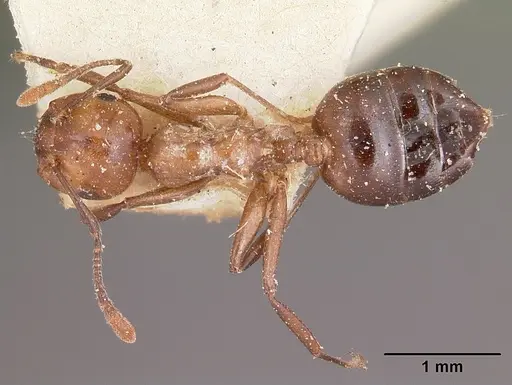
CASENT0101760
View on AntWeb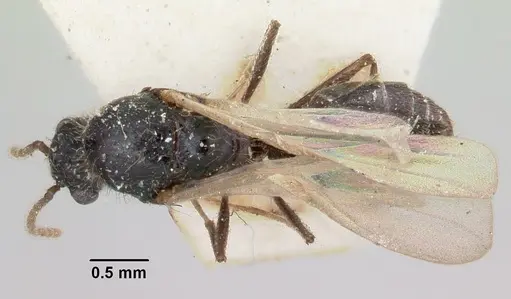
CASENT0101861
View on AntWeb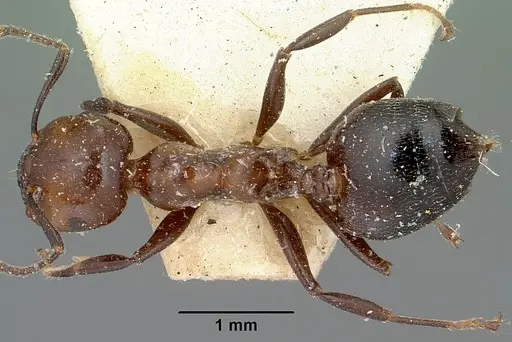
CASENT0107473
View on AntWeb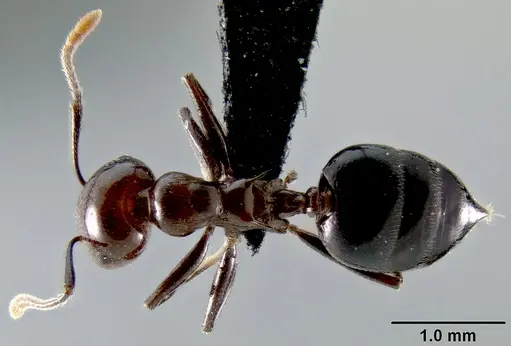
CASENT0112155
View on AntWeb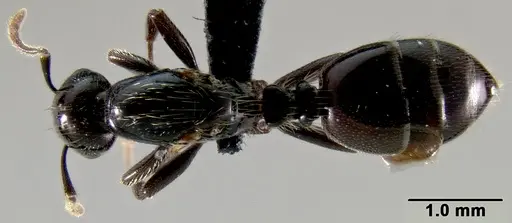
Literature
Loading...Loading products...