

Crematogaster difformis
- Scientific Name
- Crematogaster difformis
- Tribe
- Crematogastrini
- Subfamily
- Myrmicinae
- Author
- Smith, 1857
- Distribution
- Found in 2 countries
Crematogaster difformis Overview
Crematogaster difformis is an ant species of the genus Crematogaster. It is primarily documented in 2 countries , including Indonesia, Malaysia. Detailed taxonomic data and occurrence records can be further explored via authoritative databases such as AntWeb or the Global Biodiversity Information Facility (GBIF).
Crematogaster difformis
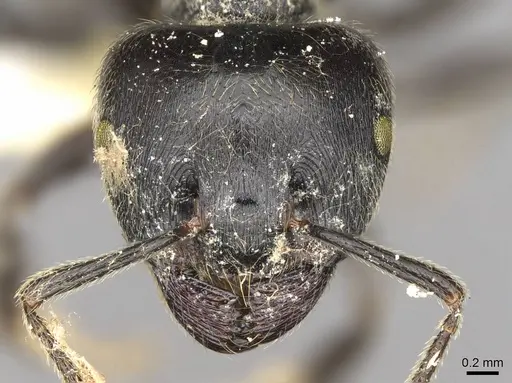
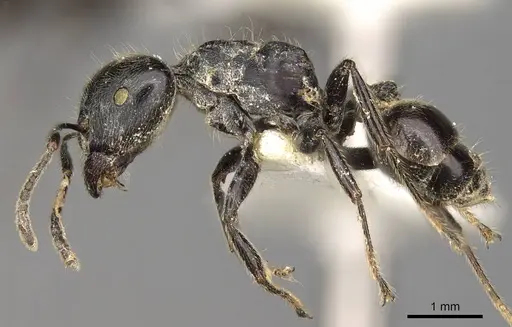
Crematogaster difformis is a small, aggressive arboreal ant native to Southeast Asia, found across Borneo, Malaysia, Indonesia, the Philippines, Singapore, and Thailand. Workers measure 0.88-1.5mm and display pronounced size polymorphism, major workers are significantly larger than minors. The species is entirely black with a distinctive feature: tiny hairs on the rear portion of their abdomen point inward toward the center [1]. These ants are famous for living exclusively in the hollow structures of two epiphytic ferns, Lecanopteris and Platycerium, which grow high in the canopy of lowland rainforests [2]. Their metapleural glands are unusually large and produce antimicrobial secretions that help protect their nests from pathogens [3][4].
What makes C. difformis particularly fascinating is their territorial behavior, they aggressively defend their host ferns and the entire tree crown around them, even pruning away climbing vines (lianas) that might compete with their fern partners [2]. They use long-term trail networks to forage across the canopy and recruit nestmates to food sources using chemical signals [5]. This species hosts several unique commensal organisms including a myrmecophilous beetle and cockroach that live exclusively in their nests [6][7].
Quick Summary
- Difficulty: Expert
- Origin & Habitat: Native to Southeast Asian rainforests (Borneo, Malaysia, Indonesia, Philippines, Thailand, Singapore). In nature, they live exclusively in epiphytic ferns (Lecanopteris and Platycerium) growing in the canopy of lowland rainforest trees [2].
- Colony Type: Polydomous, colonies establish in multiple connected nest sites within fern domatia. Colony structure is not fully documented in scientific literature.
- Colony: Monogyne
- Founding: Claustral
- Size & Growth:
- Queen: Not directly measured in primary literature, estimated based on genus patterns at 8-12mm. Further study needed.
- Worker: 0.88-1.5mm (major workers larger, minor workers smaller) [1]
- Colony: Unknown, likely moderate colonies based on related species. They dominate arboreal ant communities in Borneo [6].
- Growth: Moderate, based on typical Crematogaster development patterns
- Development: Estimated 5-8 weeks at optimal tropical temperatures (25-28°C) based on genus-level data for Crematogaster species (Development time is inferred from related species, specific data for C. difformis is not available)
- Antkeeping:
- Temperature: Keep at 25-28°C (tropical conditions). A gentle heat gradient allows workers to regulate their temperature. Room temperature within this range is acceptable.
- Humidity: High humidity (70-85%), these are rainforest canopy ants. Provide moisture through a water reservoir connected to the nest, but ensure ventilation prevents stagnation.
- Diapause: No, as a tropical species, they do not require hibernation. Maintain consistent tropical conditions year-round.
- Nesting: This species is challenging to house because they naturally nest in hollow fern rhizomes and leaf bases in tree canopies. Options include: (1) A naturalistic setup with cork bark or artificial fern structures providing narrow, enclosed spaces, (2) A Y-tong (AAC) formicarium with tight chambers scaled to their small size, (3) A plaster nest with small tunnels. They need vertical climbing space and should be able to move between nest areas.
- Behavior: Crematogaster difformis is aggressive and highly territorial, they actively defend their territory against other ant species [8][9]. Workers are active foragers that use chemical recruitment to summon nestmates to food [5]. They have a unique defense system: enlarged metapleural glands produce sticky, antimicrobial secretions with a pH of 3-4 that they can expel when threatened [3][10]. This species is not a stinger but will bite and apply these defensive secretions. Escape prevention is important, they are small and persistent. They are arboreal by nature and will use vertical space extensively.
- Common Issues: arboreal nature makes housing challenging, they need vertical space and enclosed nest structures, tropical temperature requirements mean stable heating is essential year-round, aggressive territorial behavior can lead to escape attempts when they feel threatened, wild-caught colonies may contain commensal organisms that could affect other ant colonies if mixed, small size requires fine mesh barriers to prevent escapes
Natural History and Nesting
Crematogaster difformis is an obligate symbiont with epiphytic ferns in Southeast Asian rainforests. In the wild, they nest exclusively inside two fern species, Lecanopteris and Platycerium, which grow attached to tree branches in the forest canopy [2]. The ferns produce hollow structures called domatia, and every mature fern plant hosts a colony of C. difformis. This is an obligate relationship, the ants cannot survive without their host ferns, and the ferns benefit from the ants' aggressive defense [9].
The ants establish territories covering most of the tree crown where their host ferns grow. They actively defend not just the ferns but the entire emergent tree from herbivores and competing ants. Workers prune lianas (climbing vines) that try to grow on their host trees, which actually reduces liana distribution in areas where these ants are present [2]. This territorial behavior means C. difformis effectively protects their host trees through constant patrolling and aggressive interactions with any intruders.
For captive care, this arboreal nesting behavior is the biggest challenge. You cannot simply use a standard test tube setup. These ants need enclosed, fern-like structures to feel secure, think cork bark with narrow cavities, or artificial nest structures that mimic the hollow fern rhizomes they use in the wild.
Defense and Chemical Biology
One of the most distinctive features of C. difformis is their enlarged metapleural glands, these are the white spots visible on the sides of their thorax. Unlike most ants, Crematogaster in this group have hypertrophied (significantly enlarged) metapleural glands that produce potent secretions [3][10].
The secretions have a very low pH of 3-4 and contain a mixture of phenols including 3-propylphenol,3-pentylphenol,5-propylresorcinol,5-pentylresorcinol, and a compound called mellein [4][11]. These chemicals serve two purposes: they act as antimicrobials to protect the nest from bacteria and fungi, and they function as repellents when the ants are attacked [12][13]. The ants can actually expel a droplet of this sticky white secretion and pull it back in, it's a visible defensive weapon [10].
In addition to the metapleural gland, they use a two-gland defense system. The Dufour's gland protects the head, neck, and abdomen, while the metapleural gland specifically protects the thorax and the connection between body segments [10]. When threatened, you'll see workers curl their abdomen forward and apply these secretions. While they lack a stinger, this chemical defense can still be irritating to skin.
Foraging and Diet
In their natural rainforest canopy habitat, C. difformis forages using a sophisticated trail network. They maintain long-term trails between their nest sites in different ferns and temporary trails to food discoveries [5]. When workers find food, they recruit nestmates using volatile chemical signals, this is called volatile recruitment [5].
Their diet in the wild includes small prey (like termites), honeydew from sap-sucking insects, and extrafloral nectar from plants [5]. The ants actively tend scale insects and aphids on their host trees for honeydew, and they hunt small arthropods in the canopy.
For captive feeding, offer a varied diet: protein sources like small crickets, fruit flies, and other tiny insects, sugar sources like honey water or sugar water (though acceptance varies), and occasional treats like small pieces of fruit. Because they're small, prey items should be appropriately sized, pinhead crickets or small mealworms work well. Feed protein 2-3 times per week and keep sugar water available constantly.
Housing and Setup
Housing C. difformis is the biggest challenge for keepers. These are arboreal ants that naturally live in enclosed spaces within ferns in tree canopies, they will not thrive in simple test tube setups designed for ground-nesting species.
The best housing options are: (1) A naturalistic setup with cork bark or fake fern material providing narrow, enclosed cavities. Stack pieces of cork bark with small gaps between them to create a network of chambers. Add live or artificial ferns if possible. (2) A Y-tong (AAC) formicarium with small, tight chambers, the chambers should be sized appropriately for their 1-2mm body size. (3) A plaster or acrylic nest with narrow tunnels and small chambers.
Regardless of nest type, provide vertical space above the nest for foraging. Connect the nest to an outworld with plenty of climbing material, branches, cork bark pieces, or artificial vines. The outworld should allow them to establish trails and patrol territory. Use excellent escape prevention: these are small ants that can squeeze through surprisingly small gaps. Apply fluon or use fine mesh barriers.
Humidity is critical, maintain 70-85% humidity by connecting a water reservoir to the nest area. However, ensure adequate ventilation to prevent mold. The nest should have both moist areas and slightly drier areas so ants can self-regulate.
Behavior and Temperament
Crematogaster difformis is not a species for beginners, they're aggressive and territorial. In the wild, they actively exclude other ant species from their territory [8]. When another ant species enters their space, workers immediately attack and drive them out. This aggression extends to captive care: they will investigate and potentially attack anything that enters their territory.
Workers are active and persistent foragers. They establish defined trails and will explore their outworld systematically. When they find food, they recruit others rapidly using chemical signals. You'll see a column of workers form within minutes of discovering a food item.
Their defensive secretions make them more challenging to handle than many ant species. When disturbed, they'll raise their abdomen and apply metapleural gland secretions. While not dangerous to humans, these secretions can be irritating and will definitely deter predators. The combination of small size, aggressive temperament, and chemical defenses means careful handling is advised.
They are not typically dangerous to humans, no stinger, and their bite is minor. However, the chemical secretions may cause skin irritation in sensitive individuals.
Seasonal Care and Temperature
As a tropical species from Southeast Asian rainforests, C. difformis does not require hibernation or diapause. They need consistent tropical conditions year-round. Keep temperatures in the range of 25-28°C (77-82°F) [9]. This matches their natural environment in Bornean lowland rainforests where temperatures are warm and stable throughout the year.
A heat gradient is beneficial, allow workers to move between warmer and cooler areas of the nest. A small heating cable or mat on one side of the nest (placed on top to warm the nest without excessive drying) can create this gradient. Monitor with a thermometer and adjust so the warm side stays around 28°C while the cool side remains around 24-25°C.
Avoid temperature drops below 22°C for extended periods. Unlike temperate species that can tolerate cooler conditions, these tropical ants can become sluggish and may experience health problems in cooler temperatures. If your room temperature is naturally within this range, you may not need additional heating.
Maintain consistent humidity year-round as well, no seasonal adjustments needed for this species.
Frequently Asked Questions
Is Crematogaster difformis good for beginners?
No, this is an expert-level species. They require arboreal housing setups that are significantly more complex than standard test tube setups, plus stable tropical temperatures and high humidity. Their aggressive temperament and defensive secretions add additional challenges. If you're new to antkeeping, start with easier species like Lasius niger or Camponotus species.
How do I house Crematogaster difformis?
Standard test tubes won't work, these are arboreal ants that need enclosed nest structures. Use a naturalistic setup with cork bark providing narrow cavities, a Y-tong formicarium with small chambers, or a plaster/acrylic nest with appropriately sized tunnels. They need vertical climbing space in the outworld to mimic their canopy lifestyle.
What temperature do Crematogaster difformis need?
Keep them at 25-28°C (77-82°F). This tropical species requires year-round warmth without hibernation. A gentle heat gradient allows workers to regulate their temperature.
Do Crematogaster difformis ants sting?
No, they don't have a stinger. However, they have enlarged metapleural glands that produce sticky, antimicrobial secretions with a pH of 3-4. When threatened, they will apply these chemicals as a defense. The secretions can irritate sensitive skin.
What do Crematogaster difformis eat?
They eat small insects (protein) and sugar sources. Offer appropriately sized prey like fruit flies, pinhead crickets, or small mealworms 2-3 times per week. Keep sugar water or honey water available constantly. They also collect honeydew in the wild, so sugar sources are important.
How long does it take for first workers to emerge?
Based on typical Crematogaster development, expect 5-8 weeks from egg to first worker at optimal tropical temperatures (25-28°C). Specific development data for this species is not available, so this is an estimate based on genus-level patterns.
Are Crematogaster difformis aggressive?
Yes, they are highly aggressive and territorial. They actively defend their territory against other ant species and will attack intruders. In the wild, they exclude other ants from their host trees. Handle with care and use excellent escape prevention.
Where do Crematogaster difformis live in the wild?
They live exclusively inside epiphytic ferns (Lecanopteris and Platycerium) growing in the canopy of Bornean and Southeast Asian rainforests. Every mature fern hosts a colony. They are obligate symbionts with these ferns.
Do Crematogaster difformis need hibernation?
No, as a tropical species, they do not require hibernation. Maintain consistent tropical conditions (25-28°C, high humidity) year-round without seasonal temperature drops.
How big do Crematogaster difformis colonies get?
Colony size is not well documented in scientific literature. Based on their dominance in canopy ant communities, colonies likely reach hundreds to low thousands of workers. They are polydomous, spreading across multiple nest sites within their host ferns.
Can I keep multiple queens together?
Colony structure for this species is not fully documented. Based on their natural polydomous nesting in multiple ferns, they may tolerate multiple queens in different nest sites. However, combining unrelated foundress queens has not been studied, proceed with caution and be prepared to separate if aggression occurs.
Why are my Crematogaster difformis dying?
Common causes include: temperatures below 22°C (they're tropical), low humidity (need 70-85%), improper housing (they need enclosed arboreal nests, not test tubes), escape-related losses, or stress from excessive disturbance. Check your setup matches their natural arboreal, high-humidity requirements.
References

This caresheet is licensed under CC BY-SA 4.0 .
CASENT0914300
View on AntWeb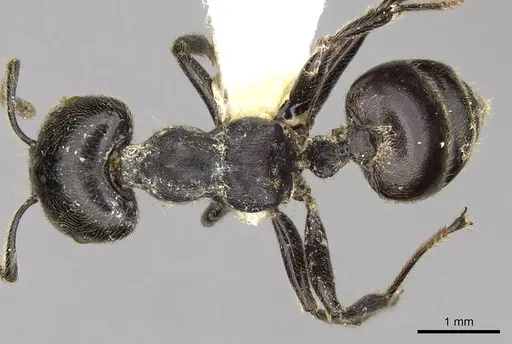
Literature
Loading...Loading products...