

Crematogaster decamera
- Scientific Name
- Crematogaster decamera
- Tribe
- Crematogastrini
- Subfamily
- Myrmicinae
- Author
- Forel, 1910
- Distribution
- Found in 2 countries
Crematogaster decamera Overview
Crematogaster decamera is an ant species of the genus Crematogaster. It is primarily documented in 2 countries , including Madagascar, Malaysia. Detailed taxonomic data and occurrence records can be further explored via authoritative databases such as AntWeb or the Global Biodiversity Information Facility (GBIF).
Crematogaster decamera
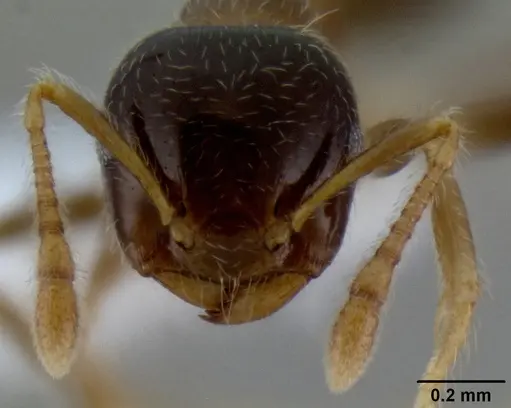
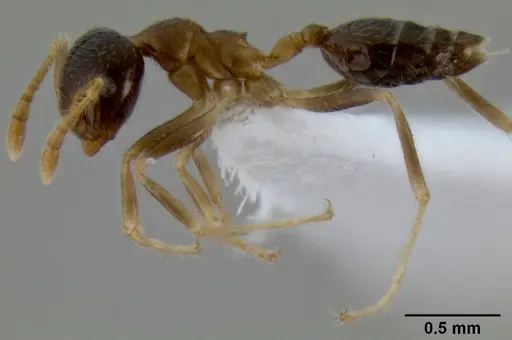
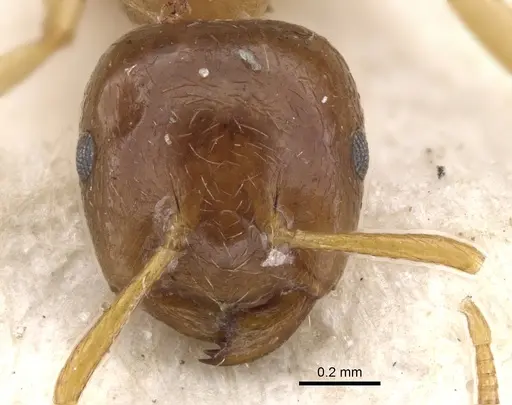
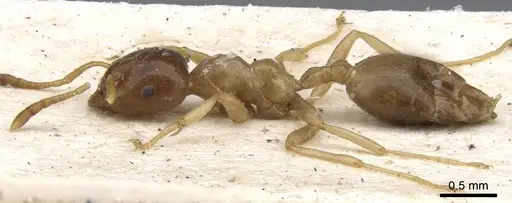
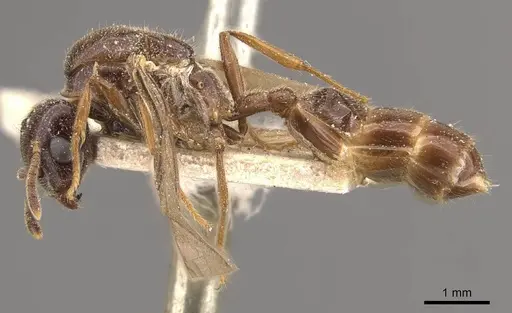
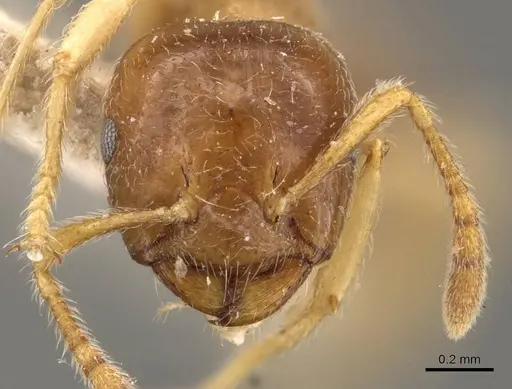
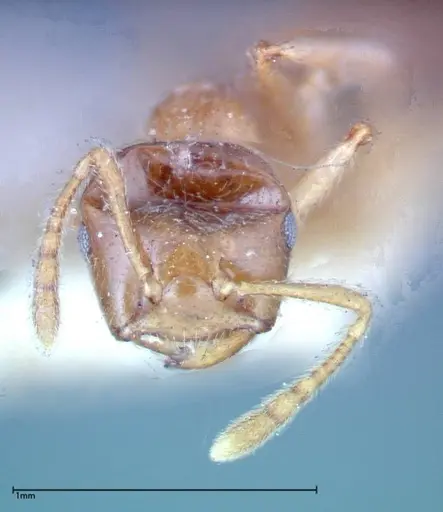
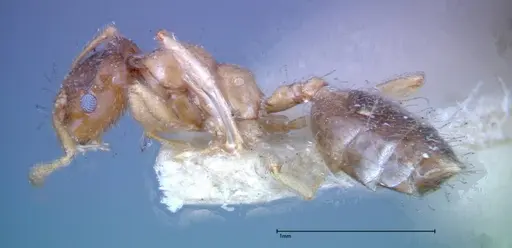
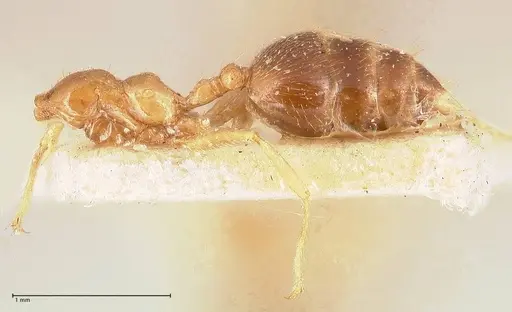
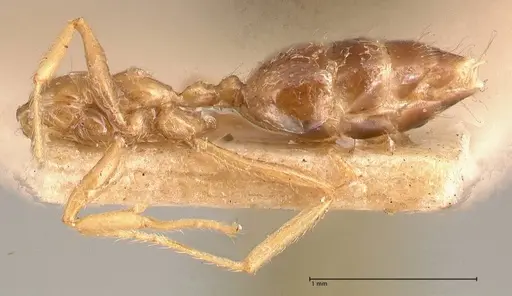
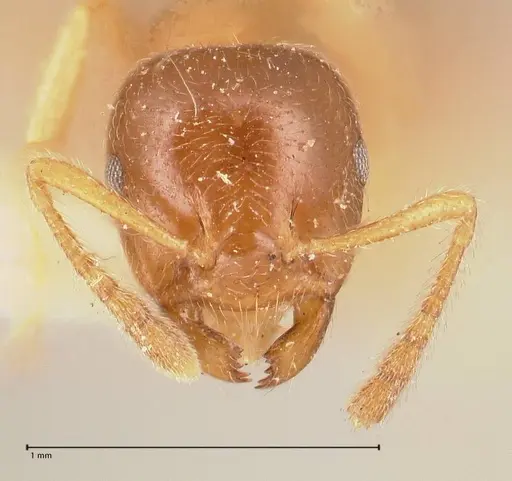
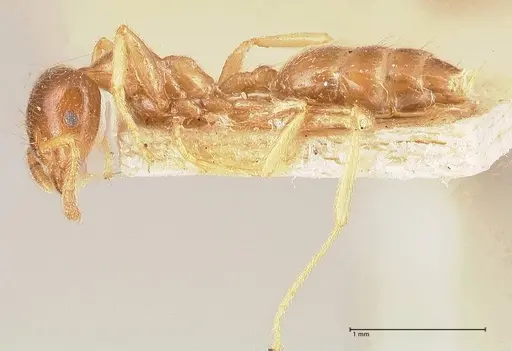
Crematogaster decamera is a small, obligate plant-ant species native to Southeast Asia, found throughout Borneo, Sumatra, and Peninsula Malaysia [1]. Workers measure 2.4-3.6mm with a medium to dark brown coloration, featuring a slightly elongated head and notably long legs relative to their body size [2]. Unlike many ants, this species lacks propodeal spines entirely. Queens are substantially larger at 6.5-7.8mm and appear nearly as wide as they are long [2]. This species belongs to the Crematogaster borneensis group within the subgenus Decacrema, a group of ants that have evolved an exclusive partnership with Macaranga myrmecophyte trees [1][3].
What makes C. decamera particularly fascinating is its extreme specialization as an obligate plant-ant. Unlike typical ants that forage widely, these ants almost never leave their host Macaranga tree, spending their entire lives patrolling the plant surface [4]. They depend entirely on food bodies produced by the plant and honeydew from symbiotic coccid insects living in the nest [4][5]. Colonies become aggressively defensive of their host, using mass recruitment to overwhelm any threats to the tree [5]. This species also shows remarkable colony structure flexibility, starting with a single queen in young saplings but becoming polygynous (multiple queens) as the tree matures [6].
Quick Summary
- Difficulty: Expert
- Origin & Habitat: Tropical rainforest of Southeast Asia, specifically Borneo, Sumatra, Peninsula Malaysia, and Singapore. This species is an obligate myrmecophyte, meaning it only lives inside specialized Macaranga trees (Macaranga beccariana, M. constricta, M. havilandii, M. hypoleuca, M. motleyana) that provide housing and food bodies [1][2].
- Colony Type: Starts as monogyne (single queen) in young saplings, becomes secondarily polygynous (multiple queens) as the host tree grows larger than 10cm diameter at breast height [6]. Queens occupy higher internodes of the stem compared to similar species.
- Colony: Optionally polygyne
- Founding: Claustral
- Size & Growth:
- Queen: 6.5-7.8 mm [2]
- Worker: 2.4-3.6 mm [2]
- Colony: Unknown maximum, likely several hundred workers based on typical Decacrema patterns
- Growth: Moderate, colonies have early onset of reproduction [7]
- Development: Unknown, no direct development studies exist for this species. Based on typical Decacrema and tropical Myrmicinae patterns, expect 4-8 weeks at tropical temperatures. (Development timeline unconfirmed. Related Crematogaster species in tropical conditions typically develop faster than temperate species.)
- Antkeeping:
- Temperature: Tropical species, keep at 24-28°C. This matches their native rainforest habitat in Borneo and Malaysia.
- Humidity: High humidity (70-85%), these ants live inside living plants with constant moisture. Mimic this with well-hydrated nest setup.
- Diapause: No, being a tropical species, they do not require hibernation or winter rest [2].
- Nesting: This is the critical challenge, C. decamera is an obligate plant-ant that only lives inside Macaranga stems. Captive keeping requires either: (1) a naturalistic setup with live Macaranga sapling, (2) an artificial stem system that mimics the internal structure of Macaranga internodes with multiple chambers. Standard test tubes and formicaria are NOT suitable for this species.
- Behavior: Highly territorial and aggressive defenders of their host plant. Workers continuously patrol younger leaves, attacking any intruders including herbivorous insects [5]. They use mass recruitment, when threatened, workers release alarm pheromones and recruit nestmates to overwhelm the threat [5]. Workers almost never leave the host plant surface [4]. They are small but active, with moderate escape risk due to their tiny size. They show strong site fidelity, staying on their specific Macaranga host.
- Common Issues: Extreme habitat specialization makes captive keeping extremely difficult, they require Macaranga host plants or elaborate artificial stem systems, Cannot survive without food bodies from Macaranga or equivalent plant-derived nutrition, standard ant foods may be refused, Small worker size (2.4-3.6mm) means escape prevention requires fine mesh barriers, Colony may fail if coccid symbionts are absent, they depend on honeydew from these scale insects, Secondary polygyny means colony structure may shift as tree grows, multiple egg-laying queens may coexist
The Macaranga Partnership
Crematogaster decamera represents one of the most specialized ant-plant relationships in Southeast Asia. This species is an obligate myrmecophyte, it cannot survive without its specific host plants, the Macaranga trees in the section Pachystemon [2]. These trees have evolved specialized hollow internodes that provide ready-made nesting space for ant colonies, along with food bodies (specialized nutrient-rich structures) that feed the ants [5]. The partnership is mutualistic: the tree gets aggressive defenders against herbivores, while the ants get housing and a reliable food source. In the wild, C. decamera specifically colonizes Macaranga beccariana, M. constricta, M. havilandii, M. hypoleuca, and M. motleyana [2]. Queens only colonize saplings and small treelets, not mature trees [7]. This extreme specialization is what makes keeping this species so challenging, they are essentially impossible to keep without providing their specific host plant.
Feeding and Nutrition
Unlike typical ants that hunt prey and scavenge, C. decamera has evolved to be nearly herbivorous within its host plant ecosystem. Workers depend primarily on food bodies produced by the Macaranga host plant and honeydew from symbiotic coccid scale insects that live inside the stem cavities with the ants [4][5]. The food bodies are continuously produced by the plant, providing a reliable year-round food source. Workers patrol the plant surface continuously, collecting these food bodies, extrafloral nectar, and tending their coccid symbionts [5]. They also defend the plant aggressively against herbivores, using their mass recruiting system to overwhelm intruders. This specialized diet means standard ant feeds (sugar water, insects, seeds) may be refused or poorly accepted. If attempting to keep this species, you would need to provide either a live Macaranga plant or experimental alternatives like honey water, but success is uncertain.
Colony Structure and Reproduction
The colony structure of C. decamera shows fascinating flexibility tied to host plant growth. In young saplings, colonies are monogynous, containing a single queen that occupies the lowest internodes of the stem [6]. As the host tree grows and reaches larger than 10cm diameter at breast height, colonies become secondarily polygynous, with multiple egg-laying queens coexisting [6]. Research shows queens are typically found in higher internodes compared to similar species like C. captiosa, with dead queens often found in the lowest parts of the plant [6]. Brood (eggs, larvae, pupae) is concentrated in the second and third sections of the stem, away from refuse piles [6]. This vertical organization within the plant stem is a key part of their biology. The colony begins reproducing early, colony foundation starts when Macaranga seedlings reach approximately 10cm in height [5].
Defense and Behavior
Crematogaster decamera workers are fierce defenders of their host Macaranga tree. They continuously patrol younger leaves and stems, aggressively attacking any potential threats [5]. When the plant is damaged (such as wounded leaves), specific volatile compounds are released that induce immediate aggression in the ants [4]. They use a mass recruiting system, when a threat is detected, workers release alarm pheromones that recruit many nestmates quickly [5]. This makes them effective at overwhelming larger intruders. They show particular preference for protecting young parts of the plant [5]. Unlike most ants that forage widely, workers of this species almost never leave their host plant surface [4]. Their small size (2.4-3.6mm) and excellent climbing abilities allow them to move rapidly throughout the plant's canopy. They are highly territorial and will attack other ant species, herbivorous insects, and any other intruders on their host plant.
Temperature and Tropical Care
As a species native to tropical Borneo and Malaysia, C. decamera requires warm, humid conditions year-round. Their native range experiences consistent temperatures in the mid-20s to low 30s Celsius with high rainfall. Unlike temperate ants, they do not enter dormancy and require no hibernation or cooling period [2]. Keep them at a stable 24-28°C with humidity around 70-85%. The key challenge is that they live inside living plants, so any captive setup must provide both appropriate temperature/humidity AND the specific plant structures they require. A room-temperature setup within this range is acceptable, but temperature drops below 22°C should be avoided. The rainforest environment means they are accustomed to consistent conditions without major temperature fluctuations.
Keeping This Species - The Real Challenge
Honest assessment: Crematogaster decamera is one of the most difficult ant species to keep in captivity due to its extreme specialization. Standard ant keeping methods (test tubes, formicaria, feeding standard foods) will likely fail because this species is obligately tied to Macaranga host plants. The only viable approaches for serious attempts would be: (1) Maintaining a live Macaranga sapling in a naturalistic vivarium setup, extremely challenging but the only method that provides proper nutrition via food bodies, (2) An experimental artificial stem system with multiple chambers mimicking internode structure, combined with coccid symbionts and provision of plant-derived nutrition. Most antkeepers should not attempt this species. It is best appreciated through observation in its natural habitat or by researchers with access to Macaranga plants. If you are determined, expect a steep learning curve and high failure risk. This species is truly one for specialists with specific botanical knowledge. [4][5][2]
Frequently Asked Questions
Can I keep Crematogaster decamera in a test tube or formicarium?
No, this species cannot be kept in standard ant setups. C. decamera is an obligate plant-ant that only lives inside Macaranga tree stems. They depend on food bodies from the plant and will not survive in artificial nests. You would need either a live Macaranga sapling or an elaborate artificial stem system.
What do Crematogaster decamera ants eat?
They primarily eat food bodies produced by Macaranga host plants and honeydew from coccid scale insects living in the stem with them. They are nearly herbivorous within their host plant ecosystem. Standard ant foods may be refused. They do not hunt prey like typical ants.
How long does it take for first workers to hatch?
The exact egg-to-worker development time is unconfirmed for this species. Based on typical tropical Decacrema patterns, expect approximately 4-8 weeks at optimal tropical temperatures (around 26°C).
Can I keep multiple queens together?
Yes, in fact, colonies naturally become polygynous (multiple queens) as the host tree grows larger. However, starting a colony with multiple unrelated queens is not documented and not recommended. Wild colonies start monogynously in young saplings.
Do Crematogaster decamera ants sting?
Crematogaster ants have a stinger but it is very small and rarely penetrates human skin. They are more likely to bite and spray formic acid. Their main defense is aggressive swarming and mass recruitment against threats.
Are Crematogaster decamera good for beginners?
No, absolutely not. This is an expert-only species due to its extreme habitat specialization. They require Macaranga host plants and cannot be kept in any standard ant setup. Most antkeepers should not attempt this species.
Do they need hibernation?
No, as a tropical species from Borneo and Malaysia, they do not require hibernation or any cooling period. Keep them at warm tropical temperatures year-round (24-28°C).
How big do colonies get?
The maximum colony size is not well documented, but based on typical Decacrema patterns, colonies likely reach several hundred workers. The colony size is limited by the internal space of the host Macaranga tree.
Why are my Crematogaster decamera dying?
If keeping this species in any standard setup, the colony is likely dying because they cannot survive without their Macaranga host plant. They depend on food bodies and coccid honeydew, standard ant foods will not sustain them. This species should not be kept in captivity without proper host plant provisions.
When do nuptial flights happen?
The exact timing is not well documented, but being tropical, they likely fly during warm, humid conditions. One study found queens on host plants at various times from morning to afternoon (9:00-14:00) [8].
References

This caresheet is licensed under CC BY-SA 4.0 .
CASENT0193613
View on AntWeb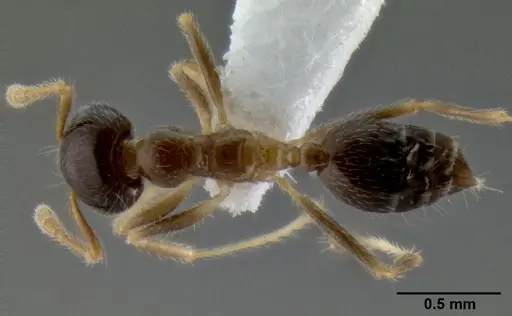
CASENT0902110
View on AntWeb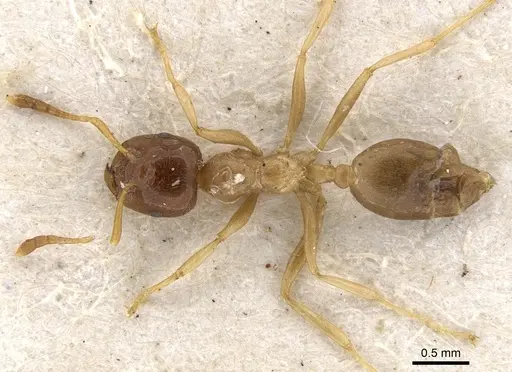
CASENT0908461
View on AntWeb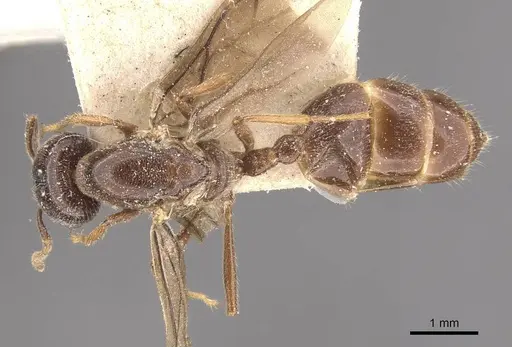
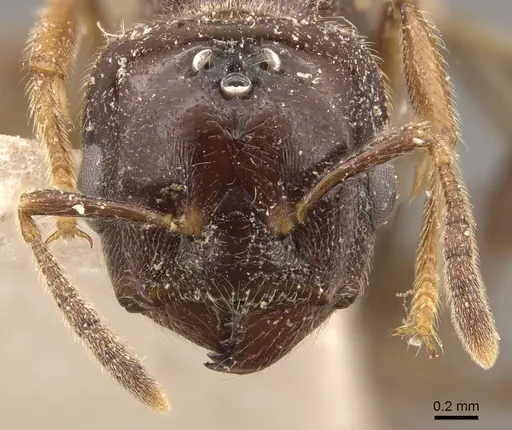
CASENT0908462
View on AntWeb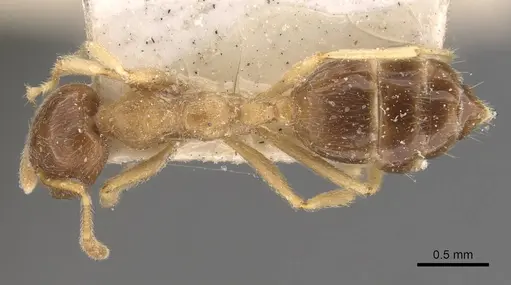
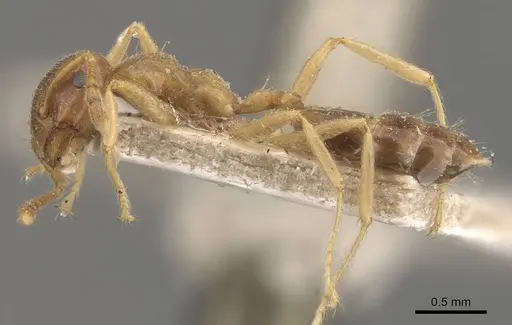
FOCOL0271-1
View on AntWeb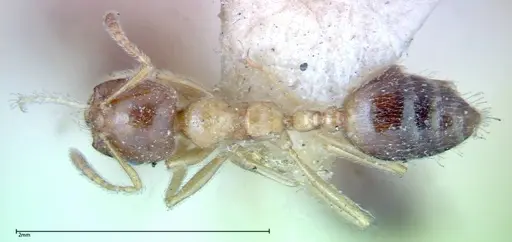
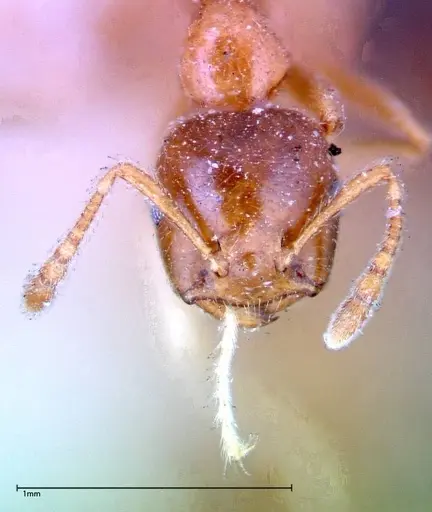
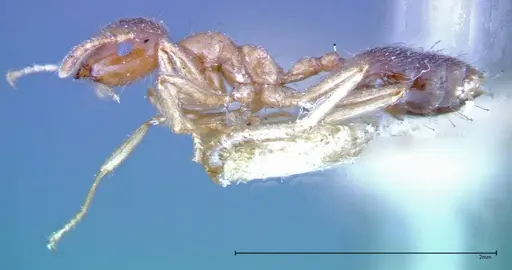
FOCOL0271-2
View on AntWeb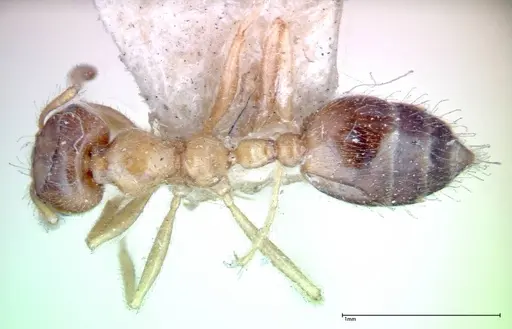
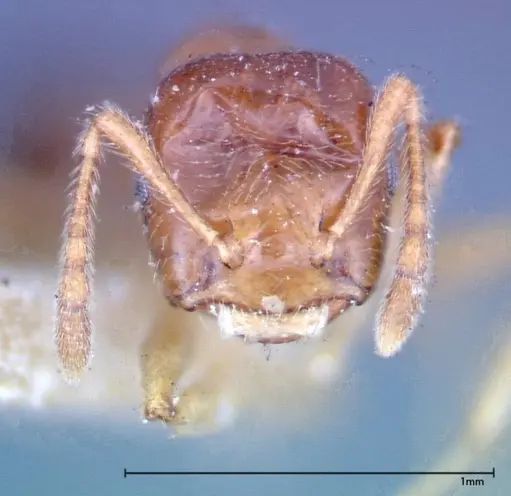
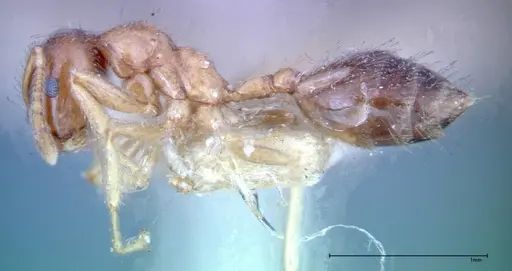
FOCOL0271-3
View on AntWeb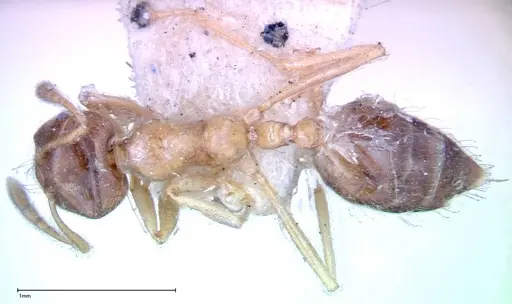
FOCOL0700-1
View on AntWeb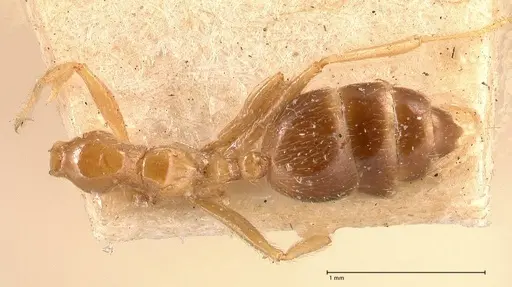
FOCOL0700-2
View on AntWeb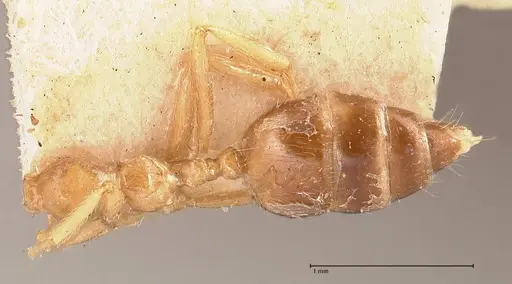
FOCOL0700-3
View on AntWeb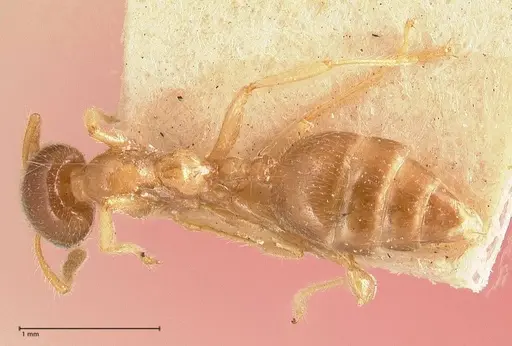
Literature
Loading...Loading products...