

Crematogaster borneensis
- Scientific Name
- Crematogaster borneensis
- Tribe
- Crematogastrini
- Subfamily
- Myrmicinae
- Author
- André, 1896
- Distribution
- Found in 2 countries
Crematogaster borneensis Overview
Crematogaster borneensis is an ant species of the genus Crematogaster. It is primarily documented in 2 countries , including Indonesia, Malaysia. Detailed taxonomic data and occurrence records can be further explored via authoritative databases such as AntWeb or the Global Biodiversity Information Facility (GBIF).
Crematogaster borneensis
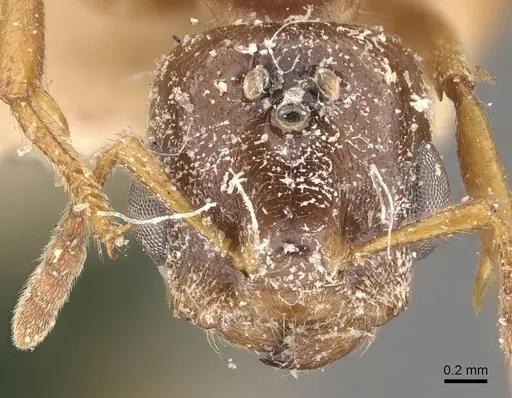
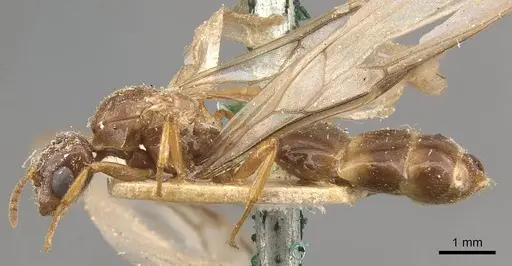
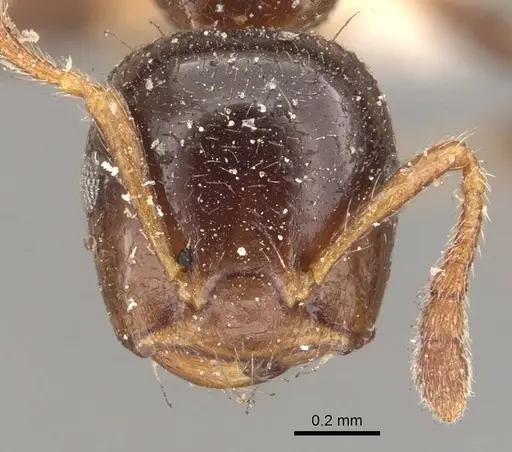
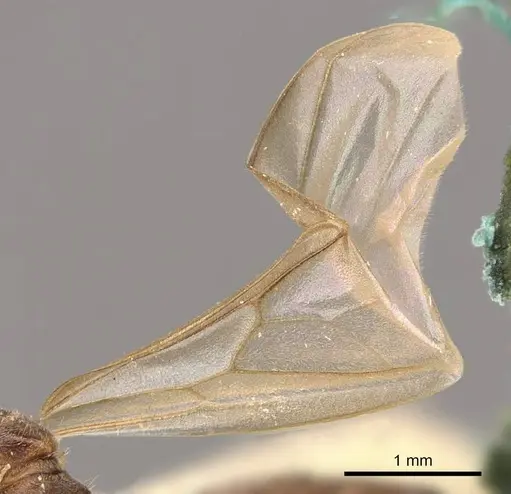
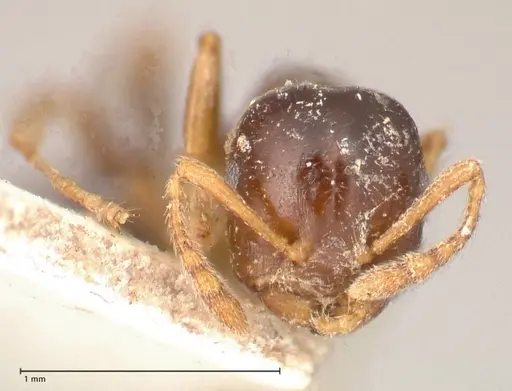
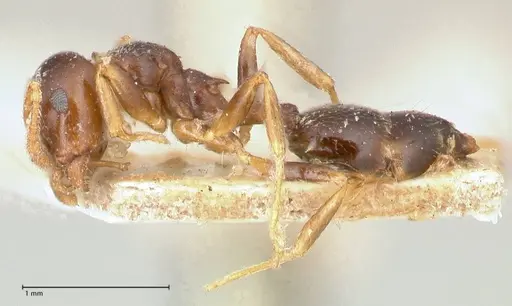
Crematogaster borneensis is a small, reddish-brown acrobat ant belonging to the subgenus Decacrema, known for its distinctive 10-segmented antennae and highly specialized lifestyle. Workers measure 2.5-3.2mm with a slightly darker head and gaster compared to the alitrunk, and they possess propodeal spines. This species is distributed across Borneo, Sumatra, Peninsula Malaysia, and Singapore [1][2]. What makes C. borneensis truly remarkable is its obligate partnership with Macaranga myrmecophyte plants, these ants are so tightly adapted to their host plants that they cannot survive away from them, making them one of the most specialized ant species in the hobby [3][4].
Quick Summary
- Difficulty: Expert
- Origin & Habitat: Tropical rainforests of Southeast Asia (Borneo, Sumatra, Peninsula Malaysia, Singapore) where they obligately inhabit hollow stems of Macaranga myrmecophyte trees [1][3].
- Colony Type: Monogyne, colonies are founded by a single queen who colonizes a new Macaranga plant. Once colonies reach 50+ workers, only one live queen per plant is maintained through inter-colony queen killing [3].
- Colony: Monogyne
- Size & Growth:
- Queen: Estimated 6-8mm based on genus patterns
- Worker: 2.5-3.2mm [1][2]
- Colony: Several hundred workers typical, colonies grow with their host plant
- Growth: Moderate, first workers emerge 2-4 weeks after founding [3]
- Development: Estimated 4-6 weeks based on related Decacrema species (First small workers (nanitics) emerge after 2-4 weeks in established colonies [3])
- Antkeeping:
- Temperature: Keep at 24-28°C (tropical species). A gentle gradient helps but avoid overheating the nest area.
- Humidity: High humidity (70-85%), these ants live inside plant stems in tropical rainforest conditions. Maintain moisture but ensure ventilation to prevent mold.
- Diapause: No, being a tropical species, they do not require hibernation. Activity may slow slightly during cooler periods but no true diapause [3]
- Nesting: This is the critical challenge, they require living Macaranga plant stems or artificial domatia that mimic hollow internodes. Standard test tubes and formicaria are NOT suitable. You will need to maintain a Macaranga plant or create artificial stem chambers with appropriate texture and chemical cues [3][5].
- Behavior: Extremely aggressive and territorial, workers will immediately attack any foreign conspecific colony (80% of encounters). They lack a functional sting but possess a sticky defensive secretion from their enlarged Dufour's gland that they apply when biting. They respond to plant damage with mass recruitment, mounting coordinated attacks on herbivores and intruders. Workers are active day and night, patrolling and cleaning the plant surface continuously. They remove foreign insects, eggs, and even prune competing plant tissue that contacts their host [3][4]. Small size means escape prevention is necessary but they are not typical escape artists, their dependence on host plants limits their wandering.
- Common Issues: Cannot survive without Macaranga host plant, this is the primary challenge and reason for expert difficulty rating [3], Extreme dietary specialization means they reject standard ant foods, honey solution accepted by only 7/35 trials, protein accepted in only 5/70 trials [3], Small crop size means no energy reserves, isolated workers die quickly without constant food access [3], Defensive secretions are sticky and can gum up nest materials, use non-porous surfaces [3], Queens compete intensely for host plants, in the wild, multiple queens may colonize a single plant but only one survives [3]
The Macaranga Partnership
Crematogaster borneensis represents one of the most extreme examples of obligate mutualism in the ant world. These ants are completely dependent on Macaranga myrmecophyte plants for their survival, every aspect of their biology is tied to this relationship. In the wild, they never forage away from their host plant and experiments keeping colonies isolated from Macaranga plants always failed, with ants dying within days to two weeks [3]. The ants benefit from hollow stems that provide shelter, while the plants receive aggressive defenders that attack herbivores, remove competing plant tissue, and maintain clean surfaces. This species colonizes several Macaranga species including M. triloba, M. hulletti, M. hypoleuca, M. hosei, M. pearsonii, and others across their range [3][6]. For antkeepers, this means you cannot keep C. borneensis in conventional setups, you must either maintain a living Macaranga plant or create artificial domatia that somehow replicate the chemical and structural cues the ants require [3][5].
Feeding and Nutrition
The dietary specialization of C. borneensis is extreme and presents the biggest challenge for captivity. In nature, their only food sources are plant-produced food bodies (Belaeoid bodies) found on Macaranga leaves and honeydew from scale insects (coccids) that they cultivate inside the hollow stems [3][7]. These ants almost never leave their host plant to forage. Laboratory trials showed that standard ant foods are largely rejected, only 7 out of 35 trials accepted honey solution, and animal protein (butter, tuna, egg yolk, Drosophila) was accepted in just 5 out of 70 trials [3]. Their crop is very small compared to other ant species, meaning they cannot store large amounts of food and lack energy reserves, this explains why isolated workers die so quickly [3]. Queens and workers can recognize their host plant species through chemical cues, and colonies reject food bodies from non-Macaranga plants [3]. If you attempt to keep this species, you would need to provide Macaranga food bodies or closely simulate them, plus maintain scale insect cultures inside the nest chamber.
Defense and Aggression
Despite their small size, C. borneensis workers are extremely aggressive defenders of their host plant. They lack a functional sting but make up for it with a potent defensive secretion that is sticky, viscous, and contains long-chained saturated hydrocarbons from an enlarged Dufour's gland [3]. When threatened, they mount mass attacks, workers bite intruders and hold on, often applying their defensive secretion. They attack most phytophagous insects and can effectively kill and remove small soft-bodied herbivores like caterpillars. Larger intruders are attacked by many workers simultaneously, with some biting deeply and even perforating the gut [3]. They also respond aggressively to leaf damage, wounded Macaranga leaves emit specific volatiles that induce intense aggression [8]. Workers constantly patrol the plant surface, removing any foreign material, insect eggs, and will even bite off non-host plant tissue that contacts their host [3][4]. This aggressive behavior makes them effective plant defenders but also means they can be a nuisance to handle.
Colony Foundation and Growth
New colonies begin when a mated queen lands on a young Macaranga plant, typically around 10cm tall with suitable internodes [3][5]. The queen drops her wings, chews an entrance hole into a hollow internode (taking 3-4 hours), crawls inside, and seals the entrance with small pieces of pith [3]. She lays eggs inside the stem chamber and the first workers emerge after 2-4 weeks [3]. These nanitics reopen the entrance or chew new holes. Colonies grow as the plant grows, with ants migrating upward through the crown as new hollow internodes develop [4]. Queens swarm throughout the year with no distinct season, most queens are caught in early morning hours [3]. There is strong competition among queens for host plants, with multiple queens initially colonizing a plant but only one surviving once the colony reaches 50+ workers through inter-colony queen killing [3]. Sexual brood is produced year-round in established colonies on larger trees.
Is This Species Right for You?
Crematogaster borneensis is NOT a species for beginners or even most experienced antkeepers. Their extreme specialization makes them nearly impossible to keep in conventional setups. They require a living Macaranga host plant or artificial domatia that replicate the specific chemical and structural cues they need to survive. Their dietary needs cannot be met with standard ant foods. They produce sticky defensive secretions that can gum up equipment. They are extremely aggressive and will attack en masse when threatened [3]. If you are determined to keep this species, you would need to: maintain a healthy Macaranga myrmecophyte plant (M. triloba or similar), ensure the plant has hollow internodes for nesting, cultivate scale insects inside the stem chambers, provide food bodies from Macaranga leaves, and accept that this is a research-level project rather than a typical ant-keeping endeavor [3][5]. Most antkeepers should look for species with less specialized requirements.
Frequently Asked Questions
Can I keep Crematogaster borneensis in a test tube or formicarium?
No. This species cannot survive in conventional ant keeping setups. They are obligately dependent on Macaranga host plants and will die within days to two weeks if isolated from their plant partner [3]. You would need a living Macaranga plant with hollow stems or artificial domatia that mimic this specific environment.
What do Crematogaster borneensis eat?
Their diet is extremely specialized. They feed almost exclusively on food bodies produced by Macaranga plants and honeydew from scale insects they cultivate inside the stem. Standard ant foods are largely rejected, honey was accepted in only 7 of 35 trials, and protein in only 5 of 70 trials [3]. They cannot be kept with conventional feeding approaches.
How long until first workers in Crematogaster borneensis?
First small workers (nanitics) emerge 2-4 weeks after the queen establishes herself inside a Macaranga internode [3]. Development is tied to temperature and plant health.
Do Crematogaster borneensis ants sting?
No. They lack a functional sting but make up for it with a sticky defensive secretion from their enlarged Dufour's gland. When they bite, they hold on and apply this secretion, making them difficult to remove [3].
Are Crematogaster borneensis good for beginners?
No. This is an expert-level species due to their obligate dependence on Macaranga host plants, extreme dietary specialization, and specific nesting requirements. Most antkeepers cannot meet their needs with conventional methods [3].
Do Crematogaster borneensis need hibernation?
No. As a tropical species from Southeast Asia, they do not require hibernation. Activity may slow during cooler periods but they remain active year-round [3].
How big do Crematogaster borneensis colonies get?
Colonies reach several hundred workers in typical mature colonies, growing in proportion to their host plant size. Larger Macaranga trees can support larger colonies [3][4].
Can I keep multiple queens together?
In the wild, multiple queens initially colonize a plant but strong competition results in only one surviving once the colony reaches 50+ workers. Inter-colony queen killing eliminates rivals [3]. Combining unrelated queens in captivity is not recommended and has not been documented.
Why are my Crematogaster borneensis dying?
If kept in conventional setups, they will die because they cannot survive without their Macaranga host plant. Even with a host plant, they may die if the plant is unhealthy, lacks suitable internodes, or if scale insects are not present for honeydew [3]. Their small crop size means they have no energy reserves and die quickly when food is unavailable.
References

This caresheet is licensed under CC BY-SA 4.0 .
CASENT0193115
View on AntWeb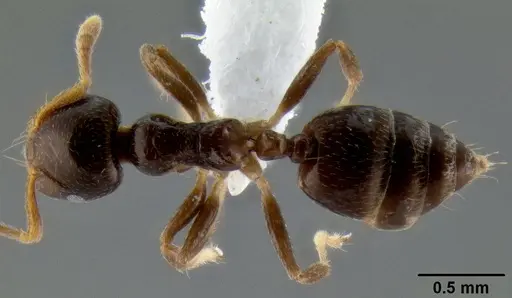
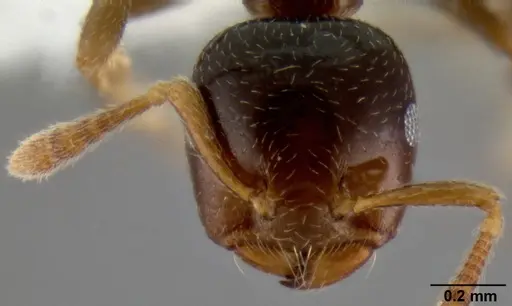
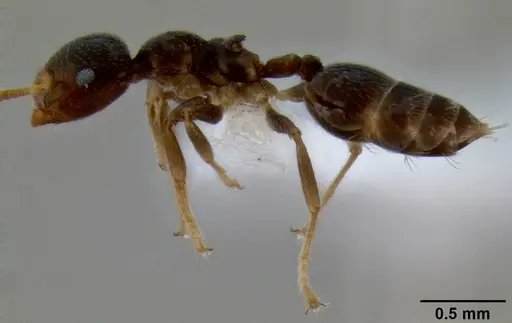
CASENT0908446
View on AntWeb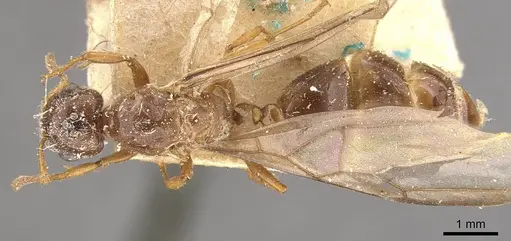
CASENT0908447
View on AntWeb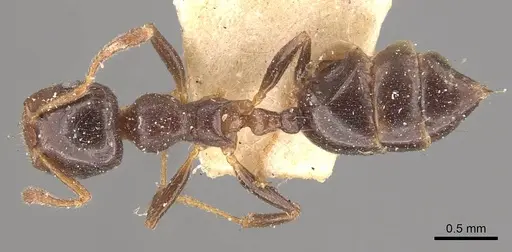
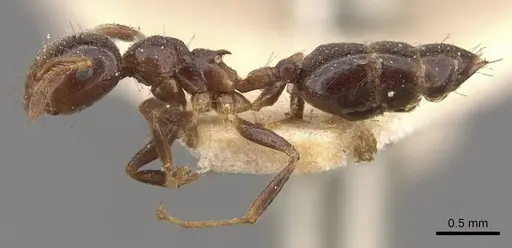
CASENT0908450
View on AntWeb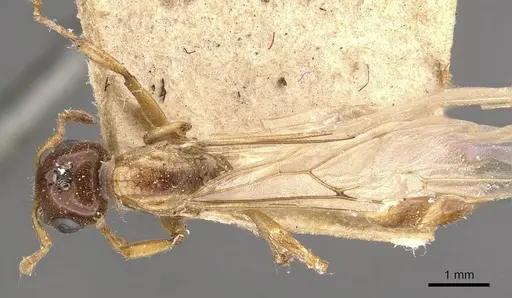
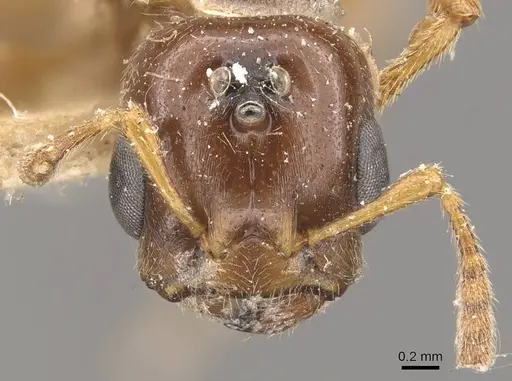
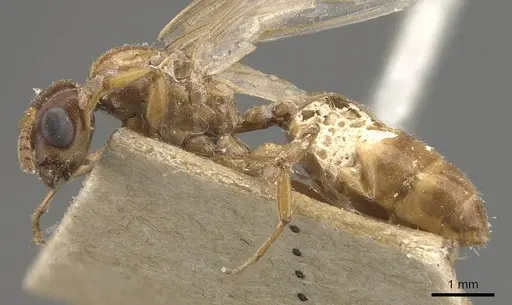
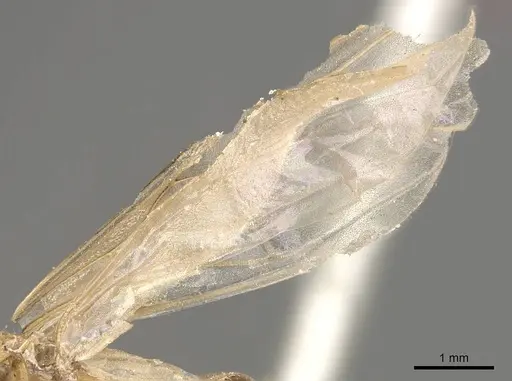
CASENT0908451
View on AntWeb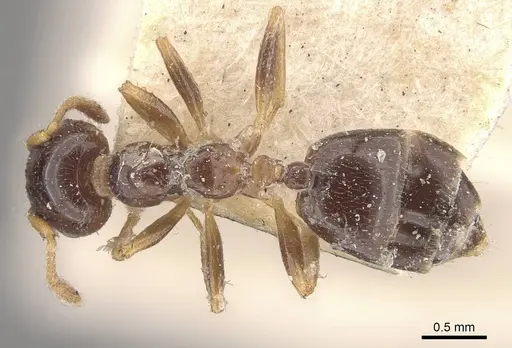
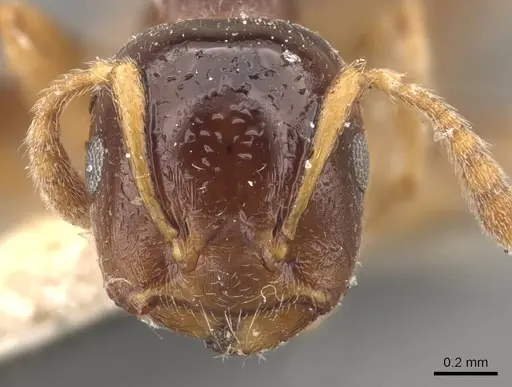
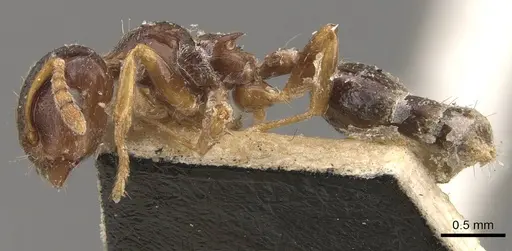
CASENT0908456
View on AntWeb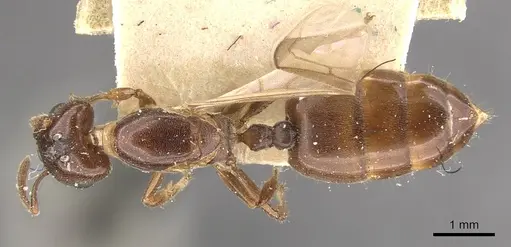
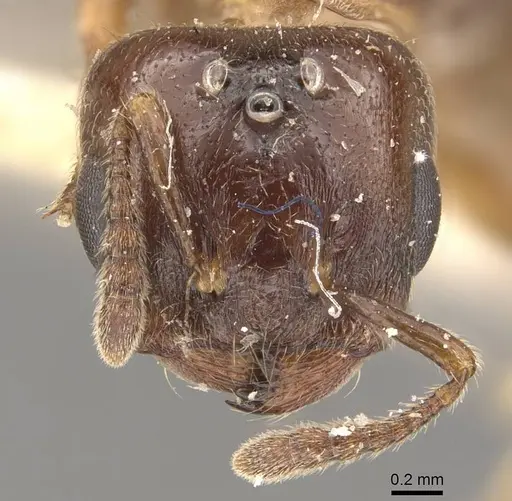
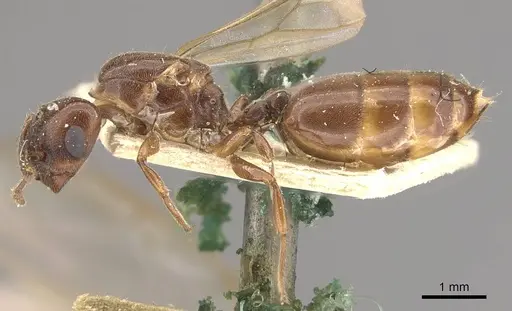
FOCOL0651
View on AntWeb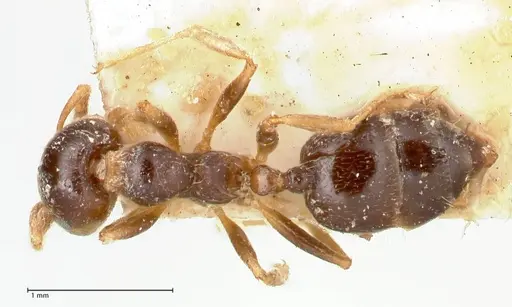
Literature
Loading...Loading products...