

Crematogaster daisyi
- Scientific Name
- Crematogaster daisyi
- Tribe
- Crematogastrini
- Subfamily
- Myrmicinae
- Author
- Forel, 1901
- Distribution
- Found in 1 countries
Crematogaster daisyi Overview
Crematogaster daisyi is an ant species of the genus Crematogaster. It is primarily documented in 1 countries , including Malaysia. Detailed taxonomic data and occurrence records can be further explored via authoritative databases such as AntWeb or the Global Biodiversity Information Facility (GBIF).
Crematogaster daisyi
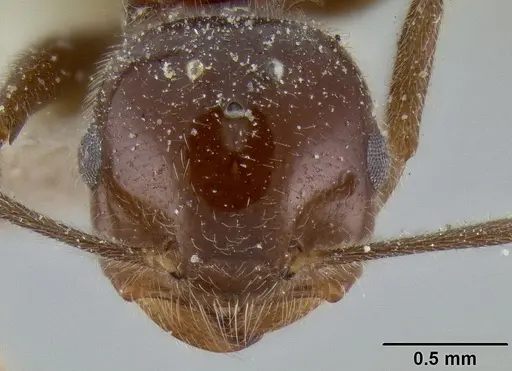
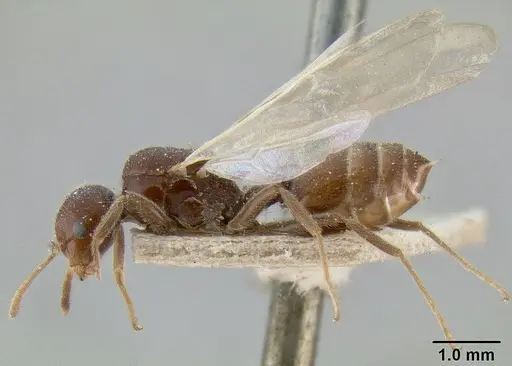
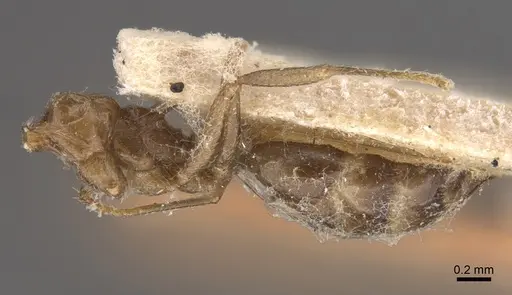
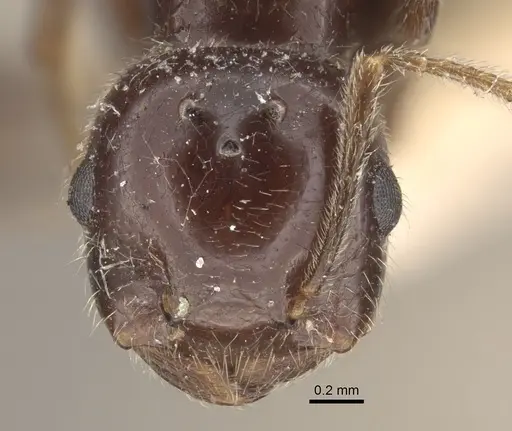
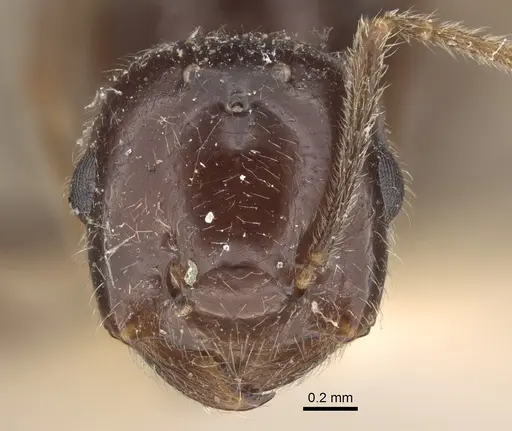
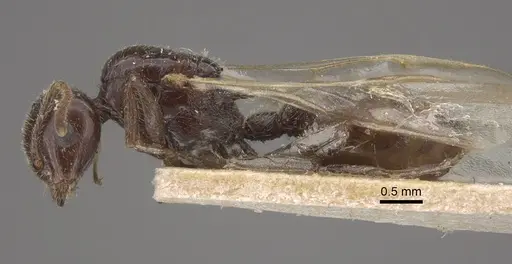
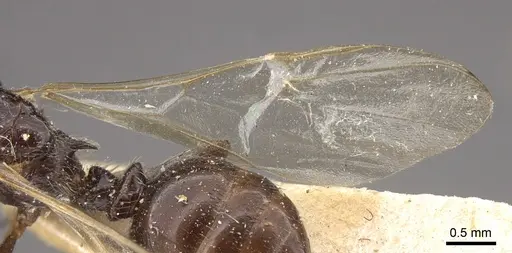
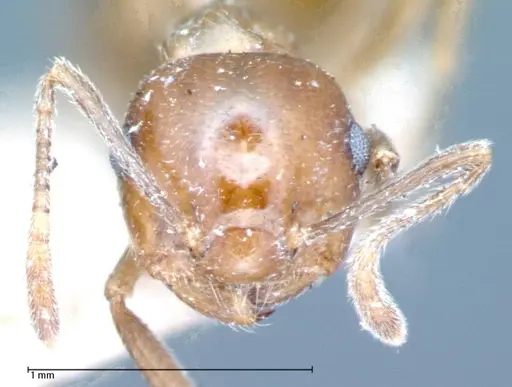
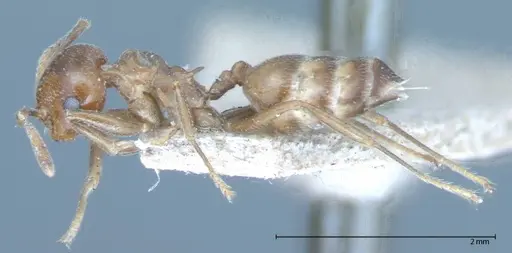
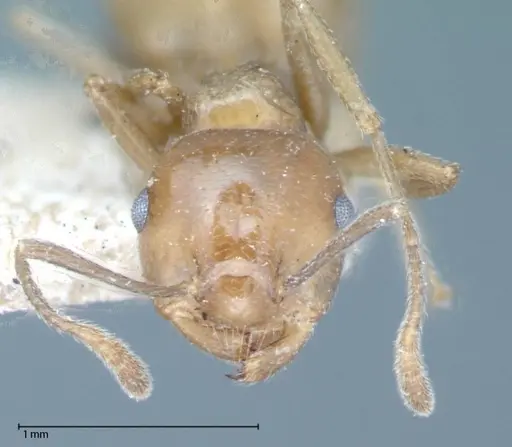
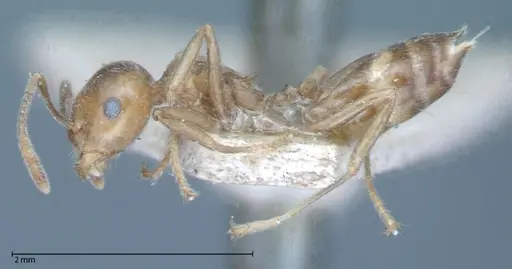
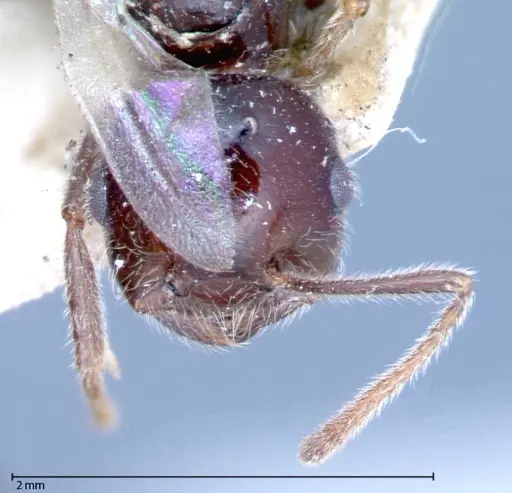
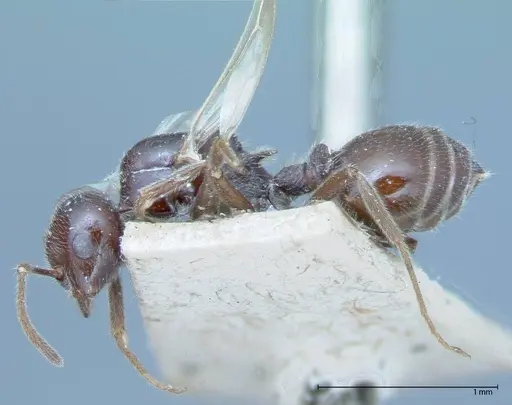
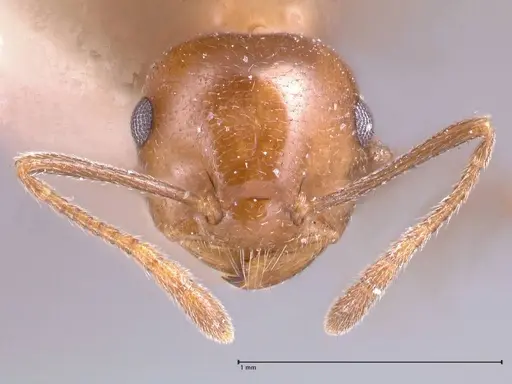
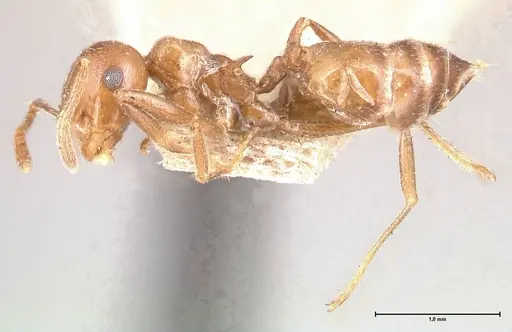
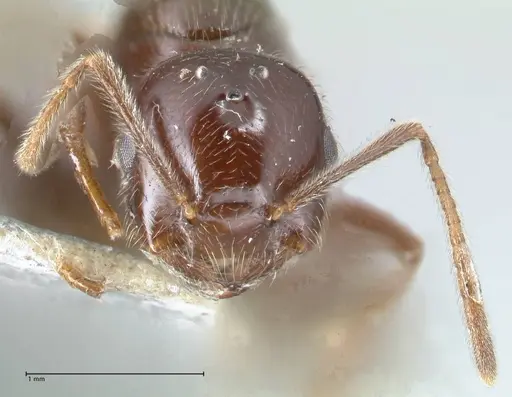
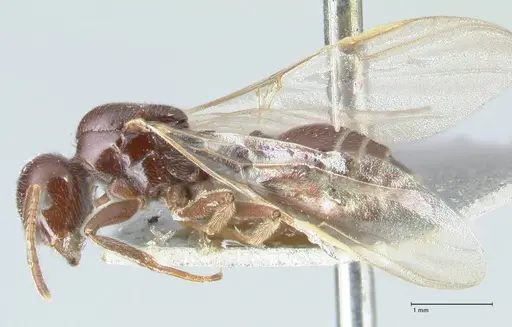
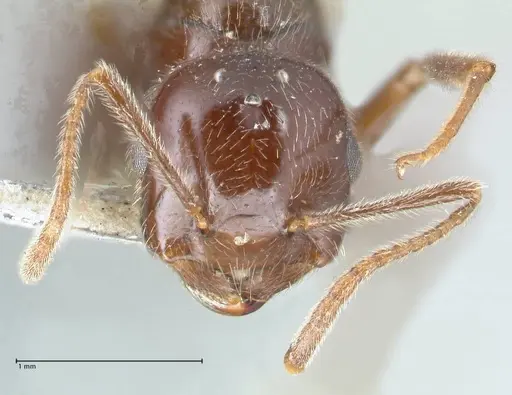
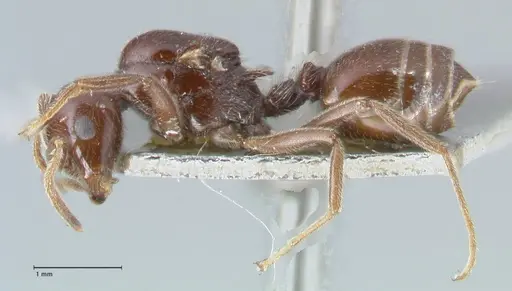
Crematogaster daisyi is a tiny rainforest ant species native only to Borneo, specifically found in Sarawak (Malaysia) and Brunei. Workers measure just 3-4mm total length with a reddish-brown coloration [1]. This species belongs to the Crematogaster ranavalonae-group and is distinguished from its close relative C. sikkimensis by the lower position of its petiole spiracles when viewed from the side [1]. Like all Crematogaster, they have a distinctive heart-shaped gaster that they raise as a defensive display when threatened. The integument is smooth and shiny with very few erect hairs, giving them a sleek appearance [1].
This is a poorly documented species with no published information on its biology or colony structure in the wild. Based on its placement in the ranavalonae-group and the genus patterns, it likely inhabits humid rainforest environments, potentially nesting in rotting wood or under bark in the tropical forests of Borneo.
Quick Summary
- Difficulty: Unknown, likely Medium due to limited available information
- Origin & Habitat: Tropical rainforest of Borneo (Sarawak, Malaysia and Brunei). Only known from this specific geographic region [1][2].
- Colony Type: Colony structure is unconfirmed. Many Crematogaster species are polygynous (multiple queens), but this has not been documented for C. daisyi specifically.
- Size & Growth:
- Queen: Undescribed in scientific literature, estimated 6-8mm based on genus patterns
- Worker: Approximately 3-4mm total length (HW 0.79-0.88mm) [1]
- Colony: Unknown, likely several hundred workers based on typical Crematogaster colony sizes
- Growth: Unknown, estimated moderate based on genus patterns
- Development: Unknown, estimated 6-8 weeks based on typical tropical Crematogaster development (No specific development data available for this species. Estimates based on related Crematogaster species in tropical environments.)
- Antkeeping:
- Temperature: Keep at 24-28°C, this matches their tropical Borneo origin. A slight gradient allows workers to self-regulate. Room temperature (around 24-26°C) is likely suitable if your home is warm.
- Humidity: High humidity is essential, think damp tropical rainforest. Keep nest substrate consistently moist but not waterlogged. Provide a water source. Mist the outworld regularly and maintain humidity in the nest area around 70-80%.
- Diapause: No, as a tropical species from Borneo, they do not require hibernation. Keep them warm year-round.
- Nesting: In captivity, they do well in Y-tong (AAC), plaster, or naturalistic setups with moist substrate. They prefer tight, humid chambers. Avoid dry environments. Naturalistic setups with rotting wood pieces mimic their likely natural habitat.
- Behavior: Typical Crematogaster behavior, workers are active and foragers, constantly moving around the outworld searching for food. They are not particularly aggressive but will raise their gaster and use their mild stingers if threatened. Their small size (under 4mm) means escape prevention is critical, they can squeeze through tiny gaps. They likely use chemical recruitment to guide nestmates to food sources, as is typical for the genus.
- Common Issues: escape prevention is critical due to their very small size, use fine mesh and tight-fitting barriers, high humidity requirements can lead to mold if ventilation is poor, balance humidity with airflow, lack of species-specific information means you may need to experiment with care conditions, wild-caught colonies may have parasites or diseases that can cause colony failure, their small size makes them vulnerable to drowning in water sources, use cotton balls or shallow dishes
Housing and Nest Setup
Crematogaster daisyi is a tiny species requiring carefully scaled housing. Use nests with small chambers and narrow passages, large open spaces stress them. A Y-tong (AAC) formicarium with moist cotton or plaster works well. Alternatively, a naturalistic setup with moist soil and rotting wood pieces mimics their likely natural habitat in Borneo rainforests. Keep the nest area humid (around 70-80%) while providing a drier outworld area for foraging. Because of their tiny size, escape prevention must be excellent, use fine mesh (at least 0.5mm) on all openings and check regularly for gaps. [1]
Feeding and Diet
Like most Crematogaster, they are omnivorous and will accept a variety of foods. Offer sugar sources regularly, honey water, sugar water, or honey is readily consumed. For protein, provide small insects like fruit flies, pinhead crickets, or mealworm pieces. They are small, so prey should be appropriately sized. Feed them every 2-3 days, removing any uneaten food to prevent mold. They likely forage actively and will discover food quickly, watch for recruitment behavior where workers guide others to food sources.
Temperature and Humidity
As a tropical species from Borneo, they need warm and humid conditions. Maintain temperatures between 24-28°C year-round, no hibernation is needed. Room temperature in most homes is suitable, but you may need a small heating mat on one side of the nest during cooler months. Humidity is critical: keep the nest substrate consistently moist but not saturated. The outworld can be drier, but mist it regularly. A water source should always be available. Poor humidity leads to desiccation and colony decline. [1]
Behavior and Temperament
Crematogaster daisyi workers are active foragers, constantly exploring their environment. When threatened, they raise their distinctive heart-shaped gaster as a warning, this is their signature defensive behavior. They can sting, though the pain is mild for humans. They likely use chemical trails to recruit nestmates to food, as is typical for the genus. Workers are not particularly aggressive toward keepers but will defend their nest. Their small size makes them quick and agile, handle any colony transfers carefully to prevent escapes. [1]
Colony Establishment
If you acquire a founding queen (claustral founding is likely but unconfirmed), she should be housed in a small test tube setup with constant access to water. Queens are estimated at 6-8mm based on genus patterns. Keep the founding setup humid and warm (around 26°C). The queen will lay eggs and raise the first brood alone, surviving on her stored fat reserves. First workers (nanitics) will be smaller than normal workers. Once workers emerge, you can begin offering small food items and eventually transition to a proper nest setup once the colony grows.
Frequently Asked Questions
How long does it take for Crematogaster daisyi to have first workers?
The exact timeline is unknown, but based on typical tropical Crematogaster development, expect first workers (nanitics) around 6-8 weeks after the queen lays eggs, assuming optimal temperature (around 26°C). This is an estimate as no species-specific development data exists.
What do Crematogaster daisyi ants eat?
They are omnivorous. Offer sugar sources (honey water, sugar water, honey) regularly as an energy source. For protein, provide small insects like fruit flies, small mealworms, or pinhead crickets. Feed every 2-3 days and remove uneaten food promptly.
Do Crematogaster daisyi ants sting?
Yes, they can sting, though the sting is mild and rarely noticeable to humans. Their main defense is raising their heart-shaped gaster to appear larger and more threatening. They are not aggressive toward keepers.
Can I keep Crematogaster daisyi in a test tube setup?
Yes, test tubes work well for founding colonies. Keep the cotton moist (not soaked) and maintain warm temperatures (24-28°C). Once the colony reaches 20-30 workers, consider moving to a small formicarium or naturalistic setup with proper chambers.
Do Crematogaster daisyi need hibernation?
No. As a tropical species from Borneo, they do not require hibernation. Keep them warm year-round at 24-28°C. Hibernation could be harmful or fatal to this species.
How big do Crematogaster daisyi colonies get?
The maximum colony size is unknown. Based on typical Crematogaster patterns, colonies likely reach several hundred workers. This is a small species, so colonies may stay moderate in size compared to larger Crematogaster.
Are Crematogaster daisyi good for beginners?
This species is not ideal for complete beginners due to the lack of species-specific care information and their small size requiring excellent escape prevention. However, experienced antkeepers should find them manageable if they provide appropriate humidity and warmth.
Why are my Crematogaster daisyi dying?
Common causes include: low humidity (they need 70-80% in nest area), temperatures that are too cold (below 24°C), escape through tiny gaps, mold from overwatering with poor ventilation, or stress from too-large enclosures. Check these parameters first. Wild-caught colonies may also carry parasites.
When should I move my colony to a formicarium?
Move to a proper nest setup (Y-tong, plaster, or naturalistic) once the colony reaches around 20-30 workers and the test tube water reservoir is running low. Make sure the new setup can maintain high humidity.
Can I keep multiple Crematogaster daisyi queens together?
The colony structure is unconfirmed for this species. Many Crematogaster are polygynous (multiple queens), but combining unrelated queens is risky and not recommended without evidence they accept each other. If you have multiple foundresses, house them separately initially.
References

This caresheet is licensed under CC BY-SA 4.0 .
CASENT0193631
View on AntWeb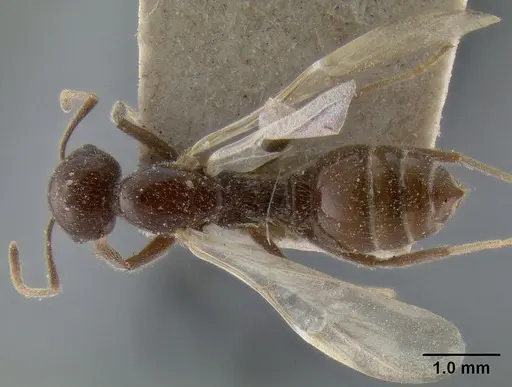
CASENT0193634
View on AntWeb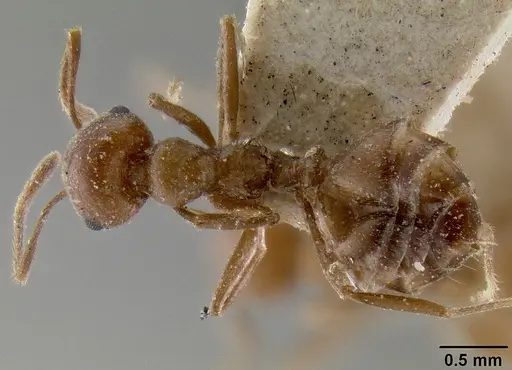
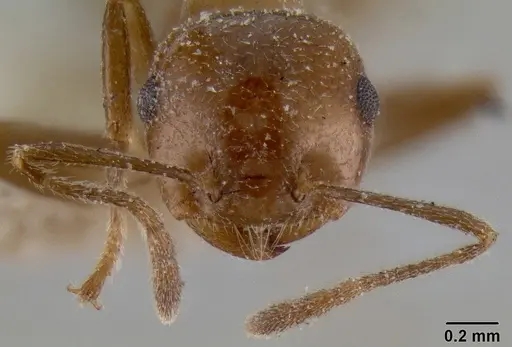
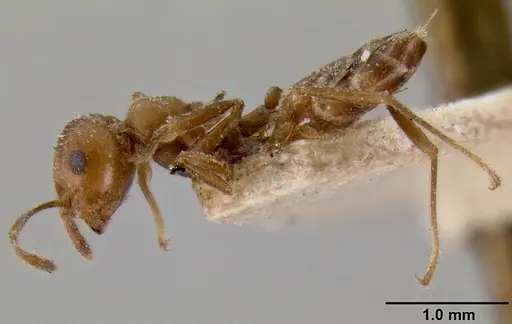
CASENT0902114
View on AntWeb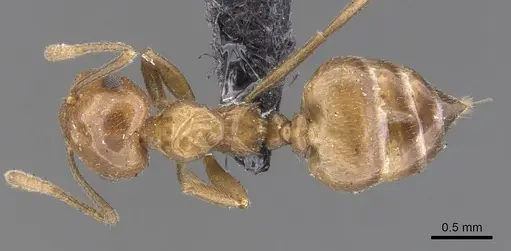
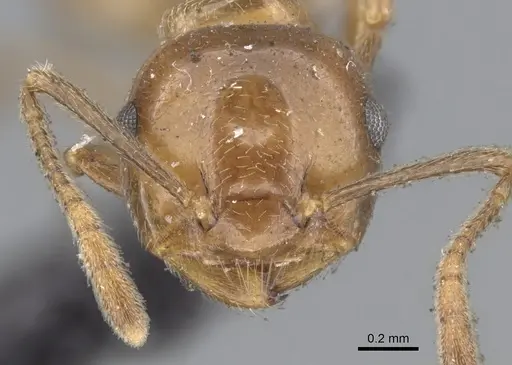
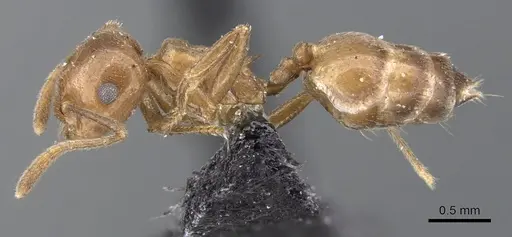
CASENT0908644
View on AntWeb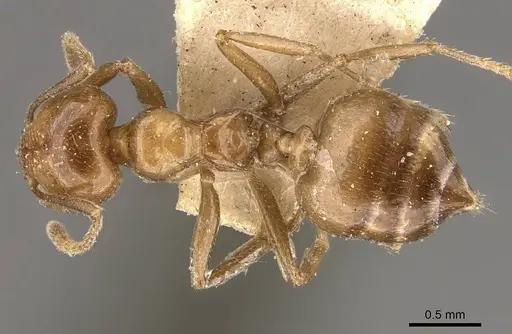
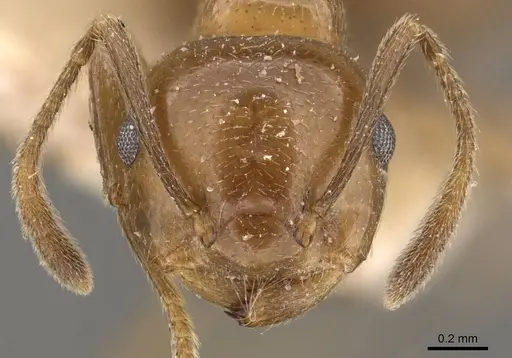
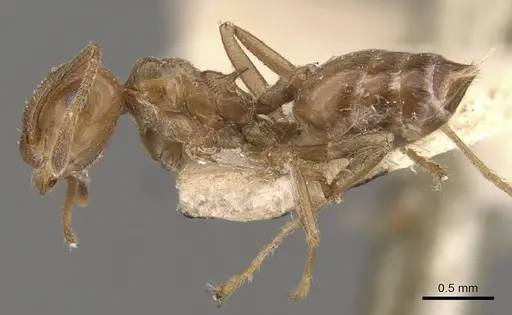
CASENT0917805
View on AntWeb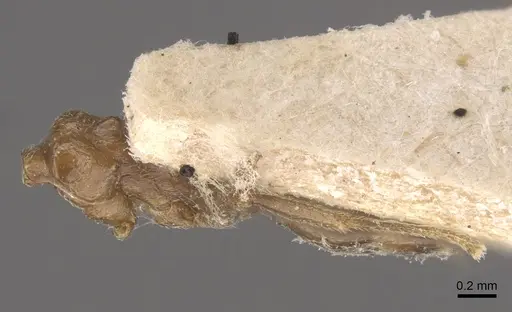
CASENT0917806
View on AntWeb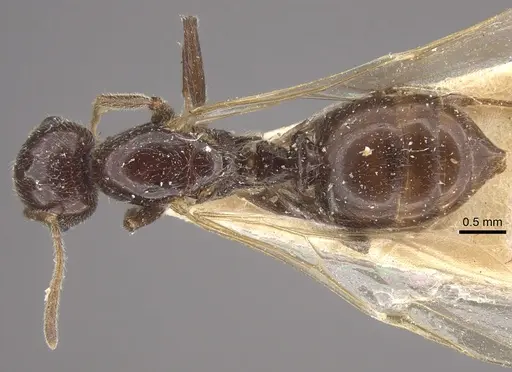
FOCOL0062-1
View on AntWeb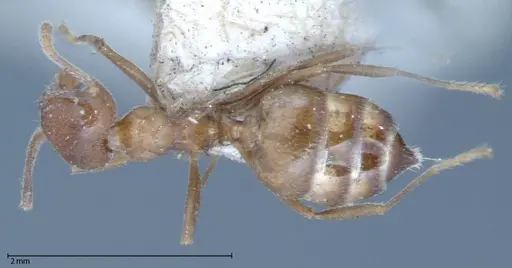
FOCOL0062-2
View on AntWeb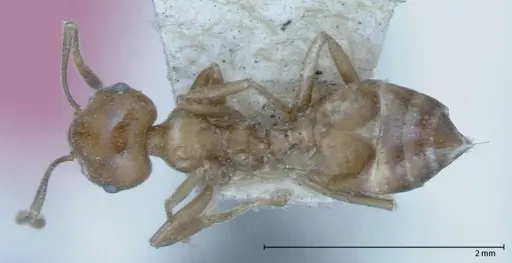
FOCOL0062-3
View on AntWeb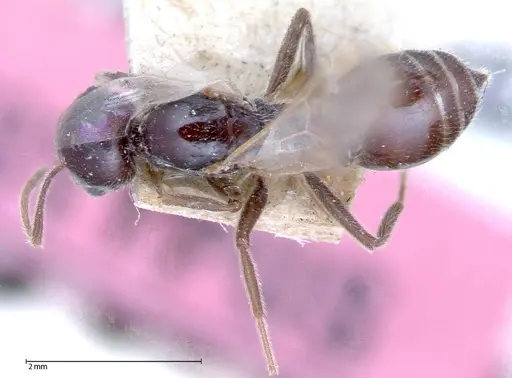
FOCOL0704
View on AntWeb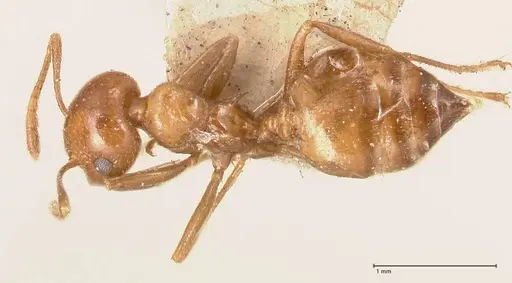
FOCOL1538
View on AntWeb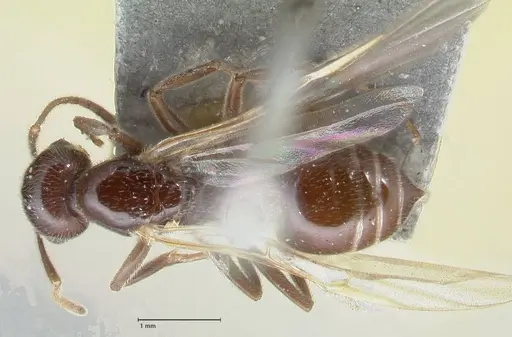
FOCOL1539
View on AntWeb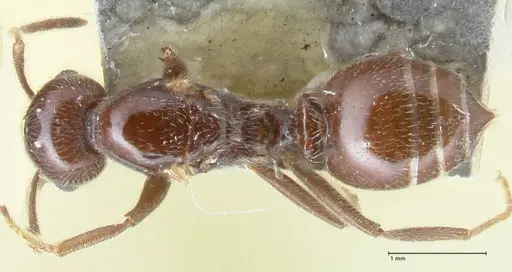
Literature
Loading...Loading products...