

Crematogaster cuvierae
- Scientific Name
- Crematogaster cuvierae
- Tribe
- Crematogastrini
- Subfamily
- Myrmicinae
- Author
- Donisthorpe, 1945
- Distribution
- Found in 1 countries
Crematogaster cuvierae Overview
Crematogaster cuvierae is an ant species of the genus Crematogaster. It is primarily documented in 1 countries , including Cameroon. Detailed taxonomic data and occurrence records can be further explored via authoritative databases such as AntWeb or the Global Biodiversity Information Facility (GBIF).
Crematogaster cuvierae
Crematogaster cuvierae is a small myrmicine ant native to West Africa, specifically known from Ghana. Workers are typical of the genus, small with a distinctive heart-shaped gaster (abdomen) that they can raise and point downward when threatened. The species was first described from specimens collected in the Gold Coast (now Ghana) in 1945,found nesting in the plant Cuviera aeratiflora [1]. This ant has also been documented in Gabon, where it occurs in both gallery forest and savannah habitats [2]. The genus Crematogaster is known for their acrobatic defense posture, when disturbed, they raise their gaster high and may drip or spray formic acid.
Quick Summary
- Difficulty: Unknown, limited data available
- Origin & Habitat: West Africa (Ghana), with documented presence in Gabon. Found in gallery forest and savannah habitats [2]. Type specimens collected from within a plant (Cuviera aeratiflora), suggesting plant-cavity nesting [1].
- Colony Type: Unconfirmed colony structure. The genus Crematogaster is typically polygynous (multi-queen), but specific colony structure for C. cuvierae has not been documented.
- Size & Growth:
- Queen: Estimated 5-8mm based on genus typical sizes, no species-specific measurements available
- Worker: Estimated 2-4mm based on genus typical sizes, no species-specific measurements available
- Colony: Unknown, no colony size data available for this species
- Growth: Unknown, no development data available
- Development: Estimated 6-8 weeks based on typical Crematogaster development at tropical temperatures (25-28°C) (No direct development data exists for this species. Estimate based on genus-level patterns for tropical Crematogaster species.)
- Antkeeping:
- Temperature: Keep at 24-28°C. Being from tropical West Africa, they prefer warm conditions. A heating cable on one side of the nest can create a suitable gradient.
- Humidity: Moderate to high humidity (60-80%). Mist the outworld occasionally and keep nest substrate slightly moist. Ensure some drier areas are available for the ants to regulate.
- Diapause: Likely no true diapause required. Being a tropical species from Ghana and Gabon, they probably do not need hibernation. However, a slight reduction in temperature during winter months (down to around 22°C) may be appropriate.
- Nesting: Based on type specimen collection from plant cavity (Cuviera aeratiflora), they likely prefer nesting in dead wood, hollow stems, or under bark. In captivity, a Y-tong (AAC) nest or plaster nest with narrow chambers works well. Avoid overly wet substrates.
- Behavior: Temperament is typical of Crematogaster, they are defensive and will raise their gaster when threatened, potentially dripping formic acid. They are relatively active foragers and will search for sugar sources and small prey. Escape prevention should be moderate, they are small ants but not among the tiniest. They likely form multi-queen colonies like most Crematogaster species.
- Common Issues: limited data makes care recommendations uncertain, this species has not been kept in captivity frequently, colony structure unconfirmed, may be polygynous like most Crematogaster, but not documented, no information on founding behavior, assume claustral like related species until proven otherwise, tropical species requires warm temperatures year-round, small size means escape prevention is necessary though not as critical as with tiny ants
Nest Preferences and Housing
Crematogaster cuvierae was originally described from specimens collected inside the plant Cuviera aeratiflora, indicating they naturally nest in plant cavities or rotting wood [1]. In captivity, they do well in Y-tong (acrylic) nests or plaster nests with chambers scaled to their small size. Avoid overly wet or waterlogged substrates, they prefer slightly moist conditions with good ventilation. A test tube setup can work for founding colonies, but be prepared to move them to a more spacious formicarium as the colony grows. Many Crematogaster prefer nests with some vertical orientation and narrow passages.
Feeding and Diet
Crematogaster ants are omnivorous and will accept a variety of foods. Offer sugar water or honey regularly as a carbohydrate source, they particularly enjoy honeydew if you have access to aphid colonies. For protein, provide small insects such as fruit flies, small mealworms, or cricket pieces. Feed every 2-3 days, removing uneaten prey after 24 hours. Unlike some specialized predators, they are generalist feeders. A varied diet helps maintain colony health.
Temperature and Seasonal Care
Being a tropical species from Ghana and Gabon in West Africa, Crematogaster cuvierae requires warm temperatures year-round. Keep the nest area at 24-28°C for optimal activity and brood development. A heating cable placed on one side of the nest can create a temperature gradient, allowing ants to regulate their own temperature. Unlike temperate species, they do not require true hibernation. However, a slight seasonal reduction to around 22°C during winter months may be appropriate if you notice reduced activity. Avoid temperatures below 20°C for extended periods. [2]
Behavior and Defense
Crematogaster ants have a distinctive defensive behavior, when threatened, they raise their gaster (abdomen) high in the air and can drip or spray formic acid at attackers. This gives them the nickname 'acrobat ants'. They are relatively aggressive when defending the nest but are not typically dangerous to humans. Their small size means the formic acid spray is not painful to keepers, though it may cause minor skin irritation. They are active foragers and will readily search out food sources in the outworld.
Frequently Asked Questions
How long does it take for Crematogaster cuvierae to produce first workers?
Exact timing is unknown for this species. Based on typical Crematogaster development at tropical temperatures (24-28°C), expect first workers (nanitics) in approximately 6-8 weeks after the queen lays her first eggs.
Can I keep multiple Crematogaster cuvierae queens together?
The colony structure of this specific species is unconfirmed. However, most Crematogaster species are polygynous (multi-queen) in the wild. If you want to attempt multi-queen founding, introduce them while they are still claustrally founding in test tubes, but monitor for aggression.
What temperature do Crematogaster cuvierae ants need?
Keep them warm at 24-28°C. This tropical West African species requires year-round warmth. A heating cable on part of the nest can help maintain proper temperatures.
Do Crematogaster cuvierae ants sting?
They do not have a painful sting like some larger ants. Their primary defense is spraying formic acid from their raised gaster. This may cause minor skin irritation but is not dangerous to healthy adults.
What do Crematogaster cuvierae ants eat?
They are omnivorous. Offer sugar sources (honey water, sugar water) regularly and protein sources (small insects like fruit flies, mealworms) every few days. They will also consume honeydew if available.
Is Crematogaster cuvierae a good species for beginners?
This species has limited availability and documented care information, making it a poor choice for beginners. If you are new to ant keeping, consider starting with more commonly kept species like Lasius niger, Camponotus species, or Messor species that have established care guides.
How big do Crematogaster cuvierae colonies get?
Colony size data is not available for this species. Based on genus patterns, colonies likely reach several hundred to a few thousand workers over several years.
Do Crematogaster cuvierae need hibernation?
No. Being a tropical species from Ghana and Gabon, they do not require hibernation. Maintain warm temperatures (24-28°C) year-round for optimal colony health.
Where is Crematogaster cuvierae found in the wild?
This species is native to West Africa. It was originally described from Ghana and has also been documented in Gabon. They inhabit both gallery forest and savannah habitats.
References

This caresheet is licensed under CC BY-SA 4.0 .
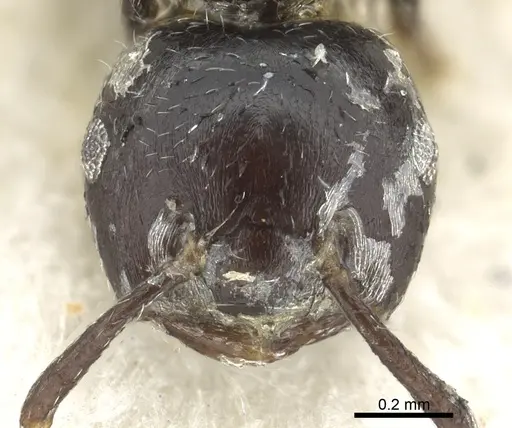
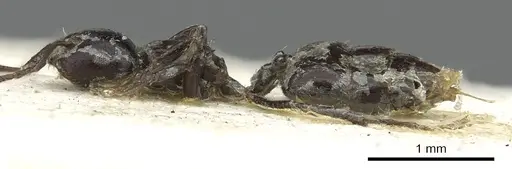
CASENT0902069
View on AntWeb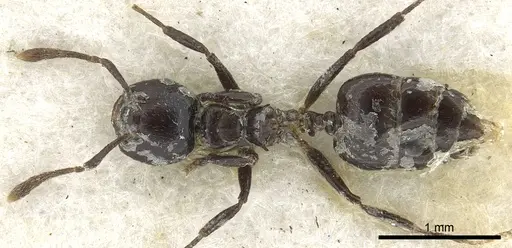
Literature
Loading...Loading products...