

Crematogaster cubaensis
- Scientific Name
- Crematogaster cubaensis
- Subgenus
- Orthocrema
- Tribe
- Crematogastrini
- Subfamily
- Myrmicinae
- Author
- Mann, 1920
- Distribution
- Found in 1 countries
Crematogaster cubaensis Overview
Crematogaster cubaensis is an ant species of the genus Crematogaster. It is primarily documented in 1 countries , including Cuba. Detailed taxonomic data and occurrence records can be further explored via authoritative databases such as AntWeb or the Global Biodiversity Information Facility (GBIF).
Crematogaster cubaensis
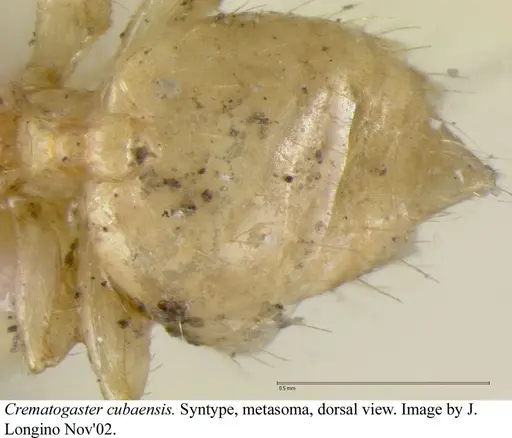
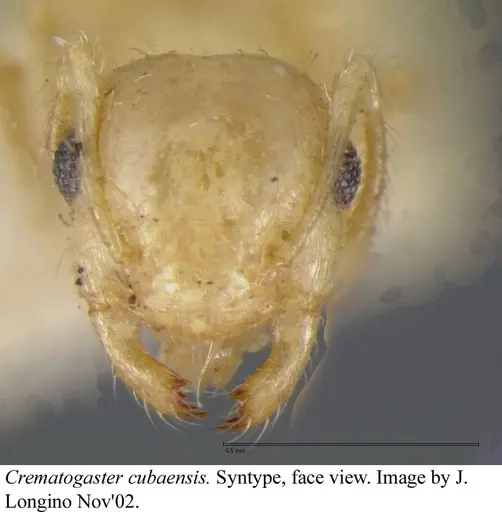
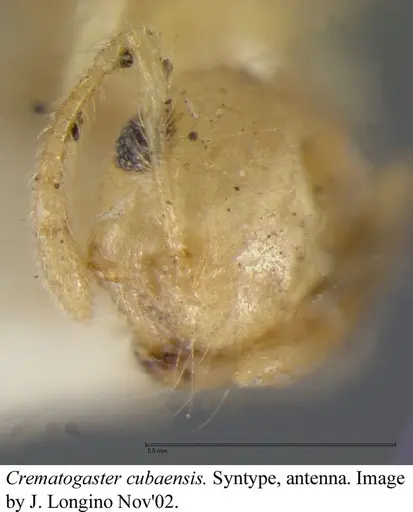
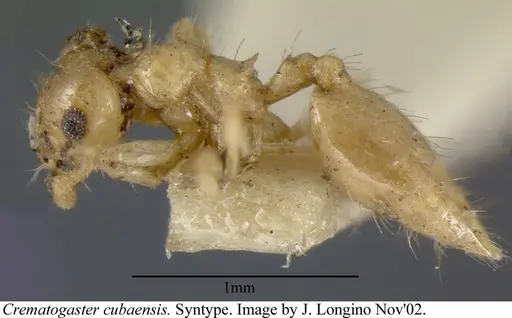
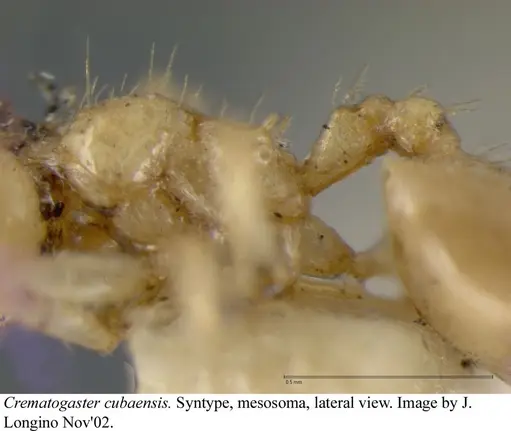
Crematogaster cubaensis is a small, yellow ant endemic to Cuba, one of the Caribbean islands. Workers are tiny and share the general appearance of the Crematogaster minutissima group, with a smooth and shining pronotum. The dorsal hairs are relatively short and scruffy-looking rather than arranged in neat rows. These ants belong to the subfamily Myrmicinae and are known for their characteristic defensive behavior, when threatened, they raise their abdomen over their head like an acrobat, which is how they got their common name 'acrobat ants'. The type specimen was collected beneath a stone in forested areas, suggesting they nest in ground-level microhabitats in Cuban woodlands. This species was previously known as Crematogaster cubaensis before being synonymized with C. cubaensis in 2003 [1][2].
Quick Summary
- Difficulty: Medium
- Origin & Habitat: Endemic to Cuba in the Greater Antilles region. Found in forested areas, with type specimens collected beneath stones in woods [1][3].
- Colony Type: Colony structure is unconfirmed for this specific species. Many Crematogaster species are polygyne (multiple queens), but C. cubaensis has not been studied in detail.
- Founding: Claustral
- Size & Growth:
- Queen: Unconfirmed, no specific measurements available for this species
- Worker: Small (estimated 2-3mm based on genus patterns)
- Colony: Unknown, likely small colonies based on typical small Crematogaster patterns
- Growth: Moderate, estimated based on genus behavior
- Development: 6-8 weeks (estimated based on typical tropical Crematogaster development) (Development time is estimated, not directly studied for this species. Tropical species typically develop faster than temperate ones.)
- Antkeeping:
- Temperature: Keep at 24-28°C. Being a tropical species from Cuba, they prefer warm conditions. A heating cable on one side of the nest can create a gentle gradient if room temperature is below this range.
- Humidity: Moderate to high humidity (60-80%). Mist the outworld occasionally and keep the nest substrate slightly moist but not waterlogged. Cuban forest conditions are humid, so ensure good hydration without creating standing water.
- Diapause: No, being a tropical species from Cuba, they do not require hibernation. Keep them at stable warm temperatures year-round.
- Nesting: In nature they nest under stones and in small cavities in rotting wood. In captivity, a small test tube setup works well for founding colonies. For established colonies, a small Y-tong (AAC) nest or plaster nest with tight chambers scaled to their tiny size works well. Avoid large, open spaces.
- Behavior: Typical Crematogaster behavior, workers are active and foragers. They will raise their abdomen when threatened as a defensive display. They are not particularly aggressive but will defend their nest. Being very small, escape prevention is critical, use fine mesh and tight-fitting barriers. They are good climbers and may attempt to escape through small gaps.
- Common Issues: escape prevention is critical due to their very small size, they can squeeze through tiny gaps, tropical species may struggle if temperatures drop below 22°C, small colony size means they are vulnerable to disturbance, handle gently, wild-caught colonies may have parasites or diseases that can wipe out the colony, overfeeding can lead to mold problems in small nests
Housing and Nest Setup
For founding colonies, a standard test tube setup works well. Fill the test tube with water and plug the end with cotton, then provide a small foraging area. The queen will seal herself in the tube and raise her first workers (nanitics) alone. Once the colony reaches 20-30 workers, you can move them to a small formicarium. A Y-tong (AAC) nest with small, tight chambers is ideal because these ants are tiny and prefer snug spaces. Avoid large, open naturalistic setups initially, the ants may get lost or have trouble finding food. Use a small outworld for feeding. Escape prevention is essential: these ants are very small and can slip through standard barrier gels. Apply fluon or use fine mesh (at least 0.5mm) on all openings. [3]
Feeding and Diet
Crematogaster ants are omnivorous and typically feed on honeydew from aphids and scale insects, plus small insects for protein. In captivity, offer a constant source of sugar water (honey or sugar water in a test tube with a cotton wick works well). For protein, provide small prey items like fruit flies, pinhead crickets, or small mealworms. They are small, so prey should be appropriately sized, not larger than the ants themselves. Feed protein 2-3 times per week, and remove any uneaten prey after 24 hours to prevent mold. Some keepers report that Crematogaster species will also accept sweet fruits like banana or apple. Observe your colony's preferences and adjust accordingly. [3]
Temperature and Seasonal Care
As a tropical species from Cuba, Crematogaster cubaensis prefers warm temperatures in the range of 24-28°C. They do not require any diapause or hibernation period, keep them at stable temperatures year-round. If your room temperature falls below 24°C, use a heating cable or heat mat on one side of the nest to create a warm zone. Place the heating element on top of the nest, not underneath, to avoid drying out the nest too quickly. Monitor the colony's activity, if workers seem sluggish and gather near the heat source, increase temperature slightly. If they avoid the heated area and cluster in cooler spots, reduce heat. Avoid temperature fluctuations and drafts. [3]
Behavior and Defense
Like all Crematogaster species, these ants have a distinctive defensive behavior: when threatened, workers raise their abdomen over their head in an acrobat-like pose. This is where the common name 'acrobat ant' comes from. They can also release a foul-smelling chemical from their abdomen as a deterrent. In terms of temperament, they are not particularly aggressive toward keepers but will defend their nest vigorously if disturbed. Workers are active foragers and will explore their outworld in search of food. They are good climbers and may attempt to escape if given the chance, so always use proper barriers. Their small size makes them vulnerable in large enclosures, keep founding colonies in small setups until they grow. [3]
Colony Development
The colony starts with a single claustral queen who seals herself in a chamber and raises the first brood using her stored fat reserves. The first workers (nanitics) are typically smaller than normal workers and emerge after 6-8 weeks, though this is estimated for this species. After the nanitics arrive, the queen stops foraging and the workers take over all colony maintenance and foraging duties. Growth rate is moderate, expect the colony to slowly expand over several months to a year. Unlike some fast-growing species, Crematogaster colonies tend to build gradually. A healthy mature colony may eventually reach several hundred workers, though the maximum size for this specific species is unknown. Patience is key with this species.
Acquiring This Species
Crematogaster cubaensis is endemic to Cuba and is not commonly available in the antkeeping hobby outside of that region. If you are in Cuba, you might find a wild colony by carefully searching under stones in forested areas. If obtaining from the wild, take only a small number of colonies and follow local regulations. Do not release this species outside its native range, it could become invasive in non-native ecosystems. If you obtain a wild-caught colony, quarantine them initially and watch for signs of parasites or disease, as wild colonies often carry pathogens that can kill captive colonies.
Frequently Asked Questions
How long does it take for Crematogaster cubaensis to get their first workers?
Estimated 6-8 weeks from egg to first worker at optimal temperature (around 26°C). This is based on typical tropical Crematogaster development patterns, as this specific species has not been directly studied. The first workers (nanitics) will be smaller than normal workers.
What do Crematogaster cubaensis ants eat?
They are omnivorous. Offer a constant sugar source like sugar water or honey, and protein prey like fruit flies, small crickets, or tiny mealworms 2-3 times per week. They may also accept sweet fruits.
Do Crematogaster cubaensis ants sting?
Crematogaster ants have a stinger but rarely use it on humans due to their tiny size. Their main defense is raising their abdomen (the 'acrobat' display) and releasing chemicals. They are not considered dangerous to humans.
What temperature do Crematogaster cubaensis ants need?
Keep them warm at 24-28°C. As a tropical species from Cuba, they do not tolerate cool temperatures. Use a heating cable if your room is below this range.
Can I keep multiple Crematogaster cubaensis queens together?
Not recommended, combining unrelated queens of this species has not been documented. Many Crematogaster species are naturally polygyne (have multiple queens), but introducing unrelated queens to an established colony may result in aggression.
Are Crematogaster cubaensis good for beginners?
They are rated as Medium difficulty. While not the hardest species, their small size and escape risk make them better suited for keepers who already have some experience with tiny ant species. Their specific care requirements are not well-documented, so some trial and error may be needed.
Do Crematogaster cubaensis need hibernation?
No, being a tropical species from Cuba, they do not require hibernation or diapause. Keep them at warm, stable temperatures year-round.
How big do Crematogaster cubaensis colonies get?
The maximum colony size is unknown for this species. Based on typical small Crematogaster patterns, they likely reach a few hundred workers at most. They are not among the large colony-forming species.
What size escape prevention do I need for Crematogaster cubaensis?
Excellent escape prevention is critical. These are very small ants that can squeeze through the tiniest gaps. Use fine mesh (at least 0.5mm), apply fluon to barrier edges, and ensure all lids fit tightly. Even small gaps that other ants couldn't pass will allow these tiny ants to escape.
When should I move Crematogaster cubaensis to a formicarium?
Keep them in a test tube setup for founding. Once the colony reaches 20-30 workers and the test tube becomes crowded, you can move them to a small formicarium like a Y-tong nest with appropriately sized chambers.
Why is my Crematogaster cubaensis colony dying?
Common causes include: temperatures below 22°C (they're tropical), poor escape prevention (check for tiny gaps), parasites from wild-caught colonies, mold from overfeeding or poor ventilation, or disturbance to the nest. Review your temperature, setup, and check for signs of disease or parasites.
References

This caresheet is licensed under CC BY-SA 4.0 .
CASENT0649913
View on AntWeb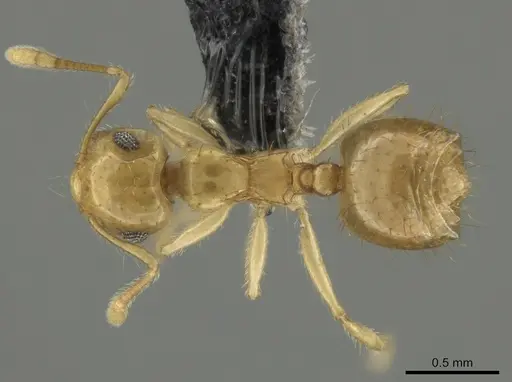
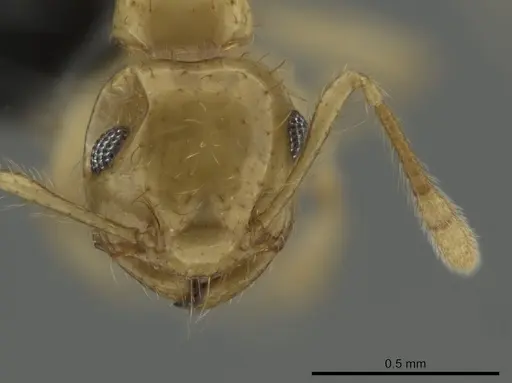
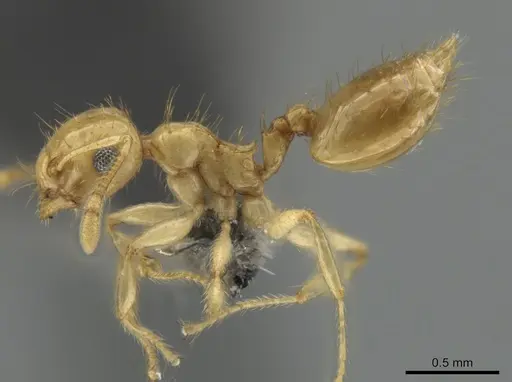
JTLC000003132
View on AntWeb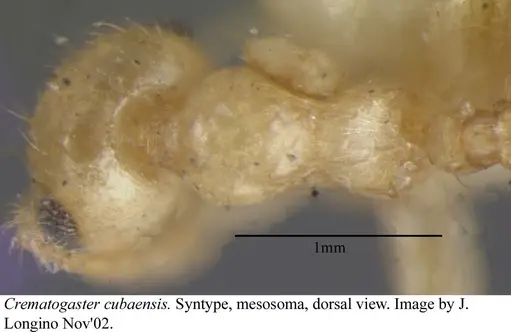
Literature
Loading...Loading products...