

Crematogaster minutissima
- Scientific Name
- Crematogaster minutissima
- Subgenus
- Orthocrema
- Tribe
- Crematogastrini
- Subfamily
- Myrmicinae
- Author
- Mayr, 1870
- Common Name
- Forest Floor Yellow Acrobat Ant
- Distribution
- Found in 2 countries
Crematogaster minutissima Overview
Crematogaster minutissima (commonly known as the Forest Floor Yellow Acrobat Ant) is an ant species of the genus Crematogaster. It is primarily documented in 2 countries , including Mexico, United States of America. Detailed taxonomic data and occurrence records can be further explored via authoritative databases such as AntWeb or the Global Biodiversity Information Facility (GBIF).
Crematogaster minutissima - "Forest Floor Yellow Acrobat Ant"
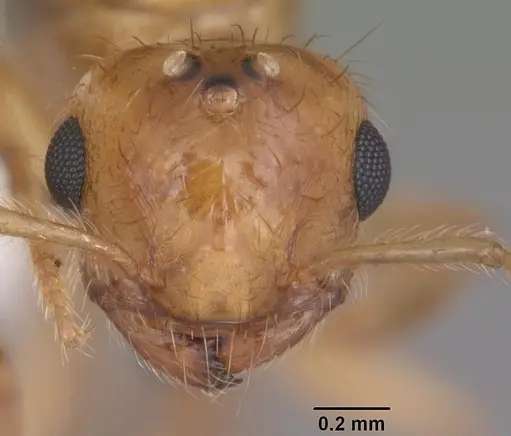
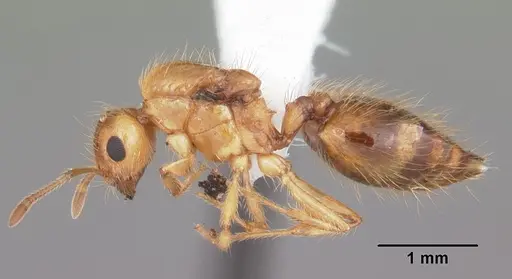
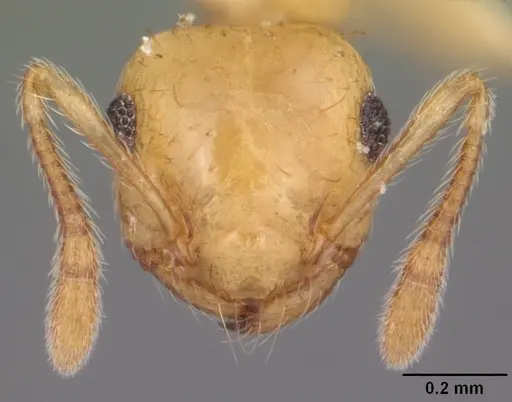
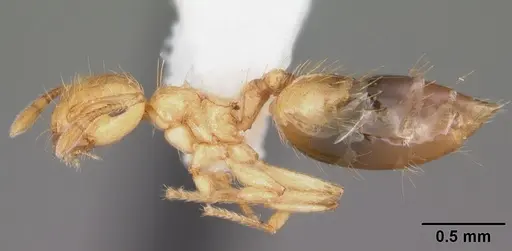
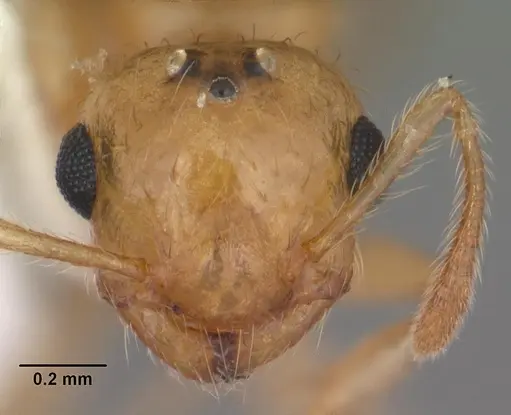
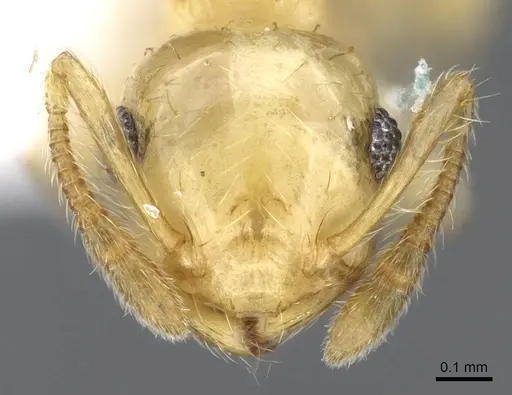
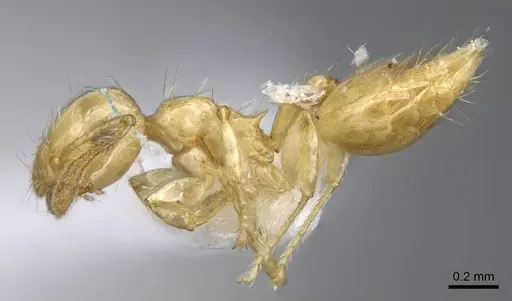
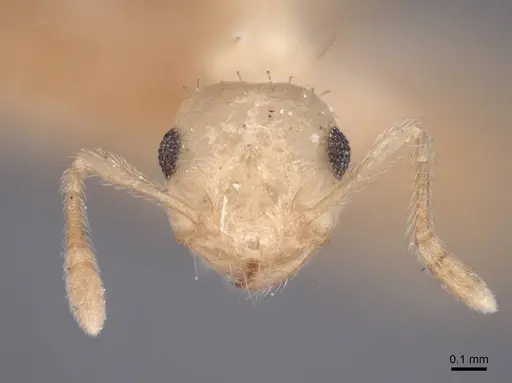
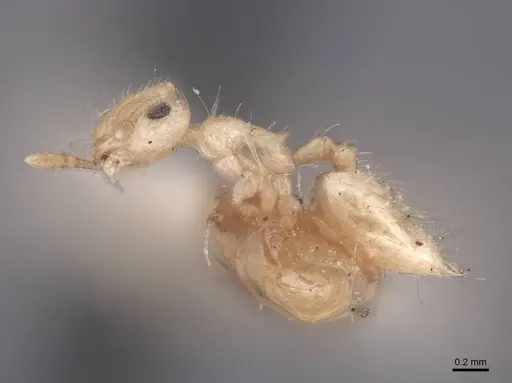
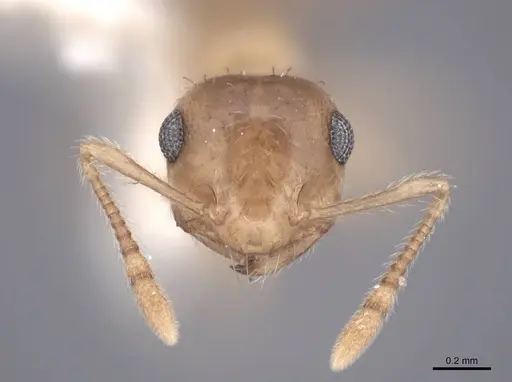
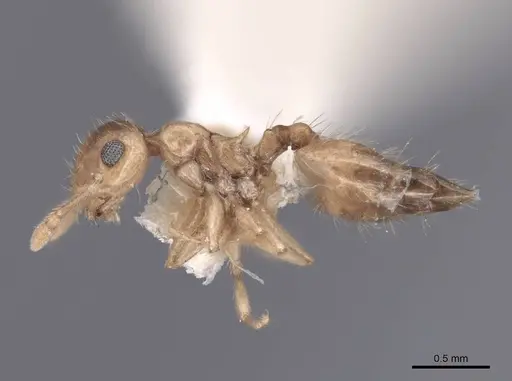
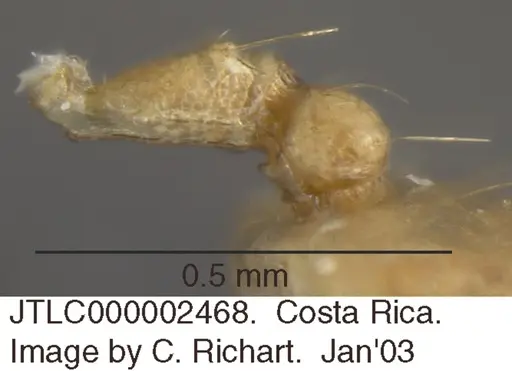
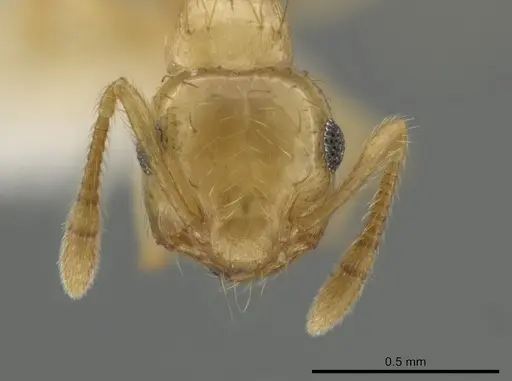
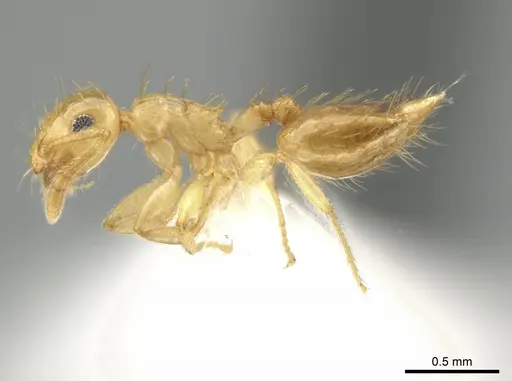
Crematogaster minutissima is a tiny yellow ant native to the southern United States, Mexico, and Costa Rica. Workers are among the smallest in the genus, measuring just 2-3mm, with a distinctive pale yellow-orange coloration and short, upturned propodeal spines. They get their common name from their habit of raising their gasters when disturbed, like an acrobat balancing on a wire. These ants nest in small cavities, in nature they use rotting wood, hollow nuts, pine bark, and sometimes soil cavities. Colonies are polygynous, meaning they have multiple egg-laying queens, and they spread by budding rather than nuptial flights. This is a slow-moving, secretive species that prefers forest floor habitats and has declined significantly in recent decades due to competition with invasive ants [1][2][3].
Quick Summary
- Difficulty: Medium
- Origin & Habitat: Southern United States to Costa Rica, found in forest habitats including rotten wood, nuts, pine bark, and leaf litter in moist areas [1][2][4].
- Colony Type: Polygynous (multiple queens) and polydomous (multiple connected nests). Colonies contain several egg-laying queens (3-14 observed in field samples) and spread by budding rather than nuptial flights [5][6][7][3].
- Colony: Polygyne
- Size & Growth:
- Queen: 4-4.8 mm [2][8]
- Worker: 2-3 mm [1]
- Colony: Up to 1500 workers [6]
- Growth: Slow
- Development: 6-10 weeks (estimated based on genus patterns) (Development time is not directly studied for this species. Crematogaster species typically take 6-10 weeks from egg to worker at warm temperatures. Their slow tempo and small worker size suggest moderate growth rates.)
- Antkeeping:
- Temperature: Keep around 22-26°C. This species inhabits warm-temperate to tropical regions and likely prefers moderate warmth. A gentle gradient allows them to self-regulate.
- Humidity: Moderate to high. They naturally inhabit moist forest floor environments and hollow nuts. Keep nesting material slightly damp but not waterlogged.
- Diapause: Unknown for this species. Northern populations likely experience winter dormancy, but specific requirements are unconfirmed.
- Nesting: Small cavities work best, test tubes, small acrylic nests, or Y-tong setups with narrow chambers. They naturally nest in rotting wood, hollow nuts, and under bark. Provide small chambers scaled to their tiny size.
- Behavior: These are docile, slow-moving ants that rarely bite or sting. When threatened, they may raise their gaster in an acrobat-like defensive display. Workers are very small (0.20mg) and have the lowest metabolic tempo of any ant species studied, they move slowly and deliberately [9]. They are nocturnal foragers in the wild and prefer to stay hidden in their nests. Escape risk is moderate, their small size means they can slip through small gaps, but they are not strong climbers.
- Common Issues: slow growth can frustrate keepers expecting rapid colony development, tiny size makes them vulnerable to drowning in water reservoirs, use small test tubes, polygynous colonies may be harder to establish than single-queen species, declining native species, wild colonies may have parasites or health issues, they are secretive and may seem inactive compared to more visible ant species
Housing and Nest Setup
Crematogaster minutissima is a tiny ant that needs appropriately scaled housing. Test tubes work well for founding colonies, use small-diameter tubes with cotton plugs and a water reservoir. For established colonies, Y-tong nests or small acrylic formicaria with narrow chambers suit them better than large setups. They naturally nest in small cavities like rotting wood, hollow nuts, and under bark, so avoid tall open spaces. Provide a small outworld connected by tubing. Because they are nocturnal and secretive, keep the setup in a dim area or provide hiding spots. Escape prevention should be moderate, while not strong climbers, their tiny size means they can slip through loose connections. Apply fluon to tube rims and use tight-fitting connections. [1][2][4]
Feeding and Diet
Like other Crematogaster species, these ants likely accept a varied diet. Offer sugar water or honey as a constant energy source. For protein, provide small prey items like fruit flies, pinhead crickets, or tiny mealworms. They are small predators that would naturally catch micro-arthropods in leaf litter. In the wild, they forage nocturnally on low vegetation and the forest floor. Feed protein 2-3 times per week, and keep sugar water available at all times. Remove uneaten prey after 24 hours to prevent mold. Their tiny worker size (0.20mg) means even small prey items are substantial meals for them. [1][9]
Temperature and Seasonal Care
Keep your colony at 22-26°C, which mimics their warm-temperate to tropical natural range. A heating cable on one side of the nest creates a temperature gradient they can choose between. They are found from the southern US to Costa Rica, so they prefer warmth but can tolerate room temperature in most homes. The specific diapause requirements are unconfirmed, northern populations likely experience winter dormancy, but captive colonies may not need a formal hibernation. If your colony shows reduced activity in winter, lower temperatures slightly (to around 18°C) for 2-3 months. Avoid temperature extremes or sudden changes. [1]
Understanding Their Slow Tempo
This species has the lowest metabolic tempo of any ant studied, workers move very slowly and deliberately, with running speeds increasing only minimally when disturbed [9]. This is not a sign of illness or inactivity, it is simply their natural behavior. They belong to the slow-running group of ants. Do not mistake their calm movement for poor health. They are also nocturnal foragers in the wild, so they may be more active in the evening hours. Their slow pace means colony growth appears gradual compared to faster-growing species. Patience is key with this ant, small, consistent feedings and stable conditions will eventually produce a healthy colony.
Colony Structure and Multi-Queen Care
Crematogaster minutissima is polygynous, colonies naturally contain multiple egg-laying queens (3-14 have been observed in field samples) [6]. Queens are small at 4-4.8mm [2]. Unlike many species where multiple queens fight, these queens coexist peacefully. The colony spreads by budding, queens leave with workers to establish new nests nearby rather than conducting nuptial flights. When keeping this species, you may receive colonies with multiple queens, which is normal and healthy. Do not attempt to separate or reduce queens unless the colony becomes unstable. Polygynous colonies tend to be more stable and can recover from queen loss more easily than single-queen species.
Conservation Status and Ethical Keeping
This native ant species has experienced one of the greatest declines in relative abundance among North American ants, dropping significantly from 1965 to 2019 due to competition with invasive species like the introduced fire ant [3][10]. If you collect from the wild, do so responsibly and only where permitted. Captive breeding is possible but slow. Never release captive colonies into the wild outside their natural range, in the US this means the eastern and southern states. If you no longer want your colony, consider rehoming it to another keeper rather than releasing it.
Frequently Asked Questions
How long does it take for Crematogaster minutissima to produce first workers?
Egg-to-worker time is not directly documented for this species, but based on typical Crematogaster development, expect 6-10 weeks at warm temperatures (24-26°C). Their slow tempo and tiny worker size suggest growth is gradual.
Can I keep multiple Crematogaster minutissima queens together?
Yes, this is natural for the species. They are polygynous, meaning colonies naturally have multiple egg-laying queens that coexist peacefully. Field samples show 3-14 queens per colony. Do not force unrelated queens together, only keep queens that have already established a working relationship.
Do Crematogaster minutissima ants sting?
They have a stinger but rarely use it on humans due to their tiny size. When threatened, they more commonly raise their gaster in a defensive display (the 'acrobat' behavior) rather than sting. They are considered docile.
What do Crematogaster minutissima eat?
Offer sugar water or honey as a constant energy source. For protein, provide small live prey like fruit flies, tiny crickets, or springtails. They are small predators that naturally hunt micro-arthropods in leaf litter. Feed protein 2-3 times per week.
Are Crematogaster minutissima good for beginners?
They are moderate difficulty, not the easiest but not the hardest. Their small size requires careful attention to housing and humidity. Their slow growth and secretive nature may test patience. They are docile and do not require special escape prevention like some ants. However, their declining wild populations mean ethical sourcing is important.
How big do Crematogaster minutissima colonies get?
Colonies reach up to 1500 workers in the wild. They are polygynous and polydomous, meaning multiple queens in multiple connected nests. Growth is slow compared to many ant species.
Do Crematogaster minutissima need hibernation?
Diapause requirements are unconfirmed for this species. Northern populations likely experience winter dormancy, but specific temperature and duration needs are not documented. If your colony slows in winter, a cool period around 18°C for 2-3 months may help.
Why are my Crematogaster minutissima dying?
Common issues include: drowning in water reservoirs (use small test tubes), mold from overwatering, temperature stress from extremes, and poor nutrition. Their slow movement can also make them appear inactive when they are healthy. Wild-caught colonies may carry parasites that affect captive survival.
When should I move my colony to a formicarium?
Move to a formicarium when the test tube is heavily populated (100+ workers) and the water reservoir is nearly depleted. They prefer small chambers, so choose a nest with appropriately scaled passages. A Y-tong or acrylic nest with narrow chambers works well.
References

This caresheet is licensed under CC BY-SA 4.0 .
CASENT0103788
View on AntWeb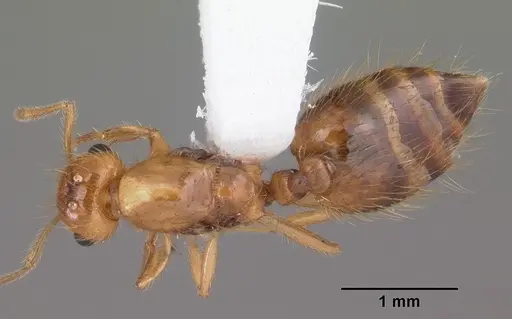
CASENT0103789
View on AntWeb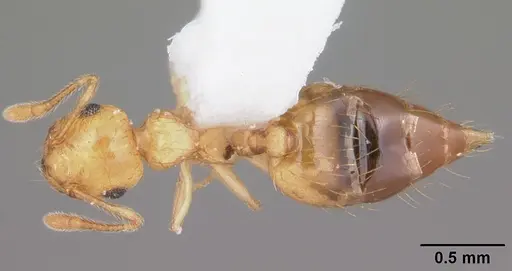
CASENT0103791
View on AntWeb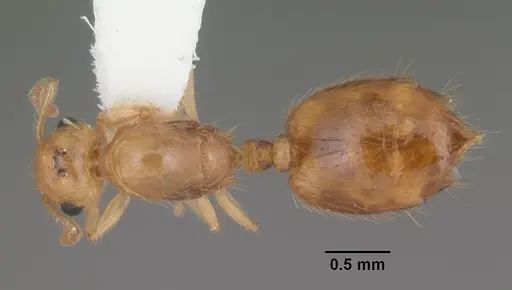
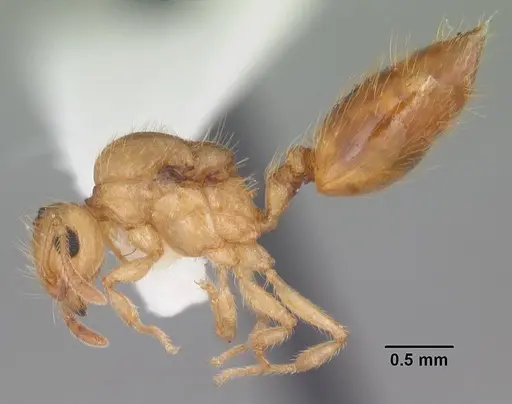
CASENT0628109
View on AntWeb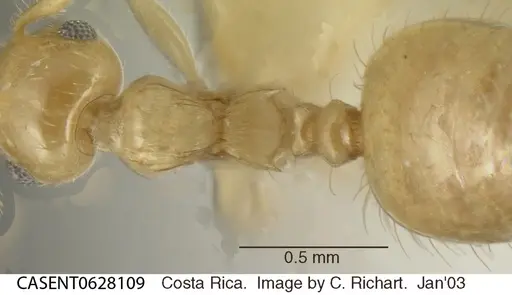
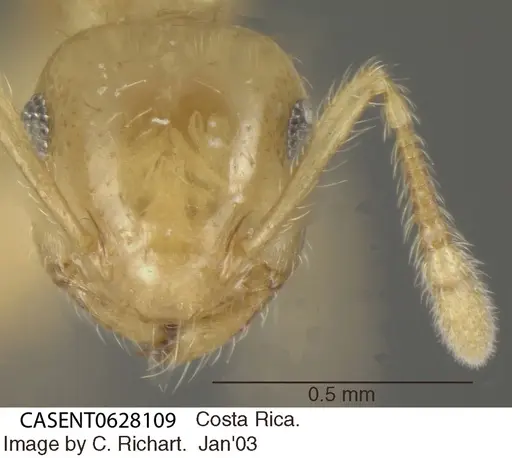
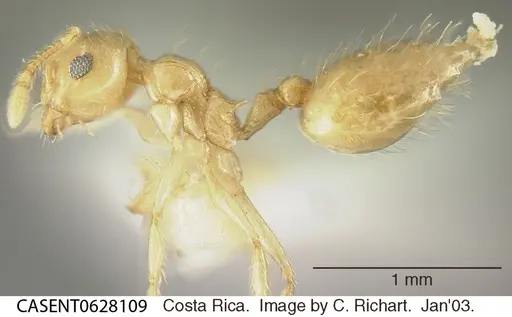
CASENT0914573
View on AntWeb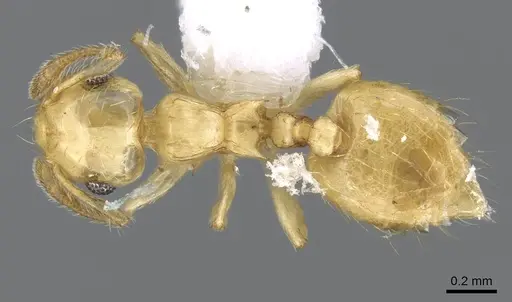
FMNHINS0000047839
View on AntWeb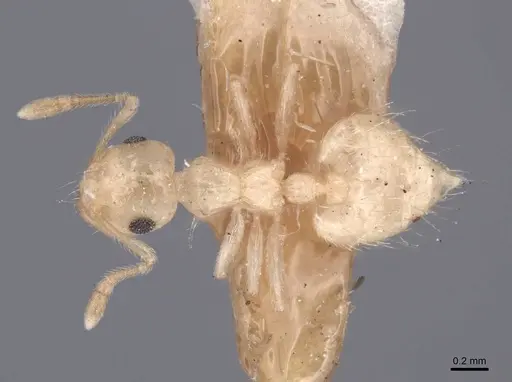
FMNHINS0000047846
View on AntWeb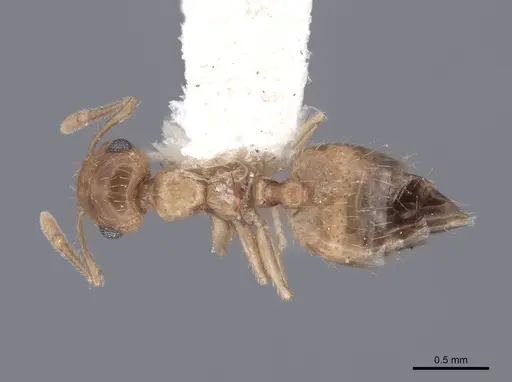
JTLC000002468
View on AntWeb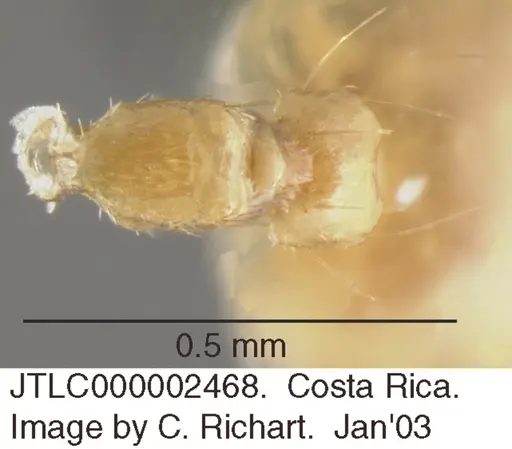
JTLC000006537
View on AntWeb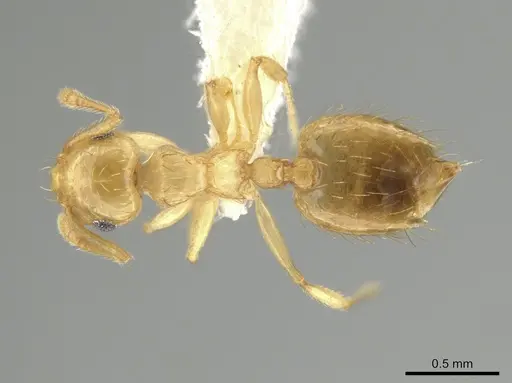
Literature
Loading...Loading products...