

Crematogaster concava
- Scientific Name
- Crematogaster concava
- Tribe
- Crematogastrini
- Subfamily
- Myrmicinae
- Author
- Emery, 1899
- Distribution
- Found in 3 countries
Crematogaster concava Overview
Crematogaster concava is an ant species of the genus Crematogaster. It is primarily documented in 3 countries , including Congo, Democratic Republic of the, Cameroon. Detailed taxonomic data and occurrence records can be further explored via authoritative databases such as AntWeb or the Global Biodiversity Information Facility (GBIF).
Crematogaster concava
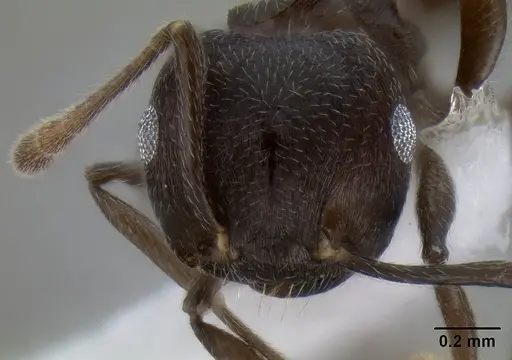
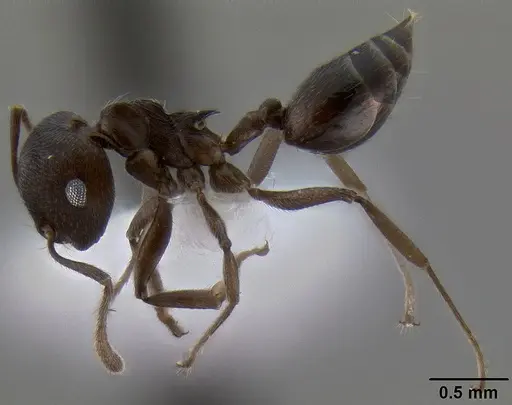
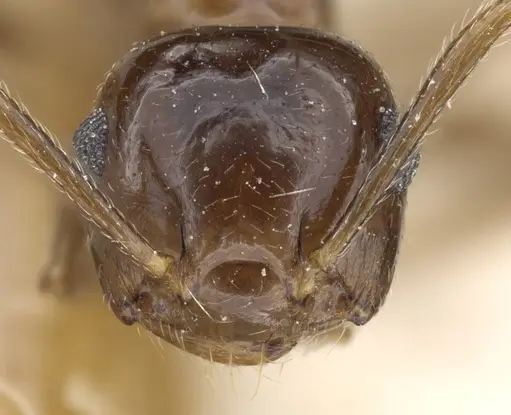
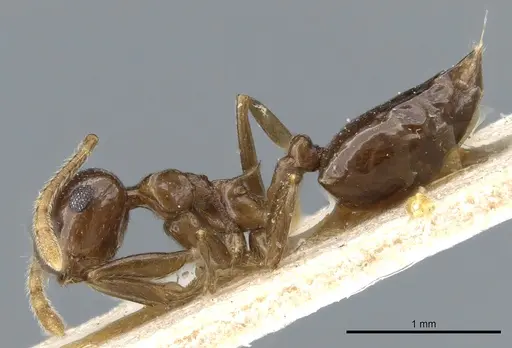
Crematogaster concava is a small arboreal ant species from the Crematogaster kneri group, found across Central and East Africa including Cameroon, Democratic Republic of Congo, Kenya, and Uganda [1]. Workers are tiny at 2-4mm with the characteristic Crematogaster feature of being able to raise their abdomen over their head like an acrobat when threatened, hence the common name 'acrobat ant'. They have a dark reddish-brown to black coloration typical of many Crematogaster species. This is an arboreal species with high activity levels, naturally nesting in trees and woody vegetation in lowland rainforests [2].
Quick Summary
- Difficulty: Medium
- Origin & Habitat: Native to the Afrotropical region, specifically Cameroon, Democratic Republic of Congo, Kenya, Uganda, and Equatorial Guinea. This is a lowland rainforest species with arboreal habits, found in various forest types including very old secondary forest, young secondary forest, and rural forest areas [2][1].
- Colony Type: Colony structure is not well documented for this specific species. Most Crematogaster species are polygynous (multiple queens) and form colonies through budding rather than nuptial flights alone. Expect multi-queen colonies in captivity.
- Colony: Polygyne
- Founding: Claustral
- Size & Growth:
- Queen: Approximately 5-7mm, estimated based on genus patterns
- Worker: 2-4mm [1]
- Colony: Likely reaches several hundred to a few thousand workers based on genus typical colony sizes
- Growth: Moderate, estimated based on typical Crematogaster development
- Development: 6-8 weeks, estimated based on typical Myrmicinae development at tropical temperatures (Development time is estimated as this specific species has not been studied. Tropical temperatures (24-28°C) will likely speed development.)
- Antkeeping:
- Temperature: Keep at 24-28°C. As a tropical African species, they need warm conditions year-round. A heating cable on one side of the nest creates a suitable gradient. Room temperature in heated homes may suffice if kept above 24°C.
- Humidity: Moderate to high humidity (60-80%). As an arboreal species from rainforest habitats, they need moisture but also good ventilation to prevent mold. Mist occasionally and provide a water tube, but ensure the nest dries between waterings.
- Diapause: No, this is a tropical species that does not hibernate. Keep temperatures consistent year-round.
- Nesting: Arboreal ants prefer elevated nests. In captivity, a Y-tong (AAC) nest works well, or a wooden formicarium with chambers scaled to their small size. They do best with some vertical space and multiple chambers. Avoid fully enclosed test tube setups, they prefer to move between areas.
- Behavior: Crematogaster concava is an active, arboreal species with high foraging activity [2]. Workers are fast-moving and will readily climb vertical surfaces. They are not particularly aggressive toward keepers but will defend their nest vigorously. The genus is known for their 'acrobat' defense display where workers raise their abdomen over their thorax and head when disturbed, this species likely exhibits this behavior. They have a stinger but it's too small to penetrate human skin effectively. Escape prevention is important due to their small size, use tight-fitting lids and barrier tape.
- Common Issues: small size means escapes are likely without fine mesh barriers and tight seals, tropical species will decline if temperatures drop below 22°C for extended periods, arboreal nature means they may not accept ground-level test tube setups, provide elevated nesting options, colonies may fail if humidity is too low or inconsistent, limited availability in the antkeeping hobby, this species is rarely traded
Housing and Nest Setup
Crematogaster concava is an arboreal species, meaning they naturally nest in elevated locations like tree hollows, under bark, or in woody vegetation. In captivity, provide a nest that reflects this arboreal lifestyle. Y-tong (AAC) nests work well, as do wooden formicariums with multiple chambers. Avoid deep soil-based setups, these ants prefer to stay above ground. The nest should have chambers scaled to their small 2-4mm worker size, with narrow passages that make them feel secure. Provide an outworld area where they can forage, and ensure the entire setup is escape-proof using fluon on edges and fine mesh on any ventilation. Place the nest elevated if possible, or at least off the ground level of the enclosure. [2][1]
Feeding and Diet
Crematogaster species are omnivorous, feeding on honeydew from aphids and scale insects in nature, along with small insects and arthropods. In captivity, offer a varied diet: sugar water or honey as a constant energy source, and protein-rich foods like fruit flies, small crickets, mealworms, or other small insects. They are active foragers, so place food in the outworld where they can discover it. Feed protein 2-3 times per week, and keep sugar sources available at all times. Remove uneaten prey after 24-48 hours to prevent mold. As an arboreal species with high activity levels [2], they have good appetites, adjust feeding based on colony size and consumption rates.
Temperature and Heating
As a tropical African species from lowland rainforests, Crematogaster concava requires warm temperatures between 24-28°C. They do not tolerate cool conditions and will become sluggish below 22°C. Prolonged cold exposure can kill colonies. Use a heating cable or heating mat on one side of the nest to maintain warmth, creating a temperature gradient so workers can choose their preferred zone. Place the heating element on top of the nest, not underneath, to avoid drying out the nest substrate. Room temperature may be sufficient in heated homes, but monitor with a thermometer. Consistent warmth year-round is essential, there is no winter dormancy period for this species. [1]
Humidity and Water
Keep humidity moderate to high (60-80%), reflecting their rainforest origin. Mist the nest occasionally but allow it to dry between waterings to prevent mold buildup. As an arboreal species, they get moisture from humidity and from foraging, not from standing water like some ground-nesting ants. Provide a water tube with fresh water always available in the outworld. Good ventilation is important, avoid completely sealed nests. The key is consistency: rapid humidity swings can stress colonies. If you see workers clustering excessively at the water tube, increase misting frequency. [2]
Behavior and Handling
Crematogaster concava is an active, fast-moving species with typical Crematogaster defensive behaviors. When threatened, workers will raise their abdomen over their head in the characteristic 'acrobat' pose, this is how they got their common name. They may also release a foul-smelling chemical from their abdomen as a deterrent. This species is not aggressive toward keepers and rarely bites, but they will defend their nest vigorously if disturbed. Workers are small but determined. They are excellent climbers and will explore vertical surfaces readily. Their small size means they can squeeze through tiny gaps, excellent escape prevention is essential. [1]
Colony Development
Colony growth is moderate. Queens likely lay eggs continuously once established, and colonies grow through a combination of new brood production and potential budding (where a queen and some workers leave to establish a new nest). A mature colony likely reaches several hundred to a few thousand workers. The first workers (nanitics) will be smaller than normal workers but will help with colony tasks. As the colony grows, larger workers will be produced. Multi-queen colonies may develop faster due to multiple egg-layers, but this species' exact colony structure in the wild is not well documented.
Frequently Asked Questions
How long does it take for Crematogaster concava to produce first workers?
Expect first workers (nanitics) around 6-8 weeks after the queen lays eggs, assuming temperatures around 24-28°C. This is an estimate based on typical Crematogaster development, as this specific species has not been studied.
Can I keep Crematogaster concava in a test tube setup?
Test tubes are not ideal for this arboreal species. They prefer elevated, chambered nests like Y-tong or wooden formicariums. If you must use a test tube, provide an outworld for foraging and consider tilting it to simulate their preferred vertical orientation.
Do Crematogaster concava ants sting?
They have a stinger but it's too small to effectively penetrate human skin. Their primary defense is the 'acrobat' display where they raise their abdomen, and they may release a chemical deterrent.
What do Crematogaster concava eat?
Feed them sugar sources (honey water or sugar water) constantly, plus protein foods like fruit flies, small crickets, or mealworms 2-3 times per week. They are omnivorous like most Crematogaster species.
Do Crematogaster concava need hibernation?
No. This is a tropical African species that does not hibernate. Keep temperatures warm (24-28°C) year-round without seasonal drops.
How big do Crematogaster concava colonies get?
Based on typical Crematogaster colony sizes, expect several hundred to a few thousand workers at maturity. Multi-queen colonies may reach larger sizes.
Are Crematogaster concava good for beginners?
This species is rated Medium difficulty. While not the most challenging, they have specific arboreal needs and require warm, humid conditions year-round. They are also rarely available in the antkeeping hobby.
Why are my Crematogaster concava dying?
Common causes include: temperatures below 22°C, low humidity, poor escape prevention allowing escapes, or inadequate protein in their diet. Check all three: temperature, humidity, and food quality.
Can I keep multiple Crematogaster concava queens together?
Most Crematogaster species are polygynous (multi-queen) by nature. However, combining unrelated foundress queens has not been documented for this specific species. If you obtain multiple wild-caught queens, it's best to house them separately initially.
When should I move Crematogaster concava to a formicarium?
Move them when the colony reaches several dozen workers and outgrows their founding setup. Arboreal ants do well in formicariums earlier than ground-nesting species since they naturally prefer chambered nests.
References

This caresheet is licensed under CC BY-SA 4.0 .
CASENT0193755
View on AntWeb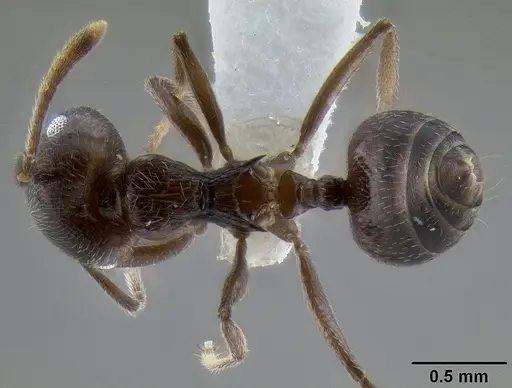
CASENT0904478
View on AntWeb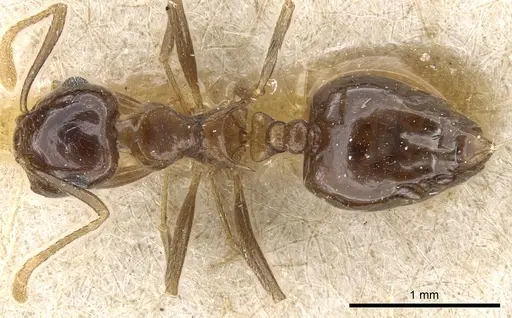
Literature
Loading...Loading products...