

Crematogaster kneri
- Scientific Name
- Crematogaster kneri
- Tribe
- Crematogastrini
- Subfamily
- Myrmicinae
- Author
- Mayr, 1862
- Distribution
- Found in 7 countries
Crematogaster kneri Overview
Crematogaster kneri is an ant species of the genus Crematogaster. It is primarily documented in 7 countries , including Benin, Cameroon, Ghana. Detailed taxonomic data and occurrence records can be further explored via authoritative databases such as AntWeb or the Global Biodiversity Information Facility (GBIF).
Crematogaster kneri
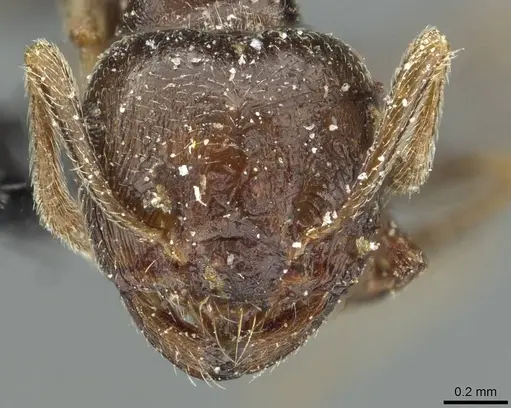
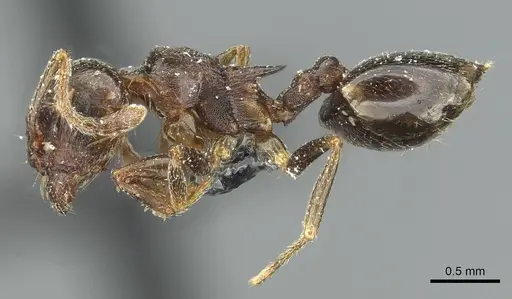
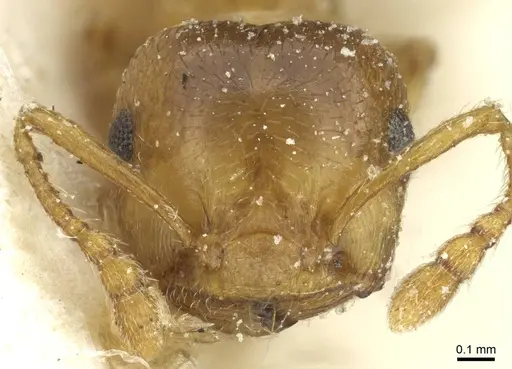
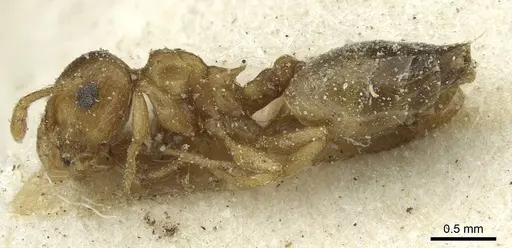
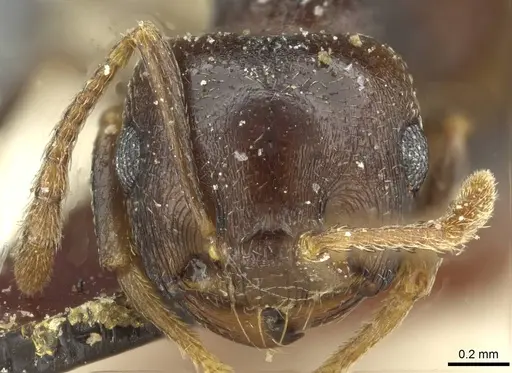
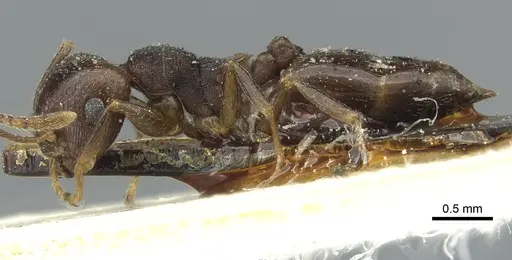
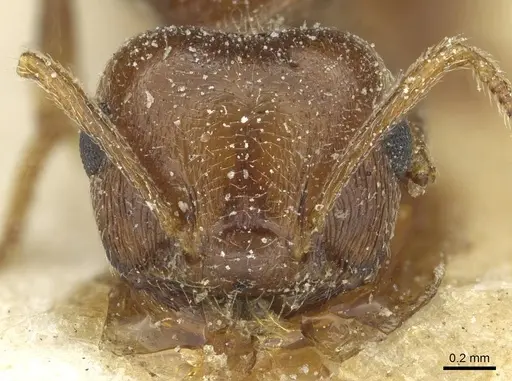
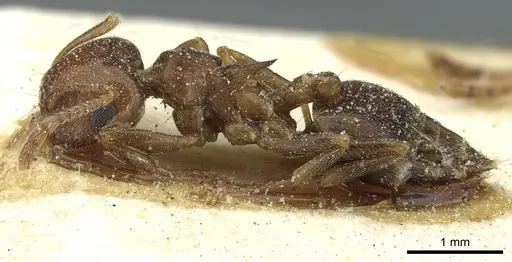
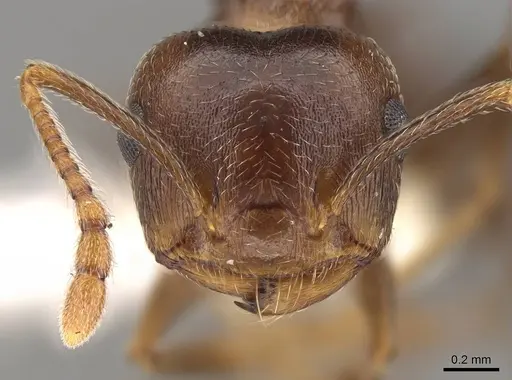
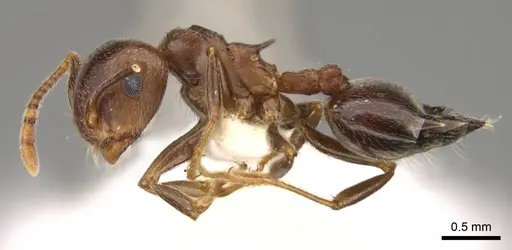
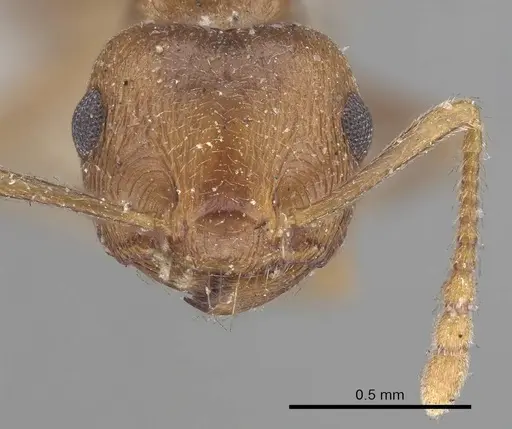
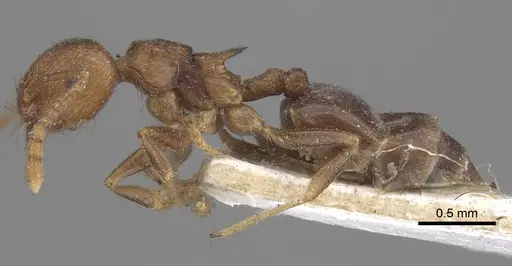
Crematogaster kneri is a small arboreal ant species native to West Africa, measuring 4.2-4.8mm in total length [1]. Workers are slender with a distinctive heart-shaped gaster that they raise when threatened, giving them the common name 'acrobat ant'. This species constructs tents of vegetable debris to protect homoptera (scale insects and mealybugs) which they tend for honeydew, making them important foragers in tropical agricultural ecosystems [2]. They nest in dead wood, under bark, and in small twigs on trees including cocoa plantations where they can be moderately common [2]. The species has been recorded across the Afrotropical region including Ghana, Nigeria, Benin, Senegal, and the Democratic Republic of Congo, with recent findings in Tanzania [1][3].
Quick Summary
- Difficulty: Medium
- Origin & Habitat: West African tropical forests and savannah regions. Found across the Afrotropical region including Ghana, Nigeria, Benin, Senegal, and Democratic Republic of Congo. Nests in dead wood and under bark on trees, including cocoa farms. Constructs tents of vegetable debris over homoptera and forages on native trees, coffee, kola, Terminalia laxiflora, and Acacia dudgeoni [2]. Also found nesting in red mangrove vegetation in The Gambia [4][5].
- Colony Type: Colony structure is not well documented in scientific literature. Based on typical Crematogaster patterns, likely forms single-queen colonies (monogyne), though some Crematogaster species can be polygynous. Ergatoid replacement reproductives have not been documented for this species.
- Size & Growth:
- Queen: Not specifically measured for this species. Based on genus patterns, likely 6-8mm. Signal if estimated.
- Worker: 4.2-4.8mm total length [1]
- Colony: Not documented in literature. Based on similar arboreal Crematogaster species, likely reaches several hundred workers. Signal if estimated.
- Growth: Moderate, based on typical Myrmicinae development patterns. Signal if estimated.
- Development: Not directly studied. Based on typical tropical Myrmicinae, estimate 5-8 weeks at optimal temperature. Signal if estimated. (Development time is inferred from related species, actual timing for this specific species has not been documented.)
- Antkeeping:
- Temperature: Tropical species requiring warm conditions. Aim for 24-28°C, maintain warmth similar to their native West African habitat. A heating cable on one side of the nest can create a gradient.
- Humidity: Prefers moderate to high humidity. Keep nest substrate slightly moist but not waterlogged. Their arboreal nesting habits in dead wood suggest they tolerate drier conditions than ground-nesting species but still need moisture. Mist occasionally and provide a water tube.
- Diapause: Unlikely, as a tropical species from West Africa, they probably do not require a true hibernation period. May show reduced activity during cooler periods. Say 'Unknown' if no data.
- Nesting: Arboreal nesting preferences. Provide dead wood, twigs, or cork bark as nesting material. Y-tong nests or acrylic nests with narrow chambers work well. They will also use test tubes with added twigs or bark for them to nest in. Avoid fully enclosed spaces, they prefer some ventilation.
- Behavior: Workers are active foragers that tend homoptera for honeydew and collect small insects. They are arboreal and will forage up trees and across branches. When threatened, workers raise their gaster in an acrobatic display (hence the name 'acrobat ant') and may release defensive chemicals or bite. They are not particularly aggressive but will defend their colony vigorously. Escape risk is moderate, their small size means they can squeeze through small gaps, so use standard barrier precautions. They are fast-moving and curious explorers.
- Common Issues: tropical species may struggle in cool rooms without heating, small size means escapes are possible without proper barriers, arboreal nature requires vertical space and climbing structures, humidity control is important, too dry can cause brood loss, wild-caught colonies may have parasites that affect survival in captivity
Housing and Nest Setup
Crematogaster kneri is an arboreal species that naturally nests in dead wood, under bark, and in small twigs on trees. In captivity, they do well in Y-tong (acrylic) nests or naturalistic setups with cork bark and dead twigs. You can also keep them in test tubes with added pieces of bark or small twigs for them to colonize. Because they naturally nest in wood, a wooden formicarium or cork-based nest mimics their natural environment well. They prefer some ventilation, so avoid completely sealed setups. Provide climbing structures like fake plants or twigs in their outworld since they are arboreal and like to traverse vertical space. [2]
Feeding and Diet
In the wild, Crematogaster kneri tends homoptera (scale insects and mealybugs) for honeydew and forages for small insects and nectar. In captivity, offer sugar water or honey as a constant energy source, they will readily accept sweet liquids. For protein, provide small insects like fruit flies, pinhead crickets, or small mealworms. They are not large ants, so prey items should be appropriately sized. Some keepers report success with commercial ant jelly or protein paste. Feed protein 2-3 times per week and keep sugar water available at all times. Remove uneaten prey after 24 hours to prevent mold. [2]
Temperature and Humidity
As a tropical West African species, Crematogaster kneri needs warm conditions. Keep the nest area at 24-28°C. A heating cable on one side of the nest can create a temperature gradient, allowing the ants to choose their preferred zone. Room temperature may be too cool unless you live in a warm climate. For humidity, aim for moderate levels, they prefer slightly moist conditions but not wet. The nest substrate should feel damp but not waterlogged. Occasional misting helps, but ensure good ventilation to prevent mold buildup. Their arboreal nature suggests they can tolerate slightly drier conditions than ground-nesting ants. [1]
Behavior and Colony Dynamics
Crematogaster workers are easily recognized by their habit of raising their gaster over their head when disturbed, this is where the common name 'acrobat ant' comes from. They are active foragers and will explore their environment thoroughly. Colonies grow at a moderate pace, with the queen laying eggs that develop through larval and pupal stages into workers. Workers are polymorphic, with some being slightly larger than others. The colony will establish broods in the nest chambers you provide. They are not overly aggressive toward keepers but will defend their nest vigorously if threatened. Watch for their characteristic defensive display, gaster-raising, as a sign they feel threatened. [2]
Seasonal Care
As a tropical species from West Africa, Crematogaster kneri does not require a true hibernation period. They may show slightly reduced activity during cooler months or if temperatures drop, but this is not a diapause. Simply maintain normal care conditions year-round. If you keep them in a climate with distinct seasons, ensure your ant room stays warm enough during winter. They are active throughout the year in their native habitat and will continue foraging and brood production in captivity as long as temperatures remain suitable.
Frequently Asked Questions
How long does it take for Crematogaster kneri to produce first workers?
The exact timeline has not been documented for this species. Based on typical tropical Myrmicinae development, expect 5-8 weeks from egg to worker at optimal temperature (24-28°C). Factors like temperature and feeding can affect this timeline.
What do Crematogaster kneri ants eat?
They are omnivorous with a preference for sweets. Offer sugar water or honey constantly, and supplement with small insects like fruit flies or pinhead crickets 2-3 times per week. In the wild, they tend homoptera for honeydew.
Do Crematogaster kneri ants sting?
Crematogaster ants can bite and may release defensive chemicals, but they are not considered dangerous to humans. Their main defense is raising their gaster in an acrobatic display. They are not aggressive toward keepers.
Can I keep Crematogaster kneri in a test tube?
Yes, test tubes work for founding colonies. Add small pieces of bark or twigs for them to use as nesting material. As the colony grows, you may want to upgrade to a more spacious setup like a Y-tong nest or naturalistic terrarium.
What temperature do Crematogaster kneri ants need?
Keep them warm at 24-28°C. This tropical species needs consistent warmth to thrive. A heating cable on part of the nest can help maintain proper temperatures.
Are Crematogaster kneri ants good for beginners?
They are rated as medium difficulty. They are more challenging than common species like Lasius or Camponotus because they need warmer conditions and proper arboreal-style housing. However, they are not among the most difficult species.
How big do Crematogaster kneri colonies get?
Colony size is not well documented, but based on similar arboreal Crematogaster species, colonies likely reach several hundred workers. Growth is moderate.
Do Crematogaster kneri ants need hibernation?
No, as a tropical West African species, they do not require hibernation. Maintain warm conditions year-round.
Why is my Crematogaster kneri colony dying?
Common causes include: temperatures too cool (below 24°C), humidity too low or too high, improper feeding, or parasites from wild-caught colonies. Check your temperature and humidity levels first. Ensure sugar water is always available and protein is offered regularly.
When should I move my Crematogaster kneri to a formicarium?
Move them when the colony reaches around 30-50 workers or when the test tube becomes cramped. They will naturally expand into additional spaces. A Y-tong or naturalistic setup works well for this arboreal species.
References

This caresheet is licensed under CC BY-SA 4.0 .
CASENT0904481
View on AntWeb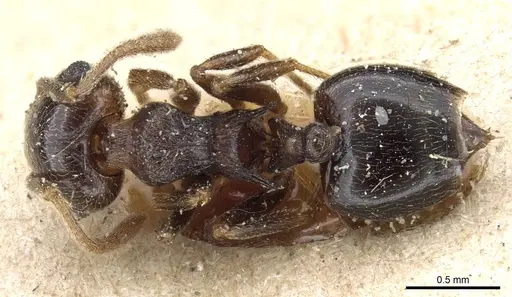
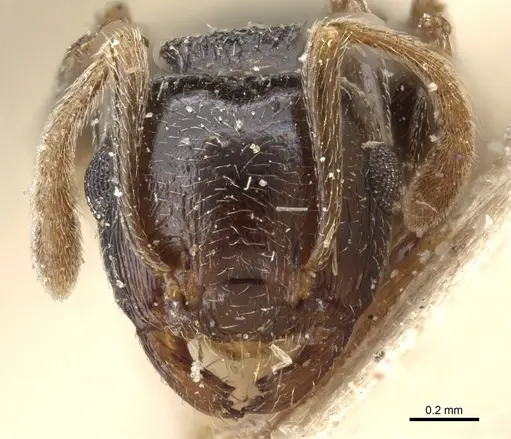
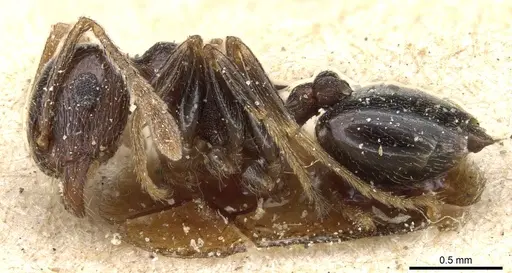
CASENT0912803
View on AntWeb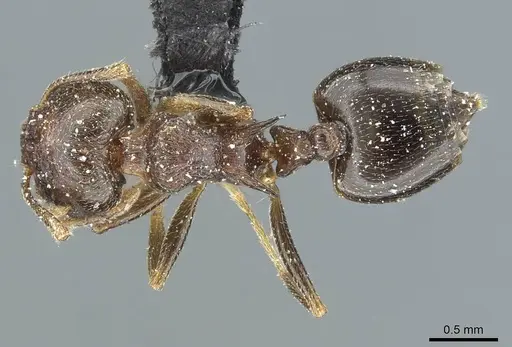
CASENT0912804
View on AntWeb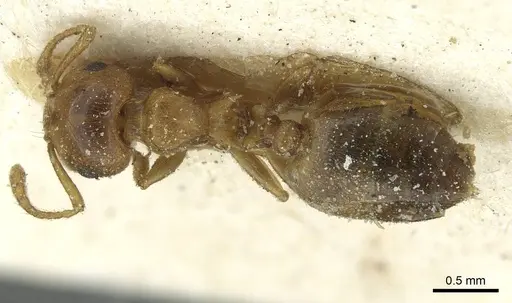
CASENT0912805
View on AntWeb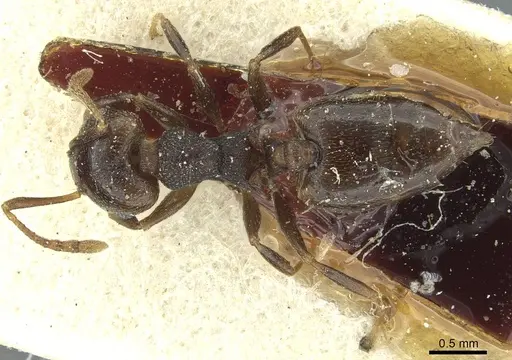
CASENT0912806
View on AntWeb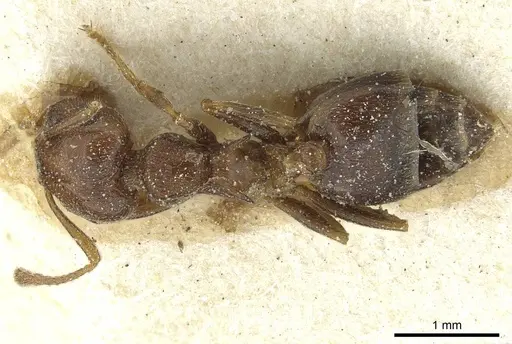
CASENT0914195
View on AntWeb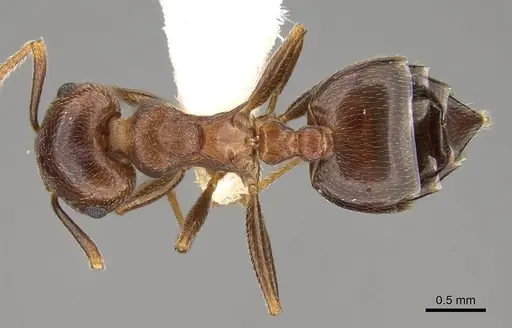
CASENT0919670
View on AntWeb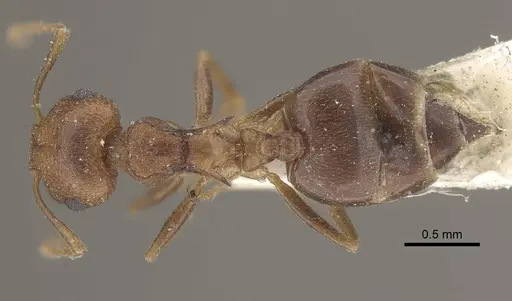
Literature
Loading...Loading products...