

Crematogaster captiosa
- Scientific Name
- Crematogaster captiosa
- Tribe
- Crematogastrini
- Subfamily
- Myrmicinae
- Author
- Forel, 1911
- Distribution
- Found in 2 countries
Crematogaster captiosa Overview
Crematogaster captiosa is an ant species of the genus Crematogaster. It is primarily documented in 2 countries , including Indonesia, Malaysia. Detailed taxonomic data and occurrence records can be further explored via authoritative databases such as AntWeb or the Global Biodiversity Information Facility (GBIF).
Crematogaster captiosa
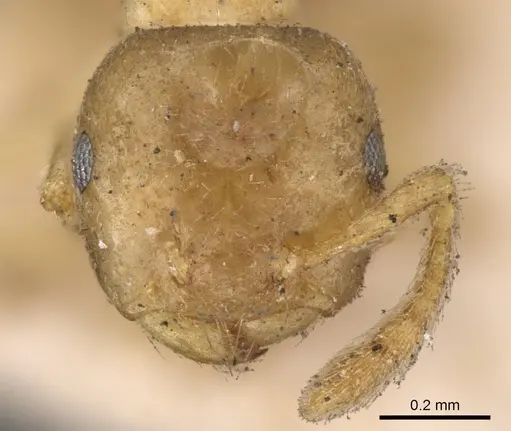
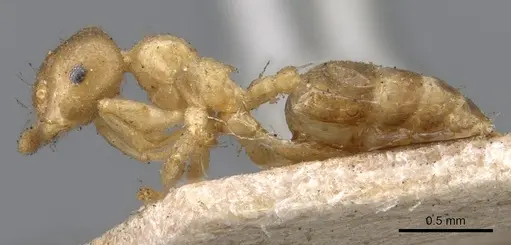
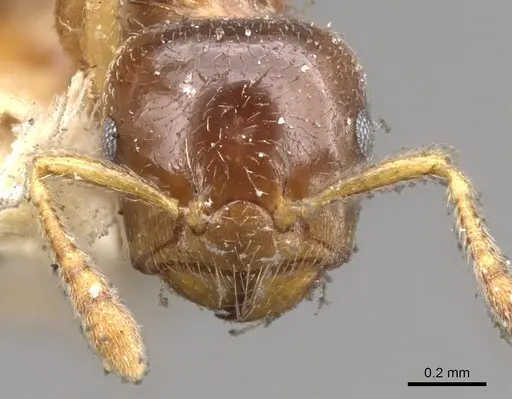
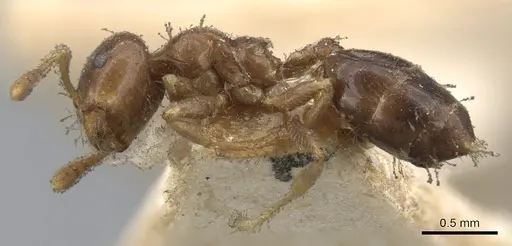
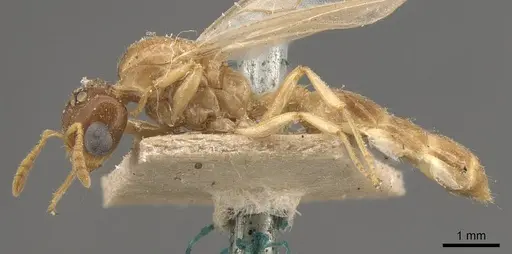
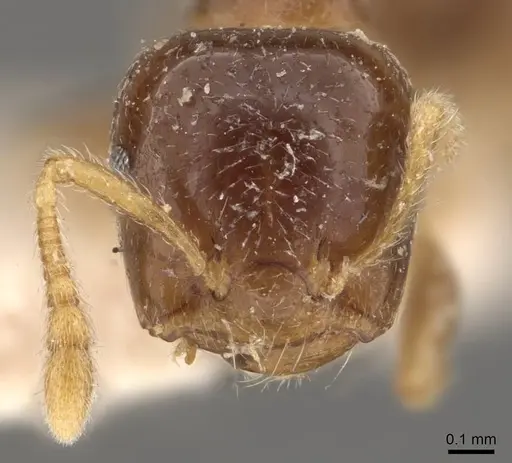
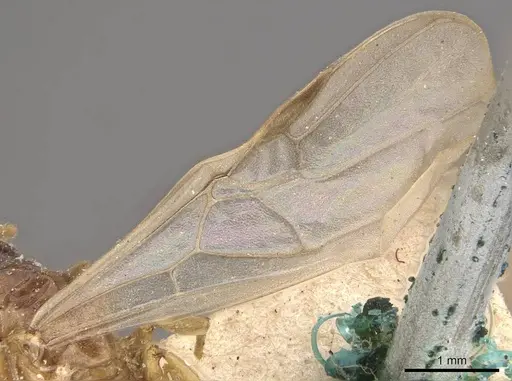
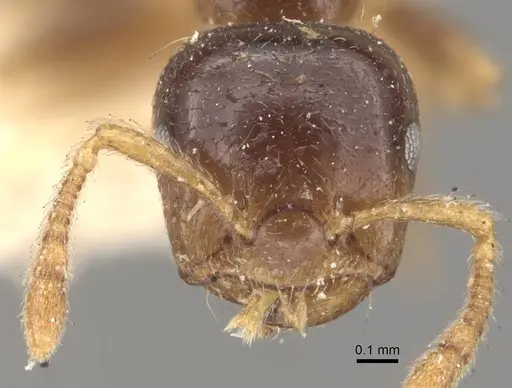
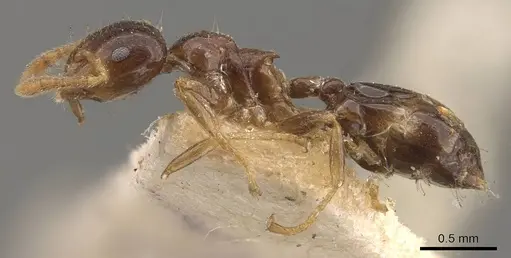
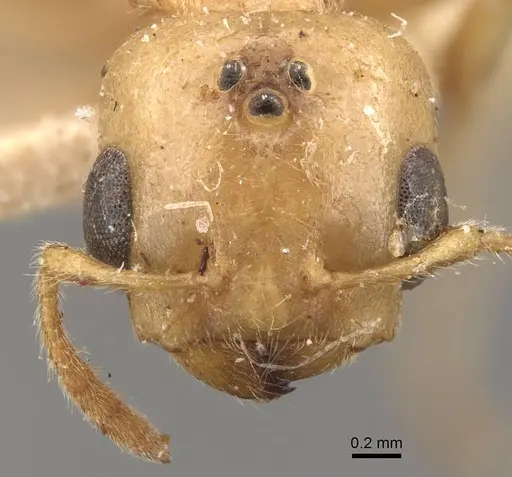
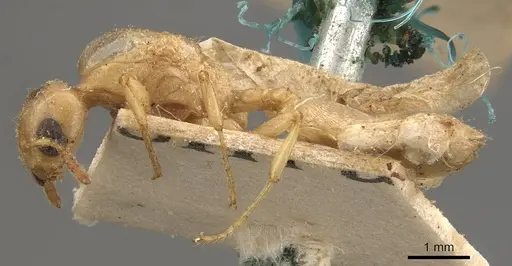
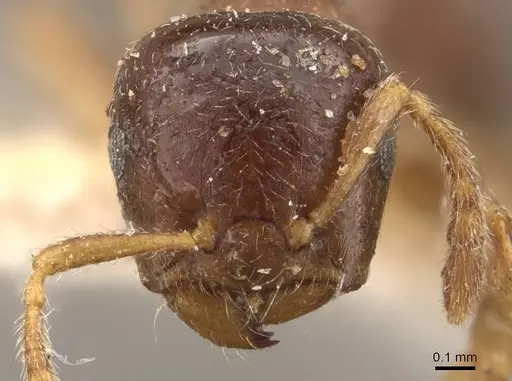
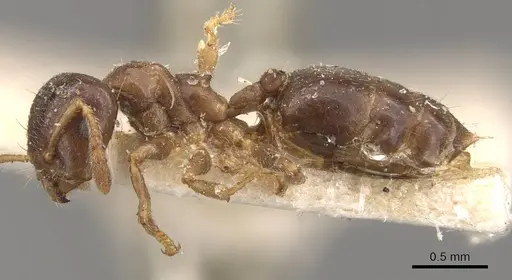
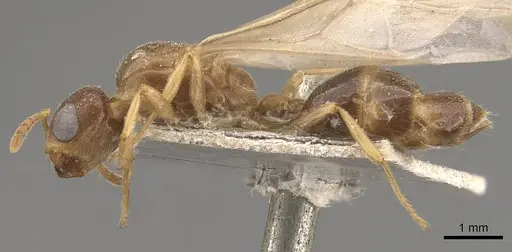
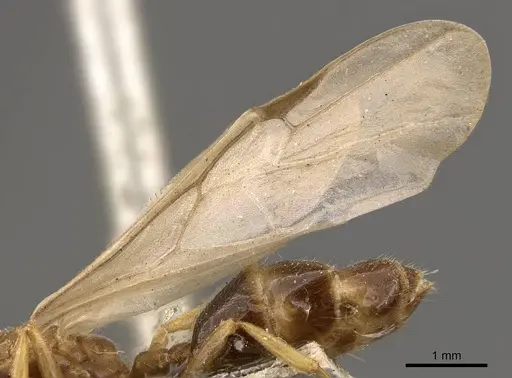
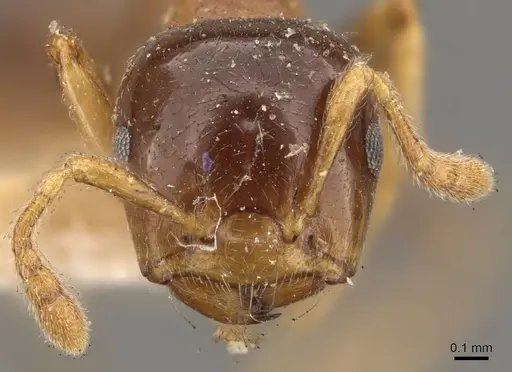
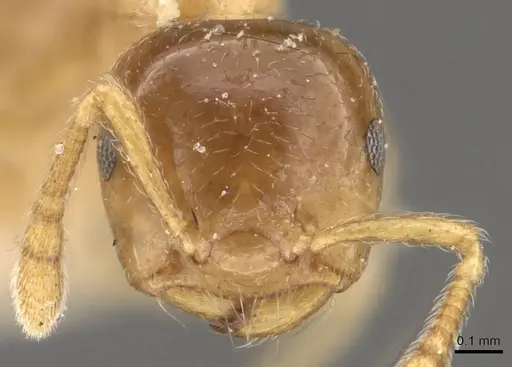
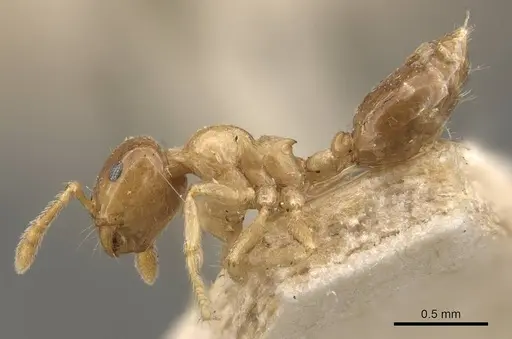
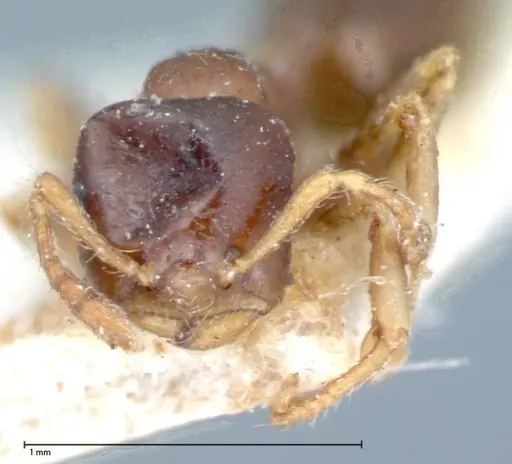
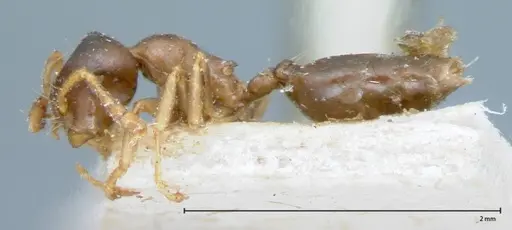
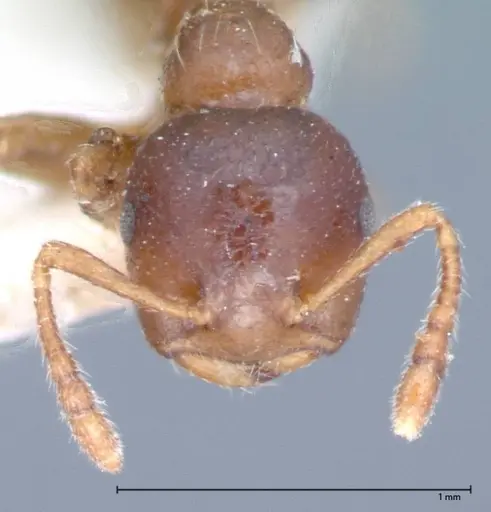
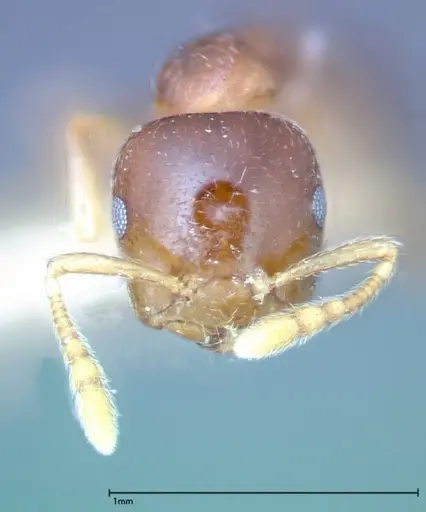
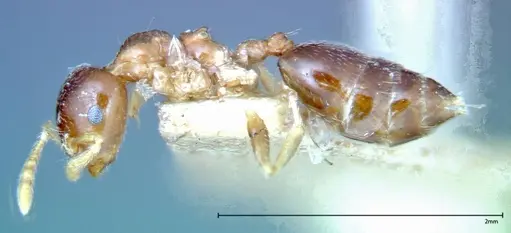
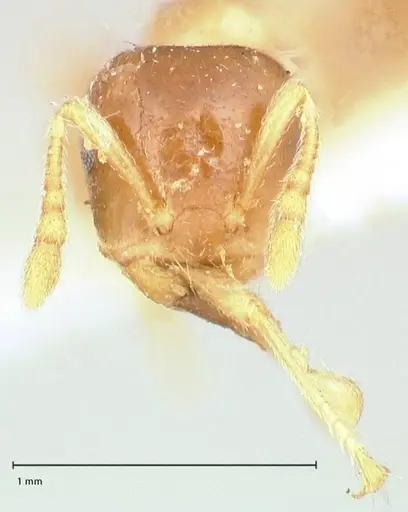
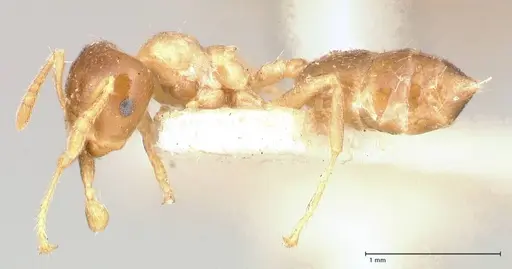
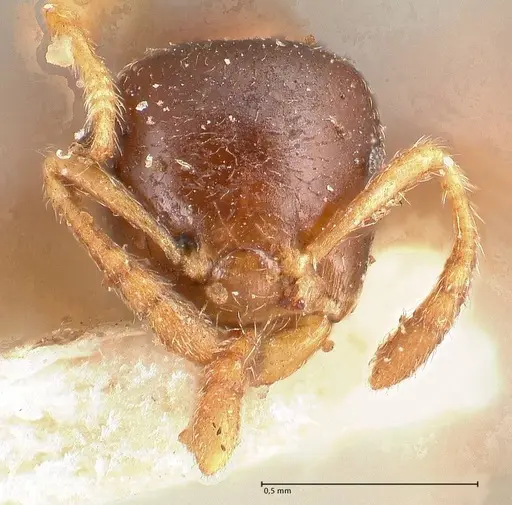
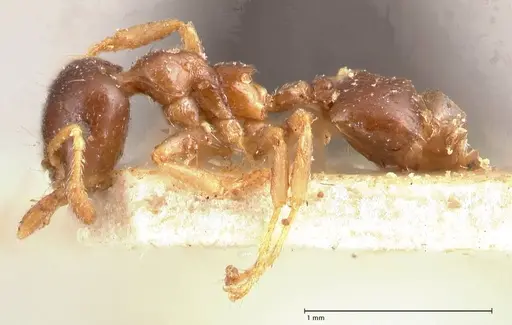
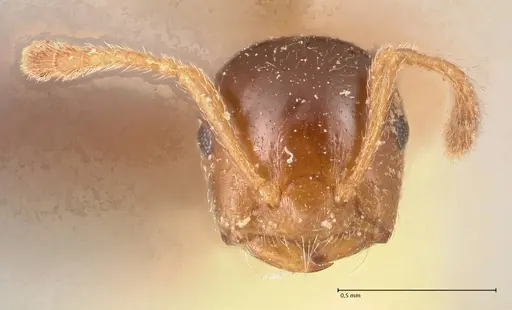
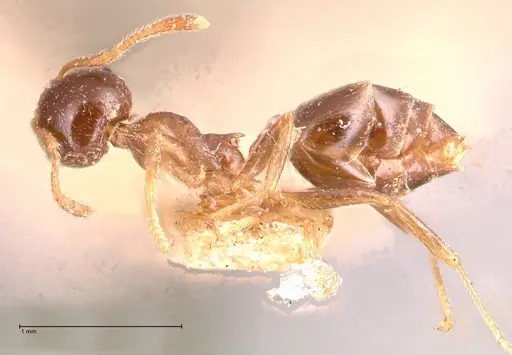
Crematogaster captiosa is a small myrmecophytic ant species native to Southeast Asia, found throughout Borneo, Sumatra, and Peninsula Malaysia. Workers measure 2.3-3.3mm and are light to reddish brown with a darker head and gaster. This species belongs to the Crematogaster borneensis group and is an obligate symbiont of Macaranga ant-plants, nesting exclusively inside the hollow stems of these trees. The workers have distinctive propodeal spines and 10-segmented antennae, with a shiny head and gaster covered in fine hairs. Unlike many Crematogaster species, these ants do not have a painful sting, making them handleable for antkeepers.
Quick Summary
- Difficulty: Medium
- Origin & Habitat: Southeast Asian rainforests of Borneo, Sumatra, and Peninsula Malaysia, where they live exclusively inside Macaranga ant-plant stems [1][2]. They are obligate plant-ants that have co-evolved with Macaranga trees, particularly Macaranga bancana, M. hullettii, M. indistincta, and M. trachyphylla [1].
- Colony Type: Monogynous (single queen) in young trees, becoming secondarily polygynous (multiple queens) as trees grow larger than 10cm diameter at breast height [3]. Only one queen is physogastric (egg-laying) and she stays in the lower region of the stem, while secondary queens may be found in higher internodes [1].
- Colony: Optionally polygyne
- Founding: Claustral
- Size & Growth:
- Queen: Estimated 5-7mm based on genus patterns
- Worker: 2.3-3.3mm [1]
- Colony: Up to 5000+ workers when alates are produced [1]
- Growth: Moderate
- Development: Estimated 6-8 weeks based on typical Crematogaster development (Development time is inferred from genus patterns since specific data for this species is not available. Alate production only begins once colonies reach 5000+ workers [1].)
- Antkeeping:
- Temperature: Keep at 24-28°C, mimicking warm tropical rainforest conditions. A gentle temperature gradient is beneficial [2].
- Humidity: High humidity is essential, these ants live inside living plant stems that maintain consistent moisture. Aim for 70-85% humidity in the outworld and keep nest materials damp but not waterlogged.
- Diapause: No, this is a tropical species with no diapause requirement. Sexual production and colony founding occur year-round [1].
- Nesting: In captivity, they do best in setups that mimic their natural plant-stem habitat. Y-tong (AAC) nests or plaster nests with narrow chambers work well. They prefer tight, enclosed spaces similar to Macaranga internodes. A naturalistic setup with artificial plant stems or bamboo sections can also work.
- Behavior: These ants are generally peaceful and not aggressive toward keepers. They are active foragers that will search for sugar sources and protein. Workers are small (2.3-3.3mm) so escape prevention should focus on sealing any gaps larger than 1mm, their natural worker exit holes are only about 1mm wide [1]. They are nocturnal in nature but adjust to keeper schedules in captivity. Unlike many Crematogaster, they do not have a painful sting.
- Common Issues: Tropical humidity requirements mean dry conditions will quickly stress colonies, Small size requires fine mesh barriers to prevent escapes through tiny gaps, Colony growth is slow, alate production requires 5000+ workers, which takes time, Wild-caught colonies may have parasites including nematodes found in 30% of queens [3], They need tight, enclosed nesting spaces, open areas may cause stress
Natural History and Host Association
Crematogaster captiosa is an obligate myrmecophyte, it can only live inside Macaranga ant-plants. This is a mutualistic relationship: the tree provides hollow stems for nesting, and the ants protect the plant from herbivores and competing plants. The ants feed on food bodies produced by the plant and honeydew from coccids (scale insects) that live inside the stems [1].
This species has a wide host range across different Macaranga species, but prefers non-waxy hosts from the section Pachystemon. In Peninsula Malaysia, it's mainly found in M. bancana and M. hullettii, while in Borneo it inhabits M. indistincta, M. glandibracteolata, M. angulata, and M. trachyphylla [1]. The ants recognize their host plants through chemical cues and will colonize both seedling saplings and mature trees that have been abandoned by previous colonies.
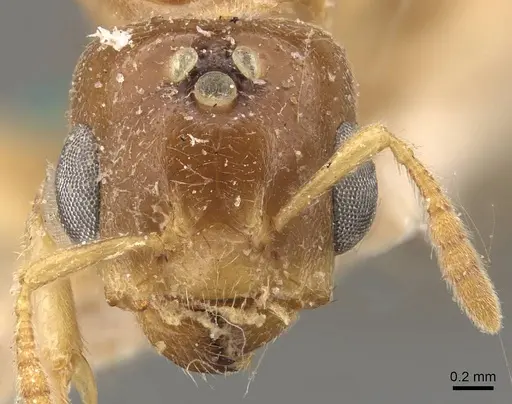
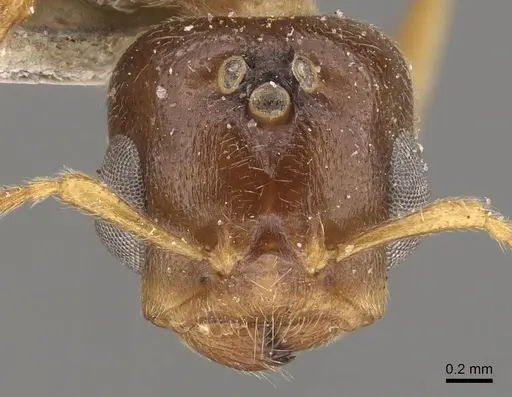
In the wild, colonies can become quite large, alate production only begins once the colony reaches 5000 or more workers. The single physogastric queen stays in the lower region of the stem, while alates (winged males and females) develop in the upper regions [1].
Nuptial Flights and Reproduction
Unlike many ants that have specific mating seasons, C. captiosa produces sexuals and conducts nuptial flights throughout the entire year in both Malaysia and Borneo [1]. This makes sense given that Macaranga saplings emerge year-round in newly disturbed areas, so queens need to be ready to colonize them at any time.
Mating flights occur at night, beginning after sunset around 7pm. Males leave the nest first through large swarming holes, followed by females about ten minutes later. The females move excitedly between workers and males, sometimes walking up to 8cm from the exit hole before taking off. Each swarming event involves fewer than 50 alates flying from the colony. Interestingly, some matings actually occur on the tree itself, six copulations were observed directly on the plant [1].
Colonies don't swarm every night. One studied colony swarmed for three nights, stopped for two nights, swarmed again on day six, then remained inactive before swarming for three more days. Weather affects this, swarming stops completely during rain, though other weather events don't seem to trigger or stop flights [1].
Colony Founding
Founding is claustral, meaning the queen seals herself inside a suitable stem cavity and raises her first workers without leaving to forage. She enters a sapling by chewing an entrance hole into an internode, then seals the hole from the inside using her own secretions and debris [1].
This process can take several hours. The queen lives entirely on her stored fat reserves while laying eggs and raising the first brood. Once the first workers emerge, they open up the internodes and begin foraging for food bodies produced by the plant and honeydew from coccids [1].
In captivity, you can simulate this by providing a claustrarium setup, a small container with damp substrate where the queen can seal herself in. She'll need peace and darkness during the founding stage. Once workers emerge, they can be moved to a proper nest setup.
Housing and Nest Setup
In captivity, these ants need setups that mimic their natural plant-stem habitat. Y-tong (acrylic) nests work well because they provide the dark, enclosed chambers these ants prefer. Plaster nests can also work if kept consistently moist. The key is providing tight chambers, these ants are used to the snug interior of Macaranga stems [2].
Because they're small (workers are only 2.3-3.3mm), ensure your setup has no gaps larger than about 1mm, their natural worker exit holes average just 1mm wide [1]. Fine mesh on any ventilation is essential.
For the outworld, provide typical antkeeping setup with a water test tube, protein foods, and sugar sources. These ants are good climbers and will explore their enclosure actively. A naturalistic setup with artificial plant stems or bamboo sections can help them feel at home, but isn't strictly necessary.
Feeding and Diet
In their natural habitat, C. captiosa feeds on two main food sources: specialized food bodies produced by Macaranga plants, and honeydew from coccid scale insects that live inside the stem cavities with them [1]. The food bodies are rich in proteins and lipids, while honeydew provides sugars.
In captivity, offer a varied diet: sugar water or honey for carbohydrates, and protein sources like fruit flies, small crickets, mealworms, or other small insects. Because they're small, prey items should be appropriately sized, tiny insects are better than large ones. You can also try offering specialized ant foods or honeydew supplements.
Feed protein roughly twice weekly, and keep a sugar source (honey water or sugar water) constantly available. Remove uneaten prey after 24-48 hours to prevent mold.
Temperature and Seasonal Care
As a tropical species from Southeast Asia, C. captiosa needs warm conditions year-round. Keep the nest area at 24-28°C. A slight temperature gradient is beneficial, some keepers use a heating cable on one side of the nest, but be careful not to overheat. Room temperature in most homes (22-25°C) is acceptable, but cooler conditions will slow activity and potentially stress the colony.
This species has no diapause requirement, in fact, they produce alates year-round in the wild [1]. Don't reduce temperatures in winter unless your room is extremely cold. Consistent warmth is key to keeping these ants healthy and growing.
Humidity is also important. These ants live inside living plant stems that maintain high, consistent humidity. In captivity, aim for 70-85% humidity. Keep the nest substrate damp but not waterlogged, and mist the outworld occasionally if needed.
Frequently Asked Questions
How long does it take for Crematogaster captiosa to produce first workers?
Based on typical Crematogaster development, expect 6-8 weeks from egg to first worker at optimal temperature (around 26°C). The queen is claustral and seals herself in during founding, raising the first brood alone before workers emerge.
What do Crematogaster captiosa ants eat?
They need a balanced diet of sugars and protein. Offer sugar water or honey constantly, and protein sources like small insects (fruit flies, pinhead crickets, mealworms) twice weekly. In the wild they eat food bodies from their host Macaranga plants and honeydew from coccids.
Do Crematogaster captiosa ants sting?
Unlike some Crematogaster species, these ants do not have a painful sting. They're generally peaceful and safe to handle, though as with all ants, they may bite if provoked.
Can I keep multiple Crematogaster captiosa queens together?
In the wild, colonies start monogynous (single queen) but can become secondarily polygynous (multiple queens) as the tree grows larger. However, combining unrelated foundress queens in captivity is not recommended as it hasn't been documented and could lead to fighting.
Do Crematogaster captiosa need hibernation?
No, this is a tropical species with no diapause requirement. They produce alates year-round in the wild. Keep them warm (24-28°C) consistently throughout the year.
What is the best nest type for Crematogaster captiosa?
Y-tong (AAC) nests or plaster nests with narrow chambers work well. These ants are used to tight spaces inside plant stems, so avoid overly large chambers. Ensure escape prevention is excellent, they're small and can escape through tiny gaps.
How big do Crematogaster captiosa colonies get?
Colonies can reach 5000+ workers before they begin producing alates (winged reproductives). This takes time to reach, but once established, colonies can become quite large. The largest colonies are found in mature Macaranga trees.
Are Crematogaster captiosa good for beginners?
They are rated as medium difficulty. They're more challenging than common species like Lasius because they need higher humidity and warmth, and colony growth is slower. They're rewarding for intermediate antkeepers willing to provide tropical conditions.
Why are my Crematogaster captiosa dying?
Common causes include: low humidity (they need 70-85%), temperatures below 24°C, poor escape prevention allowing escapes, or stress from too much handling. Also note that wild-caught colonies may have parasites, about 30% of queen alates have nematodes in their glands [3].
When will my Crematogaster captiosa produce alates?
Alate production only begins once the colony reaches 5000+ workers [1]. This takes significant time, expect at least 1-2 years or more of growth before seeing reproductives. The colony must be healthy and well-established first.
References

This caresheet is licensed under CC BY-SA 4.0 .
CASENT0902111
View on AntWeb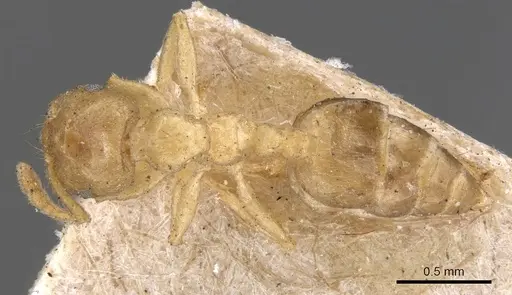
CASENT0902112
View on AntWeb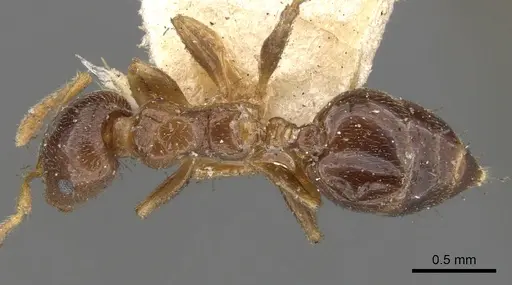
CASENT0908448
View on AntWeb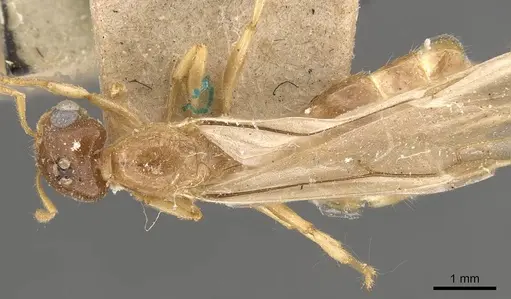
CASENT0908449
View on AntWeb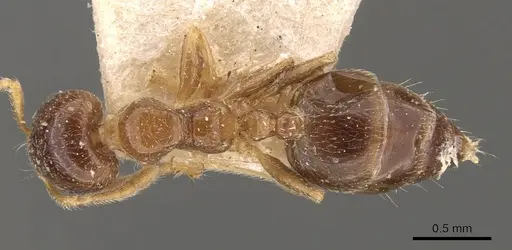
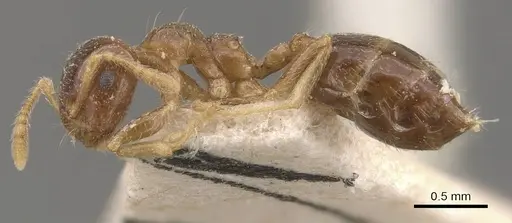
CASENT0908452
View on AntWeb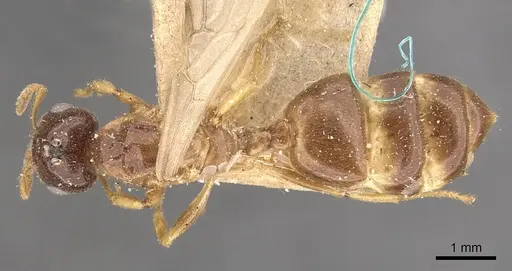
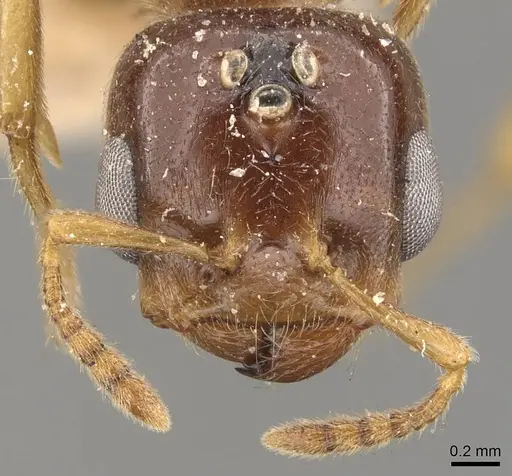
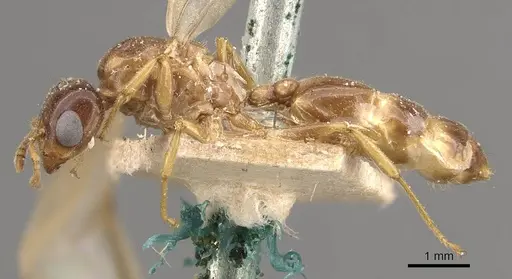
CASENT0908453
View on AntWeb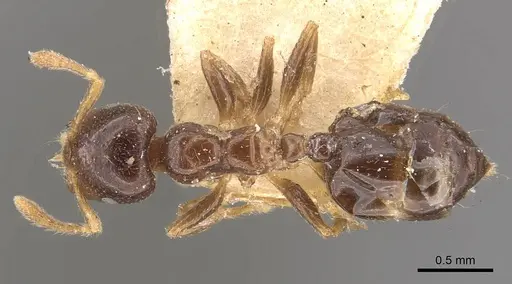
CASENT0908454
View on AntWeb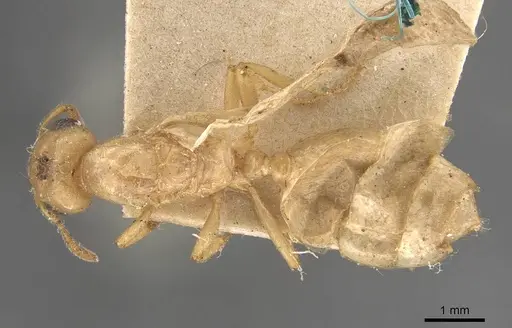
CASENT0908455
View on AntWeb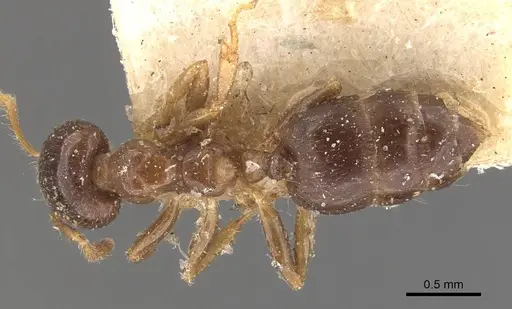
CASENT0908457
View on AntWeb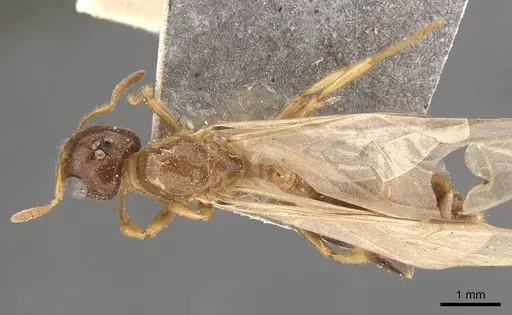
CASENT0908458
View on AntWeb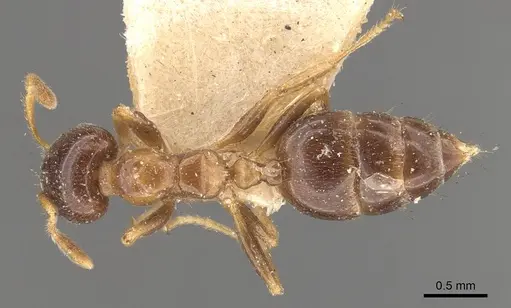
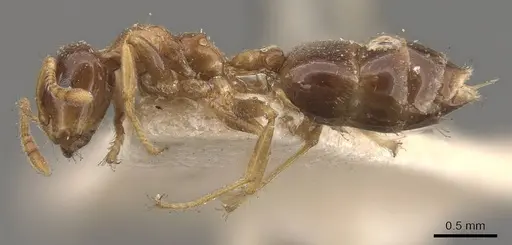
CASENT0908459
View on AntWeb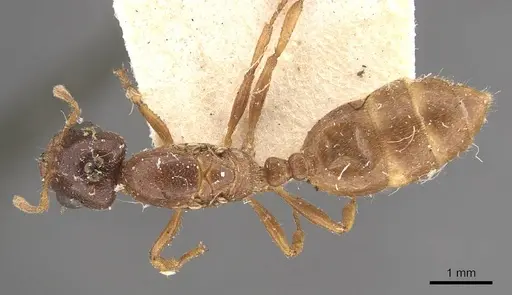
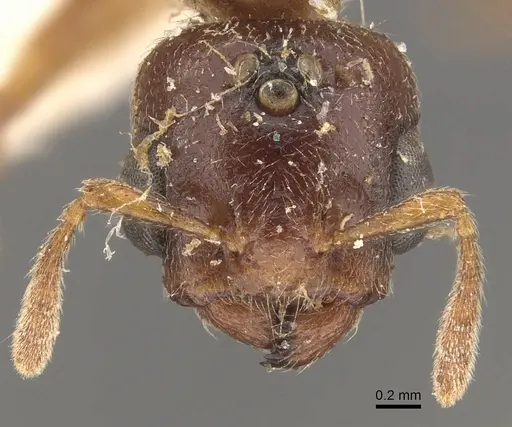
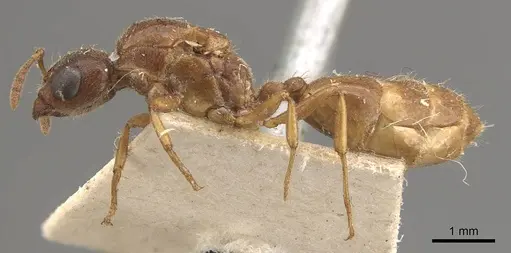
CASENT0908460
View on AntWeb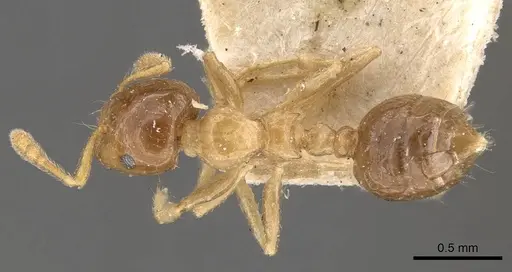
FOCOL0075-1
View on AntWeb
FOCOL0075-2
View on AntWeb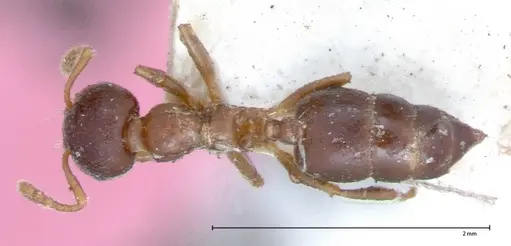
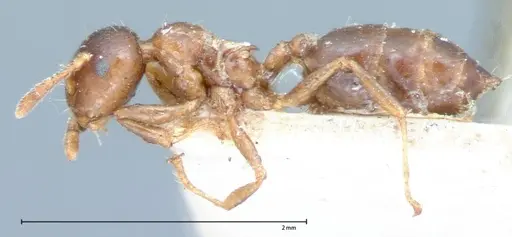
FOCOL0076
View on AntWeb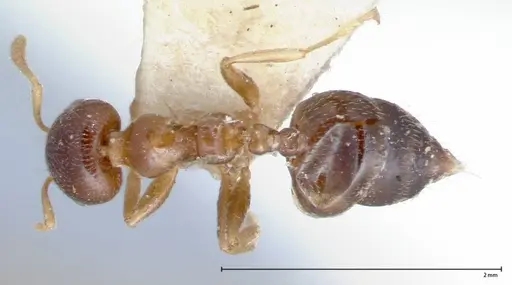
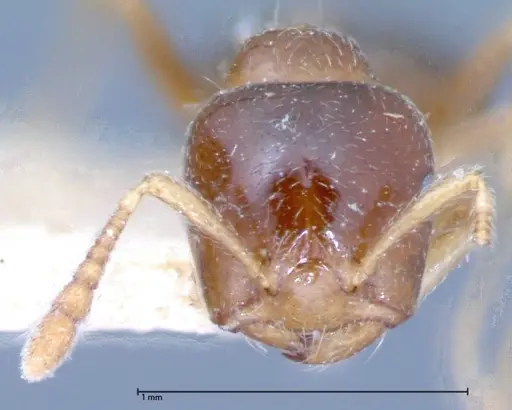
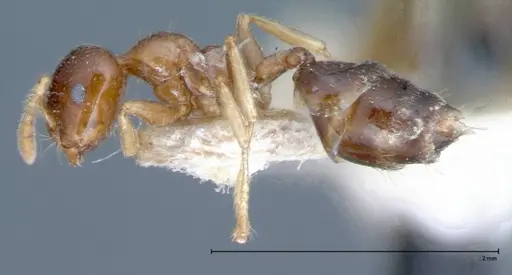
FOCOL0270-1
View on AntWeb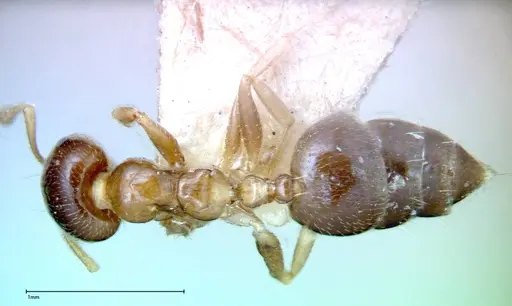
FOCOL0270-2
View on AntWeb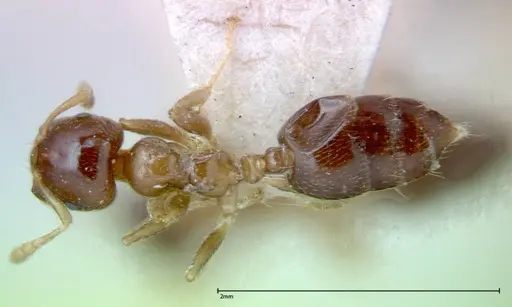
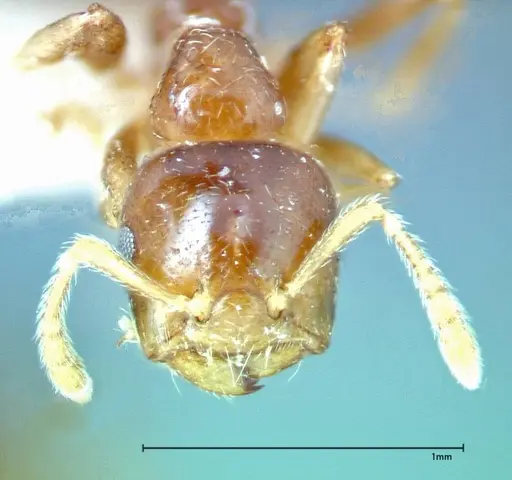
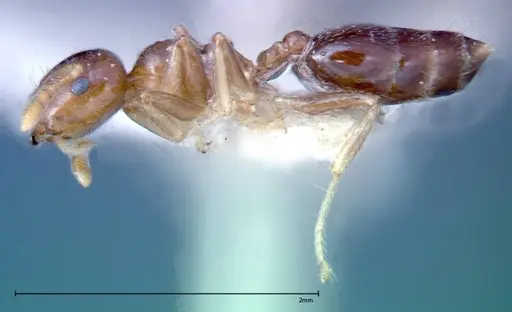
FOCOL0270-3
View on AntWeb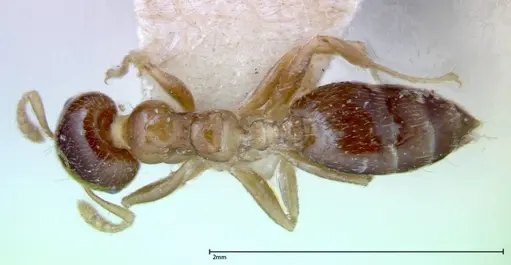
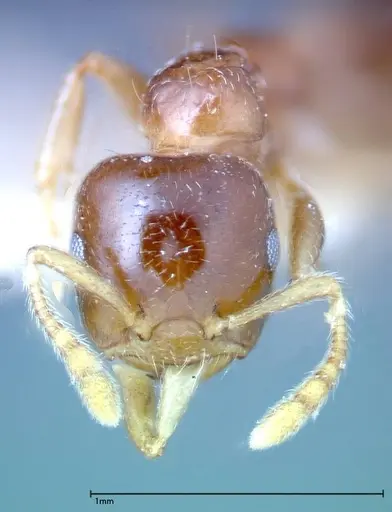
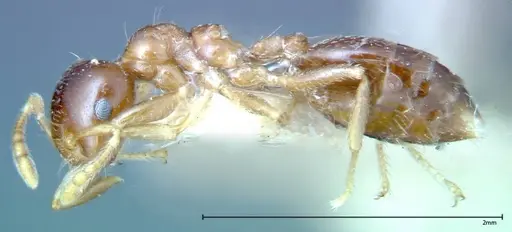
FOCOL0650-1
View on AntWeb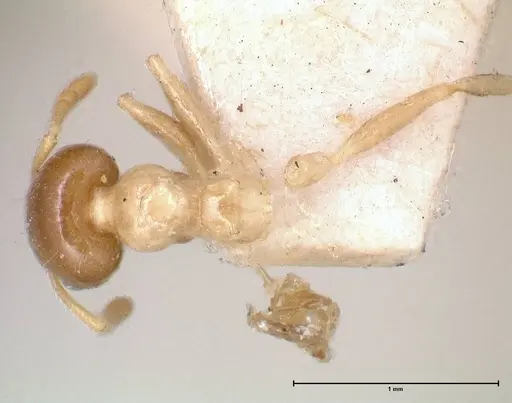
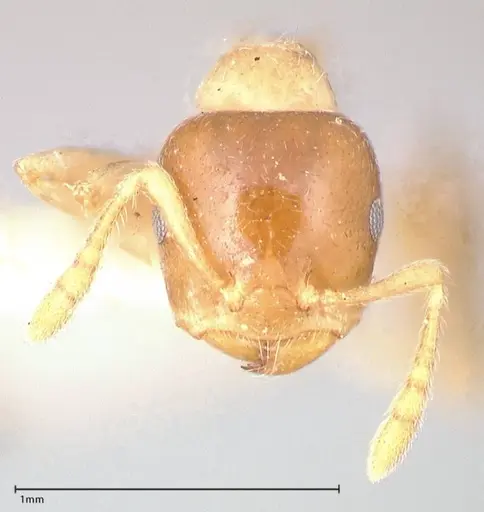
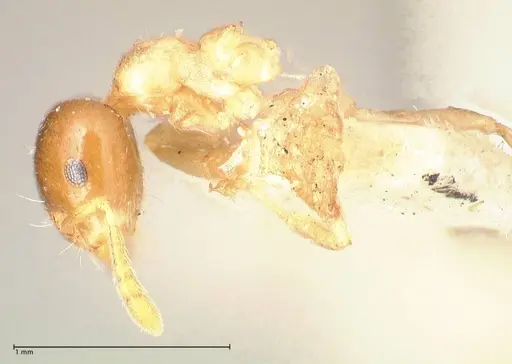
FOCOL0650-2
View on AntWeb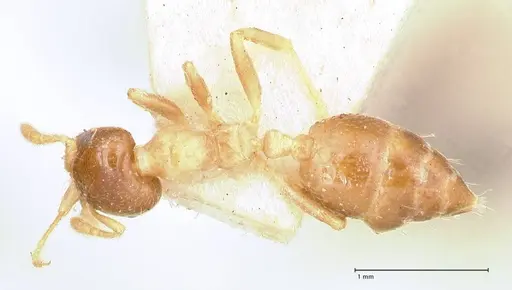
FOCOL0698
View on AntWeb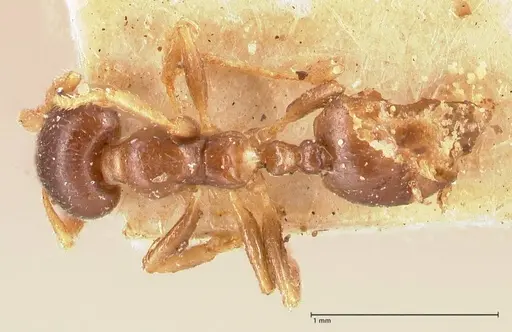
FOCOL0699
View on AntWeb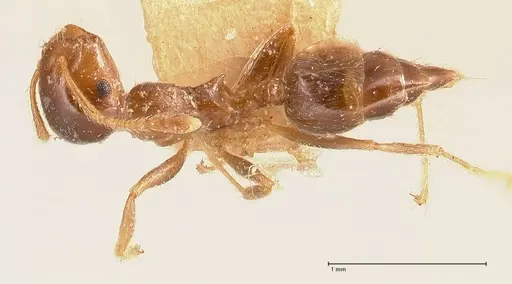
Literature
Loading...Loading products...