

Crematogaster capensis
- Scientific Name
- Crematogaster capensis
- Tribe
- Crematogastrini
- Subfamily
- Myrmicinae
- Author
- Mayr, 1862
- Common Name
- Southern Cocktail Ant
- Distribution
- Found in 2 countries
Crematogaster capensis Overview
Crematogaster capensis (commonly known as the Southern Cocktail Ant) is an ant species of the genus Crematogaster. It is primarily documented in 2 countries , including Mozambique, South Africa. Detailed taxonomic data and occurrence records can be further explored via authoritative databases such as AntWeb or the Global Biodiversity Information Facility (GBIF).
Crematogaster capensis - "Southern Cocktail Ant"
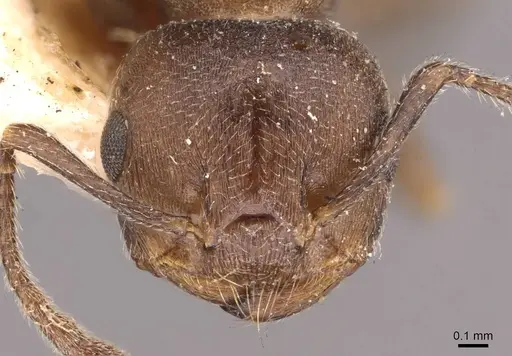
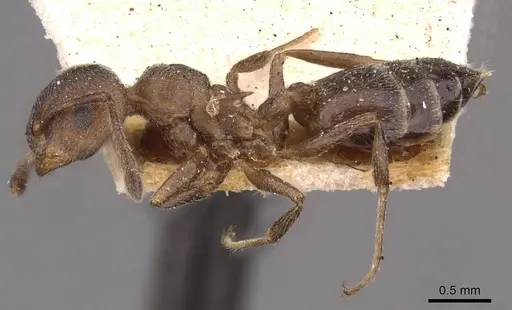
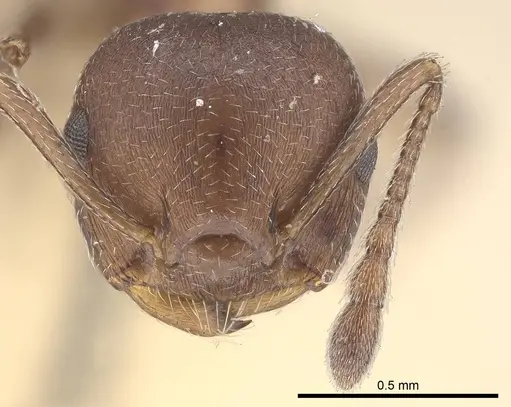
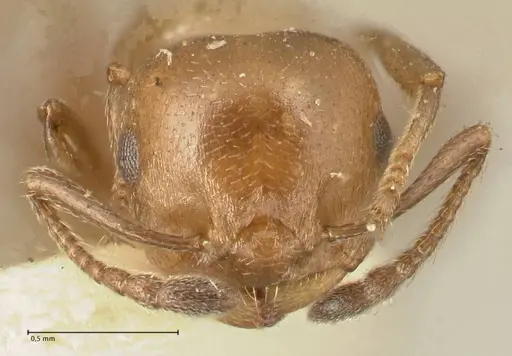
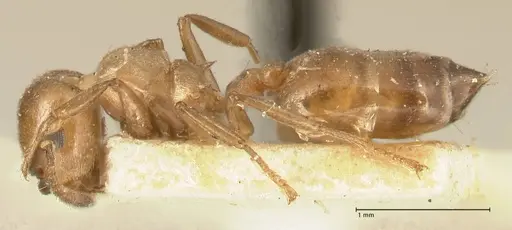
Crematogaster capensis is a small ant species native to the Cape region of South Africa. Like all Crematogaster ants, they have a distinctive heart-shaped gaster (abdomen) that they can raise up over their head when threatened, this gives them the common name 'acrobat ants'. Workers are small and typically dark brown to black in color. The genus is known for their defensive behavior where they raise their abdomen like a scorpion, though they rarely sting [1].
This species was described by Mayr in 1862 and is found specifically in the Cape of Good Hope region of South Africa. It may be closely related to or potentially a senior synonym of Crematogaster peringueyi [2]. The subspecies C. c. calens and C. c. tropicorum are also recognized [1].
Quick Summary
- Difficulty: Easy
- Origin & Habitat: Native to the Cape region of South Africa, specifically the Cape of Good Hope area. Found in the Afrotropical region [1]. Typical of dry to moderately moist African habitats.
- Colony Type: Likely monogyne (single queen colonies) based on typical Crematogaster patterns in the region. Single queen colonies with one reproductive female are standard for this genus in southern Africa.
- Colony: Monogyne
- Founding: Claustral
- Size & Growth:
- Queen: Estimated 7-9mm based on genus patterns for Crematogaster species in southern Africa
- Worker: Estimated 3-5mm based on typical Crematogaster worker size range
- Colony: Estimated several hundred workers based on typical colony sizes for the genus
- Growth: Moderate, typical for Myrmicinae species
- Development: Estimated 6-8 weeks at optimal temperature based on genus-level data for Crematogaster (Development time is inferred from typical Crematogaster patterns. Warmer temperatures within their range will speed development, cooler temperatures slow it.)
- Antkeeping:
- Temperature: Keep at 22-26°C. A room-temperature setup around 23-25°C works well for this species. They can tolerate slightly warmer conditions but avoid temperatures above 30°C. A gentle heat gradient allows them to regulate their temperature.
- Humidity: Moderate humidity around 50-70%. They prefer drier conditions compared to many tropical ants, reflecting their native Cape region habitat. Allow the nest to dry out partially between waterings.
- Diapause: No true diapause required. South Africa has mild winters, so they may reduce activity during cooler months but do not need a full hibernation period. A slight reduction in temperature to around 15-18°C for 2-3 months during winter is optional but can help stimulate natural cycles.
- Nesting: Crematogaster species typically nest in wood cavities, under bark, or in hollow plant stems. In captivity, they do well in Y-tong (AAC) nests, wooden formicariums, or test tube setups. They prefer tight, enclosed spaces with narrow chambers. Avoid overly humid or wet nests.
- Behavior: Crematogaster capensis is defensive but not aggressive. When threatened, workers raise their abdomen over their head in a characteristic defensive pose, this is where the 'acrobat ant' name comes from. They are active foragers and will search for sweet liquids and small prey. Workers are small but fast-moving. They have a mild sting but rarely use it, relying on their defensive posture and the release of defensive chemicals from their glands instead. Escape prevention should be moderate, they are not extreme escape artists but use standard barrier methods.
- Common Issues: moderate escape risk, use standard barrier methods like fluon on test tube rims, colonies can be slow to establish, new keepers may lose patience during founding phase, overheating is more dangerous than being slightly too cool, keep away from direct heat sources, they prefer drier conditions, too much humidity can cause mold problems and colony stress
Housing and Nest Setup
Crematogaster capensis does well in a variety of nest types. Y-tong (AAC) nests work excellently because they provide the dark, enclosed chambers these ants prefer. Wooden formicariums or test tube setups are also suitable. The key is providing tight-fitting chambers that match their small size, avoid large, open spaces. A small outworld for foraging is sufficient. Because they prefer drier conditions, ensure good ventilation to prevent mold. A water test tube connected to the nest provides humidity control without creating excessive moisture.
Feeding and Diet
Like most Crematogaster species, these ants are omnivorous with a preference for sweet liquids. Offer sugar water, honey, or diluted maple syrup as a constant food source. For protein, provide small insects like fruit flies, pinhead crickets, or mealworms. They will also collect honeydew if you have access to aphid colonies. Feed protein 2-3 times per week, and keep a sugar source available at all times. Remove uneaten prey after 24-48 hours to prevent mold.
Temperature and Seasonal Care
Maintain temperatures between 22-26°C for optimal colony health and development. Room temperature in most homes (around 23-25°C) is ideal. They can tolerate brief periods at slightly higher temperatures but avoid sustained heat above 30°C. During South Africa's winter months (June-August), you may reduce temperatures slightly to 18-22°C to mimic natural seasonal cycles, but a full hibernation is not required. This cool period may help stimulate breeding activity in spring.
Behavior and Defense
The most distinctive behavior of Crematogaster capensis is their defensive posture. When disturbed, workers raise their abdomen over their head, pointing their heart-shaped gaster toward the threat. They can also release defensive chemicals from their abdominal glands. This display is usually enough to deter predators without actual stinging. They are not aggressive toward humans and rarely sting. In the colony, they are active foragers who will quickly discover and recruit nestmates to food sources through chemical trails.
Frequently Asked Questions
How long does it take for Crematogaster capensis to produce first workers?
Expect first workers (nanitics) around 6-8 weeks after the queen lays her first eggs, assuming temperatures around 24-26°C. This is based on typical Crematogaster development patterns. The first workers will be smaller than normal workers but will help the colony grow.
Can I keep Crematogaster capensis in a test tube setup?
Yes, test tube setups work well for this species. Use a standard test tube with a water reservoir and cotton plug, kept horizontal so the queen can find the humid end. Make sure to use fluon or another barrier on the cotton to prevent escapes. Once the colony reaches 20-30 workers, you can consider moving them to a larger formicarium.
Do Crematogaster capensis ants sting?
They have a stinger but rarely use it. Their primary defense is raising their abdomen in a defensive posture and releasing chemicals from their abdominal glands. Most keepers report no stings or only mild, brief sensations if they do sting. They are considered safe to handle.
What do Crematogaster capensis eat?
They are omnivores with a sweet tooth. Offer sugar water, honey, or maple syrup as a constant carbohydrate source. For protein, feed small insects like fruit flies, small crickets, or mealworms 2-3 times per week. They will also eat honeydew if available.
How big do Crematogaster capensis colonies get?
Based on typical Crematogaster patterns, colonies likely reach several hundred workers. They are not among the largest ant species, but a healthy colony can be quite impressive with active foragers.
Do I need to hibernate Crematogaster capensis?
No full hibernation is required. The Cape region of South Africa has mild winters, so they do not need a cold diapause period. You can optionally reduce temperatures to 15-18°C for 2-3 months during winter if you want to simulate natural cycles, but this is not necessary for colony health.
Are Crematogaster capensis good for beginners?
Yes, they are considered a good species for beginners. They are hardy, do not require extreme temperature or humidity control, and are not aggressive. Their main requirements are simple: moderate warmth, moderate humidity, and a steady supply of sugar water and small protein prey.
When should I move my colony to a formicarium?
Move from a test tube to a formicarium when the colony reaches around 30-50 workers and the test tube shows signs of stress (condensation issues, mold, or workers avoiding the humid end). A Y-tong or wooden formicarium works well for this species.
Can I keep multiple Crematogaster capensis queens together?
This species is likely monogyne (single queen). Combining unrelated queens is not recommended as they will likely fight. Only keep one queen per colony unless you are attempting pleometrosis (multiple queen founding) with close observation for aggression.
References

This caresheet is licensed under CC BY-SA 4.0 .
CASENT0902087
View on AntWeb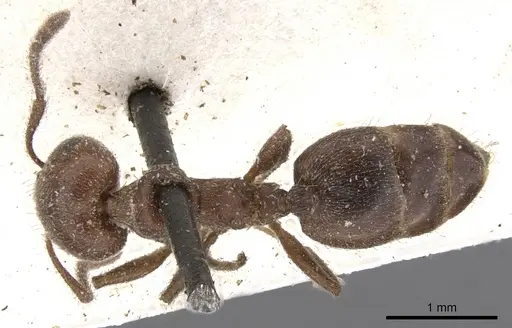
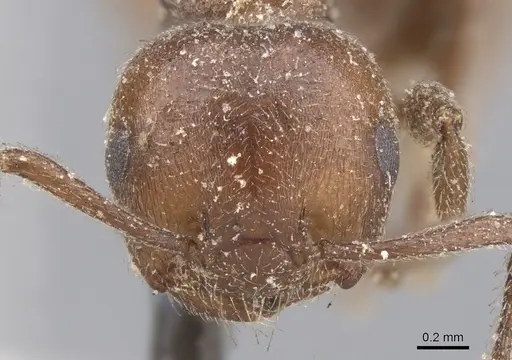
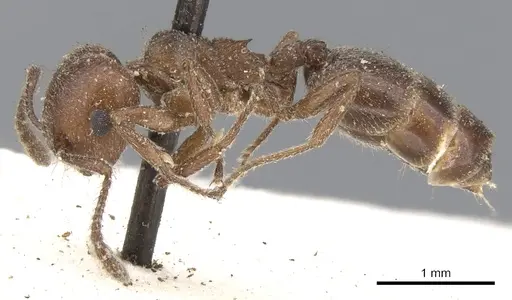
CASENT0908501
View on AntWeb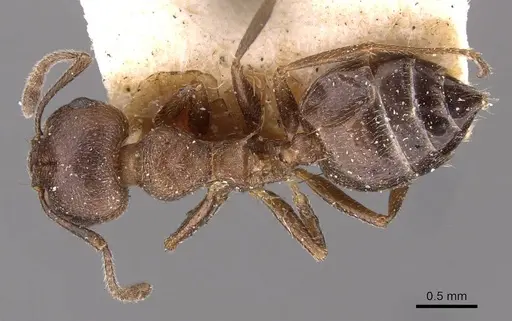
CASENT0908502
View on AntWeb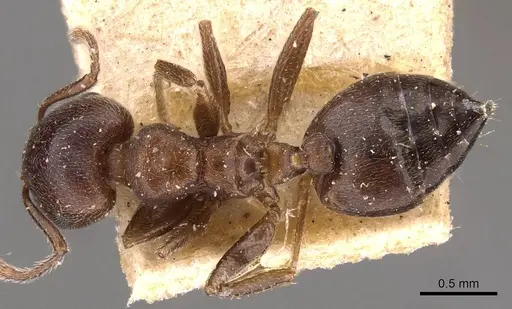
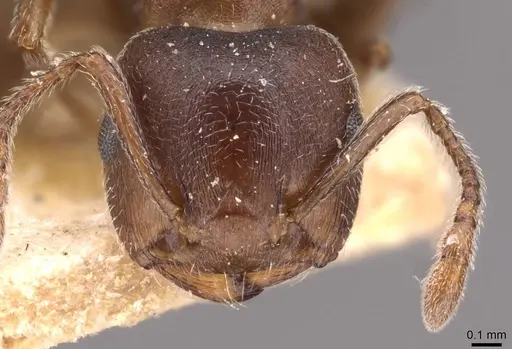
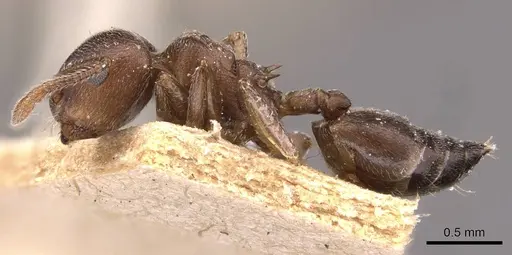
CASENT0919661
View on AntWeb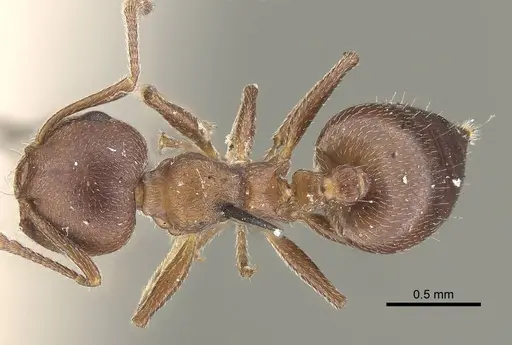
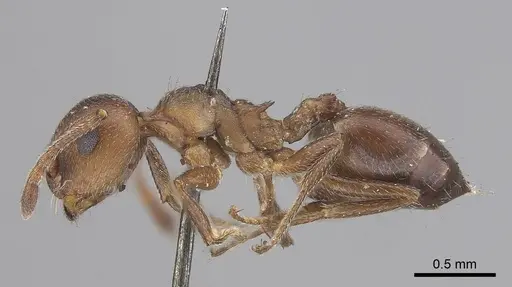
FOCOL1473
View on AntWeb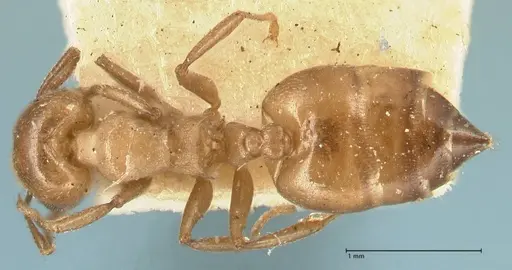
Literature
Loading...Loading products...