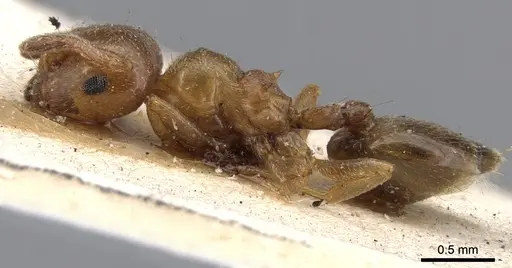
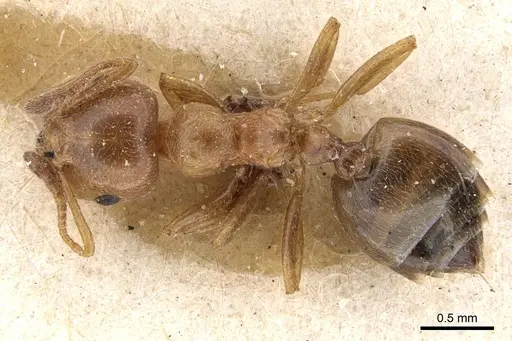
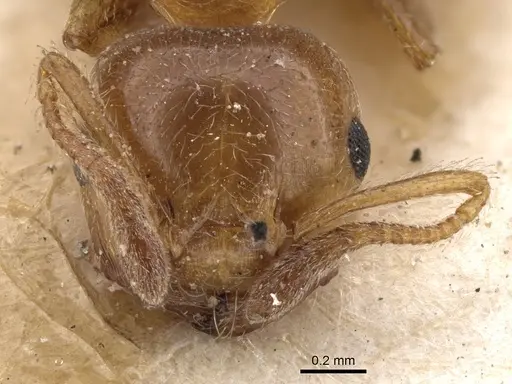
Crematogaster brunneipennis - "African Cocktail Ant"
Crematogaster brunneipennis is an ant species characterized by its distinctive heart-shaped gaster (abdomen), which it can raise over its head when alarmed, giving it the common name 'Cocktail Ant' or 'Acrobat Ant'. Workers are generally smaller than queens and come in varying sizes, reflecting a continuous size polymorphism rather than distinct major worker castes. This species is known for its arboreal nesting habits and predatory behavior, often hunting other insects. They use a unique venom, applied topically rather than injected, to stun prey and deter enemies.
- Difficulty: Medium
- Origin & Habitat: Africa (Benin, Nigeria, Sierra Leone) in Forests, woodlands, shrublands, arboreal (in trees, dead wood, hollow stems), sometimes in ground nests.
- Colony Type: Monogyne (most Crematogaster species), claustral founding.
- Size & Growth:
- Queen: Not specified
- Worker: Not specified
- Colony: Large (tens of thousands). Medium to Fast growth.
- Antkeeping:
- Temperature: Maintain a temperature range of 21-28°C (70-82°F) for optimal development. Avoid going above 28°C..
- Humidity: Keep humidity within the nest at around 50-60% to ensure optimal conditions for the developing brood..
- Diapause: Not required. Not specified at Not specified.
- Nesting: These ants prefer arboreal nests in dead wood, hollow stems, or even live stems. In captivity, setups like acrylic nests, Ytong, or naturalistic setups with wood elements are suitable. They are known to build carton nests in the wild..
- Behavior: Medium to High (towards other ants, can be defensive towards handler if provoked) aggressiveness.
- Common Issues: Humidity fluctuations (critical for brood development), Lack of adequate ventilation (if they spray formic acid), Improper diet leading to slow growth, Stress from vibrations or disturbances.
One of the most captivating aspects of Crematogaster brunneipennis, and indeed the entire Crematogaster genus, is their unique defensive posture. When threatened or alarmed, these ants can raise their heart-shaped gaster (abdomen) high over their bodies, often curving it forward as if performing a balancing act. This 'acrobatic' display isn't just for show; it allows them to precisely aim and apply their venom, which, unlike a typical sting, is topical rather than injected. This fascinating behavior is why they're often called 'Acrobat Ants' or 'Cocktail Ants' and is a key identifier for keepers.
Colony growth for Crematogaster brunneipennis can be quite vigorous given adequate protein. As arboreal ants, they thrive in setups that mimic their natural tree-dwelling habitats. Providing them with nesting options that allow them to climb and utilize vertical space, such as setups with cork bark or specialized acrylic nests designed for arboreal species, will greatly benefit their development and overall colony health. Ensuring proper ventilation in the outworld is also crucial, as some Crematogaster species, when agitated, may spray formic acid, which can be harmful in poorly ventilated enclosures.
While Crematogaster brunneipennis are generally considered omnivorous and opportunistic feeders, their diet in the wild often includes predation on other insects and honeydew from homopterans. In a captive environment, a varied diet is key. They readily accept most insect proteins like crickets, mealworms, and roaches. For their sugar needs, honey, sugar water, or even commercial protein jellies can be offered. Observing your colony's preferences and adjusting their diet accordingly will help ensure a healthy and thriving setup. Some colonies might be pickier about certain sugar sources, so experimentation can be helpful.
These ants are known for their territorial and aggressive nature, especially species with large, polydomous colonies. When housing them, it's important to consider this trait, particularly if you plan to keep multiple ant species in the same room. While they typically won't bother other ant colonies if their space is respected, disturbances or perceived threats could trigger a defensive response. Their unique venom application is effective at deterring other ants, so maintaining separate and secure setups is always recommended for different species.
Frequently Asked Questions
What kind of nest is best for Crematogaster brunneipennis colonies?
For Crematogaster brunneipennis, arboreal setups are ideal, mimicking their natural habitat in trees and dead wood. Consider acrylic nests with good climbing surfaces, cork bark inserts, or even naturalistic setups featuring hollowed-out wood. Ensure the nest provides enough vertical space for their 'acrobatic' behaviors and has good humidity retention for brood development.
Are Crematogaster brunneipennis aggressive?
Yes, Crematogaster species, including brunneipennis, can be quite aggressive, especially when defending their territory or a large colony. They are known to be territorial with other ant species and will defend themselves if disturbed. Their unique gaster-raising defense, where they apply venom topically, is a clear sign of their assertive nature.
What do African Cocktail Ants eat?
African Cocktail Ants are omnivorous. Their diet should consist of a mix of protein and sugars. For protein, offer feeder insects like crickets, mealworms, or roaches. For sugars, honey, sugar water, or commercial ant jellies are great options. A varied diet supports robust colony growth and overall health.
Do Crematogaster brunneipennis sting?
Crematogaster brunneipennis possesses a sting, but it's spatulate and used for topical application of venom rather than injection. When alarmed, they raise their gaster and wipe venom onto threats. While not a sharp sting like some other species, contact with the venom can still be irritating.
How fast do Crematogaster brunneipennis colonies grow?
Given optimal conditions, especially consistent warmth and a steady supply of protein, Crematogaster brunneipennis colonies exhibit a medium to fast growth rate. Providing ample food and stable environmental factors will help them expand rapidly.
What temperature and humidity do Crematogaster brunneipennis need?
Maintain a consistent temperature between 21-28°C (70-82°F) for your Crematogaster brunneipennis colony. Humidity levels should be kept around 50-60% within the nest to support healthy brood development and prevent desiccation.
Do Crematogaster brunneipennis need diapause?
Crematogaster brunneipennis, being a tropical species originating from Africa, generally does not require a diapause period. Consistent warmth and feeding throughout the year are usually sufficient for their continuous development.
Why is my Crematogaster brunneipennis queen not laying eggs?
If your Crematogaster brunneipennis queen isn't laying eggs, several factors could be at play. Stress from vibrations, improper temperature or humidity, or a lack of suitable founding conditions can all inhibit egg-laying. Ensure her test tube or founding setup is dark, stable, and at the correct temperature and humidity levels. Sometimes, a period of undisturbed rest is all she needs.
How big do Crematogaster brunneipennis get?
Worker sizes for Crematogaster brunneipennis can vary, exhibiting a continuous size polymorphism. Queens are typically larger than workers. While exact measurements for this specific species are not always readily available, Crematogaster workers generally range from small to medium in size, with queens being noticeably larger to accommodate egg-laying.
Can I keep multiple Crematogaster brunneipennis queens together (pleometrosis)?
Most Crematogaster species, including brunneipennis, are typically monogyne, meaning they prefer to have a single queen per colony. While some ant species engage in pleometrosis (multiple queens founding a colony), it's generally not recommended for Crematogaster brunneipennis unless specific research indicates otherwise for this particular species, as queens may become aggressive towards each other once workers emerge.
What kind of substrate is best for their outworld?
For the outworld, a simple substrate like sand, coco fiber, or a mix that allows for easy cleaning is sufficient. Since these ants are primarily arboreal, they will spend most of their time climbing. Providing various climbing structures like twigs, cork bark, and small rocks in the outworld will be appreciated and encourage natural foraging behaviors.
What does 'polydomous' mean in antkeeping?
'Polydomous' refers to ant colonies that maintain multiple separate nests, often connected by foraging trails, rather than one single nest structure. While the main colony might be in one central location, satellite nests could house workers, brood, or even secondary queens, allowing the colony to spread out and utilize resources more efficiently across a larger territory.
How do I prevent mold in my Crematogaster brunneipennis nest?
Preventing mold in your Crematogaster brunneipennis nest involves good ventilation, proper humidity control, and regular cleaning of the outworld. Avoid overfeeding, as uneaten food can mold. If using a nest with a hydration system, ensure it's not overly saturated. Promptly remove any dead insects or food waste.