

Crematogaster amabilis
- Scientific Name
- Crematogaster amabilis
- Tribe
- Crematogastrini
- Subfamily
- Myrmicinae
- Author
- Santschi, 1911
- Distribution
- Found in 1 countries
Crematogaster amabilis Overview
Crematogaster amabilis is an ant species of the genus Crematogaster. It is primarily documented in 1 countries , including Kenya. Detailed taxonomic data and occurrence records can be further explored via authoritative databases such as AntWeb or the Global Biodiversity Information Facility (GBIF).
Crematogaster amabilis
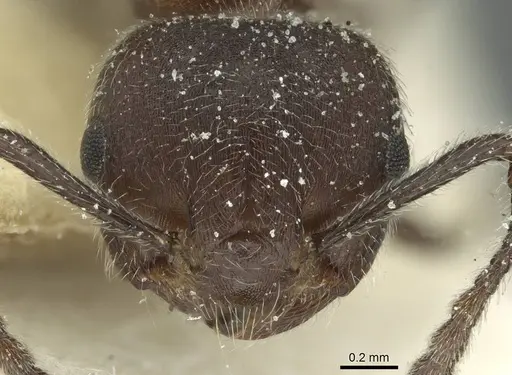
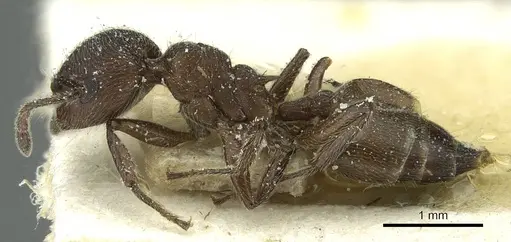
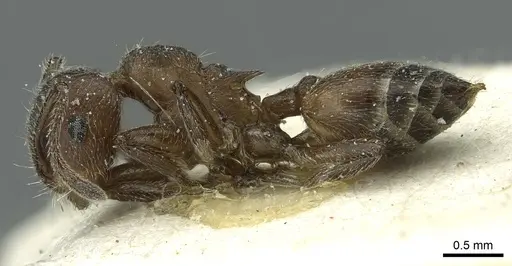
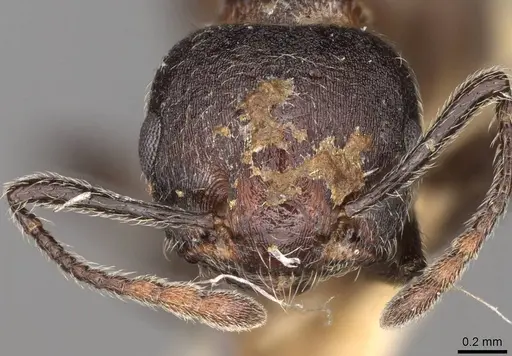
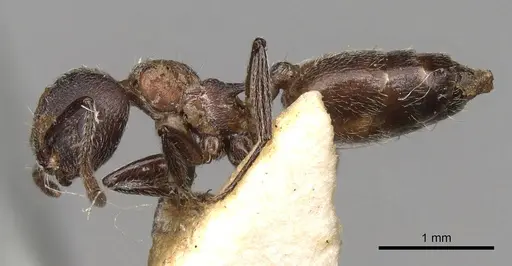
Crematogaster amabilis is a small ant species native to East Africa, found primarily in Kenya and Tanzania including the slopes of Mount Kilimanjaro [1]. Workers are small ants, typically 3-5mm, with the characteristic Crematogaster heart-shaped gaster that they raise when threatened. The species is known for its association with Chrysoritis butterflies, a genus of myrmecophilous (ant-loving) butterflies that form mutualistic relationships with these ants [2]. This ant inhabits highland forest regions in East Africa, where it typically nests in dead wood, under bark, or in hollow plant stems.
Quick Summary
- Difficulty: Medium
- Origin & Habitat: East Africa, Kenya and Tanzania, particularly the Kilimanjaro region. Found in highland forest habitats at moderate to high elevations [1].
- Colony Type: Likely monogyne (single queen colonies) based on typical Crematogaster patterns. Colony structure is not directly documented for this species.
- Colony: Monogyne
- Founding: Claustral
- Size & Growth:
- Queen: Estimated 5-7mm based on genus patterns
- Worker: Estimated 3-5mm based on genus patterns
- Colony: Likely several hundred workers based on genus typical colony sizes
- Growth: Moderate, estimated based on related species
- Development: Estimated 6-8 weeks at optimal temperature based on genus patterns for tropical Crematogaster (Development time is estimated from related species, direct measurements not available for this species)
- Antkeeping:
- Temperature: Keep at 22-26°C. The highland origin suggests they prefer moderate temperatures rather than extreme heat. A gentle gradient allowing workers to self-regulate is beneficial.
- Humidity: Moderate humidity around 50-70%. Provide a moist nest substrate but ensure good ventilation to prevent mold. These ants do well with some dry areas in the outworld.
- Diapause: Unknown for this species. East African highland ants may have reduced activity during cooler dry seasons but true hibernation is unlikely.
- Nesting: Prefers nests in dead wood, cork, or plaster nests with narrow chambers. They avoid overly wet substrates. Test tube setups work well for founding colonies.
- Behavior: Crematogaster amabilis is a generally calm species but will raise its heart-shaped gaster and may bite or sting when threatened. Workers are active foragers that search for honeydew and small insects. They are skilled at finding food and can be aggressive in defending food sources. Escape prevention is important as they are small and can squeeze through small gaps. They are not major escape artists but fine mesh barriers are recommended.
- Common Issues: colonies may fail if kept too cold, maintain warm temperatures consistently, small size requires fine mesh barriers to prevent escapes, overfeeding can lead to mold problems in nest setups, wild-caught colonies may carry parasites that can devastate captive colonies, queen loss during founding is common, monitor founding colonies closely
Nest Preferences
In the wild, Crematogaster amabilis nests in dead wood, under loose bark, and in hollow plant stems. For captive colonies, cork nests, plaster nests with narrow chambers, or test tube setups work well. They prefer chambers that are appropriately scaled to their small size, avoid large open spaces. The nest should have some moisture but must not be waterlogged. Good ventilation is important to prevent mold buildup. Many keepers successfullly keep Crematogaster in acrylic nests or Y-tong setups with moderate humidity levels.
Feeding and Diet
Like most Crematogaster species, these ants are omnivorous with a preference for sweet liquids and protein. Offer sugar water or honey water as a constant food source. For protein, provide small insects like fruit flies, small mealworms, or cricket pieces. They will also collect honeydew if available. Feed protein 2-3 times per week, and keep sugar water available at all times. Remove uneaten prey after 24-48 hours to prevent mold. Fresh food is always better than dried or frozen options.
Temperature and Seasonal Care
Maintain temperatures between 22-26°C. The highland origin of this species suggests they prefer moderate temperatures rather than the hot conditions some tropical ants require. Avoid temperatures above 30°C as this can stress colonies. Room temperature within this range is often suitable. There is no documented diapause requirement, but reduced feeding during cooler periods is normal. Monitor colony activity, if workers become less active, slightly reduce food offerings rather than lowering temperature dramatically.
Behavior and Temperament
Crematogaster amabilis has a characteristic defensive behavior, when threatened, workers raise their heart-shaped gaster upward, similar to a scorpion posture. They may bite and deliver a mild sting. The sting is not dangerous to healthy humans but can be irritating. Workers are active foragers and will quickly discover food sources. They communicate well and can recruit nestmates to good food finds. Colonies are generally peaceful and focused on their work rather than aggressive toward humans. They are not particularly territorial outside their nest.
Colony Founding
A claustral queen will seal herself in a small chamber after mating. She relies entirely on her stored fat reserves to survive and raise the first workers. This process typically takes 4-8 weeks depending on temperature. The first workers, called nanitics, are often smaller than normal workers. Do not disturb the founding chamber during this time, opening it can kill the queen. Once workers emerge, they will begin foraging and the colony can be slowly introduced to an outworld.
Frequently Asked Questions
How long does it take for Crematogaster amabilis to produce first workers?
Expect first workers (nanitics) to emerge in 6-8 weeks after the queen lays eggs, assuming temperatures around 24-26°C. This is an estimate based on related species, direct development time for this specific species has not been documented.
What do Crematogaster amabilis ants eat?
They are omnivorous. Offer sugar water or honey constantly, and provide protein sources like small insects (fruit flies, small mealworms, cricket pieces) 2-3 times per week. They will also collect honeydew if available.
Do Crematogaster amabilis ants sting?
Yes, they can sting. Their characteristic defensive posture involves raising their heart-shaped gaster, and they will bite and sting if threatened. The sting is mild and not dangerous to healthy adults, but can be irritating.
What temperature do Crematogaster amabilis ants need?
Keep them at 22-26°C. The highland origin suggests they prefer moderate temperatures rather than extreme heat. Avoid temperatures above 30°C.
Are Crematogaster amabilis good for beginners?
This species is rated as medium difficulty. They are smaller and more delicate than some common species, and their temperature requirements are specific. They can be a good second species after gaining experience with easier ants.
How big do Crematogaster amabilis colonies get?
Based on genus patterns, colonies likely reach several hundred workers. Exact maximum size is not documented for this species.
Can I keep multiple Crematogaster amabilis queens together?
This species is likely monogyne (single queen). Combining unrelated queens is not recommended as they likely will fight. If you obtain a colony, assume it has one queen.
Do Crematogaster amabilis need hibernation?
No documented diapause requirement exists. As an East African highland species, they may reduce activity during cooler periods but do not require true hibernation like temperate species.
What size nest do Crematogaster amabilis need?
Use appropriately scaled nests with small chambers. Cork nests, plaster nests, or test tube setups work well. The chambers should be sized to the 3-5mm worker size, avoid large open spaces.
Why are my Crematogaster amabilis dying?
Common causes include: temperatures too low (below 20°C), excessive humidity causing mold, poor ventilation, or parasites from wild-caught colonies. Check temperature and humidity first. If the colony was wild-caught, parasites are a common cause of colony failure.
References

This caresheet is licensed under CC BY-SA 4.0 .
CASENT0902078
View on AntWeb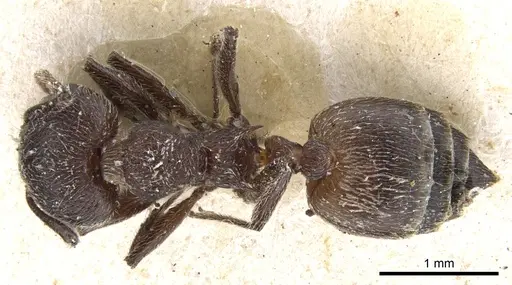
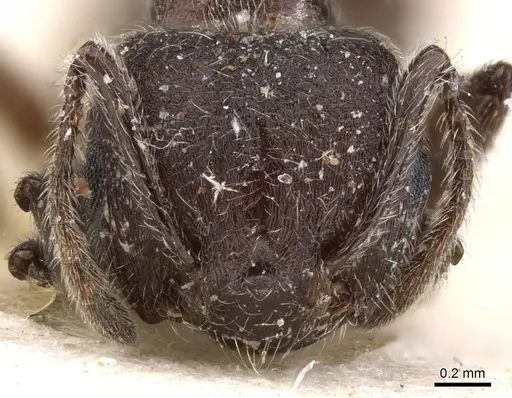
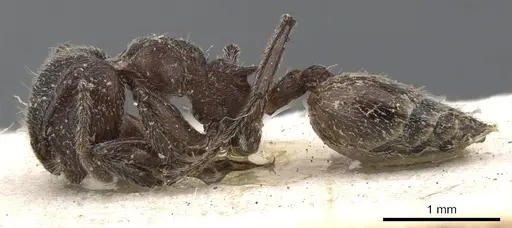
CASENT0912639
View on AntWeb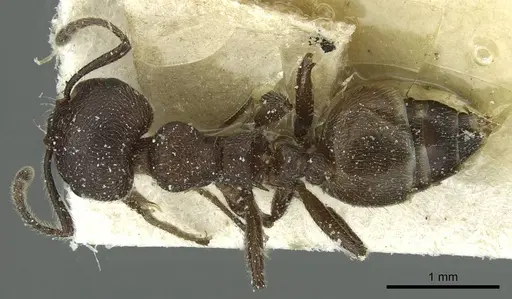
CASENT0912640
View on AntWeb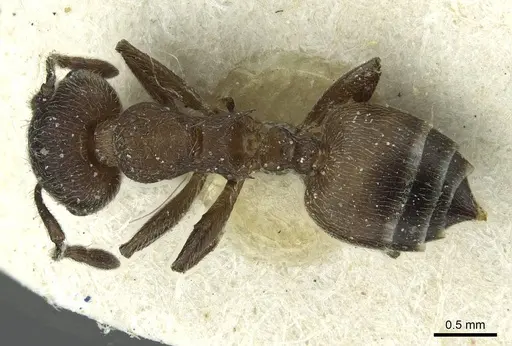
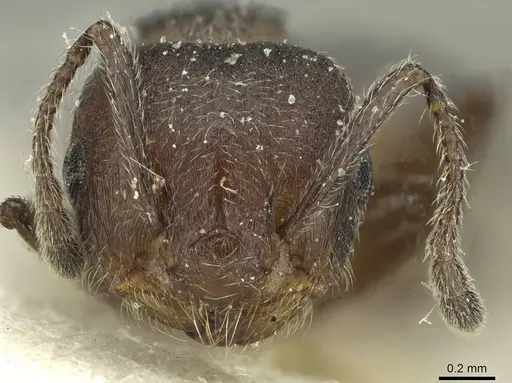
CASENT0914286
View on AntWeb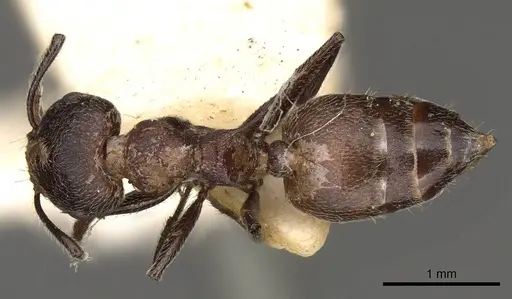
Literature
Loading...Loading products...