

Crematogaster browni
- Scientific Name
- Crematogaster browni
- Tribe
- Crematogastrini
- Subfamily
- Myrmicinae
- Author
- Buren, 1968
- Distribution
- Found in 2 countries
Crematogaster browni Overview
Crematogaster browni is an ant species of the genus Crematogaster. It is primarily documented in 2 countries , including Mexico, United States of America. Detailed taxonomic data and occurrence records can be further explored via authoritative databases such as AntWeb or the Global Biodiversity Information Facility (GBIF).
Crematogaster browni
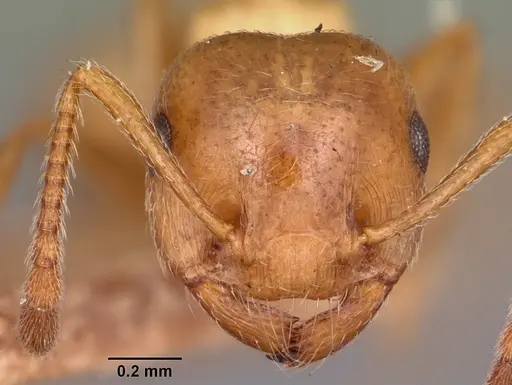
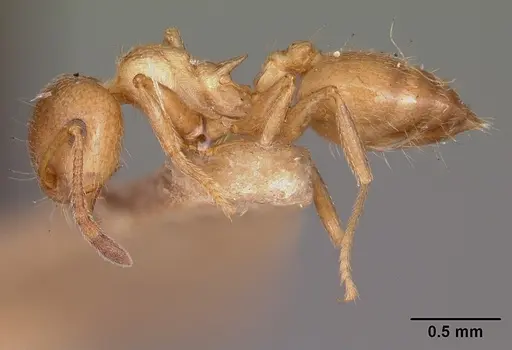
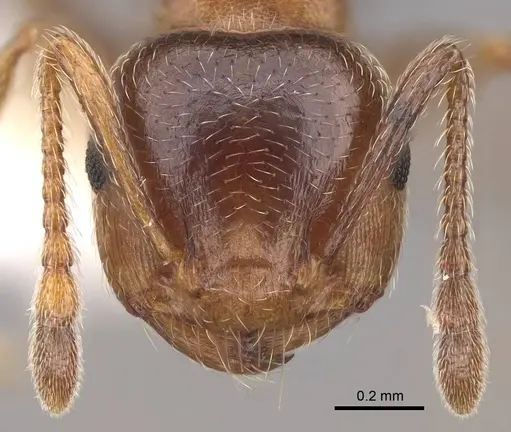
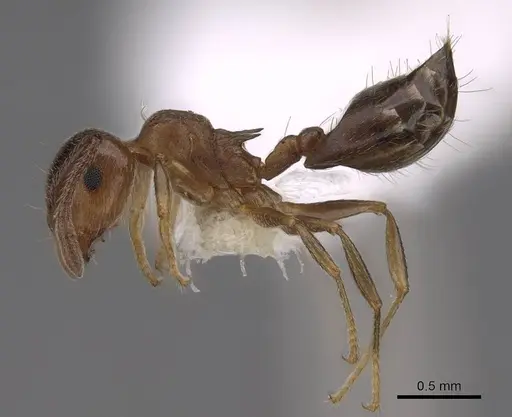
Crematogaster browni is a small, dark ant species native to the southwestern United States and northern Mexico. Workers measure just 3mm or less, while queens are significantly larger at 8.5-9mm. These ants are characterized by their tiny propodeal spines and distinctive long flexuous hairs on the pronotum. They get their name from being named after the renowned myrmecologist Dr. William L. Brown, Jr. [1]
This is a rarely collected species found exclusively in mountainous regions at elevations between 4,500 and 6,500 feet. Unlike many Crematogaster species that are arboreal, C. browni is a ground-nesting species that nests under stones. It shows remarkable adaptability, thriving in diverse habitats ranging from barren, treeless rocky desert mountains to pinyon pine-juniper-oak forests. This flexibility allows it to colonize mountaintops where other Crematogaster species cannot survive [1][2].
Quick Summary
- Difficulty: Medium
- Origin & Habitat: Native to the southwestern United States (Arizona, Texas, New Mexico) and northern Mexico (Sonora, Chihuahua). Found in mountainous regions at 4,500-6,500 ft elevation, in high-elevation desert, oak savanna, juniper woodland, and open oak-pine-juniper woodland [2][1].
- Colony Type: Colony structure is not well documented in scientific literature. Based on related Crematogaster species, likely monogyne (single queen) colonies. Ground-nesting with colonies found under stones [1][2].
- Colony: Monogyne
- Founding: Claustral
- Size & Growth:
- Queen: 8.5-9.0mm [1]
- Worker: 3mm or less, some specimens up to 3.5mm [1]. Workers measured HW 0.69-1.01mm [2].
- Colony: Colony size is not well documented. Based on similar ground-nesting Crematogaster species, likely reaches several hundred workers.
- Growth: Moderate, development timeline is not specifically documented for this species, but typical for Crematogaster genus.
- Development: Estimated 6-8 weeks based on typical Crematogaster development patterns at optimal temperature (Development time is not directly studied for this species. Estimates based on related species in the genus.)
- Antkeeping:
- Temperature: Keep at room temperature around 20-24°C. This species tolerates a range of conditions from cooler high-elevation habitats to warmer lower elevations. Provide a temperature gradient so ants can self-regulate.
- Humidity: Moderate humidity around 50-60%. As ground-nesting ants from mountainous areas, they prefer drier conditions compared to tropical species. Allow the nest substrate to dry partially between waterings.
- Diapause: Yes, as a species from temperate latitudes with cold winters at high elevations, they require a winter dormancy period. Keep at 10-15°C for 2-3 months during winter.
- Nesting: Ground-nesting species that naturally nests under stones. In captivity, a Y-tong (acrylic) nest or plaster nest works well. Provide a layer of substrate they can dig through, and place a flat stone or similar item on top as they would use in the wild. They do well in naturalistic setups with soil substrate [1].
- Behavior: These ants are relatively calm and not particularly aggressive. Workers are small but active foragers. They have a characteristic heart-shaped abdomen (gaster) that they raise when disturbed, which is typical of Crematogaster species. They may release a small amount of formic acid as a defense. They are moderate escape artists due to their small size, use standard barrier methods. They are not known to be stingers but may bite if handled roughly [1].
- Common Issues: small colony sizes in the wild mean founding colonies may be difficult to locate and establish, rarely collected species means limited availability in the antkeeping hobby, high elevation origin requires winter dormancy, colonies may fail if not given proper hibernation, small worker size requires fine mesh barriers to prevent escapes, ground-nesting behavior requires appropriate nesting setup with stones or compactable substrate
Natural History and Distribution
Crematogaster browni is endemic to the mountainous regions of the American Southwest and northern Mexico. You will find them in the Huachuca Mountains, Baboquivari Mountains, Davis Mountains, Franklin Mountains, and other ranges across Arizona, Texas, New Mexico, and the Mexican states of Sonora and Chihuahua. They occupy a unique ecological niche at high elevations between 4,500 and 6,500 feet, often being the only Crematogaster species found on barren mountaintops. This species demonstrates remarkable adaptability, it thrives in completely treeless, rocky, desert-like mountains as well as in pinyon pine-juniper-oak forests. At lower elevations (3,500-5,000 ft), it coexists with other desert Crematogaster species like C. depilis and C. larreae. The species was first described by William F. Buren in 1968 and named in honor of Dr. William L. Brown, Jr., a prominent myrmecologist [1][2].
Identification and Distinguishing Features
Identifying Crematogaster browni requires attention to several key features. The most distinctive characteristics are the very short, often incurved propodeal spines and the presence of long flexuous hairs on the pronotum (the first segment of the thorax), with no hairs on the mesonotum. The petiole is only slightly wider than the postpetiole. Workers are small, dark brown to black, measuring about 3mm. Queens are larger at 8.5-9mm and robust. You can distinguish them from the similar Crematogaster emeryana (which also nests under stones) by the incurved spines, narrower petiole, and different hair arrangement. Unlike C. ashmeadi (which is strictly arboreal), C. browni has normal-length legs and more differentiated tarsal proportions. The postpetiolar setae are unusually long, about two-thirds of the postpetiole width [1].
Nest Preferences and Housing
In the wild, Crematogaster browni nests exclusively under stones in mountainous terrain. This is a ground-nesting species, not arboreal. In captivity, you should replicate this by providing a nesting area with compact substrate they can use, topped with a flat stone or similar surface object. Y-tong (acrylic) nests or plaster nests work well for this species. They prefer drier conditions than many ants, think high-elevation desert rather than rainforest. Provide a water tube but allow the nest to dry partially between waterings. The outworld should have some substrate they can explore, and you can include small stones or rocks to mimic their natural environment. Because workers are small (around 3mm), ensure your setup has no gaps that would allow escapes [1][2].
Feeding and Diet
Like other Crematogaster species, C. browni is an omnivore that feeds on both carbohydrates and protein. In the wild, they likely tend aphids for honeydew and hunt small insects. In captivity, offer sugar water or honey as a constant carbohydrate source. For protein, provide small insects like fruit flies, small crickets, or mealworms. They are small ants, so prey items should be appropriately sized. Feed protein 2-3 times per week and keep sugar water available at all times. Remove uneaten prey after 24 hours to prevent mold. They are not aggressive foragers, so place food near the nest entrance where workers will find it easily.
Seasonal Care and Hibernation
Because Crematogaster browni originates from high-elevation temperate regions with cold winters, you must provide a winter dormancy period. These ants have evolved to survive freezing temperatures at elevations above 4,500 feet. Around October-November, gradually reduce the temperature to 10-15°C and keep them there for 2-3 months. During this time, reduce feeding significantly and keep the nest slightly drier but not completely dry. In spring, slowly warm them back to room temperature and resume normal feeding. Skipping hibernation can weaken colonies over time and may prevent proper reproductive cycling. This requirement makes them better suited for intermediate keepers who understand seasonal ant care.
Behavior and Temperament
Crematogaster browni workers are relatively calm and not particularly aggressive toward keepers. When disturbed, they exhibit the typical Crematogaster behavior of raising their heart-shaped gaster upward, this is a defensive posture where they may release formic acid. They are active foragers but not particularly territorial or defensive of their nest. Workers are small but nimble, and they communicate through chemical trails to food sources. They do not have a painful sting, though they may bite if handled roughly. Their small size means they can squeeze through small gaps, use fluon barriers or fine mesh on any openings. Overall, they are a manageable species suitable for observation, though they are not as interactive as some larger ant species [1].
Frequently Asked Questions
How long does it take for Crematogaster browni to produce first workers?
The exact timeline is not documented, but based on typical Crematogaster development, expect 6-8 weeks from egg to first worker at room temperature (around 22-24°C). The queen will seal herself in a claustral chamber and raise the first brood alone without foraging.
Do Crematogaster browni ants need hibernation?
Yes, they require a winter dormancy period. As a high-elevation species from the American Southwest, they need 2-3 months at 10-15°C during winter (typically October-November through February-March). Skipping hibernation can weaken the colony.
What do Crematogaster browni eat?
They are omnivores. Offer sugar water or honey constantly for carbohydrates, and protein sources like small insects (fruit flies, pinhead crickets, small mealworms) 2-3 times per week. They are small, so keep prey items appropriately sized.
Are Crematogaster browni good for beginners?
They are rated as medium difficulty. While not overly demanding, they require proper hibernation and specific nesting conditions (ground-nesting under stones). Their small size also means you need good escape prevention. They are also rarely available since this is a rarely collected species.
What type of nest is best for Crematogaster browni?
They are ground-nesting ants that naturally nest under stones. In captivity, a Y-tong (acrylic) nest or plaster nest works well. Provide a naturalistic setup with some substrate and a flat stone on top, or use a standard formicarium with appropriate humidity control.
How big do Crematogaster browni colonies get?
Colony size is not well documented in scientific literature, but based on similar Crematogaster species, colonies likely reach several hundred workers. They are not among the largest ant species.
Do Crematogaster browni ants sting?
They do not have a painful sting. Like other Crematogaster species, they may release formic acid as a defense when threatened. They are not considered dangerous to humans.
Where is Crematogaster browni found in the wild?
This species is found in mountainous regions of the southwestern United States (Arizona, Texas, New Mexico) and northern Mexico (Sonora, Chihuahua) at elevations of 4,500-6,500 feet. They nest under stones in high-elevation desert, oak savanna, juniper woodland, and oak-pine-juniper woodland.
Can I keep multiple Crematogaster browni queens together?
This is not recommended. While colony structure is not well documented, Crematogaster species are typically monogyne (single queen). Combining unrelated queens has not been studied for this species and would likely result in fighting.
Why is Crematogaster browni so rarely collected?
This species inhabits remote, high-elevation mountainous areas that are difficult to access. Additionally, they nest under stones in specific habitats, making them harder to find than surface-active or arboreal species. Their limited distribution in isolated mountain ranges also contributes to their rarity.
References

This caresheet is licensed under CC BY-SA 4.0 .
CASENT0104688
View on AntWeb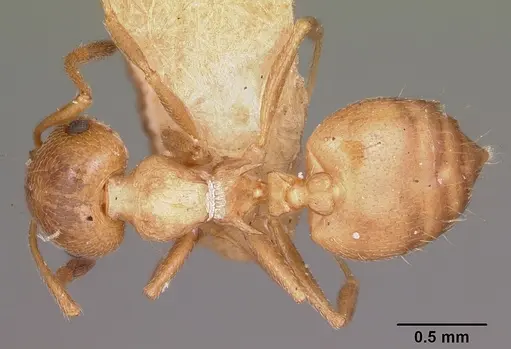
CASENT0922722
View on AntWeb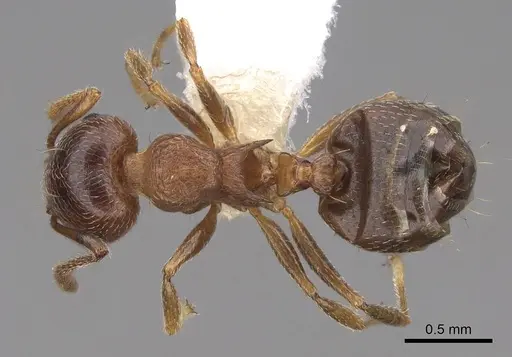
Literature
Loading...Loading products...