

Crematogaster bequaerti
- Scientific Name
- Crematogaster bequaerti
- Tribe
- Crematogastrini
- Subfamily
- Myrmicinae
- Author
- Forel, 1913
- Distribution
- Found in 4 countries
Crematogaster bequaerti Overview
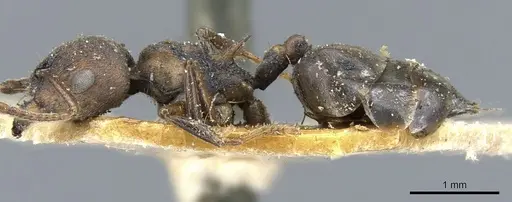
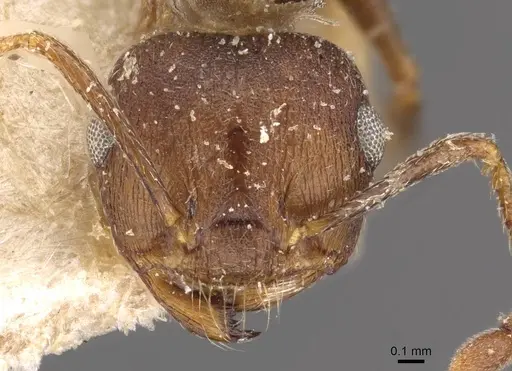
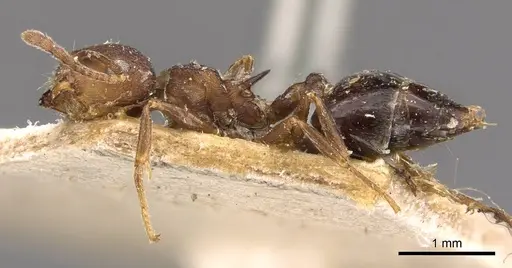
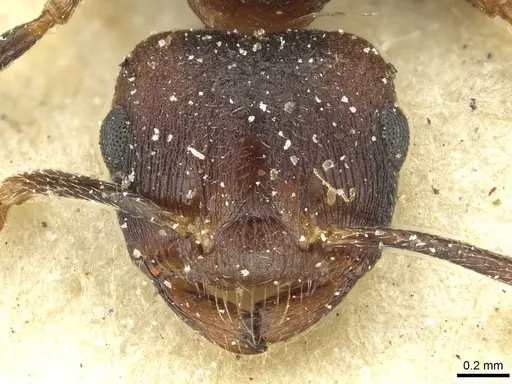
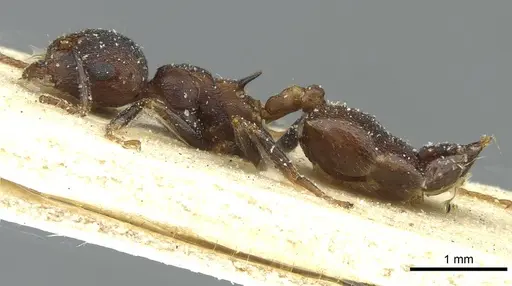
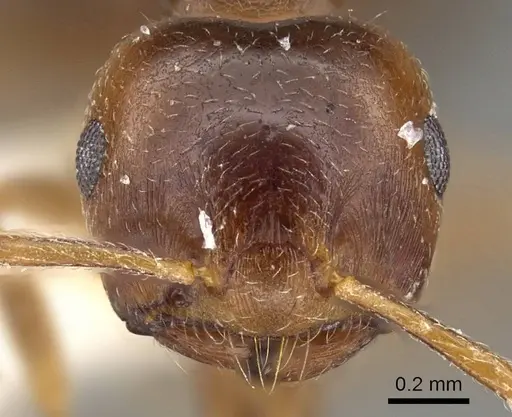
Crematogaster bequaerti is an ant species of the genus Crematogaster. It is primarily documented in 4 countries , including Congo, Democratic Republic of the, Kenya. Detailed taxonomic data and occurrence records can be further explored via authoritative databases such as AntWeb or the Global Biodiversity Information Facility (GBIF).
Crematogaster bequaerti
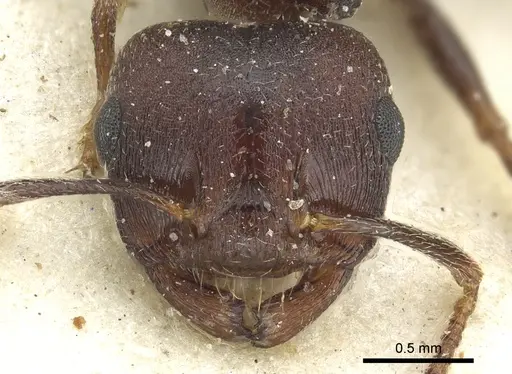
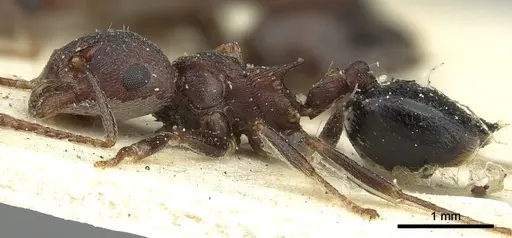
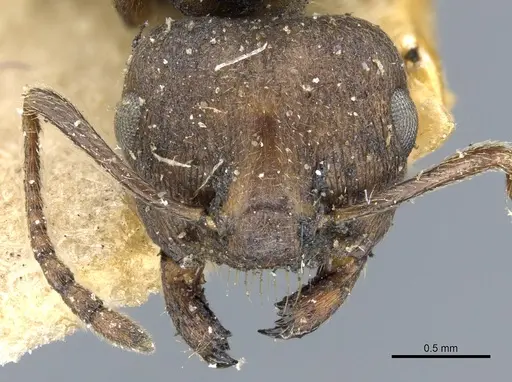
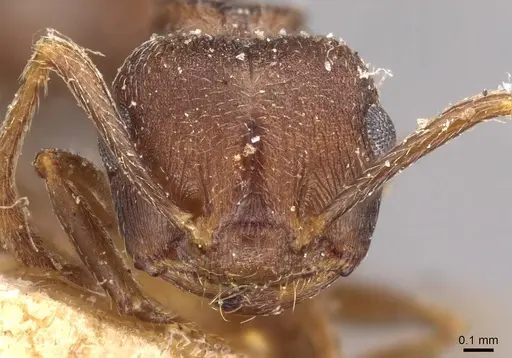
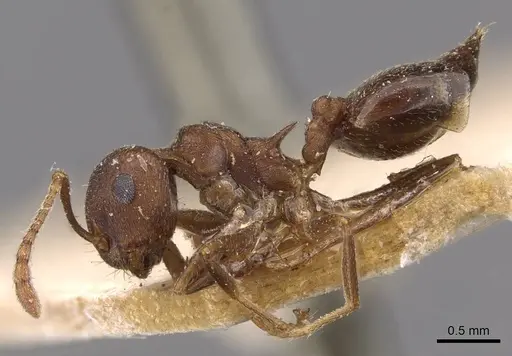
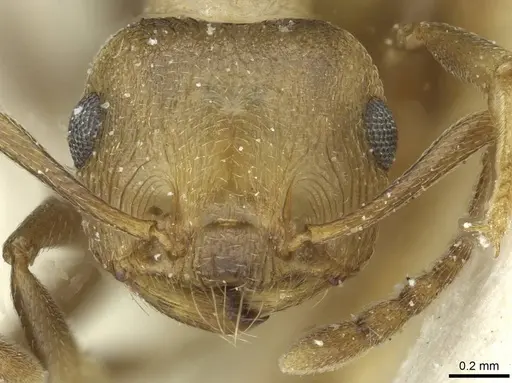
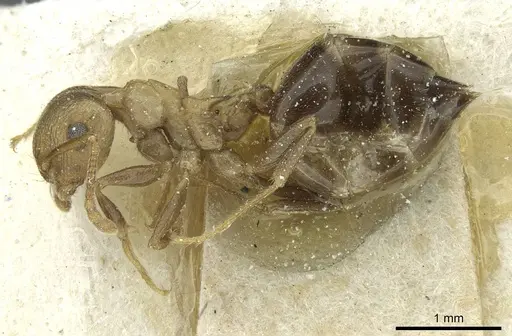
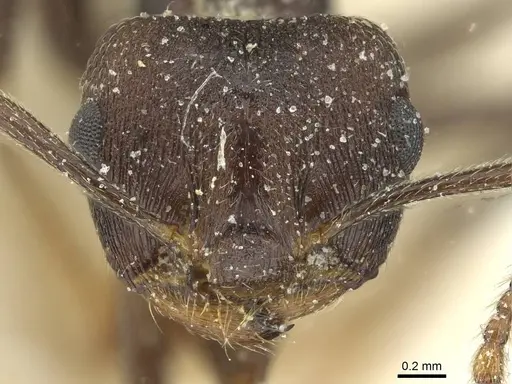
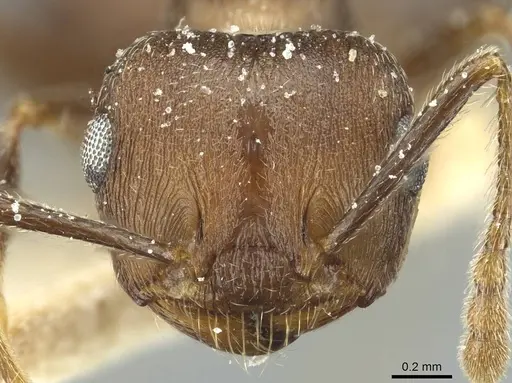
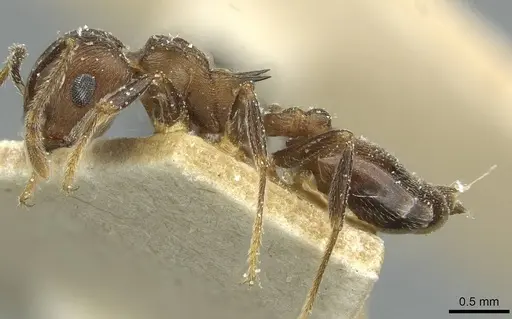
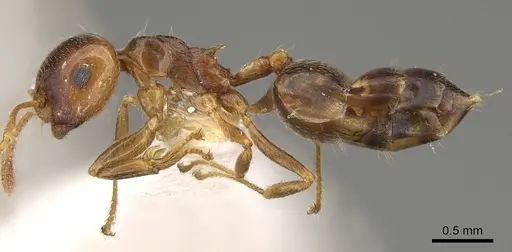
Crematogaster bequaerti is a small ant species belonging to the Crematogaster kneri group, found across Central Africa. Workers are tiny ants, typically measuring 2-4mm, with the characteristic Crematogaster trait of being able to raise their abdomen over their head when disturbed, giving them the nickname 'acrobat ants'. The species is known from the Democratic Republic of Congo, Guinea, Nigeria, and has recently been recorded in Rwanda. This is a poorly documented species with limited research on its specific biology and behavior [1][2].
As a Crematogaster species, these ants likely nest in rotting wood, under bark, or in similar concealed microhabitats in tropical forest environments. They are probably generalist foragers, similar to other members of the genus, feeding on small insects, honeydew, and sugar sources. The species shows some regional variation with six described subspecies, suggesting adaptability to different local conditions across its range.
Quick Summary
- Difficulty: Unknown, likely Medium based on typical Crematogaster care
- Origin & Habitat: Tropical Central Africa, Democratic Republic of Congo, Guinea, Nigeria, and Rwanda. Found in forest environments, likely in rotting wood or under bark [1][2].
- Colony Type: Likely monogyne (single queen) based on typical Crematogaster patterns, though colony structure is unconfirmed for this specific species
- Colony: Monogyne
- Founding: Claustral
- Size & Growth:
- Queen: Estimated 5-7mm based on genus patterns, not directly documented for this species
- Worker: Estimated 2-4mm based on genus patterns, not directly documented for this species
- Colony: Likely several hundred workers based on typical Crematogaster colony sizes
- Growth: Unknown, likely moderate based on genus patterns
- Development: Estimated 6-8 weeks at tropical temperatures based on related Crematogaster species (Timeline is inferred from genus-level data, not directly studied for this species)
- Antkeeping:
- Temperature: Keep at 24-28°C, this matches their tropical African origin and typical Crematogaster preferences. A slight gradient allowing cooler areas around 22°C is beneficial.
- Humidity: Maintain 60-80% humidity. These are forest-dwelling ants that prefer consistently moist conditions without being waterlogged. Provide a water tube for drinking access.
- Diapause: Unlikely, as a tropical species from Central Africa, they probably do not require a hibernation period. Keep temperatures stable year-round.
- Nesting: Y-tong (AAC) nests or plaster nests work well for this size ant. Provide nesting chambers with moderate humidity. They may also accept test tube setups if given proper humidity control. Avoid dry, airy nests.
- Behavior: Crematogaster ants are generally active and alert workers. They are known for raising their abdomen over their head when threatened, this is a defensive display and they may release a foul-smelling liquid. They are not typically aggressive toward humans but will defend their nest. Workers are small but fast-moving. Escape prevention should be moderate, their small size means they can slip through larger gaps, but they are not extreme escape artists like some tiny species.
- Common Issues: limited documented care information means some trial and error may be needed, tropical humidity requirements can lead to mold if ventilation is poor, small colony sizes may make them appear slow-growing compared to faster species, wild-caught colonies may have parasites or diseases not yet documented for this species
Housing and Nest Setup
Crematogaster bequaerti is a small ant that does well in Y-tong (acrylic) nests or plaster formicariums. The nesting chambers should be appropriately sized, not too large, as these ants prefer cozy spaces. A test tube setup can work for founding colonies, but monitor humidity carefully as test tubes can develop mold issues if over-watered. For outworld space, provide a modest foraging area. They are not large climbers, so vertical space is less critical than for arboreal species. Use a water tube or small water dish for drinking access, Crematogaster species readily use water sources.
Feeding and Diet
Like other Crematogaster species, these ants are generalist feeders. Offer sugar water, honey, or diluted syrup as a constant carbohydrate source. For protein, provide small insects like fruit flies, pinhead crickets, or mealworm pieces. They are not large predators, so prey items should be appropriately sized. Some Crematogaster species also collect honeydew from aphids if available. Feed protein sources 2-3 times per week, and keep sugar water available at all times. Remove uneaten prey after 24-48 hours to prevent mold.
Temperature and Humidity
Maintain temperatures between 24-28°C, reflecting their tropical African origin. A slight temperature gradient is beneficial, allow one area of the nest to be around 22°C while another reaches 28°C so the ants can self-regulate. Humidity should be kept at 60-80%. These forest-dwelling ants prefer consistent moisture but not saturated conditions. Monitor for condensation, some moisture is good but excessive water can harm the colony. Unlike temperate species, they do not require a winter cooling period.
Behavior and Colony Dynamics
Crematogaster workers are known for their characteristic defensive behavior, when threatened, they raise their abdomen over their head, which is how they earned the common name 'acrobat ants'. They may also release a defensive chemical. Workers are active foragers and will quickly discover and exploit food sources. The colony will likely grow from a single queen (monogyne) to several hundred workers over time. Queens are likely claustral, they seal themselves in a chamber and raise the first workers alone without foraging.
Handling and Temperament
This species is not considered dangerous to humans. While they have a stinger, Crematogaster species rarely use it on keepers due to their small size. They are more likely to use their defensive chemical secretion or simply flee. They are not aggressive toward humans but will defend their nest if threatened. For observation, they are interesting ants to watch due to their active foraging and characteristic abdomen-raising behavior.
Frequently Asked Questions
How long does it take for Crematogaster bequaerti to produce first workers?
Based on typical Crematogaster development, expect first workers (nanitics) in approximately 6-8 weeks after the queen lays eggs, assuming temperatures around 26°C. This is an estimate since specific development data for this species does not exist.
What do Crematogaster bequaerti ants eat?
They are generalist feeders. Offer sugar water, honey, or syrup for carbohydrates. For protein, provide small insects like fruit flies, small crickets, or mealworm pieces. Remove uneaten prey after a day or two.
Do Crematogaster bequaerti ants sting?
They have a stinger but rarely use it on humans due to their small size. Their primary defense is raising their abdomen over their head and releasing a foul-smelling chemical. They are not considered dangerous to keepers.
What temperature should I keep Crematogaster bequaerti at?
Keep them at 24-28°C. A slight gradient allowing cooler areas around 22°C is beneficial. As a tropical African species, they do not require hibernation.
How big do Crematogaster bequaerti colonies get?
Based on typical Crematogaster patterns, colonies likely reach several hundred workers. The exact maximum is unknown for this species.
Can I keep multiple Crematogaster bequaerti queens together?
This species is likely monogyne (single queen) based on typical Crematogaster behavior. Combining unrelated queens is not recommended as they would likely fight. If you obtain a wild colony, it likely has one queen.
What humidity do Crematogaster bequaerti need?
Maintain 60-80% humidity. These are forest-dwelling ants that prefer consistently moist conditions. Avoid both drying out and oversaturation.
Is Crematogaster bequaerti good for beginners?
This is a poorly documented species, so there is less care information available than for more common species. Based on typical Crematogaster care, it should be manageable for intermediate keepers. However, the limited documented care information means some experimentation may be needed.
Where is Crematogaster bequaerti found in the wild?
This species is native to Central Africa, specifically the Democratic Republic of Congo, Guinea, Nigeria, and recently recorded in Rwanda. They live in forest environments, likely in rotting wood or under bark.
References

This caresheet is licensed under CC BY-SA 4.0 .
CASENT0193744
View on AntWeb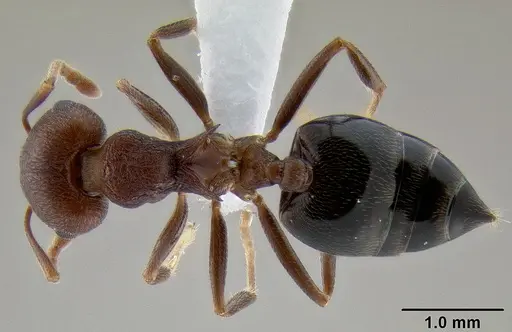
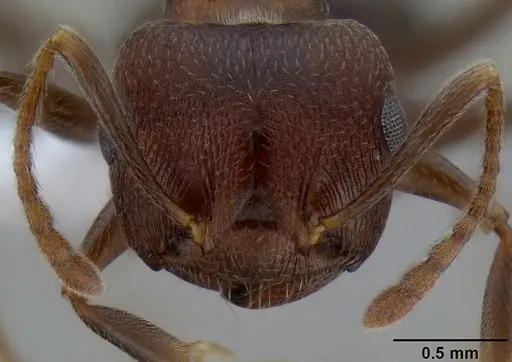
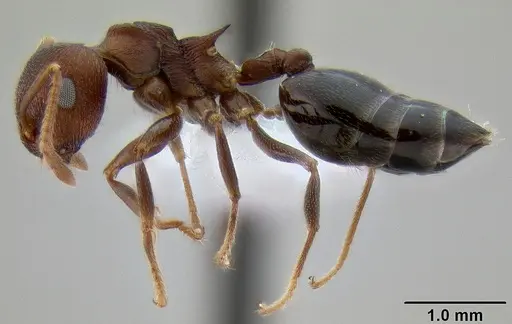
CASENT0902062
View on AntWeb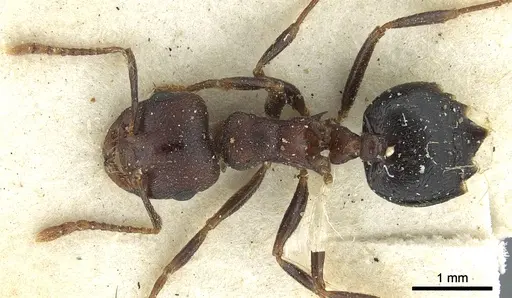
CASENT0904477
View on AntWeb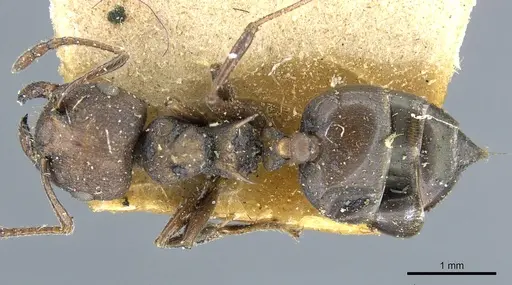
CASENT0908604
View on AntWeb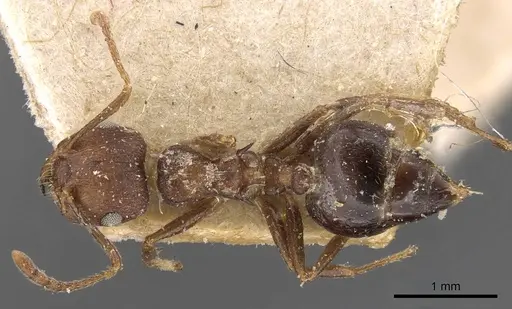
CASENT0908605
View on AntWeb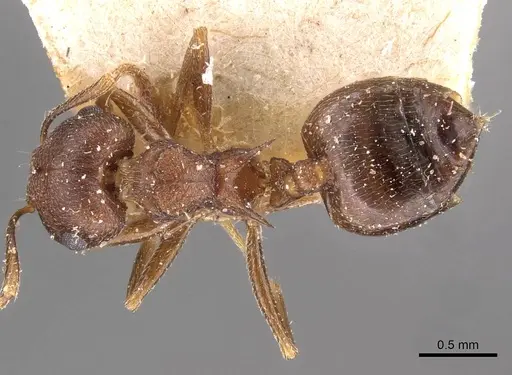
CASENT0912794
View on AntWeb
CASENT0912795
View on AntWeb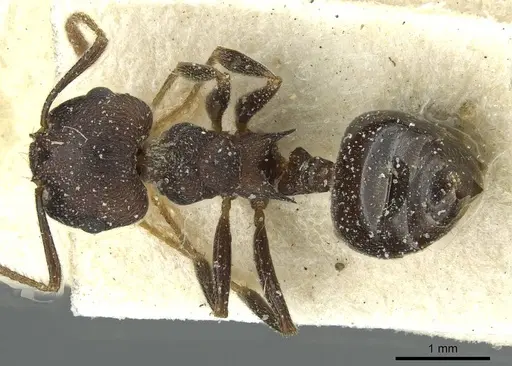
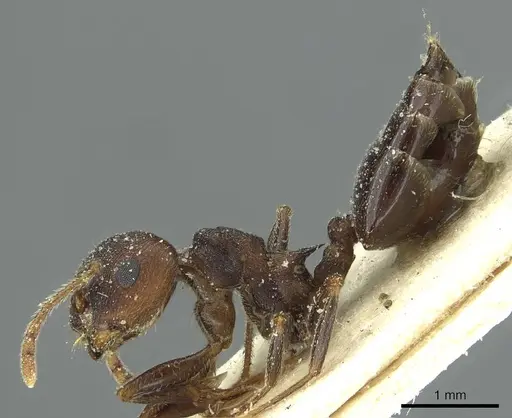
CASENT0912796
View on AntWeb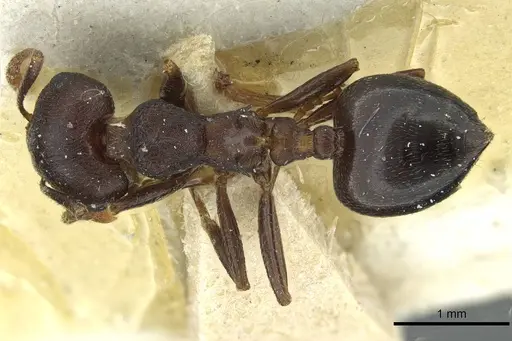
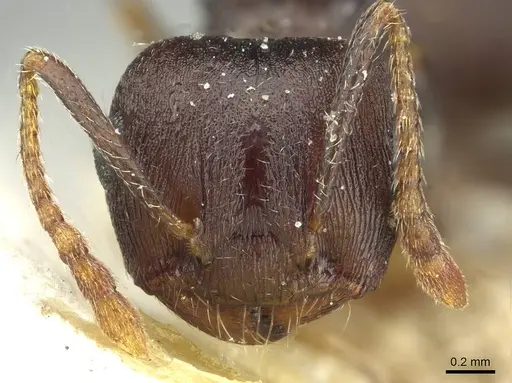
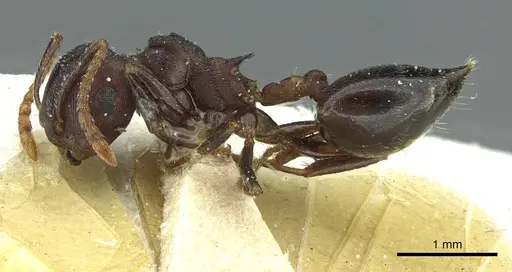
CASENT0912797
View on AntWeb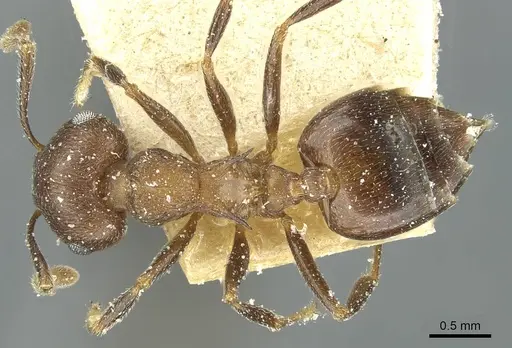
CASENT0912798
View on AntWeb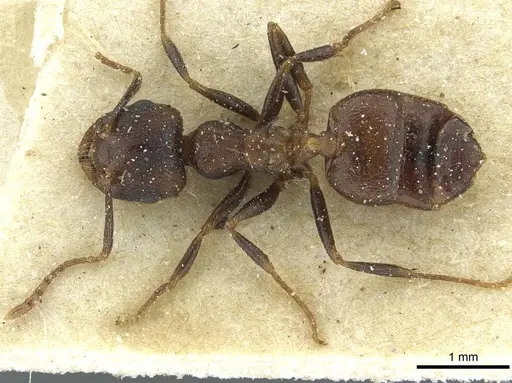
CASENT0914192
View on AntWeb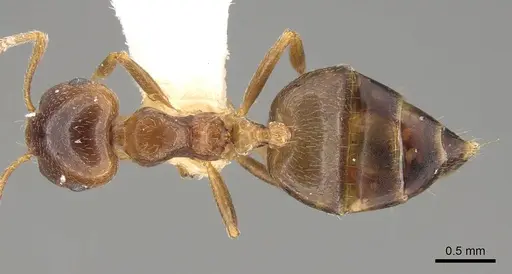
Literature
Loading...Loading products...