

Crematogaster bandarensis
- Scientific Name
- Crematogaster bandarensis
- Subgenus
- Orthocrema
- Tribe
- Crematogastrini
- Subfamily
- Myrmicinae
- Author
- Forel, 1913
- Distribution
- Found in 1 countries
Crematogaster bandarensis Overview
Crematogaster bandarensis is an ant species of the genus Crematogaster. It is primarily documented in 1 countries , including Malaysia. Detailed taxonomic data and occurrence records can be further explored via authoritative databases such as AntWeb or the Global Biodiversity Information Facility (GBIF).
Crematogaster banditensis
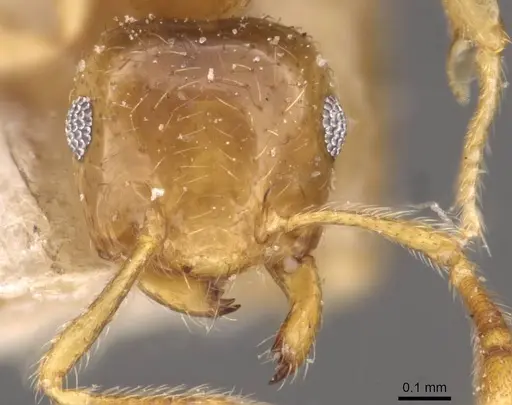
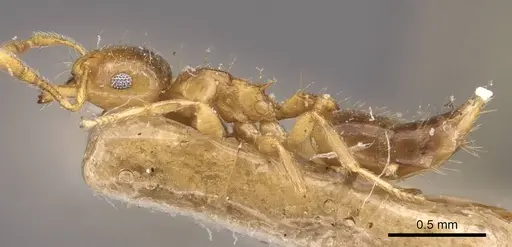
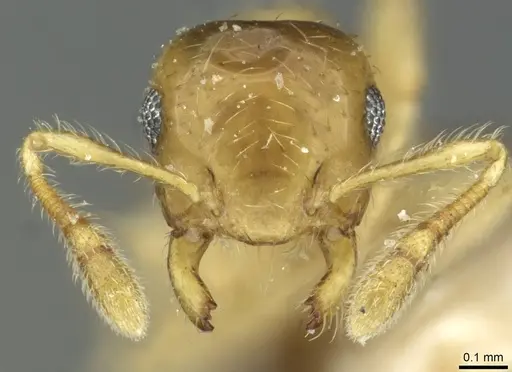
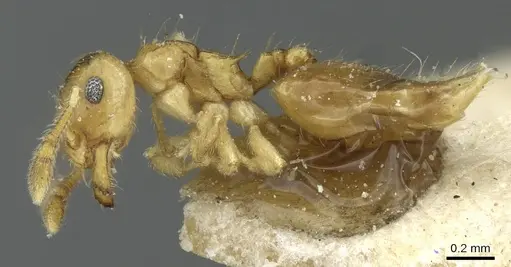
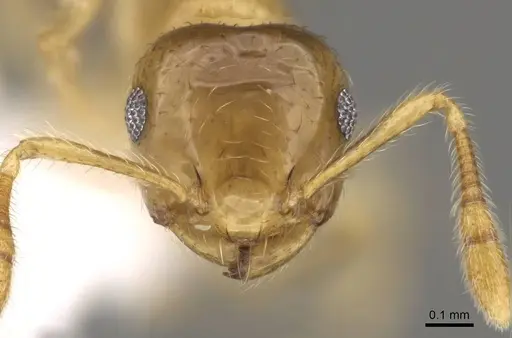
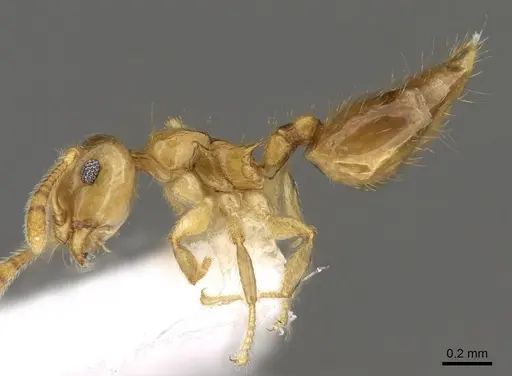
Crematogaster banditensis is a small yellow ant belonging to the Crematogaster quadriruga species group. Workers measure just 0.40-0.47mm in head width, making them one of the smaller Crematogaster species. They feature distinctive short and stout propodeal spines, distinct compound eyes that slightly project beyond the head margins, and a V-shaped metanotal groove. The body is entirely yellow, including all flagellar segments. This species inhabits developed forests across Southeast Asia, nesting in soil or leaf litter on the forest floor [1].
What makes this species interesting is its membership in the Orthocrema subgenus, which distinguishes it from other Crematogaster ants. The species can be identified by its very short propodeal spines (PSL 0.05-0.08) compared to similar species like C. philippinensis and C. sundalandensis which have longer spines (0.08-0.11). The large propodeal spiracles that touch the metapleural gland bulla is another distinguishing feature [1].
Quick Summary
- Difficulty: Medium
- Origin & Habitat: Southeast Asia, found in southern Thailand, Malaysia (Peninsular and Borneo), Brunei, and Indonesia (Bali, Sumatra, Krakatau). Inhabits developed forests and nests in soil or leaf litter [1].
- Colony Type: Colony structure is not well documented in scientific literature. Based on typical Crematogaster patterns, likely monogyne (single queen) but facultatively polygyne populations may exist.
- Colony: Monogyne
- Founding: Claustral
- Size & Growth:
- Queen: Not directly measured in available literature, estimated 5-7mm based on genus patterns
- Worker: 0.40-0.47mm head width (HW),0.42-0.50mm head length (HL) [1]
- Colony: Unknown, likely several hundred workers based on typical Crematogaster colony sizes
- Growth: Moderate, estimated based on small worker size and tropical distribution
- Development: Estimated 5-8 weeks at optimal tropical temperatures (24-28°C) (Timeline estimated from related Crematogaster species, direct measurements not available for this species)
- Antkeeping:
- Temperature: Keep at 24-28°C. Being a tropical Southeast Asian species, they need warm conditions. A heating cable on one side of the nest creates a suitable gradient. Room temperature may suffice if your home stays in this range.
- Humidity: Keep substrate moderately moist, they naturally nest in leaf litter and soil in humid forests. Provide a gradient with damp areas and slightly drier spots. Mist occasionally but avoid waterlogging.
- Diapause: No, as a tropical species from Southeast Asia, they do not require hibernation. Keep temperatures stable year-round.
- Nesting: Natural nesting: soil and leaf litter in developed forests. Captive options: Y-tong (AAC) nests work well, or a naturalistic setup with soil and leaf litter. The small size of workers (under 0.5mm) means chambers should be appropriately scaled. Test tube setups can work for founding colonies but may need to be moved to larger setups as the colony grows.
- Behavior: Crematogaster ants are known for their characteristic heart-shaped gaster, which they raise in a defensive display when threatened. Workers are active foragers and will tend aphids for honeydew. They have a mild sting but being so small, it's not painful to humans. Their small size (under 0.5mm) means escape prevention is critical, they can squeeze through very small gaps. They are generally not aggressive toward keepers but will defend their nest vigorously.
- Common Issues: escape prevention is critical due to their tiny size, use fine mesh and tight-fitting lids, small size makes them hard to contain, even standard test tube setups may need additional barriers, humidity control is important, too dry and brood will desiccate, too wet and mold becomes a problem, wild-caught colonies may harbor parasites that can devastate captive colonies, slow initial colony growth can lead to keeper impatience and overfeeding, causing mold problems
Housing and Nest Setup
For founding colonies, a simple test tube setup works well. Fill a test tube about one-third with water, plug the water end with cotton, and place the queen in the tube. The cotton provides moisture while the queen raises her first brood in the humid microclimate. Once you have 10-20 workers, consider moving to a small formicarium or naturalistic setup.
For established colonies, Y-tong (AAC) nests work excellently for this species. The chambers should be appropriately scaled to their tiny worker size, narrow passages and small chambers help them feel secure. Alternatively, a naturalistic setup with moist soil and leaf litter mimics their natural habitat in forest floor environments. Add some pieces of bark or small stones to provide additional hiding spots and structure.
Because workers are only 0.4-0.5mm in size, escape prevention must be excellent. Apply Fluon or similar barrier to the rim of any container, use fine mesh (at least 0.5mm or smaller), and ensure all connections between outworld and nest are tight-fitting. Even standard test tube setups can benefit from barrier tape around the cotton plug area. [1]
Feeding and Diet
Crematogaster ants are omnivorous with a preference for sweet liquids. In captivity, offer sugar water (1:1 ratio with water) or honey diluted with water at all times. They will also accept small protein sources like fruit flies, pinhead crickets, mealworms, and other appropriately sized insects.
In their natural habitat, they likely tend aphids and other honeydew-producing insects. You can support colony growth by providing regular protein feedings, small insects twice weekly works well for growing colonies. Remove any uneaten prey after 24-48 hours to prevent mold.
Their small size means prey items must be tiny. Fruit flies (Drosophila) are an excellent choice, as are very small mealworm pieces or newly hatched crickets. Avoid offering anything larger than the workers can handle.
Temperature and Seasonal Care
As a tropical species from Southeast Asia, Crematogaster banditensis requires warm temperatures year-round. Keep the nest area at 24-28°C (75-82°F). A heating cable placed on one side of the nest creates a temperature gradient that allows ants to regulate their own exposure to warmth.
Avoid temperatures below 20°C for extended periods, as this can slow or stop brood development. Room temperature is often adequate if your home stays in the 24-28°C range, but monitor with a thermometer.
No hibernation or diapause is required, this is a tropical species that remains active year-round with consistent warmth. Maintain stable temperatures rather than allowing fluctuations. Sudden drops in temperature can stress colonies and lead to brood die-off. [1]
Colony Development and Growth
Colony founding begins when the queen seals herself in a small chamber, likely claustral founding based on typical Crematogaster behavior. She relies on stored fat reserves to survive while raising the first brood. The first workers (nanitics) will be smaller than normal workers but will immediately begin caring for the queen and subsequent brood.
Growth rate is moderate, expect 6-12 months from founding to a colony of 50+ workers under good conditions. The small size of workers means colonies may appear smaller than those of larger ant species even with similar worker counts. A mature colony may reach several hundred workers.
Patience is key during the founding stage. Queens can take 4-8 weeks to produce their first workers, and another few months to reach 20-30 workers. Avoid disturbing the queen during this critical period, excessive vibration or light can cause her to abandon or eat her brood.
Behavior and Temperament
Crematogaster ants are named for their distinctive heart-shaped gaster (the rear body segment), which they raise in a defensive display when threatened. Workers are active foragers and will readily explore their environment in search of food. They communicate through chemical trails and can recruit nestmates to food discoveries.
This species is not particularly aggressive toward keepers, but they will defend their nest vigorously if threatened. Their small size means they pose no stinging threat to humans, even if they attempt to sting, their stingers are too small to penetrate human skin.
The most significant behavioral consideration is their small size. Workers are only about 0.5mm, making them excellent escape artists. Always use fine mesh, apply barrier compounds, and check all connections for gaps. A single worker can slip through a gap that seems impossibly small. [1]
Frequently Asked Questions
How long does it take for Crematogaster banditensis to produce first workers?
Expect 4-8 weeks from egg to first worker at optimal temperatures (24-28°C). This is an estimate based on related Crematogaster species, as specific development data for C. banditensis is not available.
Can I keep Crematogaster banditensis in a test tube?
Yes, test tubes work well for founding colonies. Use a water-filled test tube with a cotton plug, providing humidity without flooding. Once the colony reaches 15-20 workers, consider moving to a small formicarium or naturalistic setup.
What do Crematogaster banditensis ants eat?
They are omnivorous. Provide sugar water or honey constantly, and offer small protein sources like fruit flies, pinhead crickets, or small mealworms twice weekly. Prey items must be tiny due to their small worker size (under 0.5mm).
Do Crematogaster banditensis ants sting?
They have a stinger but are too small to penetrate human skin. You won't feel a sting from this species. However, they may attempt to defend their nest by raising their gaster and releasing alarm pheromones.
What temperature do Crematogaster banditensis need?
Keep them at 24-28°C (75-82°F). As a tropical Southeast Asian species, they need warm conditions year-round. A heating cable on part of the nest can help maintain appropriate temperatures.
Do Crematogaster banditensis need hibernation?
No, they do not require hibernation. Being a tropical species from Southeast Asia, they remain active year-round with consistent warmth. Avoid temperatures below 20°C.
How big do Crematogaster banditensis colonies get?
Colony size is not well documented, but based on typical Crematogaster patterns, expect several hundred workers at maturity. The small size of workers (0.4-0.5mm) means colonies may appear smaller than those of larger ant species.
Why are my Crematogaster banditensis escaping?
Their tiny size (under 0.5mm) makes them excellent escape artists. Use fine mesh (0.5mm or smaller), apply Fluon or similar barriers to container rims, and check all connections for gaps. Even seemingly impossible gaps can be exploited.
Are Crematogaster banditensis good for beginners?
They are moderate difficulty. The main challenges are their tiny size (requiring excellent escape prevention) and the need for warm tropical conditions. If you can provide proper containment and heating, they are manageable for beginners.
When should I move my colony to a formicarium?
Move from test tube to formicarium when the colony reaches 15-30 workers. Earlier moves may stress the colony, while waiting too long can lead to escape issues or resource depletion in the test tube.
Can I keep multiple Crematogaster banditensis queens together?
Combining unrelated queens is not recommended and has not been documented for this species. If you catch multiple founding queens, keep them separate. Some Crematogaster species can be facultatively polygynous, but this is not confirmed for C. banditensis.
What humidity level do Crematogaster banditensis need?
Keep substrate moderately moist, they naturally live in humid forest floor environments. The substrate should feel damp but not waterlogged. Provide a gradient with some damp areas and slightly drier spots for ants to choose.
References

This caresheet is licensed under CC BY-SA 4.0 .
CASENT0193609
View on AntWeb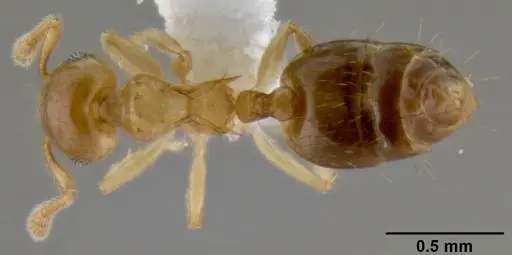
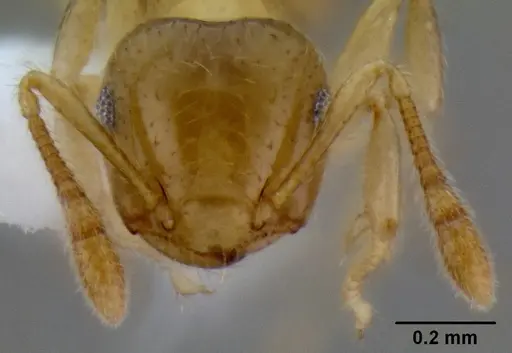
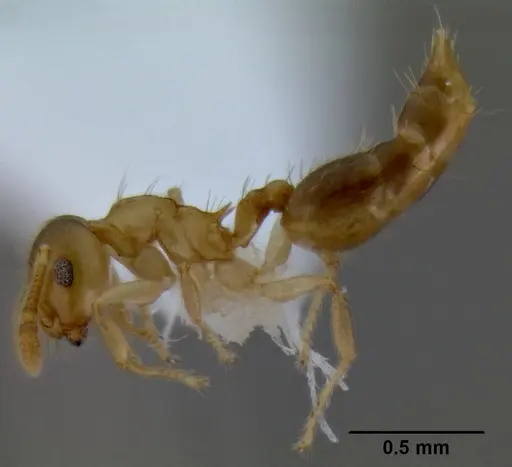
CASENT0908367
View on AntWeb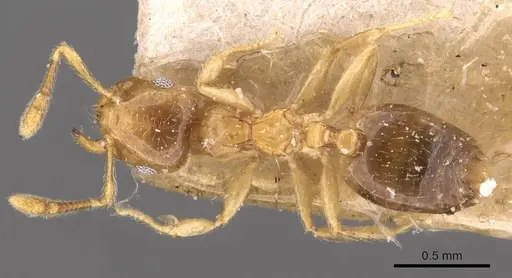
CASENT0912752
View on AntWeb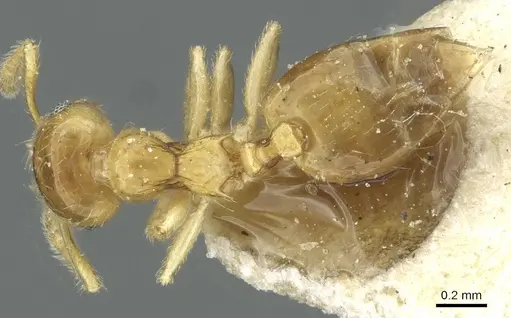
CASENT0914537
View on AntWeb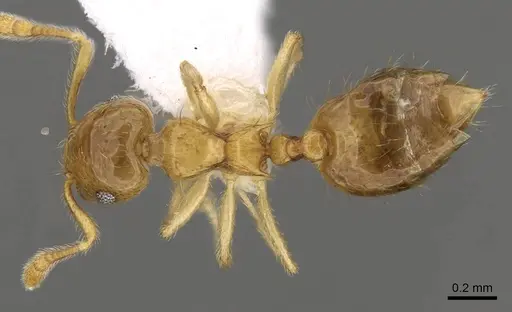
Literature
Loading...Loading products...