

Crematogaster aurita
- Scientific Name
- Crematogaster aurita
- Tribe
- Crematogastrini
- Subfamily
- Myrmicinae
- Author
- Karavaiev, 1935
- Distribution
- Found in 2 countries
Crematogaster aurita Overview
Crematogaster aurita is an ant species of the genus Crematogaster. It is primarily documented in 2 countries , including Thailand, Viet Nam. Detailed taxonomic data and occurrence records can be further explored via authoritative databases such as AntWeb or the Global Biodiversity Information Facility (GBIF).
Crematogaster aurita
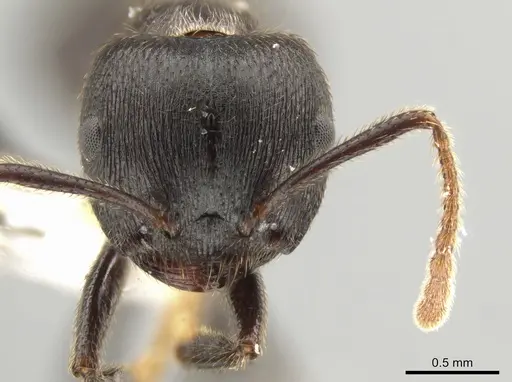
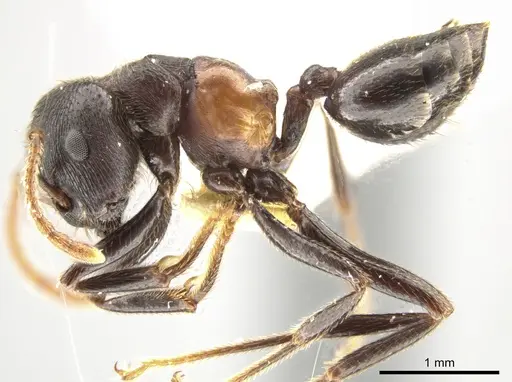
Crematogaster aurita is a medium-sized ant species native to the Indochinese Peninsula, found across Cambodia, Laos, Thailand, and Vietnam. Workers measure 0.95-1.84mm and display pronounced size polymorphism, large workers are significantly bigger than small workers, with different body sculpturing. The body is bicolored: the head, mesosoma, petiole, postpetiole, gaster and legs are dark brown, while the metanotal and propodeal area is reddish-brown. This species lacks propodeal spines and has a distinctly sculptured clypeus with longitudinal rugulae, which distinguishes it from the similar Crematogaster inflata. As a member of the C. inflata-subgroup, they are adapted to open, dry habitats and are often found foraging on tree trunks in dipterocarp forests.
Quick Summary
- Difficulty: Medium
- Origin & Habitat: Indochinese Peninsula (Cambodia, Laos, Thailand, Vietnam), found in open, dry habitats including dipterocarp forests and savannah regions. Does not extend southward beyond the Isthmus of Kra [1][2].
- Colony Type: Colony structure is unconfirmed, likely monogyne (single queen) based on typical Crematogaster patterns, but this has not been directly documented.
- Size & Growth:
- Queen: Unconfirmed, no queen measurements available in the literature [3]
- Worker: 0.95-1.84mm [2][4]
- Colony: Unknown, no colony size data available
- Growth: Unknown, no development timing data available
- Development: Estimated 6-8 weeks based on typical Crematogaster genus patterns at optimal temperature (No direct development data exists for this species. Estimates based on related species in the genus.)
- Antkeeping:
- Temperature: Aim for 24-28°C, these ants prefer warm conditions consistent with their tropical/subtropical range [1]
- Humidity: Keep relatively dry, they inhabit open, dry habitats. Provide a moisture gradient with a damp side and a drier side so ants can choose their preferred zone.
- Diapause: Unknown, no documented hibernation requirement. Given their tropical origin, they likely do not require a diapause period.
- Nesting: In captivity, they do well in acrylic nests, Y-tong, or plaster nests. They are arboreal to semi-arboreal, so include some vertical space. Provide moderate humidity and allow them to establish their preferred nesting area within the setup.
- Behavior: Crematogaster ants have a distinctive defense mechanism, they can bend their heart-shaped gaster forward to spray venom at attackers. Workers are moderately aggressive when threatened and will readily defend the colony. They are active foragers and will search for food both on the ground and up vertical surfaces. Escape risk is moderate, use standard barrier methods. Their polymorphic workers mean you'll see a range of sizes in the colony.
- Common Issues: no colony size data makes it difficult to predict when colonies will need larger setups, founding stage is unconfirmed, claustral vs semi-claustrl behavior unknown, no documented diapause requirements, be cautious about cooling periods, limited availability in the antkeeping hobby means husbandry experience is scarce, wild-caught colonies may carry parasites that are not well-documented for this species
Housing and Nest Preferences
Crematogaster aurita does well in standard formicarium setups including acrylic nests, Y-tong nests, or plaster nests. They are semi-arboreal by nature, so including some vertical space in the outworld is beneficial. In the wild, they forage on tree trunks in dipterocarp forests, so they are comfortable climbing vertical surfaces. Provide a test tube setup for the founding queen, then transition to a formicarium as the colony grows. Because their natural habitat is open and dry, avoid overly humid conditions, aim for moderate humidity with good ventilation to prevent mold. [4][2][1]
Feeding and Diet
Crematogaster species are typically omnivorous, feeding on honeydew, nectar, and small insects. Offer sugar water or honey as a constant energy source. For protein, provide small insects like fruit flies, small crickets, or mealworms. They are active foragers, so place food in the outworld where they can easily access it. Remove uneaten prey after 24-48 hours to prevent mold. Based on their foraging behavior in dipterocarp forests, they likely supplement their diet with tree-derived resources, consider offering occasional sweet fruits or tree sap substitutes. [3]
Temperature and Seasonal Care
Maintain temperatures in the range of 24-28°C. These ants are adapted to the warm climate of the Indochinese Peninsula and do best with consistent warmth. A heating cable on one side of the nest can create a temperature gradient, allowing ants to regulate their own exposure. Since they come from a tropical region, they likely do not require a diapause period. However, if you notice reduced activity during cooler months, slightly reduce temperatures (but not below 20°C) to simulate seasonal slowdown. Avoid sudden temperature fluctuations. [1][2]
Behavior and Defense
Crematogaster ants are known for their unique defense mechanism, they can bend their heart-shaped gaster forward to spray venom at threats. This makes them more defensive than some ant species. Workers are moderately aggressive and will readily attack perceived threats to the colony. When keeping this species, use standard escape prevention but you do not need extreme measures like fine mesh, they are not particularly small ants. They are active foragers and will explore their outworld thoroughly. Colony activity tends to increase with warmer temperatures. [3]
Colony Establishment
Since specific founding behavior has not been documented for C. aurita, assume typical Crematogaster patterns: the queen likely seals herself in a chamber (claustral founding) and raises her first workers alone on stored fat reserves. Provide a small test tube setup with a water reservoir. The first workers (nanitics) will be smaller than mature workers due to limited nutrition during founding. Once workers emerge, you can begin offering small amounts of sugar water and protein. Growth rate is unknown but expect moderate speed, colonies may take several months to reach 50+ workers.
Frequently Asked Questions
How long does it take for Crematogaster aurita to produce first workers?
Exact timing is unknown for this species. Based on typical Crematogaster development, expect first workers (nanitics) approximately 6-8 weeks after the queen lays eggs, assuming optimal temperature around 24-28°C. The founding stage may be slower than established colonies.
Do Crematogaster aurita ants sting?
Crematogaster ants do not have a functional stinger like many other ants. Instead, they have a unique defense mechanism, they can bend their heart-shaped gaster forward and spray venom at attackers. This can cause irritation but is not dangerous to humans.
What temperature is best for Crematogaster aurita?
Keep them at 24-28°C. These ants are adapted to the warm climate of the Indochinese Peninsula and do best with consistent warmth. A slight temperature gradient allows the colony to self-regulate.
Can I keep multiple Crematogaster aurita queens together?
Colony structure is not well-documented for this species. Based on typical Crematogaster behavior, they are likely monogyne (single queen). Combining unrelated queens is not recommended as it has not been studied and may result in aggression.
How big do Crematogaster aurita colonies get?
Colony size data is not available in the scientific literature. Based on related species in the Crematogaster genus, colonies likely reach several hundred workers. Their pronounced worker polymorphism suggests a complex social structure.
Do Crematogaster aurita need hibernation?
No, these ants are from a tropical region (Indochinese Peninsula) and do not require a diapause or hibernation period. Maintain warm temperatures year-round.
What do Crematogaster aurita eat?
They are omnivorous. Offer sugar water or honey as a constant energy source. For protein, provide small insects like fruit flies, small crickets, or mealworms. They are active foragers so place food where they can access it easily.
Are Crematogaster aurita good for beginners?
This species is rated as Medium difficulty. While not as challenging as some exotic species, limited husbandry information exists. They are more defensive than beginner-friendly species and require warm temperatures. If you're experienced with Crematogaster or other Myrmicinae, they can be a rewarding species to keep.
When should I move Crematogaster aurita to a formicarium?
Start with a simple test tube setup for the founding queen. Once the colony reaches 20-30 workers and you see consistent activity, you can transition to a formicarium. They do well in acrylic or Y-tong nests with moderate humidity.
Why is my Crematogaster aurita colony declining?
Common causes include: temperature too low (below 20°C), humidity too high or too low, poor nutrition, mold from overfeeding, or stress from excessive disturbance. Review your setup parameters and ensure food is being consumed. Limited available husbandry information means troubleshooting may require experimentation.
References

This caresheet is licensed under CC BY-SA 4.0 .
CASENT0649886
View on AntWeb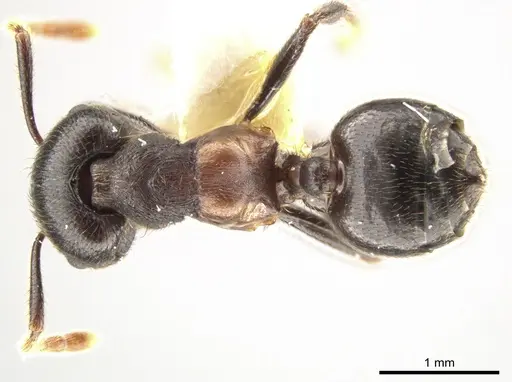
Literature
Loading...Loading products...