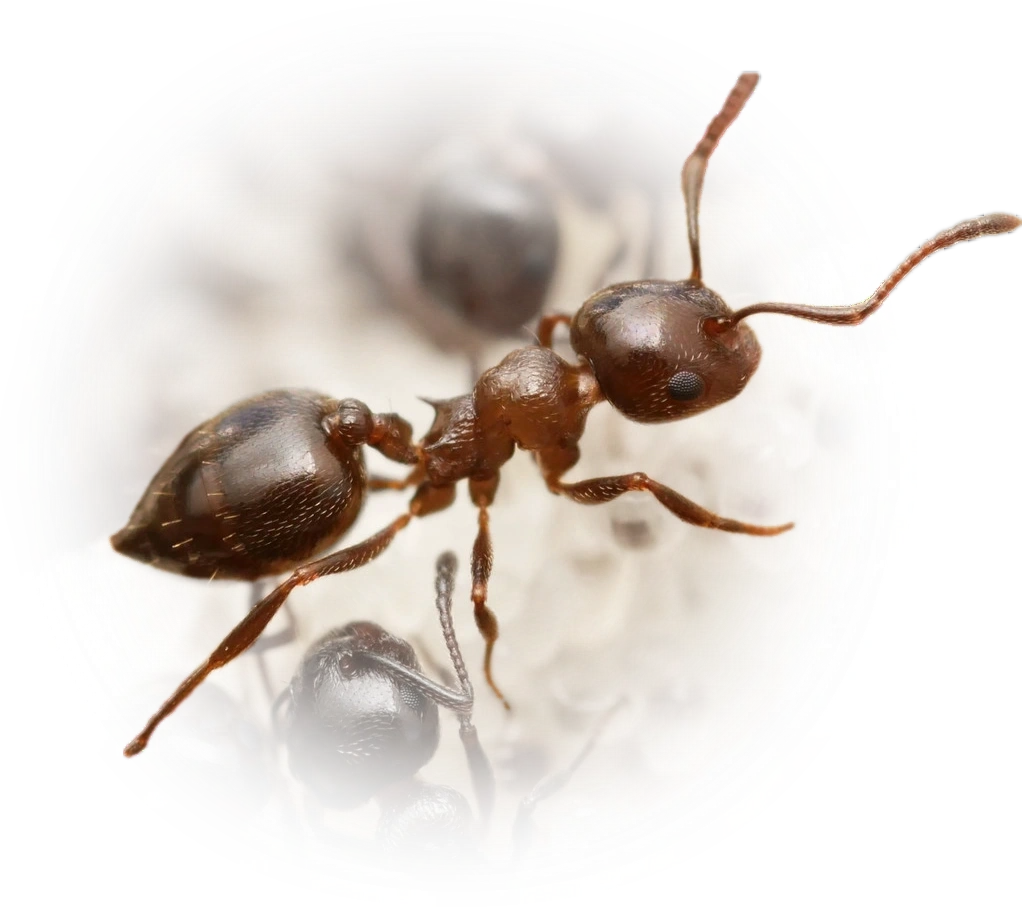

Crematogaster auberti
- Scientific Name
- Crematogaster auberti
- Tribe
- Crematogastrini
- Subfamily
- Myrmicinae
- Author
- Emery, 1869
- Distribution
- Found in 5 countries
Crematogaster auberti Overview
Crematogaster auberti is an ant species of the genus Crematogaster. It is primarily documented in 5 countries , including Algeria, Spain, France. Detailed taxonomic data and occurrence records can be further explored via authoritative databases such as AntWeb or the Global Biodiversity Information Facility (GBIF).
Crematogaster auberti
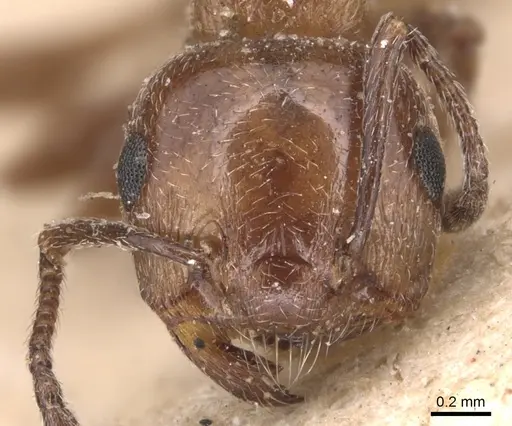
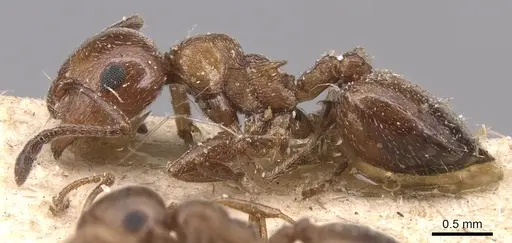
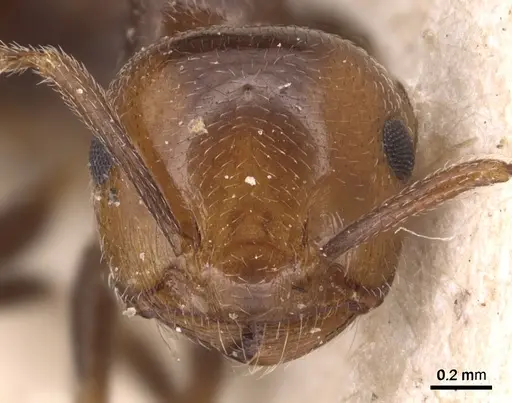
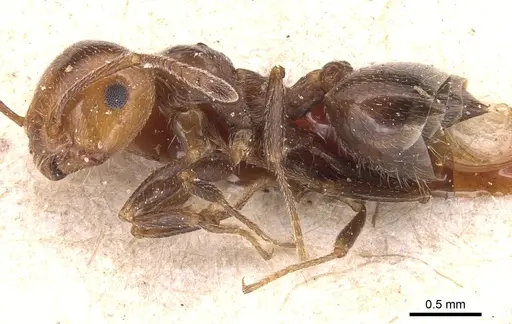
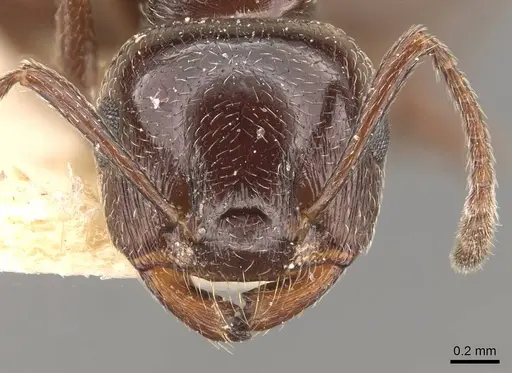
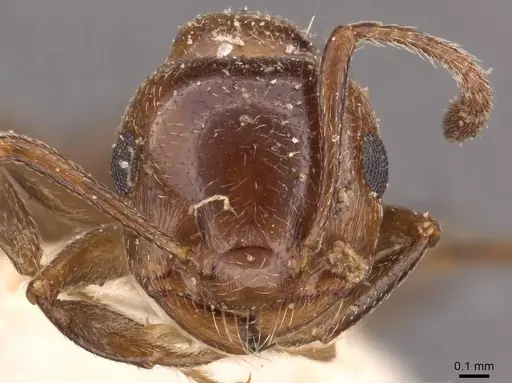
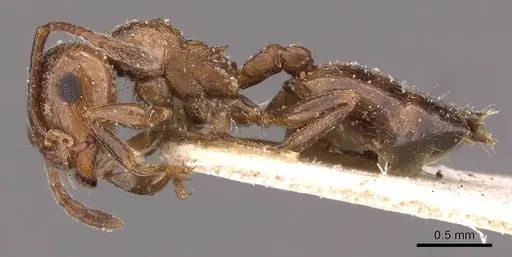
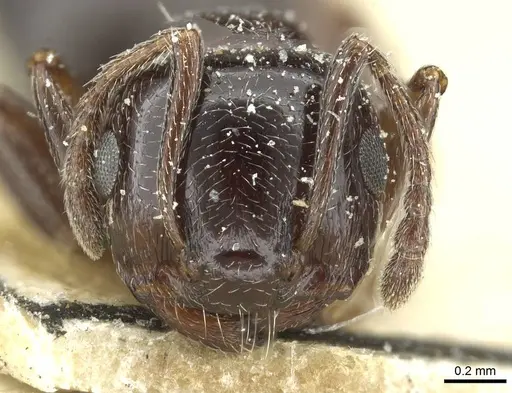
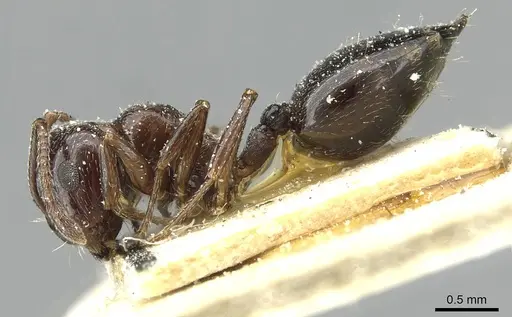
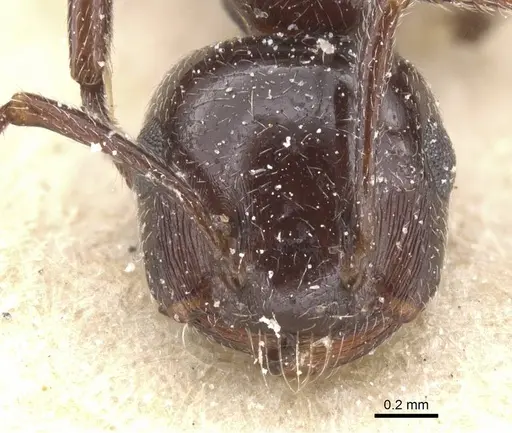
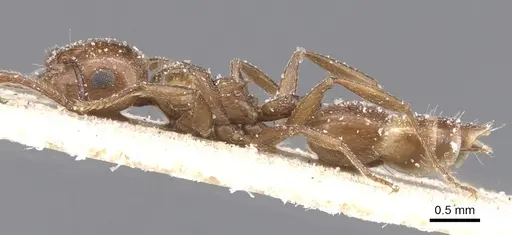
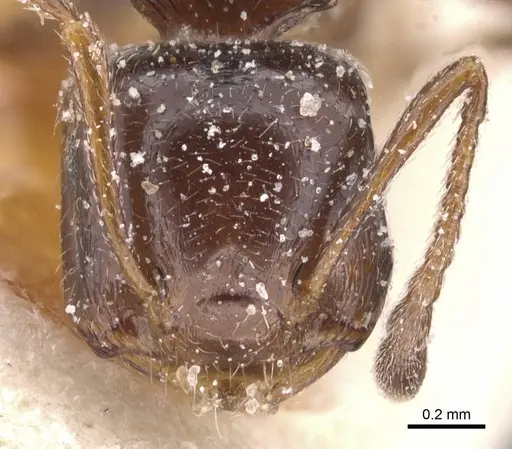
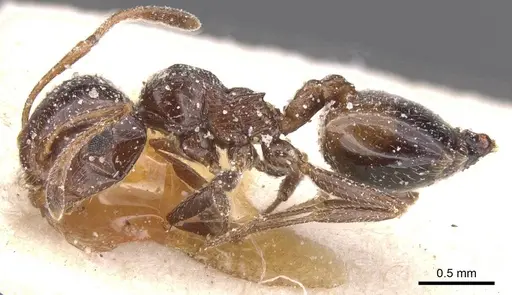
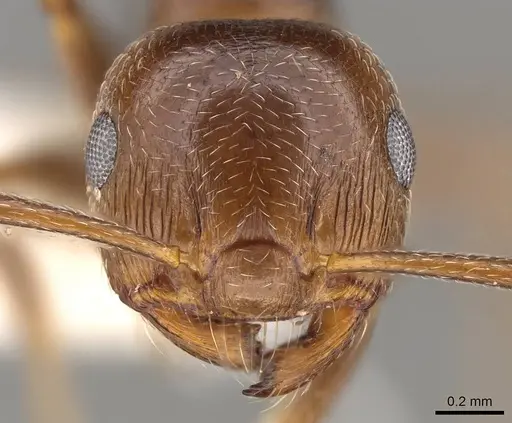
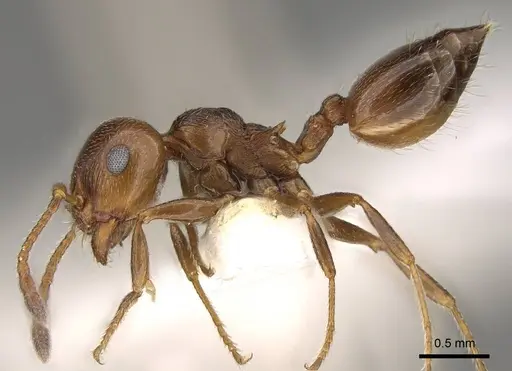
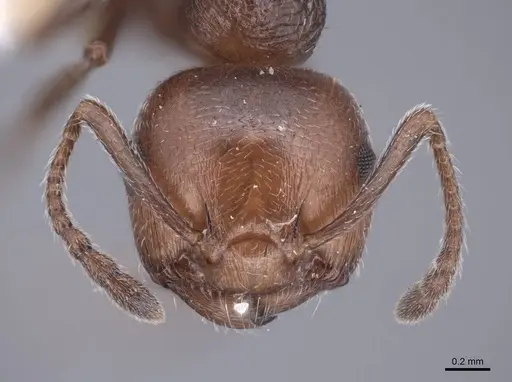
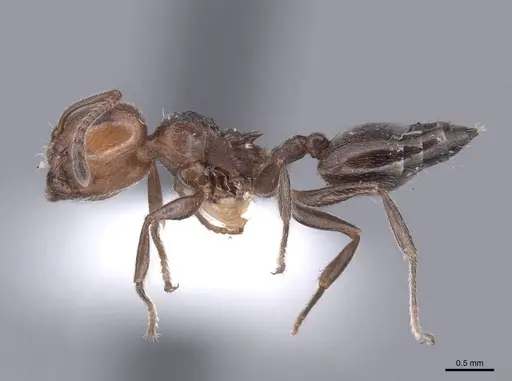
Crematogaster auberti is a small, dark brown to black ant native to the western Mediterranean region. Workers measure approximately 3.4-4mm and have a distinctive heart-shaped abdomen that they raise like an acrobat when threatened, hence the common name 'acrobat ant'. The postpetiole (the segment connecting the waist to the abdomen) has a visible groove running down the top, splitting it into two lobes. These ants are ground-nesters, typically establishing colonies under sun-heated stones in open Mediterranean habitats. They are omnivorous but strongly attracted to the sweet honeydew produced by aphids and scale insects, often climbing tree trunks to tend these sap-sucking insects. This species is widespread across southern Europe, North Africa, and the Middle East, though taxonomic confusion exists about eastern Mediterranean populations.
Quick Summary
- Difficulty: Easy
- Origin & Habitat: Western Mediterranean region, native to southern France, Iberian Peninsula, Canary Islands, North Africa (Morocco, Algeria, Libya, Egypt), and the Middle East. Found from sea level up to 2200m elevation in Morocco. Inhabits Mediterranean oak forests, maquis, pasture with palm, and cultivated areas like olive and almond groves [1][2][3].
- Colony Type: Monogyne, colonies have a single queen. Monodomous, single nest location. Colony foundation occurs through fission (queen leaves with workers to establish new colony) rather than solitary claustral founding [4][5].
- Colony: Monogyne
- Founding: Semi-claustral
- Size & Growth:
- Queen: Approximately 6-7mm (estimated based on genus patterns)
- Worker: 3.4-4mm [6][5]
- Colony: Colonies reach thousands of workers [5]
- Growth: Moderate, larvae present in nests throughout the year [5]
- Development: 6-8 weeks (estimated based on typical Crematogaster development at optimal temperature) (Brood development occurs year-round in Mediterranean climates)
- Antkeeping:
- Temperature: Keep at 20-26°C. They tolerate a wide range and are active from spring through summer, with peak activity in July. Critical thermal maximum is 44°C, and maximum activity temperature is around 24°C [5]. Room temperature is generally suitable.
- Humidity: Moderate to high, this is a hygrophilous (moisture-loving) species. Keep nest substrate moderately moist but not waterlogged. They prefer areas with some vegetation cover and moisture [2][7].
- Diapause: No, these ants are active year-round in their Mediterranean range. They do not require hibernation in captivity unless you live in a cold climate and cannot maintain temperatures above 15°C.
- Nesting: Ground-nesting species that naturally nests under stones. In captivity, they do well in test tubes (for founding colonies), Y-tong nests, or plaster nests with a moisture chamber. Provide a connection to an outworld for foraging. They prefer narrow chambers scaled to their small size.
- Behavior: These ants are nocturnal to crepuscular, more active in evening and night hours, especially during hot summer months. They are subordinate species in Mediterranean ant communities and typically avoid conflict with dominant ants. Workers forage alone or in small groups rather than forming large recruitment columns. They are excellent climbers and will readily ascend plant stems to reach honeydew sources. When disturbed, they raise their abdomen in a defensive display (the 'acrobat' behavior). They are not aggressive and rarely sting, their stinger is too small to penetrate human skin effectively. Escape prevention is important as they are small and can squeeze through small gaps.
- Common Issues: colonies may fail if kept too dry, moisture is essential for this hygrophilous species, slow founding phase compared to some ants, be patient with new colonies, small size means escapes are possible without fine mesh barriers, dominated by invasive ants like Linepithema humile in areas where they co-occur, keep separate from aggressive species, wild-caught colonies may carry parasites like Myrmicinosporidium fungus that can infect captive colonies [15]
Housing and Nest Setup
Crematogaster auberti does well in standard ant-keeping setups. For founding colonies, a test tube setup works well, fill a test tube one-third with water, plug with cotton, and place the queen and workers inside. Cover with a dark cloth for the first few weeks. Once the colony reaches 20-30 workers, you can connect to a formicarium. They prefer nests with narrow chambers scaled to their small 3-4mm size. A Y-tong (AAC) nest or plaster nest with a water chamber works well. Always connect the nest to an outworld using tubing, these ants need space to forage. Use fine mesh on any openings because they can escape through surprisingly small gaps. [4][1]
Feeding and Diet
These ants are omnivorous but strongly prefer sugary foods. In captivity, offer a constant source of sugar water, honey, or diluted sugar water. They also readily accept protein sources like small insects (fruit flies, small mealworms, crickets). They will climb to access honeydew in captivity if you provide potted plants with aphids. Feed protein 2-3 times per week and keep sugar water available at all times. Remove uneaten prey after 24 hours to prevent mold. In the wild, they primarily forage for nectar and honeydew, with occasional small prey [8][9][10].
Temperature and Seasonal Care
Crematogaster auberti tolerates a wide temperature range. They are most active at around 24°C and can survive up to 44°C (critical thermal maximum). Room temperature (20-26°C) is ideal for keeping them. They do not require hibernation since they are native to the Mediterranean where temperatures rarely drop below freezing. However, if your room temperature falls below 15°C in winter, consider providing a slight heat source or allowing a cool period around 10-15°C. They are nocturnal in summer but show continuous activity in spring. Peak activity occurs in July [5].
Behavior and Colony Dynamics
This species forms monogyne colonies (single queen) that reproduce through fission, the queen leaves with a group of workers to establish a new colony rather than starting completely alone. Colonies can reach thousands of workers. Workers are monomorphic (all the same size) at about 3.4mm. They are subordinate in Mediterranean ant communities, meaning they avoid direct competition with dominant species like Tapinoma or Linepithema. Workers forage individually or in small groups, not in large columns. They are excellent climbers and will readily ascend vertical surfaces to reach food sources. The distinctive 'acrobat' behavior (raising the abdomen) is a defensive display, they do not have a painful sting [4][5].
Ecological Interactions
In the wild, Crematogaster auberti has fascinating ecological relationships. They are known to tend aphids and scale insects for honeydew, often climbing tree trunks to access these sap-sucking insects. They also attend various lycaenid butterfly larvae, including Lampides boeticus and Tomares ballus, protecting them in exchange for honeydew secretions. They have been observed pollinating Cytinus hypocistis flowers. They sometimes act as 'nectar thieves' by taking nectar from flowers without providing pollination services. They are known to be infected by the fungus Myrmicinosporidium, which can affect captive colonies [11][12][13][14][15].
Common Problems and Solutions
The main issues keepers face with this species are related to moisture and escape prevention. Because they are hygrophilous, keeping them too dry will cause colony decline, ensure the nest substrate stays moderately moist. Their small size (3-4mm) means they can escape through tiny gaps, use fine mesh and check all connections regularly. They are slow to establish compared to some faster-growing species, so patience is needed during the founding phase. If keeping multiple ant species, be aware they are subordinate and may be bullied by more aggressive species. Wild-caught colonies may carry the Myrmicinosporidium fungus, so quarantine new colonies before introducing them to established setups [15][2].
Frequently Asked Questions
How long does it take for Crematogaster auberti to produce first workers?
Colony founding through fission means workers are present from the start. A new queen with workers should establish faster than solitary claustral species. Expect visible growth within 1-2 months under good conditions, with full development to 20-30 workers taking several months.
Do Crematogaster auberti ants sting?
They have a stinger but it is too small to penetrate human skin effectively. Their main defense is the 'acrobat' display where they raise their abdomen, this is a threat display, not an actual sting.
What do Crematogaster auberti eat?
They are omnivorous but prefer sugary foods. Offer sugar water, honey, or diluted sugar constantly. Supplement with small insects like fruit flies or small mealworms 2-3 times per week. They will also tend aphids if provided with potted plants.
Can I keep multiple queens together?
No, this is a monogyne species with single queen colonies. Multiple unrelated queens will fight. Only keep one queen per colony.
Do they need hibernation?
No, they are native to the Mediterranean and do not require hibernation. They remain active year-round in their native range. If your room temperature drops below 15°C in winter, a cool period around 10-15°C is acceptable but not required.
How big do colonies get?
Colonies can reach thousands of workers. They are considered a moderately sized Crematogaster species.
Are they good for beginners?
Yes, this is an easy species to keep. They are not aggressive, tolerate a range of temperatures, and are not demanding in their care. The main requirements are keeping them moist and providing escape-proof housing.
When should I move them to a formicarium?
Start them in a test tube setup. Once the colony reaches 20-30 workers and you see regular foraging activity, you can connect them to a formicarium. They do well in Y-tong nests, plaster nests, or naturalistic setups with a moisture source.
References

This caresheet is licensed under CC BY-SA 4.0 .
CASENT0281539
View on AntWeb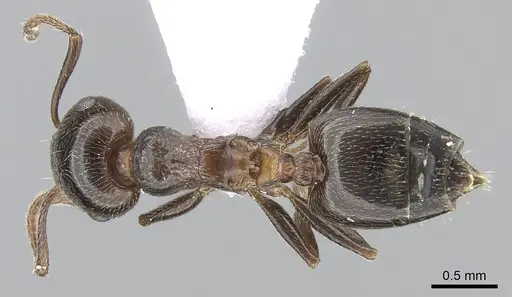
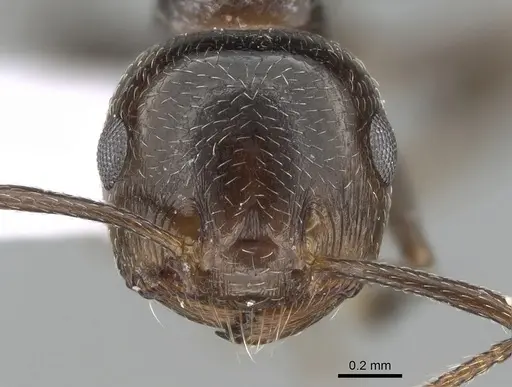
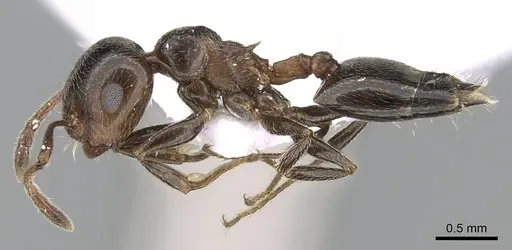
CASENT0904499
View on AntWeb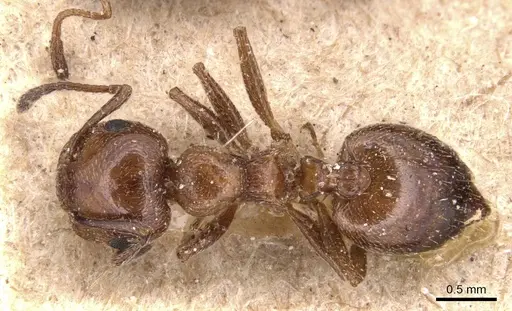
CASENT0904501
View on AntWeb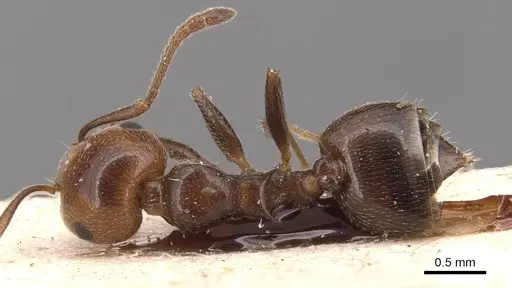
CASENT0908470
View on AntWeb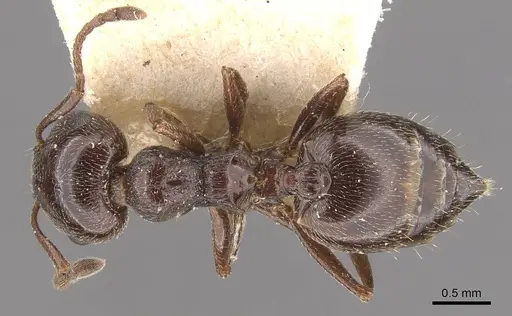
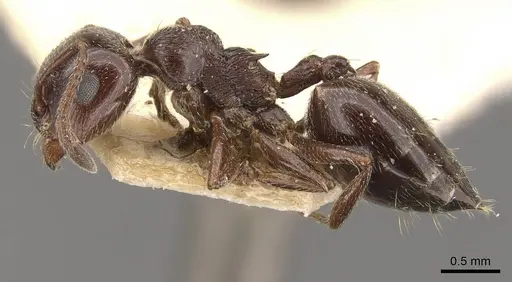
CASENT0908471
View on AntWeb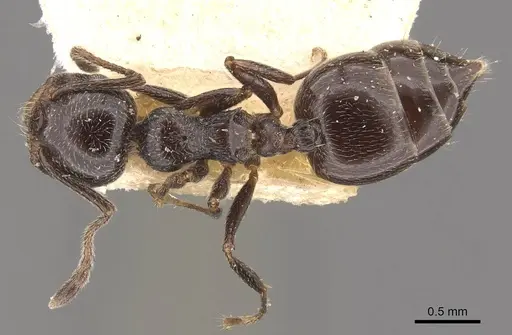
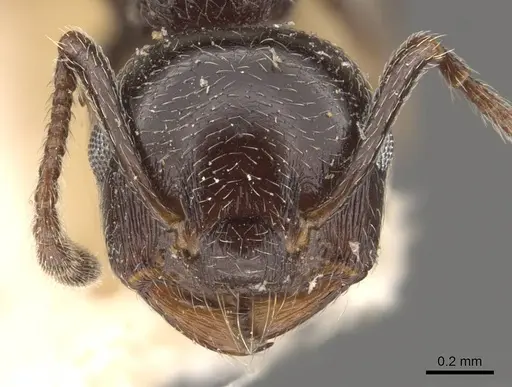
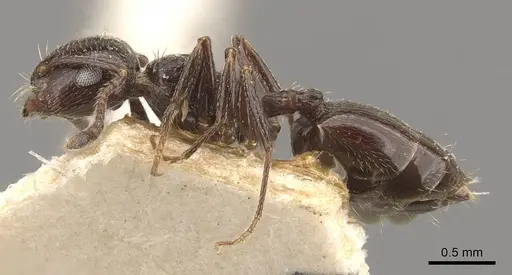
CASENT0908480
View on AntWeb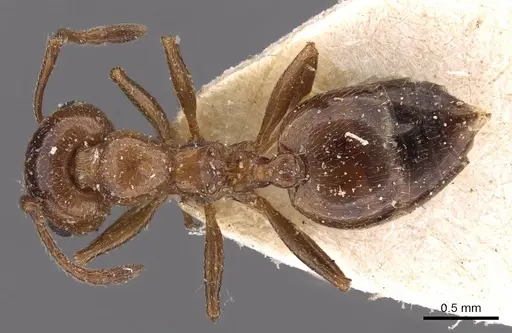
CASENT0912642
View on AntWeb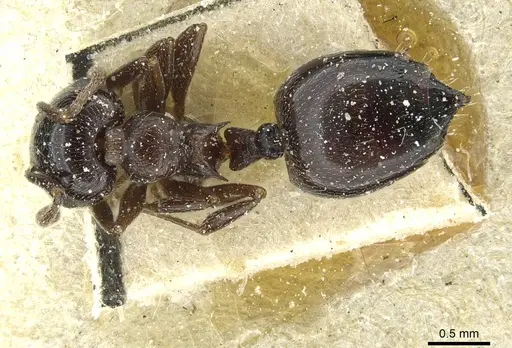
CASENT0912643
View on AntWeb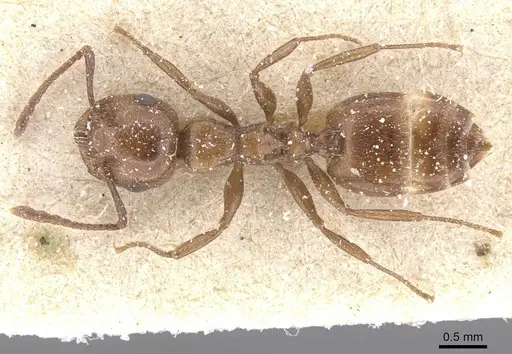
CASENT0912670
View on AntWeb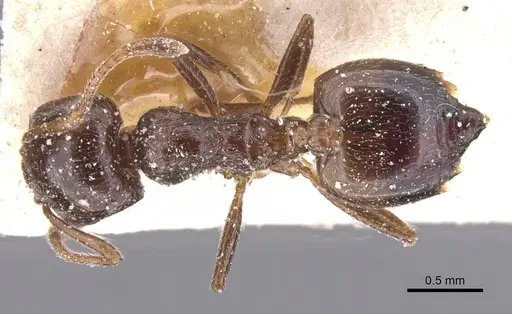
CASENT0914147
View on AntWeb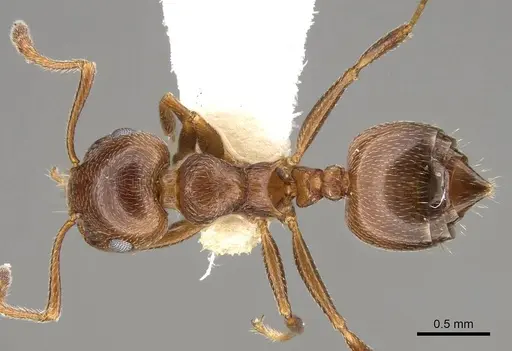
FMNHINS0000047722
View on AntWeb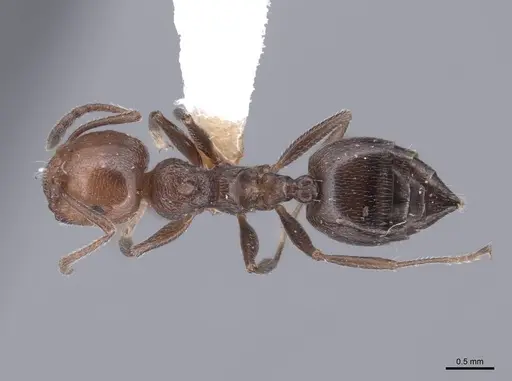
Literature
Loading...Loading products...