

Crematogaster ampla
- Scientific Name
- Crematogaster ampla
- Subgenus
- Orthocrema
- Tribe
- Crematogastrini
- Subfamily
- Myrmicinae
- Author
- Forel, 1912
- Distribution
- Found in 3 countries
Crematogaster ampla Overview
Crematogaster ampla is an ant species of the genus Crematogaster. It is primarily documented in 3 countries , including Brazil, Colombia, Paraguay. Detailed taxonomic data and occurrence records can be further explored via authoritative databases such as AntWeb or the Global Biodiversity Information Facility (GBIF).
Crematogaster ampla
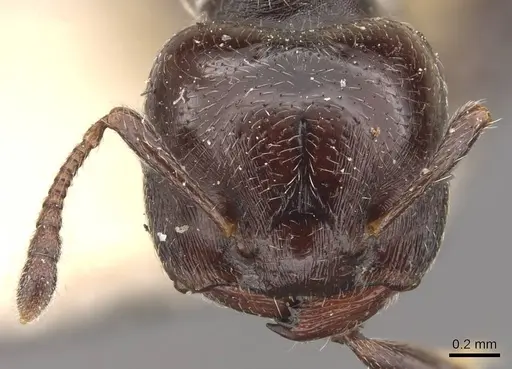
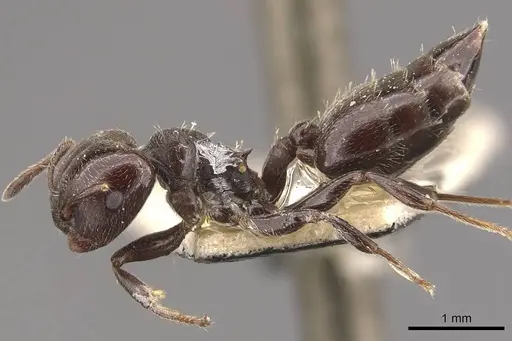
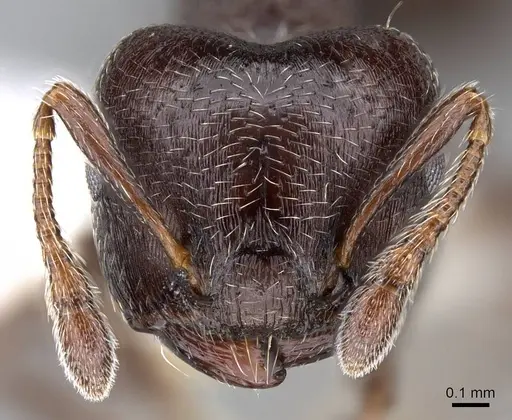
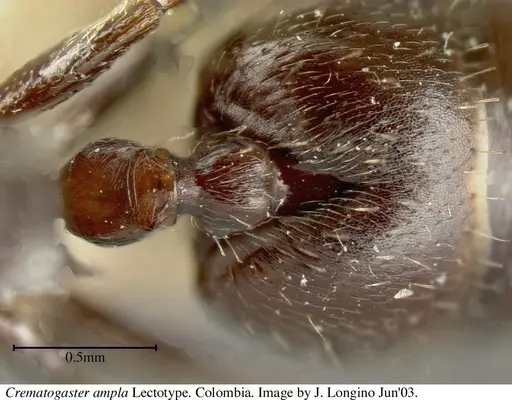
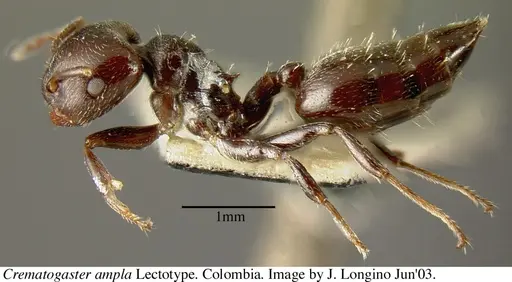
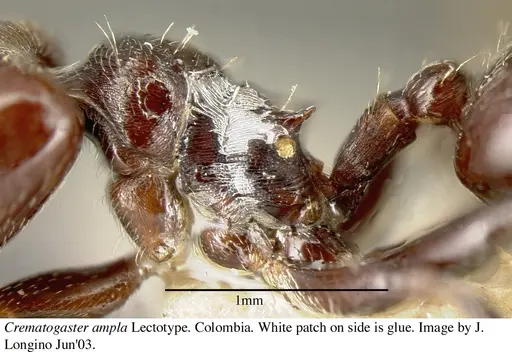
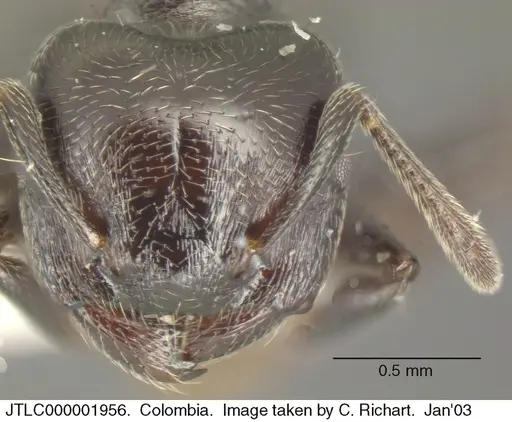
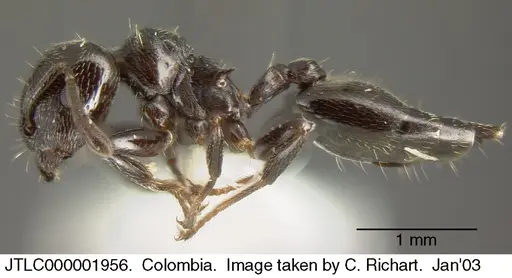
Crematogaster ampla is a Neotropical ant species belonging to the Myrmicinae subfamily. Workers are small to medium-sized ants within the Crematogaster crinosa species complex, recognizable by a distinctive smooth, triangular impression on the fourth abdominal tergite posterior to the postpetiolar insertion, a unique feature among Crematogaster species [1]. Workers have abundant setae (bristles) on the abdomen and short propodeal spines. The head and mesosoma show weak longitudinal striations. This species forms large, highly aggressive colonies that establish conspicuous foraging networks in trees and are extremely territorial toward other ant species [2].
What makes C. ampla particularly interesting is its role as both a host and a 'model' in a mimicry system. Another ant species, Cephalotes specularis (the mirror turtle ant), has evolved to mimic C. ampla's appearance and even eavesdrop on its pheromone trails to locate food resources [3]. This Batesian-Wallacian mimicry means C. ampla is duped into tolerating the parasite in its trails. In some areas of Brazil, C. ampla is also parasitized by other social parasites [1].
Quick Summary
- Difficulty: Medium
- Origin & Habitat: Neotropical region, found across Argentina, Bolivia, Brazil, Colombia, Mexico, Panama, and Paraguay [1]. This species inhabits tropical dry forests, cerrado savanna, and grassland habitats. It is arboreal, often nesting in trees including ant-plants like Caryocar brasiliense, and establishes foraging trails on vegetation [4][5].
- Colony Type: Large colonies with single or multiple queens, exact colony structure is not well documented in scientific literature. Colonies are described as large-colony species with tens of thousands of workers in established territories [2].
- Size & Growth:
- Queen: Estimated 6-8mm based on genus typical sizes, not directly measured in species-specific papers
- Worker: Estimated 3-5mm based on genus patterns and crinosa complex members [1]
- Colony: Large colonies, tens of thousands of workers in territorial colonies [2]
- Growth: Moderate, estimated based on typical Crematogaster development patterns
- Development: Estimated 5-8 weeks based on typical Myrmicinae development at tropical temperatures (25-28°C) (Development time is estimated from genus-level data since species-specific development has not been studied. Tropical species typically develop faster than temperate species.)
- Antkeeping:
- Temperature: Keep at 24-28°C (tropical species). Provide a temperature gradient allowing workers to self-regulate. Room temperature within this range is acceptable, a heating cable on one side of the nest can create needed warmth
- Humidity: Moderate to high humidity (60-80%). This species comes from humid tropical and subtropical regions. Keep nest substrate moist but not waterlogged. Provide a water source
- Diapause: No, as a tropical species, C. ampla does not require hibernation or diapause. Maintain consistent temperatures year-round
- Nesting: Arboreal nester, in captivity they do well in Y-tong (AAC) nests, plaster nests, or naturalistic setups with vertical surfaces. Provide narrow chambers and plenty of vertical space for their characteristic foraging trail behavior. Test tubes can work for founding colonies
- Behavior: Extremely aggressive and territorial. Workers will chase and kill any intruders on their foraging trails, including other ant species. They form conspicuous, dense foraging networks that can dominate food resources [2]. This hyperaggressive behavior makes them excellent defenders but challenging to house with other ant species. Workers are active foragers that establish persistent trails. Escape prevention is important, while not among the smallest ants, their speed and activity level means they will exploit any gaps. They have a functional stinger but primarily use mandibles and chemical defenses [2].
- Common Issues: hyperaggression can lead to stress in founding colonies if disturbed frequently, large colony size requires significant space and resources, not suitable for very small setups, tropical species may struggle if temperatures drop below 22°C, social parasites like Cephalotes specularis could potentially be introduced with wild-caught colonies, dominance behavior at food sources can make them difficult to keep in multi-species setups
Housing and Nest Preferences
Crematogaster ampla is an arboreal species that naturally nests in trees and vegetation, including ant-plants like Caryocar brasiliense in the Brazilian cerrado [4]. In captivity, they adapt well to various nest types. Y-tong (AAC) nests work well because they provide the narrow chambers these ants prefer. Plaster nests are another good option as they allow you to maintain humidity while providing solid surfaces for their characteristic trail-running behavior. Naturalistic setups with vertical surfaces can simulate their natural arboreal environment. For founding colonies, a simple test tube setup with a water reservoir works adequately. As colonies grow, upgrade to larger formicaria with multiple chambers connected by tubing. The key is providing enough vertical space for their foraging trail behavior, they will establish persistent trails between the nest and food sources [2]. Escape prevention should be taken seriously despite their moderate size, use fluon on tube connections and ensure all openings are secure.
Feeding and Diet
In the wild, C. ampla is a dominant forager that aggressively defends food resources. They are generalist foragers that exploit carbohydrate sources (honeydew from aphids and scale insects) and protein sources (insects and other small invertebrates) [2]. In captivity, offer a varied diet. Sugar water or honey should be provided as a constant carbohydrate source. For protein, offer small insects like fruit flies, small crickets, mealworms, or other appropriately-sized prey. They are hyperaggressive at food sources and will dominate any baits they find [2]. Feed protein 2-3 times per week, and keep sugar water available at all times. Remove uneaten prey after 24-48 hours to prevent mold. Their large colony size means food consumption can be substantial, monitor consumption patterns and adjust feeding accordingly.
Temperature and Seasonal Care
As a Neotropical species from tropical and subtropical regions, C. ampla requires warm temperatures year-round. Maintain nest temperatures between 24-28°C. This is warmer than what most temperate ant species need, reflecting their origin in Central and South American habitats [1]. A heating cable placed on one side of the nest can create a temperature gradient, allowing ants to self-regulate by moving between warmer and cooler areas. Room temperature within this range is acceptable for those keeping ant rooms at typical indoor temperatures. Unlike temperate species, C. ampla does not require hibernation or diapause, maintain consistent temperatures throughout the year. Avoid temperatures below 22°C as this could stress the colony. Monitor colony activity levels as a guide, workers should be actively foraging. If they become sluggish and cluster together, the temperature may be too low.
Behavior and Colony Dynamics
Crematogaster ampla is known for its extreme territoriality and aggression. Colonies form large, conspicuous foraging networks with hundreds of workers dominating any food sources they discover [2]. They are hyperaggressive toward other ant species, actively chasing and killing intruders on their trails and at resources. This aggressive behavior makes them a dominant species in their native ecosystems, in studies, no other ant species could compete with C. ampla at baits, even with 192 intensively monitored food sources [2]. Within the colony, workers show division of labor with some workers specializing in defensive roles. Minor workers exhibit defensive postures when on trees, raising their gasters in a defensive position [3]. The species also serves as a 'model' in a mimicry relationship, Cephalotes specularis has evolved to resemble C. ampla and exploits their trails through eavesdropping on pheromone signals [3][2]. Understanding this aggressive, territorial nature is essential for keepers, they are not suitable for multi-species setups and will dominate any shared resources.
Growth and Development
Specific development data for C. ampla is not documented in scientific literature. Based on typical Crematogaster genus patterns and other Myrmicinae species, egg-to-worker development likely takes 5-8 weeks at optimal tropical temperatures (25-28°C). The first workers (nanitics) will be smaller than mature workers, as is typical in ant species. Colonies grow large over time, mature colonies can reach tens of thousands of workers [2]. Growth rate is moderate, not exceptionally fast but steady when fed well and kept at appropriate temperatures. The large colony size this species achieves means keepers should plan for significant space requirements as the colony matures. Unlike some Crematogaster that have claustral founding where the queen seals herself in, the exact founding behavior of C. ampla has not been studied. Most Crematogaster species are claustral, but this should be confirmed through observation of your founding colony.
Frequently Asked Questions
How long does it take for Crematogaster ampla to have first workers?
The exact timeline is not documented for this species, but based on typical Crematogaster development patterns, expect first workers (nanitics) in approximately 5-8 weeks at optimal temperatures of 25-28°C. This is an estimate based on genus-level data since species-specific development has not been studied.
Are Crematogaster ampla good for beginners?
This species is rated as medium difficulty. While not the most challenging ant species, their large colony size, aggressive temperament, and need for warm tropical conditions make them better suited for keepers with some experience. Their extreme aggression and territorial behavior are notable considerations.
Do Crematogaster ampla ants sting?
Yes, Crematogaster ants have stingers, though their stings are typically not dangerous to humans. However, their primary defense is their aggressive biting and chemical secretions. The main concern for keepers is their speed and willingness to defend their colony aggressively.
What do Crematogaster ampla eat?
They are generalist feeders. Offer sugar water or honey constantly for carbohydrates, and protein sources like small insects (fruit flies, small crickets, mealworms) 2-3 times per week. They are aggressive foragers that will dominate food resources.
Can I keep multiple Crematogaster ampla queens together?
The exact colony structure (monogyne vs polygyne) has not been documented for this species. Given their extreme territoriality and aggression, combining unrelated queens is not recommended. It is best to start with a single founding queen.
Do Crematogaster ampla need hibernation?
No, as a Neotropical (tropical/subtropical) species from Central and South America, they do not require hibernation. Maintain warm temperatures (24-28°C) year-round. They are active throughout the year in their native habitat.
How big do Crematogaster ampla colonies get?
Very large. This species forms large colonies with tens of thousands of workers in established territories [2]. You will need to plan for significant space as the colony matures.
What is the best nest type for Crematogaster ampla?
Y-tong (AAC) nests or plaster nests work well. They are arboreal by nature, so provide vertical space for their characteristic foraging trail behavior. Naturalistic setups with vertical surfaces can also work. Test tubes are suitable for founding colonies.
Why is my Crematogaster ampla colony dying?
Common causes include: temperatures below 22°C (tropical species need warmth), low humidity, insufficient food for large colonies, or stress from frequent disturbance. Their aggressive nature also means they may be more sensitive to vibration and disturbance than some species. Check that temperatures are in the 24-28°C range and that food is being consumed.
References

This caresheet is licensed under CC BY-SA 4.0 .
CASENT0173929
View on AntWeb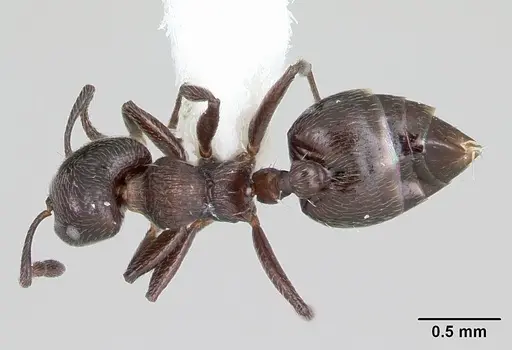
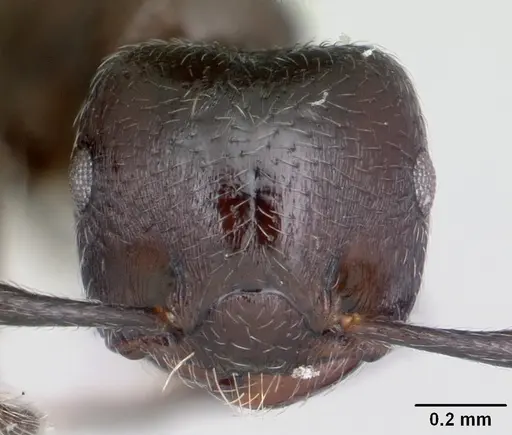
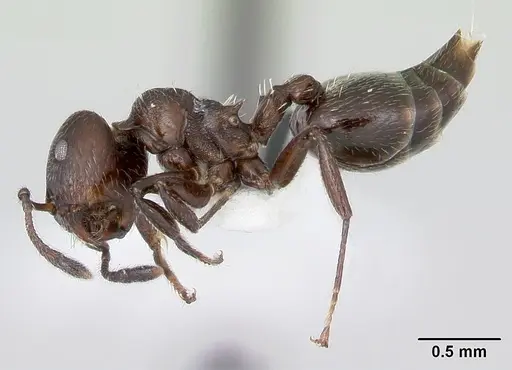
CASENT0908390
View on AntWeb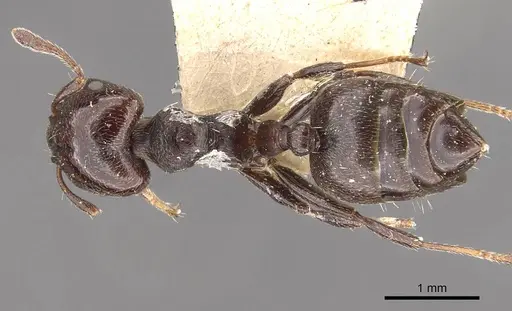
CASENT0914548
View on AntWeb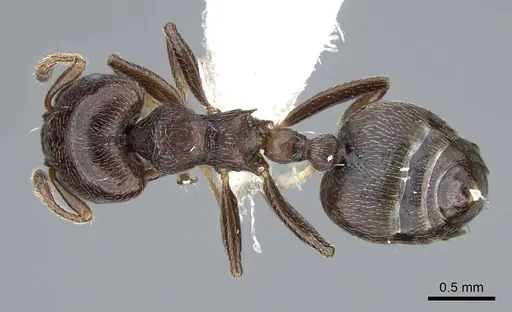
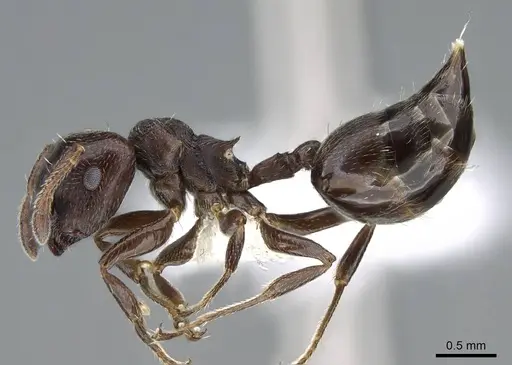
CBUMAGENT41932
View on AntWeb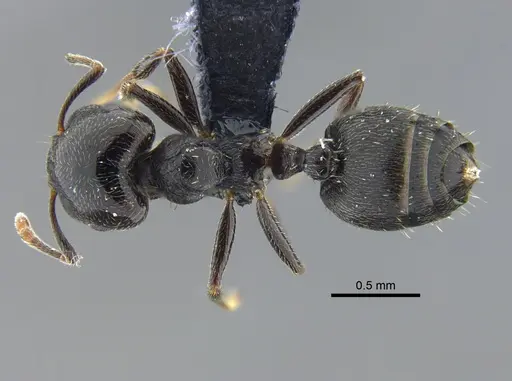
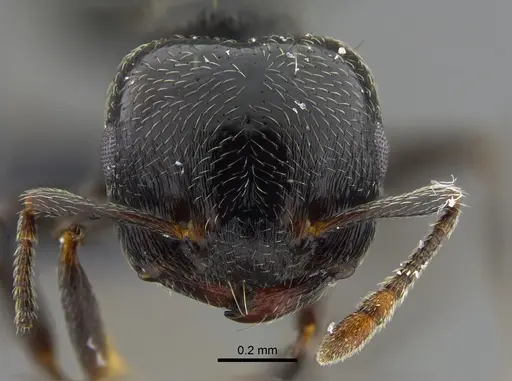
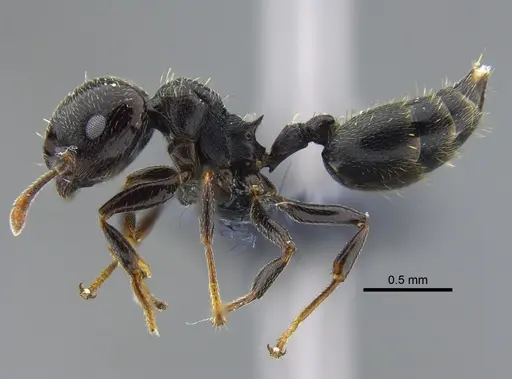
JTL669611
View on AntWeb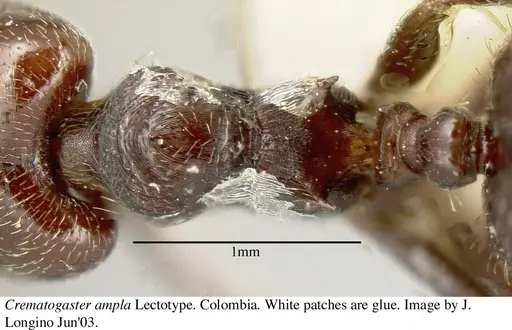
JTLC000001956
View on AntWeb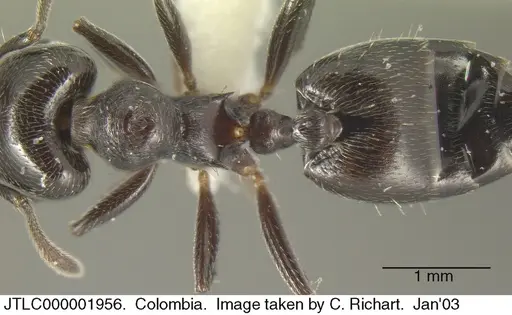
Literature
Loading...Loading products...